STAY CONNECTED


Government Licence No.: 131483/071/072
STAY CONNECTED
The Moharae Danada Trek provides a captivating journey with stunning views of the Dhaulagiri and Annapurna mountain ranges. Enriched by the Poon Magar culture, the trek offers peaceful forest walks through vibrant rhododendron forests. Experience tranquility while immersing in the beauty of nature and cultural encounters, making it an ideal expedition for those seeking a harmonious blend of adventure and serenity.
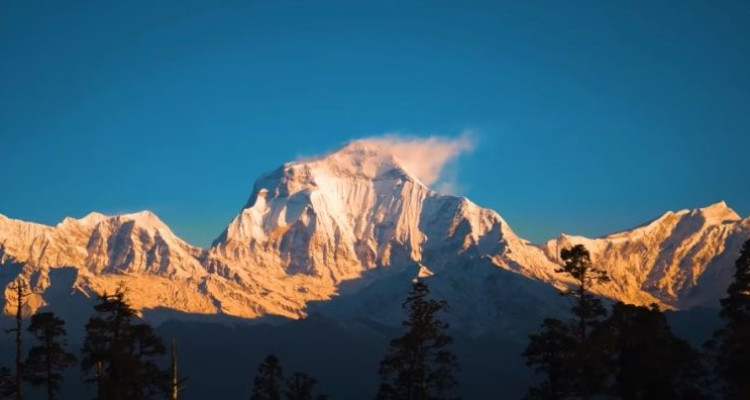
The Mohare Danda trek is a hidden gem tucked away in the tranquil Annapurna region of Nepal. Away from the hustle and bustle of more popular trails, this trek offers a serene and peaceful experience amidst nature’s splendor. With its shorter just five days(5 days), it’s perfect for those seeking a quick escape into the mountains.
During the trek, you’ll be treated to breathtaking views of some of the most iconic peaks in the Himalayas, including Annapurna, Dhaulagiri, and Machhapuchhre. The sight of these majestic mountains against the backdrop of the clear blue skies is truly awe-inspiring.
One of the highlights of the Mohare Danda short trek is the opportunity to witness stunning sunrise and sunset views from Mohare Hill. As the first light of dawn paints the snow-capped peaks in hues of orange and pink, and the last rays of the sun bid farewell to the day, you’ll feel like you’re witnessing a scene from a fairy tale.
What sets this trek apart is its eco-friendly approach. The lodges along the route are run by local communities, ensuring that your stay has a minimal impact. Additionally, interacting with the locals provides a glimpse into their rich cultural heritage, adding depth to your trekking experience.
Despite its off-the-beaten-path status, the Mohare Danda trek in Annapurna is well-equipped with facilities like tea houses and basic amenities along the way. This makes it accessible even to novice trekkers or those with limited time.
The trail itself meanders through picturesque villages, terraced fields, and lush forests, offering a diverse landscape to explore. Along the way, you’ll have the chance to interact with friendly locals, who will greet you with warm smiles and hospitality.
For those seeking a bit more adventure, the Mohare Danda short trek also offers the thrill of crossing exposed ridges. While it adds a dash of excitement to the journey, the breathtaking views from these vantage points make it all worthwhile.
Our guided treks to Mohare Danda throughout the year ensure that you have a safe and enjoyable experience. Whether you prefer to join a group trek or opt for a private expedition, their experienced guides will cater to your needs and preferences.
In conclusion, the 5-Day Mohare Danda Trek is a perfect blend of natural beauty, cultural immersion, and adventure. Whether you’re a seasoned trekker or a first-time visitor to Nepal, this lesser-known trail promises an unforgettable journey through the heart of the Himalayas.
The Mohare Danda Trek is an easy, budget-friendly, and less crowded hidden gem of the Annapurna region. This short trek is a quick escape from Pokhara, with simple and pleasant trails. You can enjoy it with your family, student groups, or as a solo traveler. It offers one of the best short hiking experiences in Nepal. If you’re reasonably fit and follow the itinerary planned by your guide or agency, there’s no worry — just enjoy the spectacular views of the Annapurna and Dhaulagiri ranges.
Within just 5 days, the Mohare Danda Trek introduces you to local culture, especially the Poon Magar traditions and daily lifestyle. It’s ideal for those seeking peaceful trails and clear mountain views. It’s also great for researchers interested in the flora, fauna, and ethnic culture of the region. Truly, this is one of the best short trekking holidays in Nepal.
Although the trail is safe and easy, it’s recommended to hire a guide or book through a reliable travel agency. With an experienced guide or porter, your trek will be more organized and enjoyable. Even so, this Mohare short trek can be done smoothly by most trekkers.
The food options during the Mohare Danda Trek promise a delightful culinary journey. One standout is the traditional Nepalese delight, Dal Bhat—a satisfying blend of rice and curry, readily available in local lodges. When opting for travel packages, you’ll discover a diverse menu featuring Momo (dumplings), pasta, lentils, potatoes, and more. Excite your taste buds with a variety of choices like French fries, Tibetan bread, Chowmein, eggs, omelets, pancakes, Thukpa, and fried rice. Wash down these delectable treats with hot lemon tea, ginger tea, coffee, or even local beverages like beer and whisky. The Mohare Danda Trek offers not just scenic wonders but also a flavorful expedition through the tastes of Nepalese cuisine.
The Mohare Danda Trek offers basic accommodations in traditional Magar settlements, reflecting its eco-tourism focus. Lodges, mostly lacking modern amenities, provide simple, clean, and comfortable rooms with more than 2 single beds. Squat toilets are common, and toilet paper may be scarce. Despite the remote location, accommodations meet basic needs. Cold showers are available, while hot showers require an additional payment of 250–400 Nepalese rupees ($2–3 USD). The trek showcases the resourcefulness of mountain residents who have established these community lodges in a pristine environment up to 3,300 meters.
Join our Mohare Danda trek with flexible pricing based on group size. Solo trekkers pay USD 430, while larger groups enjoy reduced rates—USD 345-380 per person for groups of 15 or more. Experience the stunning Annapurna region with cost-effective options tailored to your group size.
| Group Size | Price per Person (USD) |
|---|---|
| 1-5 Pax | 380 |
| 5-10 Pax | 367 |
| 10-15 Pax | 350 |
| 15+ Pax | 345 |
Expanding Your Journey Beyond Mohare Danda: Tips for Extending Your Tour
The Mohare Danda trek is a 5-day short hike from Pokhara, offering the opportunity to observe the Poo Magar culture and enjoy panoramic views of the high Annapurna and Dhaulagiri mountain ranges. If you have 4 to 5 extra days after returning to Pokhara, we recommend exploring other beautiful hiking spots. You’ll get a fresh view of the mountains, meet different local communities, and enjoy diverse landscapes. You may choose to embark on the Mardi Himal trek (3 days from Pokhara), the 3-day Poon Hill short trek from Pokhara, or the Machhapuchhre model trek, among others.
If you’ve had your fill of hiking, consider indulging in a 2-night, 3-day Chitwan Jungle safari tour. Here, you can relax, rest, and explore the local Southern culture of Nepal while observing wild animals.
Trip Facts: ⬆️ Ascent: 600 m ⬇️ Descent: 350 m 📏 Distance: 11 km ⏱ 6 hrs
Your journey begins from Ulleri, a beautiful Magar village known for its long stone staircases and traditional hillside houses. The first part of the trail climbs gradually through forested slopes filled with oak and rhododendron trees, offering peaceful natural surroundings and occasional bird songs. You’ll pass through small settlements like Banthanti and Nangethanti, where you can stop for tea and enjoy views of green hills and valleys. After crossing a ridge near Ghorepani, the trail leaves the main route and turns toward the quieter Swanta village. This section becomes much less crowded, allowing you to experience the real local lifestyle and traditional farming culture of the Magar people. The scenery changes to terraced fields, waterfalls, and pine forests as you get closer to Swanta. By the time you arrive, you’ll have walked about 6 hours and covered 11 kilometers of moderate terrain with some ups and downs. Swanta sits at 2,200 meters and has only a few small teahouses, making it a peaceful place to stay. You can enjoy a warm local meal, meet friendly villagers, and rest early to prepare for the more remote trail ahead. This first day helps your body warm up for the coming higher altitude days.
Trip Facts: ⬆️ Ascent: 700 m ⬇️ Descent: 100 m 📏 Distance: 8 km ⏱ 5 hrs
Leaving Swanta, the trail becomes more peaceful and feels far from the busy trekking routes. The walk goes steadily uphill through dense rhododendron and pine forest, where you might hear birds singing and see grey langur monkeys in the trees. The air becomes fresher and cooler as you climb higher, and the sound of flowing streams creates a calming atmosphere. There are no big villages along this route, only occasional yak shelters or herders passing with their animals, which adds to the sense of wilderness. The path is not steep but climbs gradually, allowing your body to adjust well to the higher altitude. You’ll walk around 8 kilometers today, which usually takes about 5 hours at a normal pace. Lunch can be taken along the trail at a small local hut or as a packed meal from Swanta. As you get closer to Danda Kharka, the forest starts to open, and you will see grassy ridges with wide views of the hills below. Danda Kharka has only a few basic community lodges, run by local villagers. It’s very quiet and peaceful here, ideal for relaxing and sleeping early. This stop also helps your body acclimatize slowly before reaching Mohare Danda the next day.
Trip Facts: ⬆️ Ascent: 600 m ⬇️ Descent: 100 m 📏 Distance: 9 km ⏱ 6 hrs
This is the highlight day of the trek as you reach the panoramic viewpoint of Mohare Danda. The trail begins with a gentle uphill through thick rhododendron and oak forests. The surroundings are quiet, and you’ll walk along narrow paths covered in moss and pine needles. As you gain height, the trees become shorter and the views open wider, showing layers of green hills and distant peaks. After about 3 hours, you’ll reach an open ridge where you can rest and enjoy the scenery. The last section is steeper, but short and rewarding. As you get closer to the top, the magnificent Himalayan peaks start to appear—Dhaulagiri, Nilgiri, Annapurna South, Hiunchuli, and the striking Machhapuchhre (Fishtail). Mohare Danda stands at 3,300 meters and offers one of the best panoramic views in the region. There is a clean and cozy eco-community lodge at the top, run by local villagers. You can watch the sunset over the snow-capped mountains while enjoying warm Nepali meals. The quiet, peaceful atmosphere at the ridge makes this evening very special. This day involves about 6 hours of steady climbing, but the scenery and the sense of achievement at the summit make it truly unforgettable.
Trip Facts: ⬆️ Ascent: 150 m ⬇️ Descent: 1,450 m 📏 Distance: 18 km ⏱ 8–9 hrs
Wake up early to witness one of the most beautiful Himalayan sunrises from Mohare Danda. As the sun rises, the peaks of Dhaulagiri, Annapurna South, and Machhapuchhre glow golden, creating a magical scene. After breakfast, you begin your long descent back toward Ulleri. The first part retraces your steps down through the quiet forest to Danda Kharka and then to Swanta. The walk is mostly downhill, which is easier on your breathing but can be tough on the knees, so trekking poles are helpful. You’ll pass mossy rhododendron forests, small streams, and open meadows again as you gradually leave the high ridges. After reaching Swanta, take a relaxing lunch before continuing the last stretch to Ulleri. The final part includes long stone staircases and terraced fields dotted with small houses. By the time you reach Ulleri, you will have walked about 18 kilometers over 8 to 9 hours. Ulleri feels lively after days of quiet mountain trails, and you can enjoy better lodge facilities, hot showers, and Wi-Fi again. This is a long and tiring day, but it is very satisfying as you descend from the wilderness back to a vibrant hillside village.
Trip Facts: ⬆️ Ascent: 100 m ⬇️ Descent: 1,000 m 📏 Distance: 14 km ⏱ 5–6 hrs walk + 2 hrs drive
Your last trekking day is an easy downhill walk from Ulleri to Nayapul. The trail descends steadily through stone staircases, rice terraces, and small farming villages. The warm lowland climate returns, and you’ll see local life up close—farmers tending fields, children walking to school, and mule caravans carrying supplies. You’ll pass Tikhedhunga and Hile, both good places for tea breaks. The scenery changes from pine forest to green farmland as you follow the river valley. After about 5 to 6 hours of walking, you’ll reach Nayapul at 1,070 meters. This is the endpoint of your trek. From here, a private jeep or local bus will drive you back to Pokhara, which takes about 2 hours. Returning to Pokhara feels wonderful after several days of adventure—you can enjoy comfortable hotels, delicious food, and a relaxing walk by Phewa Lake. This final day is the perfect way to slowly return from the mountains to the city while celebrating your successful journey to Mohare Danda.
| Start Date | End Date | Price In US Dollar($) | AVAILABILITY | Booking |
|---|
To embark on the Mohare Danda Trek, securing the permits is crucial. At the trek’s entry point, obtain the Annapurna Conservation Area Permit (ACAP), which grants access to the conservation area. Additionally, acquire the Trekker’s Information Management System (TIMS) card from the Nepal Tourism Board or affiliated offices. These permits not only ensure compliance with local regulations but also contribute to the conservation efforts in the region.
Crafting a well-thought-out itinerary enhances the enjoyment of the Mohare Danda Trek. Typically spanning 5 to 7 days, the journey encompasses key stops like Galeshwor, Bans Kharka, Nangi, Mohare Danda, and Tikot village. Each day offers a unique landscape and cultural encounter, allowing trekkers to relish the diverse beauty of the Annapurna region. Balancing trekking distances and acclimatization breaks ensures a comfortable and enriching experience.
Properly equipping oneself for the trek involves thoughtful packing. Choose lightweight, moisture-wicking clothing suitable for fluctuating temperatures. Essential gear includes sturdy trekking boots, a backpack of 30-40 liters, and a season-appropriate sleeping bag. These items contribute to a comfortable and efficient trek, allowing trekkers to navigate diverse terrains while being prepared for variable weather conditions.
Timing is pivotal when planning the Mohare Danda Trek. Optimal trekking seasons are spring (March to May) and autumn (September to November). During these periods, clear skies and moderate temperatures prevail. Daytime temperatures range between 15°C to 25°C, providing comfortable trekking conditions. Being mindful of the weather forecast ensures appropriate packing and enhances the overall trekking experience.
Accommodation along the Mohare Danda Trek primarily consists of teahouses strategically placed along the trail. These teahouses offer basic amenities, including beds, meals, and occasional hot showers. It is advisable to book accommodations in advance, especially during peak seasons, to secure a spot in these charming lodgings. Embracing the local hospitality, these teahouses provide a cozy and communal atmosphere for trekkers to rejuvenate after a day on the trail.
While Mohare Danda sits at a lower altitude (around 3,300 meters), understanding altitude considerations remains paramount. The trek’s moderate elevation diminishes the risk of severe altitude sickness; however, proper acclimatization, hydration, and awareness of potential symptoms are imperative. Trekkers can confidently enjoy the breathtaking landscapes with these precautions, ensuring a safe and fulfilling journey through the Annapurna region.
The Mohare Danda Trek is renowned for its moderate difficulty level, combining both challenging and manageable sections. Trekkers navigate through uphill and downhill terrains, encountering some steep trails along the way. While the trek doesn’t demand advanced mountaineering skills, maintaining a basic level of fitness enhances the overall experience, allowing trekkers to conquer the trail with confidence and enjoy the diverse topography.
Although the Mohare Danda Trek can be undertaken independently, considering local guides or porters can significantly enhance the trekking experience. Local guides offer cultural insights, historical context, and navigation assistance, enriching the journey. Porters alleviate the physical burden, allowing trekkers to savor the trek without the encumbrance of heavy backpacks. Engaging with local support not only facilitates logistics but also contributes to the economic sustainability of the surrounding communities.
As the trek passes through predominantly Gurung and Magar communities, cultural sensitivity becomes paramount. Trekkers are encouraged to respect local customs, remove shoes before entering homes, and greet locals with the traditional “Namaste.” Embracing the rich cultural tapestry of the region fosters positive interactions and promotes a mutual understanding between trekkers and the local communities, creating a more meaningful and respectful travel experience.
Prioritizing health and safety is integral to a successful trek on Mohare Danda. Trekkers should carry a basic first aid kit containing essentials like bandages, pain relievers, and any necessary personal medications. Staying hydrated, avoiding alcohol, and making mindful choices regarding food consumption contribute to overall well-being during the trek, ensuring a safe and enjoyable exploration of the Annapurna region.
Efficient budgeting is key to a seamless Mohare Danda Trek experience. Allocating approximately $50 to $60 per day per person covers expenses for meals, accommodations, Guide, permit, and incidental costs. While teahouses provide affordable lodging and dining options, carrying enough Nepali Rupees is advisable, as ATMs are not available along the trail. Thoughtful budgeting ensures trekkers can navigate the journey without financial concerns, allowing them to focus on the natural beauty and cultural richness of the Annapurna region.
Practicing sustainable trekking principles is imperative to minimize the environmental impact and contribute positively to the local communities. Adhering to Leave No Trace principles involves responsibly managing waste and minimizing one’s ecological footprint. Additionally, supporting local businesses and initiatives promotes economic sustainability, ensuring that the natural beauty and cultural heritage of the Annapurna region are preserved for future generations of trekkers.
Given the limited mobile network coverage along the trek, effective communication strategies are essential. Trekkers may choose to acquire a local SIM card(NCELL & NTC) for improved connectivity. Informing a reliable contact about the trekking itinerary and checking in periodically when possible ensures a safety net in case of unforeseen circumstances. Prioritizing communication strategies aligns with responsible trekking practices, enhancing overall safety and peace of mind during the Mohare Danda Trek.
How difficult is the Mohare Danda trek?
The Mohare Danda trek is considered moderate, suitable for trekkers with a moderate level of fitness.
What is the best time to do the Mohare Danda trek?
The best time is during the spring (March to May) and autumn (September to November) when the weather is stable and views are clear.
Do I need a permit for the Mohare Danda trek?
Yes, trekkers need an Annapurna Conservation Area Permit (ACAP) and a Trekker’s Information Management System (TIMS) card.
How long does the Mohare Danda trek take?
The trek typically takes around 5 to 7 days, depending on your starting point and pace.
What is the accommodation like on the Mohare Danda trek?
Teahouses along the trail provide basic accommodation with shared facilities. It’s recommended to bring a sleeping bag.
Is altitude sickness a concern on the Mohare Danda trek?
While the trek is not extremely high, it’s essential to acclimatize properly and be aware of the symptoms of altitude sickness.
Are there ATMs on the Mohare Danda trek?
It’s advisable to carry enough cash, as ATMs are limited. Major towns like Nayapul or Tikhedhunga might have ATMs.
What should I pack for the Mohare Danda trek?
Essentials include trekking gear, warm clothing, a first aid kit, water purification tablets, and a good pair of trekking boots.
Can I hire a guide and porter for the Mohare Danda trek?
Yes, hiring a guide and/or porter is possible and can enhance your trekking experience.
Are there alternative trekking routes near Mohare Danda?
Yes, you can explore nearby trekking routes like Poon Hill or Khopra Danda for a longer trekking experience.
Safe Holiday Adventure Pvt. Ltd.
P.O.Box: 20065 Tarkeshwor-6, Kathmandu, Nepal
Cell: 00977 9849116284
Email: info@safeholidayadventure.com,
safeholidayadventure@gmail.com
Europe Contact
Mark Brosius
mark.brosius@hotmail.com
Oude baan, 41, 3060 Bertem, Belgium
We are associated with


We accept