Dreaming of exploring Nepal’s Himalayas? Our 14-day Annapurna Circuit Trek from Kathmandu offers breathtaking landscapes, vibrant culture, and expert support throughout. With everything arranged for you—permits, transport, meals, and guides—your only job is to soak it all in. Reserve your spot today!
The Annapurna Circuit Trek, also known as the Round Annapurna Trek (Thorong La Pass), is one of Nepal’s most popular trekking routes. It attracts adventurers who want to explore its natural wonders and rich culture. By joining Safe Holiday Adventure, a reputable trekking company in Nepal, your journey becomes safer, more organized, and more enjoyable.
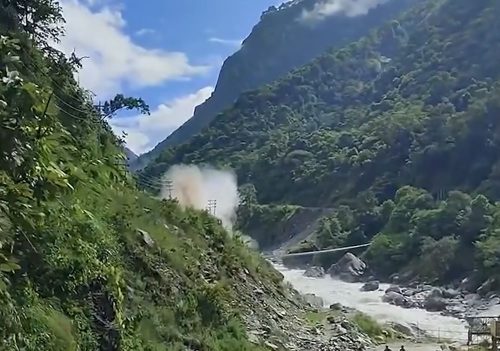
The trek begins with a scenic drive from Kathmandu to Dharapani. Along the way, you will pass through green subtropical forests, rice fields, and the world’s deepest river gorge, the Kali Gandaki Gorge. As you move forward, you’ll notice the landscape changing. You’ll encounter icy formations, lofty mountain passes, and dry cliffs. These changes provide a complete experience of Nepal’s diverse beauty.
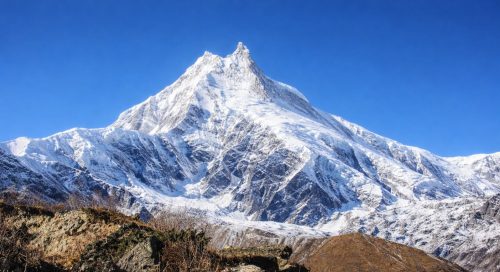
After several days, you will reach the beautiful village of Manang. Here, you’ll witness stunning vistas of the Manaslu range, explore Tibetan-like Buddhist settlements, and enjoy the peaceful woodlands. The Marshyangdi River Valley will captivate you with its breathtaking beauty and cultural richness. This part of the journey offers plenty of opportunities to interact with local communities and experience their daily lifestyle.
Next, you’ll approach the Thorong La Pass (5,416 meters), the world’s widest trekking pass. Reaching this impressive altitude is both a challenge and a great achievement. From the top, you can enjoy panoramic views of the Annapurna Massif, Dhaulagiri, Manaslu, and Tilicho Peak. These views will create unforgettable memories and are often the highlight of the entire trek.
After crossing the pass, the trail leads to the sacred town of Muktinath. This site holds great importance for both Hindus and Buddhists. Furthermore, as you continue, the Kali Gandaki Valley will guide you to Marpha, a village famous for its small monastery, narrow cobbled streets, and apple orchards. You’ll feel the peaceful atmosphere as you walk through these charming streets.
The journey then brings you to Tatopani, where you can relax in the natural hot springs. This is a perfect spot to rest your body after days of trekking. Many trekkers find this part of the trek especially refreshing.
From Tatopani, the trail climbs again towards Ghorepani, passing through rhododendron forests. The next morning, a short hike brings you to Poon Hill (3,210 meters) (A popular short Trek in nepal- Poon hill). Here, you’ll witness one of Nepal’s most famous sunrise views. The first rays of sunlight touch the Annapurna and Dhaulagiri ranges, creating a magical scene you will never forget.
After enjoying Poon Hill, you will descend through beautiful villages like Ulleri. Eventually, you’ll drive back to Pokhara, where your 14 day Annapurna Circuit Trek from Kathmandu officially ends. This journey offers a perfect combination of adventure, culture, scenery, and memories that will last a lifetime.
When you reach the charming village of Manang, you’ll witness stunning views of the Manaslu Mountain range. Traditional Tibetan-like Buddhist villages and lush forests make the journey even more special. The Marshyangdi River Valley will astound you with its breathtaking beauty and rich cultural heritage.
The highlight of the trek is the Thorong La Pass(5416m), the world’s highest trekking pass, sitting at 5,414 meters. From this high point, you’ll see breathtaking views of the Annapurna Massif, Dhaulagiri, Manaslu, and Tilicho Peak. These moments will stay with you forever.
After crossing Thorong La, you’ll enter Mustang and visit Muktinath, a sacred Hindu town. It holds deep religious and historical importance. The Kali Gandaki Valley leads you to Marpha, famous for its peaceful monastery, narrow cobbled streets, and apple orchards.
Throughout the trek, Safe Holiday Adventure ensures proper acclimatization to help you cross Thorong La safely. On average, you will walk 6-7 hours daily. This trek requires good physical fitness to enjoy the experience fully.
The Annapurna Circuit Trek is not just for adventure lovers. It’s also a paradise for photographers, researchers, students, and educational groups. Each step offers stunning mountain views, diverse cultures, and breathtaking landscapes for your camera.
With Safe Holiday Adventure, you’ll experience Nepal’s beauty, culture, and adventure in one unforgettable journey around the Annapurna range.
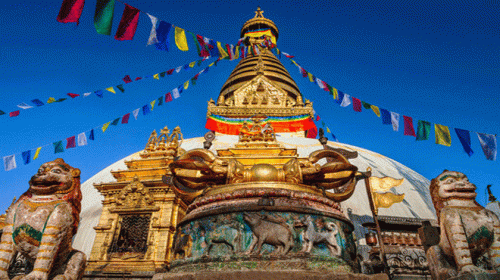
Besides natural beauty, this trek offers deep cultural experiences. The Muktinath temple, with its 108 water spouts, is important for Hindus. Meanwhile, the villages of Jharkot and Kagbeni offer a rich Buddhist culture. You’ll see monasteries, prayer flags, and ancient traditions.
Kagbeni, especially, feels like stepping back in time. Yak and mule caravans still travel here, giving you a glimpse of traditional Himalayan life. Each day on the trail brings new surprises, from ancient clay figures to peaceful village scenes.
Expert guides from Safe Holiday Adventure will be with you throughout the journey. They ensure your safety while providing personal insights into the local culture, nature, and mountains.
The best time to do this trek is in spring (March to May) and autumn (September to November). During these months, you’ll enjoy stable weather, clear skies, and comfortable temperatures. You’ll get the best mountain views and easy walking conditions.
However, it’s not recommended to trek during the monsoon season (June to August) because of heavy rains and landslides, which can make the trail risky.
The 14 day Annapurna Circuit Trek from Kathmandu takes you to high altitudes above 5,000 meters. So, you need to be physically fit. The journey starts from Besisahar and includes a rough 4WD drive to Chame. However, during this trek, if you start from Dharapani, you will not get any AMS (Acute Mountain Sickness ).
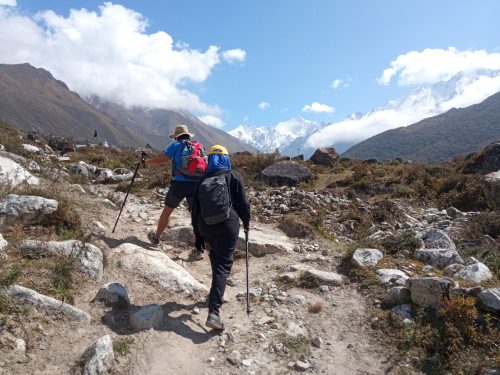
Over 14 days, you’ll face steep slopes, wooden bridge crossings, and the challenging Thorong La Pass (5,416 meters). Although no technical climbing skills are needed, being able to walk on uneven trails and climb stairs easily is important.
Throughout the trek, you’ll experience amazing scenery, from towering mountains to peaceful valleys. With good preparation, this adventure offers lifetime memories in the heart of Nepal.
The Annapurna Circuit Budget Trek is one of the world’s most famous trekking routes, and for many good reasons. It offers a complete blend of natural beauty, mountain adventure, and rich cultural experiences that few treks can match.
Throughout the trek, you will see some of the most spectacular mountain panoramas in Nepal. The trail offers stunning views of:
Annapurna I (8,091 m) – the 10th highest mountain in the world
Dhaulagiri (8,167 m)- The 7th Highest Peak in the world.
Manaslu (8,163 m)- the 8th highest mountain in the world.
Tilicho Peak (7,134 m)
Gangapurna (7,455 m)
Machhapuchhre (Fishtail, 6,993 m)
And many more snow-covered peaks.
Every day, you walk under these majestic mountains, making each moment unforgettable.
The Thorong La Pass (5,416 meters) is the highest point of the trek. Standing here feels like standing on top of the world. The 360-degree views of the Himalayas from this pass are simply breathtaking. Successfully crossing Thorong La gives trekkers a huge sense of accomplishment.
The trek offers constantly changing landscapes. You start from subtropical forests and rice terraces, move through pine forests, and reach the high alpine deserts near Manang and Thorong La. Later, you descend into the deep Kali Gandaki Gorge and finally walk through the lush rhododendron forests of Ghorepani.
One of the biggest highlights is the early morning hike to Poon Hill (3,210 meters). From here, you witness a spectacular sunrise over the Annapurna and Dhaulagiri ranges. The mountains slowly turn golden as the sun rises, offering one of the most photographed views in Nepal.
The Annapurna Circuit passes through several ethnic villages, including those of the Gurung, Tamang, Thakali, and Tibetan-influenced communities. You can visit ancient Buddhist monasteries, see prayer flags, and experience local traditions. Sacred places like Muktinath Temple add deep cultural and spiritual value to the trek.
After days of trekking, you get to relax in the natural hot springs of Tatopani. It’s a perfect way to soothe your body while enjoying the peaceful surroundings.
With Safe Holiday Adventure, you have a team of experienced guides and porters who ensure your safety, comfort, and enjoyment throughout the journey. From proper acclimatization to daily guidance, you are in expert hands.
| Journey | Distance (km) | Duration (hrs) | Altitude (m) |
|---|---|---|---|
| Drive: Kathmandu to Dharapani | 234 | 8–9 | 1,860 |
| Walking Day: Dharapani to Chame | 15.5 | 5–6 | 2,610 |
| Walking Day: Chame to Upper Pisang | 13.5 | 5–6 | 3,300 |
| Walking Day: Upper Pisang to Manang | 17.2 | 7–8 | 3,540 |
| Walking Day: Manang to Ledar | 9.1 | 3–4 | 4,200 |
| Walking Day: Ledar to Thorong Phedi | 7.3 | 4–5 | 4,525 |
| Walking Day: Thorong Phedi to Muktinath | 15.6 | 8–9 | 3,760 |
| Driving day: Muktinath to Tatopani | 43.5 | 4–5 | 1,190 |
| Walking Day: Tatopani to Ghorepani | 15.7 | 7–8 | 2,880 |
| Walking Day: Ghorepani to Ulleri | 8.4 | 3–4 | 1,940 |
| Driving: Hile to Pokhara | 111 | 2–3 | 822 |
| Driving day: Pokhara to Kathmandu | 205 | 7–8 | 1,400 |
| Total Walking Distance: | 106.8 km |
Welcome to Kathmandu! Upon arrival at the airport, our team will warmly welcome you and transfer you to your hotel. After checking in and freshening up, we’ll meet for a trip briefing. In the evening, enjoy a welcome dinner at an authentic Nepali restaurant.
The drive from Kathmandu to Dharapani via Besisahar is a long but scenic journey. It takes about 8 to 9 hours by jeep or bus. The first part of the drive goes along the Prithvi Highway, passing green hills, rivers, and small towns. After about 6 hours, you reach Besisahar, the main town in the Lamjung district. From Besisahar, the road becomes rough and bumpy as you switch to a jeep for the off-road section. This part of the drive goes through villages, forests, and mountain views. You cross several suspension bridges and waterfalls along the way. Finally, you reach Dharapani, a small village surrounded by high hills and the starting point of the Annapurna Circuit trek.
Today’s trek takes us deeper into the Annapurna region as we head towards Chame, the district headquarters of Manang. After a hearty breakfast, we continue our journey through dense forests and ascend gradually. The trail treats us to spectacular views of the Lamjung and Annapurna II mountains. We’ll take a break for lunch at a teahouse on the way and enjoy the surrounding natural beauty. Upon reaching Chame, we’ll check into our accommodation and have free time to explore the village.
Leaving Chame behind, we set forth towards Upper Pisang. The trail offers a mix of challenging uphill sections and gentle slopes. As we ascend, we notice the landscapes change, with more arid surroundings and stunning mountain backdrops. We’ll stop for lunch at a teahouse and rest before continuing our trek to Upper Pisang. The village welcomes us with its unique architecture and cultural charm. After a fulfilling day, we’ll settle into our teahouse for the night.
After a hearty breakfast, we resume our trek towards Manang. The trail offers mesmerizing views of the Annapurna range and other snow-capped peaks. We’ll pass through scenic landscapes and charming settlements. As we approach Manang, the Tibetan influence becomes evident in the architecture and culture. Upon arrival, we’ll check into a teahouse and take some time to rest and acclimate to the higher altitude.
Acclimatization day in Manang (3,540m) is vital before trekking higher. On this day, you can choose a short or long hike to help your body adjust. The shorter option is the Chongkor Viewpoint (also called Chugsar), a 2-hour round trip offering stunning views of Gangapurna Lake, glaciers, and the Annapurna range. It’s easy and scenic. The longer option is the Ice Lake hike, taking 8–9 hours round trip. It climbs to about 4,600m and rewards you with a peaceful glacial lake and panoramic mountain views. After hiking, you can explore Manang’s small bazaar, cafes, and visit the local monastery.
Today, we leave Manang and continue our trek to Ledar. The trail gradually ascends, offering captivating views of Annapurna III and other peaks. As we ascend higher, the landscape changes to more alpine surroundings. We’ll have our lunch at a teahouse on the way and enjoy the tranquility of the Himalayan wilderness. Upon reaching Ledar, we’ll rest and prepare for the next day’s trek.
A challenging day as we make our way to High Camp. The trail becomes steeper, and we’ll notice the effects of the high altitude. Nevertheless, the views of the surrounding peaks and the glacial terrain are truly mesmerizing. We’ll take breaks along the way to catch our breath and have lunch at a teahouse. Arriving at High Camp, we’ll settle into our accommodation and rest early to prepare for the early start the next day.
An early morning start to cross the Thorung La Pass, the highest point of our trek. We’ll begin in the darkness, but as the sun rises, the pass reveals its majesty. The stunning views from the top make every step worth it. After a brief celebration and rest, we’ll descend towards Muktinath, a sacred pilgrimage site for both Hindus and Buddhists. Explore the temple and enjoy a well-deserved rest in Muktinath.
The drive from Muktinath (3,800 m) to Tatopani (1,190 m) takes approximately 6 to 8 hours by jeep, depending on road conditions. The journey descends dramatically from the high-altitude, arid landscape of the Mustang region into lush valleys filled with waterfalls and greenery. Along the way, you’ll pass through charming villages like Kagbeni, Jomsom, Marpha, and Ghasa, each offering stunning views of the Nilgiri and Dhaulagiri ranges. The road is rough and bumpy in places but offers a thrilling ride through deep gorges, apple orchards, and scenic river valleys, finally arriving at Tatopani, famous for its natural hot springs.
The trek from Tatopani to Shikha starts by leaving the hot spring area of Tatopani, which is famous for its natural warm water baths. From here, you begin walking uphill through a beautiful landscape.
First, the trail leads you to the village of Ghara. On the way, you pass through green terraces where farmers grow crops. These terrace fields look like steps on the hillsides, making the view very pretty. You will see local people working in the fields and traditional houses made of stone and wood.
The path from Tatopani to Ghara is a mix of gradual uphill walking and some flat sections. The air is fresh, and you can enjoy the quiet countryside atmosphere. After reaching Ghara, the trail continues to climb gently through more terrace fields and small villages.
As you walk, you can enjoy views of the surrounding hills and distant mountain peaks. The trail is peaceful and mostly shaded by trees in some parts.
Finally, after a few hours of walking, you reach the village of Shikha, which is at about 1,930 meters (6,332 ft) elevation. Shikha is a small, quiet village with traditional houses, offering a good place to rest for the night. From here, you can enjoy nice views of the valley and the mountains nearby.
The trek from Shikha to Ghorepani is a beautiful uphill walk through peaceful forests and small villages. You begin your day in the lovely village of Shikha, where you can see traditional houses and terraced farms.
From Shikha, the trail starts to climb slowly at first, then becomes steeper as you go higher. You walk through the village of Chitre, a small settlement surrounded by trees and fields. After Chitre, the trail enters a thick rhododendron forest. During spring (March to April), this forest becomes very colorful with blooming flowers.
The path is mostly stone-paved and shaded by tall trees. You may also hear birds singing along the way. The forest trail is calm and cool, offering a peaceful walking experience.
As you climb higher, the air becomes cooler and fresher. The final stretch to Ghorepani is steeper, but the beautiful surroundings help you enjoy the walk.
After about 3 to 4 hours of trekking, you reach Ghorepani (2,820m), a popular village among trekkers. From here, you can enjoy great views of snow-capped peaks like Dhaulagiri and the Annapurna range. Ghorepani has many teahouses, and it’s also the gateway to the famous Poon Hill viewpoint.
After enjoying the beautiful morning in Ghorepani—especially if you wake up early to see the sunrise from Poon Hill—you begin your trek downhill toward Ulleri.
The trail from Ghorepani (2,820 m) to Ulleri (2,050 m) is mostly downhill and passes through dense rhododendron and oak forests. The path is stone-paved and winds down through a peaceful natural setting. You will also pass by small villages like Banthanti and Nangethanti, where you can stop for a short break or tea.
As you go lower, you’ll walk past waterfalls, green hills, and terraced farms. The final section before Ulleri includes a long stone staircase—more than 3,000 steps—which can be tough on the knees but offers great mountain and valley views along the way.
Once you reach Ulleri, you can rest and have lunch in one of the local tea houses. From here, you’ll take a jeep or local vehicle for about 2.5 to 3-hour drive down to Pokhara.
The drive from Ulleri to Pokhara is bumpy but scenic. You’ll pass through small villages, farmlands, and rivers, and slowly descend from the hills into the flat valley where Pokhara is located.
By afternoon or evening, you arrive in Pokhara (850 m)—a beautiful lakeside city where you can relax, enjoy local food, or go for a boat ride on Phewa Lake.
We will start our drive from Pokhara to Kathmandu early in the morning, around 1:00 AM, to ensure we arrive by 7:00 AM. The journey takes approximately 6 hours, depending on traffic and road conditions. Departing at this time allows us to avoid heavy traffic and enjoy a smoother ride. Please be prepared for an early departure and ensure all your belongings are packed and ready the night before.
Dear Travellers, The classic Annapurna trekking route traditionally takes 16–18 days via Ghorepani Poon Hill. However, nowadays, due to road access, we can customize the trek based on your available time. Even with just 7–8 days, this trek is still very much possible, and we can organize it accordingly. Please let us know your available days and budget so we can tailor the itinerary for you.
Thank you.
| Start Date | End Date | Price In US Dollar($) | AVAILABILITY | Booking |
|---|
𝑼𝒏𝒇𝒐𝒓𝒈𝒆𝒕𝒕𝒂𝒃𝒍𝒆 𝑨𝒏𝒏𝒂𝒑𝒖𝒓𝒏𝒂 𝑪𝒊𝒓𝒄𝒖𝒊𝒕 𝑻𝒓𝒆𝒌 – 𝑩𝒖𝒅𝒈𝒆𝒕-𝑭𝒓𝒊𝒆𝒏𝒅𝒍𝒚 & 𝑷𝒆𝒓𝒇𝒆𝒄𝒕𝒍𝒚 𝑴𝒂𝒏𝒂𝒈𝒆𝒅!
From May 10 to May 17, 2025, I had the incredible opportunity to join a short and budget Annapurna Circuit Trek with Safe Holiday Adventure Pvt. Ltd., and I am beyond satisfied with the entire experience.
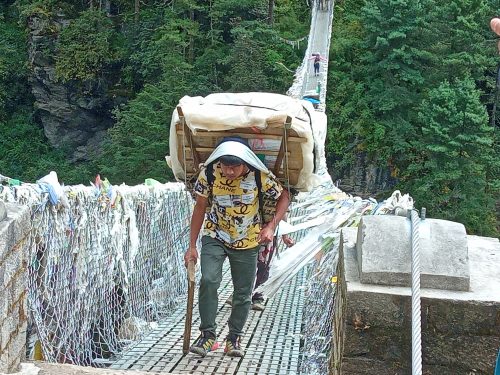
Everything was organized smoothly and professionally—from permits to daily logistics—thanks to the excellent management by the Safe Holiday Adventure team. A huge thank you to our wonderful guide Santosh, who made the journey not only safe but deeply meaningful with his local knowledge and genuine care. I also want to appreciate Porter Dharma, whose strength and positivity truly added to the trip.
If you’re looking for an affordable and unforgettable Himalayan trek, I highly recommend this agency. Nepal felt like home because of them!
Our Nepal trip with Safe Holiday Adventure and Shyam was fantastic! From day one, Shyam’s team ensured our safety and comfort. Guides shared local insights, making the journey exciting. Shyam’s guidance during treks made it even better, focusing on our enjoyment and safety. Accommodations and food were excellent, even in remote areas. Interacting with locals was a highlight, adding depth to our adventure. Safe Holiday Adventure’s professionalism and warmth made it unforgettable. For a secure and thrilling Nepal experience, I highly recommend them. Big thanks to Shyam and the team for an amazing trip!
Vivi Bega
France
The Annapurna Circuit Trek is strenuous, involving long hours of walking on uneven terrain and steep ascents and descents. Prior physical fitness and training are crucial to handle the demands of the trek.
Obtain the necessary permits before starting the trek. This includes the Annapurna Conservation Area Permit (ACAP) and the TIMS (Trekkers’ Information Management System) card. These permits may have specific fees and regulations, so check the latest requirements.
The best time for the Annapurna Circuit Trek is during the spring (March to May) and autumn (September to November) seasons when the weather is stable, and the views are clear. Avoid the monsoon season (June to August) due to heavy rainfall and possible landslides.
Plan your itinerary well in advance, including the number of days you’ll be trekking, rest days, and acclimatization days. The standard trek takes around 15-20 days, but it can be adjusted according to your fitness level and time constraints.
The trek involves significant altitude gain, and altitude sickness can be a real concern. Understand the symptoms and importance of acclimatization to avoid potential risks. Include acclimatization days at higher altitudes during your trek.
The trekking route offers tea houses and lodges for accommodation. These basic facilities provide meals and a place to rest. However, during peak seasons, it’s advisable to book in advance to secure a room.
Pack appropriate clothing for various weather conditions, including warm layers, rain gear, and good-quality hiking boots. Rent or buy trekking gear in Kathmandu or Pokhara if needed.
Carry water purification tablets or a water filter, as bottled water becomes expensive and contributes to plastic waste. Staying hydrated is essential during the trek.
While it’s possible to trek independently, hiring a licensed guide and/or porter can enhance your experience. A guide provides valuable insights, ensures safety, and helps with navigation.
Respect the local customs and culture. The Annapurna region is inhabited by diverse ethnic groups, primarily Gurungs and Thakalis, each with their unique traditions.
Familiarize yourself with emergency procedures and know how to recognize and respond to altitude sickness or any other health issues during the trek.
Travel insurance is essential for the Annapurna Circuit Trek. It provides financial protection in case of unexpected emergencies, including altitude sickness, accidents, and medical evacuations. Having travel insurance ensures you can access proper medical care and assistance during the trek, offering peace of mind throughout your journey.
Follow “Leave No Trace” principles to minimize your impact on the fragile mountain environment. Avoid littering and be responsible for waste disposal.
Q: Are there ATMs along the Annapurna Circuit Trek route?
A: Yes, there are a few places with ATMs on the Annapurna Circuit, such as in the towns of Besi Sahar, Manang, and Jomsom. However, they may not always be reliable, and it’s recommended to carry enough cash for your trek.
Q: Is it possible to do the Annapurna Circuit Trek in the monsoon season?
A: Technically, it is possible to trek during the monsoon season (June to August), but it’s not recommended due to heavy rainfall, slippery trails, and the risk of landslides. The best time for the trek is during the spring and autumn seasons.
Q: Can I charge my electronic devices during the trek?
A: Yes, most tea houses and lodges offer charging facilities for electronic devices. However, be prepared for limited charging options and higher fees as you go higher in altitude.
Q: Are there hot shower facilities along the trek route?
A: Yes, most tea houses and lodges have hot shower facilities, but they often charge extra for hot water. As you ascend to higher altitudes, hot showers may become less common, and you might need to rely on bucket showers or natural water sources.
Q: Do I need travel insurance for the Annapurna Circuit Trek?
A: Yes, travel insurance is essential for the trek. Make sure your policy covers high-altitude trekking, emergency medical evacuation, and other potential risks associated with trekking in remote areas.
Q: Can I buy or rent trekking gear in Kathmandu or Pokhara?
A: Yes, both Kathmandu and Pokhara have numerous shops offering trekking gear for rent or purchase. You can find items like sleeping bags, down jackets, trekking poles, and more.
Q: Is there mobile network coverage during the trek?
A: Yes, there is mobile network coverage in most parts of the Annapurna Circuit. You can get a local SIM card in Kathmandu or Pokhara, but keep in mind that the signal strength may vary at higher elevations.
Q: Can I trek the Annapurna Circuit independently, or is a guide mandatory?
A: You can trek independently without a guide. However, hiring a licensed guide is recommended, especially if you are inexperienced or unfamiliar with the area. A guide can enhance your experience, provide valuable information, and ensure your safety.
Q: What are the alternative trekking routes in the Annapurna region?
A: Apart from the Annapurna Circuit, there are other popular treks in the region, such as the Annapurna Base Camp Trek, Ghorepani Poon Hill Trek, and Upper Mustang Trek.
Q: What happens if I get altitude sickness during the trek?
A: If you experience symptoms of altitude sickness, it’s crucial to descend to a lower altitude immediately. Rest and acclimatize, and if the symptoms persist or worsen, consider seeking medical help or evacuation.