

27 Apr 2026 8 min to read
Trekking in Nepal’s Everest region is a dream for many travelers, and two of the most popular routes are the journey to Gokyo Valley and the classic Everest Base Camp trek. While both routes offer breathtaking Himalayan scenery, rich Sherpa culture, and high-altitude adventure, they differ significantly in terms of landscape, crowd levels, difficulty, and overall experience. Choosing between them depends on what kind of trekking journey you seek—whether it’s iconic recognition or serene natural beauty.
This in-depth guide compares the Gokyo Valley trek and Everest Base Camp trek across all key aspects to help you decide which route is best suited to your preferences, fitness level, and travel goals.
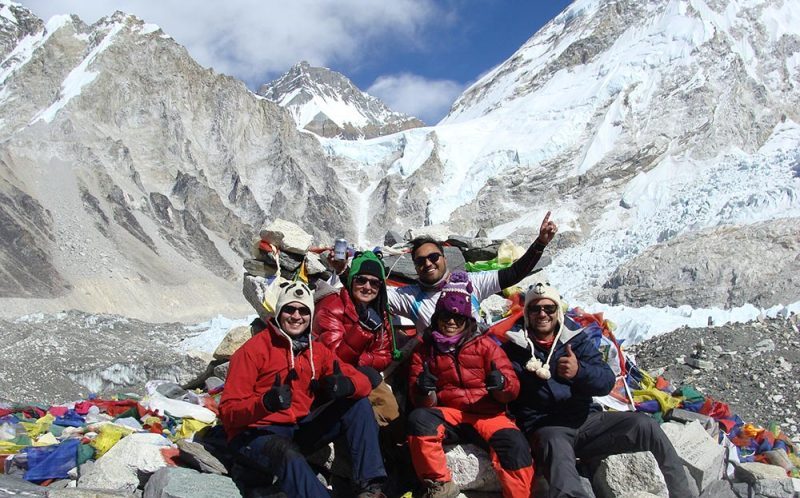
The Everest Base Camp (EBC) trek is the most famous trekking route in Nepal. It leads trekkers to the foot of the world’s highest peak, Mount Everest (8,848.86 m), offering close-up views of legendary mountains and a sense of accomplishment tied to reaching a globally recognized destination.
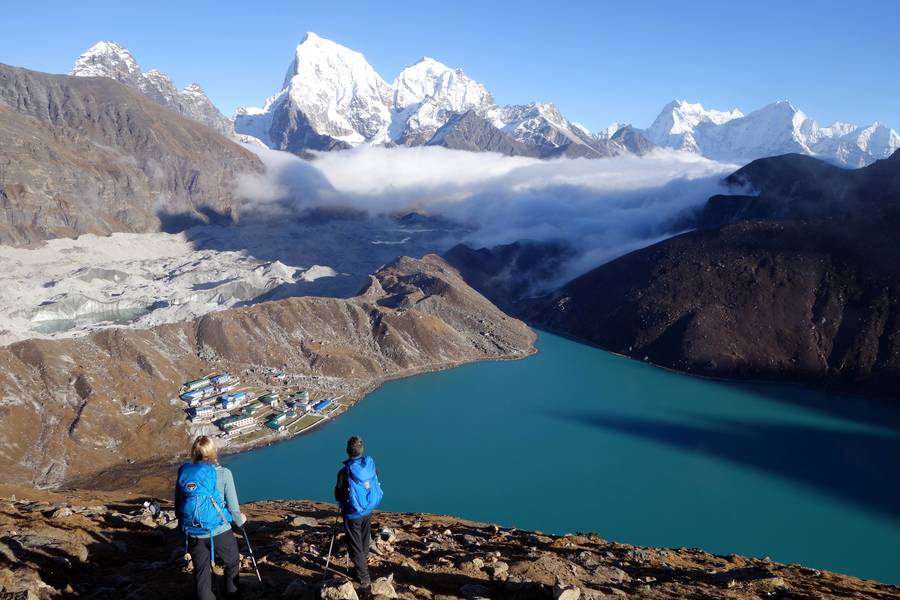
In contrast, the Gokyo Valley trek is a quieter and more scenic alternative. It takes trekkers through remote valleys to the turquoise Gokyo Lakes and up to Gokyo Ri, a viewpoint that arguably offers one of the best panoramic vistas in the Everest region.
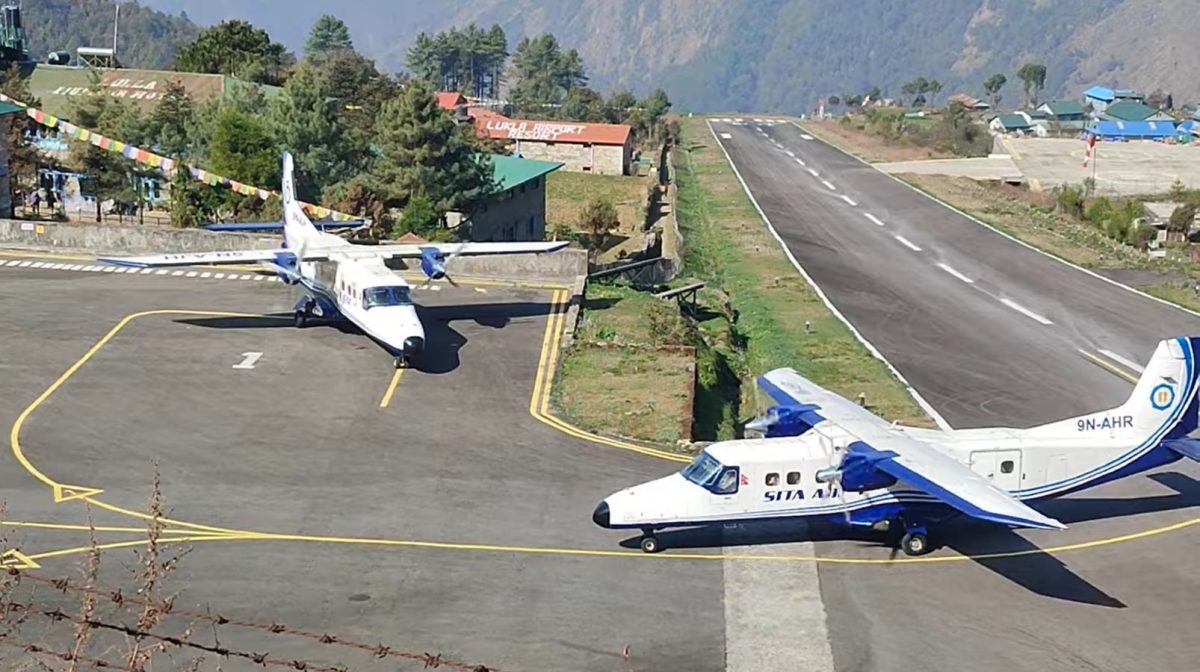
The classic EBC trek typically begins with a flight from Kathmandu to Lukla. From there, trekkers follow a well-established trail through:
A highlight is the climb to Kala Patthar, which provides stunning sunrise views over Everest.
The Gokyo Valley trek also starts from Lukla but diverges from the EBC trail after Namche Bazaar. Instead of heading toward Tengboche, trekkers move toward:
The route culminates at Gokyo Lakes and Gokyo Ri, with optional exploration of the Ngozumpa Glacier—the largest glacier in Nepal.
The EBC trek is famous for its dramatic mountain scenery, including close views of Everest, Lhotse, and Nuptse. The landscape becomes increasingly rugged and glacial as you approach base camp.
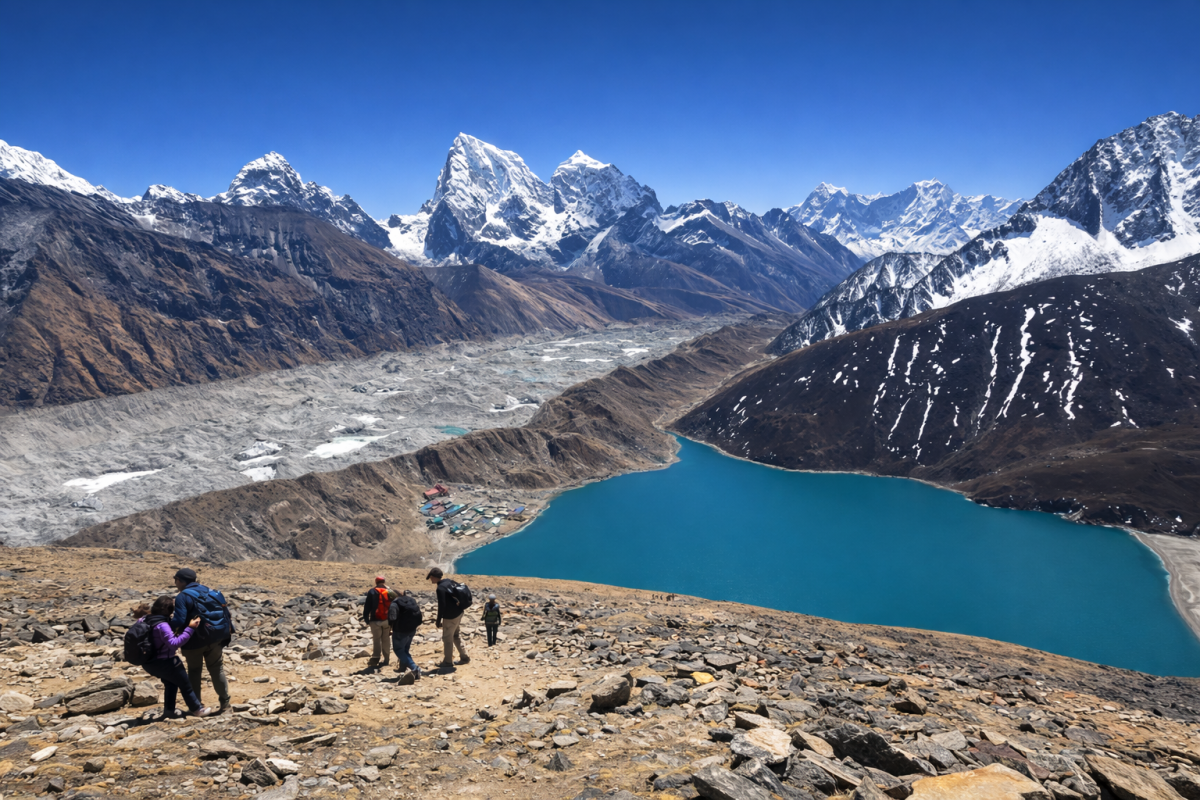
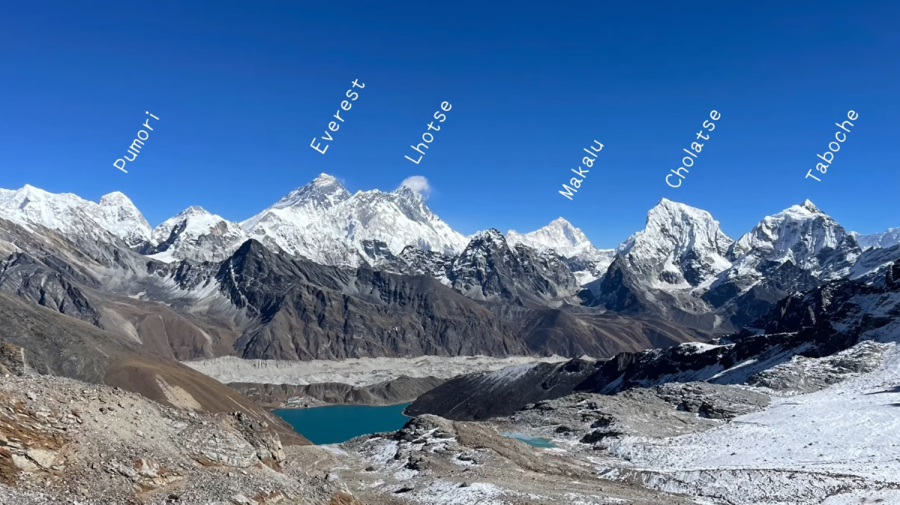
Gokyo Valley offers a more diverse and arguably more beautiful landscape. The highlight is the chain of glacial lakes with vibrant turquoise colors set against snow-capped peaks. The view from Gokyo Ri includes Everest, Lhotse, Makalu, and Cho Oyu—all visible in a single panoramic sweep.
Verdict:
One of the biggest differences lies in crowd density.
Verdict:
If you prefer solitude and tranquility, Gokyo Valley is the better choice.
Both treks are considered moderate to challenging due to altitude and duration.
Altitude sickness is a concern on both routes, with elevations exceeding 5,000 meters.
Verdict:
Both treks are comparable in difficulty, though Gokyo may feel slightly more demanding due to steeper climbs.
Both treks pass through traditional Sherpa villages and monasteries.
Verdict:
EBC offers more iconic cultural landmarks, while Gokyo provides a quieter cultural experience.
The Everest region, including routes to Everest Base Camp and Gokyo Valley, has developed a reliable trekking infrastructure over decades. However, the level of comfort, availability of services, and overall variety differ noticeably between the two routes.
Along the Everest Base Camp trail, accommodation is primarily in teahouses—family-run lodges that provide both rooms and meals. Because this route is highly popular, villages such as Namche Bazaar, Tengboche, Dingboche, and Lobuche offer a wide range of options, from basic lodges to more upgraded guesthouses.
Rooms are usually twin-sharing with simple beds, blankets, and occasionally attached bathrooms in lower elevations. As you ascend higher, facilities become more basic, but remain sufficient. Dining halls are often warm and social, with menus offering Nepali, Tibetan, and international dishes such as dal bhat, noodles, pasta, and pancakes.
One of the major advantages of the EBC route is its relatively advanced facilities. Many lodges provide:
This makes the EBC trek more comfortable for trekkers who prefer some level of connectivity and convenience even at high altitude.
Accommodation in the Gokyo Valley is also based on teahouses but is more limited in number and simpler in nature. After diverging from the main trail near Namche Bazaar, villages such as Dole, Machhermo, and Gokyo have fewer lodges, and choices can be restricted, particularly during peak seasons.
Rooms are similar in structure—basic twin beds with shared bathrooms—but tend to be more rustic. Dining areas are cozy but smaller, and menus are slightly less varied compared to the EBC route due to the remoteness of the area.
Facilities in Gokyo are generally more basic:
However, this simplicity is part of the appeal. The quieter environment and less commercialized setting provide a more authentic and peaceful trekking experience.
Both treks offer similar types of meals, with dal bhat being the staple due to its nutritional value and availability. On the EBC route, the variety is wider, including bakery items, espresso coffee, and even some Western-style desserts. In Gokyo, food is still good and sufficient but slightly more limited, especially at higher elevations.
Hygiene standards are generally good across both routes, but they depend on the lodge and altitude. Lower المناطق have better facilities, while higher ones are more basic. Trekkers should expect:
EBC lodges tend to have slightly better-maintained facilities due to higher competition and demand.
Connectivity is another key difference:
For trekkers who need to stay connected, EBC is the more practical option.
While both treks provide adequate accommodation for high-altitude trekking, the Everest Base Camp route clearly offers more developed infrastructure, greater variety, and higher comfort levels. In contrast, the Gokyo Valley trek provides simpler facilities but rewards trekkers with a quieter, less commercialized, and more immersive Himalayan experience.
Final Comparison:
Your choice ultimately depends on whether you prioritize comfort and convenience or solitude and simplicity during your trekking journey.
Costs for both treks are relatively similar and depend on factors like guide services, accommodation standards, and season.
Both treks share the same optimal seasons:
Winter and monsoon are less ideal due to extreme cold and poor visibility.
For those who want the best of both worlds, it is possible to combine Gokyo Valley with Everest Base Camp via the Cho La Pass. This extended trek offers a complete Everest region experience but requires good fitness and acclimatization.
Choose Everest Base Camp if you:
Choose Gokyo Valley if you:
Both the Gokyo Valley and Everest Base Camp treks offer unforgettable journeys through the heart of the Himalayas. While Everest Base Camp delivers on iconic status and cultural richness, Gokyo Valley stands out for its natural beauty and peaceful atmosphere.
Ultimately, the best choice depends on your personal trekking goals. If you value recognition and classic adventure, Everest Base Camp is ideal. If you seek serenity and stunning landscapes, Gokyo Valley may be the better option.
Whichever route you choose, trekking in the Everest region promises a life-changing experience filled with breathtaking views, cultural encounters, and personal achievement.

Introduction: Short Everest Base Camp Trek Overview The Short Everest Base Camp Trek Overview offers
Continue Reading
The Manaslu Trail Race is a world-class Himalayan trail running event that takes runners deep into t
Continue Reading
Introduction The trek from Syabrubesi to Lama Hotel is the first major walking section of the Langta
Continue Reading
Nepal is one of those rare destinations that stays in your heart long after your trip ends. From the
Continue Reading
Running a marathon is a challenge almost anywhere on Earth. But running one at the foot of Mount Eve
Continue Reading
Female solo trekking in Langtang Valley has become an increasingly popular choice for women seeking
Continue Reading