
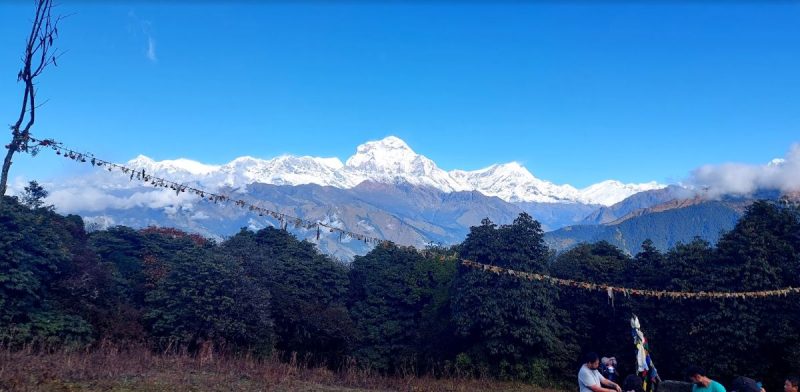
Nepal is a dream destination for trekkers, adventurers, and nature lovers from around the world. The country is home to some of the highest mountains on Earth, including the mighty Mount Everest, Annapurna, and the Langtang region. Trekking in these areas offers breathtaking views, a deep connection with nature, and a sense of adventure. However, these high-altitude environments also carry risks, one of the most common being altitude sickness, also called acute mountain sickness (AMS). Understanding what altitude sickness is, its symptoms, and how it can be prevented or treated is crucial for anyone planning a trek in Nepal.
What is Altitude Sickness?
Altitude sickness occurs when your body struggles to adjust to lower oxygen levels at high elevations. As you climb higher, the air pressure drops, and the amount of oxygen available in each breath decreases. Your body has to work harder to deliver oxygen to organs and tissues. For most people, ascending gradually allows the body to adapt. But rapid climbs or lack of acclimatization can lead to altitude sickness.
In Nepal, trekking routes such as the Everest Base Camp (5,364 meters / 17,598 feet), Annapurna Circuit (up to 5,416 meters / 17,769 feet at Thorong La Pass), and other Himalayan trails expose trekkers to high altitudes where the risk of AMS is significant.
There are three main types of altitude sickness:
- Acute Mountain Sickness (AMS) – The mildest form, with symptoms like headache, nausea, and dizziness.
- High Altitude Pulmonary Edema (HAPE) – A serious condition where fluid builds up in the lungs, making breathing difficult.
- High Altitude Cerebral Edema (HACE) – The most severe form, where the brain swells, leading to confusion, loss of coordination, and even death if untreated.
Why Altitude Sickness Happens
The main reason for altitude sickness is low oxygen at high elevations. At sea level, oxygen makes up about 21% of the air, and the air pressure allows it to enter your lungs and bloodstream efficiently. As you climb, the air becomes thinner, and each breath carries less oxygen.
Your body responds by:
- Increasing your breathing rate to take in more oxygen.
- Making your heart beat faster to circulate oxygen more efficiently.
- Producing more red blood cells over several days to carry oxygen.
However, these adjustments take time. If you ascend too quickly without giving your body a chance to acclimatize, symptoms of altitude sickness appear.
Certain factors can increase the risk of altitude sickness:
- Rapid ascent without proper acclimatization.
- Sleeping at high altitudes on the first night.
- Dehydration and alcohol consumption.
- Pre-existing health conditions like heart or lung problems.
- Previous episodes of altitude sickness.
Symptoms of Altitude Sickness
Altitude sickness symptoms can range from mild to life-threatening. Trekkers in Nepal should know how to recognize them early.
Mild Symptoms (AMS):
- Headache
- Nausea and vomiting
- Fatigue or weakness
- Dizziness or lightheadedness
- Difficulty sleeping
- Loss of appetite
Severe Symptoms:
- High Altitude Pulmonary Edema (HAPE)
- Shortness of breath at rest
- Persistent cough, sometimes with pink or frothy sputum
- Chest tightness or congestion
- Rapid heartbeat
- High Altitude Cerebral Edema (HACE)
- Severe headache not relieved by medication
- Confusion or disorientation
- Loss of coordination or balance
- Hallucinations or inability to walk
In high-altitude regions of Nepal, symptoms often appear above 2,500 meters (8,200 feet), but most cases become significant above 3,000 meters (9,800 feet). For example, trekkers on the Everest Base Camp Trek, Manaslu Circuit, or Annapurna Circuit often face mild AMS symptoms around 3,500–4,000 meters.
Treatment of Altitude Sickness
The key to managing altitude sickness is prevention, early recognition, and prompt treatment.
1. Gradual Ascent
- Ascend slowly and give your body time to adapt.
- A common guideline is: “Climb high, sleep low” – climb to a higher altitude during the day, but sleep at a lower elevation.
- Limit the daily elevation gain to 300–500 meters (1,000–1,600 feet) above 3,000 meters.
2. Medication
- Acetazolamide (Diamox) can help prevent and treat mild AMS by speeding up acclimatization.
- Dexamethasone may be used for severe AMS or HACE but should only be taken under medical supervision.
- Nifedipine can help with HAPE by reducing pulmonary pressure.
3. Oxygen Therapy
In emergencies, supplemental oxygen can stabilize patients. Many trekking agencies in Nepal carry oxygen for high-altitude expeditions.
4. Descend Immediately
- Descending to a lower altitude is the most effective treatment for severe AMS, HAPE, or HACE.
- Even a descent of 500–1,000 meters can be life-saving.
5. Rest and Hydration
- Rest is critical; avoid overexertion.
- Drink plenty of water to prevent dehydration, which can worsen symptoms.
- Avoid alcohol and sedatives, which can depress breathing.
6. Herbal and Local Remedies
- Some Nepalese trekkers use ginger, garlic, and herbal teas to aid digestion and reduce nausea.
- While these may relieve mild symptoms, they are not a substitute for medical treatment in severe cases.
Preventing Altitude Sickness in Nepal
Prevention is always better than cure, especially in remote Himalayan regions. Here are some practical tips:
- Acclimatize Properly: Spend extra days at intermediate altitudes before heading higher. For instance, after reaching Namche Bazaar (3,440 m / 11,286 ft) on the Everest route, take a rest day to acclimatize.
- Follow a Slow Itinerary: Avoid rushing to high camps. Trekking schedules that allow gradual ascent reduce AMS risk.
- Stay Hydrated and Eat Well: High-altitude trekking burns more calories. Drink water frequently and eat small, high-energy meals.
- Avoid Alcohol and Smoking: These can reduce oxygen levels in the blood and increase dehydration.
- Know Your Limits: Listen to your body. If symptoms worsen, descend or seek medical help.
- Carry Medications: For those prone to AMS or on guided treks, carry Acetazolamide and know the proper dosage.
- Be Aware of Symptoms: Early recognition is critical. Even mild headaches or nausea should not be ignored.
Altitude Sickness and Tourism in Nepal
Nepal’s tourism industry has grown rapidly due to its majestic mountains and trekking opportunities. Organizations like the Nepal Tourism Board and local trekking agencies emphasize the importance of health and safety at high altitudes.
Trekkers are often advised to:
- Register their trekking plans.
- Hire experienced guides familiar with local trails and emergency protocols.
- Use tea houses and lodges for gradual ascent rather than camping at high altitudes.
Nepal also has high-altitude medical clinics, especially along popular trekking routes like Everest, Annapurna, and Langtang. These clinics provide oxygen, basic medicines, and evacuation services in case of severe altitude sickness.
Real-Life Experiences
Many trekkers in Nepal report that mild AMS is almost unavoidable on high-altitude treks if ascending quickly. Simple steps like taking extra rest days, drinking plenty of water, and moving slowly can make a huge difference.
For example, trekkers on the Everest Base Camp Trek often experience headaches or difficulty sleeping around Lobuche (4,910 m / 16,109 ft). With proper acclimatization and attention to symptoms, most recover quickly without serious complications.
However, there are instances where HAPE and HACE have led to life-threatening situations, reinforcing the importance of awareness and preparedness.
Conclusion
Altitude sickness is a serious risk for anyone trekking in Nepal’s high mountains. Understanding what it is, recognizing the symptoms, and knowing how to prevent and treat it can save lives. By ascending gradually, staying hydrated, monitoring health, and seeking prompt medical attention if needed, trekkers can safely enjoy the breathtaking beauty of the Nepalese Himalayas.
Nepal’s mountains offer some of the most rewarding experiences on Earth, but they demand respect. Proper preparation, caution, and awareness of altitude sickness are essential for a safe and memorable adventure in this Himalayan paradise.