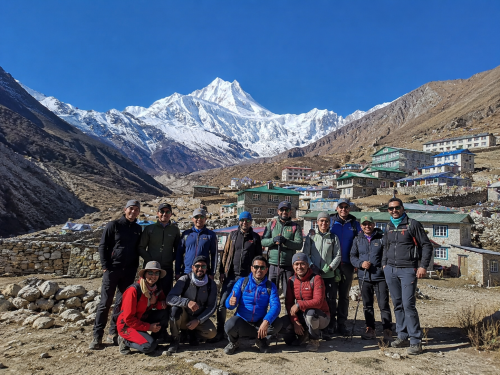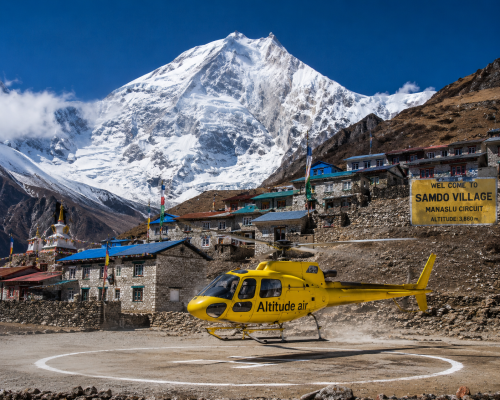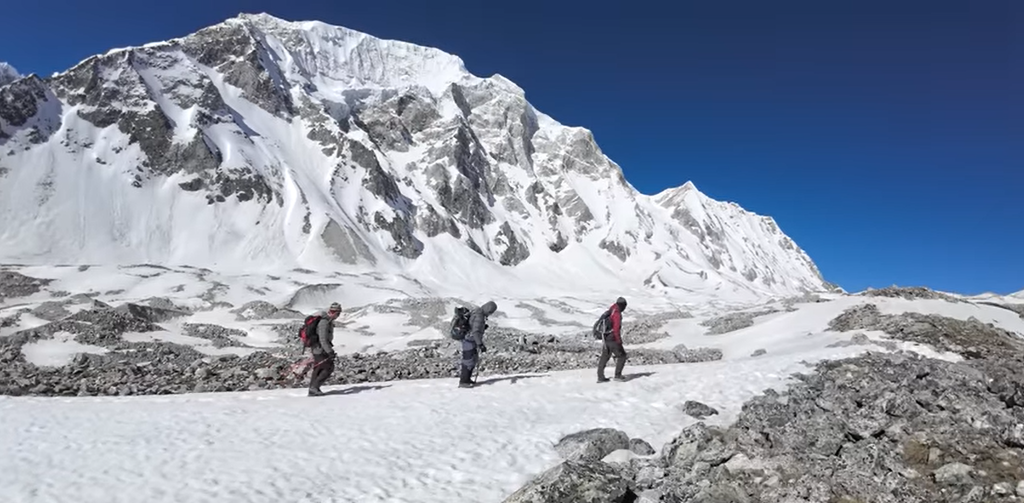


Key Highlights of Manaslu Tsum Valley Trek: Highlights
- Explore the Hidden Tsum Valley – Discover one of Nepal’s most remote and culturally preserved Himalayan valleys.
- Visit Ancient Mu Gompa – Trek to the sacred Mu Gompa, the highest monastery in Tsum Valley.
- Experience Authentic Tibetan Culture – Meet local communities and experience centuries-old Buddhist traditions and lifestyles.
- Enjoy Stunning Views of Mount Manaslu – Witness breathtaking panoramas of Mount Manaslu (8,163m) and surrounding Himalayan peaks.
- Cross the Spectacular Larkya La Pass – Conquer the challenging Larkya La Pass (5,106m), one of Nepal’s most beautiful mountain passes.
- Visit Beautiful Birendra Lake – Admire the crystal-clear glacial waters of Birendra Lake beneath the towering Himalayan mountains.
- Explore Traditional Himalayan Villages – Stay in authentic villages such as Samagaun and experience local hospitality.
- Trek Through Diverse Landscapes – Walk through lush forests, deep river gorges, alpine meadows, and high mountain terrain.
- Visit Sacred Monasteries and Nunneries – Explore important Buddhist sites including Rachen Gompa and other ancient monasteries.
- Enjoy a Peaceful Trekking Experience – Experience fewer crowds than the Everest and Annapurna regions, offering a more authentic Himalayan adventure.
Manaslu Tsum Valley Trek Overview: Overview
The Manaslu Tsum Valley Trek is a thrilling journey through stunning landscapes, offered by Safe Holiday Adventure. Starting from Kathmandu (1,400m), we head towards Soti Khola (710m), the starting point of the Manaslu Trek, via Arughat, marking the beginning of an epic adventure.
We begin our trek from Soti Khola (710m), traversing through the picturesque Budi Gandaki Valley with dense pine and rhododendron forests. Our path leads us to Lokpa (2,240m), the gateway to the mystical Tsum Valley, a three-day journey from Soti Khola.
Experience the tranquility of Chumling (2,386m), home to three ancient monasteries – Pango Gumba, Mani Dhungyur Monastery, and Gurwa Gumba. Then, we continue to Chhokangparo (3,031m), famous for its panoramic views of Himalchuli and Ganesh Himal, surrounded by bamboo and rhododendron forests.
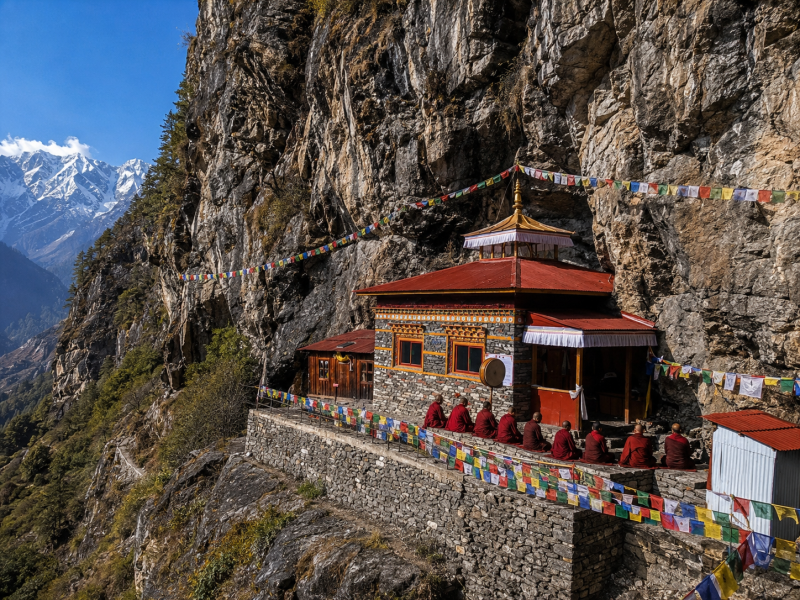
A spiritual detour takes us to the sacred Piren Phu Cave (3,250m) and follows the route to Nile Village (3,361m), culminating at the impressive Mu Gompa (3,700m), the highlight of the Tsum Valley Trek. Returning to Lokpa (2,240m), we seamlessly transition into the Manaslu Circuit Trek.
Heading westward from Lokpa, we find solace in Deng (1,860m) and Namrung (2,630m), villages resonating with rich Tibetan heritage. Sama Gaun (3,530m) awaits, offering a valuable acclimatization day amidst its serene surroundings and ancient Buddhist gompas.
The climax of our adventure unfolds at Larkya La Pass (5,106m), offering breathtaking views of Cheo Himal, Kanguru, Himlung Himal, and Annapurna II. Trekking further to Bhimtang (3,720m), we are captivated by the beauty of Gho (2,560m) and Tal (1,700m).
As our journey concludes, we bid farewell to the mountains, reminiscing about our unforgettable experiences on the Manaslu Tsum Valley Trek. Experience the perfect blend of nature, culture, and spirituality on this incredible journey through the Himalayas.
Here is a more SEO-focused, promotional, and engaging version while keeping it concise and natural for a trekking webpage:
Manaslu Tsum Valley Trek Route
The Manaslu Tsum Valley Trek with Safe Holiday Adventure is one of Nepal’s most rewarding trekking experiences, combining the remote beauty of the Manaslu Circuit, the spiritual charm of the hidden Tsum Valley, and the spectacular crossing of Larkya La Pass (5,160m). This unforgettable adventure takes you through untouched Himalayan landscapes, ancient Buddhist monasteries, traditional mountain villages, and some of the most breathtaking scenery in Nepal.
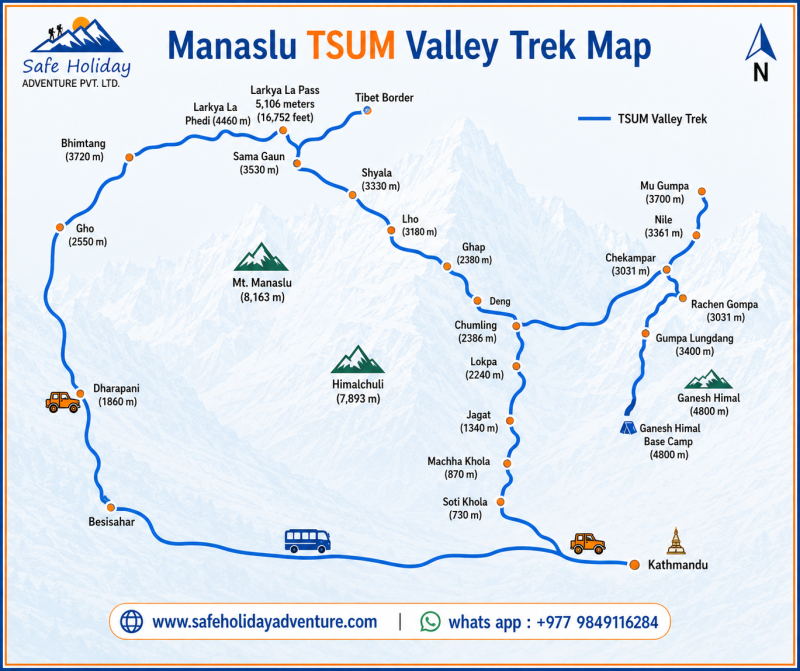
The journey starts with a scenic drive from Kathmandu and follows the beautiful Budhi Gandaki River through picturesque villages including Machha Khola, Jagat, Lokpa, Chumling, Deng, Namrung, Lho, Samagaon, and Samdo. Along the route, trekkers experience authentic local culture, traditional stone houses, colorful prayer flags, and warm Himalayan hospitality.
Entering the sacred Tsum Valley, you will explore the historic Rachen Gompa and Mu Gompa, important Buddhist monasteries surrounded by dramatic mountain landscapes. This restricted region offers a rare opportunity to discover ancient Tibetan-influenced culture preserved for generations.
As the trek continues along the Manaslu Circuit Trail, stunning views of Mount Manaslu (8,163m), Himalchuli (7,893m), Ngadi Chuli (7,871m), Ganesh Himal (7,422m), and Shringi Himal (7,161m) dominate the skyline. An acclimatization day in Samagaon helps trekkers prepare for higher elevations while reducing the risk of altitude sickness.
The highlight of the trek is crossing the magnificent Larkya La Pass, one of Nepal’s most spectacular high mountain passes. After enjoying panoramic Himalayan views, the trail descends through Bimthang, Tilije, and Dharapani before returning to Kathmandu.
Join Safe Holiday Adventure and experience the perfect combination of Himalayan culture, remote wilderness, sacred monasteries, and world-class mountain trekking in the stunning Manaslu and Tsum Valley region of Nepal.
Can You Do the Manaslu Tsum Valley Trek Without Proper Preparation?
The Manaslu Tsum Valley Trek is one of Nepal’s most remote and demanding trekking adventures. Although it is possible to complete the trek without extensive trekking experience, proper preparation is strongly recommended due to the long walking days, rugged terrain, and high-altitude conditions.
Physical fitness, appropriate trekking gear, and a basic understanding of altitude sickness are essential for a safe and enjoyable journey. Preparing in advance helps improve endurance, confidence, and overall trekking performance in the Himalayas.
For the best experience, trek with a professional guide and porter who can provide local knowledge, logistical support, and safety assistance throughout the Manaslu Circuit and Tsum Valley Trek. Good preparation significantly increases your chances of successfully completing this incredible Himalayan adventure.
Manaslu Tsum Valley Trek Options:
Classic & Extended Trek Options:
The most popular choice is the Manaslu Tsum Valley Trek, which combines the hidden Tsum Valley with the full Manaslu Circuit Trek. Trekkers seeking a deeper Himalayan experience can include side trips to Mu Gompa (3,700m), Piren Phu Cave (3,250m), Manaslu Base Camp (4,800m), and Birendra Lake (3,450m). These extended itineraries typically last 18–24 days and offer a perfect blend of culture, nature, and adventure.
Short & Customized Trek Options:
For travelers with limited time, shorter Manaslu trekking options focusing only on the Tsum Valley or selected sections of the Manaslu region are available. These itineraries generally take 12–16 days and can be tailored to suit different budgets, fitness levels, and travel styles. Trekkers can choose from budget-friendly group treks, private guided adventures, or customized lodge-based journeys through the remote Himalayan villages and valleys.
Why Choose the Manaslu Circuit and Tsum Valley Trek?
- Experience Two Incredible Destinations in One Trek – Combine the famous Manaslu Circuit with the hidden and sacred Tsum Valley.
- Less Crowded Trails – Enjoy a peaceful trekking experience away from the busy Everest and Annapurna routes.
- Rich Tibetan Buddhist Culture – Visit ancient monasteries, chortens, mani walls, and traditional Tibetan-influenced villages.
- Spectacular Mountain Views – Witness breathtaking panoramas of Mount Manaslu and surrounding Himalayan peaks.
- Remote and Authentic Villages – Explore traditional settlements such as Chumling, Chhokang Paro, Nile, Samagaun, and Samdo.
- Cross the Famous Larkya La Pass – Trek over one of Nepal’s most dramatic high mountain passes at 5,106m.
- Sacred and Spiritual Journey – Discover the mystical Tsum Valley, known as the “Hidden Valley of Happiness.”
- Diverse Landscapes – Walk through lush forests, deep river gorges, alpine meadows, and glacial valleys.
- Excellent Wildlife Opportunities – Trek through the protected Manaslu Conservation Area, home to rare Himalayan wildlife.
- Unique Monastery Visits – Explore important Buddhist sites including Mu Gompa and Rachen Gompa.
- Adventure Off the Beaten Path – Perfect for trekkers seeking a genuine Himalayan wilderness experience.
- Cultural Interaction with Local Communities – Meet Gurung and Tibetan-origin communities and learn about their traditional lifestyles.
- Outstanding Photography Opportunities – Capture stunning mountain scenery, monasteries, suspension bridges, and local culture.
- Better Value for Long Treks – Offers a rich combination of culture, nature, and adventure in a single journey.
- One of Nepal’s Most Rewarding Treks – A complete Himalayan experience with mountains, culture, spirituality, and adventure.
Manaslu Tsum Valley Trek Packing List:
Clothing: Trekking shirts, thermal layers, fleece jacket, down jacket, waterproof jacket, trekking pants, warm hat, sun hat, gloves, trekking socks, underwear.
Footwear: Trekking boots, camp shoes, gaiters, extra socks.
Trekking Gear: Daypack, duffel bag, sleeping bag, trekking poles, headlamp, water bottles, sunglasses.
Documents: Passport, Manaslu Restricted Area Permit, Tsum Valley Permit, ACAP permit, travel insurance, passport-size photos, cash.
Personal Items: Toiletries, quick-dry towel, power bank, charging cables, camera, personal medications.
Health & Safety: First aid kit, sunscreen, lip balm, water purification tablets, hand sanitizer, wet wipes.
Snacks: Energy bars, nuts, dried fruits, chocolate, electrolyte powder.
Optional: Binoculars, neck buff, notebook, playing cards, extra camera batteries.
Quick Packing Tip
Pack light but smart. Focus on warm layers, waterproof gear, comfortable trekking boots, and essential personal items to stay comfortable during the Manaslu Tsum Valley Trek, which reaches altitudes above 5,000m.
Manaslu Tsum Valley Trek OutlineOutline Itinerary
Day 1: Kathmandu to Soti Khola (elevation: 1400 meters / 4593 feet)
Day 2: Trek from Soti Khola to Machha Khola (elevation: 900 meters / 2953 feet)
Day 3: Trek from Machha Khola to Jagat (elevation: 1350 meters / 4429 feet)
Day 4: Trek from Jagat to Lokpa (elevation: 1860 meters / 6102 feet)
Day 5: Lokpa to Chumling (elevation: 2386 meters / 7828 feet)
Day 6: Chumling to Chhokangparo (elevation: 3031 meters / 9944 feet)
Day 7: Chhokangparo to the Nile via Milarepa Piren Phu Cave (elevation: 3361 meters / 11030 feet)
Day 8: Nile to Mu Gompa (elevation: 3700 meters / 12139 feet)
Day 9: Mu Gompa to Chhokangparo (elevation: 3031 meters / 9944 feet)
Day 10: Chhokangparo to Chumling (elevation: 2386 meters / 7828 feet)
Day 11: Chumling to Deng (elevation: 1804 meters / 5912 feet)
Day 12: Deng to Namrung (elevation: 2630 meters / 8629 feet)
Day 13: Namrung to Sama Gaon (elevation: 3530 meters / 11581 feet)
Day 14: Rest Day in Sama Gaon
Day 15: Sama Gaon to Larkya La Phedi (elevation: 4460 meters / 14632 feet)
Day 16: Trek from Larkya La Phedi to Bhimtang via Larkya La Pass (elevation: Larkya La Pass – 5160 meters / 16929 feet, Bhimtang – 3720 meters / 12204 feet)
Day 17: Trek from Bhimtang to Gho (elevation: 2560 meters / 8399 feet)
Day 18: Trek from Gho to Tal (elevation: 1700 meters / 5577 feet)
Day 19: Drive from Tal to Besisahar, then Kathmandu.
Whats Included?
- Airport Transfers: Complimentary airport pickup upon arrival in Kathmandu and airport transfer for your final departure.
- Kathmandu Accommodation: 1 night hotel accommodation in Kathmandu with breakfast included before the trek.
- Professional Guide: Licensed English-speaking trekking guide, including salary, insurance, meals, accommodation, transportation, and all operational expenses.
- Transportation Service: Public bus transportation from Kathmandu to Machha Khola.
- Teahouse Accommodation: 16 nights accommodation in local teahouses during the trek on a twin-sharing basis.
- Dharmasala Accommodation: 1 night dormitory accommodation at Dharmasala (Larkya Phedi).
- Daily Meals: Three meals per day (breakfast, lunch, and dinner) with a cup of tea or coffee in the Morning.
- Seasonal Fruits: Fresh seasonal fruits served during the trek whenever available.
- Duffle Bag: Complimentary duffle bag for porter use if porter service is added.
- Required Permits: All necessary permits for the Manaslu Circuit and Tsum Valley region.
- Emergency Support: Coordination of emergency rescue arrangements in case of health issues, injuries, or altitude-related emergencies.
- Return Transportation: Shared jeep from Tiliche to Besishahar and public bus to Kathmandu or Pokhara.
- Drinking Water: Water purification tablets for safe drinking water throughout the trek.
- Luggage Storage: Free and secure luggage storage at Safe Holiday Adventure during the trek.
- Government Taxes: All applicable VAT, government taxes, and service charges.
- Trek Completion Certificate: Complimentary trekking certificate upon successful completion of the Manaslu Tsum Valley Trek.
Nepal Entry Visa Fees
Obtaining a Nepal entry visa is a straightforward process upon arrival at Tribhuvan International Airport in Kathmandu. The current visa fees are as follows:
- USD 30 for a 15-day visa
- USD 50 for a 30-day visa
- USD 125 for a 90-day visa
Additional Expenses Not Included:
- International airfare
- Excess baggage fees
- Accommodation and meals in Kathmandu before or after the trek
- Extra overnight stays in Kathmandu beyond the itinerary
- Personal expenses such as shopping, snacks, beverages, and souvenirs
- Personal clothing, trekking equipment, and gear
- Travel insurance, including coverage for high-altitude emergencies
- Additional costs arising from unforeseen circumstances or changes in plans
- Tips and gratuities for guides, porters, and other support staff
Dates and Availability Departures
All our published dates are guaranteed departures. We also provide customized departures tailored to your travel plans.
There are no group joining dates available at the moment. Please contact us for a private trip.
Travellers Reviews
Genaral Trip InfoInfos
Best Time for the Manaslu Tsum Valley Trek:
How Difficult is the Manaslu Tsum Valley Trek?
The Manaslu Tsum Valley Trek is considered a moderately challenging to strenuous trek, suitable for trekkers with good physical fitness and a sense of adventure. The route covers remote mountain trails, steep ascents and descents, and several long walking days, typically lasting 18–22 days. Trekkers reach high elevations, including Larkya La Pass (5,106m), where altitude can make the journey more demanding.
No technical climbing skills are required, but proper preparation is essential. Regular hiking, cardiovascular exercise, and basic trekking experience will greatly improve your comfort on the trail. With a gradual ascent, adequate acclimatization, and the support of an experienced guide, most fit and determined trekkers can successfully complete the Manaslu Tsum Valley Trek.
Key Difficulty Factors
- Long trekking duration (18–22 days)
- High altitude at Larkya La Pass (5,106m)
- Remote and less-developed trekking region
- Daily walks of 5–8 hours
- Steep uphill and downhill sections
- Basic teahouse facilities in some areas
- Risk of altitude sickness at higher elevations
- Requires good fitness and endurance levels
Manaslu Tsum Valley Trek Accommodation & Food:
Accommodation on the Manaslu Tsum Valley Trek
Accommodation on the Manaslu Tsum Valley Trek mainly consists of simple teahouses and local mountain lodges. Rooms are generally basic, with twin-sharing beds and shared bathroom facilities, offering an authentic Himalayan trekking experience. As the trail reaches higher and more remote villages, facilities become more limited, but trekkers are always welcomed with genuine local hospitality and warmth.
Food on the Manaslu Tsum Valley Trek
Food along the Manaslu Tsum Valley Trek includes a variety of traditional Nepali and Tibetan-inspired meals. Popular options include dal bhat, noodles, soups, fried rice, potatoes, and Tibetan bread. All meals are freshly prepared and designed to provide the energy needed for long trekking days. While menu choices become more limited at higher elevations, the food remains hygienic, nutritious, and well-suited for trekking in the Himalayas.
Weather in Manaslu Tsum Valley Trek:
Manaslu Tsum Valley Trek for Beginners:
The Manaslu Tsum Valley Trek can be completed by beginners who are reasonably fit and well-prepared. Although it is not a technical climb, the route is long, remote, and physically demanding. Trekkers walk for 5–8 hours daily through mountain trails, dense forests, and high-altitude landscapes, reaching the challenging Larkya La Pass (5,106m).
For beginners, proper preparation is essential. Regular walking, cardio exercises, and short hikes before the trek help build stamina and endurance. A licensed guide is mandatory in the Manaslu Restricted Area and is highly beneficial for navigation, safety, permit management, and cultural understanding throughout the journey.
Acclimatization is extremely important due to the trek’s high elevation. Taking sufficient rest days, staying hydrated, and maintaining a steady pace can significantly reduce the risk of altitude sickness (AMS). With good fitness, patience, and careful preparation, most beginners can successfully complete this rewarding Himalayan adventure.
The trek offers breathtaking views of Mount Manaslu (8,163m), Himalchuli (7,893m), Ngadi Chuli (7,871m), and other spectacular Himalayan peaks. Combined with the unique Tibetan-influenced culture, ancient monasteries, and remote mountain villages, the Manaslu Tsum Valley Trek is an unforgettable experience for both first-time trekkers and experienced hikers.
How to Reach Manaslu Tsum Valley Trek Starting Point:
The Manaslu Tsum Valley Trek begins in Kathmandu, the vibrant capital of Nepal and the main gateway to the Manaslu Region. Almost all trekkers arrive in Kathmandu first, where trekking permits, trip preparations, and final briefings are completed before the adventure starts.
Unlike some popular trekking destinations in Nepal, there are no direct flights to the Manaslu Tsum Valley trekking route. The journey continues by road from Kathmandu to Machha Khola (or occasionally Soti Khola), passing through beautiful hills, traditional villages, terraced farmlands, and scenic river valleys. This overland journey offers a wonderful introduction to rural Nepal and the landscapes that define the Himalayan foothills.
The drive typically takes 7 to 10 hours, depending on road conditions, traffic, and weather. Trekkers can choose between a local public bus, which is the most economical option, or a private jeep, which provides greater comfort, flexibility, and safety on the rough mountain roads. Upon reaching Machha Khola, the official starting point of the Manaslu Tsum Valley Trek, your unforgettable journey through remote Himalayan villages, ancient Buddhist monasteries, and spectacular mountain scenery begins.
Required Permits for Manaslu Tsum Valley Trek:
Restricted Area Permit: The Manaslu region is a restricted area, and trekkers are required to obtain a special permit through a registered trekking agency in Nepal. Additionally, a Tsum Valley Restricted Area Permit is required for those visiting the Tsum Valley.
Preparation:
Physical Fitness: The trek involves challenging terrain and high altitudes, so we have to be in good physical condition. Regular cardiovascular exercise and strength training can help prepare for the demands of the trek.
Altitude Acclimatization: Adequate acclimatization is crucial to prevent altitude sickness. It’s recommended to ascend gradually, stay hydrated, and listen to your body’s signals.
How to Reach the Manaslu Tsum Valley Trek Starting Point
The Manaslu Tsum Valley Trek begins in Kathmandu, the vibrant capital of Nepal and the primary gateway to the spectacular Manaslu Region. As the country’s main tourism hub, Kathmandu is where trekkers complete their permit arrangements, finalize preparations, and attend pre-trek briefings before embarking on this unforgettable Himalayan adventure.
Unlike the Everest Base Camp Trek or Annapurna Base Camp Trek, there are no direct flights to the Manaslu Tsum Valley Trek. The journey starts with a scenic overland drive from Kathmandu to Machha Khola, the most common trekking starting point. Along the way, travelers pass through picturesque hillsides, terraced farmlands, traditional villages, and beautiful river valleys, offering a fascinating glimpse into rural Nepal.
The road journey generally takes 7 to 10 hours, depending on road conditions, weather, and seasonal factors. Trekkers can choose between a local public bus for a budget-friendly experience or a private jeep for greater comfort, convenience, and safety. While some sections of the road can be rough, the surrounding scenery makes the journey an enjoyable part of the overall experience.
Upon reaching Machha Khola (890m), the adventure officially begins. From here, the trail leads deep into the remote Manaslu and Tsum Valley region, where trekkers discover ancient Buddhist monasteries, authentic Himalayan villages, dramatic mountain landscapes, and breathtaking views of some of Nepal’s most magnificent peaks.
Internet and Mobile Network on the Manaslu Tsum Valley Trek:
Internet and mobile network coverage on the Manaslu Tsum Valley Trek are limited, especially in remote and high-altitude areas. In lower villages such as Soti Khola and Machha Khola, mobile signals from NTC (Nepal Telecom) and Ncell are generally available, although the connection can be weak and unstable at times.
As you ascend deeper into the mountains, network coverage becomes increasingly unreliable and may disappear completely in some sections of the trail. A few teahouses and lodges provide paid WiFi services, but internet speeds are often slow and unsuitable for video calls, streaming, or other high-data activities.
It is highly recommended to inform your family and friends before starting the trek that communication opportunities will be limited. Carrying a local SIM card with mobile data can be useful in lower elevations, but trekkers should not rely entirely on internet access during the journey. The remote nature of the Manaslu and Tsum Valley region is part of its unique charm, offering a true escape into the heart of the Himalayas.
Altitude Sickness Prevention and Tips for Tsum Valley & Manaslu Trek:
Altitude sickness can occur when you gain elevation too quickly in the Manaslu and Tsum Valley region. It commonly begins above 2,500 meters and may cause symptoms such as headache, dizziness, nausea, loss of appetite, and fatigue.
To help prevent altitude sickness, it is important to trek slowly and follow a proper acclimatization schedule. Avoid rushing to higher elevations and take rest days whenever necessary. Drinking plenty of water also helps your body adapt more effectively to the altitude.
Avoid alcohol and smoking during the trek, as they can increase the risk and severity of altitude-related symptoms. Eating healthy, energy-rich meals can also support your body’s adjustment to higher elevations. If symptoms become severe or continue to worsen, you should immediately stop ascending and descend to a lower altitude.
Listening to your body is one of the most important safety measures during the trek. With proper acclimatization, good hydration, and a steady pace, you can safely enjoy the spectacular landscapes and unique culture of the Manaslu Tsum Valley Trek.
Detailed ItineraryItinerary
Kathmandu to Soti Khola (elevation: 1400 meters / 4593 feet)
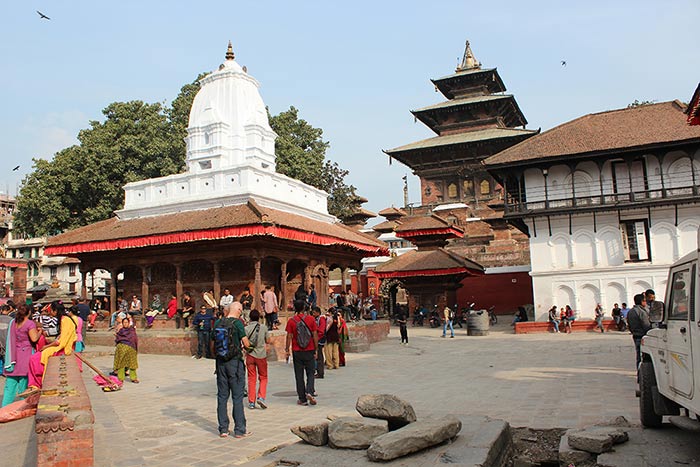
We begin our journey from Kathmandu, the vibrant capital of Nepal, after an early breakfast. Leaving the city behind, we travel towards Soti Khola, passing through beautiful river valleys, terraced farmlands, rolling green hills, and traditional Nepalese villages. The scenic drive offers a wonderful introduction to the natural beauty and rural culture of the Manaslu region.
Along the way, we make several short stops to relax, enjoy refreshments, and admire the spectacular countryside views. The route follows winding mountain roads beside rushing rivers, providing plenty of opportunities to experience the charm of rural Nepal and its diverse landscapes.
By late afternoon, we arrive at Soti Khola, the gateway to the Manaslu Tsum Valley Trek. Surrounded by peaceful nature and mountain scenery, this small riverside village marks the beginning of our trekking adventure. After checking into a local lodge, we enjoy a freshly prepared dinner and spend the evening preparing for the exciting days ahead in the heart of the Himalayas.

Accommodation : Hotel Meals : Lunch & Dinner
Trek from Soti Khola to Machha Khola (elevation: 900 meters / 2953 feet)
After enjoying breakfast in Soti Khola, we begin our first day of trekking towards Machha Khola (890m). The trail follows the beautiful Budhi Gandaki River, leading through lush subtropical forests, traditional villages, terraced farmland, and scenic riverside paths. This is an excellent introduction to the remote landscapes and authentic culture of the Manaslu region.
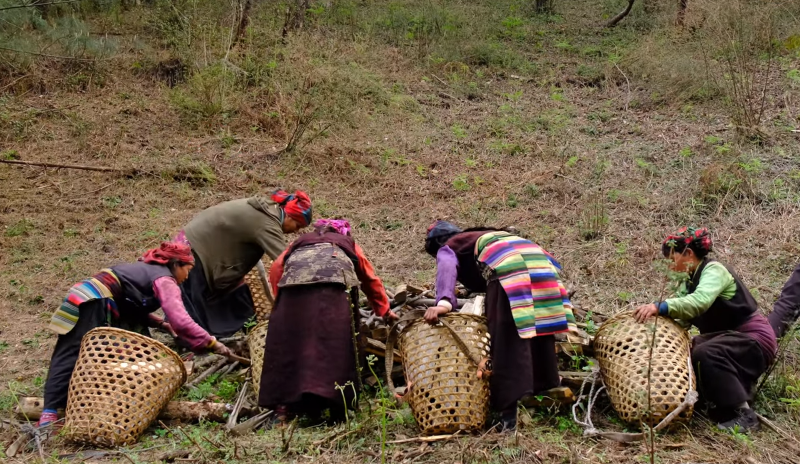
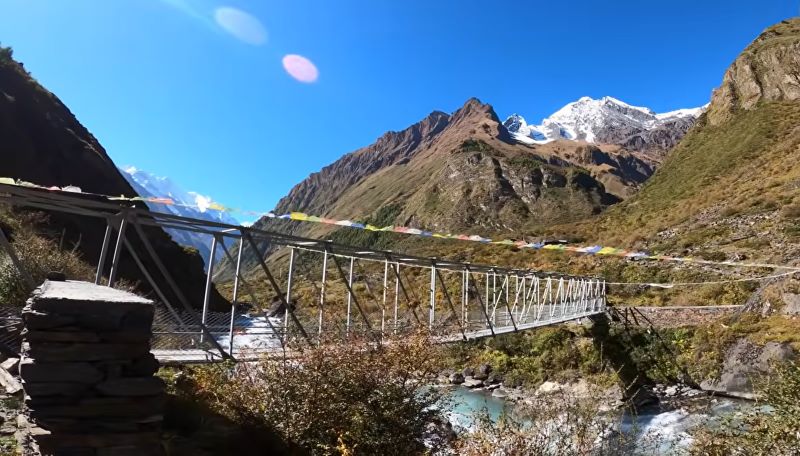
As we walk along the winding trail, we cross several suspension bridges, pass cascading waterfalls, and enjoy impressive views of deep river gorges and surrounding hills. Along the way, we meet local villagers carrying out their daily activities, providing a glimpse into the simple mountain lifestyle of rural Nepal.
After several hours of enjoyable trekking, we arrive at the charming village of Machha Khola, situated beside the roaring Budhi Gandaki River. Surrounded by peaceful natural scenery, this small settlement offers a relaxing place to rest. After checking into a local teahouse, we can unwind, enjoy a freshly prepared dinner, and prepare for the exciting journey deeper into the Manaslu Tsum Valley Trek.


Accommodation : Tea House Meals : Breakfast, Lunch & Dinner
Trek from Machha Khola to Jagat (elevation: 1350 meters / 4429 feet)
After breakfast at Machha Khola (890m), we continue our trek towards Jagat (1,340m), following the spectacular Budhi Gandaki River deeper into the Manaslu Tsum Valley region. Today’s trail offers a wonderful combination of natural beauty, traditional villages, and impressive river scenery, making it one of the most enjoyable sections of the trek.
The route passes through several small settlements, terraced fields, and beautiful forested areas. Along the way, we cross a number of suspension bridges, walk beside dramatic river gorges, and enjoy stunning views of the surrounding mountain landscapes. The trail gradually climbs through narrow valleys, providing an authentic experience of rural life in the remote Himalayas.
As we gain altitude, the scenery becomes increasingly impressive. We pass traditional Gurung villages, encounter friendly locals, and experience the rich cultural atmosphere that makes the Manaslu Tsum Valley Trek so special.
By late afternoon, we arrive at Jagat, a charming stone-paved village and an important checkpoint for trekkers entering the Manaslu Conservation Area. Surrounded by beautiful hills and traditional architecture, Jagat offers a perfect place to relax after the day’s walk. After checking into a comfortable teahouse, we enjoy a warm dinner and prepare for the exciting journey ahead towards the hidden Tsum Valley and the legendary Larkya La Pass (5,160m).
Accommodation : Lodge Meals : Breakfast, Lunch & Dinner
Trek from Jagat to Lokpa (elevation: 1860 meters / 6102 feet)
After breakfast in Jagat (1,340m), we begin our trek towards Lokpa (2,240m), the official gateway to the sacred Tsum Valley. Today’s journey marks an exciting transition as we leave the main Manaslu Circuit Trail and enter one of Nepal’s most remote and culturally preserved Himalayan valleys.
The trail climbs steadily through beautiful pine and rhododendron forests, crossing several suspension bridges and following narrow mountain paths high above the impressive Budhi Gandaki River. As we gain elevation, spectacular views of deep river gorges, cascading waterfalls, and rugged mountain landscapes unfold around us. On clear days, trekkers can enjoy distant views of Ganesh Himal (7,422m) and surrounding snow-covered peaks.
One of the highlights of today’s trek is reaching the junction where the trail separates from the main Manaslu route and heads towards the hidden Tsum Valley. From this point, the atmosphere becomes noticeably quieter and more remote, offering a true wilderness experience away from the busier trekking routes of Nepal.
By afternoon, we arrive at the peaceful village of Lokpa, the first settlement on the Tsum Valley trail. Surrounded by dense forests and magnificent Himalayan scenery, Lokpa provides a perfect introduction to the unique culture and untouched beauty of the region. After checking into a local teahouse, we relax and enjoy a freshly prepared dinner while looking forward to the deeper exploration of the mystical Tsum Valley in the days ahead.


Accommodation : Tea House Meals : Breakfast, Lunch & Dinner
Lokpa to Chumling (elevation: 2386 meters / 7828 feet)
After breakfast in Lokpa (2,240m), we continue our journey deeper into the hidden Tsum Valley, trekking towards the beautiful village of Chumling (2,386m). Today’s trail offers a perfect combination of breathtaking mountain scenery, rich cultural heritage, and peaceful Himalayan landscapes, making it one of the most memorable days of the trek.
The route passes through dense pine and rhododendron forests, crossing suspension bridges and following narrow mountain paths high above dramatic river gorges. Along the way, trekkers can enjoy magnificent views of Ganesh Himal (7,422m) and the surrounding snow-capped peaks. The trail also passes traditional mani walls, prayer flags, and ancient Buddhist landmarks that reflect the deep spiritual traditions of the Tsum Valley.
As we walk further into this remote Himalayan region, the landscape becomes increasingly peaceful and untouched. We may encounter local villagers, grazing yaks, and small farming settlements that provide a glimpse into the traditional mountain lifestyle.
By afternoon, we arrive at Chumling, one of the most picturesque villages in the Tsum Valley. Surrounded by beautiful terraced fields, traditional stone houses, and spectacular mountain views, the village offers a warm and authentic Himalayan atmosphere. After checking into a comfortable teahouse, we relax and enjoy a freshly prepared dinner while taking in the serene beauty of this remarkable valley.


Accommodation : Lodge Meals : Breakfast, Lunch & Dinner
Chumling to Chhokangparo (elevation: 3031 meters / 9944 feet)
Our Journey Today, we continue our trek from Chumling to Chhokangparo, a picturesque village nestled high in the mountains of the Tsum Valley. The trail meanders through lush forests and alpine meadows, offering breathtaking views of snow-capped peaks and crystal-clear streams.
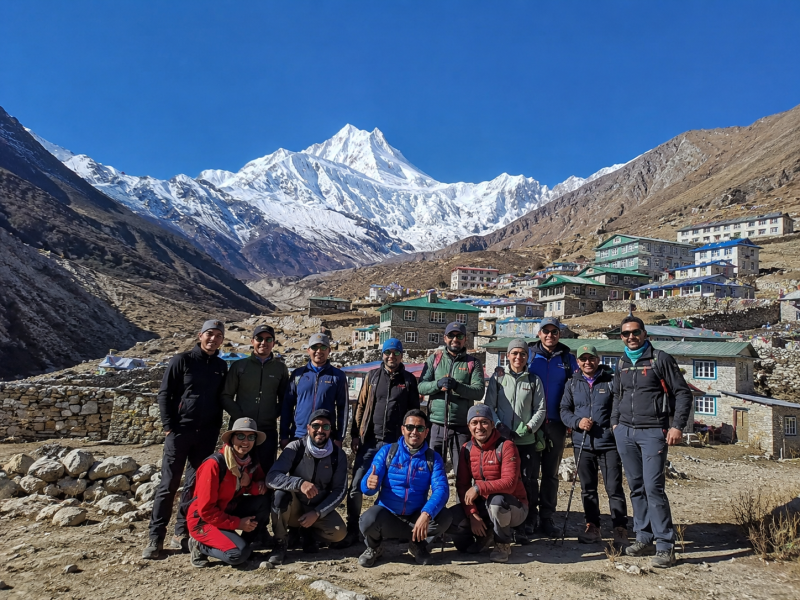
As we hike, we pass by traditional Tibetan settlements and ancient monasteries, each steeped in centuries of history and culture. Along the way, we encounter friendly locals tending to their fields and herding their livestock, their warm smiles and welcoming greetings brightening our journey.
By late afternoon, we reach Chhokangparo and settle into our accommodations for the night. We take some time to rest and recharge before dinner, enjoying the tranquility of our mountain surroundings. In the evening, we gather for a communal meal, sharing stories and laughter as we reflect on the day’s adventures and anticipate the journey ahead.

Accommodation : Tea House Meals : Breakfast, Lunch & Dinner
Chhokangparo to the Nile via Milarepa Piren Phu Cave (elevation: 3361 meters / 11030 feet)
Today’s trek takes us from Chhokangparo to the Nile, a sacred destination with historical significance. We set out early, ready to explore the wonders of the Tsum Valley and its rich cultural heritage.
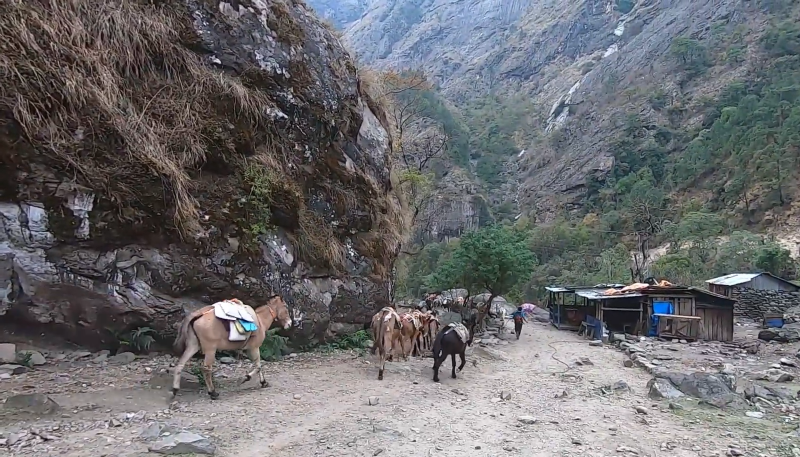
Our journey begins with a gradual ascent through lush forests and meandering trails. Along the way, we visit the Milarepa Piren Phu Cave, a place of deep spiritual significance adorned with ancient Buddhist murals and scripts. Here, we take a moment to pay homage to the revered sage Milarepa and soak in the tranquility of the surroundings.
Continuing onwards, we traverse rugged terrain and picturesque villages, each step bringing us closer to the heart of the Tsum Valley. Nile Village, the landscapes are breathtaking vistas of snow-capped peaks and alpine meadows.
By late afternoon, we arrive in the Nile and settle into our accommodations for the night. We take some time to rest and reflect on the day’s journey, grateful for the opportunity to explore this sacred land and connect with its timeless wisdom. In the evening, we gather for a communal meal, sharing stories and laughter as we bask in the warmth of newfound friendships.
Accommodation : Tea House Meals : Breakfast, Lunch & Dinner
Nile to Mu Gompa (elevation: 3700 meters / 12139 feet)
Today, we continue our trek from Nile to Mu Gompa, the highest point of our journey. We set out early, eager to reach the ancient monastery nestled amidst the towering peaks of the Tsum Valley.
The path climbs gradually, offering spectacular views of snow-capped mountains, beautiful alpine meadows, and the surrounding wilderness. We walk past traditional villages and terraced fields, each reflecting the region’s unique culture and heritage.
As we approach Mu Gompa, the air grows thinner and the temperature drops, reminding us of the high altitude we have reached. Finally, after hours of trekking, we arrive at the historic monastery, where its ancient walls echo with the prayers of generations of monks and pilgrims.
We settle into a local tea house/lodge, enjoying the peaceful atmosphere and breathtaking surroundings. In the evening, we gather around a warm fire, sharing stories and laughter beneath a sky filled with countless stars, creating unforgettable memories of our journey.


Accommodation : Tea House/Lodge Meals : Breakfast, Lunch & Dinner
Mu Gompa to Chhokangparo (elevation: 3031 meters / 9944 feet)
With hearts full of gratitude, we bid farewell to Mu Gompa and begin our descent towards Chhokangparo. The trail winds downward, offering stunning views of the Himalayan mountains and valleys below.
As we descend, we pass through ancient forests and terraced fields, each step bringing us closer to the beautiful village of Chhokangparo. Along the way, we pause to savor the breathtaking landscapes and the serenity of the mountain wilderness.
By late afternoon, we arrive in Chhokangparo and settle into our accommodations for the night. We take time to rest and reflect on the journey that has brought us here, grateful for the unforgettable memories and the meaningful connections we have forged along the way.
As the sun sets behind the mountains, casting a golden glow across the valley, we gather together to share a final meal, celebrating the bonds of friendship and the shared experiences that will endure long after our adventure comes to an end.
Accommodation : Tea House Meals : Breakfast, Lunch & Dinner
Chhokangparo to Chumling (elevation: 2386 meters / 7828 feet)
Accommodation : Tea House Meals : Breakfast, Lunch & Dinner
Chumling to Deng (elevation: 1804 meters / 5912 feet)
Today, we bid farewell to Chumling and continue our journey toward Deng, our next stop along the trail. The path leads us through lush forests and terraced fields, with the sound of rushing rivers accompanying us along the way.
As we hike, we encounter breathtaking views of the surrounding mountains and valleys, each turn revealing new wonders to behold. We pass by traditional villages and meet friendly locals who welcome us with warm smiles and genuine hospitality.
By mid-afternoon, we arrive in Deng and settle into our accommodations for the night. We take some time to rest and recharge, enjoying the peaceful tranquility of the mountains before dinner. In the evening, we gather for a hearty meal, sharing stories of our day’s adventures as we prepare for the journey ahead.

Accommodation : Tea House Meals : Breakfast, Lunch & Dinner
Deng to Namrung (elevation: 2630 meters / 8629 feet)
With the first light of dawn, we bid farewell to Deng and continue our trek towards Namrung, a picturesque mountain village nestled amidst the towering peaks of the Manaslu region. The trail winds through dense forests and alpine meadows, offering panoramic views of the breathtaking Himalayan landscape.
Today, we encounter traditional villages and ancient monasteries, each preserving centuries of history, culture, and spiritual heritage. We take our time to explore these cultural landmarks, admiring the intricate architecture, colorful prayer flags, and the peaceful atmosphere of the region.
By late afternoon, we arrive in Namrung and settle into our accommodations for the night. We take time to rest and reflect on our incredible journey so far, feeling grateful for the unforgettable experiences and memories created along the way.
In the evening, we gather for a delicious dinner, sharing stories, laughter, and moments of connection as we look forward to the exciting adventures that await us in the coming days.

Accommodation : Tea House Meals : Breakfast, Lunch & Dinner
Namrung to Sama Gaon (elevation: 3530 meters / 11581 feet)
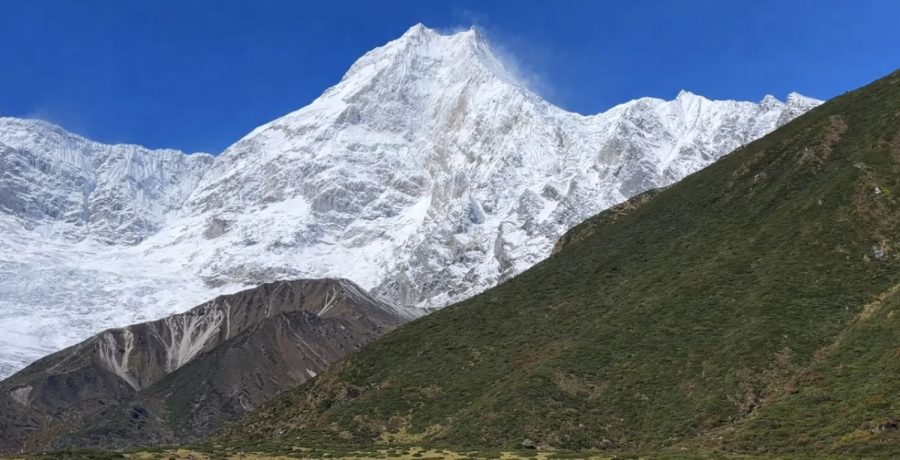
As the sun rises over the majestic peaks, we bid farewell to Namrung and set out on our trek to Sama Gaon, a beautiful village nestled in the heart of the Manaslu region. The trail leads us through rugged terrain and alpine meadows, with the towering Himalayan mountains casting their shadows upon us.
Along the way, we pass by ancient Buddhist stupas and colorful prayer flags fluttering in the mountain breeze, carrying prayers for safe and successful travels. We pause to admire the breathtaking Himalayan scenery and capture unforgettable moments of the snow-capped peaks rising above us.
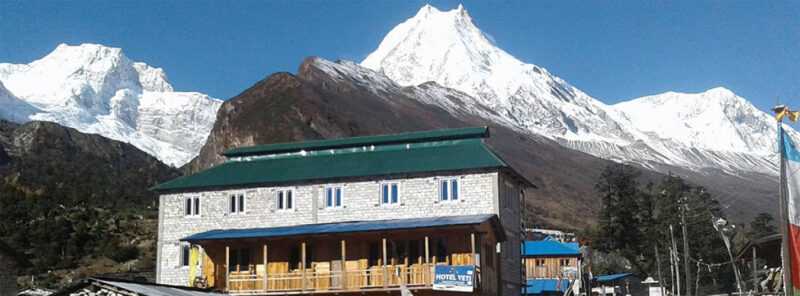
By midday, we reach Sama Gaon, a charming village surrounded by the majestic Himalayas. We settle into our comfortable lodging and take time to rest and acclimatize to the high altitude. Later in the afternoon, we explore the village, visit nearby monasteries, and interact with the warm and welcoming locals.
As evening falls, we gather for a hearty meal, enjoying the flavors of traditional Himalayan cuisine. We spend the rest of the evening relaxing and embracing the peaceful mountain atmosphere, feeling grateful for the chance to experience the natural beauty and cultural richness of the Himalayas.
Accommodation : Lodge Meals : Breakfast, Lunch & Dinner
Rest day in Sama Gaon
After several days of trekking through the stunning landscapes of the Manaslu region, today is a well-deserved rest and acclimatization day in Sama Gaon. This peaceful mountain village, surrounded by towering Himalayan peaks, offers the perfect opportunity to adjust to the high altitude while immersing ourselves in the natural beauty and rich culture of the region.
We begin the day with a leisurely breakfast followed by a gentle walk around the village, allowing us to experience the traditional mountain lifestyle and enjoy the breathtaking views of the surrounding mountains.
For those seeking adventure, optional excursions include exploring the glacial moraine, visiting the sacred Birendra Lake, or hiking to the beautiful Pungyen Gompa, a historic monastery offering spectacular views of the Himalayas. Alternatively, we can simply relax and enjoy the peaceful atmosphere of Sama Gaon, taking in the incredible scenery and tranquility of the mountains.
In the afternoon, we may participate in a traditional Himalayan cooking class or join a guided meditation session with a local monk, experiencing the spiritual side of mountain life. Whether exploring or relaxing, this day is dedicated to rest, rejuvenation, and proper acclimatization, preparing us for the exciting trekking days ahead.
Accommodation : Lodge Meals : Breakfast, Lunch & Dinner
Sama Gaon to Larkya La Phedi (elevation: 4460 meters / 14632 feet)
Ascending Towards Larkya La Phedi – Preparing for the Manaslu Circuit’s Greatest Challenge
Leaving behind the peaceful village of Sama Gaon, we begin one of the most significant days of our Manaslu Circuit Trek. With the first rays of dawn illuminating the Himalayan valley, we start our gradual ascent towards Larkya La Phedi, the final resting point before crossing the legendary Larkya La Pass, the highest and most spectacular highlight of our journey.
The trail steadily climbs through rugged mountain landscapes and alpine terrain, bringing us closer with every step to the dramatic high mountain pass. As we gain elevation, the air becomes thinner and colder, reminding us of the challenges of trekking in the high Himalayas. We walk at a steady pace, taking time to acclimatize, enjoy the breathtaking surroundings, and admire the magnificent mountain views.
By midday, we reach Larkya La Phedi, where we take time to rest, relax, and prepare for the challenging Larkya La Pass crossing ahead. After settling into our accommodation, we have the opportunity to join a gentle yoga and stretching session led by our guide, helping to relax our muscles, refresh our bodies, and calm our minds.
As evening arrives, we enjoy an early and nourishing dinner, gathering strength and energy for tomorrow’s exciting and unforgettable Himalayan adventure. The rest of the evening is spent resting, reflecting, and mentally preparing for the journey across the magnificent Larkya La Pass.

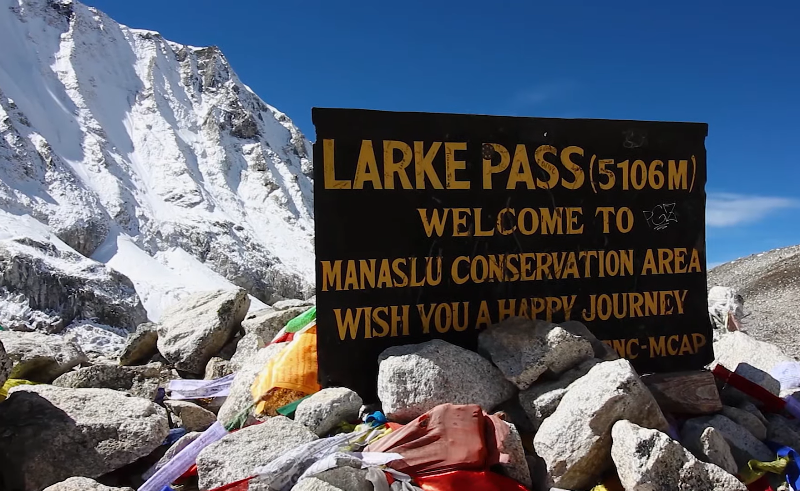
Accommodation : Tea House Meals : Breakfast, Lunch & Dinner
Trek from Larkya La Phedi to Bhimtang via Larkya La Pass (elevation: Larkya La Pass – 5160 meters / 16929 feet, Bhimtang – 3720 meters / 12204 feet)
Today marks one of the most challenging yet exhilarating legs as we conquer the formidable Larkya La Pass and trek onwards to Bhimtang. We rise before dawn, bracing ourselves for the demanding ascent ahead.
The trail begins with a steep climb, each step a test of our endurance as we navigate rocky terrain and shifting scree. As we ascend, the air grows thin, and the panoramic views of the surrounding peaks become increasingly awe-inspiring.
Finally, after hours of strenuous effort, we reach the pinnacle of Larkya La Pass, marked by fluttering prayer flags and a sense of triumph. From this vantage point, we are rewarded with breathtaking vistas of the surrounding Himalayan peaks stretching as far as the eye can see.
With the hardest part behind us, we begin our descent towards Bhimtang, our destination for the day. The trail winds its way through alpine meadows and lush forests, offering respite from the rugged terrain of the past. Along the way,
By late afternoon, we reach Bhimtang Village, our weary bodies filled with accomplishment. We settle into our accommodations for the night, relishing the tranquility of our surroundings and the warmth of newfound friendships. As night falls, we gather around a crackling fire, sharing stories and laughter beneath the starlit sky, grateful for the indomitable spirit that has carried us through this epic journey.
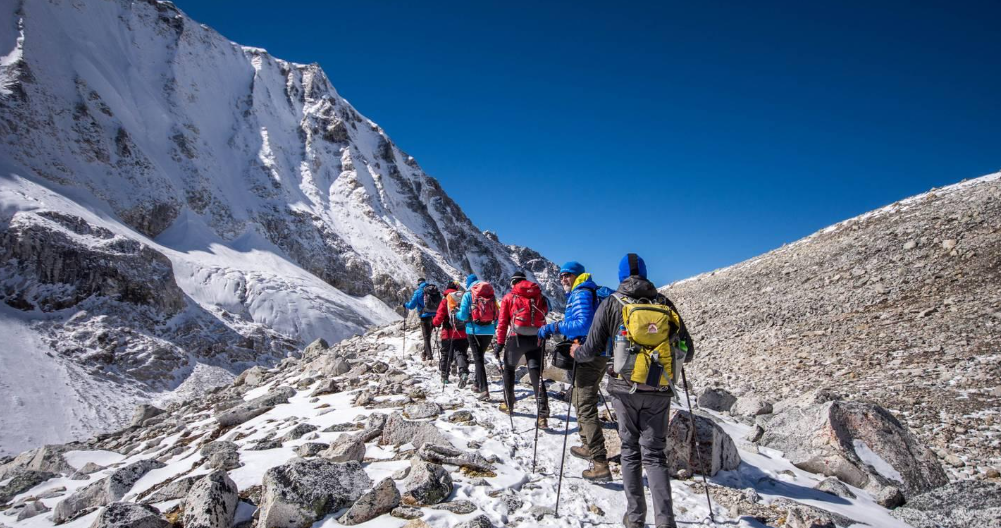

Accommodation : Tea House Meals : Breakfast, Lunch & Dinner
Trek from Bhimtang to Gho (elevation: 2560 meters / 8399 feet)
As the first light of dawn bathes the mountains in a soft golden glow, we bid farewell to Bhimtang and continue our descent toward Gho. The trail leads us through dense forests and alpine meadows, with the soothing sound of rushing rivers accompanying us along the way.
Throughout the day, we are treated to breathtaking views of the surrounding mountains and valleys, with each turn revealing new wonders of the Himalayas. We pass through traditional villages and meet friendly locals, who welcome us with warm smiles and genuine hospitality.
By mid-afternoon, we arrive in Gho, a charming Himalayan village nestled amidst the mountains. We check into our comfortable accommodations and take time to rest and recharge, enjoying the peaceful tranquility of our mountain surroundings. In the evening, we gather for a delicious dinner, sharing stories of our day’s adventures as we prepare for the final leg of our incredible journey.

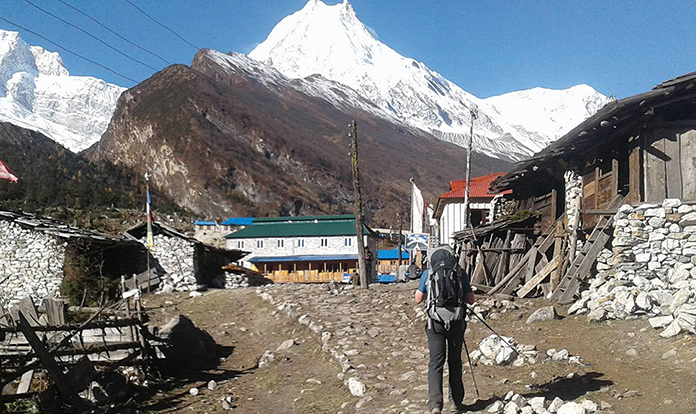
Accommodation : Tea House Meals : Breakfast, Lunch & Dinner
Trek from Gho to Tal (elevation: 1700 meters / 5577 feet)
Today, we bid farewell to Gho and continue our journey towards Tal, our final destination along the trek. The trail leads us through rolling hills and terraced fields, offering panoramic views of the stunning Himalayan landscape.
As we hike, we encounter traditional villages and vibrant local markets, where locals go about their daily lives amidst the beauty of the Himalayas. We take our time to soak in the sights and sounds of the valley, pausing along the way to rest, capture photographs, and appreciate the peaceful surroundings.
By late afternoon, we arrive in Tal, a beautiful village nestled along the banks of the Marsyangdi River. We settle into our comfortable accommodations for the night, enjoying the comfort of a hot shower and a relaxing rest after days of trekking through the mountains.
In the evening, we gather for a final meal together, celebrating the friendships and unforgettable memories created during our Himalayan adventure. As the stars twinkle above the mountains, we reflect on the challenges we have overcome, the experiences we have shared, and feel grateful for the opportunity to witness the majestic beauty of the Himalayas.


Accommodation : Tea House Meals : Breakfast, Lunch & Dinner
Drive from Tal to Besisahar then Kathmandu
With the first light of dawn, we bid farewell to Tal and begin our journey back to civilization. We take a scenic drive through winding mountain roads towards Besisahar, enjoying the breathtaking views of lush valleys, cascading waterfalls, terraced fields, and traditional villages along the way.
By midday, we arrive in Besisahar, the popular gateway of the Annapurna Circuit Trek. We take time to relax, enjoy lunch, and reflect on our unforgettable trekking experience, the challenges we overcame, and the beautiful memories created in the Himalayas.
In the afternoon, we continue our journey back to Kathmandu, where our adventure began. As we say goodbye to our fellow trekkers and guides, we carry with us lifelong memories, new friendships, and the incredible experience of exploring the majestic Annapurna region.
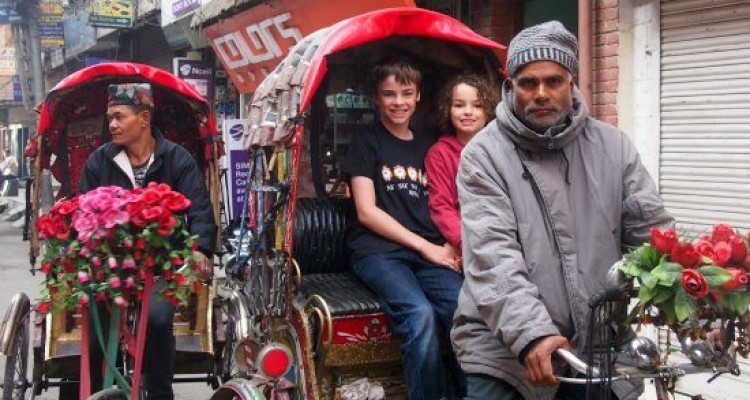

Meals : Breakfast
Note:
Our Manaslu Tsum Valley Trek is designed for travelers seeking authentic village life, ancient culture, hidden valleys, and the thrilling adventure of crossing Larkya La Pass. We are happy to customize your itinerary and budget according to your preference. Groups of 5+ people receive special rates, and the coordinator gets 15–20% discount.
Manaslu Tsum Valley Trek-19 Days FAQs
While it’s possible to do the Manaslu Trek independently, joining a guided tour is highly recommended for safety and cultural insights. Guides provide valuable navigation assistance and insights into the local culture.
No, there aren’t any specific permits required for photography or videography. However, it’s essential to be respectful of local customs and privacy when taking photos or videos of people and religious sites.
Camping along the Manaslu Trek route is generally not permitted due to conservation efforts and the availability of tea houses and lodges along the trail. Trekkers are encouraged to stay in designated accommodations.
While encounters with wildlife are rare, trekkers may occasionally encounter species such as Himalayan marmots and blue sheep. It’s essential to maintain a safe distance and avoid disturbing or provoking wildlife.
Yes, there are several side trips and extensions available for those looking to explore additional areas. Popular options include the Tsum Valley Extension, Pungyen Gompa Excursion, and Manaslu Base Camp Trek.
Mobile phone coverage may be limited in remote areas, especially at higher altitudes. Some tea houses and lodges may offer limited internet access or satellite phone facilities for communication.
It’s recommended to bring Nepalese Rupees (NPR) for the trek, as credit card acceptance and ATM facilities are limited along the route. It’s advisable to carry enough cash for the duration of the trek.
Medical facilities and clinics are limited along the Manaslu Trek route, especially in remote areas. Trekkers should carry a well-equipped first aid kit and be prepared to manage minor injuries and illnesses. In case of emergencies, evacuation to a nearby town or city with medical facilities may be necessary.
Refund & Cancellation Policy
- Booking requires 20% non-refundable deposit (Nepal) or 100% upfront (Tibet/Bhutan).
- Remaining payment due before the trip or on arrival (trip-dependent).
Cancellation charges:
- 31+ days: 20%
- 16–30 days: 45%
- 8–15 days: 75%
- 7 days or less: 90%
- Prices may change due to flights, taxes, or exchange rates.
- Trip changes are allowed, but extra costs apply.
- If the company cancels, a full refund, except for unavoidable events (some costs deducted).
- Good health and travel insurance are mandatory.
- No refund if removed for unsafe or illegal behavior.
- Travel involves personal risk, which the client accepts.