Island Peak & Everest Base Camp Trek Highlights: Highlights
- Scenic mountain flight from Kathmandu to Lukla, offering spectacular aerial views of the Himalayas and a thrilling start to your adventure.
- Follow the legendary trail to Everest Base Camp along one of the world’s most iconic trekking routes.
- Explore traditional Sherpa villages including Namche Bazaar, Tengboche, Dingboche, and Chhukung while experiencing authentic Himalayan hospitality.
- Visit ancient Buddhist monasteries and immerse yourself in the unique culture, traditions, and spiritual heritage of the Sherpa people.
- Reach Everest Base Camp (5,364 m) and stand at the foot of the world’s highest mountain with views of the magnificent Khumbu Icefall.
- Hike to Kala Patthar (5,545 m) for unforgettable sunrise and sunset panoramas over Mount Everest and the surrounding Himalayan giants.
- Enjoy proper acclimatization with carefully designed trekking days that maximize safety and increase summit success.
- Witness breathtaking mountain vistas of Everest (8,848.86 m), Lhotse, Nuptse, Ama Dablam, Makalu, Baruntse, and numerous snow-covered peaks.
- Experience glacier landscapes while trekking through alpine valleys, moraines, and the spectacular Khumbu Glacier region.
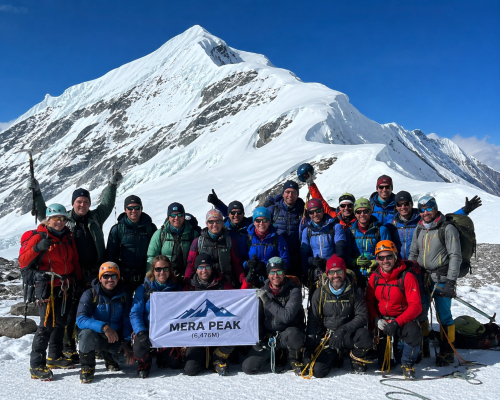
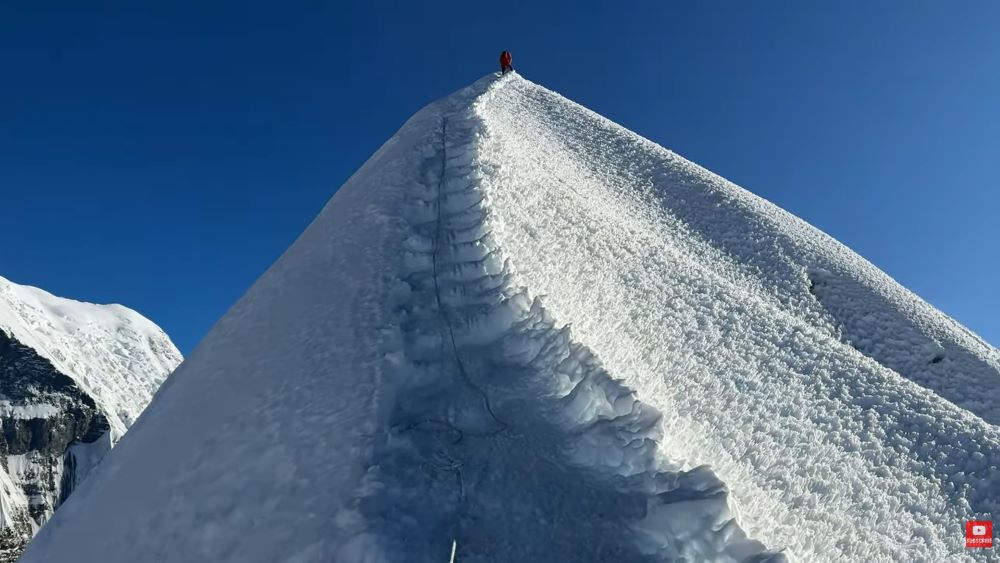
- Summit Island Peak (6,189 m), one of Nepal’s most popular and achievable trekking peaks, perfect for first-time climbers.
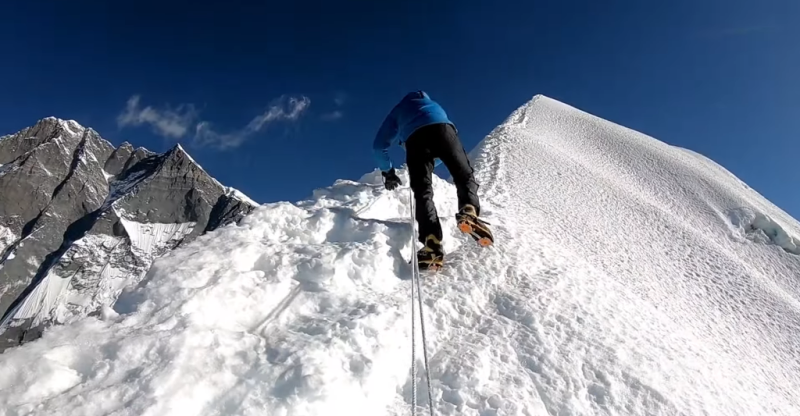
- Receive basic mountaineering training and learn how to use crampons, an ice axe, harness, jumar, and fixed ropes under professional guidance.
- Climb with experienced Sherpa guides who provide expert support, safety management, and local knowledge throughout the expedition.
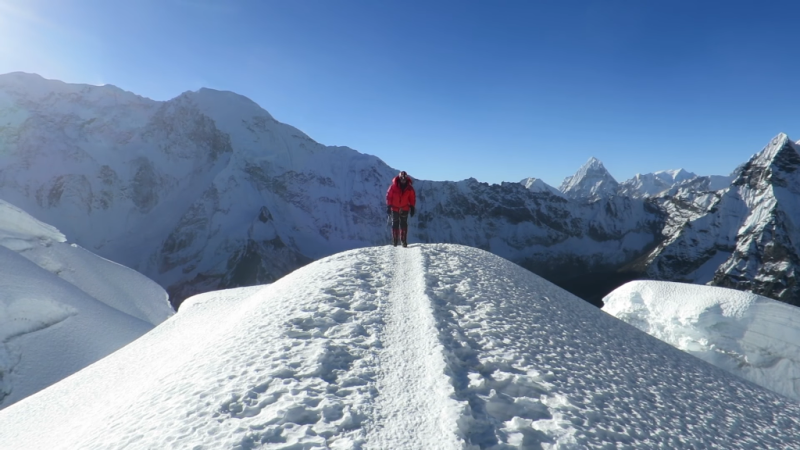
- Cross high Himalayan terrain and enjoy the excitement of climbing snow slopes and navigating glaciated sections.
- Stay in comfortable teahouses and enjoy warm meals while experiencing the famous hospitality of the Everest region.
- Capture incredible photographs of towering peaks, colorful prayer flags, suspension bridges, and traditional mountain settlements.
- Experience diverse landscapes ranging from lush forests and rhododendron valleys to rugged alpine terrain and glaciers.
- Combine trekking and climbing in a single expedition, creating the perfect balance between adventure and mountaineering.
- Challenge yourself physically and mentally while gaining valuable high-altitude trekking and climbing experience.
- Achieve your first 6,000-meter summit with the support of professional guides and a well-planned itinerary.
- Create lifelong memories on an unforgettable Himalayan journey that combines culture, nature, and mountaineering in the heart of the Everest region.
Island Peak Climbing Introduction: Overview
The Island Peak & Everest Base Camp Trek is a fantastic and exciting journey in Nepal’s Khumbu region. The Khumbu region is famous for its stunning landscapes and some of the world’s highest mountains, including Mount Everest.
Island Peak got its name because it looks like an island in the middle of a valley surrounded by massive glaciers. It stands tall at 6,189 meters (about 20,305 feet) above sea level, and the view from the top is breathtaking. You can see many other majestic mountains from there, like Mt. Nuptse, Mt. Lhotse, and the beautiful Ama Dablam.
Lots of people love coming to this region for adventure, climbing, and experiencing the local culture. Island Peak is one of the most popular peaks for Trekking in Nepal. People with different levels of experience, from beginners to experts, enjoy climbing it.
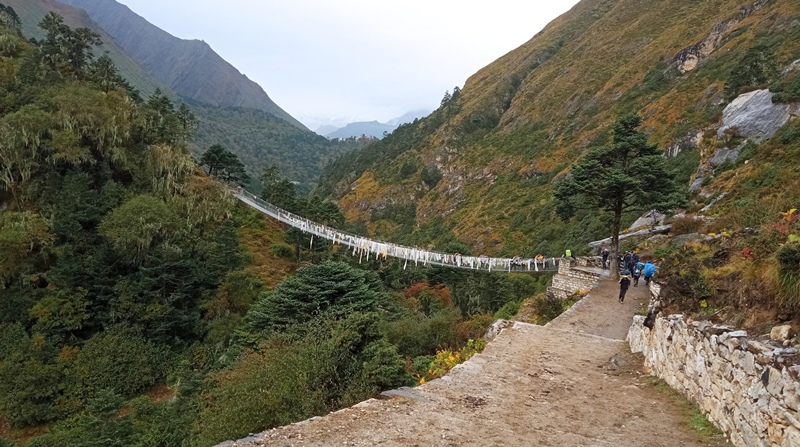
The journey begins with a short flight(30 minutes) from Kathmandu to Lukla, a small airport in the mountains. From Lukla, you’ll start walking through picturesque villages such as Chheplung, Thado-Koshi, Ghat, Toktok, Banker, Manjo, etc., and beautiful forests. You’ll see colorful Buddhist prayer flags and cross suspension bridges along the way. The friendly Sherpa people live in these villages, and you can learn about their unique culture.
As you climb higher, the air gets thinner(less Oxygen), and you’ll need to acclimate to the altitude. Acclimatizing means giving your body time to adjust to the high altitude so that you can stay healthy and enjoy the trek. Namche Bazaar is one of the important places for acclimatization. It’s a lively town where you can rest, buy supplies, and meet other trekkers.
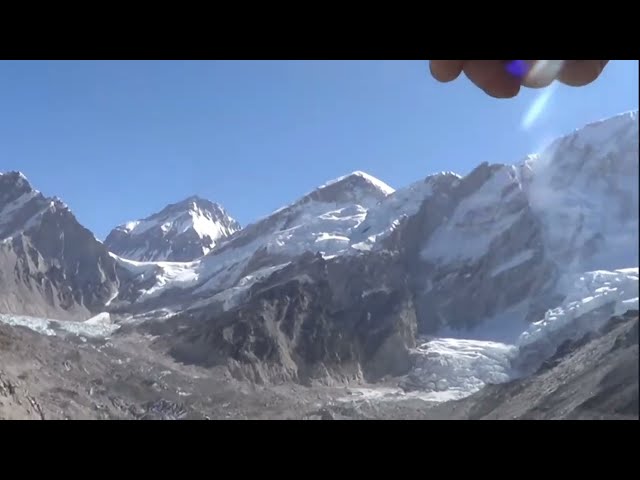
Continuing, you’ll pass by the famous Tengboche Monastery, where you can take in the stunning views of Mt. Everest and Ama Dablam. As you get closer to Everest Base Camp, you’ll see the Khumbu Icefall and Glacier, which is a challenging part of the route that climbers take to reach the top of Everest.
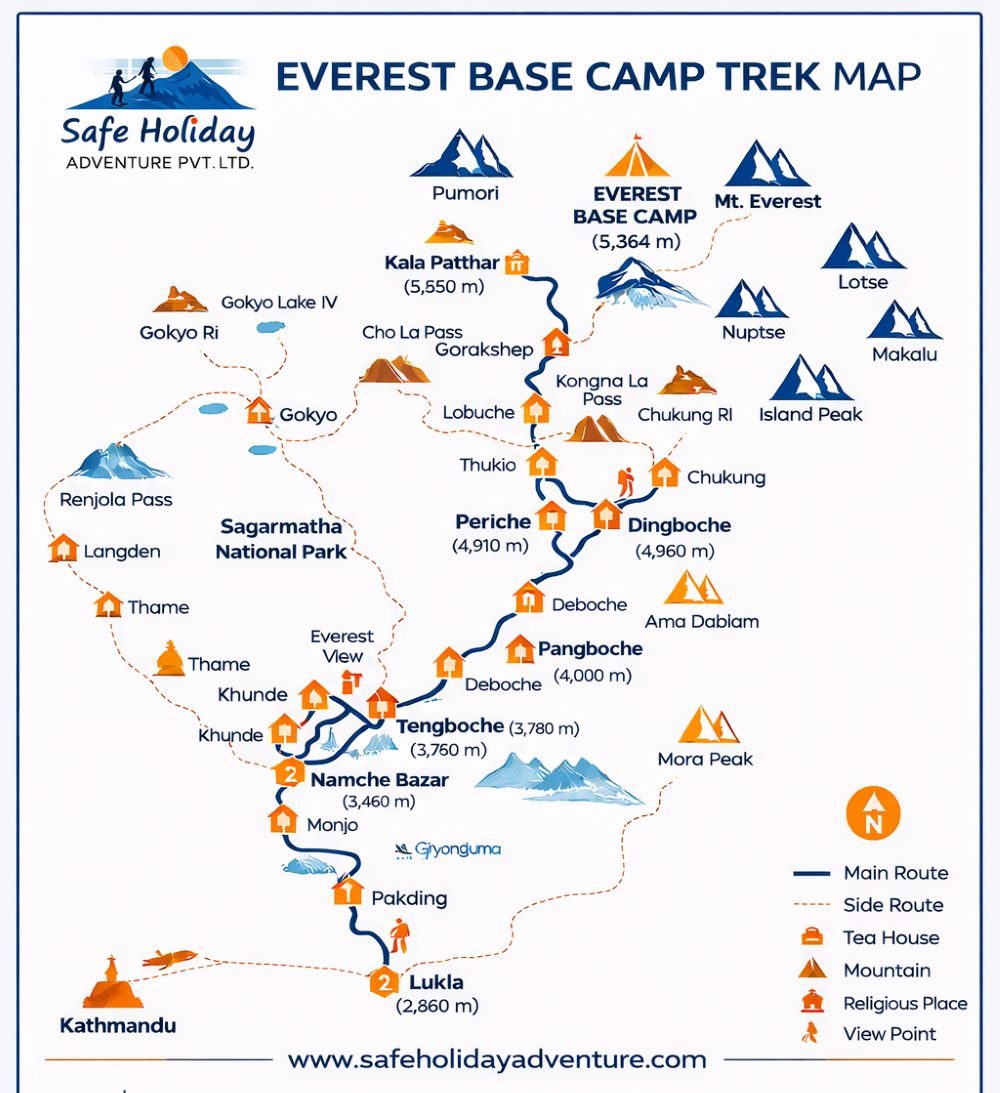
After reaching Everest Base Camp and enjoying the views, the real adventure begins as you head towards Island Peak. First, you’ll trek to a place called Chhukung(4730m), and on the way, you’ll pass Lobuche, Thukla, and Dingboche(4360m). It’s a challenging part of the journey, but it helps you prepare for the climb.
At Dingboche, you’ll rest for a day and learn how to use climbing equipment like crampons and ice axes. Climbing Island Peak is a tough challenge, but with the help of Experienced guides and Sherpas, you can do it. You’ll start the climb early in the morning and slowly make your way up. The view from the summit of Island Peak is incredible and makes all the effort worth it.
After successfully summiting Island Peak, you’ll start your descent back to Chhukung, then the same day down to Dingboche. If you are really tired, you can spend a night at Chhukung Tea House, then the next day trek down to Namche (3450m). The journey back will take you through some familiar places, and you’ll have time to enjoy the beauty of the mountains once more.
In general, the Island Peak & Everest Base Camp Trek is an amazing adventure that combines natural beauty, cultural experiences, and a sense of accomplishment. It’s a journey you’ll remember and cherish for a lifetime.
Which month in a year is best to go on Island Peak & Everest Base Camp Trek?
The best time for the Island Peak climb and Everest Base Camp trek is during spring (March to May). This season offers clear skies, stable weather, and warmer daytime temperatures, making trekking comfortable. The trails are also decorated with blooming rhododendrons, adding beauty to the journey.
Another ideal season is autumn (late September to November). After the monsoon, the air becomes clean and visibility is excellent. The weather is stable, and conditions are perfect for both trekking and climbing at higher altitudes.
Winter is very cold, and the monsoon brings rain and poor visibility, so spring and autumn are the best choices.
Why the Island Peak & Everest Base Camp Combo Trek Is Perfect for Adventure Hikers?
Island Peak & Everest Base Camp Trek Cost:
The cost for the Everest Base Camp Trek combined with Island Peak Climbing is approximately USD 1,850 – 2,000 per person.
The final price may vary depending on:
- Hotel and accommodation quality in Kathmandu and during the trek
- Group size (larger groups usually get better rates)
- Number of guides, porters, and climbing staff included
- Level of service and equipment support provided
This package offers a complete adventure experience, including trekking to Everest Base Camp and a guided climb of Island Peak (6,189m), making it a value-packed Himalayan expedition.
Island Peak & Everest Base Camp Trek Packages (Options):
Choose the most suitable option for your Everest Base Camp Trek and Island Peak Climbing adventure. All packages follow the same itinerary, but differ in comfort level, accommodation style, and included services.
Luxury Option – Comfort Himalayan Adventure Trek
Best for: Trekkers who prefer comfort, privacy, and full support
- Comfortable accommodation with clean and spacious rooms
- Hot shower facilities available in selected lodges (from Lukla to Dingboche and return)
- Porter service included for carrying main luggage
- Professional licensed trekking guide included
- Only a light daypack required during trekking
- Ideal for a more relaxed and comfortable trekking experience
Standard Option – Balanced Everest Base Camp Trek Package
Best for: Trekkers seeking a balance between comfort and cost
- Standard teahouse accommodation (twin-sharing rooms)
- Hot showers available in some places at an additional cost
- Professional licensed trekking guide included
- No porter service included (trekkers carry their own backpack)
- Suitable for regular adventure trekkers
- Most popular choice for the Everest Base Camp and Island Peak trek
Budget Option – Basic Adventure Trekking Style
Best for: Experienced and budget-conscious trekkers
- Simple teahouse accommodation with basic facilities
- Hot showers limited or available at extra cost
- Professional licensed trekking guide included
- No porter service included (full backpack carry required)
- Raw and authentic Himalayan trekking experience
- Most cost-effective option for adventure hikers
Which Option Should You Choose?
- Luxury option: For maximum comfort and less physical burden
- Standard option: For balanced experience and value
- Budget option: For a more basic, independent, and adventurous style
Why Island Peak & Everest Base Camp Trek is Perfect for You:
- Legendary Everest Experience – Follow the world-famous Everest Base Camp trail and stand at the foot of the highest mountain on Earth.
- Climb a Himalayan Peak – Summit Island Peak (6,189 m), Nepal’s most popular trekking peak and an ideal introduction to mountaineering.
- Safe Acclimatization Process – Gradual altitude gain with acclimatization days improves safety and increases summit success.
- Spectacular Mountain Views – Enjoy breathtaking panoramas of Everest, Lhotse, Nuptse, Ama Dablam, Makalu, and other Himalayan giants.
- Kala Patthar Sunrise Views – Witness unforgettable sunrise and close-up views of Mount Everest from the famous Kala Patthar viewpoint.
- Authentic Sherpa Culture – Explore traditional villages, ancient monasteries, prayer flags, and experience the warm hospitality of the Sherpa people.
- UNESCO-Protected Landscapes – Trek through Sagarmatha National Park, home to glaciers, alpine forests, and unique Himalayan wildlife.
- Learn Basic Mountaineering Skills – Gain hands-on experience using crampons, fixed ropes, harnesses, and ice axes under expert guidance.
- Adventure Beyond Trekking – Combine the classic Everest Base Camp trek with the thrill of a real Himalayan climbing expedition.
- Incredible Photography Opportunities – Capture dramatic landscapes, glaciers, colorful villages, and some of the world’s highest peaks.
- Physical and Personal Achievement – Challenge yourself and experience the satisfaction of reaching both Everest Base Camp and a 6,189-meter summit.
- Perfect for First-Time Climbers – Designed for fit trekkers who want to take their first step into Himalayan mountaineering.
- Memories for a Lifetime – Experience one of Nepal’s most iconic adventures and create unforgettable memories in the heart of the Himalayas.
OutlineOutline Itinerary
Day 1:Arrival in Kathmandu – Altitude: 4,600 ft. (1,402 m)
Day 2: Fly from Kathmandu to Lukla and trek to Phakding – Lukla Altitude: 9,383 ft (2,860 m), Phakding Altitude: 8,563 ft (2,610 m)
Day 3: Trek from Phakding to Namche Bazaar – Altitude: 11,286 ft. (3,440 m)
Day 4: Acclimatization day in Namche Bazaar – Altitude: 11,286 ft. (3,440 m)
Day 5: Trek from Namche Bazaar to Tengboche – Altitude: 12,687 ft. (3,870 m)
Day 6: Trek from Tengboche to Dingboche – Altitude: 14,304 ft. (4,360 m)
Day 7: Acclimatization day in Dingboche – Altitude: 14,304 ft. (4,360 m)
Day 8: Trek from Dingboche to Lobuche – Altitude: 16,109 ft. (4,910 m)
Day 9: Trek from Lobuche to Gorak Shep and visit Everest Base Camp – Lobuche Altitude: 16,109 ft (4,910 m), Gorak Shep Altitude: 16,929 ft (5,160 m), Everest Base Camp Altitude: 17,590 ft. (5,364 m)
Day 10: Hike to Kalapather in the morning then trek down to Dingboche – Kalapather Altitude: 18,514 ft. (5,643 m), Dingboche Altitude: 14,304 ft. (4,360 m)
Day 11: Dingboche to Island Peak Base Camp – Altitude: 20,210 ft. (6,160 m)
Day 12: Summit to Island Peak then trek down to Dingboche – Summit Altitude: 20,305 ft (6,189 m), Dingboche Altitude: 14,304 ft (4,360 m)
Day 13: Dingboche to Namche Bazaar – Altitude: 11,286 ft. (3,440 m)
Day 14: Namche Bazaar to Lukla – Altitude: 9,383 ft. (2,860 m)
Day 15: Fly from Lukla to Kathmandu
Day 16: Departure from Kathmandu Nepalm)
Island Peak & Everest Base Camp Trek Services:
Airport & Transportation
- Airport pickup and drop-off in Kathmandu
- Hotel to domestic airport transfers
- Kathmandu ↔ Lukla round-trip flight tickets
- Private transport service on departure day
Permits & Documentation
- Sagarmatha National Park Permit
- Khumbu Pasang Lhamu Rural Municipality Entry Permit
Guide & Support Team
- Experienced licensed trekking Guide
- Guide salary, Insurance, equipment & local taxes included
- Full professional assistance throughout the trek
Meals & Accommodation
- Full board meals (Breakfast, Lunch, Dinner)
- Trekking Lodge/Tea Houses Accommodation during the trek
- Morning tea or coffee included daily
Safety & Emergency Support
- Emergency rescue coordination and management support
- Continuous safety monitoring during the journey
Travel & Entry Costs
- International flight tickets and departure taxes
- Nepal entry visa fees
- Entrance fees during sightseeing activities
- Travel insurance (highly recommended to arrange before arrival)
Meals & Accommodation in Kathmandu
- Lunch and dinner in Kathmandu (before and after the trek)
Optional Services
- Horse rental services (if required during the trek)
- Helicopter services (if requested for emergency or personal use)
Personal Expenses
- Any personal expenses during the trip
- Bar bills and alcoholic beverages
- Soft drinks, bottled water, tea, coffee, and all cold drinks
Tipping
- Tips for guides and porters (optional but customary in Nepal’s tourism industry)
Dates and Availability Departures
All our published dates are guaranteed departures. We also provide customized departures tailored to your travel plans.
October 2026
November 2026
Travellers Reviews
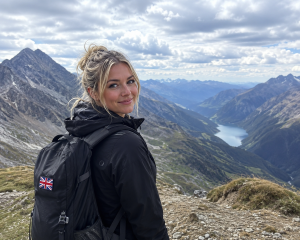
Juliana Verawati
UK | January, 2024
A Journey to Everest Base Camp and Island Peak
My friend from the UK and I had an incredible experience on the Island Peak & Everest Base Camp Trek – 16 Days. The entire trip was well organized, with a perfect itinerary for acclimatization and amazing views throughout. Reaching Everest Base Camp and successfully summiting Island Peak were unforgettable achievements that exceeded all our expectations.
A special thanks to our guide, Ram, for his professionalism, knowledge, and constant encouragement, which made us feel safe and confident throughout the trek. We are also grateful to our porter, Muskan, whose hard work, kindness, and positive attitude made our adventure much more enjoyable. We highly recommend this trek and the excellent team to anyone looking for a memorable Himalayan adventure.
Genaral Trip InfoInfos
Is the Island Peak & Everest Base Camp Trek Difficult?
Many trekkers wonder if the Island Peak & Everest Base Camp Trek is difficult. The journey is considered moderately to highly challenging. It combines the famous Everest Base Camp trail with a 6,189-meter Island Peak climb, making it ideal for adventurous and well-prepared travelers.
The trekking section includes 5 to 8 hours of walking each day on rugged mountain trails. The biggest challenge is the high altitude, as the route reaches Everest Base Camp (5,364 m) and the summit of Island Peak (6,189 m). Proper acclimatization days are essential for a safe journey.
Climbing Island Peak requires the use of mountaineering equipment such as crampons, harnesses, ropes, and ice axes. Previous climbing experience is helpful, but it is not mandatory, as experienced guides provide basic climbing training before the summit attempt.
With good physical fitness, proper preparation, and a gradual pace, most determined trekkers can successfully complete this adventure. Acclimatization, endurance, and a positive mindset are the keys to a safe and rewarding experience.
What Food and Tea Houses Can You Expect on the Island Peak & Everest Base Camp Trek?
During the Island Peak & Everest Base Camp Trek, trekkers stay in traditional tea houses found in villages along the route. These lodges provide simple but comfortable rooms, warm dining areas, and a friendly atmosphere. Facilities become more basic at higher elevations, especially near Island Peak Base Camp.
Tea houses offer a variety of meals, including Dal Bhat, noodles, fried rice, pasta, soups, potatoes, and eggs. Hot drinks such as tea, coffee, hot chocolate, and ginger lemon honey tea are widely available. Most lodges also provide snacks and bottled or purified water.
Although the menu is simple, the food is fresh, nutritious, and designed to provide enough energy for long trekking days. Eating well and staying hydrated are important for maintaining strength and helping with acclimatization at high altitude.
Altitude Sickness on Island Peak & EBC Trek:
Altitude sickness is a common challenge on the Everest Base Camp and Island Peak trekking routes due to reduced oxygen at high elevations. It is medically known as Acute Mountain Sickness and can affect even fit trekkers.
Early symptoms include Headache, Nausea, Dizziness, Loss of appetite, and Unusual fatigue. If ignored, it can become serious and impact your trek.
Prevention is simple but essential: ascend slowly, follow acclimatization days, and apply the “climb high, sleep low” rule. Drink plenty of water, avoid alcohol, and eat light, energy-rich meals. Take rest stops seriously at places like Namche and Dingboche. Most importantly, listen to your body—if symptoms worsen, descend immediately.
Proper preparation ensures a safer and more enjoyable Himalayan adventure.
Island Peak Climbing Training and Preparation Guide:
A successful climb of Island Peak requires proper physical training, technical skills, and mental preparation. It is a popular trekking peak in Nepal, but it still demands strong fitness and basic mountaineering knowledge.
Start training at least 8–12 weeks before the expedition. Focus on cardio exercises like running, hiking, and cycling to build endurance. Add strength training for legs, core, and shoulders to handle steep ascents and heavy backpacks.
Learn basic climbing techniques and practice using equipment such as crampons, ice axe, harness, and ropes. Familiarity with snow and ice walking improves safety and confidence.
Strong mental focus is also important, as high-altitude conditions can be challenging and unpredictable.
With consistent preparation, climbers can safely and successfully summit Island Peak.
Island Peak Climbing Permit & Requirements:
Climbing Island Peak requires official permits issued by the Nepal government. The main permit is the Island Peak Climbing Permit, along with entry permits for the national park and conservation area.
Trekkers also need a TIMS card and must follow registered trekking routes with a licensed guide or agency.
A basic level of fitness, proper gear, and acclimatization are required for a safe and successful climb.
Island Peak & Everest Base Camp Trek Packing List:
For Everest Base Camp and Island Peak, here is a simple and essential packing list:
- Warm layered clothing (thermal base, fleece, down jacket)
- Waterproof jacket and pants
- Strong trekking boots
- Gloves, warm hat, and socks
- Sleeping bag (high altitude rated)
- Trekking poles
- Sunglasses and sunscreen
- Headlamp with extra batteries
- Water bottle or hydration system
- Basic first aid kit
Pack smart, stay light, and be fully prepared for your Himalayan adventure.
Weather Conditions on Island Peak & Everest Base Camp Trek:
Island peak and Everest Base Camp trek safety tips for beginners:
Island Peak and Everest Base Camp trek are safe for beginners with proper preparation and awareness. The main risk is altitude sickness, so acclimatize slowly and avoid rushing the journey. Drink plenty of water, eat energy-rich food, and maintain a steady walking pace throughout the trek.
Hire an experienced guide, especially for Island Peak, to ensure safety, navigation, and support in emergencies. Stay on marked trails and follow local instructions while trekking in remote mountain regions.
Prepare physically with regular walking and stamina training before the trip. Carry warm layered clothing and check weather conditions daily. Always listen to your body and prioritize safety over speed or reaching goals.
Island Peak & EBC Trek Facilities: Permits, Internet, Shower & Phone Signal:
Island Peak and Everest Base Camp trek require several permits including Sagarmatha National Park entry, TIMS card, and Island Peak climbing permit for safety and regulation.
WiFi is available in most teahouses along the Everest Base Camp route, but connection is slow, limited, and becomes weaker at higher altitudes and remote villages.
Hot showers are available in lower trekking areas for a small extra cost, but higher camps may offer bucket showers or no shower facilities at all.
Phone signal is available in some areas using local SIM cards but becomes weak and unreliable at high altitude regions.
Detailed ItineraryItinerary
Arrival in Kathmandu
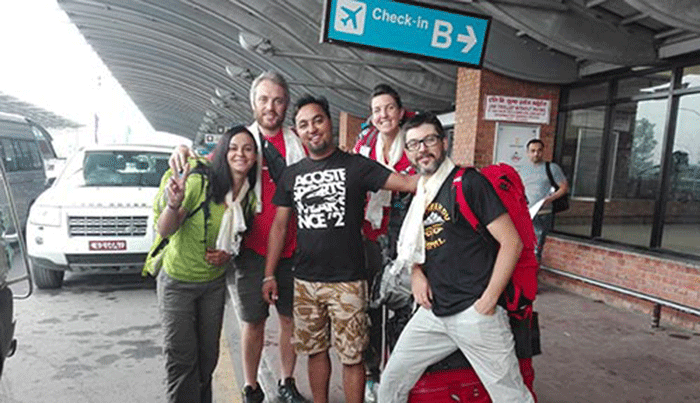
Welcome to Nepal! Upon your arrival at Tribhuvan International Airport in Kathmandu, our representative will warmly welcome you and transfer you to your hotel. After check-in, you can relax and recover from your journey while enjoying your first experience of Nepal’s vibrant capital.
In the evening, our team will brief you about your upcoming trek and make sure all preparations are complete. You can spend the rest of the day exploring nearby streets, trying local cuisine, or simply resting before your Himalayan adventure begins.

Accommodation : Hotel
Fly from Kathmandu to Lukla and trek to Phakding
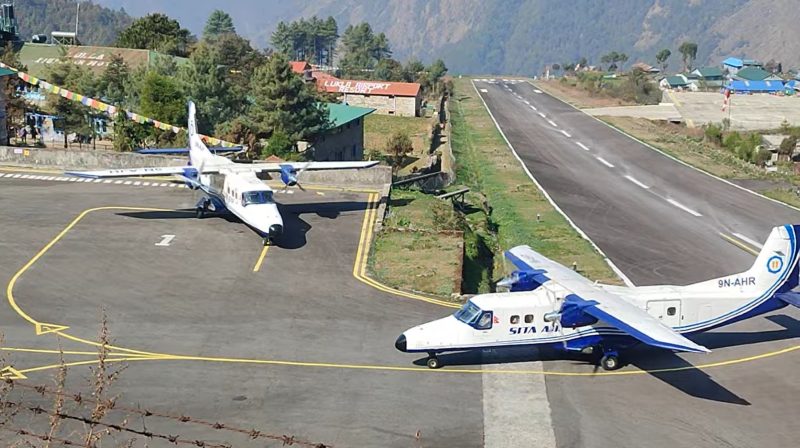
We take a short and beautiful flight from Kathmandu to Lukla, which is at a height of 9,383 ft (2,860 m). It’s an exciting journey over the Himalayas, and the flight lasts about 30 minutes.
When we arrive in Lukla, we meet our guide and helpers. Then, we start our trek to Phakding, which is at 8,563 ft (2,610 m) altitude. The trek is not too difficult; the path goes up and down gently. We walk through some small Sherpa villages like Chheplung and Ghat.
Phakding is a lovely village surrounded by stunning scenery. We stay overnight in a simple tea house, where we rest and prepare for the adventures ahead. It’s a peaceful place, and you can feel the excitement of being in the Himalayas. The journey has just begun, and we are all excited about what’s next!

Accommodation : Lodge Meals : Breakfast, Lunch & Dinner
Trek from Phakding to Namche Bazaar
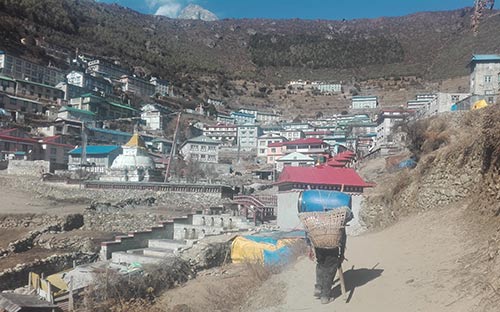
From Phakding, we continue our trek towards Namche Bazaar, which is located at an altitude of 11,286 ft (3,440 m). The trail leads us through beautiful Himalayan landscapes, crossing suspension bridges over the Dudh Koshi River and passing through dense rhododendron forests.
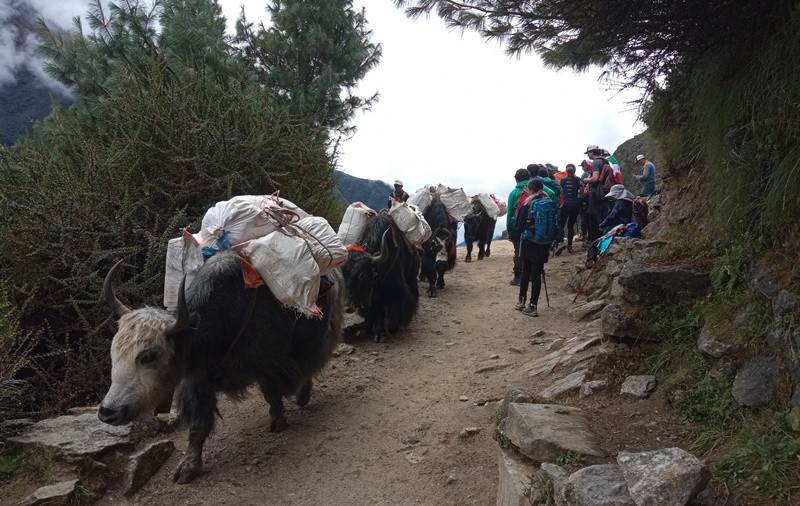
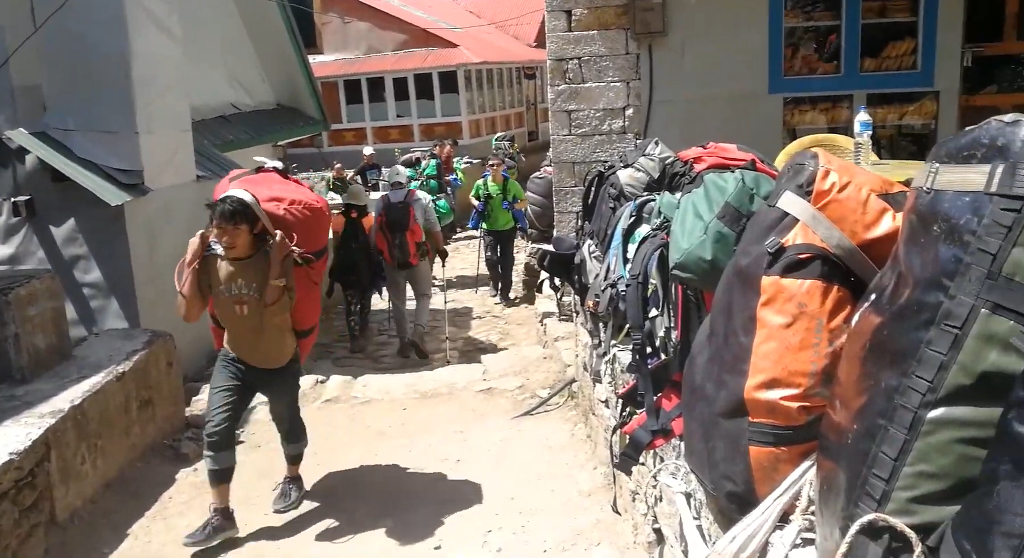
The trek is a bit more challenging today as we ascend uphill, but the stunning views of the Himalayas and surrounding valleys make it all worth it. Along the way, we may encounter yaks and porters carrying goods through the mountain routes.
As we approach Namche Bazaar, we catch glimpses of this vibrant Sherpa town, a major trading hub in the Khumbu region. The colorful houses and bustling market streets give a unique charm to the place.
Reaching Namche Bazaar is an accomplishment, rewarded with breathtaking panoramas of peaks like Thamserku and Kongde Ri. We settle into a cozy tea house for the night, where we can relax, enjoy warm meals, and begin acclimatization for higher Himalayan altitudes.

Accommodation : Tea house Meals : Breakfast, Lunch & Dinner
Acclimatization day in Namche Bazaar
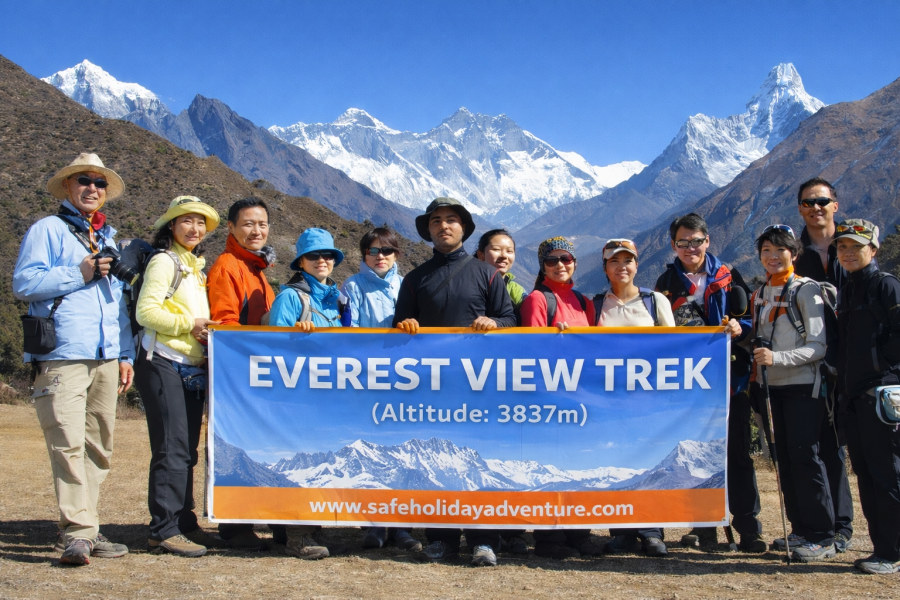
Today is an acclimatization day in Namche Bazaar, where we are at an altitude of 11,286 ft (3,440 m). Acclimatization means giving our bodies time to adjust to the higher altitude, which is important for our health and safety during the trek.
We stay in Namche Bazaar and take it easy to let our bodies get used to the thin air. We can explore the town and enjoy the breathtaking views of the mountains. There are also some short hikes around Namche that we can take to help with acclimatization.
During the day, we can visit the local market, buy souvenirs, or interact with the friendly Sherpa people. Namche Bazaar is a lively place with a unique blend of modern amenities and traditional charm.
Staying an extra day here will greatly improve our chances of successfully completing the trek without any altitude-related issues. It’s a necessary rest day, and we use this time to prepare ourselves for the exciting journey ahead.
Accommodation : Tea house Meals : Breakfast, Lunch & Dinner
Trek from Namche Bazaar to Tengboche – Altitude: 12,687 ft (3,870 m)
From the morning in Namche Bazaar, we set off towards Tengboche, which is at an altitude of 12,687 ft (3,870 m). After about 2 hours of trekking, we reach Kynjuma village, where we can catch our breath and enjoy the stunning mountain views. Continuing on, we pass through Sanasa, and then descend to Fungi Thanga, where we take a break for a well-deserved lunch.
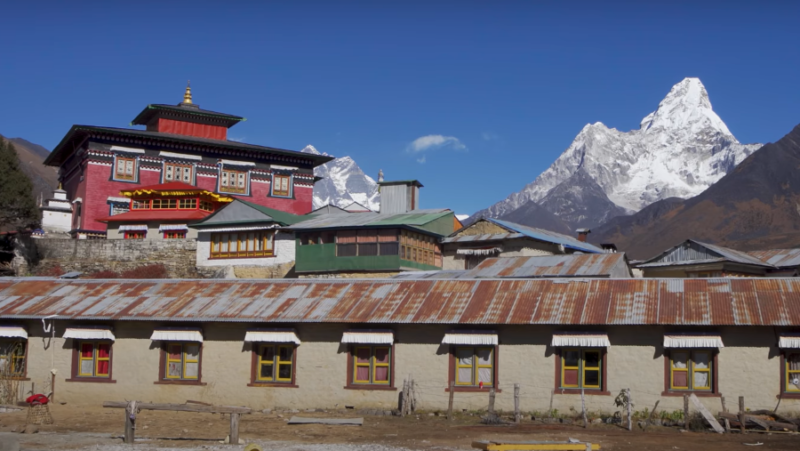
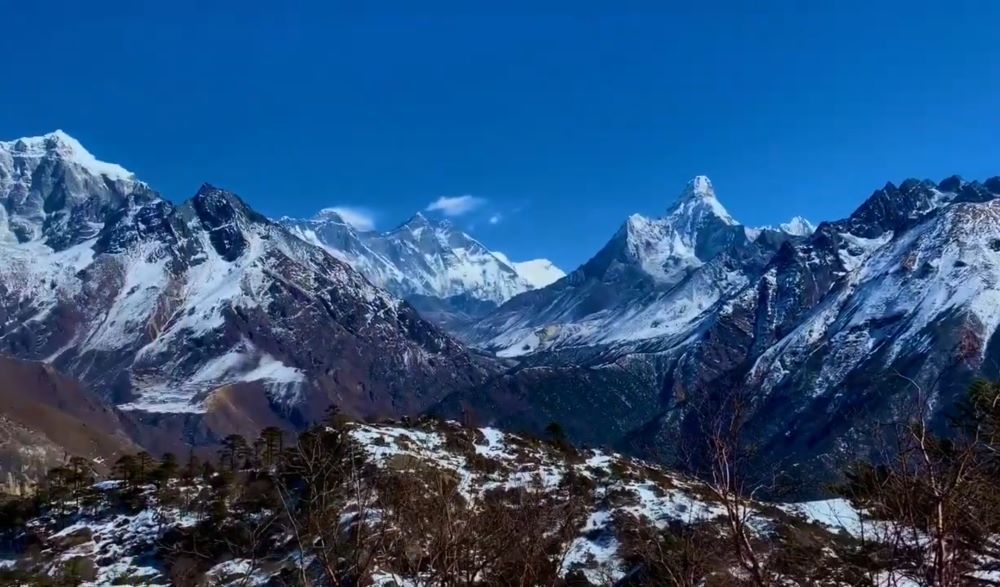
Feeling energized, we begin a gradual ascent for about 2 hours until we reach Tengboche (3,780 m). Tengboche is a picturesque village famous for its ancient monastery, surrounded by magnificent peaks like Ama Dablam and Mount Everest.
In the evening, we explore the Tengboche Monastery and may even get a chance to witness the monks’ chanting ceremony. The views from here are truly awe-inspiring, making it a memorable experience. After a fulfilling day, we rest in a cozy tea house, ready for the next day’s adventure.
Accommodation : Tea house Meals : Breakfast, Lunch & Dinner
Trek from Tengboche to Dingboche – Altitude: 14,304 ft (4,360 m)
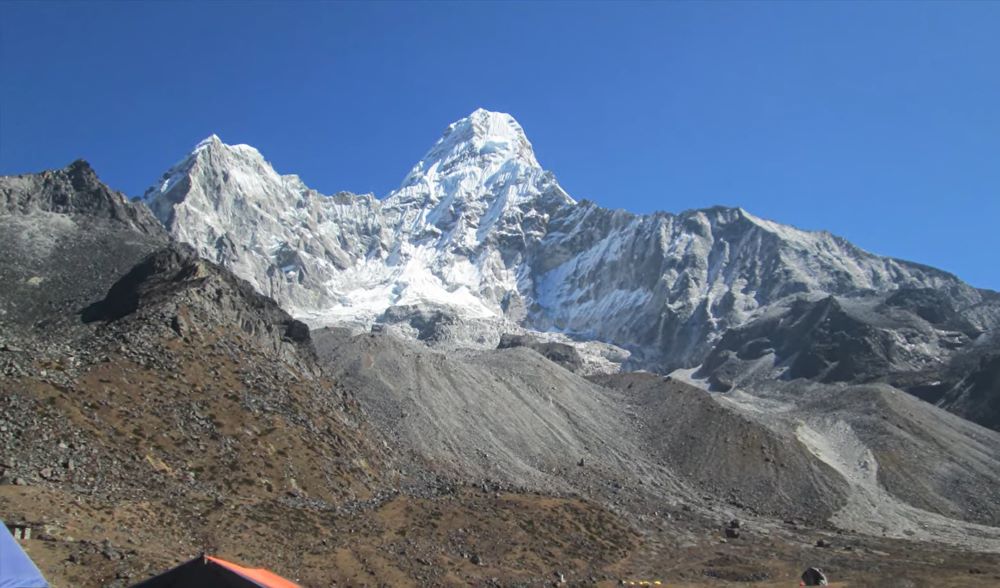
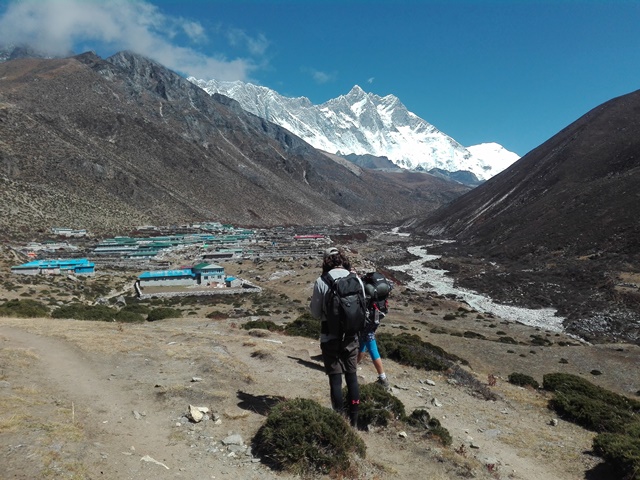
The trek from Tengboche to Dingboche is a wonderful journey through the Himalayas. In the morning, we can see a beautiful sunrise from Tengboche, and the view of Mt. Everest, Ama Dablam, Lhotse, and Nuptse is truly amazing. We have breakfast at a cozy tea house and then walk down for about 15 minutes to reach Deboche, a small area with an old Gompa and walls with religious inscriptions.
The trek continues through a pine forest until we come across a pretty suspension bridge. After crossing it, we climb uphill to Pangboche, a bigger Sherpa village, where we stop for some tea and coffee. We then continue with a gradual ascent, passing through Somare for lunch and acclimatization. As we move ahead, we leave the tree line behind and enjoy the scenic Imja Valley for the next two hours until we reach Dingboche.
It’s a large Sherpa village with many guest houses, local stores, and even a bakery, offering a pleasant end to a memorable day in the Himalayas.
Accommodation : Guest house Meals : Breakfast, Lunch & Dinner
Acclimatization day in Dingboche
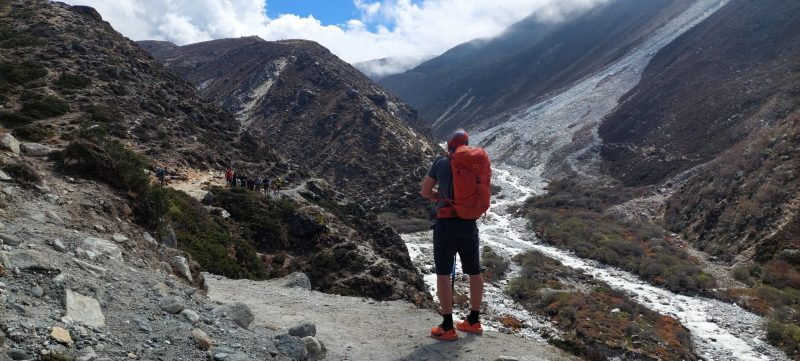
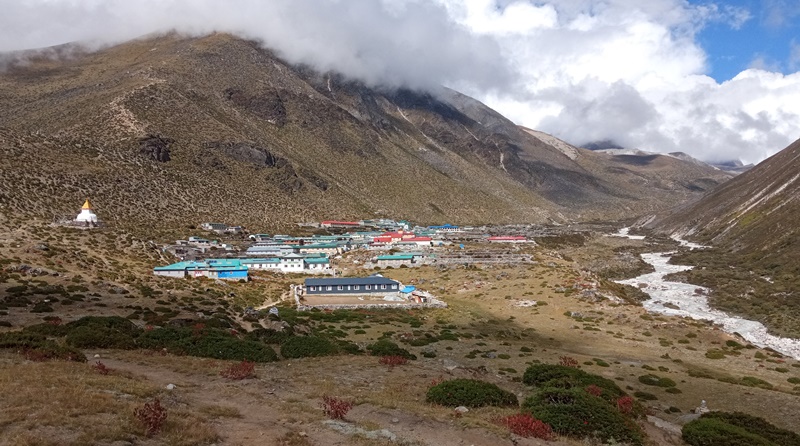
Today is a crucial acclimatization day in Dingboche at an altitude of 14,304 ft (4,360 m). We rest to adapt gradually to the high altitude, helping reduce the risk of altitude sickness. Dingboche is a charming Sherpa village surrounded by awe-inspiring Himalayan views.
We explore the village, visit the Gompa, and interact with the friendly local people. Nourishing meals and staying well hydrated are essential for maintaining energy. Optionally, we can take a short hike to support better acclimatization. The serene mountain landscapes and fresh Himalayan air make the experience both relaxing and invigorating. This rest day prepares us for the upcoming challenges on the journey towards Everest Base Camp.

Accommodation : Guest house Meals : Breakfast, Lunch & Dinner
Trek from Dingboche to Lobuche
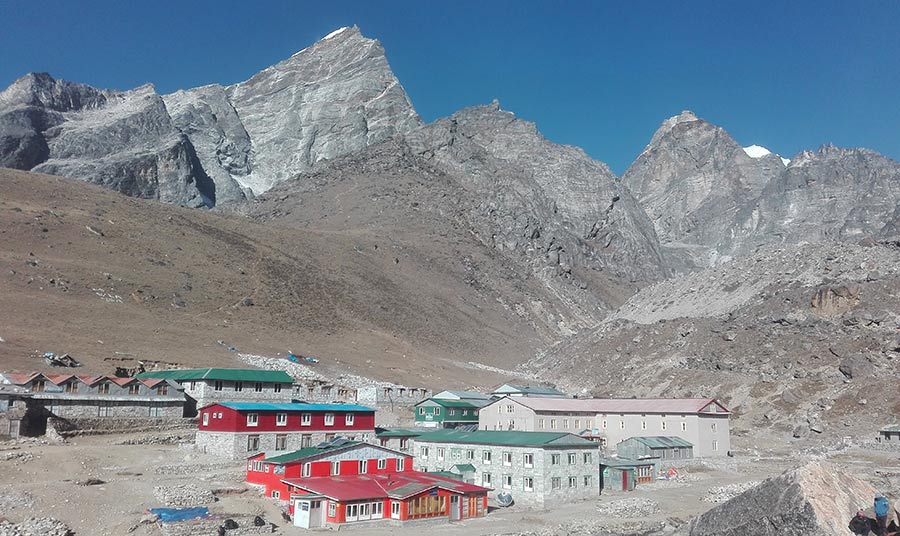
The trek from Dingboche to Lobuche, situated at an altitude of 16,109 ft (4,910 m), takes us through some remarkable Himalayan landscapes and important landmarks. As we set out, we pass through Thukla, a significant point on the trail known for its steep ascent and dramatic scenery.
Further along, we reach the solemn Memorial Hills, dedicated to the courageous Everest climbers who lost their lives in the mountains. This emotional site pays tribute to their extraordinary achievements and serves as a powerful reminder of the challenges of high-altitude trekking.
Throughout the journey, we are surrounded by breathtaking views of towering Himalayan peaks, including the vast Khumbu Glacier region. Although the high altitude makes the trek more demanding, the beauty of the mountains keeps us motivated. This section of the journey is both a physical challenge and an emotional experience as we move closer to Everest Base Camp.

Accommodation : Tea House/Lodge Meals : Breakfast, Lunch & Dinner
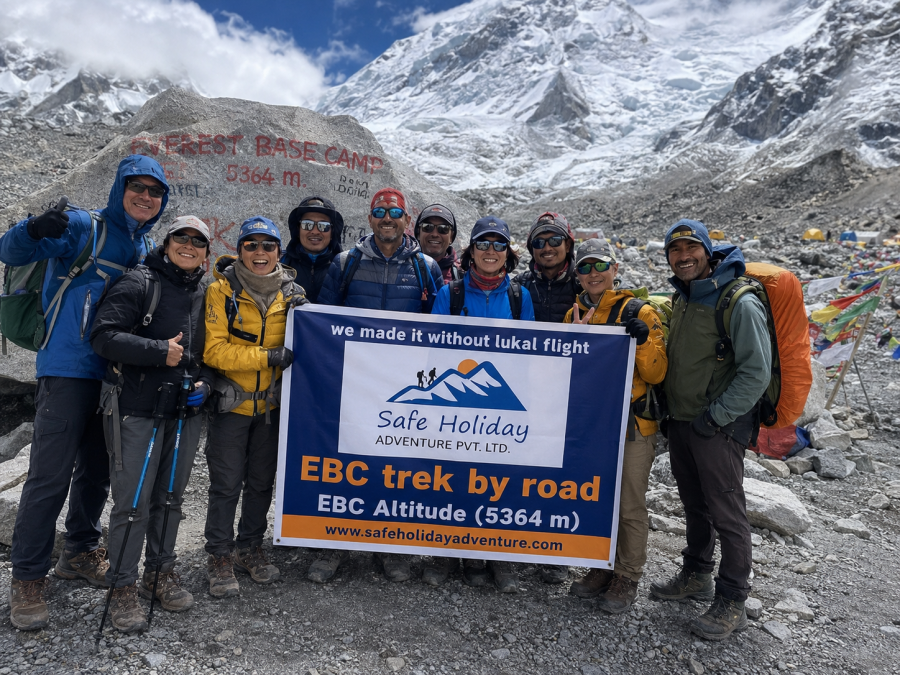
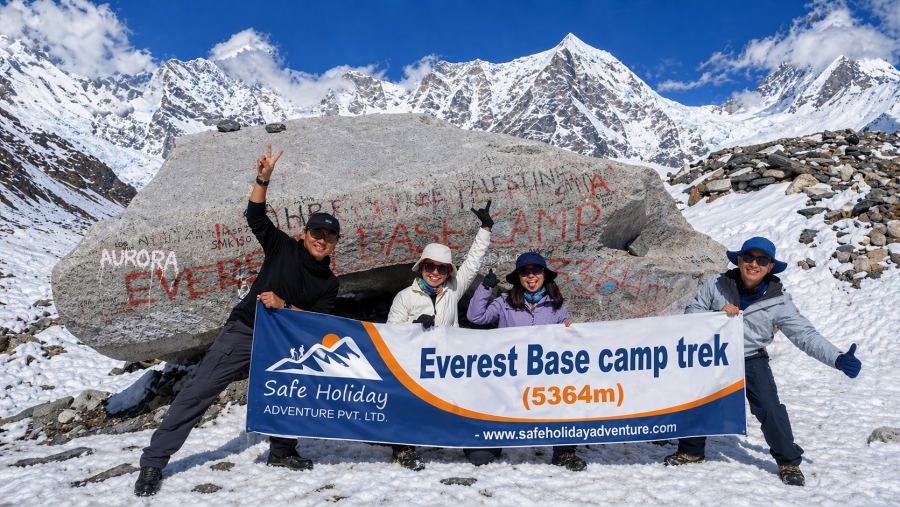
Lobuche → Gorak Shep → Everest Base Camp Gorak Shep (5,160 m) → Everest Base Camp (5,364 m)
Today is an exciting day! We need to wake up early in the morning because we have to reach Everest Base Camp on the same day. We start from Lobuche and follow an easy walk along the glacier. Then, we trek on rocky terrain with ups and downs for about 2.5 hours until we reach Gorak Shep.
There won’t be any tea houses between Lobuche and Gorak Shep, so we should carry enough water and snacks with us. Once we arrive in Gorak Shep, we’ll quickly have lunch and get a basic room for the night.
After lunch, we’ll hike to Everest Base Camp with a day backpack containing our camera, medicine, and water. The round trip from Gorak Shep to Everest Base Camp takes around 3 to 4 hours. It’s going to be a fantastic adventure, and we’ll make sure to capture all the beautiful moments with our cameras!
Accommodation : Tented Camp Meals : Breakfast, Lunch & Dinner
Kala Patthar Sunrise Hike & Descent to Dingboche Kala Patthar (5,643 m) → Dingboche (4,360 m)
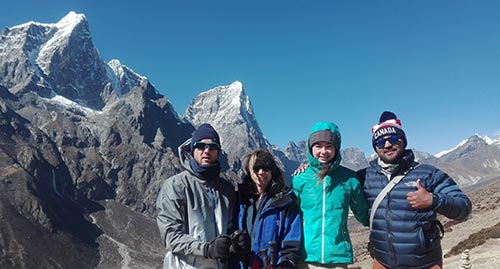
In the morning, we will hike to Kala Patthar to witness the breathtaking sunrise over Mount Everest and other majestic Himalayan peaks. After enjoying the sunrise, we will trek back to Gorak Shep, have breakfast there, and then retrace our steps to Dingboche. The trek will take us through Lobuche and Thukla.
Once we reach Dingboche, we will spend the night there. At Dingboche, we will meet our climbing guide and receive essential trekking and climbing information. It will be a memorable day filled with stunning Himalayan views and valuable preparation for the upcoming climbing adventure.
Accommodation : Guest House Meals : Breakfast, Lunch & Dinner
Dingboche to Island Peak Base Camp
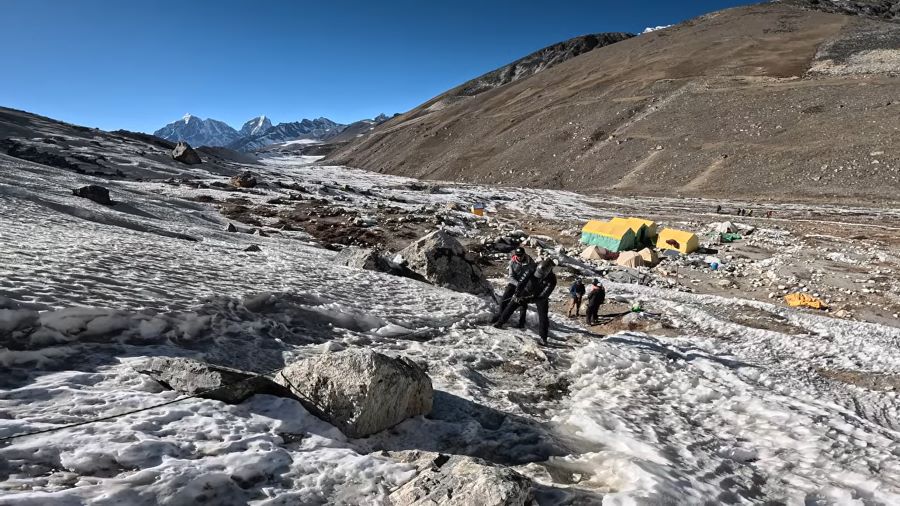
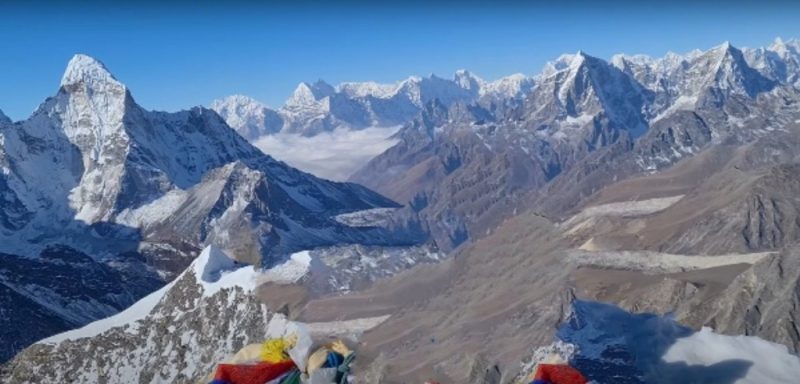
From Dingboche, we continue our trek towards the Island Peak Base Camp, located at an altitude of approximately 5,200 m (17,060 ft). The journey takes us through rugged Himalayan terrain, open valleys, and dramatic glacial landscapes, offering constant views of surrounding peaks. We move slowly and steadily to ensure proper acclimatization, which is essential for safety at high altitude.
As we ascend deeper into the Imja Valley, the trail becomes more remote and peaceful. The surroundings are dominated by towering Himalayan mountains, icy rivers, and vast alpine scenery. This section of the trek is both physically demanding and visually rewarding, making every step a memorable part of the expedition experience.
Upon reaching Island Peak Base Camp, we settle into camp, rest, and begin final preparations for the upcoming climb. Our team reviews essential climbing instructions, equipment, and safety procedures. Surrounded by the breathtaking Himalayan wilderness, this moment marks an important milestone before the summit push.
Accommodation : Tented Camp Meals : Breakfast, Lunch & Dinner
Island Peak Summit Day & Trek Back to Dingboche
Accommodation : Guest House Meals : Breakfast, Lunch & Dinner
Dingboche to Namche Bazaar
The trekking route from Dingboche to Namche Bazaar is a thrilling section of the Everest Base Camp trek in Nepal. Spanning around 16–17 kilometers, this trail passes through rocky paths, forested areas, and traditional Sherpa villages, with several suspension bridges crossing the Dudh Koshi River.
At an altitude of approximately 11,286 feet, both Dingboche and Namche Bazaar require proper acclimatization to reduce the risk of altitude sickness. The journey usually takes about 6–8 hours, depending on pace and weather conditions.
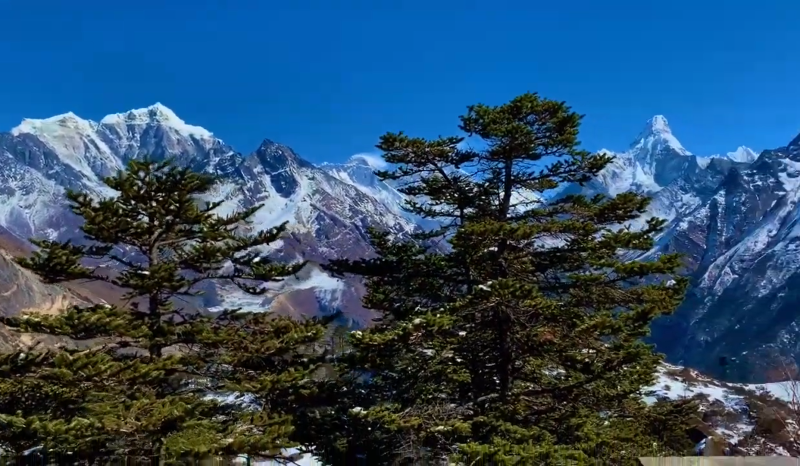
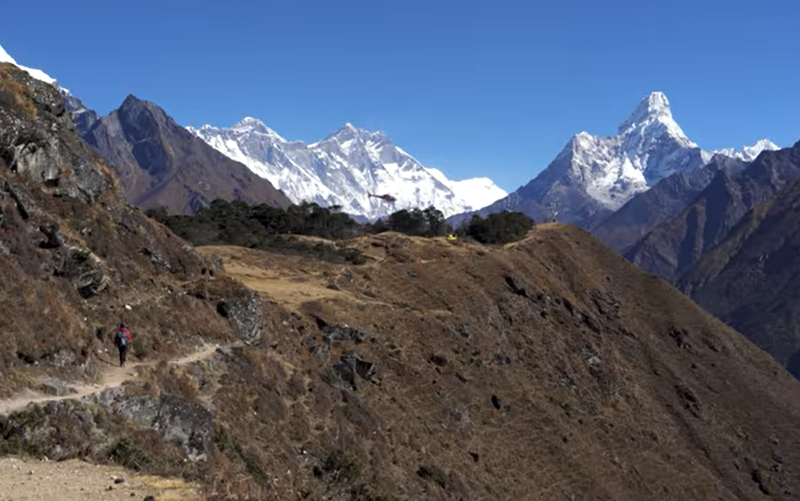
Along the way, trekkers are rewarded with stunning views of peaks like Ama Dablam, Lhotse, and even Mount Everest on clear days. Namche Bazaar, often called the “Gateway to Everest,” offers essential facilities, cozy lodges, and a lively atmosphere. For safety and a smooth experience, it’s important to trek with a reputable agency and carry the required permits.
Accommodation : Tea House Meals : Breakfast, Lunch & Dinner
Namche Bazaar to Lukla
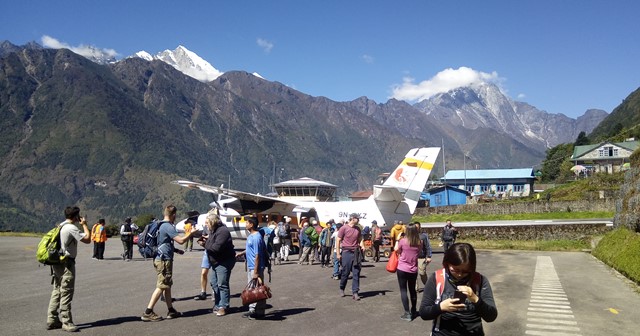
The trek from Namche Bazaar to Lukla is the final leg of the Everest Base Camp trek in Nepal. While most of the journey is a descent, the last part of the day near Lukla presents some unique challenges.
As trekkers make their way down from Namche Bazaar, they will encounter a mix of rocky paths and forested sections. The descent is generally more forgiving on the knees and muscles compared to ascending, allowing trekkers to enjoy the breathtaking mountain views one last time.
However, as they approach Lukla, the terrain becomes steeper and more uneven. The trail may become narrower and occasionally slippery due to loose gravel and dust. Trekkers need to be cautious during this section to avoid slipping or stumbling.
In addition to the trail conditions, the last part of the day near Lukla can also be crowded with fellow trekkers and porters, adding to the complexity of navigating the terrain safely.
Despite these challenges, the excitement of completing the trek and the anticipation of returning to Kathmandu can motivate trekkers to push forward. The sense of accomplishment upon reaching Lukla is truly rewarding, and many trekkers celebrate their successful journey with a sense of camaraderie and satisfaction before preparing for their flight back to Kathmandu the next day.

Accommodation : Tea house Meals : Breakfast, Lunch & Dinner
Fly from Lukla to Kathmandu.
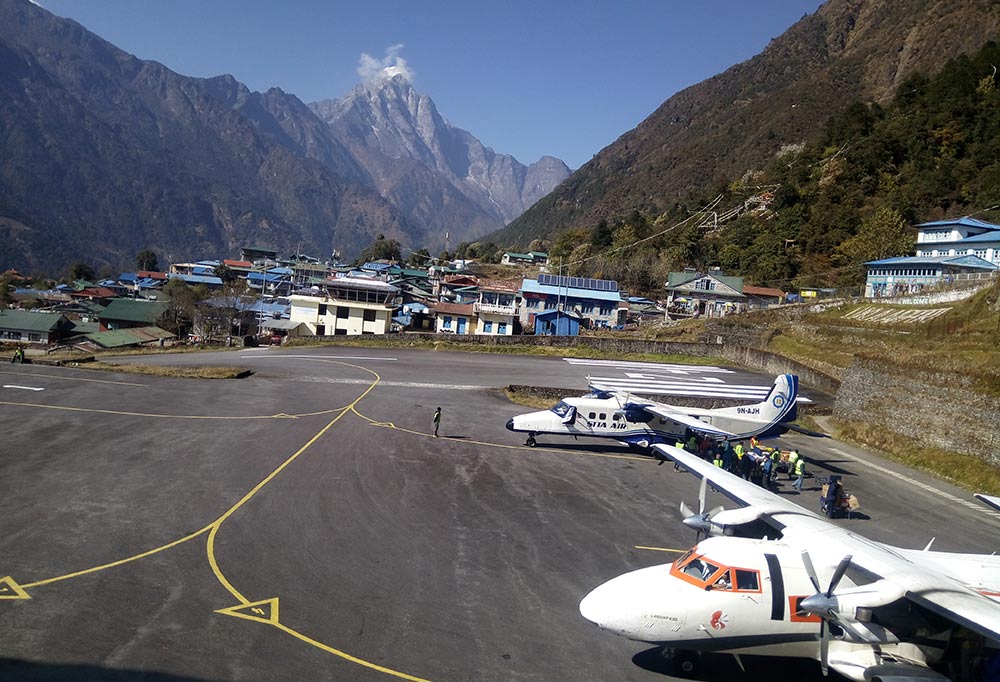
After accomplishing the challenging feats of Island Peak and the Everest Base Camp trek, the flight from Lukla to Kathmandu offers a well-deserved reward and a smooth return to civilization. Laden with a strong sense of achievement and unforgettable memories, trekkers board the short 30-minute flight.
From the small mountain airstrip of Lukla, the plane soars through the breathtaking Himalayan panorama, offering stunning aerial views of towering peaks, glaciers, and deep valleys. The journey itself becomes a final highlight of the adventure.
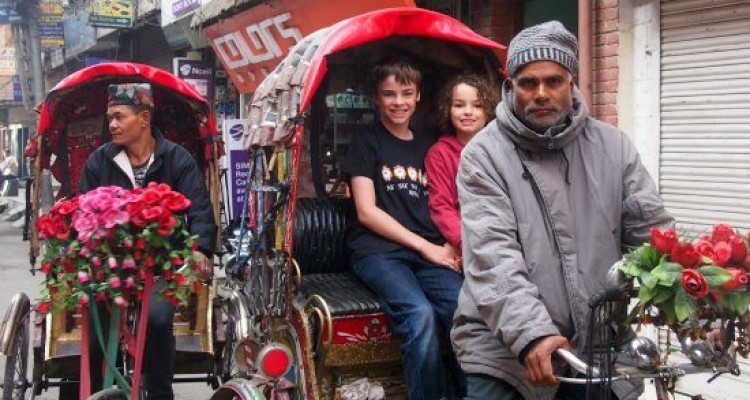
As the aircraft descends toward Kathmandu, the rugged mountain landscape gradually transforms into a bustling urban environment. This flight acts as a symbolic bridge between the world of high-altitude adventure and modern civilization, giving trekkers time to reflect on an extraordinary journey while enjoying one last look at the Himalayas.
Accommodation : Hotel Meals : Breakfast
Departure from Kathmandu Nepal
Departing from Kathmandu after completing the Everest Base Camp trek and Island Peak climb, trekkers leave with unforgettable memories and a deep sense of achievement. The journey through the Khumbu region builds courage, strength, and lasting resilience.
Saying goodbye to Nepal’s warm hospitality and vibrant culture, they carry strong bonds formed with fellow climbers and the towering Himalayas. As they head home, they are truly transformed—leaving a piece of their heart in the mountains forever.
Island Peak & Everest Base Camp Trek FAQs:
The full itinerary usually takes around 13 to 15 days, depending on acclimatization days, weather conditions, and climbing schedules.
A good level of physical fitness and endurance is required for Island Peak Climbing.
No advanced climbing experience is required, but basic knowledge of using ropes, crampons, and ice axe is highly recommended. Many beginners successfully summit with proper guidance and preparation.
No. A licensed guide is mandatory for Island Peak climbing, as per Nepal government regulations. Guides ensure safety, navigation, and proper use of technical equipment.
Essential gear includes crampons, harness, ice axe, helmet, climbing boots, carabiners, and ropes. Most climbing equipment is provided by trekking agencies if you join a guided expedition.
The ascent to the summit of Island Peak takes around 8-10 hours.
The cost of climbing Island Peak ranges from USD 1,800 to USD 25,00, depending on the package and services included.
It is possible to climb Island Peak without previous climbing experience, but having some experience and technical skills is advisable.
The altitude gain on Island Peak Climbing is around 3,000 meters.
It takes around 5-6 days to trek to Island Peak Base Camp from Lukla.
The weather on Island Peak can be unpredictable, with temperatures ranging from warm during the day to very cold at night.
The risk of altitude sickness is high on Island Peak Climbing, due to the rapid ascent to high altitudes.
It is advisable to hire a guide for Island Peak Climbing, especially if you do not have previous climbing experience.
The route to Island Peak Base Camp passes through dense forests, rivers, and small villages, with stunning views of the surrounding peaks along the way.
The success rate for Island Peak Climbing is high, with most climbers reaching the summit if they are well prepared and acclimatized.
Refund & Cancellation Policy
- Booking requires 20% non-refundable deposit (Nepal) or 100% upfront (Tibet/Bhutan).
- Remaining payment due before the trip or on arrival (trip-dependent).
Cancellation charges:
- 31+ days: 20%
- 16–30 days: 45%
- 8–15 days: 75%
- 7 days or less: 90%
- Prices may change due to flights, taxes, or exchange rates.
- Trip changes are allowed, but extra costs apply.
- If the company cancels, a full refund, except for unavoidable events (some costs deducted).
- Good health and travel insurance are mandatory.
- No refund if removed for unsafe or illegal behavior.
- Travel involves personal risk, which the client accepts.