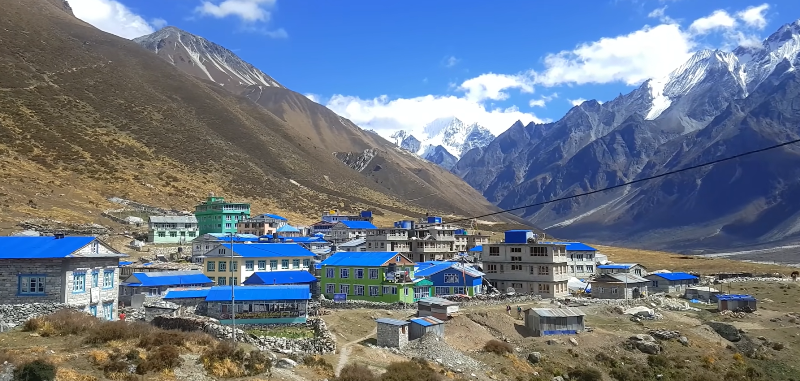
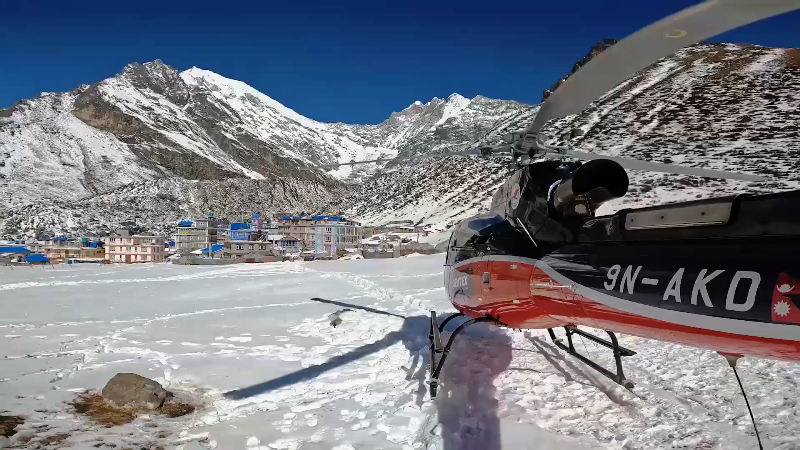
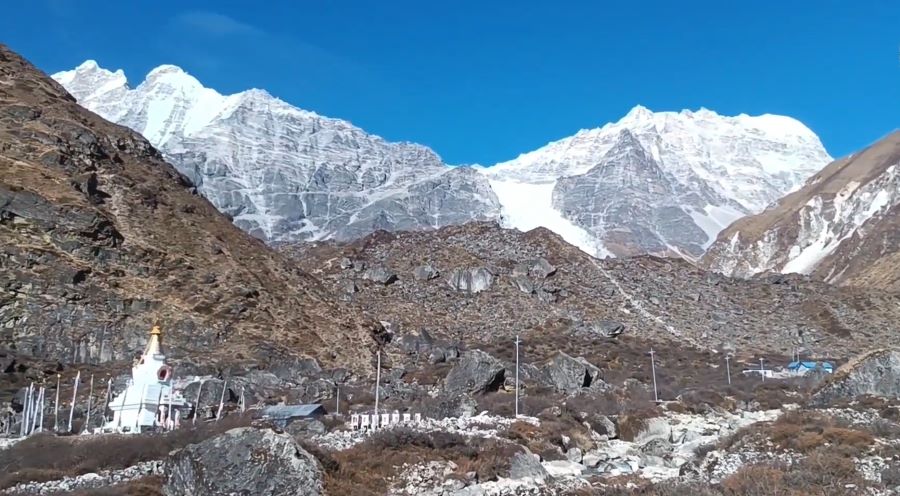
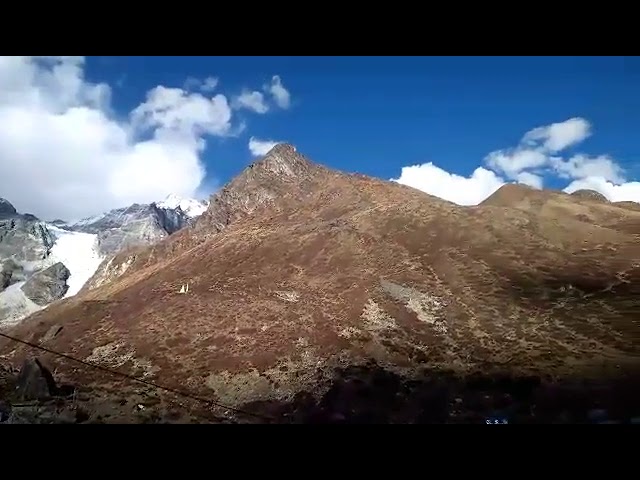
The Langtang Valley Trek is moderately difficult. It is not as hard as some of the high Himalayan treks, but you still need to be fit. The paths can be steep and rocky, and the weather can change quickly. Walking for several hours each day is normal.
Langtang Valley Trek 8 Days Highlights: Highlights
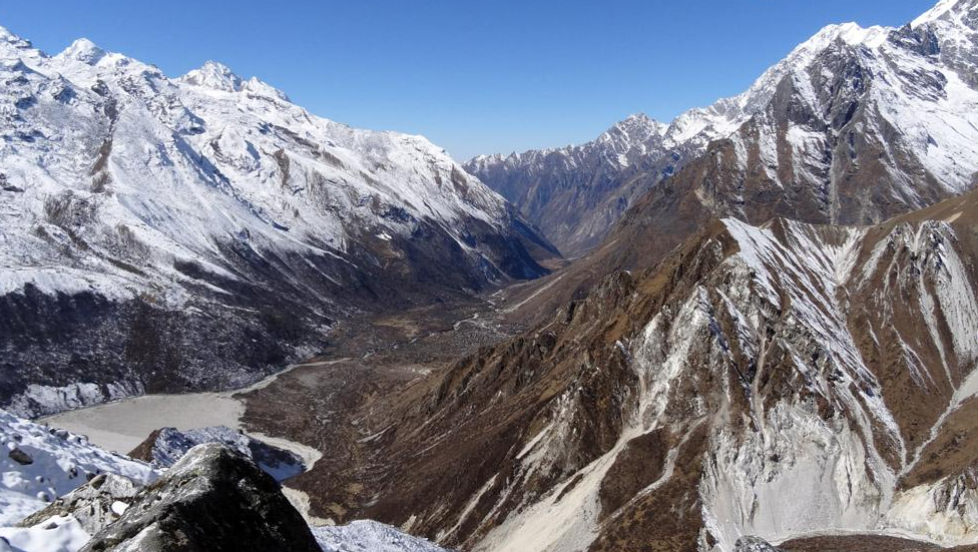
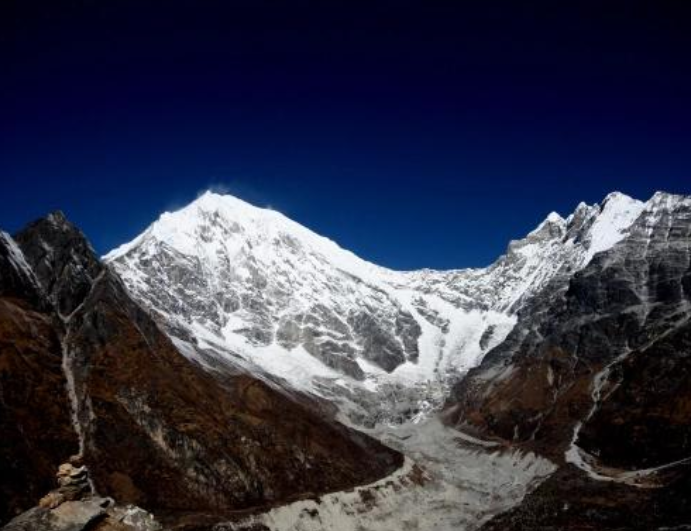
- Spectacular Himalayan Mountain Views – Enjoy views of Langtang Lirung (7,227m), Dorje Lakpa (6,966m), and Gangchenpo (6,387m) along the Langtang Valley Trek.
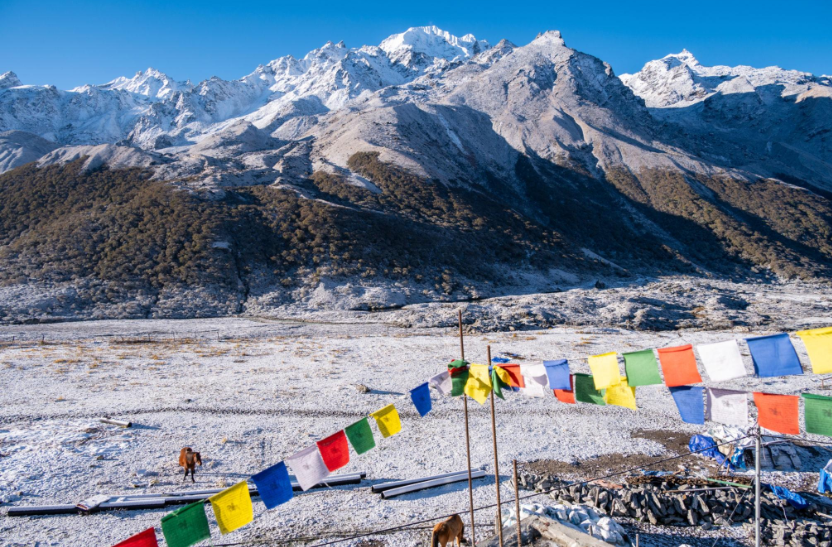
- Kyanjin Gompa – Reach Kyanjin Gompa (3,870m), the highest overnight destination of the trek, surrounded by spectacular Himalayan peaks and glaciers.
- Tserko Ri Hike (4,984m) – Take an optional hike to Tserko Ri, one of the best viewpoints in the Langtang Valley, for panoramic mountain views.
- Langtang National Park – Trek through Langtang National Park, known for its diverse Himalayan wildlife, including the red panda, Himalayan black bear, and other mountain species.
- Tamang Culture and Himalayan Villages – Experience local culture and traditional villages such as Syabrubesi, Langtang Village, and Kyanjin Gompa.
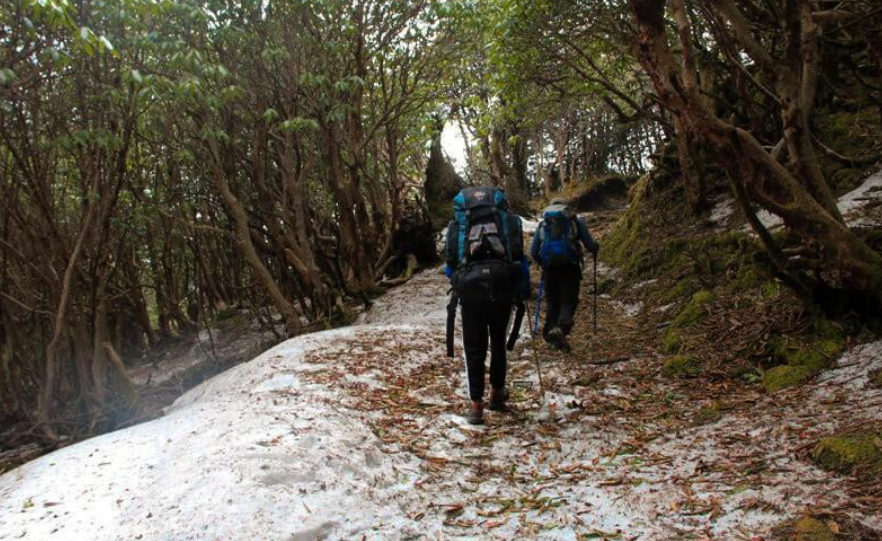
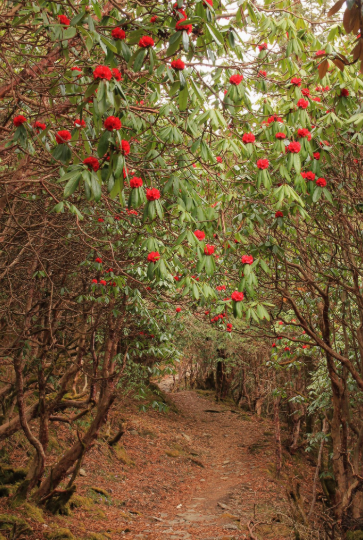
- Rhododendron and Bamboo Forests – Walk through beautiful rhododendron, bamboo, and pine forests, with colorful blooms especially during spring.
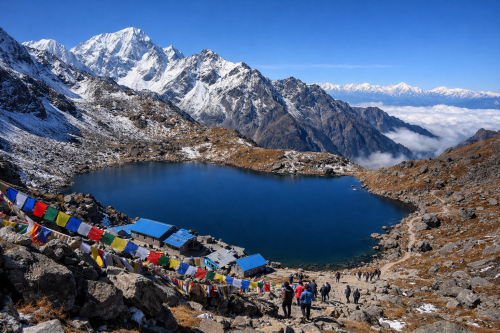
- Langtang Glacier and Himalayan Landscapes – Explore the dramatic glacial landscapes around Kyanjin Gompa, with close views of glaciers, mountains, and alpine valleys.
- Scenic Langtang Valley Trekking Trail – Enjoy a peaceful Himalayan trekking route combining mountain scenery, forests, villages, Buddhist culture, and high-altitude landscapes.
Langtang Valley Trek Overview: Overview
The Langtang Valley Trek 8 Days is a moderate Himalayan trekking adventure in Nepal, taking you from Kathmandu into the beautiful Langtang Valley and to Kyanjin Gompa (3,870m). Located north of Kathmandu near the Tibetan border, the trek offers spectacular views of Langtang Lirung, Dorje Lakpa, Gangchenpo, and other Himalayan peaks without requiring a domestic mountain flight.
The trek combines diverse landscapes and Himalayan experiences, from rhododendron, bamboo, and pine forests to alpine meadows, glaciers, rivers, and snow-covered mountains. Along the trail, you will pass through traditional mountain villages and experience the rich Tamang culture and Tibetan Buddhist traditions of the Langtang region. Langtang National Park also provides opportunities to see Himalayan wildlife and enjoy the region’s diverse natural environment.
One of the major highlights is reaching Kyanjin Gompa, the highest overnight destination on the standard Langtang Valley Trek. From here, trekkers can explore the surrounding Himalayan landscape and optionally hike to Kyanjin Ri (around 4,773m) or the more challenging Tserko Ri (4,984m) for panoramic mountain and glacier views. These optional hikes make the trek especially rewarding for travelers who want to experience the high-altitude scenery of the Langtang region.
The Langtang Valley Trek is a good choice for reasonably fit beginners, families, and experienced trekkers looking for a shorter Himalayan adventure. Compared with longer trekking routes such as the Manaslu Circuit, Everest Base Camp, or the Annapurna Circuit, Langtang can be completed in a relatively short time while still offering impressive mountain scenery, local culture, forests, glaciers, and authentic Himalayan village experiences. The trek requires proper acclimatization and preparation because the route reaches nearly 4,000m, with optional viewpoints at considerably higher elevations.
Tserko Ri and Kyanjin Ri Hike in Langtang Valley:
The Tserko Ri and Kyanjin Ri hikes are two of the most popular side trips from Kyanjin Gompa on the Langtang Valley Trek. Both viewpoints offer spectacular views of Langtang Lirung (7,227m), surrounding Himalayan peaks, glaciers, and the Langtang Valley.
Kyanjin Ri, at around 4,773 meters, is the shorter and more accessible option, making it a popular choice for trekkers who want a rewarding high-altitude viewpoint without a very long hiking day. Tserko Ri, at 4,984 meters, is higher and more challenging but offers wider panoramic views of the Langtang Himalayan range.
Both hikes begin from Kyanjin Gompa, allowing trekkers to explore the surrounding alpine landscape without adding extra days to the standard trekking route. Spending an additional day at Kyanjin Gompa also provides valuable time to adjust to the higher altitude before descending.
For many trekkers, reaching Kyanjin Ri or Tserko Ri is one of the main highlights of the Langtang Valley Trek, combining challenging high-altitude walking with exceptional mountain scenery.
Why Choose Langtang Valley Trek?
- Close to Kathmandu – One of the nearest Himalayan trekking destinations from Kathmandu with easy road access to Syabrubesi.
- Perfect for Beginners – The Langtang Valley Trek is considered an easy to moderate trek suitable for first-time trekkers and families.
- Lower Risk of Altitude Sickness – Compared to Everest Base Camp and other high-altitude treks, Langtang has a more gradual ascent.
- Beautiful Mountain Views – Enjoy stunning panoramas of Langtang Lirung, Dorje Lakpa, glaciers, and snow-covered Himalayan peaks.
- Short Trekking Duration – Ideal for travelers with limited holiday time. Most trekkers complete the journey within 7 to 10 days.
- Rich Tamang & Tibetan Culture – Experience authentic mountain culture, monasteries, prayer flags, yak farms, and traditional Himalayan villages.
- Less Crowded Trekking Route – Langtang offers peaceful trails compared to busy trekking regions like Everest and Annapurna.
- Comfortable Tea House Trek – The trail has many tea houses, bakeries, coffee shops, and comfortable lodges, especially in Langtang Village and Kyanjin Gompa.
- Amazing Viewpoints – Hike to famous viewpoints like Kyanjin Ri (4,773m) and Tserko Ri (4,984m) for breathtaking sunrise and glacier views.
- Budget-Friendly Himalayan Trek – The Langtang region is more affordable compared to many other trekking destinations in Nepal.
- Beautiful Forest and River Trails – Walk through bamboo forests, rhododendron woods, waterfalls, suspension bridges, and peaceful river valleys.
- Adventure Extension Available – Experienced trekkers can continue toward the challenging Ganja La Pass (5,122m) for a more adventurous experience.
- Suitable for Students and Groups – Short duration, moderate difficulty, and affordable cost make it perfect for school, college, and group trekking programs.
- Great Photography Destination – Capture glaciers, dramatic mountain landscapes, traditional villages, and Himalayan wildlife throughout the journey.
- Authentic Local Experience – The Langtang region still preserves its natural beauty and traditional mountain lifestyle away from mass tourism.
Langtang Valley Trek Cost (8 Days Package)
The Langtang Valley Trek cost depends mainly on your group size, transportation, accommodation, and level of service. Our standard 8-day Langtang Valley Trek package is available at the following rates:
| Group Size Price | Per Person |
|---|---|
| 1 person | US$ 699 |
| 2–5 people | US$599 |
| 6–10 people | US$550 |
Prices are per person. Contact us for larger groups, private trips, or customized Langtang Valley Trek packages. The package includes an experienced trekking guide, required permits, teahouse accommodation, and trekking support throughout the trek.
Langtang trek itinerary Outline Itinerary
Day 01: Drive from Kathmandu to Syabrubesi (1,550m) – 7–8 hours scenic drive.
Day 02: Trek from Syabrubesi to Lama Hotel (2,380m) – approx. 6 hours.
Day 03: Trek from Lama Hotel to Mundu (3,543m) via Langtang Village – 6–7 hours.
Day 04: Trek from Mundu to Kyangjin Gompa (3,870m) – 4–5 hours.
Day 05: Acclimatization day with a hike to Tserko Ri (5,000m) and return to Kyangjin Gompa.
Day 06: Trek from Kyangjin Gompa back to Lama Hotel – 6–7 hours.
Day 07: Trek from Lama Hotel to Syabrubesi – 4–5 hours.
Day 08: Drive from Syabrubesi to Kathmandu.

Whats Included?
- Airport Transfers – Complimentary airport pickup and drop-off services in Kathmandu.
- Kathmandu Accommodation – 2 nights’ hotel accommodation in Kathmandu with daily breakfast.
- Private Transportation – Comfortable private transportation as per the itinerary.
- Professional Trek Crew – Experienced licensed trekking guide and porter service (1 porter for every 2 trekkers).
- Meals During the Trek – Three daily meals (Breakfast, Lunch, and Dinner) throughout the trekking period.
- Medical Support – Basic first-aid and medical kit carried by the trekking staff.
- National Park Permit – Sagarmatha National Park Entry Permit.
- TIMS Card – Trekking Information Management System (TIMS) card and processing.
- Guide & Porter Expenses – All salaries, accommodation, meals, transportation, equipment, and insurance-related expenses for trekking staff.
Additional Services Provided
- Teahouse Accommodation – Comfortable lodge/teahouse accommodation during the trek.
- Staff Insurance Coverage – Comprehensive group medical insurance for guides and porters.
- Trekking Equipment Rental – Sleeping bag, down jacket, and other essential trekking gear available on hire.
- Permit & Documentation Assistance – Support with visa information, trekking permits, and required travel documentation.
- 24/7 Trip Support – Assistance before, during, and after your trek to ensure a smooth and enjoyable experience.
- International Airfare – International flights to and from Nepal.
- Nepal Entry Visa – Visa fees and any associated processing charges.
- Travel Insurance – Personal travel insurance, including emergency evacuation and medical coverage.
- Meals in Kathmandu – Lunch and dinner while staying in Kathmandu.
- Beverages – Alcoholic drinks, soft drinks, bottled beverages, and other personal refreshments during the trek.
- Personal Expenses – Laundry services, phone calls, internet access, battery charging, hot showers, and other personal purchases.
- Gratuities – Tips for guides, porters, drivers, and other trekking staff.
- Additional Services – Any costs arising from itinerary changes, flight delays, natural events, or unforeseen circumstances beyond our control.
- Items Not Mentioned – Any services or expenses not specifically listed under the Cost Includes section.
Dates and Availability Departures
All our published dates are guaranteed departures. We also provide customized departures tailored to your travel plans.
October 2026
Dates: Oct 10 - Jan 1, 1970
Price US $599
Avability 10 PAX Available
Dates: Oct 18 - Jan 1, 1970
Price US $599
Avability 10 PAX Available
Dates: Oct 22 - Jan 1, 1970
Price US $599
Avability 10 PAX Available
Dates: Oct 30 - Jan 1, 1970
Price US $599
Avability 10 PAX Available
November 2026
Dates: Nov 9 - Jan 1, 1970
Price US $599
Avability 10 PAX Available
Dates: Nov 13 - Jan 1, 1970
Price US $599
Avability 10 PAX Available
Dates: Nov 20 - Jan 1, 1970
Price US $599
Avability 10 PAX Available
Dates: Nov 23 - Jan 1, 1970
Price US $599
Avability 10 PAX Available
Dates: Nov 26 - Jan 1, 1970
Price US $599
Avability 10 PAX Available
Travellers Reviews
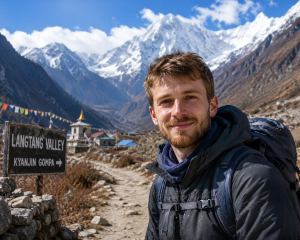
Luka Aum
Russia | April,2026
A Journey Through Himalayan Beauty
Beautiful trekking experience. The guide was very helpful, and the porter service was excellent. Safe Holiday Adventure Pvt. Ltd. really takes care of everything.
Luka Aum
Russia
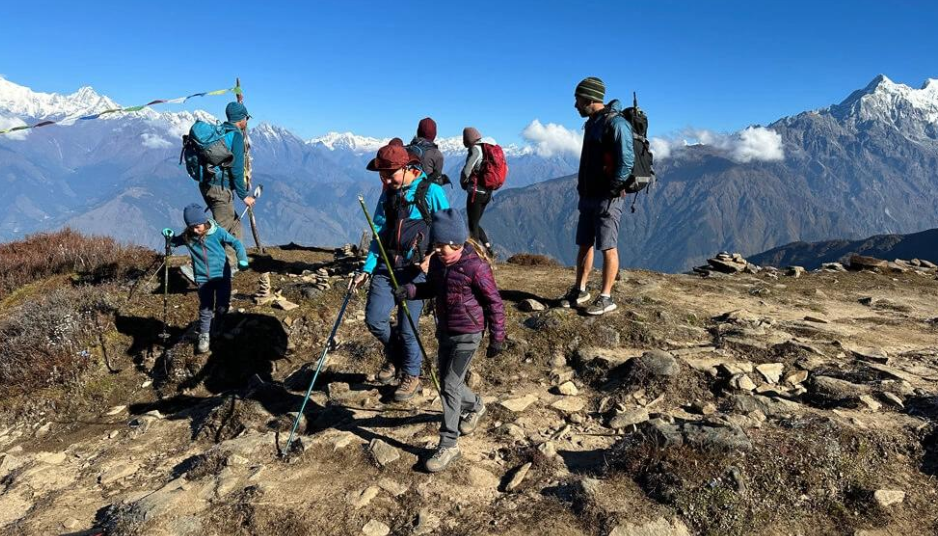
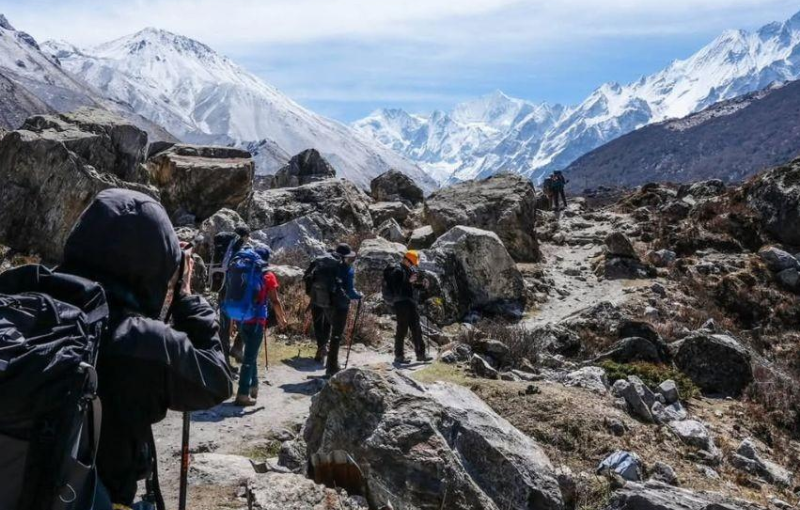
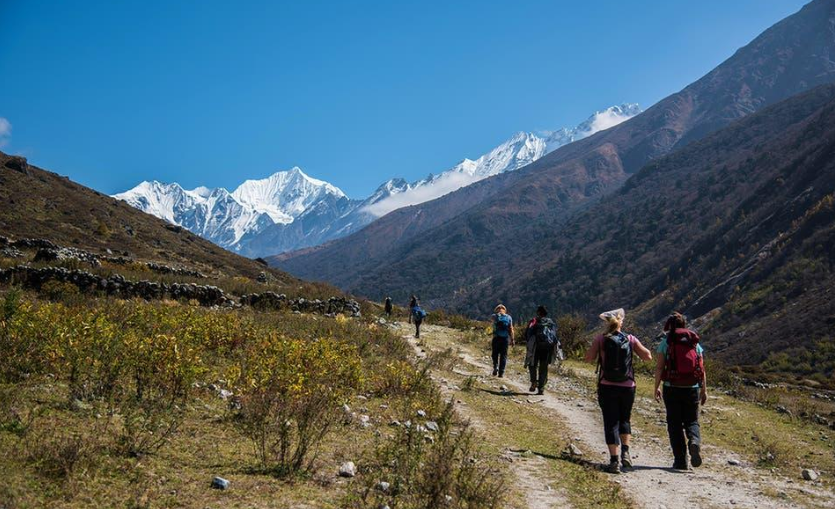
Brandy Miscoe
Germany | Oct, 2025
Excellent Trekking Experience – Langtang Ganja La Pass Trek
Our Langtang Ganja La Pass Trek was one of the most challenging and rewarding journeys we’ve ever done. Everything was perfectly organized from start to finish by Safe Holiday Adventure Pvt. Ltd.
Our guide Dharma was extremely professional, always prioritizing safety, especially in high-altitude sections. Our porter Prem was incredibly strong and supportive throughout the trek.
Crossing Ganja La Pass was tough, but with this team, we always felt safe and well taken care of. We truly couldn’t have done it without them.
Brandy Miscoe & Husband
Germany

Steva Plaie
Australia | March, 2024
Adventure of a Lifetime: Langtang Ganja La Pass Trek
I’m Steva Plaie from Australia. In March 2024, I trekked the Langtang Ganja La Pass – 10 Days with SafeHolidayAdventure.com, guided by Ram Porter Hari. The trek was breathtaking, with amazing Himalayan views and a well-organized, safe journey. Highly recommended for anyone wanting an unforgettable Nepal trekking adventure.


Genaral Trip InfoInfos
Best Time to Visit Langtang Valley Trek:
If you dream of walking through peaceful forests, quaint villages, and majestic Himalayan peaks, Langtang Valley Trek in Nepal is a perfect choice. But to make your journey safe and enjoyable, choosing the right time to visit is very important.
Autumn (September – November) – The Perfect Season
Autumn is considered the best time for Langtang Valley Trek. The skies are usually clear, the weather is mild, and the views of snow-capped mountains are breathtaking. You can enjoy colorful landscapes, vibrant villages, and perfect trekking conditions. This season is also ideal for photography.
Spring (March – May) – Blooming Beauty
Spring is another great time to trek. During these months, the valley comes alive with blooming rhododendron forests. The weather is warm during the day and cool at night, making it comfortable for walking long distances. Spring is perfect for nature lovers who want to enjoy flowers, fresh greenery, and lively wildlife.
Winter (December – February) – Quiet and Snowy
Winter can be cold, especially at higher altitudes. The trails may be covered in snow, which makes trekking more challenging. However, if you enjoy solitude and clear skies, winter offers a peaceful trekking experience with fewer tourists. Make sure to carry warm clothes and proper gear.
Monsoon (June – August) – Rainy Season
Monsoon season brings heavy rainfall to Langtang. The trails can become slippery, rivers may swell, and there is a risk of landslides. Trekking during this season is not recommended unless you are very experienced.
Quick Tips for Trekking in Langtang Valley
- Always check the weather before your trek.
- Carry layers of clothing for cold mornings and evenings.
- Autumn and spring are ideal for photography and clear mountain views.
- Avoid the monsoon season for safety reasons.
How Difficult is the Langtang Valley Trek?
Is Tserkuri Viewpoint Worth Visiting?
Yes! Tserkuri Viewpoint is definitely worth visiting if you are trekking in the Langtang Valley. Here’s why:
- Amazing Mountain Views: From Tserkuri, you can see Langtang Lirung (7,227 m) and the surrounding snowy peaks very clearly.
- Close to Kyanjin Ri: It’s only 1–1.5 km away, so it’s a short detour before or after climbing Kyanjin Ri.
- Perfect for Photos: The viewpoint offers panoramic shots of glaciers, valleys, and traditional Tamang villages.
- Easy Trek: The path is easy to moderate, making it accessible for most trekkers.
Tip: Visit in the morning or late afternoon for the best lighting and clear views.
In short, if you are in the area, skipping Tserkuri Viewpoint means missing one of the best views in Langtang Valley.
Why is the Langtang Valley Trek popular?
Getting to Langtang National park for Langtang valley trek
The Langtang Valley Trek begins in Syabrubesi, a small mountain town located about 117 km (72 miles) north of Kathmandu. The journey from Kathmandu to Syabrubesi typically takes 7–8 hours by road, offering scenic views of hills, rivers, and rural villages along the way.
There are several transportation options available. Trekkers can take a local bus from Kathmandu to Dhunche and then continue to Syabrubesi by jeep. Alternatively, a private jeep or shared jeep can be hired directly from Kathmandu for a more comfortable and convenient journey.
Road conditions can be rough, particularly during the monsoon season, when landslides and weather-related delays are more common. It is recommended to allow extra travel time and plan accordingly to ensure a smooth start to your Langtang Valley adventure.
Sources of Water Along the Trek
Tea Houses & Lodges
- Most villages along the Langtang trail have tea houses or lodges where you can buy boiled water or purified water.
- Common stops: Syangboche, Lama Hotel, Langtang Village, Mundu, Kyanjin Gompa.
- Cost: Typically 100–200 NPR (~$0.75–$1.50 USD) per liter, cheaper if you refill your bottle instead of buying new.
Natural Streams & Rivers
- The trail follows the Langtang Khola (Langtang River) and other tributaries
- Water from these sources is clear and cold, but must be treated before drinking.
Purification Methods
Even if the water looks clean, you cannot drink directly from streams due to microbes (Giardia, E. coli). Common methods:
- Boiling – safest method: boil for 5–10 minutes.
- Water Purification Tablets – lightweight and effective.
- UV Purifiers – devices like SteriPEN are convenient.
- Filters – portable filters (e.g., Sawyer Mini) can remove sediment and bacteria.
Altitude Sickness on Langtang Trek:
Common Symptoms:
- Headache
- Nausea & vomiting
- Fatigue & dizziness
- Shortness of breath
- Trouble sleeping
Prevention Tips:
- Ascend slowly – max 300–500 m gain/day above 3,000 m
- Hydrate & eat carbs
- Rest if unwell – never push through symptoms
- Keep warm & pace yourself
- Optional: Acetazolamide (after doctor consultation)
Golden Rule: “Climb high, sleep low.” Trek higher in the day, descend to sleep.
Langtang Trek Insurance: Altitude & Evacuation Coverage
When you go trekking in Langtang Valley, you face risks like getting sick from high altitude, injuries, or sudden emergencies. Trekking insurance protects you during your adventure. Good insurance should cover:
- Altitude sickness – If your body struggles with high altitudes, the insurance can cover hospital treatment.
- Emergency evacuation – If you need to be taken to a hospital by helicopter or other means, the cost is covered.
- Accidents or injuries – Any medical help you need on the trail is included.
- Trip delays or cancellations – Sometimes bad weather or other issues can change your plans, and insurance can help recover costs.
This way, you can enjoy the beautiful trails and mountains of Langtang Valley safely, knowing help is available if anything goes wrong.
Langtang Valley Trek Packing List: Essential Trekking Gear
Packing the right gear is important for a comfortable and safe Langtang Valley Trek. The weather can change quickly as you gain altitude, so prepare for warm days, cold nights, rain, and changing mountain conditions.
- Backpack – A comfortable 35–50L backpack is suitable for carrying your personal trekking essentials.
- Trekking Boots – Waterproof, comfortable, and well broken-in boots with good ankle support.
- Warm Jacket – A down or insulated jacket for cold mornings, evenings, and higher-altitude areas.
- Fleece or Mid-Layers – Useful for adjusting to changing temperatures throughout the trek.
- Trekking Pants – Comfortable, durable, and quick-drying pants for daily hiking.
- Thermal Base Layers – Helpful for cold nights and higher sections of the trail.
- Gloves and Warm Hat – Important for cold mornings and high-altitude viewpoints.
- Rain Jacket or Poncho – Useful protection from rain and changing mountain weather.
- Trekking Poles – Helpful on steep, uneven, and downhill sections of the trail.
- Headlamp – Useful for early morning starts, especially for Kyanjin Ri or Tserko Ri hikes.
- Water Bottle or Hydration System – Carry enough water and stay properly hydrated throughout the trek.
- Sunglasses and Sunscreen – Protect your eyes and skin from strong UV exposure at higher elevations.
- Sleeping Bag – Recommended for colder nights in teahouses, especially at higher elevations.
- Energy Snacks – Chocolate, nuts, energy bars, or other lightweight snacks can provide extra energy during long walking days.
Essential Tips Before Beginning Your Langtang Trek
Prepare well before embarking on the Langtang Trek to ensure a safe and enjoyable journey. Check your fitness, pack layered clothing, and bring quality trekking gear. Acclimatize properly to prevent altitude sickness, carry sufficient water and snacks, and plan your route carefully. Respect local culture, follow trail guidelines, and stay aware of weather conditions for a smooth adventure.
Where Does the Langtang Trek Start? Where Does It End?
The Langtang Trek usually begins at Syabrubesi, a small town easily reachable from Kathmandu by a scenic 6–7 hour drive. Buses and private jeeps connect the capital to this Himalayan gateway, making it a convenient starting point for adventurers. Make sure to arrive a day early to acclimatize and prepare your gear.
The trek typically concludes at Langtang Village or nearby settlements, where breathtaking views of Langtang Lirung await. From here, trekkers can either retrace their steps to Syabrubesi or arrange local transport back to Kathmandu. Ending your trek here gives you a serene Himalayan experience, away from the crowds.
Top Safety Tips for Trekking in Langtang, Nepal
Trekking in Langtang is breathtaking but challenging, so safety should be your top priority. Always acclimatize properly to prevent altitude sickness, carry sufficient water, and pack essential first-aid and weather-appropriate gear. Stick to marked trails and check weather forecasts before each hike.
Travel with a guide if unfamiliar with the area, respect local rules, and inform someone about your daily route. Being prepared for emergencies, staying alert to changing conditions, and pacing yourself ensures a safe and enjoyable Himalayan adventure.
Do You Need a Guide or Porter for the Langtang Trek?
The Langtang Trek can be done independently if you are an experienced trekker, comfortable with maps, and confident navigating trails. However, hiring a guide helps with safety, local insights, and acclimatization advice, while a porter eases your load and makes the trek more comfortable. For first-timers, a guide and porter are highly recommended.
Staying Connected on the Langtang Trek: Signal, Wi‑Fi, and Survival Tips
Mobile Signal
- At the start of the trek near Syabrubesi, you’ll usually have good mobile coverage. Both NTC and Ncell work, but NTC tends to be a bit more reliable.
- As you move deeper into the valley — around Lama Hotel and Ghoda Tabela — signal often fades. Sometimes you get a bar, sometimes nothing at all.
- At high points like Langtang Village and Kyanjin Gompa, there’s occasionally signal, but it’s unreliable. Don’t expect to be able to make calls every day.
Wi‑Fi & Internet
- Many lodges and tea houses now offer paid Wi‑Fi. Speeds are slow and shared among trekkers, so it’s mainly useful for WhatsApp messages or checking emails, not Zoom calls.
- Some places may just share Wi‑Fi from a hotspot on a phone — so it can get crowded and even slower.
Emergency Options
- Landlines: Some tea houses still have phones for emergencies.
- Satellite devices: If you really want peace of mind, a satellite communicator, such as Garmin in Reach, works anywhere in the valley.
Practical Tips
- Local SIM card: Buy an NTC SIM in Kathmandu before you go.
- Power backup: Bring a high-capacity power bank; solar chargers can be handy.
- Offline planning: Download offline maps and keep your itinerary offline — you’ll hit dead zones.
- Expect gaps: Let friends/family know you’ll be unreachable for a day or two at times.
Money to Carry on the Langtang Trek
Bring mostly Nepalese Rupees (NPR) — most teahouses and shops only accept cash. Small notes (100–500 NPR) are best for daily expenses, snacks, and tips. Carry a little USD or EUR as backup, but don’t rely on ATMs; they’re rare and often out of cash. Always keep your money safe and waterproof.
Tip: Plan for about $25–35 per day for meals, lodging, and small extras
Detailed ItineraryItinerary
Day 01
Drive from Kathmandu to Syabrubesi (1,550m/5,100ft): 7-8 hours)
Duration : 7-8 hours Elevation : Syabrubesi (1,550m/5,100ft)
Your Langtang Valley Trek starts from Kathmandu with a scenic drive to Syabrubesi, a small mountain town in the Langtang region of Langtang Valley. Syabrubesi lies at about 1,550 meters and is the main starting point of the trek.
From Kathmandu, the drive takes around 7 to 8 hours. The road passes through hills, rivers, villages, and farmland, showing the natural beauty of Nepal along the way. Some sections can be narrow and bumpy, but the scenery makes the journey interesting.
After a full day of travel, you reach Syabrubesi and stay overnight there. This marks the real beginning of your trekking adventure into the peaceful mountains of Langtang Valley.
Accommodation : Hotel Meals : Breakfast, Lunch, Dinner
Day 02
Trek from Syabrubesi to Lama Hotel (2,380m/7,830ft): 6 hours
Duration : 6 hours Elevation : Lama Hotel (2,380m/7,830ft)
Accommodation : Lodge Meals : Breakfast, Lunch, Dinner
Day 03
Lama Hotel to Langtang Village (3,430 m (11,254 ft)): 6-7 hours
Duration : 6-7 hours Elevation : 3,430 m (11,254 ft)
Accommodation : Lodge Meals : Breakfast, Lunch, Dinner
Day 04
Langtang Village to Kyanjin Gompa (3,870m/12,697ft): 4–5 Hours Trek
Duration : 4-5 hours Elevation : Kyangjin Gompa (3,870m/12,697ft)
Accommodation : Tea House Meals : Breakfast, Lunch, Dinner
Day 05
Acclimatization- Explore Tserko Ri (5000m/16,404ft) 7-8 hours
Duration : 7-8 hours Elevation : Tserko Ri (5000m/16,404ft)
Accommodation : Tea House Meals : Breakfast, Lunch, Dinner
Day 06
Kyangjin Gompa to Lama Hotel: 6-7 hours
Duration : 6-7 hours
Accommodation : Hotel Meals : Breakfast, Lunch, Dinner
Day 07
Trek from Lama Hotel to Syabrubesi: 4-5 hours
Duration : 4-5 hours
Trek from Lama Hotel to Syabrubesi is a 4–5 hour downhill walk through forests along the Langtang River, passing small villages and bridges. The trail steadily descends, making it a peaceful and scenic final section of the Langtang Valley Trek.
As the final day, the route is easy and relaxing, offering gentle descent and natural views. Reaching Syabrubesi reconnects trekkers with transport and teahouses, marking the end of the journey.
Accommodation : Hotel Meals : Breakfast, Lunch, Dinner
Day 08
Syabrubesi to Kathmandu.
Drive from Syabrubesi to Kathmandu takes around 6–8 hours, depending on road and traffic conditions. The journey follows winding mountain roads, passing rivers, terraced hills, and small roadside settlements.
It starts with a rough, scenic highway through rural landscapes before gradually improving closer to Kathmandu. Though bumpy in sections, the drive offers beautiful final views of hills and countryside, marking the end of the Langtang Valley trekking experience.
Accommodation : Hotel Meals : Breakfast, Lunch, Dinner
Langtang Valley Trek FAQs:
The trek typically takes 7-10 days, depending on the itinerary and trail conditions.
The highest point on the Langtang Valley Trek is around 4,000 meters.
Autumn (October to November) is considered the best time for trekking in the Langtang Valley.
The Langtang Valley Trek is considered a moderate trek, with some steep ascents and descents. Physical fitness and proper preparation are important.
Accommodation during the trek is typically in teahouses, which offer basic facilities such as sleeping arrangements and food.
While it is possible to trek independently in the Langtang Valley, it is recommended to have a guide or a porter to ensure a safe and enjoyable experience.
Teahouses along the trek offer simple meals such as dal bhat, noodles, and momos.
While trekking in the monsoon season (June to September) is possible, it can be challenging due to the heavy rains and increased risk of landslides and floods.
The starting point of the Langtang Valley Trek is typically Syabrubesi, which can be reached by bus or jeep from Kathmandu.
Essential gear for the Langtang Valley Trek includes sturdy hiking boots, warm clothing, a waterproof jacket, a sleeping bag, a headlamp, and a first-aid kit.
The cost of the Langtang Valley Trek varies depending on factors such as the length of the trek, the time of year, and the level of comfort and services desired.
Yes, a Langtang National Park Trekking Permit is required for the Langtang Valley Trek, and can be obtained in Kathmandu or at the park entrance in Syabrubesi.
Yes, it is generally safe with proper guidance.
It is a peaceful monastery surrounded by stunning Himalayan peaks.
Yes, a guide is recommended for safety and navigation.
Limited Wi-Fi is available in some teahouses at extra cost.
Refund & Cancellation Policy
- Booking requires 20% non-refundable deposit (Nepal) or 100% upfront (Tibet/Bhutan).
- Remaining payment due before the trip or on arrival (trip-dependent).
Cancellation charges:
- 31+ days: 20%
- 16–30 days: 45%
- 8–15 days: 75%
- 7 days or less: 90%
- Prices may change due to flights, taxes, or exchange rates.
- Trip changes are allowed, but extra costs apply.
- If the company cancels, a full refund, except for unavoidable events (some costs deducted).
- Good health and travel insurance are mandatory.
- No refund if removed for unsafe or illegal behavior.
- Travel involves personal risk, which the client accepts.