
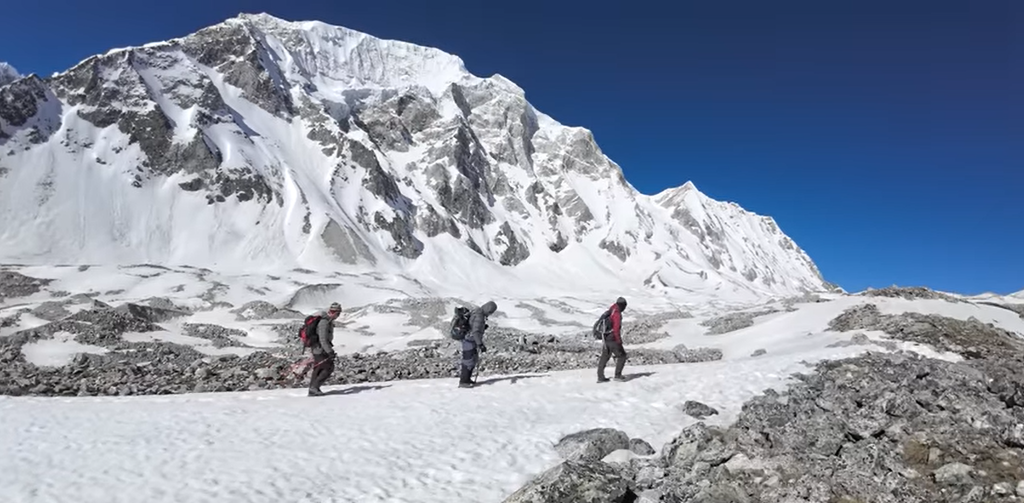
Manaslu Trek in 9 Days Key Highlight Highlights
- Stunning close-up views of Mt. Manaslu (8,163m) from Lho, Shyala, and Samagaon.
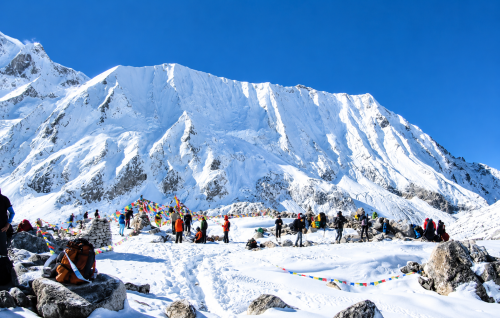
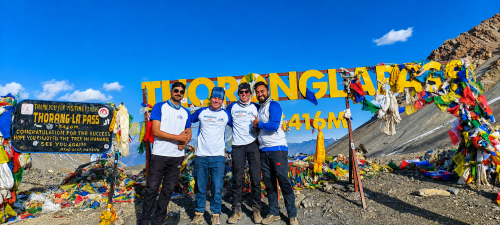
- Cross the dramatic Larkya La Pass (5,106m) with sweeping views of snow-capped Himalayan giants.
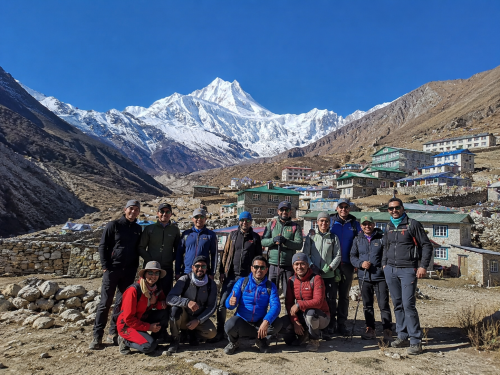
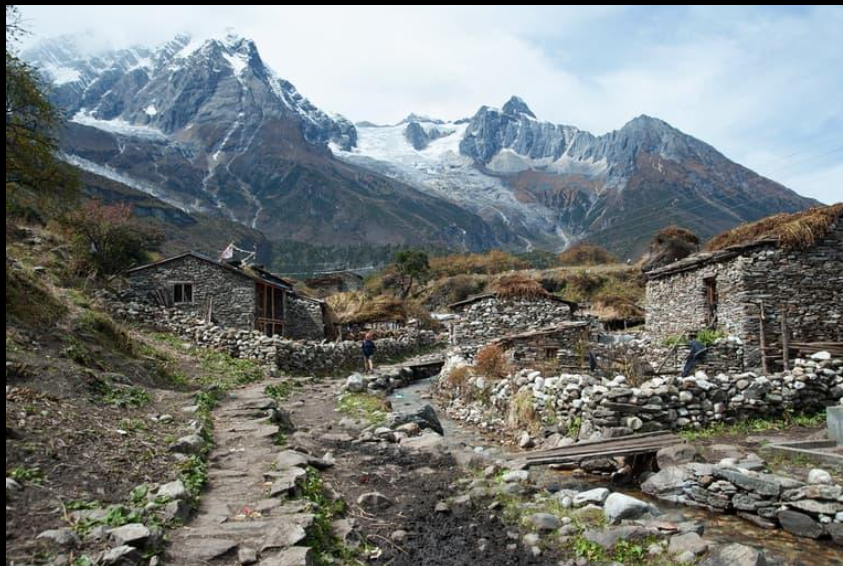
- Explore remote Tibetan-influenced villages like Namrung, Lho, Samagaon, and Samdo.
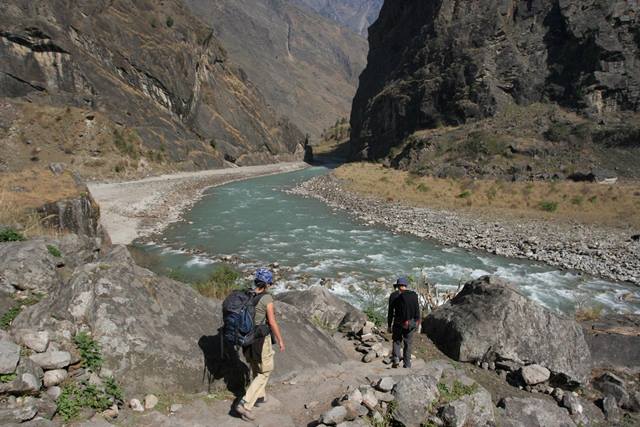
- Trek alongside the roaring Budi Gandaki River, through deep gorges, waterfalls, and cliffs.
- Discover Birendra Lake, a turquoise glacial lake beneath the Manaslu Glacier.
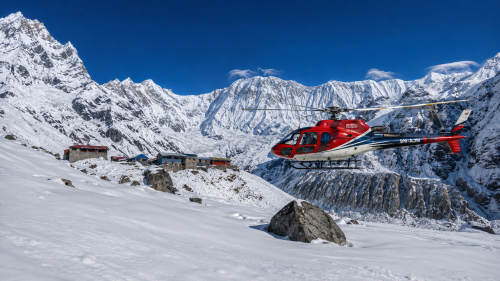
- Optional hike to Manaslu Base Camp (4,800m) for breathtaking glaciers and icefalls.
- Visit colorful Buddhist landmarks such as mani walls, chortens, spinning prayer wheels, and monasteries.
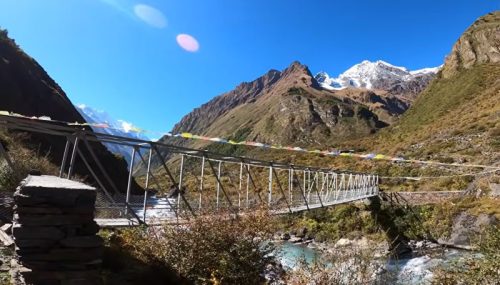
- Cross thrilling suspension bridges above deep valleys and fast-flowing rivers.
- Spot wildlife like Himalayan Thar and Blue Sheep in the alpine zones.
- Walk through blooming rhododendron and pine forests, vibrant in spring.
- Experience ever-changing landscapes: rice terraces, alpine meadows, and glacial moraines.
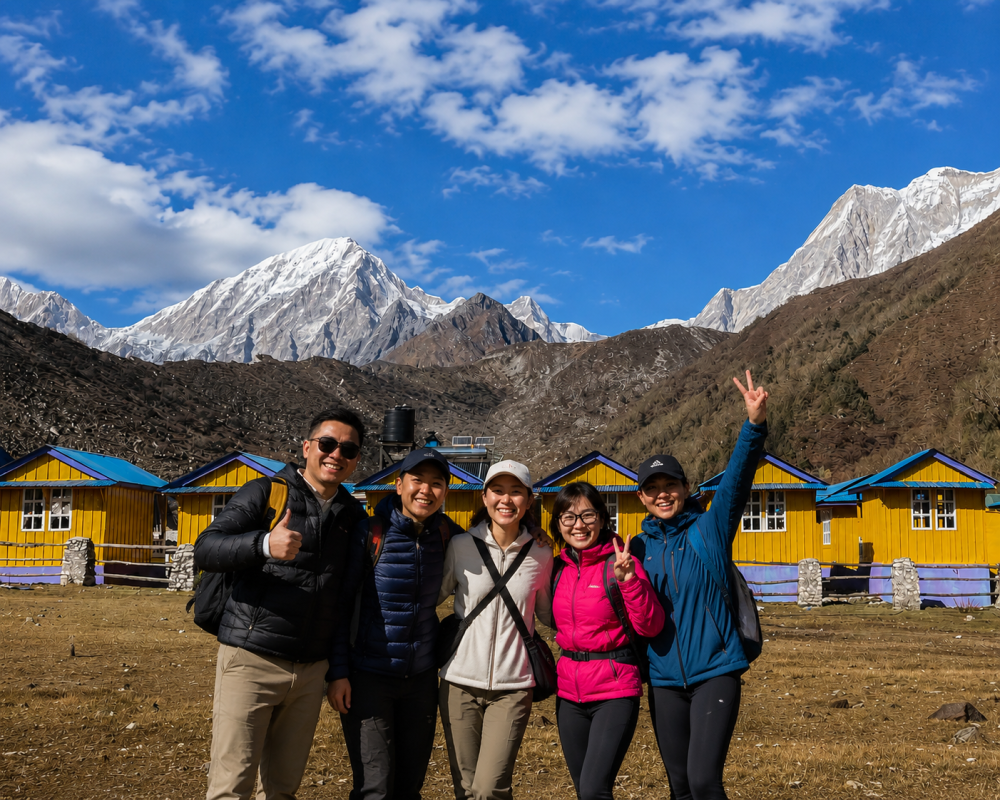
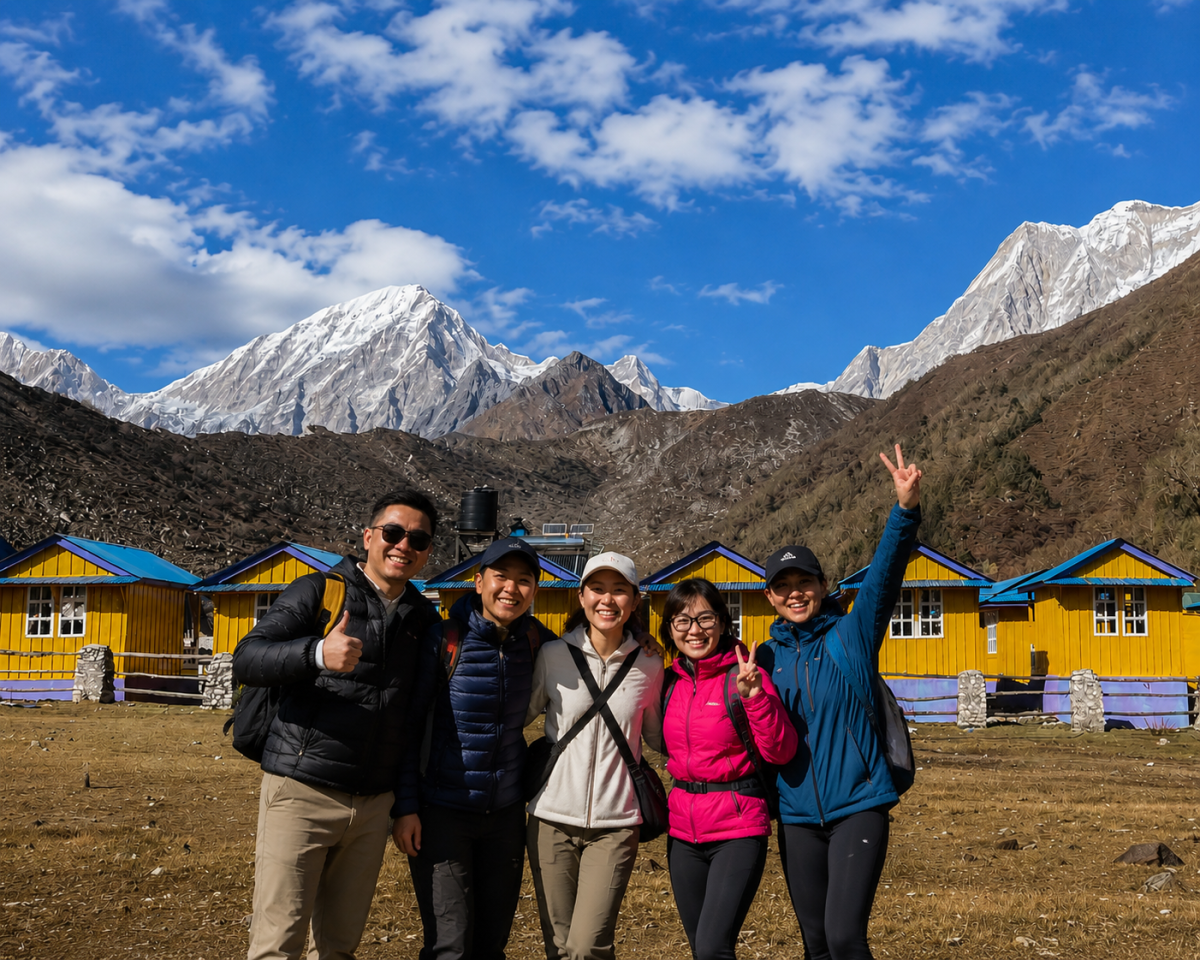
- Enjoy authentic mountain hospitality from warm-hearted Gurung and Tibetan-descended locals.
- Absorb the peaceful vibes of a less-crowded trail, far from the crowds of Everest and Annapurna.
- Witness yak caravans and ancient trade routes, reflecting trans-Himalayan culture.
- Trek through diverse climates, from subtropical lowlands to icy high passes.
Introduction to the Manaslu Trek: A Himalayan Journey Like No Other Overview
The Manaslu Trek in 9 Days stands proudly as one of Nepal’s finest trekking routes. It offers an incredible mix of natural beauty, rich culture, and high-altitude adventure that is hard to find anywhere else. Over 9 days, this trek takes you deep into the heart of the Himalayas, where you will be rewarded with breathtaking views of Mount Manaslu, the eighth-highest mountain in the world at 8,163 meters (26,781 feet). Along the way, you will walk through a stunning variety of landscapes, from lush green forests and terraced farmlands to rugged mountain passes and alpine meadows. This trek also offers the chance to encounter Rare wildlife such as the Snow Leopard, the Himalayan Thar, the Himalayan Griffon Vulture, the Musk Deer, the Himalayan Monal (Danphe), and the Tibetan Wolf. and meet vibrant local communities whose traditions have thrived here for centuries.
What truly makes the Manaslu region stand out from more popular trekking routes like Everest Base Camp or the Annapurna Circuit is its peaceful and untouched atmosphere. Unlike those crowded trails filled with many tourists, the Manaslu Circuit trails remain calm and quiet. It offers trekkers a unique chance to connect deeply with nature and the mountains without distractions. The environment here is pristine and carefully protected, so you will enjoy an authentic, serene trekking experience. You can fully immerse yourself in the stunning surroundings, listen to the sounds of Nature, and feel a rare sense of calmness in this Himalayan wilderness.
Choosing the means choosing a path less traveled. It is a perfect alternative for adventurers who seek solitude and unspoiled beauty. This trek is still relatively unknown compared to other famous Trekking routes such as Annapurna Base Camp, Poon Hill trek, Mardi Himal Base Camp, Gokyo Trek, and Langtang Valley. , So you will have the feeling of exploring a true pioneer’s trail. The trek first opened to foreign trekkers in 1992 and has since maintained its special charm through strict regulations and permit controls. By limiting the number of trekkers allowed on the trail, the government helps preserve the wild and rugged character of this route. This control ensures that the remains one of Nepal’s most exclusive trekking experiences, offering both adventure and tranquility.
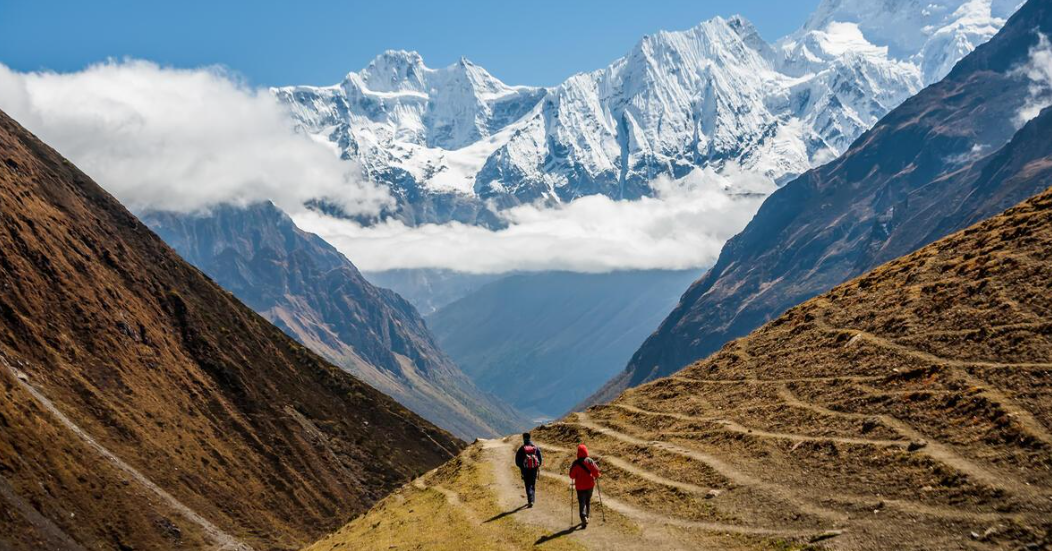
Geographically, the Manaslu Trek, 9 days, is a marvel. It guides trekkers from the warm and humid lowlands, where vibrant rice and millet terraces stretch across the hillsides, all the way up to dramatic, high mountain landscapes. The trail winds through the deep gorges of the Budhi Gandaki River, famous for its clear turquoise waters and powerful waterfalls that captivate every traveler. Towering above the trail are two major Himalayan ranges: the Annapurna Mountain range to the west and the Ganesh Himal range to the east. These giant peaks, many rising over 8,000 meters, stand like majestic guardians over the trail, creating a stunning Himalayan tapestry.
Throughout the Manaslu trek, you will continue to enjoy spectacular views of Mount Manaslu itself, along with diverse flora and fauna that make the region unique. The cultural richness of the area is also a highlight — ancient monasteries, traditional villages, and friendly locals make this trek more than just a physical journey; it is a rich cultural experience that deepens your connection to Nepal and the Himalayas.
In summary, the is more than just a hiking route. It is a chance to experience one of the most beautiful, peaceful, and authentic mountain adventures in the world. For those who want to discover Nepal’s wild side, away from crowds and with nature and culture all around, the Manaslu trek- Manaslu Round Trek is an unforgettable journey waiting to be explored.
Manaslu Trek 9 Days – Trip Facts
- Duration: 9 Days
- Trek Region: Manaslu, Nepal
- Trek Type: Tea House Trek
- Trek Difficulty: Challenging
- Highest Point: Larke Pass – 5,160 m
- Starting Point: Kathmandu – 1,400 m
- Trek Start: Machha Khola – 900 m
- Trek End: Dharapani – 1,960 m
- Accommodation: Tea Houses & Lodges
- Meals: Breakfast, Lunch & Dinner
- Best Seasons: Spring & Autumn
- Main Highlight: Crossing Larke Pass (5,160 m)
- Major Villages: Jagat, Deng, Namrung, Samagaun & Bimtang
- Transportation: Kathmandu → Machha Khola and Dharapani → Kathmandu/Pokhara
- Maximum Trekking Altitude: 5,160 m
- Total Duration: 9 Days / 8 Nights
Why Choose Our Manaslu Trek 9 Days?
Our Manaslu Trek 9 Days is ideal for travelers who want to experience the spectacular Manaslu region on a shorter schedule. We combine a carefully planned route with experienced local guides and reliable trekking support for a smooth Himalayan adventure.
- 9-day itinerary designed for limited-time travelers
- Experienced local guide with knowledge of the Manaslu trail
- Required trekking permits arranged in advance
- Tea house accommodation and trekking meals included
- Porter support for a more comfortable journey
- Private transportation and essential trip logistics organized
Travel with us for a well-planned, authentic, and hassle-free Manaslu trekking experience.
Manaslu Trek Permits and Required Documents:
The Manaslu Trek requires several permits because the route passes through a restricted area and conservation zones.
- Manaslu Restricted Area Permit (RAP): Required for the restricted section of the Manaslu region. The fee is USD 100 per person for 7 days from September to November and USD 75 for 7 days from December to August. Extra days are charged separately.
- Manaslu Conservation Area Permit (MCAP): Required to enter the Manaslu Conservation Area. Current official listings should be checked for the applicable entry fee.
- Annapurna Conservation Area Permit (ACAP): Required when the trekking route continues into the Annapurna Conservation Area after crossing Larkya La.
- Local Area Permit: A local permit may also apply in the Chumnubri Rural Municipality. Your registered trekking agency can arrange the required local permits.
- Required documents: Carry your valid passport, passport-size photographs, travel insurance documents, and trekking itinerary. Your trekking agency handles the permit application and related paperwork.
Why Choose the Manaslu Circuit Trek?
- Stunning views of Mount Manaslu and surrounding Himalayan peaks.
- Less crowded trails compared to Everest and Annapurna.
- Rich Tibetan Buddhist culture and traditional mountain villages.
- Exciting crossing of Larkya La Pass (5,106m).
- Diverse landscapes including forests, rivers, waterfalls, and alpine valleys.
- Authentic teahouse trekking experience in remote regions.
- Opportunity to visit ancient monasteries and cultural landmarks.
- Excellent wildlife and nature viewing within the conservation area.
- Challenging adventure suitable for experienced and active trekkers.
- Peaceful trekking environment away from busy tourist routes.
- Unique combination of natural beauty, culture, and adventure.
- Memorable journey through one of Nepal’s most scenic trekking regions.
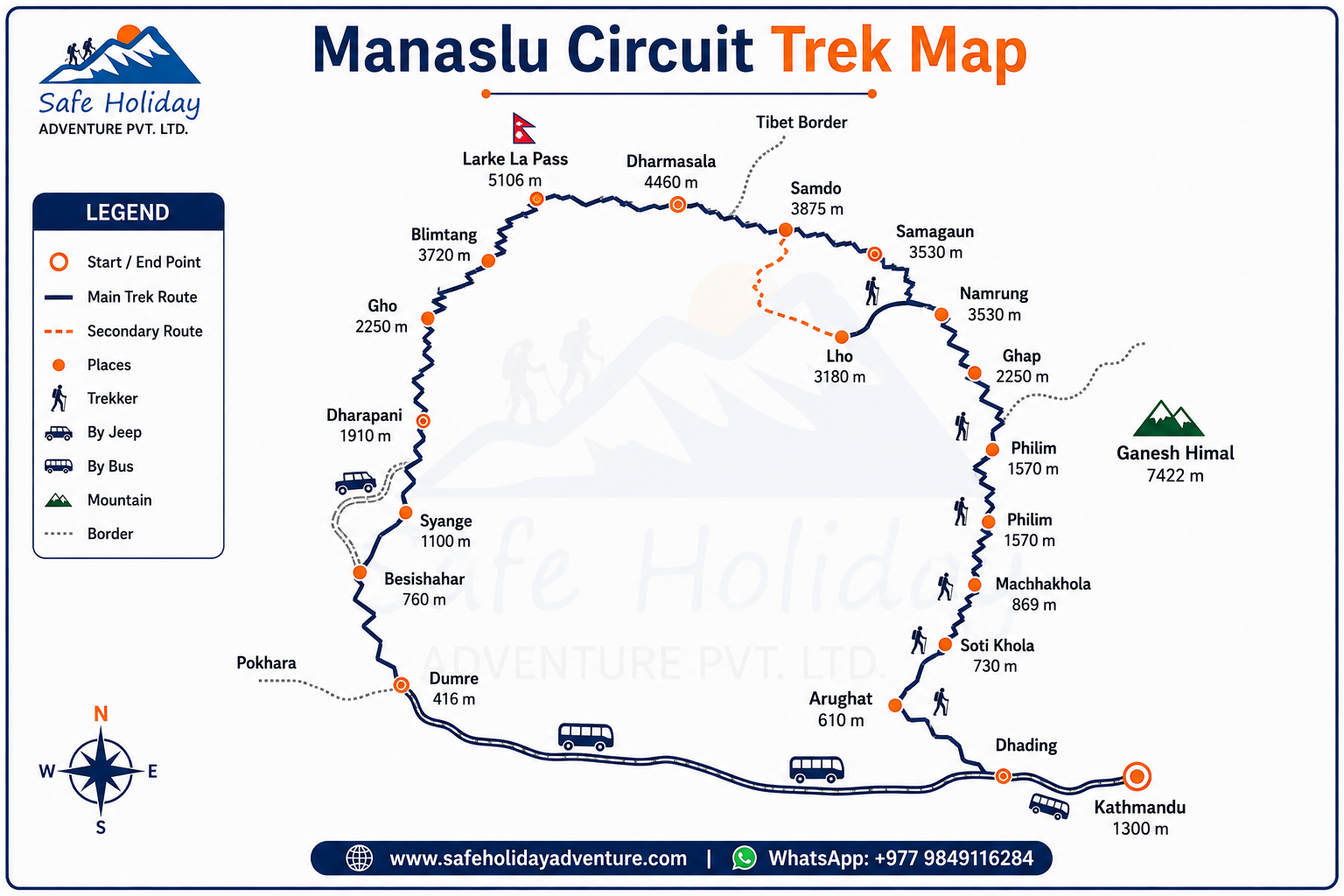
Manaslu Trek in 9 Days Outline:Outline Itinerary
Day 1: Kathmandu (1,400 m) → Machha Khola (900 m)
Day 2: Machha Khola (900 m) → Jagat (1,340 m)
Day 3: Jagat (1,340 m) → Deng (1,860 m)
Day 4: Deng (1,860 m) → Namrung (2,630 m)
Day 5: Namrung (2,630 m) → Samagaun (3,530 m)
Day 6: Samagaun (3,530 m) → Dharamshala / Larkya Phedi (4,460 m)
Day 7: Dharamshala (4,460 m) → Larke Pass (5,160 m) → Bimtang (3,720 m)
Day 8: Bimtang (3,720 m) → Dharapani (1,960 m)
Day 9: Dharapani (1,960 m) → Kathmandu (1,400 m) / Pokhara (822 m)
Whats Included?
- Airport Transfers: Private car or jeep for airport pickup and post-trek transfer.
- Trek Transportation: Reliable private/local transportation between Kathmandu, Machha Khola, and Dharapani.
- Meals During Trek: Breakfast, lunch, and dinner each trekking day.
- Tea House Accommodation: Comfortable overnight stays in selected mountain tea houses.
- Kathmandu Accommodation: 2 nights in a comfortable hotel in Kathmandu.
- Experienced Trekking Guide: Licensed, English-speaking local guide throughout the trek.
- Porter Service: Dedicated porter support with fair wages and proper care.
- Manaslu Restricted Area Permit: All required restricted-area permits arranged and covered.
- Conservation Area Fees: Required conservation area entry fees included.
- Government Taxes: Applicable government and local taxes fully covered.
- Nepal Visa Fee: Visa and entry fees for Nepal.
- Flights: International and domestic flights unless specifically mentioned in the package.
- City Meals: Lunch and dinner in Kathmandu or other cities.
- Travel Insurance: Travel, medical, rescue, and gear insurance.
- Personal Expenses: Drinks, snacks, laundry, Wi-Fi, shopping, and other personal purchases.
- Monument & Entrance Fees: Sightseeing, monument, and cultural site entrance fees unless specified.
- Emergency Evacuation: Helicopter evacuation and other emergency rescue costs, if required.
- Tips & Gratuities: Tips for guides, porters, drivers, and other staff.
- Other Expenses: Any services or costs not specifically listed under Services Included.
Dates and Availability Departures
All our published dates are guaranteed departures. We also provide customized departures tailored to your travel plans.
There are no group joining dates available at the moment. Please contact us for a private trip.
Travellers Reviews
Ahmed Al Mansoori
Dubai | April,2024
Amazing Manaslu Adventure with Safe holiday adventure
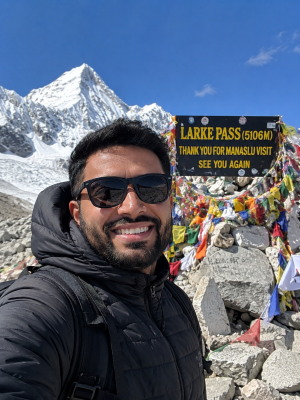
The 13 Days Manaslu Larke Pass Trek was an incredible experience. Every day brought spectacular mountain scenery, peaceful villages, and unforgettable Himalayan landscapes. Our guide, Rupesh, was professional, knowledgeable, friendly, and always ready to help, making the journey safe and enjoyable from start to finish.
Crossing Larke Pass was the highlight of the trek and a truly rewarding achievement. I highly recommend Safe Holiday Adventure Pvt. Ltd. to anyone planning to explore the Manaslu region in Nepal.
Thank you 🙏
Ahmed Al Mansoori – Dubai, UAE
Luca Tamburini
Dubai | April,2025
Memorable Manaslu Circuit Trek – Highly Recommended!
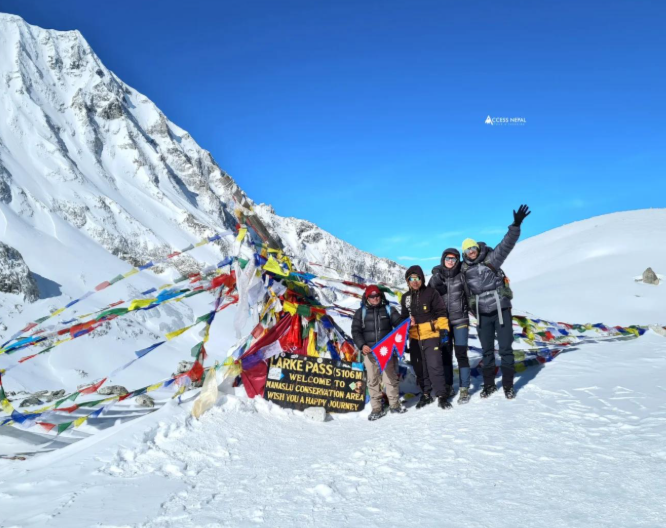
My friends and I from Dubai had an amazing time on the 13-day Manaslu Larke Pass Trek. The mountain views were spectacular, the local culture was fascinating, and crossing the Larke Pass was the highlight of our adventure.
A big thank you to our guide, Rupesh, for his professionalism, kindness, and excellent support throughout the trek. He made us feel safe, motivated, and well cared for every day.
We highly recommend this trek to anyone looking for an unforgettable Himalayan experience!
Firstclasshuaraz Huaraz
Peru | april,2025
Challenging & Beautiful: 13-Days Manaslu Larke Pass Trek
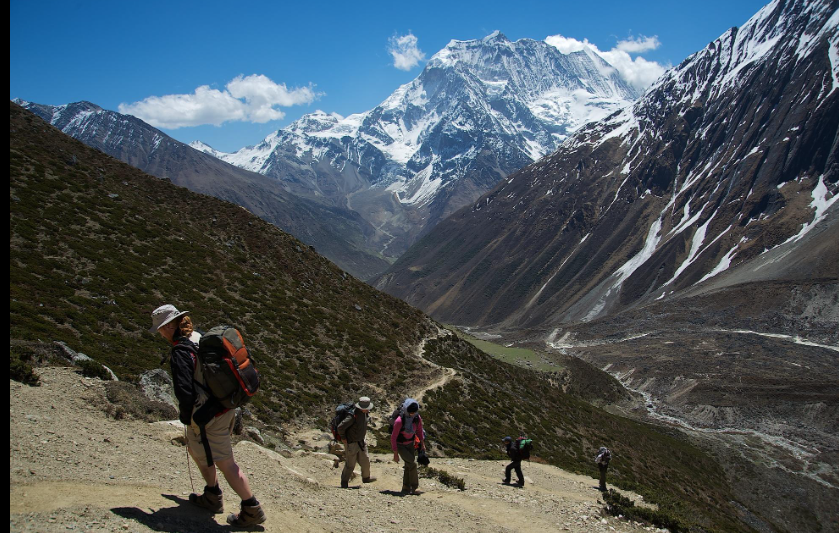
We had an amazing experience trekking the Manaslu Larke Pass over 13 days with Safe Holiday Adventure. The trek was challenging but incredibly rewarding, with stunning views of the Himalayas and authentic local villages.
Our guide, Rupesh, was professional, encouraging, and extremely knowledgeable. He made sure we stayed safe while also making the trek educational and fun. Our porter, Prem, was always cheerful, handled all our luggage, and made the journey comfortable.
From start to finish, Safe Holiday Adventure provided excellent organization, support, and safety. If you want a Himalayan adventure that’s both challenging and unforgettable, the Manaslu Larke Pass Trek is the perfect choice!


Genaral Trip InfoInfos
Best Time for Manaslu Trek 9 Days:
The best time for the Manaslu Trek 9 Days is spring (March to May) and autumn (September to November). These seasons offer stable weather, clear mountain views, comfortable daytime temperatures, and better trail conditions, making the trek more enjoyable.
Autumn is especially popular for its clear skies and excellent visibility, while spring brings mild weather and colorful rhododendron forests. The monsoon (June to August) can bring heavy rain and slippery trails, while winter (December to February) is colder, with snow and challenging conditions at higher elevations.
How Difficult Is the Trek?
The Manaslu Trek 9 Days is a challenging high-altitude trek suitable for trekkers with good fitness and stamina. The route includes steep climbs, rocky trails, long walking days, and significant elevation gains.
The difficulty increases at higher elevations, where thinner air and colder weather can make walking more demanding. Proper acclimatization and a steady pace are essential.
With regular training, good preparation, and an experienced guide, fit trekkers can complete the Manaslu Trek 9 Days successfully and enjoy its spectacular mountain scenery.
Manaslu Trek Packing List:
- Clothing: Base layers, fleece jacket, down jacket, waterproof jacket, trekking pants, thermal wear, warm hat, gloves, trekking socks
- Footwear: Trekking boots, camp shoes, gaiters
- Gear: Sleeping bag, daypack, trekking poles, headlamp, water bottle, sunglasses
- Personal: Sunscreen, lip balm, toiletries, first-aid kit, personal medicines, quick-dry towel
- Documents & Essentials: Passport, permits, travel insurance, cash, phone, power bank, chargers, waterproof bags
How Do You Acclimatize on the Manaslu Circuit Trek?
Acclimatization on the Manaslu Circuit Trek is gradual. You can help your body adjust to the altitude by following these simple steps:
- Walk slowly: Keep a steady pace and avoid overexertion.
- Stay hydrated: Drink plenty of water throughout the day.
- Eat well: Have regular, nutritious meals to maintain energy.
- Take rest: Allow your body time to adjust at higher elevations.
- Sleep properly: Get enough rest each night.
- Listen to your body: If you develop severe headache, dizziness, nausea, or breathing problems, stop ascending and seek help.
A planned acclimatization day, especially around Samagaon, gives your body valuable time to adjust before climbing toward higher elevations and Larkya La Pass.
How Are Accommodation & Food on the Manaslu Circuit?
The Manaslu Circuit Trek uses mainly family-run tea houses and mountain lodges. You can expect simple twin rooms, basic beds and blankets, shared bathrooms, and warm dining areas. Facilities become more basic at higher elevations, especially around Samdo and Dharamsala, but the local hospitality makes the experience welcoming and authentic.
- Breakfast: Porridge, eggs, pancakes, Tibetan bread, toast, tea and coffee.
- Lunch & dinner: Dal bhat, noodles, fried rice, pasta, momo, soups and seasonal vegetables.
- At higher altitude: Food choices become more limited, so hearty meals such as dal bhat and soups are popular.
- Dining: Meals are freshly prepared at the tea house where you stay, providing a convenient and genuine Himalayan experience.
Manaslu Trek Permits: Required Fees & Documents:
The Manaslu Circuit Trek requires several permits because the route enters a restricted area and passes through the Manaslu Conservation Area. Foreign trekkers cannot obtain the restricted-area permit independently; it must be arranged through a registered trekking agency.
Required Manaslu Trek Permits
- Manaslu Restricted Area Permit (RAP): USD 100 per person/week from September–November; USD 75 per week from December–August. Additional days are charged separately.
- Manaslu Conservation Area Permit (MCAP): NPR 3,000 per foreign trekker.
- Annapurna Conservation Area Permit (ACAP): Required when the itinerary enters the Annapurna Conservation Area toward Dharapani and beyond; the current NTB-listed foreigner fee is NPR 3,000.
- Local municipality fee: A local fee may also apply within Chumnubri Rural Municipality, so your trekking agency should confirm the current collection and amount when arranging permits.
Who Arranges the Permits?
You do not need to visit different offices yourself. A registered trekking agency can arrange the required permits and documentation before you begin the Manaslu Circuit Trek, allowing you to focus on the trail, mountains, and local villages.
How Much Does the Manaslu Circuit Trek 9 Days Cost?
The Manaslu Circuit Trek 9 Days cost generally varies according to the itinerary, group size, services, permits, transportation, guide, and porter. For a 9-day Manaslu Trek, many budget-focused packages can fall around USD 700–1,200 per person, depending on what is included.
At Safe Holiday Adventure, we can customize your 9-day Manaslu Trek according to your schedule and budget. Our customized package can start from USD 700–750 per person, with the final price depending on your selected services and group size.
Detailed ItineraryItinerary
Kathmandu → Machha Khola
Trip Facts: Drive 140 km, 6–7 hrs (with stops), altitude 869 m.
After breakfast, we leave Kathmandu early in the morning and drive towards Machha Khola. The journey follows the Prithvi Highway, passing through the scenic Trishuli River Valley, terraced farmland, and traditional villages.
Along the way, we stop for tea and refreshments while enjoying views of the surrounding hills. We reach Machha Khola in the afternoon, check into a comfortable teahouse, and have time to rest or take a short walk around the village and riverbank.
Tip: Wear comfortable clothes for the drive; keep a light jacket for the evening chill.
Photo Spots: Marsyangdi River, terraced fields, and local villages.


Accommodation : Tea House Meals : Breakfast, Lunch & Dinner
Machha Khola → Jagat
Trip Facts: Trek 14–15 km | 6–7 hours | Max altitude: 1,410 m
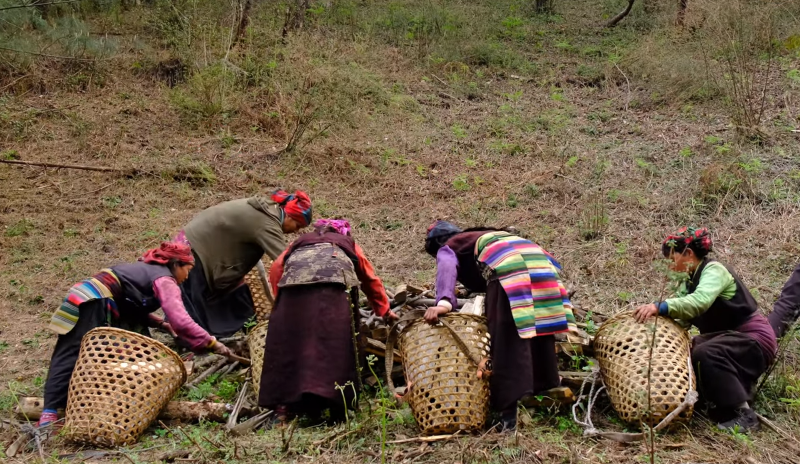
After breakfast, we begin our trek from Machha Khola, following the scenic Budhi Gandaki River through lush forests, terraced farmland, and traditional mountain villages. The trail crosses several suspension bridges and passes waterfalls, rocky sections, and peaceful riverside scenery.
As we continue, the trail gradually climbs through small settlements and forested landscapes before reaching Jagat, the official entry point of the Manaslu Restricted Area. After arriving, we check into a local teahouse, enjoy dinner, and rest for the next day’s adventure.
Highlights: Budhi Gandaki River, suspension bridges, waterfalls, terraced fields, traditional villages, and mountain scenery.
Accommodation : Tea House Meals : Breakfast, Lunch & Dinner
Jagat → Deng
Trip Facts: Trek 19–20 km, 7–8 hrs, altitude 1,804–1,860 m.
After breakfast, leave Jagat and continue north through a changing landscape of cultivated hillsides, small settlements, and forested sections beside the Budhi Gandaki River. The trail leads through Salleri and Sirdibas before reaching Philim, one of the larger villages on this part of the Manaslu route. Traditional houses, stone paths, prayer flags, and local farmland give the area a distinct mountain character.
From Philim, the trail becomes quieter as you continue toward Ekle Bhatti, Chisapani, and Pewa. The valley gradually narrows, with sections of forest, rocky paths, bridges, and views of the river below. After several steady climbs and descents, you reach Deng, a peaceful village surrounded by steep green hills. Settle into your teahouse, enjoy a warm drink, and relax after a rewarding day on the trail.
Tips: Start early, maintain a comfortable pace, and drink water regularly. This is a long walking day, so short breaks will help you conserve energy.
Highlights: Philim village, Budhi Gandaki River, suspension bridges, forest trails, mountain settlements, prayer flags, and Deng village.

Accommodation : Tea House Meals : Breakfast, Lunch & Dinner
Deng → Namrung
Trip Facts: Trek 18 km, 7–8 hrs, altitude 2,630 m.
After breakfast, leave Deng and follow the Budhi Gandaki River deeper into the Manaslu region. The trail winds through quiet mountain settlements, dense pine and fir forests, and rocky sections with waterfalls and small streams along the way. As you gain elevation, the landscape becomes cooler and the surrounding hills rise more dramatically.
Continue toward Ghap and the upper valley, passing stone walls, mani stones, prayer flags, and traditional mountain houses. The trail gradually climbs through forest before reaching Namrung, an important overnight village on the Manaslu Circuit. On clear days, you can begin to see impressive Himalayan peaks from the area. After arriving, check into your teahouse and relax for the evening.
Tips: Start early, keep a steady pace, stay hydrated, and carry warm layers as temperatures become cooler at higher elevations.
Highlights: Budhi Gandaki Valley, pine and fir forests, waterfalls, traditional villages, mani walls, prayer flags, and Himalayan views.

Accommodation : Tea House Meals : Breakfast, Lunch & Dinner
Namrung → Samagaun
Trip Facts: Trek 15 km, 6–7 hrs, altitude 3,520 m.
Wake up early; the air is crisp. Trek gradually uphill, passing Dudham and small hamlets. Cross stone bridges and streams. Fields now are high-altitude pastures with grazing yaks. Stop for lunch at a teahouse overlooking the Manaslu Glacier. Afternoon trek passes mani walls, chortens, and prayer flags fluttering in the wind. Arrive in Samagaun, a picturesque high village with panoramic views of Manaslu (8,163 m). Evening is chilly — relax in your lodge and enjoy a warm dinner.
Tips: Use sunscreen and sunglasses; drink enough water to avoid altitude effects.
Highlights: Glacier views, panoramic peaks, village life, yak grazing.


Accommodation : Lodge Meals : Breakfast, Lunch & Dinner
Samdo → Dharamsala (Larkya Phedi)
Trip Facts: Trek 7–8 km, 3–5 hrs, altitude 4,460 m.
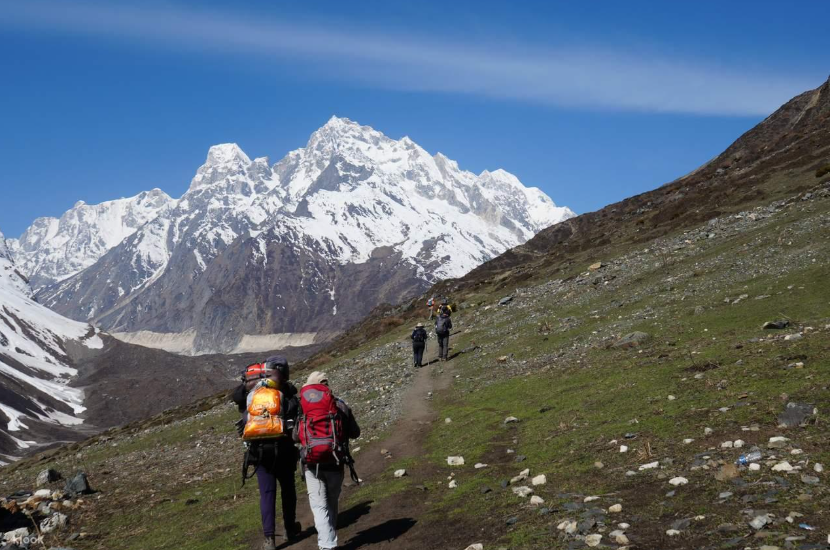
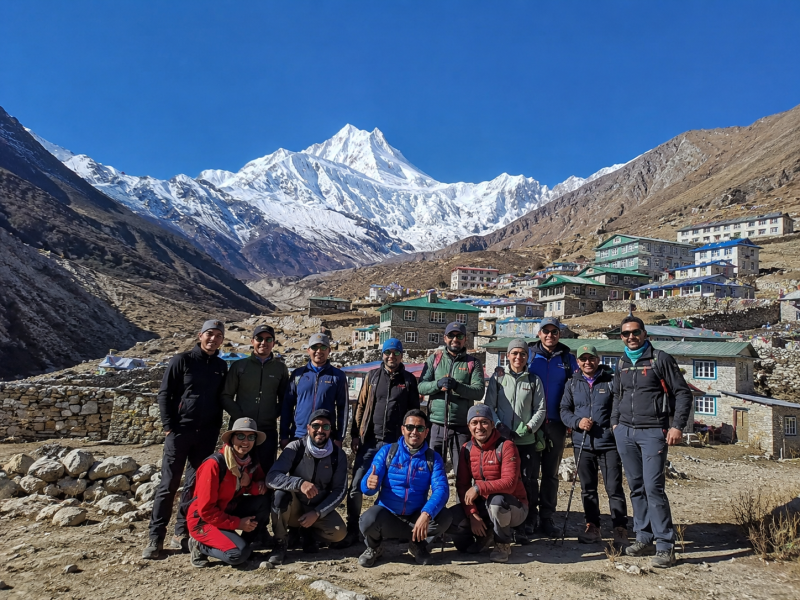
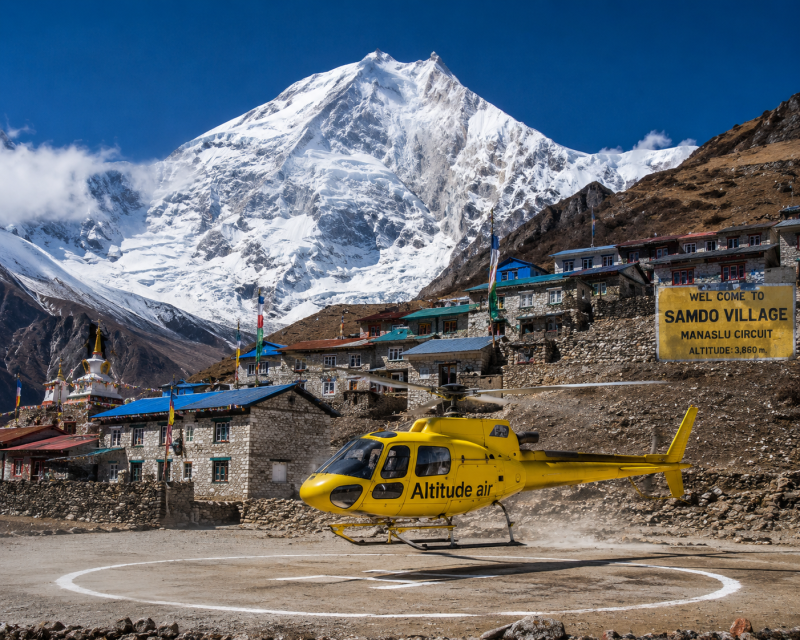
After breakfast, leave Samdo and follow the trail deeper into the high Himalayan landscape. The vegetation becomes sparse as the path climbs through open terrain, with rocky slopes, glacial streams, and broad mountain views replacing the greener scenery of the lower Manaslu Valley.
Cross the Budhi Gandaki River and continue gradually uphill toward Dharamsala, also known as Larkya Phedi, the final overnight stop before crossing Larkya La Pass. Along the way, you can see the Larkya Glacier and rugged peaks surrounding the valley. Reach Dharamsala in the afternoon, settle into the basic teahouse, and use the remaining time to rest and prepare for tomorrow’s challenging pass crossing.
Tips: Keep today’s pace comfortable, drink water regularly, eat well, and stay warm. Avoid unnecessary exertion while sleeping above 4,400 m.
Highlights: High-altitude valley, Larkya Glacier, glacial streams, rugged mountain scenery, prayer flags, and Larkya Phedi.
Accommodation : Tea House Meals : Breakfast, Lunch & Dinner
Dharamsala → Bimthang via Larkya La Pass
Trip Facts: Trek 20 km, 8–9 hrs, altitude 5,160 m (Larke Pass) / 3,720 m (Bimtang).
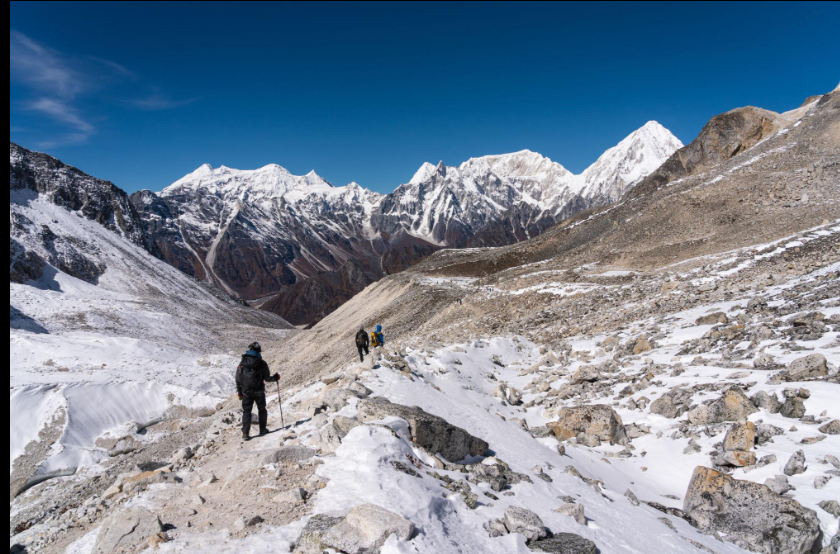
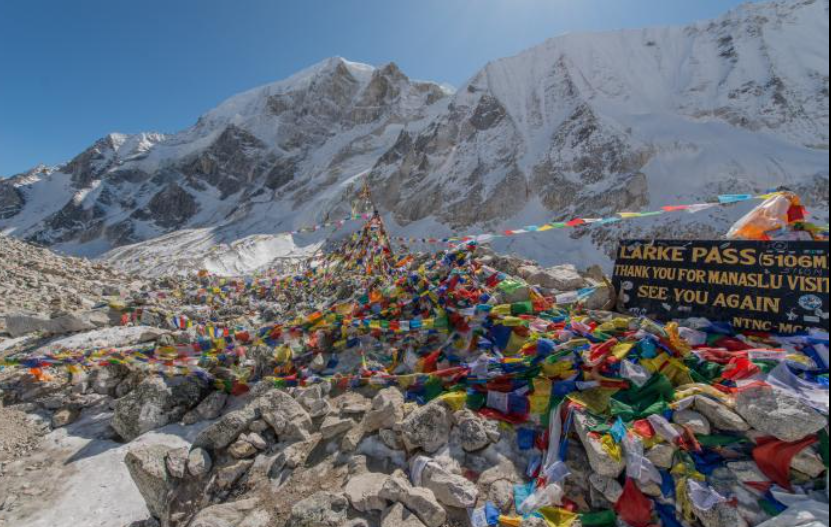
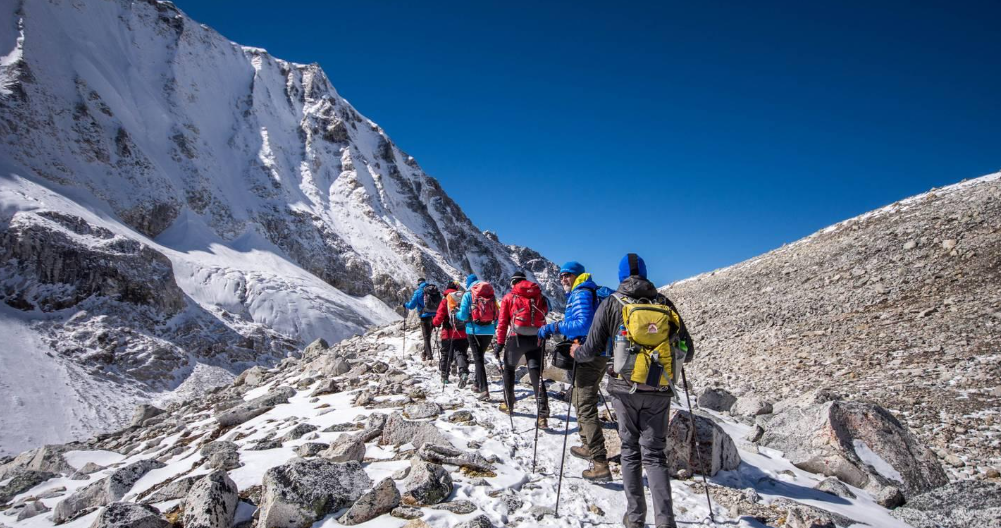
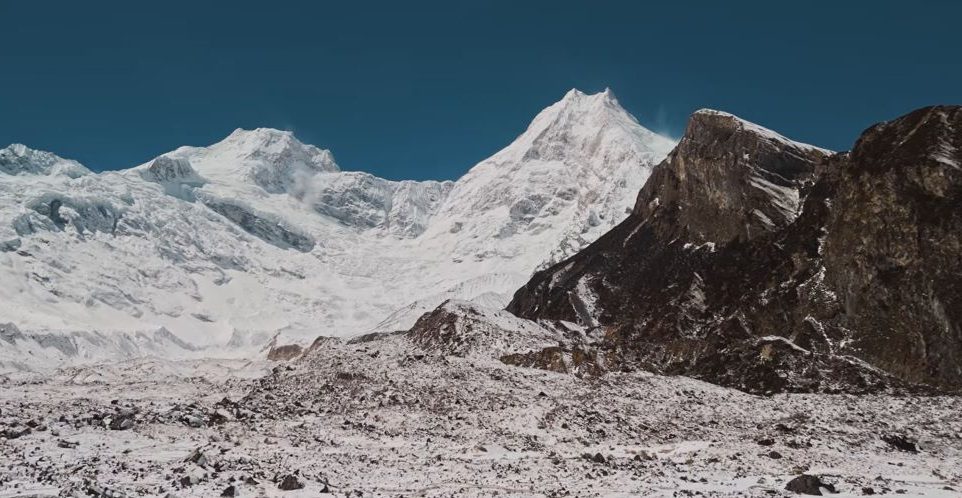
Today is the most challenging and rewarding day of the Manaslu Circuit Trek as you cross Larkya La Pass (5,106 m). Start early in the cold morning and climb gradually through rocky terrain and glacial landscapes. Take steady steps, stay hydrated, and keep warm as the altitude increases.
After reaching the summit, enjoy spectacular views of the surrounding Himalayan peaks before beginning the long descent toward Bimthang. The trail passes snow-covered slopes, moraine terrain, and alpine landscapes before becoming greener as you lose elevation. Arrive in Bimthang, check into your teahouse, and relax after completing the trek’s highest pass.
Tips: Start early, dress in warm layers, walk at a steady pace, drink water regularly, and avoid rushing at high altitude.
Highlights: Larkya La Pass, panoramic Himalayan views, glacial landscapes, alpine terrain, and the descent to Bimthang.
Accommodation : Tea House Meals : Breakfast, Lunch & Dinner
Bimtang → Dharapani
Trip Facts: Trek 22 km, 7–8 hrs, altitude 1,910 m.
After breakfast, we leave Bimthang and begin our long but beautiful descent through pine and rhododendron forests. We cross small streams and bridges and pass through Karche, Goa and Tilije, enjoying traditional villages, terraced fields and mountain scenery along the way.
After lunch, we continue toward Thonje before reaching Dharapani, where we check into our tea house and enjoy a well-deserved rest. The lower elevation brings warmer weather and a noticeable change in the landscape.
Tips: Easy pace on the descent; take plenty of photos.
Highlights: Waterfalls, river valleys, village culture, and terraced fields.
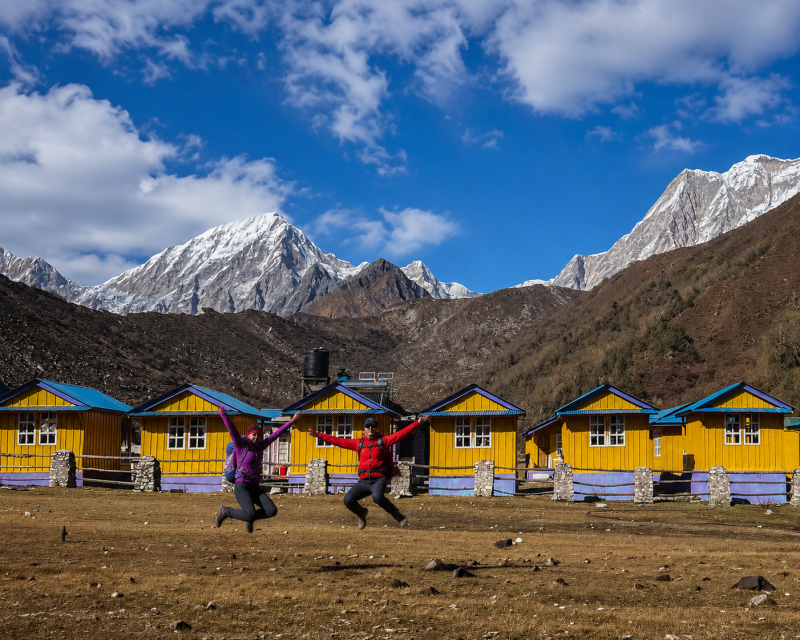

Accommodation : Lodge Meals : Breakfast, Lunch & Dinner
Dharapani → Kathmandu/Pokhara
Trip Facts: Jeep/Bus 210 km, 6–7 hrs, altitude 1,350 m.
Wake up early, enjoy breakfast, and drive back to Kathmandu or Pokhara. Pass terraced fields, forests, and rivers. Stop for tea and lunch along the way. Enjoy mountain and valley views, and glimpse the local life of hill villages. Arrival in Kathmandu or Pokhara in the afternoon. Check into your hotel, rest, and reflect on your unforgettable Manaslu adventure.
Highlights: River valleys, terraced hills, distant Himalayan peaks.

Accommodation : Hotel Meals : Breakfast
Manaslu Trek- 9 Days FAQs
The trek suits intermediate to experienced trekkers because of its length, altitude, and remote terrain. Some previous trekking experience in the Himalayas is helpful, but not mandatory.
Yes, due to the restricted area regulations, hiring a licensed local guide is mandatory for all trekkers on the Manaslu route.
Yes, porters are available and recommended to carry heavy backpacks, allowing you to conserve energy during the long trek.
Altitude sickness is the primary risk due to high elevations. Besides that, the remote nature of the trek means limited medical facilities, so travelers should be cautious and prepared.
Mobile signals are generally limited to larger villages and can be unreliable. Internet access is slow and sparse, so expect minimal connectivity.
Trekkers pass through Tibetan Buddhist villages with ancient monasteries, prayer flags, and local festivals, providing rich cultural insights.
Local Nepali and Tibetan-style dishes such as dal bhat, noodles, and soups are common. Western food options may be available in bigger villages, but are limited.
The Larkya La Pass at 5,160 meters is the highest and most challenging point on the trek, requiring good physical condition and acclimatization.
It is possible but not recommended, since permits, guides, and logistical support are mandatory and more easily handled by trekking agencies.
Simple tea houses or guesthouses with basic amenities, including beds, blankets, and shared bathrooms, are the norm.
Yes, rest or acclimatization days are usually scheduled to help trekkers adjust to the altitude safely.
The trail varies from dirt paths and rocky sections to wooden suspension bridges; it can be rugged and steep in places.
You might see Himalayan birds, monkeys, and sometimes musk deer or other small mammals in forested areas.
Autumn (September to November) and spring (March to May) offer the best weather and views.
Always trek with a guide who can assist. Serious cases may require helicopter evacuation, which is costly and weather-dependent.
Trekking days typically last 5-8 hours with significant altitude gain and loss, so good stamina is important.
Yes, but trekking with a guide or group is recommended for safety and permit reasons.
Basic supplies are available in larger villages, but prices increase with altitude; it’s wise to carry essentials.
Nepali and Tibetan dialects are common; English is spoken mainly by guides and in tourist areas.
Trekking agencies and locals encourage eco-friendly practices to protect the fragile environment, including waste management.
Refund & Cancellation Policy
- Booking requires 20% non-refundable deposit (Nepal) or 100% upfront (Tibet/Bhutan).
- Remaining payment due before the trip or on arrival (trip-dependent).
Cancellation charges:
- 31+ days: 20%
- 16–30 days: 45%
- 8–15 days: 75%
- 7 days or less: 90%
- Prices may change due to flights, taxes, or exchange rates.
- Trip changes are allowed, but extra costs apply.
- If the company cancels, a full refund, except for unavoidable events (some costs deducted).
- Good health and travel insurance are mandatory.
- No refund if removed for unsafe or illegal behavior.
- Travel involves personal risk, which the client accepts.