
Annapurna Circuit Trek Highlights: Highlights
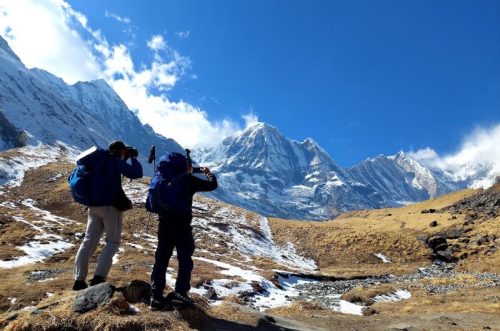
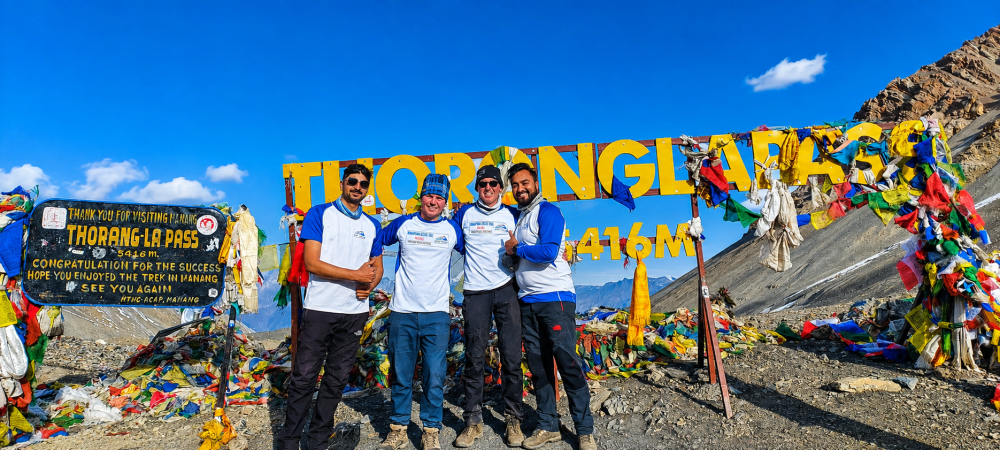
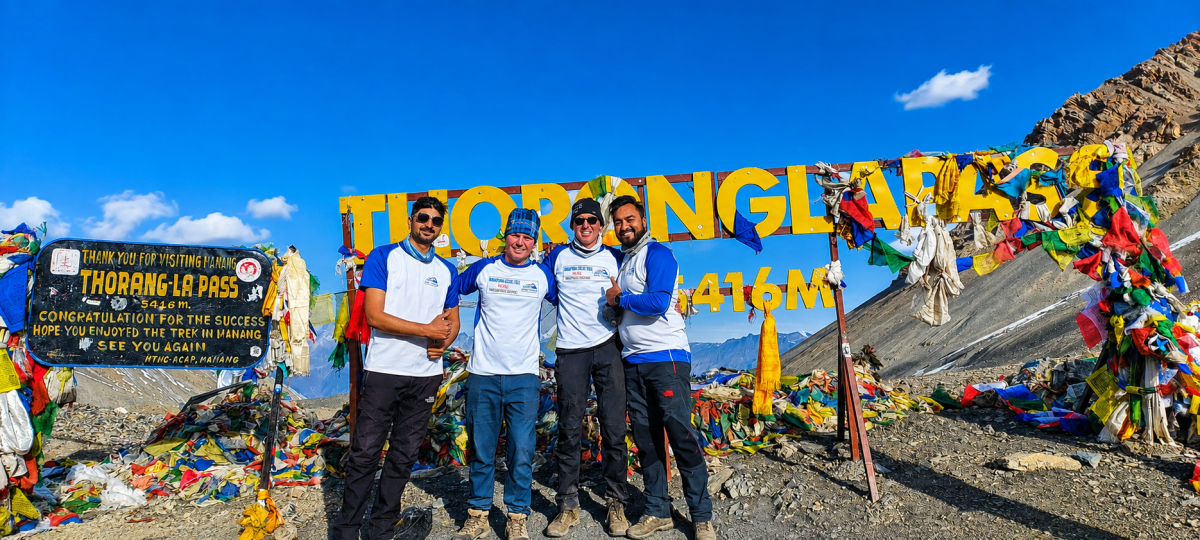
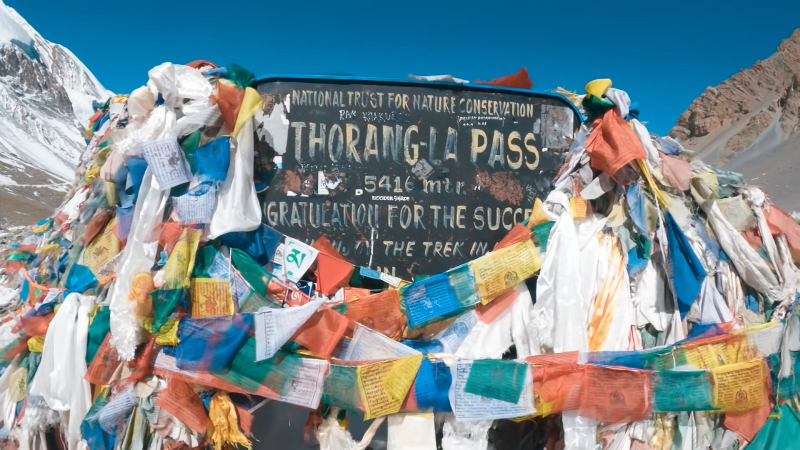
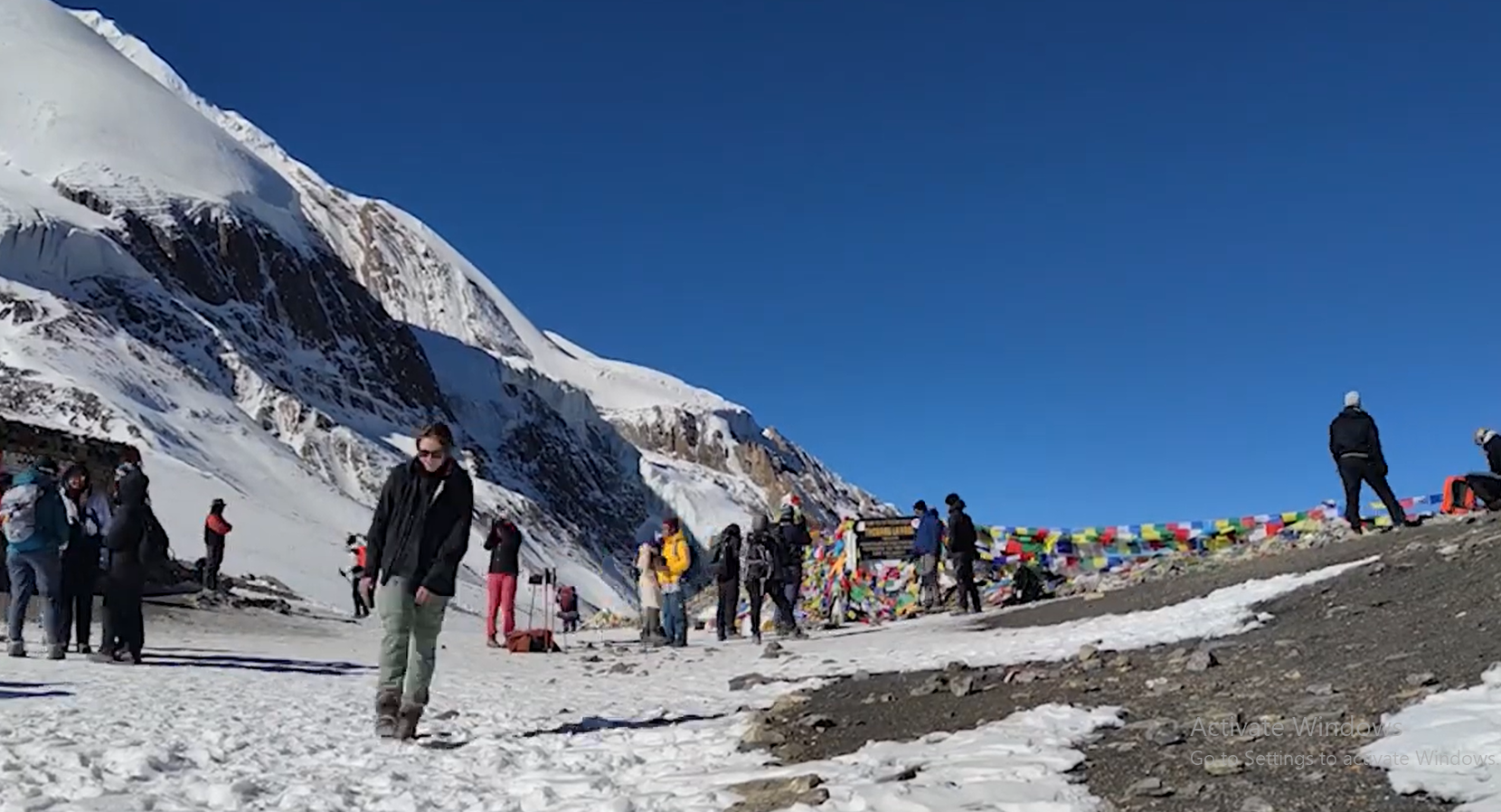
- Thorong La Pass (5,416m): The highest point of the Annapurna Thorong La Pass trek, presenting stunning panoramic views of towering Himalayan peaks.
- Annapurna Base Camp (4,130m): Nestled among giant mountains, it remains a favorite for many trekkers.
- Tilicho Lake (4,919m): One of the world’s highest lakes, offering crystal-clear waters ideal for nature lovers and photographers alike.
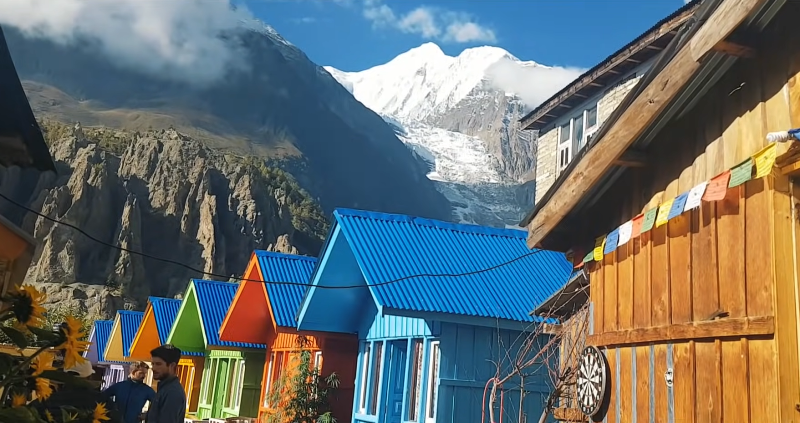
- Manang Village: Known for its unique Tibetan culture and architecture, this village plays a crucial role in the acclimatization process.
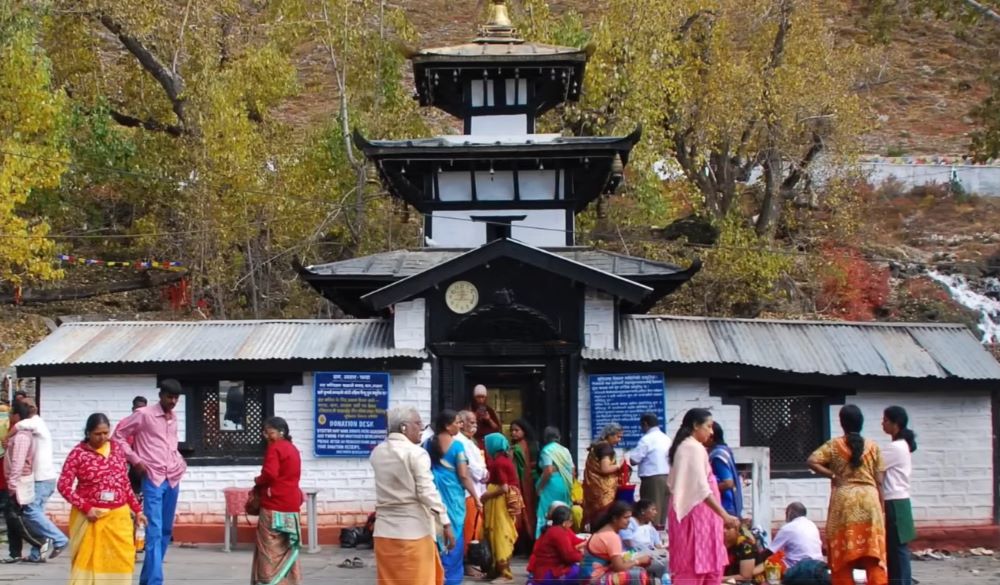
- Muktinath Temple: A sacred pilgrimage site cherished by both Hindus and Buddhists, often highlighted in the Annapurna Circuit trek itinerary.
- Kaligandaki Gorge: Famous for being the world’s deepest gorge, surrounded by dramatic landscapes.
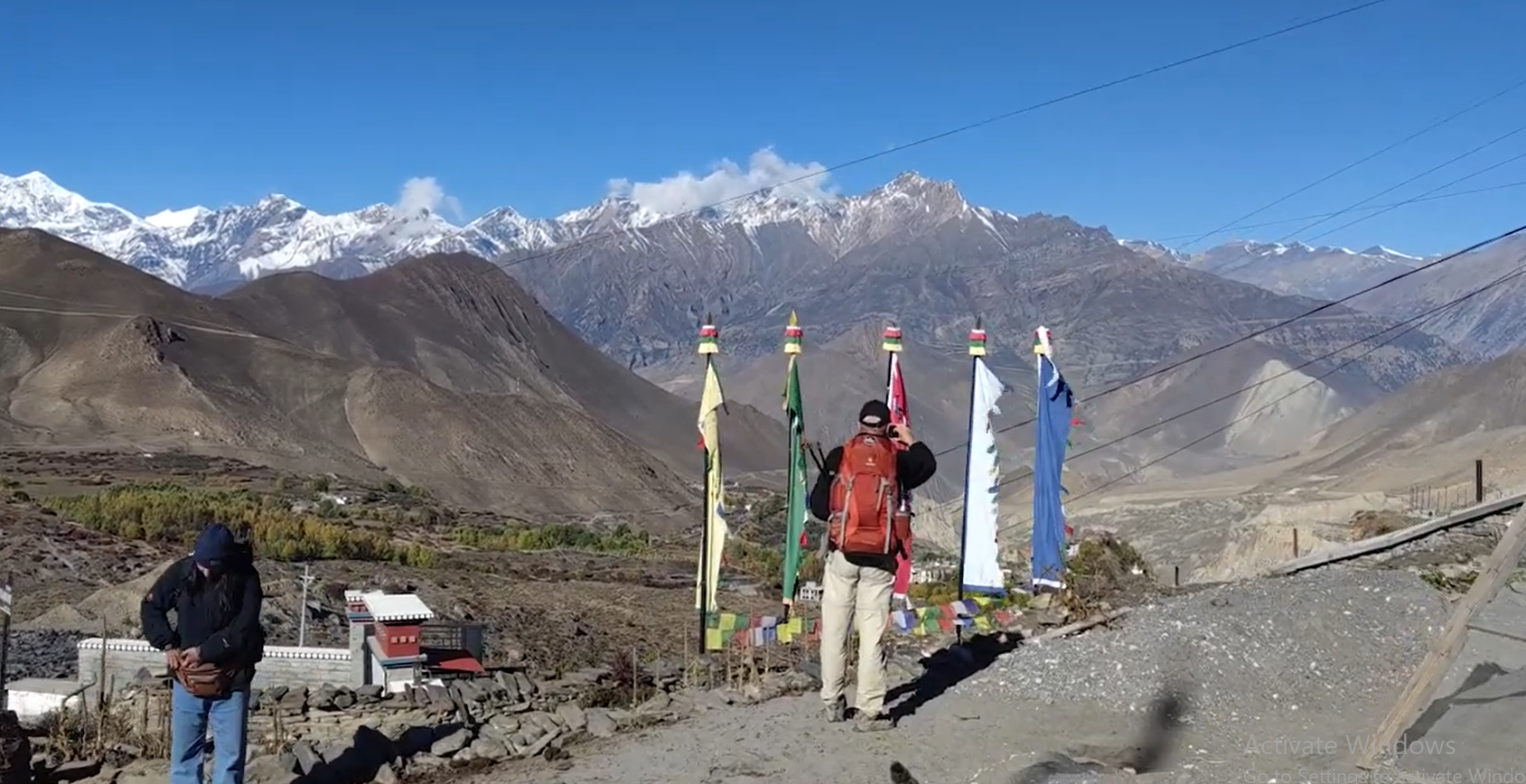
- Jomsom: A charming village, well-known for its apple orchards and stunning mountain vistas.
- Marpha Village: Popular in many Annapurna Round Trek packages, Marpha delights visitors with traditional mud houses and peaceful alleyways.
- Kagbeni: Rich in culture and history, Kagbeni serves as the gateway to the Upper Mustang Trek.
- Dhaulagiri Icefall: An awe-inspiring ice formation that attracts photographers from around the world.
Throughout your trek, you remain within the protected Annapurna Conservation Area, home to diverse flora and fauna.
Annapurna Circuit Trek: 15-Day Trip Overview Overview
Experience the Legendary Annapurna Circuit Trek with Us.
Welcome to Nepal! Your unforgettable Annapurna Circuit Trek with Us begins the moment you arrive at Tribhuvan International Airport, Kathmandu. Our friendly team will warmly welcome you and assist with your transfer to your hotel in the heart of Kathmandu, where you can rest and prepare for the trek ahead. This is the perfect opportunity to explore the bustling streets of the city, soak in the vibrant culture, and enjoy a traditional Nepali welcome dinner with your guide and trekking team.
The 11 Day Annapurna Circuit Trek officially begins as you leave Kathmandu behind and embark on a scenic drive towards the trailhead. Traveling through picturesque towns and terraced valleys, you will pass through charming villages where local life unfolds in harmony with nature. Our expert Guides and Porters accompany you throughout the trek, ensuring both your safety and comfort, while also sharing fascinating insights about the culture, history, and mountains you’ll encounter along the way. Before starting the trek, make sure you understand the latest TIMS Card and Annapurna Circuit permit requirements.
As the trek progresses, you will traverse well-known trails including Jagat, Chame, and Upper Pisang, each offering mesmerizing views of the towering Himalayan giants. Majestic peaks like Annapurna I (8,091 m), Dhaulagiri (8,167 m), Machapuchare (6,993 m), and Tilicho Peak (7,134 m) dominate the skyline, providing an awe-inspiring backdrop for every step of your journey. Along these trails, cozy tea houses serve as your resting points, offering warm meals, comfortable lodging, and a chance to meet fellow trekkers sharing the same adventure.
One of the trek’s most thrilling experiences is the crossing of Thorong La Pass. Trekkers typically wake up early, around 4:30–5:00 AM, at Thorong Phedi or High Camp to begin the ascent in the crisp Himalayan morning. The reward is unforgettable—the rising sun illuminating the snowy peaks and casting golden light over the rugged mountains. On the way down, you will visit the sacred Muktinath Temple, an important pilgrimage site revered by both Hindus and Buddhists. After this spiritual encounter, our team will drive you to Tatopani, where you can relax and rejuvenate in natural hot springs, a perfect respite after days on the trail.
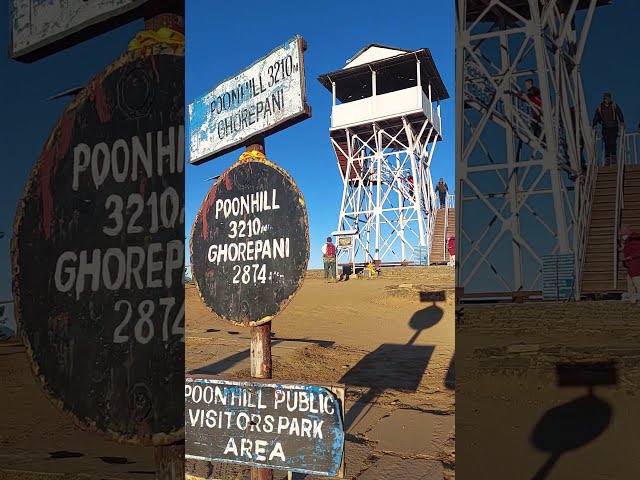
The trek continues through charming villages such as Shikha and Ghar, where you experience authentic Nepali culture, meet local families, and enjoy scenic views of terraced fields and distant peaks. Reaching Ghorepani, prepare for the breathtaking Poon Hill sunrise, one of the most photographed vistas in the Himalayas. From there, the descent through Ulleri brings you back to the lower valleys, connecting to a 2–3 hour scenic drive to Pokhara, where you can unwind by Phewa Lake, reflect on your journey, and celebrate the incredible adventure you’ve completed.
With us, the Annapurna Circuit Trek is more than a hike—it is a seamless, fully supported experience. Our experienced Annapurna trekking guides and porters ensure your safety, help carry your gear, and provide invaluable local knowledge.. Comfortable tea houses, authentic meals, and expert logistical support make this trek accessible and enjoyable for all levels of adventurers. From your arrival at Kathmandu International Airport to the stunning views at Poon Hill sunrise, from spiritual exploration at Muktinath Temple to the relaxing drive to Pokhara, every step of the Annapurna Circuit Trek with us is designed to create memories that last a lifetime.
Why Trek the Annapurna Circuit with Us?
- Professional, experienced, and friendly local guides
- Safe, well-organized, and fully supported trekking experience
- Handpicked teahouse accommodation for comfort and cleanliness
- Small group or private treks for personal attention
- Flexible itinerary designed around your fitness and pace
- Strong focus on altitude safety and proper acclimatization
- Excellent value with transparent pricing (no hidden costs)
- Authentic cultural experiences with local communities
- Peaceful trails and better experiences during off-peak seasons
- Dedicated support team before, during, and after your trek
When Is the Best Time for Annapurna Circuit Trek?
The Annapurna Circuit Trek is best enjoyed during spring (March–May) and autumn (September–November), when the weather is stable, skies are clear, and views of Annapurna, Dhaulagiri, and Manaslu are at their best. These seasons offer comfortable temperatures, safe trails, and vibrant landscapes.
For those seeking fewer crowds, winter and monsoon treks are also possible with proper guidance. At Safe Holiday Adventure, we ensure every trek is safe, flexible, and unforgettable, no matter the season.
Experience the Annapurna Circuit and discover Nepal’s breathtaking mountains with expert support and unforgettable memories.
Is the Annapurna Circuit Trek in 11 Days Right for You?
The Annapurna Circuit Trek in 15 days is an excellent choice for trekkers seeking a well-paced and rewarding Himalayan adventure in Nepal. The itinerary allows time to adjust to increasing elevations while exploring the diverse landscapes, traditional villages, and spectacular Annapurna and Dhaulagiri mountain ranges. The journey includes the challenging crossing of Thorong La Pass (5,416 m) and is supported by experienced local guides and porters, making it a great option for trekkers who want a balanced combination of adventure, culture, mountain scenery, and comfort.
Essential Tips and Preparations for the Annapurna Circuit Trek
- Physical Fitness: You need good stamina for extended walks and steep climbs.
- Altitude Readiness: Acclimatization is key to preventing altitude sickness.
- Time Commitment: Plan for 13-20 days based on your Annapurna Circuit trek itinerary.
- Weather Conditions: Spring and autumn remain ideal seasons for the trek.
- Permits and Logistics: Secure your Annapurna Conservation Area permits and arrange accommodations early.
- Annapurna Circuit Trek Cost: Budget for permits, lodging, meals, transport, and additional expenses.
- Health Check: Consult your doctor if you have any existing medical conditions.
- Mental Preparation: Be ready for physical challenges, isolation, and changing weather.
- Hiring Local Guides: Experienced guides enhance safety and deepen cultural understanding.
- Proper Gear: Pack gear suitable for varying weather conditions.
Whether you are an experienced trekker or one of many enthusiastic solo trekkers to Annapurna, this journey promises breathtaking scenery, cultural richness, and personal achievement.
Book or Customize Your Annapurna Circuit Trek:
Ready to explore the Annapurna Circuit? Book our carefully designed trek or customize your itinerary based on your preferred duration, trekking pace, budget, and travel dates. Our experienced local guides and porters provide reliable support throughout the journey, from Kathmandu to the Thorong La Pass and beyond. Contact Safe Holiday Adventure to plan your Annapurna Circuit Trek according to your needs.
Annapurna Circuit Trek Outline Itinerary:Outline Itinerary
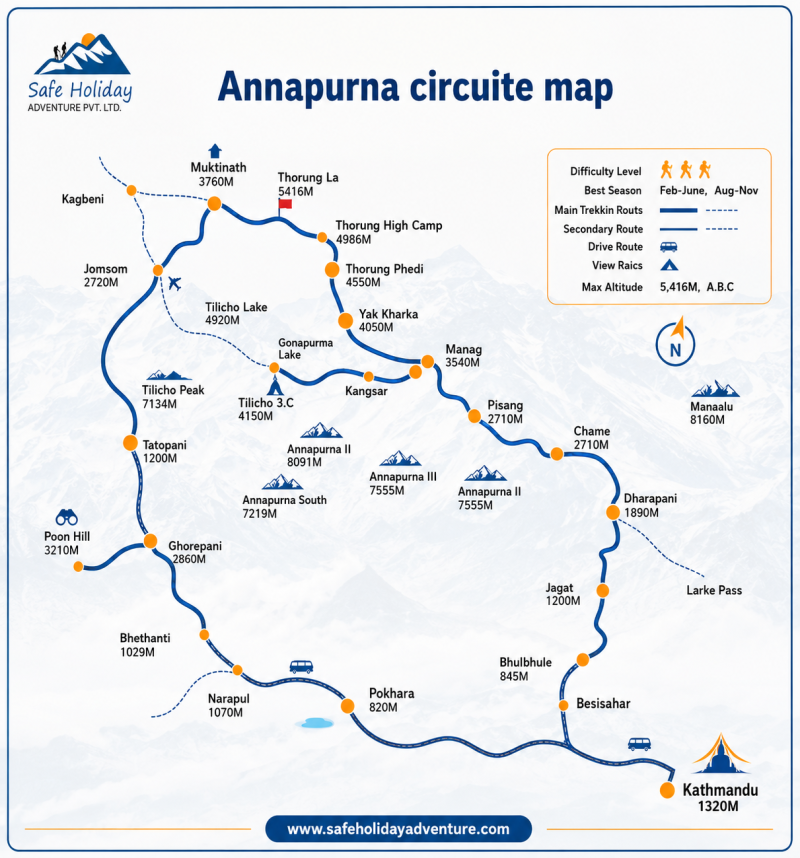
Day 01: Arrival in Kathmandu (1,350 m / 4,429 ft) – Airport pickup and transfer to hotel by private vehicle; overnight stay in Kathmandu.
Day 02: Kathmandu to Besisahar by bus, then sharing Jeep to Dharapani (1,860 m / 6,102 ft) – Scenic drive 10–12 hrs through hills, rivers, and villages.
Day 03: Dharapani (1,860 m / 6,102 ft) to Chame (2,670 m / 8,760 ft) – Trek 15–16 km, approximately 5–6 hrs, walking through forests and villages with mountain views.
Day 04: Chame (2,670 m / 8,760 ft) to Upper Pisang (3,300 m / 10,827 ft) – Trek 13–14 km, around 6–8 hrs, enjoying Annapurna II, Annapurna IV, and Pisang Peak views.
Day 05: Upper Pisang (3,300 m / 10,827 ft) to Manang (3,540 m / 11,614 ft) – Trek 15–18 km, approximately 5–7 hrs, via scenic Ghyaru–Ngawal or easier Hongde route.
Day 06: Acclimatization Day in Manang (3,540 m / 11,614 ft) – Rest day with optional hike to Ice Lake (4,600 m / 15,092 ft) or Chhuksang Viewpoint for altitude adjustment.
Day 07: Manang (3,540 m / 11,614 ft) to Yak Kharka (4,050 m / 13,287 ft) – Trek 9–10 km, around 5–6 hrs, through alpine landscapes and yak grazing areas.
Day 08: Yak Kharka (4,050 m / 13,287 ft) to Thorong Phedi (4,540 m / 14,895 ft) – Trek 7–8 km, approximately 3–4 hrs, gradual ascent toward Thorong La Pass base camp.
Day 09: Thorong Phedi (4,540 m / 14,895 ft) to Muktinath (3,800 m / 12,467 ft) via Thorong La Pass (5,416 m / 17,769 ft) – Trek 15–17 km, around 7–9 hrs, crossing one of the world’s highest trekking passes with spectacular Himalayan views.
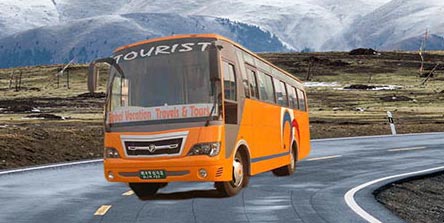
Day 10: Muktinath (3,800 m / 12,467 ft) to Pokhara (850 m / 2,790 ft) – Scenic drive 8–10 hrs through Jomsom, Marpha, Tatopani, Beni, and Kali Gandaki Valley.
Day 11: Pokhara (850 m / 2,790 ft) to Kathmandu (1,400 m / 4,593 ft) – Scenic drive around 200 km, approximately 6–8 hrs via Prithvi Highway alongside the Trishuli River.
Important Note
Dear Trekkers, If you have limited time but dream of experiencing the Annapurna Circuit Trek, don’t worry! We can customize your itinerary to fit your schedule, whether it’s 6 days, 8 days, or up to 12 days. Our flexible plans ensure you enjoy the trek safely and comfortably, without missing the highlights of this breathtaking Himalayan adventure.
Whats Included?
- When you arrive at Kathmandu TIA Airport, we will Pick up you and drop you at The Hotel.
- 2 Night Hotel Accommodation in the Center of Kathmandu before and After the Trek,
- Annapurna Conservation Area Project (ACAP) Entry Permit and All Paper Work for Trekking Team,
- Breakfast, Lunch & Dinner during your trek are provided by tea houses/Lodges,
- Best Possible Tea House & Lodge Accommodation during the Trek,
- Hotel in Pokhara for one Night with Breakfast near the Fewa Lake,
- Experienced Annapurna Circuit Guide and His Salary,
- Food, Drinks, Salary, Accommodation & local taxes for Guide,
- Public Bus Transportation from Kathmandu to Besisahar,
- Sharing Jeep from Besisahar to Syange,
- Sharing Jeep from Ulleri to Pokhara Via Nayapul,
- Luxury Bus From Pokhara to Kathmandu.
- Your International flight ticket,
- Insurance for your trek,
- Extra Food: If you order more than one team meal, the additional bills must be paid by yourself.
- Lunch and dinner in the city (Kathmandu & Pokhara),
- Your travel insurance,
- Entry fees while you are touring in Kathmandu,
- All personal expenses,
- Domestic flight ticket,
- All the alcoholic and Non-alcoholic Drinks,
- Tip for trekking Guide, Porter, and Driver,
- Donations for beggars,
- Extra trekking days.
Dates and Availability Departures
All our published dates are guaranteed departures. We also provide customized departures tailored to your travel plans.
October 2026
November 2026
December 2026
Travellers Reviews
Emily Carter
Australia | march, 2025
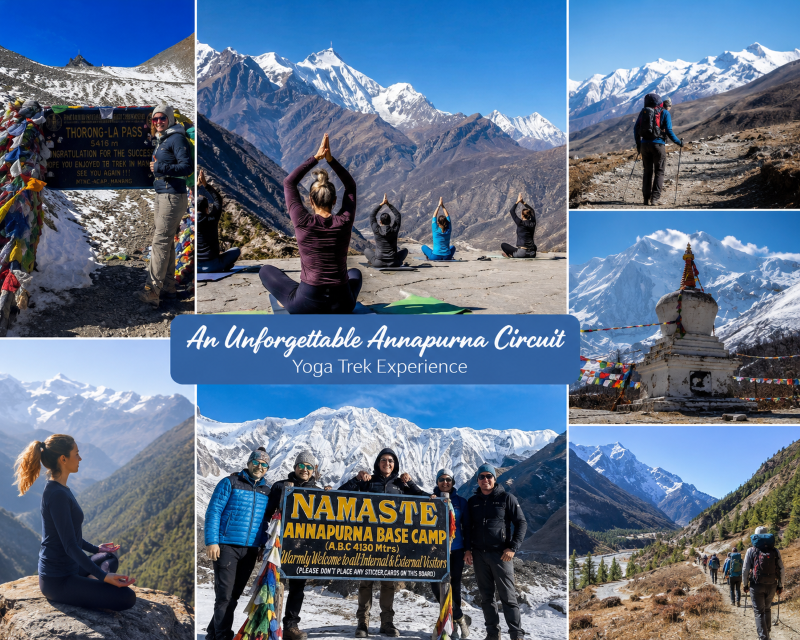
An Unforgettable Annapurna Circuit Yoga Trek Experience
Our 9-Day Annapurna Circuit Yoga Trek was an incredible experience from beginning to end. The combination of breathtaking Himalayan scenery, daily yoga, and peaceful meditation created the perfect balance of adventure and wellness.
Our guide, Santosh, was professional, knowledgeable, and genuinely caring. He made sure everyone was comfortable throughout the trek and shared fascinating insights into Nepalese culture, nature, and the Annapurna region. His calm and positive attitude made every day enjoyable.
The itinerary was well organized, allowing us to enjoy the stunning mountain views while maintaining a comfortable pace. The yoga and meditation sessions each morning and evening helped us relax, recover, and connect with the beauty of the Himalayas.
The accommodations were clean and comfortable, the food was delicious, and the hospitality of the local tea houses was outstanding. Every detail of the trip was thoughtfully planned.
This trek exceeded all of our expectations. If you are looking for a unique Himalayan adventure that combines trekking, yoga, meditation, and authentic cultural experiences, we highly recommend the Annapurna Circuit Yoga Trek – 9 Days with Santosh.
Thank you for an unforgettable journey. We hope to return to Nepal for another adventure soon!
Luka Mories
New Zealand | 2024, oct
Unforgettable Family Adventure on the Annapurna Circuit in Nepal
Our family from New Zealand had an incredible experience on the Luxury Annapurna Circuit Trek – 14 Days with Safe Holiday Adventure Pvt. Ltd. Everything was perfectly organized from beginning to end, and the mountain scenery was simply breathtaking. The combination of comfortable lodges, beautiful Himalayan landscapes, and authentic local culture made this trek truly unforgettable.
A very special thanks to our guide Santosh, who was professional, knowledgeable, caring, and always attentive to our needs throughout the journey. He explained the culture, mountains, and local traditions with great passion and made us feel safe and comfortable every day. His positive attitude and friendly nature added so much joy to our trek.
We would also like to sincerely thank our porter Dharma for his hard work, kindness, and constant support during the trek. He always carried our luggage with a smile and helped make our journey easier and more enjoyable. His dedication and warm personality were greatly appreciated by our whole family.
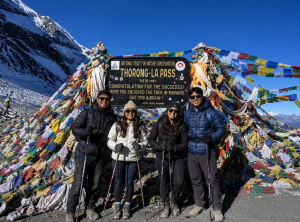
Crossing the Thorong La Pass and walking through the beautiful villages of the Annapurna region was an amazing adventure we will always remember. We highly recommend this luxury trekking experience to anyone looking for comfort, adventure, and excellent service in Nepal.
Thank you again to Santosh, Dharma, and the entire team for giving our family such wonderful memories in the Himalayas.
— Luka Mories and Family, New Zealand

Amaune Fouillade
france | April, 2024
Amazing Trek with Safe Holiday Adventure
My friends and I went to Nepal and decided to do the Annapurna Circuit Trek – 15 Days. We contacted a local trekking company called Safe Holiday Adventure, and they were very helpful from the beginning. They replied quickly, explained everything clearly, and helped us plan the trek perfectly. We were provided with an excellent guide and a strong, kind porter who supported us throughout the journey.
The trek took us through beautiful villages, stunning mountain landscapes, and over the famous Thorong La Pass. Everything was well organized, including accommodation, food, and daily walking plans. The weather was great, and we met many friendly people along the trail, which made the experience even more special.
This was one of the best treks we have ever done, and we are very grateful to Safe Holiday Adventure, our guide, porter, and the entire team for making the Annapurna Circuit such a memorable adventure. We highly recommend this company to anyone planning to trek in Nepal.
Thank you once again for the outstanding service and unforgettable experience.


Laura Gambador
Australia | Dec, 2024
Family Trekking Experience on the Annapurna Circuit
Laura Gambador and her parents from Australia had a wonderful experience trekking the Annapurna Circuit with Safe Holiday Adventure. The trip was well organized, and guide Dharma was professional, caring, and highly experienced, ensuring a safe and enjoyable journey. Stunning scenery and excellent support throughout made this trek truly memorable. Highly recommended for trekking in Nepal.

Dolly Sheen
Australia | 2025-7-11
Outstanding Annapurna Circuit Trek with Safe Holidays Adventure
I, Dolly Sheen from Australia, had the incredible opportunity to join a group of 10 pax from Australia on a trekking adventure in Nepal, organized by Safe Holidays Adventure. Our trek took place in September 2025, and it was a meticulously planned 15-day journey through the stunning Annapurna Circuit.
The trek was expertly guided by Santosh, whose knowledge, professionalism, and friendly approach made the experience both safe and enjoyable. Porter Pre played an essential role in making our trek effortless by handling our gear with care and ensuring we had everything we needed throughout the journey.
From the snow-capped Himalayan peaks to charming local villages and lush valleys, every day offered breathtaking views and memorable moments. MD Santosh Gauli and the Safe Holidays Adventure team ensured every aspect of the trip was seamless, from logistics to accommodations, giving us a worry-free and truly enriching adventure.
I highly recommend Safe Holidays Adventure to anyone planning a trek in Nepal. Their expertise, attention to detail, and dedication to client safety and comfort make them one of the most reliable trekking operators in the region. This trek was not only a journey through Nepal’s majestic landscapes but also a remarkable experience of teamwork, culture, and adventure.
Genaral Trip InfoInfos
Annapurna Circuit Trek Difficulty & Fitness Level:
The Annapurna Circuit Trek is considered a moderate to challenging Himalayan trek, mainly because of long walking days, changing terrain, and high altitude. The highest point is Thorong La Pass (5,416 m).
A good level of fitness and endurance is recommended. Regular walking, hiking, stair climbing, and cardio training before the trek can help prepare your body for the demanding sections.
With a gradual itinerary, proper acclimatization, comfortable pace, and experienced guide, trekkers with reasonable fitness can successfully complete the Annapurna Circuit and enjoy its spectacular mountain scenery.
Annapurna Circuit Trek Distance:
The distance of the Annapurna Circuit Trek can vary depending on the specific route taken, as well as any detours or side trips. However, the standard Annapurna Circuit Trek distance is approximately 160-230 kilometers (100-145 miles), depending on the starting and ending points of the trek. The trek usually takes around 15-20 days to complete, depending on the trekker’s pace, fitness level, and acclimatization. It is important to note that the trek involves high altitudes and difficult terrain, so it is advisable to prepare accordingly and take the necessary precautions for a safe and enjoyable trek.
Popular side trips and attractions along the Annapurna Circuit Trek
The Annapurna Circuit Trek is a popular trekking route in Nepal, known for its stunning scenery and challenging terrain. Along the way, there are several side trips and attractions that trekkers can explore. Here are some of the most popular ones:
- Tilicho Lake: Situated at an altitude of 4,919 meters, Tilicho Lake is one of the highest lakes in the world. It is a challenging side trip, but the stunning views of the lake and surrounding mountains make it worth the effort.
- Ghorepani Poon Hill: Poon Hill is a popular side trip that offers panoramic views of the Annapurna and Dhaulagiri mountain ranges. The trek to Poon Hill can be done as a day trip from Ghorepani.
- Muktinath Temple: Muktinath is a sacred site for both Hindus and Buddhists. It is located at an altitude of 3,710 meters and is accessible from the village of Kagbeni. The site is known for its natural gas fires and 108 water spouts.
- Manang Village: Manang is a picturesque village situated at an altitude of 3,540 meters. It is a popular resting place for trekkers on the Annapurna Circuit Trek and offers stunning views of the surrounding mountains.
- Hot Springs-Tatopani: There are several hot springs along the Annapurna Circuit Trek, including Tatopani and Chame. These hot springs offer a relaxing break from the challenging trekking route.
- Marpha Thakali Village: Marpha is a charming village known for its apple orchards and apple brandy. It is a popular stop for trekkers on the Annapurna Circuit Trek and offers a glimpse into traditional Nepalese culture.
These side trips and attractions offer a break from the challenging trekking route and provide an opportunity to explore the natural and cultural beauty of the Annapurna region.
Annapurna Circuit Trek Guides & Porters:
If you are planning to do the Annapurna Circuit Trek, it’s highly recommended to hire a guide and/or porter for your trek. Here are some options for hiring guides and porters:
Hire through a trekking agency: Many trekking agencies in Nepal can provide you with guides and porters. They usually have a team of experienced guides and porters who are familiar with the Annapurna Circuit Trek and can assist you with logistics, accommodation, and safety.
Hire a freelance guide or porter: If you prefer to have more control over your trek, you can hire a freelance guide or porter. They can be found in Kathmandu or Pokhara, and you can negotiate their fee directly with them. Keep in mind that it’s important to hire a qualified and experienced guide or porter, so make sure to ask for references and check their credentials.
Use a trekking website: There are several websites that connect trekkers with guides and porters, such as TrekkingPartners, FindTrekking, and TourRadar. These websites allow you to search for guides and porters based on their experience, availability, and reviews from other trekkers.
Regardless of the option you choose, it’s important to communicate clearly with your guide and porter about your expectations, itinerary, and any medical conditions or dietary requirements you may have. This will ensure that you have a safe and enjoyable trek on the Annapurna Circuit.
Permits & Requirements for the Annapurna Circuit Trek:
Before starting the Annapurna Circuit Trek, trekkers need the required TIMS Card and Annapurna Conservation Area Permit (ACAP). Permit fees vary depending on your nationality and current government regulations, so it is important to check the latest requirements before your trek.
Under the current trekking regulations, the Annapurna Circuit Trek requires a licensed trekking guide and an agency-issued TIMS Card. A professional guide can also provide valuable support with navigation, altitude awareness, local culture, accommodation, and emergency situations.
The required permits and trekking documentation can be arranged through a registered trekking agency or at designated tourism offices and checkpoints, depending on the current regulations. Trekkers should carry their permits and identification documents throughout the journey, as they may be checked at different points along the route.
Always confirm the latest permit fees, TIMS requirements, and guide regulations before departure, as Nepal’s trekking rules and fees may change.
Annapurna Circuit Trek Preparation & Training Tips:
Preparing and training for the Annapurna Circuit Trek is essential to ensure a safe and enjoyable trekking experience. Here are some tips and recommendations to help you prepare:
- Start early: Begin your training and preparation at least 2-3 months before your trek.
- Cardiovascular exercises: Focus on cardiovascular exercises like running, cycling, or swimming to build endurance.
- Strength training: Include strength training exercises to build muscle and improve your balance and stability.
- Hiking: Try to include some long hikes in your training regimen, especially on uphill and downhill terrain.
- Altitude training: Consider practicing altitude training if possible, either through simulated altitude training or by gradually increasing altitude exposure.
- Acclimatize: Plan for rest days during your trek to allow for proper acclimatization to the high altitude.
- Pack smart: Prepare a well-equipped backpack with essentials like warm clothing, sturdy footwear, sunscreen, insect repellent, and a first aid kit.
- Stay hydrated: Drink plenty of water and fluids to stay hydrated, especially at high altitudes.
- Consult with a doctor: If you have any pre-existing medical conditions, consult with a doctor before starting your training or embarking on the trek.
Annapurna Circuit Trek Food & Water Guide:
The Annapurna Circuit Trek is a popular and challenging trekking route in Nepal, known for its diverse landscapes and stunning views of the Annapurna mountain range. It is important to have a good understanding of the food and water options and recommendations before embarking on the trek. Here are some guidelines to help you plan your food and water requirements:
Food Options:
- Most teahouses along the trekking route serve a variety of food options, including Nepali, Tibetan, and Western cuisine.
- Popular dishes on the trail include Dal Bhat (a traditional Nepali dish of rice, lentil soup, and vegetables), momos (dumplings filled with meat or vegetables), and noodle soups.
- It is recommended to eat carbohydrate-rich foods like rice, pasta, and bread to provide you with energy for the trek.
- It is also advisable to carry some snacks like energy bars, chocolates, nuts, and dried fruits to keep you fueled throughout the day.
Water Options:
- It is essential to stay hydrated while trekking, so it is recommended to drink at least 3-4 liters of water every day.
- You can buy bottled water along the trail, but it can be expensive and not environmentally friendly.
- It is advisable to bring your water purification tablets or a water filtration system like a LifeStraw to purify the water from the streams.
- You can also fill up your water bottles at the teahouses or lodges, but make sure the water is boiled or treated before drinking.
Food and Water Safety:
- It is essential to maintain good hygiene standards while trekking, especially when it comes to food and water.
- Avoid consuming raw or uncooked food items, as they can carry bacteria and parasites.
- Wash your hands with soap and water regularly, especially before eating or handling food.
- Make sure the water you drink is purified or boiled to kill any harmful bacteria and viruses.
Annapurna Circuit Trek Challenges & Solutions
The Annapurna Circuit Trek is challenging and rewarding, but it also comes with its own set of challenges. Here are some common challenges faced during the Annapurna Circuit Trek and how to overcome them:
Altitude sickness: This is a common challenge on high-altitude treks like the Annapurna Circuit. To prevent altitude sickness, it is advisable to acclimatize slowly by taking rest days and ascending gradually. In case you do experience symptoms such as headache, nausea, or dizziness, it is important to descend immediately and seek medical attention.
Cold weather: The weather at higher altitudes can be very cold, and it is important to bring appropriate clothing that will keep you warm, including a good-quality down jacket, gloves, and a hat. Dressing in layers is also recommended, as it allows you to adjust your clothing according to the temperature.
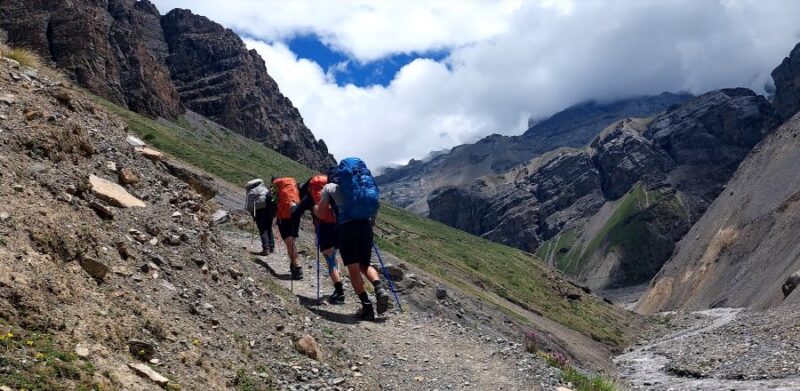
Difficult terrain: The trail can be steep and rocky, and the altitude can make it challenging to breathe. To overcome this, it is important to train beforehand and build up your fitness level. You can do this by going on training hikes, doing cardio exercises, and strengthening your leg muscles. It is also recommended to take breaks and rest whenever needed during the trek.
Breaking in hiking equipment: Breaking in your hiking equipment, especially your boots, is crucial to prevent blisters and injuries during the trek. Wear your hiking boots around the house or on shorter hikes before embarking on the Annapurna Circuit so that they have already adjusted to your foot shape.
Food and water safety: Maintaining good hygiene standards while trekking, especially when it comes to food and water, is essential. Avoid consuming raw or uncooked food items, as they can carry bacteria and parasites. Make sure the water you drink is purified or boiled to kill any harmful bacteria and viruses.
Annapurna Circuit Trek with Kids: Family Trekking Tips
The Annapurna Circuit Trek with kids can be a rewarding family adventure with the right preparation and itinerary. Choose the spring or autumn trekking seasons, allow enough time for gradual acclimatization, and maintain a comfortable walking pace for children. An experienced trekking guide can help with route planning, accommodation, meals, and safety throughout the journey.
Families should prepare children for changing weather, higher elevations, and longer walking days. Pack suitable clothing, comfortable footwear, snacks, water bottles, and essential medicines, and allow flexibility in the itinerary when needed. With proper preparation, realistic daily distances, and attention to altitude sickness symptoms, families can enjoy the diverse landscapes, mountain views, villages, and local culture of the Annapurna Circuit.
Annapurna Circuit Trek for Solo Female Trekkers:
The Annapurna Circuit Trek for solo female trekkers can be a rewarding and memorable Himalayan adventure with proper preparation. Solo women should choose a reliable trekking agency or licensed guide, follow established trails, keep important documents and emergency contacts accessible, and avoid walking alone after dark. A well-planned itinerary with gradual acclimatization is also important because the trek reaches Thorong La Pass at 5,416 m.
Along the route, trekkers can enjoy spectacular Himalayan scenery, traditional mountain villages, diverse landscapes, and opportunities to meet fellow travelers. With sensible planning, appropriate equipment, travel insurance, and attention to altitude and weather conditions, solo female travelers can experience the Annapurna Circuit with confidence and comfort.
Annapurna Circuit Trek Safety Tips:
Safety is an important part of enjoying the Annapurna Circuit Trek. The route reaches Thorong La Pass at 5,416 m, with changing weather, steep trails, and high-altitude conditions. Proper preparation and a sensible trekking pace can help reduce common risks.
- Acclimatize gradually: Follow a well-planned itinerary, take adequate rest, stay hydrated, and never ignore symptoms of altitude sickness.
- Check the weather: Mountain conditions can change quickly, so check local weather updates before starting each day’s trek.
- Pack appropriate gear: Carry warm and waterproof layers, comfortable trekking boots, gloves, a hat, sunglasses, sunscreen, and a suitable sleeping bag.
- Stay hydrated: Drink sufficient water and use safe drinking-water sources, filtration, or purification methods.
- Use trekking poles: Poles can provide extra stability on steep, rocky, or uneven sections of the trail.
- Follow your guide’s advice: Stay on established trails, follow local safety instructions, and avoid unnecessary risks.
- Avoid trekking after dark: Plan each day’s walk so you reach your accommodation before nightfall.
- Carry essential supplies: Keep a first-aid kit, personal medications, headlamp, phone, power bank, and emergency contact information with you.
- Get travel insurance: Choose insurance that covers high-altitude trekking and emergency evacuation, and check the policy’s altitude limits before your trip.
- Respect local communities and nature: Follow local customs, avoid littering, and help protect the environment throughout the trek.
With the right preparation, appropriate equipment, gradual acclimatization, and professional support, you can enjoy the Annapurna Circuit Trek safely and confidently.
Annapurna Circuit Trek With or Without a Guide?
Choosing between a guided or independent Annapurna Circuit Trek depends on your experience, preferences, and current trekking regulations. A professional local guide provides route guidance, safety support, cultural insights, accommodation assistance, and help with unexpected situations, allowing you to enjoy the journey with greater peace of mind.
For trekkers who prefer a more independent experience, planning your own trip may offer greater flexibility and control over your daily schedule. However, the Annapurna Circuit includes high-altitude terrain, changing weather, long walking days, and the challenging Thorong La Pass (5,416 m), so proper preparation is essential.
For a safer and more comfortable experience, Safe Holiday Adventure provides experienced local guides, porters, transportation, accommodation arrangements, and trekking support throughout the Annapurna Circuit. We can also customize the itinerary according to your preferred duration, pace, budget, and travel dates.
Annapurna circuit Trek Packing list:
Here is a basic packing list for the Annapurna Circuit Trek:
Clothing:
- Waterproof and windproof jacket,
- Down jacket or warm fleece jacket,
- Hiking pants and shorts,
- Long-sleeved shirts and t-shirts,
- Warm hat and glovesSun hat and sunglasses,
- Hiking socks and liners,
- Comfortable trekking shoes or boots.
Gear:
- Backpack with rain cover,
- Sleeping bag (at least -10°C rating),
- Trekking poles,
- Headlamp or flashlight,
- Water bottle or hydration system,
- Water purification tablets or filters,
- Snacks and energy bars,
- Personal first aid kit and medication,
- Camera and spare batteries,
- Trekking map and guidebook,
- Sunscreen and lip balm,
- Personal hygiene items (toothbrush, toothpaste, wet wipes, hand sanitizer, etc.)
It is important to keep your backpack as light as possible, so only pack the essentials. Additionally, consider the time of year you plan to trek and adjust your clothing and gear accordingly. It is always a good idea to check the weather forecast and consult with experienced trekkers or tour guides for additional packing recommendations.
Detailed ItineraryItinerary
Landing at Kathmandu Tribhuvan International Airport
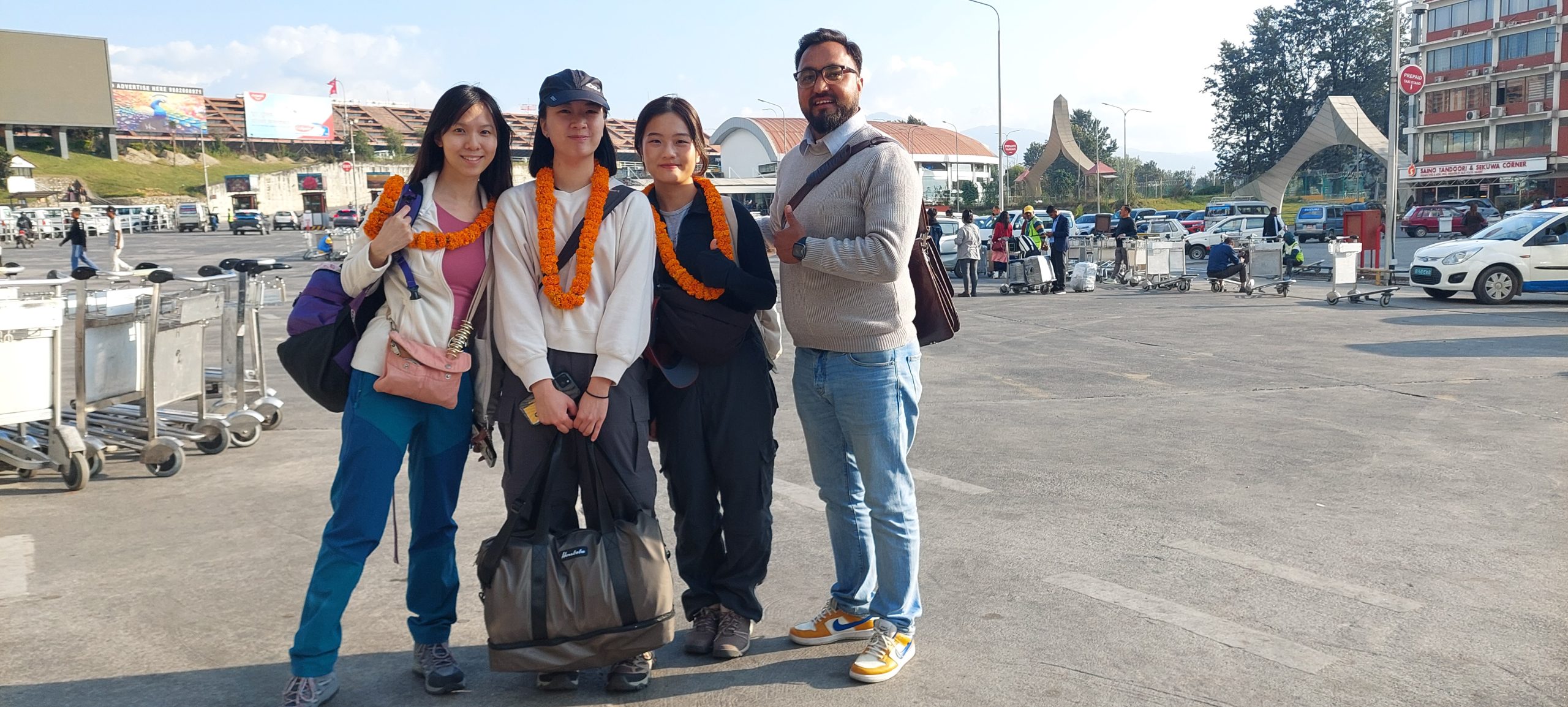
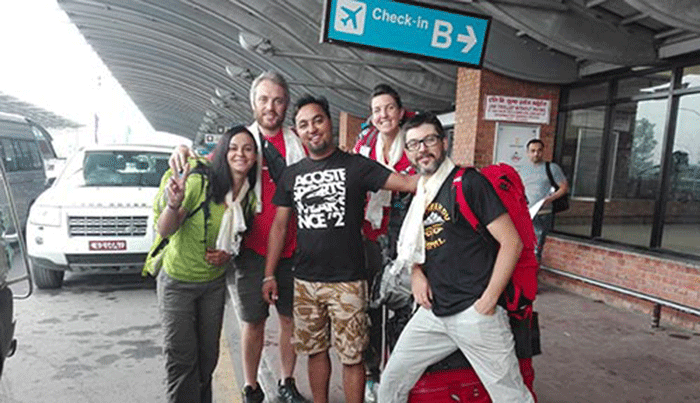
Upon arriving at the airport, you will need to go through immigration and customs before leaving. It is a good idea to have all necessary documents, such as your passport and visa, ready to present to the immigration officer. After passing through immigration and customs, you can collect your luggage and exit the airport.
We will manage your pick-up service from TIA airport to the hotel in Kathmandu upon your arrival. Our airport representative will meet you at the airport and transfer you to the hotel in a private car/Jeep.
Accommodation : Hotel
Drive from Kathmandu to Besisahar by Public Bus, then Sharing Jeep to Dharapani


Accommodation : Teahouse Meals : Lunch & Dinner
Dharapani (1,960 m / 6,430 ft) to Chame (2,670 m / 8,760 ft)
Today’s trek from Dharapani (1,960 m / 6,430 ft) to Chame (2,670 m / 8,760 ft) takes around 5–6 hours, covering approximately 15–16 km. The trail follows the Marsyangdi River, passing through beautiful pine and fir forests with impressive views of the surrounding Himalayan peaks.
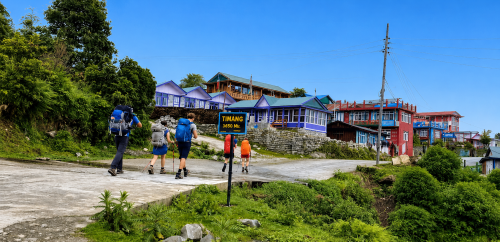
Along the way, you walk through the traditional villages of Bagarchhap, Danaque, Timang, Thanchowk, and Koto. Timang offers one of the day’s best viewpoints, with spectacular panoramas of Mt. Manaslu, Lamjung Himal, and other snow-capped mountains. The route also crosses several suspension bridges and peaceful forest sections.
You arrive at Chame, the headquarters of Manang District, surrounded by magnificent views of Annapurna II and Lamjung Himal. Chame is a lively mountain village with comfortable teahouses, bakeries, cafés, and nearby natural hot springs, making it a perfect place to relax before continuing higher into the Annapurna region.


Accommodation : Teahouse Meals : Breakfast, Lunch & Dinner
Chame (2,670 m / 8,760 ft) to Upper Pisang (3,300 m / 10,827 ft).
Leaving Chame (2,670 m / 8,760 ft) after breakfast, the trail follows the Marsyangdi River through fragrant pine forests and narrow valleys. You pass the small settlements of Bhratang and Dhikur Pokhari (3,060 m / 10,039 ft), where you stop for lunch while enjoying beautiful views of the surrounding mountains and open alpine landscape.
After lunch, the trek continues on a gentle uphill trail toward Upper Pisang (3,300 m / 10,827 ft). As you approach the village, breathtaking views of Annapurna II, Annapurna IV, Pisang Peak, and the dramatic Pisang rock face come into sight. Upper Pisang is a traditional Tibetan-influenced village with ancient monasteries, stone houses, and spectacular Himalayan scenery, making it one of the most memorable overnight stops on the Annapurna Circuit.
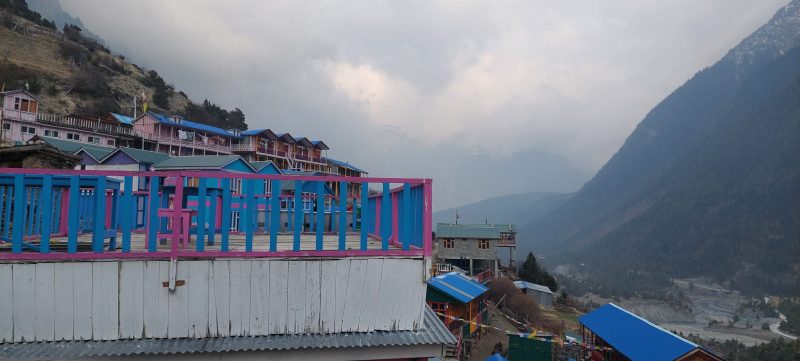

Accommodation : Teahouse Meals : Breakfast, Lunch & Dinner
Upper Pisang (3,300 m / 10,827 ft), to Manang (3,540 m / 11,614 ft).
Waking up in the beautiful mountain village of Upper Pisang (3,300 m / 10,827 ft), today’s journey with Safe Holiday Adventure Pvt. Ltd. takes you deeper into the heart of the Annapurna region as you trek toward Manang (3,540 m / 11,614 ft). Today, you have the choice of two scenic routes, allowing you to enjoy the trek according to your fitness level and preferred experience.
The more adventurous upper route climbs through the charming Tibetan-style villages of Ghyaru (3,670 m / 12,041 ft) and Ngawal (3,660 m / 12,008 ft). This trail is slightly more challenging but offers some of the best mountain views of the entire circuit, including Annapurna II (7,937 m), Annapurna III (7,555 m), Annapurna IV (7,525 m), Gangapurna (7,455 m), and Tilicho Peak (7,134 m). You continue through Munchi and Braga (3,470 m / 11,384 ft) before reaching Manang.
For trekkers looking for a more comfortable walk, the lower route follows the easier trail through Hongde (3,325 m / 10,909 ft), where you can see the local airport and enjoy views of the wide Marsyangdi Valley. The trail then continues through Braga to Manang, where both routes finally meet. After reaching Manang, you can explore this beautiful Himalayan village, visit the ancient monastery, enjoy local cafés, and prepare for the upcoming acclimatization day before heading toward Thorong La Pass (5,416 m / 17,769 ft).


Accommodation : Teahouse Meals : Breakfast, Lunch & Dinner
Acclimatization day ( Rest Day)
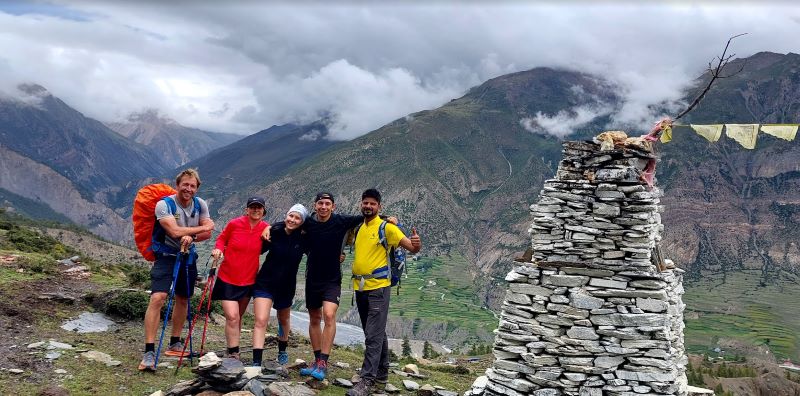
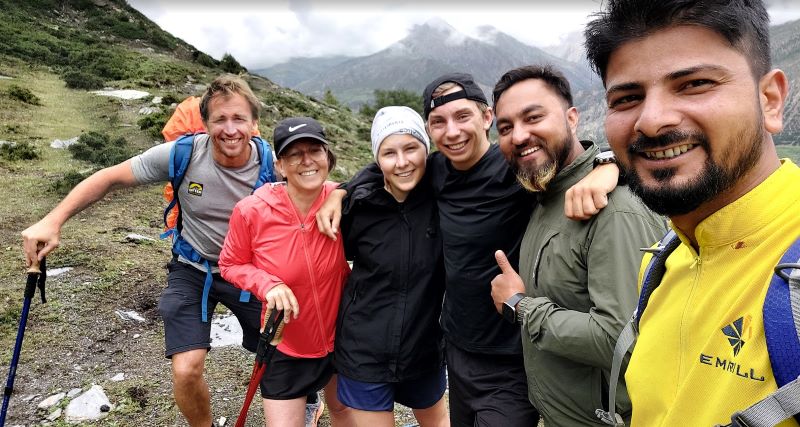
The acclimatization day is an important rest day during the Manaslu Circuit Trek to help your body adjust to the higher altitude. After breakfast at the tea house, we take a short side walk and enjoy a relaxed hike around the village to support proper altitude adaptation before continuing to higher elevations.
For adventurous trekkers, we recommend a hike to Ice Lake, which takes around 7–8 hours round trip and offers amazing views of the Manaslu range, surrounding peaks, and valleys. For normal trekkers, a visit to Chhuksang Viewpoint is a great option, with an easy 2-hour round trip hike. After returning, enjoy a peaceful rest and prepare for the next day’s adventure.
Accommodation : Teahouse Meals : Breakfast, Lunch & Dinner
Trek from Manang to Yak Kharka (4,050 m / 13,287 ft)


Accommodation : Teahouse Meals : Breakfast, Lunch & Dinner
Yak Kharka to Thorong Phedi (4,540 m / 14,895 ft)

Accommodation : Teahouse Meals : Breakfast, Lunch & Dinner
Thorong Phedi to Muktinath via Thorong La Pass

Accommodation : Teahouse Meals : Breakfast, Lunch & Dinner
Muktinath (3,800 m / 12,467 ft) to Pokhara (850m)
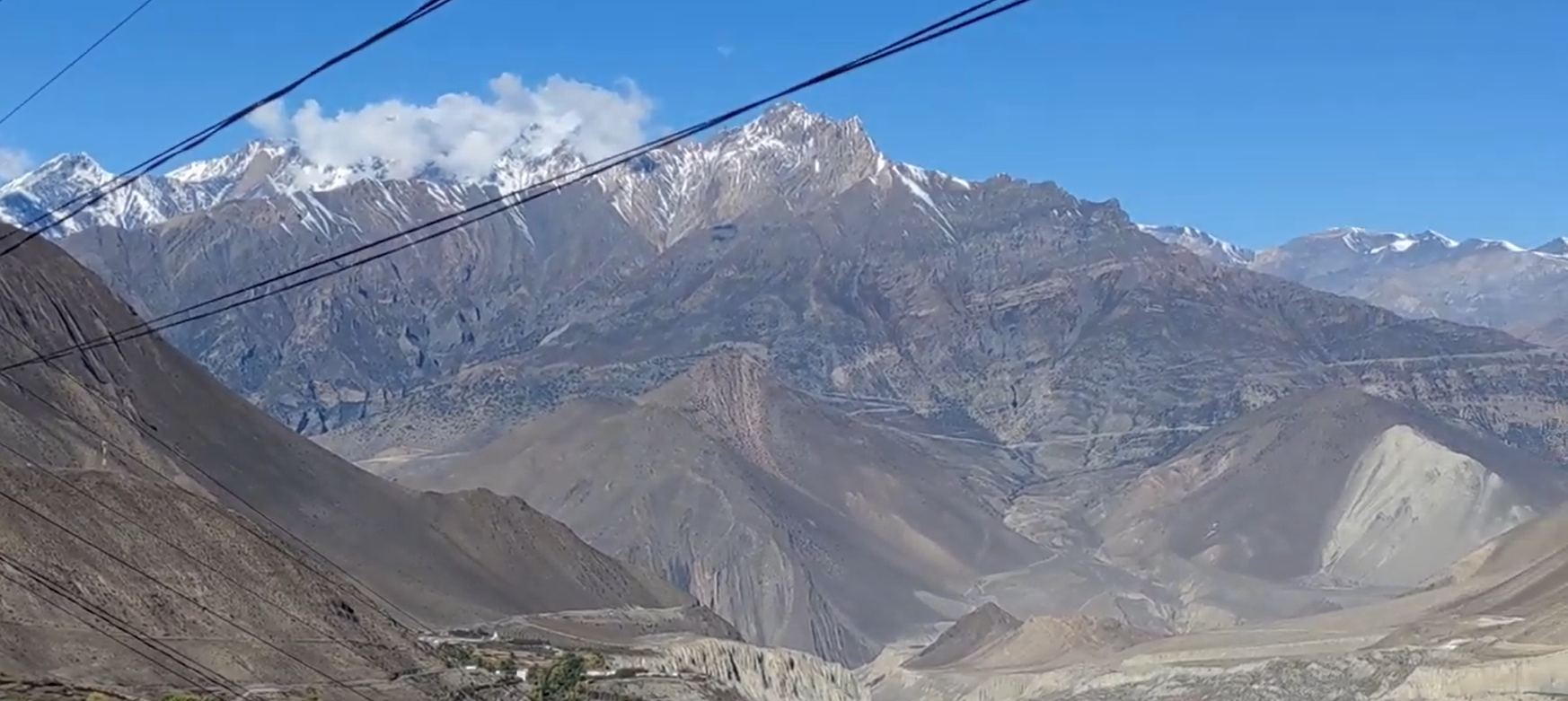
The final day begins with an early morning scenic drive from Muktinath (3,800 m / 12,467 ft) toward Pokhara. The route passes through the beautiful Mustang and Kali Gandaki Valley, offering views of dramatic cliffs, traditional villages, and the majestic Annapurna and Dhaulagiri mountain ranges.
We continue driving through Jomsom, Marpha, Tukuche, and Tatopani, where you can enjoy the natural hot springs if time permits. The changing landscapes from dry Himalayan terrain to lush green hills make this journey memorable.
After crossing Beni and Nayapul, we arrive at Pokhara (850 m / 2,790 ft) in the afternoon or evening. This scenic drive marks the completion of your amazing Annapurna Circuit Trek adventure.

Accommodation : Teahouse Meals : Breakfast
Drive from Pokhara to Kathmandu

Accommodation : Hotel Meals : Breakfast
Note:
We offer the flexibility to customize your itinerary for the Annapurna Circuit Trek based on your time, budget, and interests. If you would like us to create a personalized itinerary, please let us know. We would be happy to make your trekking experience a memorable one.
Annapurna Circuit Trek-11 Days FAQs
The journey from Kathmandu to Besisahar by bus takes approximately 5 hours. From Besisahar to Chame, it’s about 3–4 hours by jeep on an off-road trail. Travelers should be prepared for rough terrain and slower speeds on this mountain route.
The classic Annapurna Circuit Trek from Dharapani to Thorong La, then to Poon Hill and Pokhara, covers approximately 160–170 km in total.
The best time for the Annapurna Circuit Trek is during the pre-monsoon (spring) season, from March to May, and the post-monsoon (autumn) season, from September to November. These months offer stable weather and clear views of the mountains.
Yes, trekkers need two permits for the Annapurna Circuit Trek: the Annapurna Conservation Area Permit (ACAP) and the Trekkers’ Information Management System (TIMS) card. These permits help support conservation efforts and provide important information about trekkers in the region.
The Annapurna Circuit Trek is considered a moderate to challenging trek. While no technical climbing skills are required, trekkers should have a good level of physical fitness and be prepared for long and steep ascents and descents.
Accommodation along the Annapurna Circuit Trek varies from basic teahouses or lodges in the lower regions to more comfortable lodges in popular trekking spots. In peak season, it’s advisable to book in advance to secure a room.
Food is readily available at teahouses and lodges along the trail. The menu mainly offers local Nepali dishes, as well as international options like pasta, pizza, and fried rice. Bottled water is available for purchase, but it’s more eco-friendly to carry a water purifier and refill your bottles from the tap.
Yes, there are altitude-related risks, as the trek reaches high altitudes, with Thorong La Pass being the highest point at 5,416 meters (17,769 feet). Trekkers should be aware of the symptoms of altitude sickness and acclimatize properly to minimize risks.
Both solo travelers and group trekkers undertake the Annapurna Circuit Trek. While going with a group provides added support and companionship, solo travelers can also find many other trekkers along the trail and join ad-hoc groups if they wish.
Yes, with good physical fitness, preparation, and gradual acclimatization, beginners can enjoy the trek.
Thorong La Pass, at 5,416 meters (17,769 ft) above sea level.
Not mandatory, but hiring a local guide improves safety, navigation, and cultural experience.
Costs vary by itinerary, accommodation, and services, generally $650–$1,200 for standard packages.
Yes, but trails may be snow-covered, some villages closed, and days shorter.
Warm clothing, trekking boots, layers, sleeping bag, rain gear, trekking poles, and sun protection.
Yes, gradual acclimatization and hydration are key to preventing Acute Mountain Sickness (AMS).
Usually 10–15 km per day, depending on terrain and acclimatization stops.
Technically, yes, but Manang is a key acclimatization stop for safety.
Yes, but solo trekkers should hire guides or join groups for safety and local knowledge.
Monkeys, Himalayan Thar, snowcocks, pheasants, and various birds are commonly spotted.
Simple but filling; dal bhat, noodles, soups, and local snacks are widely available.
Limited; some teahouses offer Wi-Fi in Manang and larger villages.
Possible with older children who are fit and prepared for high altitudes.
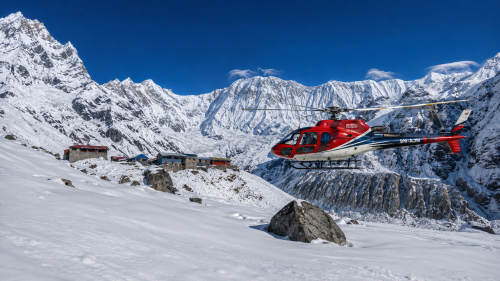
Small clinics exist in Manang, Chame, and other larger villages; helicopter evacuation is available for serious emergencies.
Yes, both directions are possible; clockwise is more popular, starting from Dharapani to Thorong La.
About 300–500 meters per day, increasing gradually toward Thorong La.
It offers a combination of breathtaking Himalayan scenery, diverse landscapes, cultural richness, and challenging adventure for trekkers of all levels.
It’s tight, but with flights, jeeps, and skipping side trips, a 7-day condensed itinerary is possible.
It’s possible in June–August, but trails are slippery, rivers can flood, and views may be obstructed by clouds.
Highly recommended, including coverage for high-altitude trekking and helicopter evacuation.
Temperatures can drop to -10°C to -20°C in spring and autumn mornings, with wind chill making it feel colder.
Yes, dal bhat, vegetable curry, noodles, and soups are widely available.
Mostly yes, for a small fee in teahouses, though electricity can be unreliable at higher altitudes.
Yes, budget teahouses and local food keep costs low, though hiring guides adds expense.
Yes, especially at high-altitude teahouses, as blankets may not be sufficient.
Around 4000 Nepali Money ( 30 USD) per person per day is sufficient for food, lodging, and permits; ATMs are rare.
Yes, but hot showers are limited along the trail. You can usually find them in larger villages like Manang, Chame, and some teahouses at higher elevations, often for a small fee. At most high-altitude lodges, only cold showers or bucket baths are available. Carrying a small travel towel and quick-dry clothes is recommended, and some trekkers use solar-heated or heated water bottles for a quick warm wash.
Meals cost $4–$10 per meal, depending on altitude and menu.
Mostly yes, but maps or GPS are helpful, especially in off-season or side trails.
Usually, teahouses don’t require booking, but peak season may need reservations in the Manang and Thorong La areas.
Refund & Cancellation Policy
- Booking requires 20% non-refundable deposit (Nepal) or 100% upfront (Tibet/Bhutan).
- Remaining payment due before the trip or on arrival (trip-dependent).
Cancellation charges:
- 31+ days: 20%
- 16–30 days: 45%
- 8–15 days: 75%
- 7 days or less: 90%
- Prices may change due to flights, taxes, or exchange rates.
- Trip changes are allowed, but extra costs apply.
- If the company cancels, a full refund, except for unavoidable events (some costs deducted).
- Good health and travel insurance are mandatory.
- No refund if removed for unsafe or illegal behavior.
- Travel involves personal risk, which the client accepts.