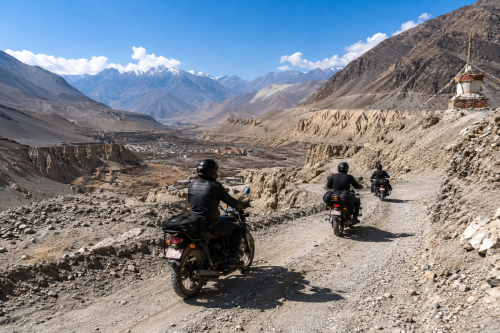
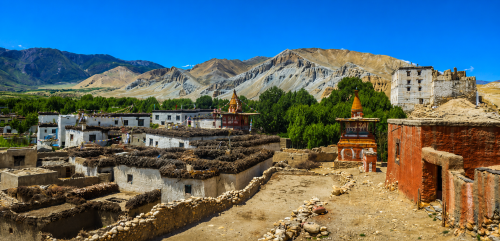
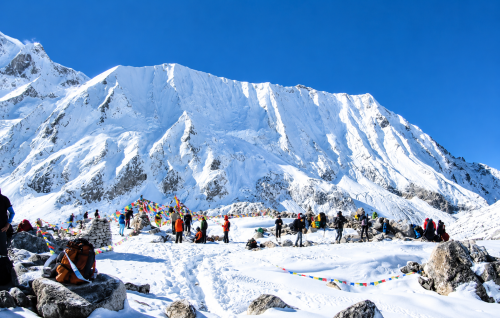
Lower Dolpo Trek Major Highlights: Highlights
- Towering Himalayan peaks, including Dhaulagiri (8,167m), Tukuche Peak, and Kanjiroba Himal,
- Phoksundo Lake – turquoise, high-altitude lake,
- Pristine valleys of Shey Phoksundo National Park,
- High passes, including Choepka La,
- Vibrant alpine meadows and Rhododendron forests,
- Traditional Tibetan Buddhist villages such as Ringmo, Mukot, and Saldang,
- Ancient gompas (monasteries),
- Nomadic herding with yaks and sheep,
- Rivers, streams, and waterfalls,
- Wildlife, including snow leopards, Himalayan tahr, blue sheep, and musk deer.
Lower Dolpo Trek Overview: Overview
The Lower Dolpo Trek is one of the most unique trekking adventures in Nepal. Located in the far western region of the country, this trail takes you into a hidden world of high mountains, ancient villages, and untouched landscapes. Unlike busy trekking routes, the Lower Dolpo Trek is a less crowded trek that offers peace, natural beauty, and authentic cultural experiences. It is an excellent choice for travelers looking for a remote trek in Nepal.
The journey usually begins with a flight from Kathmandu to Nepalgunj, followed by another flight to Juphal. From Juphal, trekkers start walking through beautiful valleys, rivers, and traditional settlements. Every day brings new scenery, from green forests and waterfalls to dry mountain landscapes. The trail feels far away from modern life, making it a true off-the-beaten-path trek.
One of the biggest highlights of the Lower Dolpo Trek is the opportunity to experience local culture. The people of Dolpo have preserved their traditions, language, and lifestyle for centuries. Many villages still follow Tibetan Buddhist customs, and colorful prayer flags can be seen fluttering in the mountain wind. Trekkers often visit ancient monasteries and meet friendly locals who welcome visitors with warm hospitality.
As the trek continues, the landscape becomes even more dramatic. Deep canyons, rocky trails, and wide mountain valleys create unforgettable views. The region is part of a restricted area trek, which helps protect its culture and natural environment. Because of this special status, fewer trekkers visit Dolpo compared to other popular trekking regions in Nepal. This makes the experience more peaceful and rewarding.
The most famous attraction of the trek is Phoksundo Lake. The lake is known for its brilliant turquoise water and stunning mountain surroundings. Many trekkers consider it one of the most beautiful lakes in Nepal. The peaceful atmosphere and crystal-clear water make it a perfect place to rest and enjoy the beauty of the Himalayas. Visiting Phoksundo Lake is often the highlight of the entire Lower Dolpo Trek.
Nature lovers will also enjoy the rich wildlife found in the region. The trail passes through areas of Shey Phoksundo National Park, home to rare animals such as the Snow Leopard, blue sheep, and Himalayan wolf. The park protects a wide variety of plants and animals, making the trek interesting for both adventure seekers and wildlife enthusiasts.
The Lower Dolpo Trek is considered moderately challenging because of its remote location, long walking days, and high-altitude trails. Good physical fitness is important, but the rewards are worth the effort. Trekkers enjoy breathtaking mountain views, quiet trails, and a strong sense of adventure throughout the journey. It is a perfect trek for those who want something different from the busy trekking routes of Nepal.
For anyone searching for a less crowded trek, a remote trek in Nepal, or a true off-the-beaten-path adventure, the Lower Dolpo Trek is an outstanding choice. Its combination of stunning landscapes, rich culture, and peaceful trails makes it one of the best treks in Nepal. The journey offers an unforgettable experience in one of the country’s most remote and fascinating Himalayan regions.
𝗕𝗲𝘀𝘁 𝗧𝗶𝗺𝗲 𝗳𝗼𝗿 𝘁𝗵𝗲 𝗟𝗼𝘄𝗲𝗿 𝗗𝗼𝗹𝗽𝗼 𝗧𝗿𝗲𝗸:
The best time for the Lower Dolpo Trek is during spring (March to May). The weather is usually stable, with clear skies and comfortable temperatures. During this season, the hills and forests come alive with colorful rhododendron flowers, making the trail even more beautiful.
Autumn (September to November) is another excellent season for the Lower Dolpo Trek. The air is fresh, the skies are clear, and trekkers can enjoy outstanding views of the surrounding snow-capped Himalayan peaks. These months offer some of the best trekking conditions of the year.
The monsoon season (June to August) is generally not recommended because heavy rain can make trails muddy and difficult. Winter (December to February) brings cold temperatures and snowfall, especially at higher elevations, making trekking more challenging and less comfortable.
Weather & Temperature during Lower Dolpo Trek:
The weather and temperature in the Lower Dolpo region can vary greatly depending on the time of year and altitude. During the trekking season, which typically runs from September to November, the days are usually sunny and warm, with temperatures ranging from 15-25 degrees Celsius (59-77 degrees Fahrenheit). However, temperatures can drop significantly at night, especially at higher altitudes, and it can be quite cold. The monsoon season runs from June to August and during this time it can be wet and muddy, making trekking more difficult.
The temperature in the higher elevation area can be much colder. The temperature can drop as low as -10 degree Celsius during the night, and the wind chill factor can make it even colder. So, it is important to bring warm clothing and gear for the trek.
Overall, the weather and temperature in Lower Dolpo can be unpredictable and it is important to be prepared for a range of conditions.
Required Permits:
For the Lower Dolpo Trek, trekkers need two essential permits:
- Dolpo Restricted Area Permit (RAP): This permit is mandatory as Dolpo is a restricted area. The RAP allows you to trek in this remote region and is issued by the Department of Immigration in Kathmandu. It ensures you are authorized to visit a region where access is limited to protect the local culture and environment. The permit is typically valid for a week, and you need to be part of a guided trek to obtain it.
- Shey Phoksundo National Park Permit: This permit is required because the trek takes you through Shey Phoksundo National Park, known for its scenic beauty and biodiversity. It can be obtained at the park entrance or in Nepalgunj, and the fee supports the conservation of the park’s natural resources and wildlife.
Both permits are required to legally trek in Dolpo, and they can be arranged with the help of your trekking agency.
Lower Dolpo Trek Short Itinerary:Outline Itinerary
Day 01: Arrival in Kathmandu (1,350m)
Arrival at Kathmandu International Airport and transfer to the hotel. Trip briefing and trek preparation.
Day 02: Flight from Nepalgunj to Juphal (2,475m)
Flight Duration: 35–40 minutes
Scenic mountain flight into the remote Dolpo region.
Day 03: Trek from Juphal to Dunai (2,850m)
Distance: 8 km
Trek Duration: 3–4 hours
Easy trek through terraced fields and villages following the Thuli Bheri River.
Day 04: Trek from Dunai to Tarakot (2,850m)
Distance: 13 km
Trek Duration: 5–6 hours
Follow the river valley through forests and traditional settlements.
Day 05: Trek from Tarakot to Dho Tarap (3,940m)
Distance: 18 km
Trek Duration: 7–8 hours
A rewarding journey through narrow gorges and remote landscapes to the beautiful Tarap Valley.
Day 06: Acclimatization Day in Dho Tarap (3,940m)
Activity Duration: 2–3 hours (optional hike)
Explore the ancient village, monasteries, and local Tibetan culture while adapting to the altitude.
Day 07: Trek from Dho Tarap to Yak Kharka (4,110m)
Distance: 11 km
Trek Duration: 5–6 hours
Gradual ascent through wide alpine meadows and grazing areas.
Day 08: Trek from Yak Kharka to Shey Gompa (4,250m)
Distance: 12 km
Trek Duration: 6–7 hours
Cross high mountain trails with spectacular views before reaching the sacred Shey Gompa Monastery.
Day 09: Acclimatization Day at Shey Gompa (4,250m)
Activity Duration: 2–3 hours (optional exploration)
Visit the historic monastery and explore the surrounding spiritual landscape.
Day 10: Trek from Shey Gompa to Namgung (4,190m)
Distance: 14 km
Trek Duration: 6–7 hours
Cross scenic high-altitude terrain and traditional Dolpo settlements.
Day 11: Trek from Namgung to Saldang (4,050m)
Distance: 10 km
Trek Duration: 4–5 hours
Enjoy magnificent views of barren valleys and ancient villages.
Day 12: Trek from Saldang to Phoksundo (3,960m)
Distance: 17 km
Trek Duration: 7–8 hours
Traverse remote landscapes and descend toward the beautiful Phoksundo region.
Day 13: Trek from Phoksundo to Saldang (4,050m)
Distance: 17 km
Trek Duration: 7–8 hours
Retrace the scenic trail through high Himalayan valleys and traditional settlements.
Day 14: Trek from Saldang to Juphal (2,475m)
Distance: 22 km
Trek Duration: 8–9 hours
A long descent through diverse landscapes back to Juphal.
Day 15: Flight from Juphal to Nepalgunj
Flight Duration: 35–40 minutes
Morning flight with spectacular views of western Nepal.
Day 16: Flight from Nepalgunj to Kathmandu
Flight Duration: 50–60 minutes
Return to Kathmandu and enjoy free time in the city.
Day 17: Final Departure
Transfer to the airport for your onward international flight.
Whats Included?
- Private airport pick-up and drop-off by vehicle/jeep
- 2 nights hotel stay in Kathmandu
- Tea house accommodation during the trek
- All meals (breakfast, lunch, and dinner) during the trek
- Ground transportation as per the itinerary
- Domestic flights (Kathmandu-Nepalgunj-Jhupal round trip)
- Experienced guide and porter (1 porter for every 2 trekkers)
- Staff expenses, including salary, insurance, gear, food, and accommodation
- All necessary Permits and paperwork (National Park Permit, TIMS)
- The first aid kit carried by the trek leader
- Visa fee,
- Excess baggage charge(s),
- Extra night accommodation in Kathmandu,
- Lunch and Dinner in Kathmandu,
- International flight ticket,
- Travel and rescue insurance,
- Personal expenses (phone calls, laundry, bar bills, battery recharge, extra porters, bottled or boiled water, shower, etc.),
- Tips for Guide(s), Porter(s) and Driver(s).
Dates and Availability Departures
All our published dates are guaranteed departures. We also provide customized departures tailored to your travel plans.
There are no group joining dates available at the moment. Please contact us for a private trip.
Travellers Reviews
Genaral Trip InfoInfos
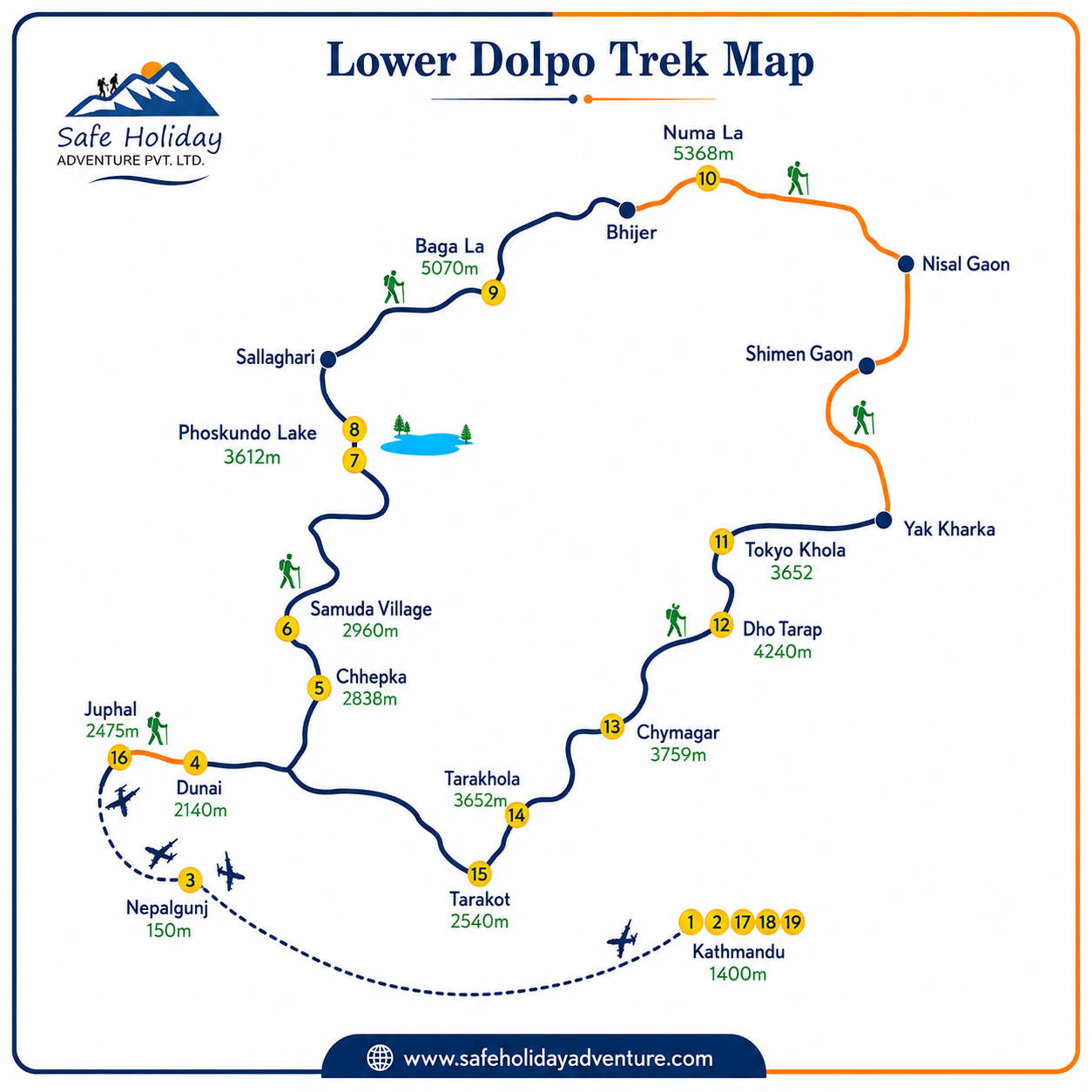
Lower Dolpo Trek Route Map:
The Lower Dolpo Trek Route Map shows the complete trekking trail through the remote and beautiful Dolpo region of western Nepal. The journey usually starts with a flight from Kathmandu to Nepalgunj and then to Juphal. From Juphal, the trail passes through villages such as Dunai, Tarakot, Laini, Nawarpani, Dho Tarap, and Tokyu before crossing the high Numa La Pass (5,190m) and Baga La Pass (5,170m). The route also visits the stunning Phoksundo Lake, one of Nepal’s most beautiful alpine lakes.
A detailed route map helps trekkers understand the daily walking distances, elevations, villages, campsites, rivers, and mountain passes along the trail. It is useful for planning acclimatization, trekking days, and overnight stops. The map also highlights important attractions such as Shey Phoksundo National Park, traditional Tibetan-influenced settlements, ancient monasteries, and spectacular Himalayan landscapes, making it an essential guide for a successful Lower Dolpo Trek adventure.
Lower Dolpo Trek Difficulty Level:
The Lower Dolpo Trek is a challenging trek that requires good physical fitness and hiking experience. Trekkers walk for 5–8 hours daily on remote mountain trails and cross high passes, including Numa La (5,190m) and Baga La (5,170m). The high altitude and long trekking days make the journey demanding.
Despite the challenges, the trek is achievable with proper preparation and acclimatization. The rewards include stunning mountain scenery, traditional Tibetan-influenced villages, pristine landscapes, and the breathtaking Phoksundo Lake, making Lower Dolpo one of Nepal’s most rewarding trekking adventure
Lower Dolpo Trek Permits and Entry Requirements:
The Lower Dolpo Trek requires special permits because it passes through a restricted region of western Nepal. All foreign trekkers must carry valid permits and a passport while trekking.
The main permits include the Lower Dolpo Restricted Area Permit (USD 20 per person for the first 7 days and USD 5 per day thereafter) and the Shey Phoksundo National Park Entry Permit (USD 30 per person).
These permits are usually obtained through a registered trekking agency in Kathmandu. You will need a passport copy, passport-sized photos, and travel details. It is best to arrange permits several days before starting the trek.
Accommodation During Lower Dolpo Trek:
Accommodation on the Lower Dolpo Trek is mainly in simple teahouses and local lodges found in villages along the route. Rooms are basic, usually with twin beds, blankets, and shared toilet facilities. Comfort levels are lower than on popular trekking routes such as Everest or Annapurna.
In remote sections, accommodation options can be limited, and some trekking groups may use tents. Facilities such as hot showers, charging points, and internet are available only in a few villages and may require an extra fee.
Despite the basic conditions, the warm hospitality of local communities makes the trekking experience authentic and memorable. Booking through a trekking agency helps ensure proper accommodation arrangements throughout the journey.
Essential Packing List for Lower Dolpo Trek:
Clothing
- Moisture-wicking trekking shirts
- Thermal base layers
- Fleece or down jacket
- Waterproof jacket and pants
- Trekking pants and shorts
- Warm hat and sun hat
- Gloves (inner and insulated)
- Wool or synthetic socks
- Comfortable underwear
Footwear
- Waterproof trekking boots
- Lightweight camp shoes or sandals
- Gaiters (optional)
Trekking Gear
- Backpack (40–60L)
- Daypack
- Sleeping bag (-10°C to -15°C)
- Trekking poles
- Headlamp with spare batteries
- Water bottles or hydration bladder
Personal Items
- Sunglasses (UV protection)
- Sunscreen (SPF 30+)
- Lip balm
- Quick-dry towel
- Toiletries
- Wet wipes and hand sanitizer
Health & Safety
- Personal medications
- Basic first-aid kit
- Water purification tablets or filter
- Altitude sickness medication (if prescribed)
Documents
- Passport
- Lower Dolpo Trek permits
- Travel insurance
- Passport-size photos
- Cash (Nepali Rupees)
Optional Items
- Camera
- Power bank
- Binoculars
- Notebook and pen
- Snacks and energy bars
Packing light but including warm clothing and essential trekking gear is important, as Lower Dolpo is a remote region with limited facilities and changing mountain weather.
Detailed ItineraryItinerary
Arrival in Kathmandu
Upon arrival in Kathmandu, you will be transferred to your hotel and greeted by a representative from Safe Holiday. This representative will assist you with check-in and any other needs you may have during your stay in Kathmandu.
Accommodation : Hotel
Nepalgunj to Juphal by flight
Day 2 of the itinerary is a flight from Kathmandu to Nepalgunj. This flight takes you from the bustling capital city of Nepal to the smaller city of Nepalgunj. The flight takes approximately 1 hour and offers scenic views of the Himalayas and the countryside. Nepalgunj is known for its cultural and historical significance, as well as its proximity to the border with India.
Accommodation : Hotel
Ttrek from Juphal to Dunai (2,850m)
The trek from Juphal to Dunai (2,850m) is a challenging trail that takes you through some of the most remote and beautiful areas of Nepal. The trek starts in Juphal, a small town in the western region of Nepal, and takes you through a variety of landscapes, including lush forests, steep mountains, and high-altitude passes. Along the way, you will have the opportunity to experience the local culture and way of life, as well as to take in stunning views of the Himalayas. The trek typically takes around 8-10 days to complete, depending on your pace and the route you choose. It’s recommended to be well-acclimatized and has a good level of fitness. Also, it’s a good idea to hire a guide or a porter to assist you during the trek.
Accommodation : Tea House
Dunai to Tarakot (2,850m)
The trek from Dunai to Tarakot (2,850m) is an adventurous trail that takes you through the remote western region of Nepal. The trek starts in Dunai, a small town in the Dolpa district, and takes you through a variety of landscapes, including lush forests, steep mountains, and high-altitude passes. Along the way, you will have the opportunity to experience the local culture and way of life, as well as to take in stunning views of the Himalayas. The trek typically takes around 5-7 days to complete, depending on your pace and the route you choose.
It’s a challenging trek and recommended to have a good level of fitness and be well-acclimatized. Hiring a guide or a porter to assist you during the trek is highly recommended for your safety. The trail can be rough and the accommodation is basic. It’s also important to note that permits are required to trek in the area, so make sure you have the necessary paperwork before starting your journey.
Accommodation : Tea House
Tarakot to Dho Tarap (2,660m)
The trek from Tarakot to Dho Tarap (2,660m) is a challenging trail that takes you through the remote western region of Nepal. The trek starts in Tarakot and takes you through a variety of landscapes, including lush forests, steep mountains, and high-altitude passes. It typically takes around 3-5 days to complete, depending on your pace and the route you choose. It’s recommended to have a good level of fitness and be well-acclimatized. Hiring a guide or a porter is highly recommended for your safety. Permits are required for this trek so make sure you have the necessary paperwork before starting your journey.
Accommodation : Tea House
Rest day in Dho Tarap- describe it very shortly
A rest day in Dho Tarap is a chance to take a break and relax after a challenging trek. During the day, you can explore the village, interact with the local people, take a short hike around the area or simply rest and recover. Accommodation is basic and it’s a good idea to stock up on supplies before you reach the village as there are no shops or markets in the area.
Dho Tarap to Yak Kharka (4,110m)
The route from Dho Tarap to Yak Kharka likely involves trekking through rugged terrain and climbing to high elevations. It would be best to consult with a local guide or experienced trekker for more information about the specific route and any potential hazards.
Accommodation : Tea House
Yak Kharka to Shey Gompa (4,250m)- trails description shortly
The trail from Yak Kharka to Shey Gompa is a high-altitude trek that passes through remote and rugged terrain. The trail starts at Yak Kharka and ascends through alpine meadows and rocky terrain, offering beautiful views of the surrounding mountains. The trail then descends to the Shey Gompa, a Tibetan Buddhist monastery located at an altitude of 4,250 meters. The trek is considered to be challenging and requires a good level of physical fitness and acclimatization to the high altitude. It is advisable to hire a local guide and to be well-prepared with appropriate gear and supplies for the trek.
Accommodation : Tea House
Rest day in Shey Gompa
A rest day in Shey Gompa is a great opportunity to explore the surrounding area and visit the Shey Gompa monastery. The monastery is a major pilgrimage site for Tibetan Buddhists and is known for its beautiful frescoes and statues. Visitors can also explore the nearby natural hot springs, which are believed to have healing properties. Additionally, the surrounding area offers many opportunities for day hikes and excursions to nearby lakes and glaciers.
You may also use this rest day to acclimatize to the high altitude and to prepare for the next leg of the trek. It is important to stay hydrated and well-rested and to avoid overexertion during your rest day.
Shey Gompa to Namgung (4,190m)
The trail from Shey Gompa to Namgung is a challenging trek that passes through rugged and remote terrain. The trail starts by ascending to a high pass, offering panoramic views of the surrounding mountains. After crossing the pass, the trail then descends through alpine meadows and rocky terrain to the village of Namgung. The trek is considered to be challenging and requires a good level of physical fitness and acclimatization to the high altitude. It is advisable to hire a local guide and to be well-prepared with appropriate gear and supplies for the trek. Namgung is a small village located at an altitude of 4,190 meters and is known for its traditional Tibetan houses and friendly locals.
Accommodation : Tea House
Namgung to Saldang (4,050m)
The trail from Namgung to Saldang is a challenging trek that passes through rugged and remote terrain. The trail starts by ascending through alpine meadows and rocky terrain, offering beautiful views of the surrounding mountains. After crossing a high pass, the trail then descends to the village of Saldang. The trek is considered to be challenging and requires a good level of physical fitness and acclimatization to the high altitude. It is advisable to hire a local guide and to be well-prepared with appropriate gear and supplies for the trek. Saldang is a small traditional Tibetan village located at an altitude of 4,050 meters, known for its ancient monasteries and traditional way of life. This village is famous for its panoramic views of the Himalayas, traditional culture and lifestyle.
Accommodation : Tea House
Saldang to Phoskar (3,960m)
The trail from Saldang to Phoskar is a challenging trek that passes through rugged and remote terrain. The trail starts by descending through alpine meadows and rocky terrain, offering beautiful views of the surrounding mountains. The trail then follows the river bank and crosses over it several times. After passing through small settlements, the trail reaches Phoskar. The trek is considered to be challenging and requires a good level of physical fitness and acclimatization to the high altitude. It is advisable to hire a local guide and to be well-prepared with appropriate gear and supplies for the trek. Phoskar is a small village located at an altitude of 3,960 meters, known for its traditional Tibetan houses and friendly locals. The village is also well known for its beautiful views of the mountains and the valley.
Accommodation : Tea House
Phoskar to Saldang (4,050m)
The trail from Phoskar to Saldang is a challenging trek that retraces the route from Saldang to Phoskar and follows the same path in the opposite direction. The trail starts by ascending through alpine meadows and rocky terrain, following the river bank and crossing it several times. After passing through small settlements, the trail reaches Saldang. The trek is considered to be challenging and requires a good level of physical fitness and acclimatization to the high altitude. It is advisable to hire a local guide and to be well-prepared with appropriate gear and supplies for the trek. Saldang is a small traditional Tibetan village located at an altitude of 4,050 meters, known for its ancient monasteries and traditional way of life. This village is famous for its panoramic views of the Himalayas, traditional culture, and lifestyle.
Accommodation : Tea House
Saldang to Juphal (2,475m)
The trail from Saldang to Juphal is a challenging trek that descends through rugged and remote terrain. The trail starts by descending through alpine meadows and rocky terrain, following the river bank and crossing it several times. After passing through small settlements and crossing several high passes, the trail reaches Juphal. The trek is considered to be challenging and requires a good level of physical fitness and acclimatization to the high altitude. It is advisable to hire a local guide and to be well-prepared with appropriate gear and supplies for the trek. Juphal is a small village located at an altitude of 2,475 meters, known for its traditional Tibetan houses and friendly locals. It is also the main entry point to the Dolpo region and the starting point for many trekkers. This village is well connected by road with other parts of the region.
Accommodation : Tea House
Juphal to Nepalgunj by flight
Juphal is a small village located in the Dolpo region of Nepal and is not accessible by road. The only way to travel from Juphal to Nepalgunj is by taking a flight. Nepalgunj is a city located in the Terai region of Nepal and is connected by road to Kathmandu and other major cities in the country. The flight from Juphal to Nepalgunj takes around 45 minutes, and the flight schedule is subject to change based on weather conditions and other factors. It’s advisable to check the flight schedule in advance and to book your tickets well in advance as the flights are usually full during peak trekking seasons.
Accommodation : Hotel
Nepalgunj to Kathmandu by flight
From Nepalgunj, you can take a flight to Kathmandu, which is the capital city of Nepal. The flight from Nepalgunj to Kathmandu takes around 1 hour. There are several domestic airlines that operate regular flights between these two cities. It’s advisable to check the flight schedule in advance and to book your tickets well in advance as the flights are usually full during peak trekking seasons.
Upon arrival in Kathmandu, you can transfer to your hotel, rest, and spend some time exploring the city’s many temples, shrines, and bazaars. The city is rich in history and culture and has many interesting sites to visit such as Pashupatinath Temple, Swayambhunath Stupa, and Boudhanath Stupa.
It’s also a good idea to debrief with your guide and to ensure that you have all your belongings before leaving.
Accommodation : Hotel
Departure
We will provide a private car/jeep to your hotel to the TIA airport 3 hours before your actual flight.
Lower Dolpo Trek FAQs
The best time to trek in Lower Dolpo is from late September to early November when the monsoon season has ended and the weather is clear and dry.
The trek in Lower Dolpo is considered challenging due to its remote location and high altitude. It is recommended for experienced trekkers who are in good physical condition.
A TIMS card and a permit from the Nepal Tourism Board are required for the trek in Lower Dolpo.
The trek in Lower Dolpo takes around 20-25 days, depending on the itinerary and route chosen.
The maximum altitude reached on the Lower Dolpo trek is around 5,000 meters.
Accommodation on the Lower Dolpo trek is typically in basic teahouses or camping.
You should pack warm clothing, a good pair of hiking boots, a sleeping bag, a water purification system, a first aid kit, and appropriate camping gear.
Refund & Cancellation Policy
- Booking requires 20% non-refundable deposit (Nepal) or 100% upfront (Tibet/Bhutan).
- Remaining payment due before the trip or on arrival (trip-dependent).
Cancellation charges:
- 31+ days: 20%
- 16–30 days: 45%
- 8–15 days: 75%
- 7 days or less: 90%
- Prices may change due to flights, taxes, or exchange rates.
- Trip changes are allowed, but extra costs apply.
- If the company cancels, a full refund, except for unavoidable events (some costs deducted).
- Good health and travel insurance are mandatory.
- No refund if removed for unsafe or illegal behavior.
- Travel involves personal risk, which the client accepts.