

Short Langtang Trek Highlights: Highlights
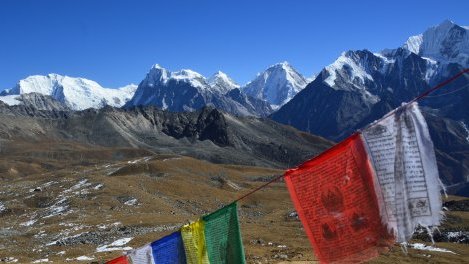
- Panoramic Himalayan Views: From Nagthali Gyang (3,165m), enjoy clear views of Langtang Lirung, Ganesh Himal, and surrounding snow-capped peaks.
- Chilime River Valley Scenery: Trek through the Chilime hydropower region with deep river gorges, suspension bridges, and green hillside landscapes.
- Natural Hot Springs at Tatopani: Relax in the healing hot springs of Tatopani (2,607m) surrounded by peaceful forested mountain scenery.
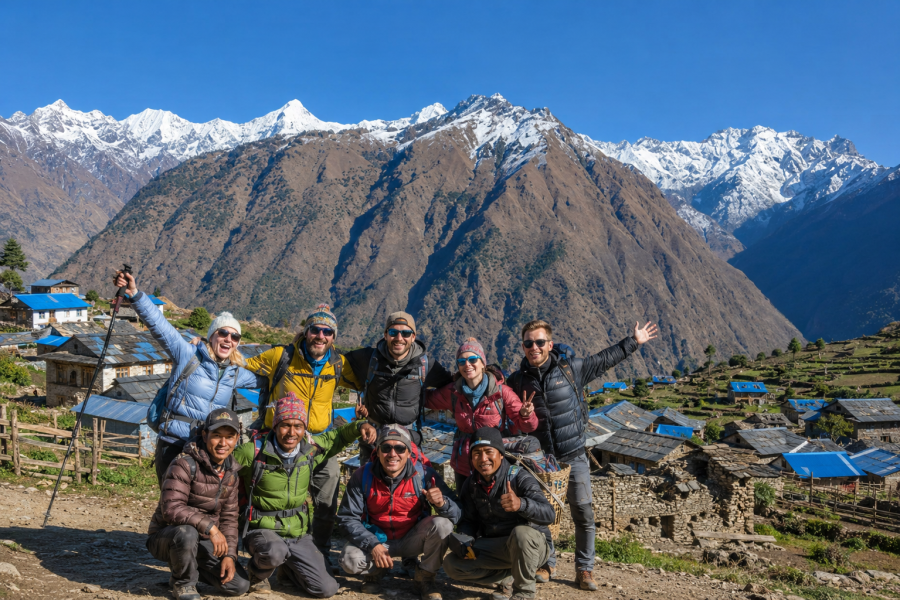
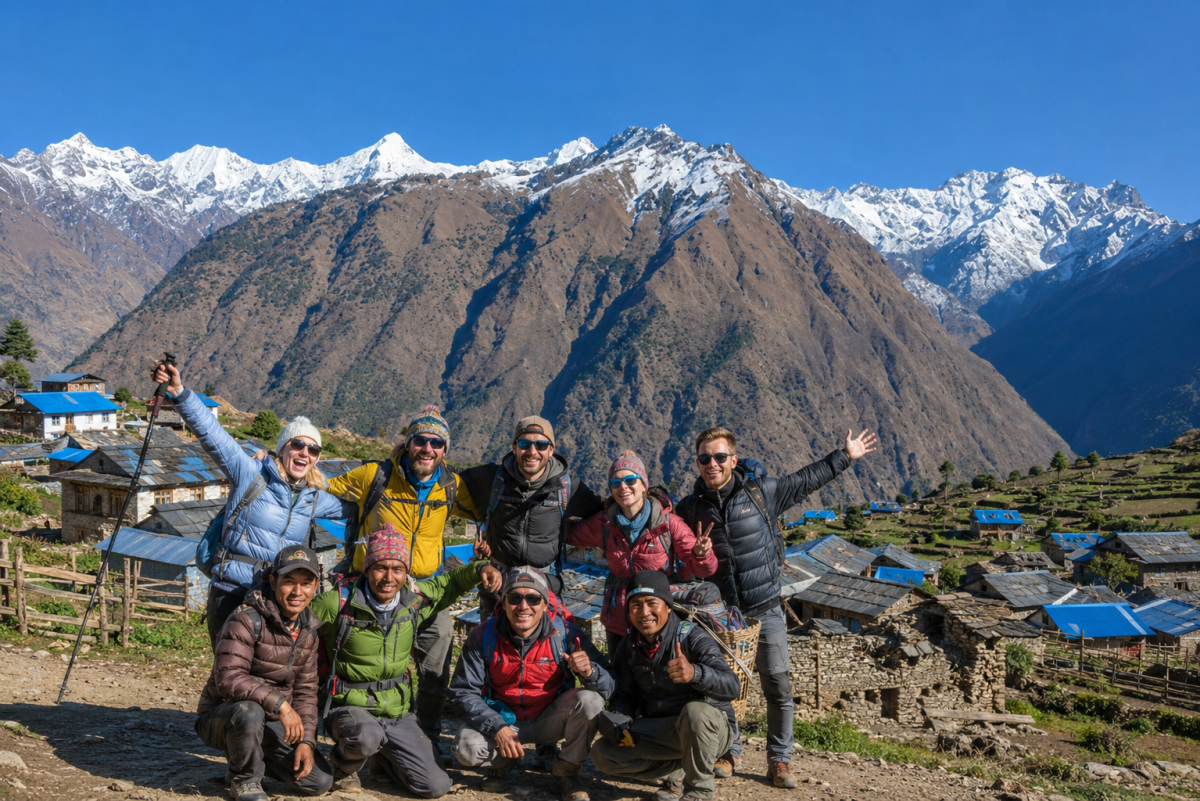
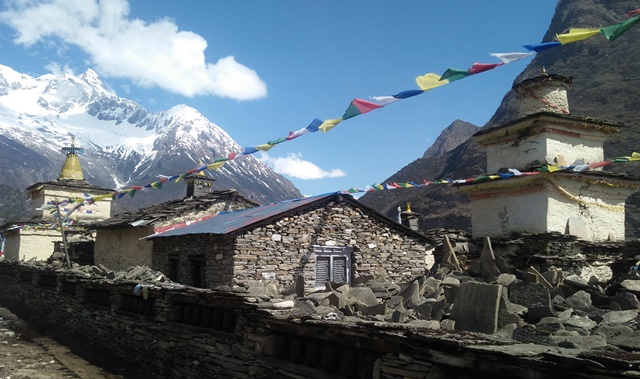
- Authentic Tamang Villages: Experience traditional Tamang culture in villages like Thuman and Chilime with stone houses and Buddhist prayer flags.
- Rural Himalayan Lifestyle: Observe local mountain life including farming terraces, yak and livestock herding, and traditional village living.
- Forest Trail Experience: Walk through oak, pine, and rhododendron forests with seasonal wildlife and natural biodiversity along the route.
- Suspension Bridge Crossings: Cross multiple hanging bridges over rivers and gorges that connect remote Himalayan settlements.
- Scenic Mountain Drive: Enjoy a scenic drive from Kathmandu to Syabru Besi through rivers, hills, and countryside Himalayan landscapes.
Short Langtang Trek Introduction: Overview
The Short Langtang Trek is a compact Himalayan journey that blends scenic mountain drives, traditional village life, and ridge-top panoramas into a short but rewarding experience. Starting from Kathmandu (1,300m/4,265ft), the route gradually leads through river valleys and hillside landscapes toward Syabru Besi (1,500m/4,921ft) and further into the quieter mountain settlement of Chilime (1,762m/5,780ft). The changing scenery from urban edges to rural hills gives an immediate sense of entering the Langtang region’s natural Rhythm.
From the lower valley, the journey continues deeper into the hills toward Tatopani (2,607m/8,550ft), a resting point known for its natural hot springs and relaxing environment. The trail then climbs steadily through forested ridges and open viewpoints toward Nagthali Gyang (3,165m/10,383ft), one of the most scenic highlights of the entire route. As the altitude increases, trekkers should remain mindful of altitude sickness, especially above 3,000 meters, where the air becomes noticeably thinner, and walking pace naturally slows.
Nagthali Gyang offers wide, uninterrupted Himalayan views, including distant peaks of the Langtang range. The area is peaceful and spiritual, with prayer flags, grazing lands, and small monasteries scattered across the ridge. It is a place where silence dominates, making it ideal for rest, reflection, and photography. Sunrises and sunsets here are especially striking, with golden light spreading across the surrounding mountains and valleys.
The descent begins through forest trails and terraced landscapes toward Thuman (2,338m/7,670ft), a culturally rich Tamang village known for its traditional architecture and warm hospitality. This settlement reflects strong Tibetan-influenced heritage, visible in its prayer flags, stone houses, and local lifestyle. Continuing downward toward Syabru Besi (1,440m/4,750ft), the trail gradually transitions from highland culture back into lower valley settlements, passing through forests, farmland, and quiet rural paths.
Thuman stands out as one of the most culturally immersive points of the trek. The village atmosphere is calm and welcoming, offering a genuine glimpse into mountain life that remains closely connected to tradition. Unlike the high ridges, this section feels warmer and more inhabited, providing balance after the exposed alpine environment of Nagthali.
The return journey from Syabru Besi back to Kathmandu follows scenic river valleys, winding roads, and hillside views that gradually reconnect trekkers with city life. This final drive completes the Short Langtang Trek, leaving behind memories of forests, ridges, and authentic Himalayan culture.
This route is often compared to the Helambu Trek for its cultural richness, while remaining significantly shorter and more accessible. At the same time, it offers a gentler alternative to more demanding high passes like the Langtang Ganjala Pass Trek & Langtang Valley Trek, making it an excellent choice for beginners or those seeking a quick but meaningful Himalayan experience.
How to Prepare for the Short Langtang Trekking Days:
Preparing for high-altitude hiking on the Short Langtang Trekking days is essential for a safe and enjoyable trekking experience. Proper acclimatization is the key to preventing altitude sickness, so start with shorter hikes and gradually increase both distance and elevation. Always stay well-hydrated, wear layered clothing, and protect yourself with a hat, sunglasses, and sunscreen for changing mountain weather conditions.
Carry a light trekking backpack with essentials such as snacks, water, and a first aid kit. It is important to avoid alcohol and smoking during the trek to maintain good stamina at high altitude. For safety and better navigation, trekking with a licensed local guide is highly recommended, as they are familiar with the route, weather, and emergency support along the Short Langtang Trek.
Accommodation & Food in Short Langtang Trek:
During the Langtang trek, you will find a variety of accommodation options ranging from basic teahouses to more comfortable lodges. Most of the teahouses offer basic rooms with shared bathrooms and communal areas for dining and relaxing. The lodges, on the other hand, provide more comfortable rooms with attached bathrooms, hot showers, and Wi-Fi facilities.
The food options in Langtang are relatively simple but delicious. You can find a variety of dishes such as Dal Bhat (a typical Nepali dish consisting of lentil soup, rice, and vegetables), Momos (steamed dumplings filled with vegetables or meat), noodles, pasta, and pizza. You can also find Western dishes such as burgers, sandwiches, and fries. Vegetarian options are readily available, and most of the lodges can also cater to specific dietary requirements with prior notice. Hot drinks such as tea, coffee, and hot chocolate are also available, and you can try the local yak cheese and butter tea.
Trek to Kyanjin Ri(4,773 m) for Panoramic Views.
Trek to Kyanjin Ri, standing at an altitude of 4,773 meters, is a popular trekking destination in the Langtang region, Nepal. From Kyanjin Ri, trekkers can enjoy panoramic views of Langtang Lirung, Langtang II, Langtang IV, Dorje Lakpa, Gangchempo, Yala Peak, and other surrounding peaks.
The distance to walk from Kyanjin Gompa to Kyanjin Ri is around 3.5 kilometers and takes around 3-4 hours to reach, depending on the trekker’s pace. The terrain view is rocky and steep, with some scrambling required near the summit. However, the climb is worth it for the stunning views of the Langtang Himalayas that await. Trekkers can also take a rest day at Kyanjin Gompa to acclimatize before attempting the climb to Kyanjin Ri.
Difficulty level of short Langtang treks
The short Langtang Trek is widely regarded as a moderate-level trek, making it suitable for trekkers with average fitness and a basic interest in mountain walking. While it is not overly technical, the overall difficulty can vary depending on your physical condition and prior trekking experience.
During the journey, you can expect around 5–6 hours of daily walking across uneven and rugged trails, with regular sections of steep uphill climbs and downhill descents. The route gradually takes you into higher altitudes, where the thinner air can make walking more challenging. Even so, the trek does not involve any technical climbing or specialized mountaineering skills, so it remains accessible to most fit beginners.
Good preparation is key to a successful trek. Engaging in regular cardio exercises such as hiking, running, or stair climbing will significantly improve endurance. Throughout the trek, proper acclimatization, sufficient rest breaks, and consistent hydration are essential to maintain energy and ensure a safe and enjoyable Langtang trekking experience.
Why Choose the Short Langtang Trek With Us?
Short Langtang trek Itinerary:Outline Itinerary
Day 1: Drive from Kathmandu (1,300m/4,265ft) to Syabru Besi (1,500m/4,921ft) then to Chilime (1,762m/5,780ft)
Day 2: From Chilime (1,762m/5,780ft) to Tatopani (2,607m/8,550ft) then to Nagthali Gyang (3,165m/10,383ft)
Day 3: Trek from Nagthali Gyang(3,165m/10,383ft) to Thuman (2,338m/7,670ft) then to Syabru Besi (1440m /4750ft)
Day 4: Drive back from Syabru Besi (1,500m/4,921ft) to Kathmandu (1300m /4265ft)

Whats Included?
- Private airport pickup & drop service by Safe Holiday Adventure in comfortable transport for smooth arrival and departure.
- 2 nights hotel accommodation in Kathmandu with daily breakfast, plus comfortable teahouse accommodation during the trek in the Langtang region.
- All ground transportation as per itinerary, including Kathmandu to trek starting point and return journey.
- Experienced English-speaking trekking guide and strong local porter support (1 porter shared between 2 trekkers for luggage assistance).
- Three daily meals during trekking days (breakfast, lunch, and dinner) freshly prepared in local teahouses (not included in city stay).
- Full salary, insurance, meals, and equipment support for guide and porter, ensuring safe and ethical trekking service.
- All necessary trekking permits and official paperwork, including Langtang National Park entry fees and related government charges.
- All applicable taxes, service charges, and local fees during the trekking journey included in the package cost.
- Nepal visa fee, which must be arranged and paid by the traveler upon arrival or online before travel.
- International airfare to and from Kathmandu, Nepal, which is not included in the package cost.
- Extra baggage charges, if applicable during flights or transport services.
- Additional hotel nights in Kathmandu, in case of early arrival, late departure, or itinerary changes.
- Travel insurance & emergency rescue services, including helicopter evacuation or medical expenses (strongly recommended to arrange in advance).
- Tips and gratuities for guide, porter, and driver, which are appreciated but not mandatory.
- Personal expenses during the trek, including phone calls, bottled/mineral water, boiled water, extra porter service, battery charging, Wi-Fi, toilet paper, laundry, bar bills, and hot showers.
Dates and Availability Departures
All our published dates are guaranteed departures. We also provide customized departures tailored to your travel plans.
There are no group joining dates available at the moment. Please contact us for a private trip.
Travellers Reviews
Genaral Trip InfoInfos
Best time to go on a short Langtang Trekking:
Essential trekking gear for Langtang trek:
Here is a list of essential equipment that you should consider bringing on the Langtang Valley Trek:
- Backpack: A sturdy and comfortable backpack is essential for carrying all of your gear on the trek. Choose a backpack with a capacity of at least 40 liters.
- Sleeping bag: You’ll need a warm and comfortable sleeping bag for overnight stays in the tea houses. Choose a sleeping bag that is rated for cold temperatures, as it can get quite chilly at night in the Langtang region.
- Trekking boots: A good pair of trekking boots are essential for the Langtang Valley Trek. Look for boots with good ankle support and a sturdy sole to help you navigate the rocky and uneven terrain.
- Warm clothing: It can get quite cold in the Langtang region, especially at night and at higher elevations. Be sure to bring warm layers, including a down jacket, fleece, and thermal underwear.
- Water bottle: It’s important to stay hydrated on the trek, so be sure to bring a water bottle and a water purification system, such as a water filter or water purification tablets.
- Headlamp: A headlamp is useful for navigating through the tea houses at night and can also be used as a backup light in case of power outages.
- First aid kit: It’s always a good idea to bring a basic first aid kit on any trek, including band-aids, painkillers, and any prescription medications you may need.
- Sunscreen and sunglasses: The sun can be strong at high elevations, so be sure to bring sunscreen and sunglasses to protect your skin and eyes.
This is just a basic list of essential equipment for the Langtang Valley Trek. You may also want to bring other items, such as a camera, a hat, and insect repellent. It’s important to pack light, as you’ll be carrying your gear with you throughout the trek.
Combining the Langtang trek with the Gosaikunda Lake trek:
Combining the Langtang Trek with the Gosaikunda Lake Trek is one of the best ways to experience the diverse beauty of the Nepal Himalayas. This combined journey offers a perfect blend of natural scenery, cultural encounters, and high-altitude adventure, making it an ideal choice for trekkers seeking a longer and more rewarding Himalayan experience.
The Langtang Valley section takes you through dramatic mountain landscapes and traditional settlements of the Tamang and Tibetan communities, where you can experience rich local culture and hospitality. In contrast, the Gosaikunda Lake Trek leads you through dense rhododendron forests, flowing streams, and sacred high-altitude lakes, creating a peaceful yet challenging trekking environment. Together, these routes form a memorable 15-day adventure, including proper acclimatization, trekking, and opportunities to enjoy breathtaking mountain views.
With Safe Holiday Adventure, trekkers receive full support through experienced licensed guides, reliable porters, and high-quality trekking equipment. The company focuses on ensuring both safety and comfort, while also offering customized itineraries based on your fitness level and travel preferences.
Is the Langtang valley trek safe, especially for women trekkers?
The Langtang trek is generally considered safe for women trekkers, as long as appropriate precautions are taken. As with any trek or travel to a foreign country, it is always a good idea for women to be aware of their surroundings and take steps to protect themselves. Some specific precautions that women trekkers in Nepal may want to consider include:
- Traveling with a reputable trekking agency or guide
- Sticking to well-traveled trails and avoiding isolated areas
- Dressing modestly and respecting local customs
- Being aware of cultural differences and behaving appropriately
- Keeping your valuables safe and secure
It’s also a good idea to let someone know your itinerary and check in with them regularly while you are on the trek. Trekkers should also be prepared for the physical challenges of the trek and make sure they are in good physical condition before setting out. Overall, the Langtang region is a safe and welcoming destination for trekkers, and women can have a successful and enjoyable trek by following these basic precautions.
Transportation option for short Langtang valley trek
There are several transportation options available for a short Langtang Valley trek in Nepal, depending on your budget, comfort level, and travel style.
The most economical option is the local bus service, which regularly departs from Kathmandu and other major cities. These buses offer an authentic Nepali travel experience, but they are often crowded, slow, and less comfortable, especially on mountain roads.
For a more comfortable and private journey, you can choose jeeps or private cars. These can be hired with or without a driver, making them a flexible option for trekkers who value convenience, safety, and a smoother ride to the trailhead.
If you prefer a luxury and time-saving option, helicopter services are also available. These flights provide breathtaking aerial views of the Himalayas and offer direct access to the Langtang region, making the journey both fast and unforgettable.
No matter which option you choose, always prioritize safety, comfort, and your budget when planning transportation for your Short Langtang trek.
What Facilities to Expect on the Langtang Trek:
During the Short Langtang trek, some teahouses and lodges do offer facilities such as hot showers, Wi-Fi, and private rooms. However, these services are not available everywhere and largely depend on the location and standard of the lodge. In more remote areas, basic accommodation is more common, so trekkers should expect variations in comfort levels throughout the journey.
It is recommended to ask in advance about available facilities and be prepared to pay an additional cost for these extra services. Since electricity can be limited or unreliable in certain parts of the trek, carrying a power bank or extra batteries is highly advisable to keep your devices charged during the journey.
Detailed ItineraryItinerary
Drive from Kathmandu to Syabru Besi then to Chilime
Your journey begins early in the morning from Kathmandu (1,300m) as we leave the busy city behind and head towards the peaceful Himalayan region. The drive follows a scenic mountain highway along the Trishuli River, passing through green hills, traditional villages, and terraced farmlands. After approximately 5–7 hours of driving, we reach Syabrubesi (1,500m), the gateway to the Langtang region.
From Syabrubesi, the road continues further uphill toward Chilime (1,762m). This section of the journey takes around 1.5–2.5 hours, depending on road conditions, and offers beautiful views of rivers, hydropower landscapes, and remote mountain settlements. Chilime is a quiet and scenic area that gives a true introduction to rural Himalayan life.
By the end of the day, you will experience a complete transition from city life to the serene mountain environment, setting the perfect tone for your trekking adventure in the Langtang region.
Accommodation : Tea House Meals : Breakfast, Lunch & Dinner
Chilime to Tatopani then to Nagthali Gyang
Today’s journey marks a beautiful transition from the lower river valley into the peaceful mid-hills and high ridgelines of the Langtang region. After breakfast in Chilime (1,762m), we begin our trek along a gradually ascending trail that follows traditional footpaths used by local Tamang communities.
The route to Tatopani (2,607m) takes you through lush forests, small settlements, and terraced landscapes shaped by centuries of mountain farming. The trail is moderately uphill but rewarding, with natural hot spring areas and riverside sections that reflect the untouched beauty of rural Nepal. Tatopani is a well-known resting point where trekkers often pause to enjoy the natural surroundings and refresh before continuing higher.
From Tatopani, the trail becomes steeper and more challenging as we continue toward Nagthali Gyang (3,165m). This section climbs through Rhododendron and Pine forests, gradually opening up to wide ridgeline views. As you gain altitude, the air becomes cooler and the scenery more dramatic, revealing sweeping panoramas of the Langtang Himalayan range and surrounding valleys.
By the time you reach Nagthali Gyang, you are rewarded with one of the most spectacular viewpoints in the region. This peaceful hilltop is known for its spiritual atmosphere, wide-open alpine landscapes, and breathtaking sunrise and sunset views over the Himalayas. It is a perfect place to rest, reflect, and fully experience the serenity of the Langtang highlands.
Overall, this day offers a perfect blend of cultural trail walking, natural beauty, and high-altitude trekking experience—an essential step in your Langtang journey.
Accommodation : Tea House Meals : Breakfast, Lunch & Dinner
Trek from Nagthali Gyang to Thuman then to Syabru Besi
Accommodation : Tea House Meals : Breakfast, Lunch & Dinner
Drive back from Syabru Besi (1,500m/4,921ft) to Kathmandu (1300m /4265ft)
Accommodation : Hotel Meals : Breakfast
Important Note:
This itinerary is designed for trekkers with limited time but strong interest in Langtang scenery and culture. Walking hours may vary depending on fitness, weather, and trail conditions. We strongly recommend good walking shoes, warm layers, and travel insurance.
Short Langtang Trek FAQs
The Langtang trek is typically a 4 day trek, depending on your itinerary and pace.
The best time to do the Langtang trek is from March to May and September to November, when the weather is clear and dry.
The Langtang trek is considered a moderate trek, with some steep ascents and descents.
Yes, you need a Langtang National Park permit and TIMS card to do the Langtang trek.
The Langtang National Park permit costs USD 30 per person, and the TIMS card costs USD 10 per person.
You should pack warm clothes, a good pair of trekking shoes, a backpack, a water bottle, and a first aid kit, among other essentials.
Yes, the Langtang trek is generally considered safe, but you should always follow the advice of your guide and take necessary precautions.
While it is possible to do the Langtang trek independently, it is recommended to hire a guide for safety and convenience.
The cost of a guide for the Langtang trek varies depending on the season and the length of the trek, but it is generally around USD 25-30 per day.
Accommodation on the Langtang trek is basic, with teahouses or lodges that offer simple rooms and communal dining areas.
The food on the Langtang trek is typically Nepali or Tibetan cuisine, with options like dal bhat, momos, and noodles.
Electricity and Wi-Fi are available at most teahouses or lodges on the Langtang trek, but you may need to pay for them.
While it is recommended to be in good physical shape for the Langtang trek, it is possible to do it with proper preparation and pacing.
Some of the highlights of the Langtang trek include the stunning mountain views, the traditional Nepali villages, and the opportunity to see local flora and fauna.
Yes, you can combine the Langtang trek with other treks in Nepal, such as the Gosainkunda trek or the Helambu trek.
Refund & Cancellation Policy
- Booking requires 20% non-refundable deposit (Nepal) or 100% upfront (Tibet/Bhutan).
- Remaining payment due before the trip or on arrival (trip-dependent).
Cancellation charges:
- 31+ days: 20%
- 16–30 days: 45%
- 8–15 days: 75%
- 7 days or less: 90%
- Prices may change due to flights, taxes, or exchange rates.
- Trip changes are allowed, but extra costs apply.
- If the company cancels, a full refund, except for unavoidable events (some costs deducted).
- Good health and travel insurance are mandatory.
- No refund if removed for unsafe or illegal behavior.
- Travel involves personal risk, which the client accepts.