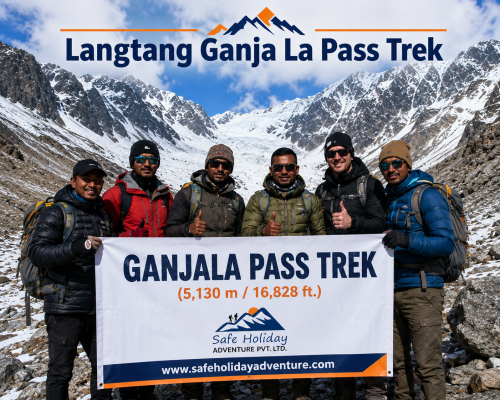


Langtang Gosaikunda Trek Highlights: Highlights
- Scenic Drive: Enjoy a drive to Syabrubesi and back to Kathmandu from Dhunche.
- Langtang Village: Explore the charming Langtang village.
- Local Culture: Experience the rich culture and traditions of the locals.
- Kyanjing Gompa: Visit the ancient Kyanjing Gompa.
- Gosainkunda Lake: Explore the sacred Gosainkunda Lake.
- Cheese Factory: Check out the cheese factory in Kyanjin Gompa and Chandanbari.
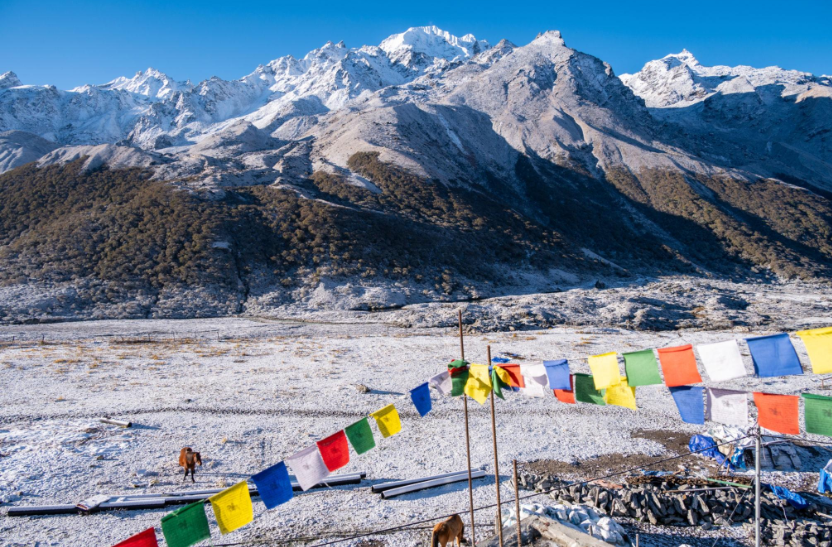
- Mountain Views: Witness stunning views of the Himalayas from Kyanjin Ri.
- Tibetan Culture: Observe Tibetan culture and traditional monasteries.
- Glaciers and Monasteries: See mesmerizing glaciers and ancient monasteries.
- Tamang Villages: Visit typical Tamang villages and houses.
- Sunrise and Sunset: Enjoy beautiful views of sunrise and sunset.
- Stupas and Chortens: Explore Kyanjin Gompa and other stupas with Tibetan influence.
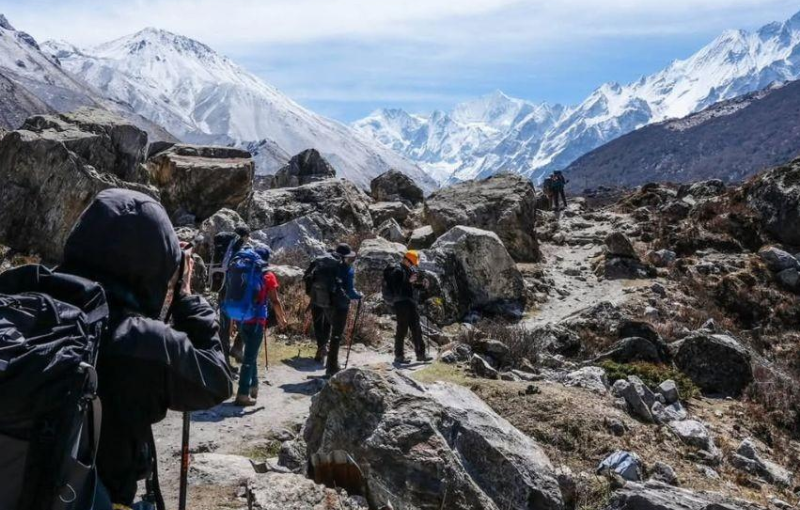
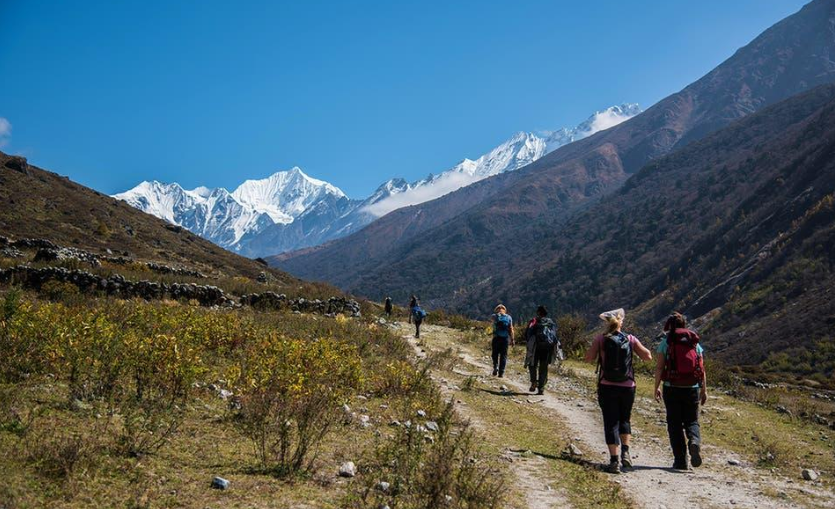
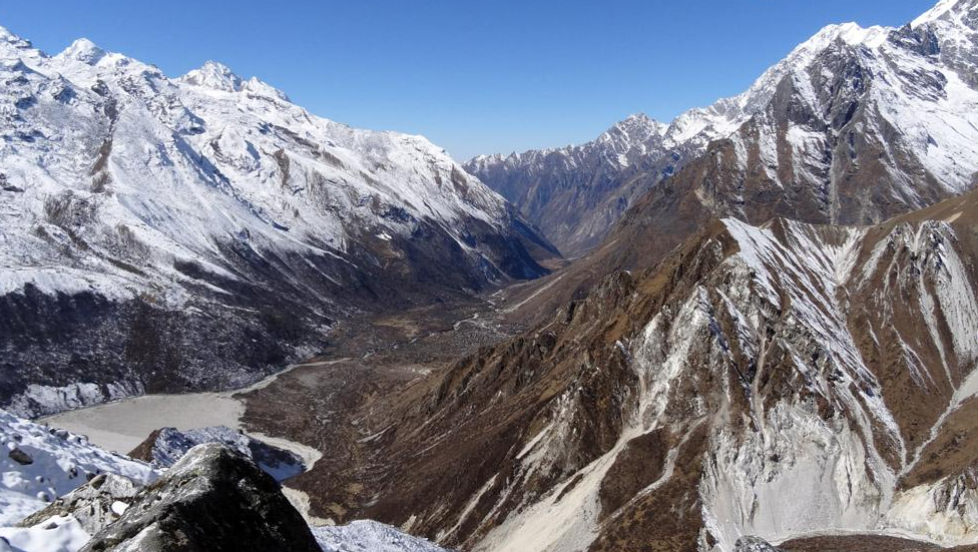
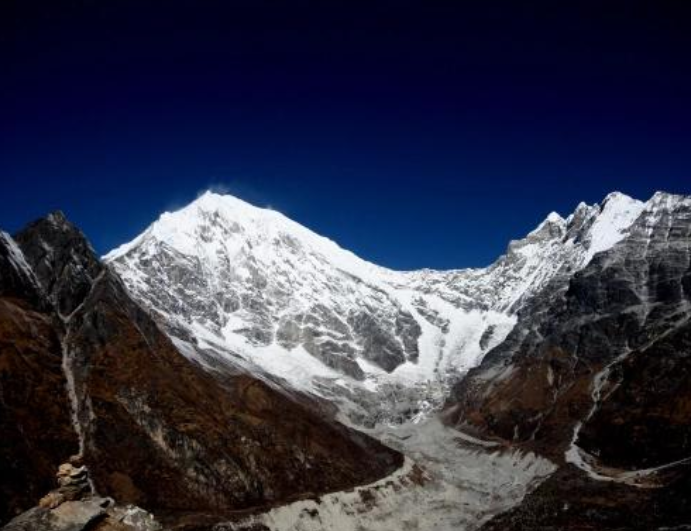
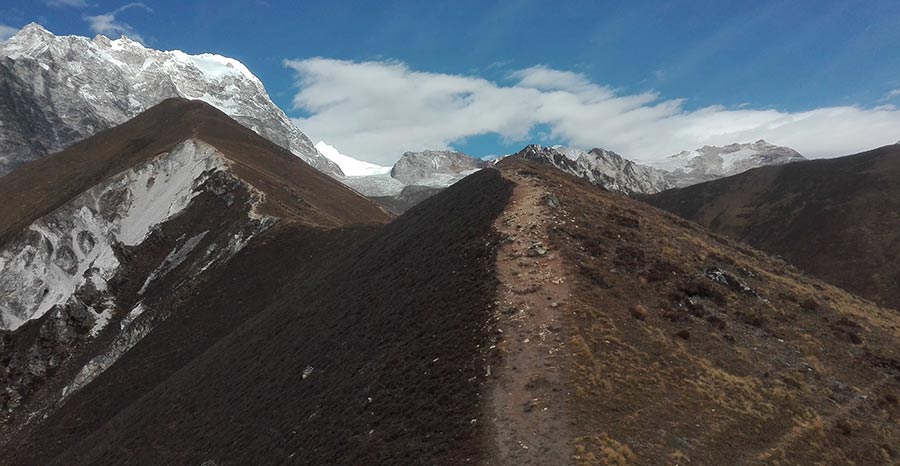
- Mountain Panoramas: View mountains like Langtang Lirung, Yala Peak, and Dorje Lakpa.
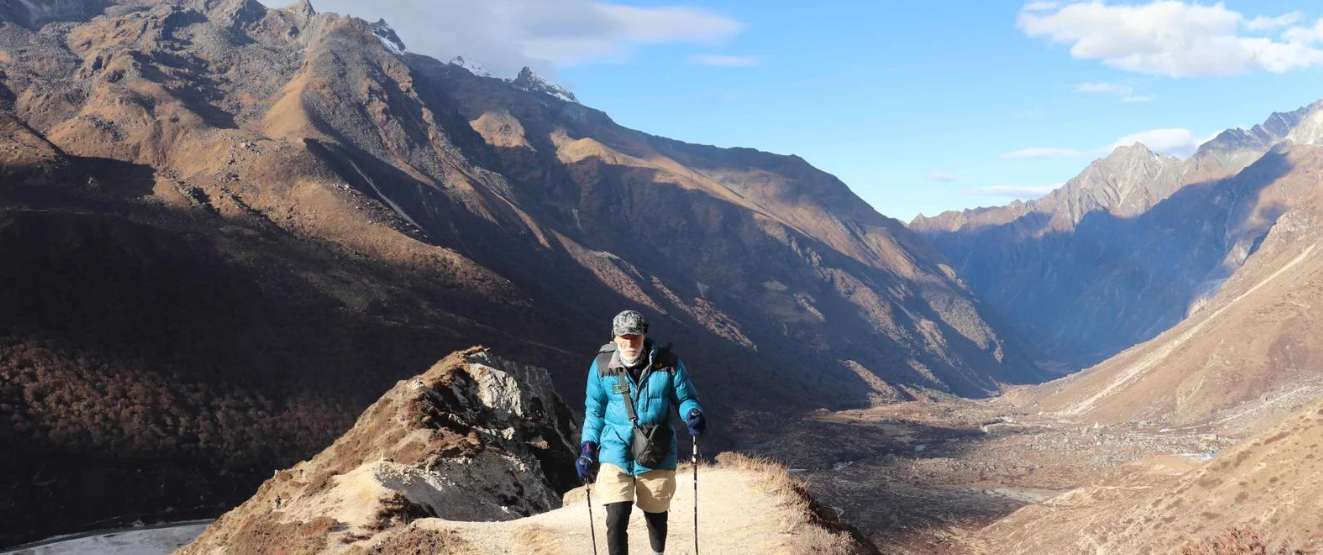
- Moderate Trek: Experience a trek with fantastic landscapes and mountain views.
- Wildlife: Spot wild animals in Langtang National Park.
Langtang Gosainkunda Trek Introduction: Overview
The 10 Days Langtang Gosainkunda Trek is a stunning Himalayan adventure that blends natural beauty, cultural richness, and spiritual exploration in one unforgettable journey. This trek takes you from the bustling city of Kathmandu into the sacred highlands of the Langtang and Gosainkunda region, where alpine lakes, snowy peaks, and traditional mountain villages create a truly immersive experience. It is an ideal choice for trekkers seeking a peaceful yet adventurous route in Nepal.
Your journey on the 10 Days Langtang Gosainkunda Trek begins upon arrival in Kathmandu at 1,330 meters. After a warm welcome, you are transferred to your hotel where you can rest and prepare for the adventure ahead. This day allows you to recover from travel and explore the vibrant atmosphere of the capital city, known for its rich culture and heritage. It is also a perfect time for trek briefing and final preparation.
On the second day, a scenic drive takes you from Kathmandu to Dhunche at 2,030 meters, the gateway to the Langtang region. The road passes through hills, rivers, and terraced landscapes, offering beautiful countryside views. From Dhunche, the trekking route officially begins as you enter the Langtang National Park area. This marks the real start of your 10 Days Langtang Gosainkunda Trek, surrounded by natural wilderness.
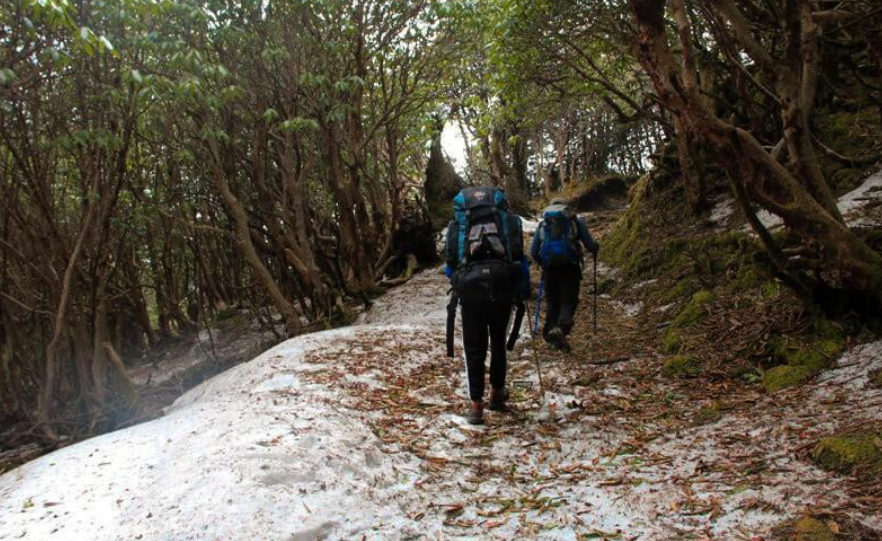
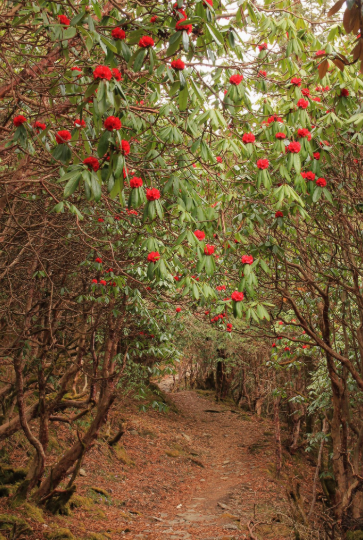
The trail gradually ascends from Dhunche to Shing Gompa at 3,330 meters. This section passes through dense forests of pine, oak, and rhododendron, offering fresh mountain air and peaceful surroundings. Shing Gompa is known for its small monastery and local cheese factory, giving trekkers a glimpse of the Himalayan lifestyle and spirituality.
From Shing Gompa, the trail continues to Lauribinayak at 3,920 meters. This part of the 10 Days Langtang Gosainkunda Trek becomes more open, with breathtaking views of Himalayan peaks. The landscape changes dramatically, and trekkers begin to feel closer to the high alpine zone. Lauribinayak is a popular viewpoint where sunrise and sunset create magical scenery over the mountains.
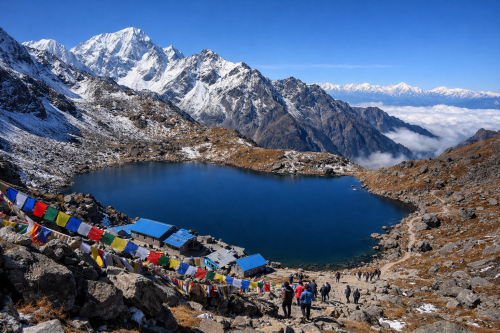
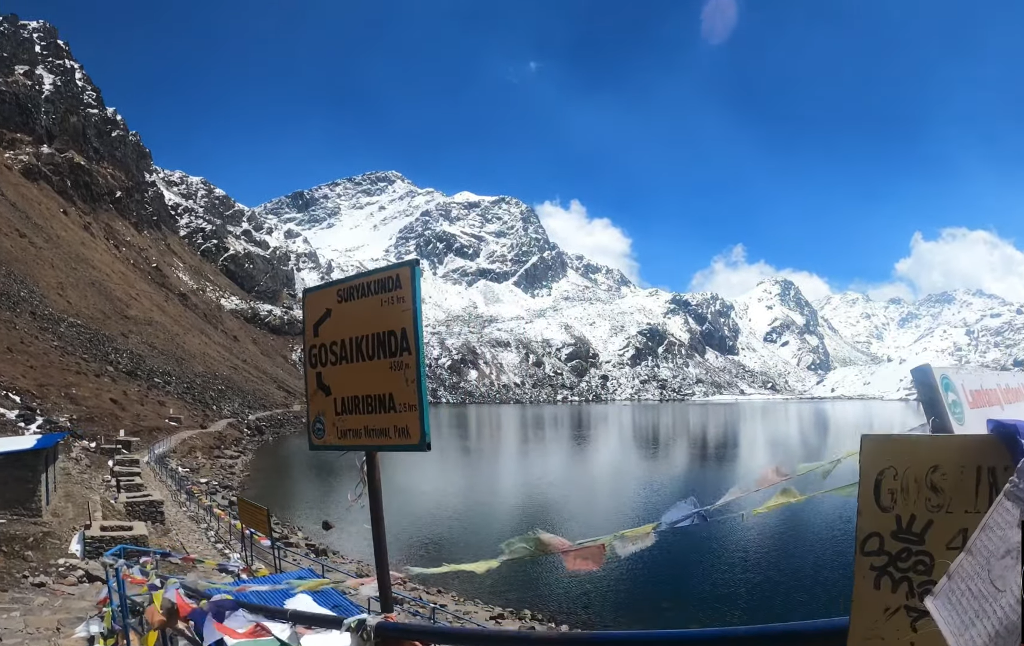
The next day leads you to the sacred Gosainkunda Lake at 4,380 meters, one of the holiest alpine lakes in Nepal. This lake holds deep religious significance for both Hindus and Buddhists. Surrounded by rugged mountains, it offers a peaceful and spiritual atmosphere that is often the highlight of the entire journey. The 10 Days Langtang Gosainkunda Trek reaches its spiritual peak here.
From Gosainkunda, the trek crosses the challenging Lauribina Pass at 4,600 meters before descending to Ghopte at 3,430 meters. This section is adventurous and rewarding, offering panoramic Himalayan views. The trail then continues through remote forests and ridges toward Tharepati at 3,510 meters, a peaceful mountain settlement surrounded by natural beauty.
The journey further descends from Tharepati to Kutumsang at 2,471 meters, passing through traditional villages and terraced farmlands. This section introduces trekkers to the lower hills of the Helambu region, where culture and lifestyle change noticeably. It is a relaxing descent after the high-altitude adventure of the 10-Day Langtang Gosainkunda Trek.
On the ninth day, a scenic drive takes you back from Kutumsang to Kathmandu. The return journey offers final views of rural Nepal and mountain landscapes. After reaching the capital, you can rest or explore the city. Finally, on the tenth day, you fly back home with unforgettable memories of your Himalayan adventure, completing your 10 Days Langtang Gosainkunda Trek successfully.
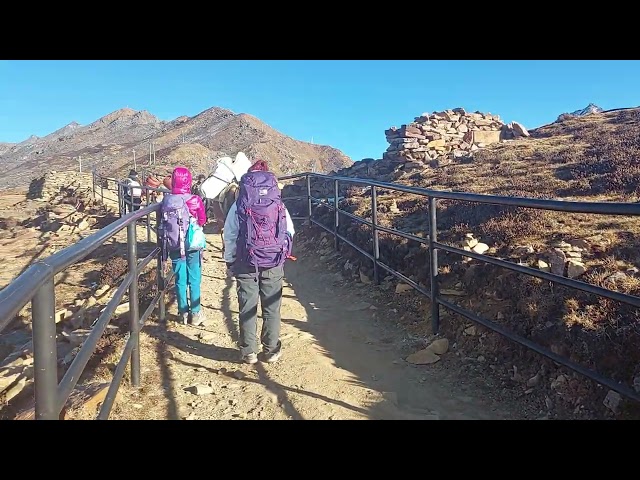
Weather & Temperature in Langtang Gosainkunda Trek
The weather and temperature during the spring and autumn seasons on the 10-day Langtang Gosainkunda trek can vary greatly depending on the specific month and elevation.
In spring (March to May), the temperature in the lower elevations of the Langtang region (below 7,000 feet) can be quite warm during the day, with average highs in the mid-70s Fahrenheit. At higher elevations, the temperature will be cooler, with average highs in the 50s and 60s Fahrenheit. Nights will be colder, with average lows in the 30s and 40s Fahrenheit at all elevations.
During the autumn season (September to November), the temperature in the Langtang region will be similar to spring, with warmer temperatures at lower elevations and cooler temperatures at higher elevations.
In general, the weather on the 10-day Langtang Gosainkunda trek is highly variable, with clear and sunny days often interspersed with periods of rain or snow. It is important to be prepared for a range of weather conditions and to bring warm, waterproof clothing.
In the spring and autumn seasons (March to May and September to November), the average low temperature at lower elevations (below 7,000 feet) is likely to be in the 30s or 40s Fahrenheit. At higher elevations, the average low temperature may be below freezing, in the 20s or 30s Fahrenheit.
During the colder months of the year (December to February), the average low temperature at lower elevations is likely to be in the 20s Fahrenheit, and at higher elevations, it may be well below freezing, possibly as low as 0 degrees Fahrenheit or lower.
Accommodation for Langtang Trekkers
Langtang Gosaikunda Trek: Essential Permits and Costs:
For the Langtang Gosaikunda Trek, trekkers need two essential permits. First, the Langtang National Park Permit costs NPR 3,000 (about USD 25) for foreign trekkers. This permit is required to enter the protected area of Langtang. The second permit is the TIMS Card (Trekkers’ Information Management System), which is USD 20 per person for foreigners and NPR 300 for SAARC nationals. This card helps authorities track trekkers for safety and security. Both permits can be obtained in Kathmandu before your trek, and they are crucial to ensure a smooth trekking experience in the Langtang region.
Langtang Gosaikunda Trek: Essential Preparation Tips:
- Start Physical Training: Build leg strength and stamina with jogging, cycling, or swimming.
- Choose the Right Gear: Pack a warm sleeping bag, good boots, trekking poles, and insulated clothing.
- Get Altitude Experience: Prior hike at high altitudes to prevent altitude sickness.
- Obtain Permits: Get the Langtang National Park Permit and TIMS card in Kathmandu.
- Book Accommodation: Reserve tea houses or lodges in advance during peak seasons.
- Acclimatize Gradually: Ascend slowly, stay hydrated, and rest at higher altitudes.
- Carry Snacks & Water Purification: Bring energy bars and purification tablets.
- Check the Weather: Pack for both warm days and cold nights with waterproof gear.
- Prepare for Limited Connectivity: Expect limited mobile and Wi-Fi access.
- Hire a Guide and Porter: An Experienced Guide helps with safety and culture, and a porter carries heavy gear.
OutlineOutline Itinerary
Day 1: Arrival in Kathmandu (1,330m), transfer to hotel
Arrival day | Rest & trek briefing
Day 2: Drive from Kathmandu to Dhunche (2,030m)
6–7 hrs drive | ↑ Approx. 700m ascent (road travel)
Day 3: Trek from Dhunche to Shing Gompa (3,330m)
5–6 hrs trek | ↑ Approx. 1,300m ascent
Day 4: Trek from Shing Gompa to Lauribinayak (3,920m)
4–5 hrs trek | ↑ Approx. 590m ascent
Day 5: Trek from Lauribinayak to Gosainkunda Lake (4,380m)
4–5 hrs trek | ↑ Approx. 460m ascent
Day 6: Cross Lauribina Pass (4,600m), descend to Ghopte (3,430m)
7–8 hrs trek | ↑ 220m ascent | ↓ 1,170m descent
Day 7: Trek from Ghopte to Tharepati (3,510m)
4–5 hrs trek | ↑ 80m ascent
Day 8: Trek from Tharepati to Kutumsang (2,471m)
6–7 hrs trek | ↓ Approx. 1,040m descent
Day 9: Drive from Kutumsang to Kathmandu (1,330m)
6–7 hrs drive | ↓ Return to Kathmandu Valley
Day 10: Fly back home
Departure day | End of service
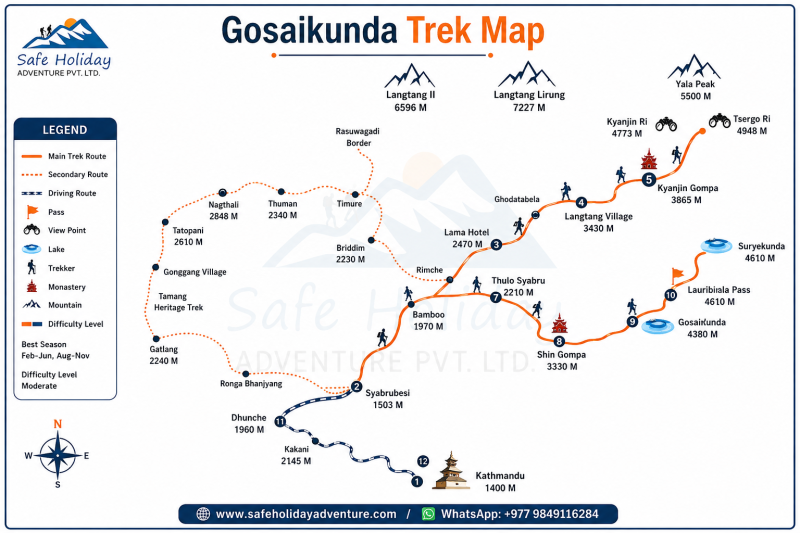
Whats Included?
- Private car/Jeep/Bus transfers between Kathmandu International Airport, your hotel, and the airport.
- Accompanied by our knowledgeable Mountain guide, licensed by the Government.
- All expenses for the guide, including salary, are covered.
- Permits for Langtang National Park and TIMS card (Trekking Information Management System) included.
- Meals provided during the trek: Breakfast, Lunch, and Dinner (one main course).
- Assistance with emergency rescue operations in case of severe health issues (funded by your Travel Insurance).
- Inclusive of all government, local taxes/VAT, and official expenses.
- Accommodation in trekking lodges (Tea Houses/Lodges) throughout the journey.
- Ground transportation was arranged for the entire trip, including Kathmandu-Syaprubesi-Kathmandu.
- Enjoy seasonal fresh fruits each evening after dinner.
- Basic medical supplies and a first aid kit were provided.
- Visa fees and international flight tickets
- WIFI, Battery Charging, Hot Shower, & Laundry Services
- Alcoholic and Non-alcoholic drinks including Coke/Fanta/Juice and Drinking water
- Any extra food beyond the provided meals during the trek is at your own expense.
- Additional activities outside of the itinerary are not covered.
- Tips for the Guide, Porters, and Drivers,
- Accommodation in Kathmandu, food in Kathmandu, and private jeep rentals for separate excursions are not part of the package.
Dates and Availability Departures
All our published dates are guaranteed departures. We also provide customized departures tailored to your travel plans.
There are no group joining dates available at the moment. Please contact us for a private trip.
Travellers Reviews
Luka Aum
Russia | April,2026
A Journey Through Himalayan Beauty
Beautiful trekking experience. The guide was very helpful, and the porter service was excellent. Safe Holiday Adventure Pvt. Ltd. really takes care of everything.
Luka Aum
Russia
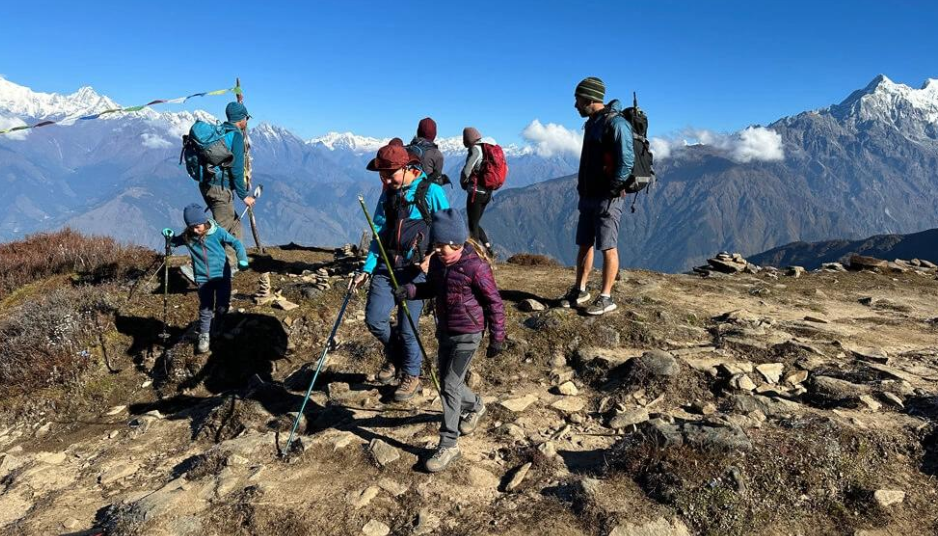
Brandy Miscoe
Germany | Oct, 2025
Excellent Trekking Experience – Langtang Ganja La Pass Trek
Our Langtang Ganja La Pass Trek was one of the most challenging and rewarding journeys we’ve ever done. Everything was perfectly organized from start to finish by Safe Holiday Adventure Pvt. Ltd.
Our guide Dharma was extremely professional, always prioritizing safety, especially in high-altitude sections. Our porter Prem was incredibly strong and supportive throughout the trek.
Crossing Ganja La Pass was tough, but with this team, we always felt safe and well taken care of. We truly couldn’t have done it without them.
Brandy Miscoe & Husband
Germany

Steva Plaie
Australia | March, 2024
Adventure of a Lifetime: Langtang Ganja La Pass Trek
I’m Steva Plaie from Australia. In March 2024, I trekked the Langtang Ganja La Pass – 10 Days with SafeHolidayAdventure.com, guided by Ram Porter Hari. The trek was breathtaking, with amazing Himalayan views and a well-organized, safe journey. Highly recommended for anyone wanting an unforgettable Nepal trekking adventure.


Genaral Trip InfoInfos
Is Langtang Gosaikunda trek expensive ?
The cost of the Langtang Gosaikunda trek in Nepal can vary depending on a number of factors such as the season you choose to trek, the trekking agency you choose to go with, the type of accommodation and food you prefer, and other personal expenses like trekking gear and equipment.
Generally, the cost of the Langtang Gosaikunda trek can be considered moderate in comparison to other trekking destinations in Nepal like the Everest region. However, the overall cost can still vary greatly depending on your preferences and budget.
In terms of the trekking permit, as of September 2021, the cost for a Langtang National Park entry permit is 3,000 Nepalese Rupees (approximately USD 25), and the cost for a Gosaikunda trek permit is 2,000 Nepalese Rupees (approximately USD 17).
Other costs that you may need to consider include transportation to and from the trek starting point, accommodations and meals during the trek, guide and porter fees (if you choose to hire them), and personal expenses such as trekking gear and equipment.
Preparing both physically and mentally
Preparing both physically and mentally before embarking on the Langtang Gosaikunda trek in Nepal is crucial to ensure a safe and enjoyable trekking experience. Here are some tips for physical and mental preparations:
Physical Preparations:
Start exercising regularly and engage in cardiovascular activities, such as running, swimming, or cycling, to improve your endurance and stamina.
Trekking on the Langtang Gosaikunda trail can be demanding, so it’s important to incorporate hiking and climbing into your exercise routine.
- It is recommended to start training at least two to three months before your trek.
- Ensure you undergo a medical check-up to confirm your physical fitness for trekking.
Mental Preparations:
Trekking in the mountains can be mentally challenging, especially when you are away from the comfort of your home. Therefore, it is important to prepare mentally. Learn about the culture, traditions, and lifestyle of the people in the area to help you understand and respect the local customs and practices. Prepare yourself mentally for the physical challenges you may face on the trek.
Learn about the trek route, altitude sickness, and other potential risks to make informed decisions.
Stay positive and keep an open mind to embrace new experiences and challenges.
It’s important to remember that trekking in the Langtang Gosaikunda region can be physically and mentally demanding. Therefore, proper preparation is necessary to ensure a safe and enjoyable trek. Consulting with a professional trekking agency and hiring a professional guide can also help ensure a successful and safe trekking experience.
Required permits for Langtang Gosaikunda Trek:
Yes, you need permits for the Langtang Gosainkunda trek in Nepal. As of September 2021, you need to obtain two permits: a Langtang National Park entry permit and a Gosaikunda trek permit. The Langtang National Park entry permit costs 3,000 Nepalese Rupees (approximately USD 25) per person, while the Gosaikunda trek permit costs 2,000 Nepalese Rupees (approximately USD 17) per person. It is important to obtain these permits before beginning the trek, and they can be obtained through authorized trekking agencies or at the Nepal Tourism Board Office in Kathmandu.
Is drinking water easily available during Langtang Gosaikunda trek?
Yes, drinking water is easily available during the Langtang Gosaikunda trek. You can buy bottled water or refill your water bottle along the trails. There are several teahouses and lodges along the route that offer clean drinking water. However, it is recommended to carry water purification tablets or a water filter to ensure safe drinking water. Also, it’s important to avoid drinking untreated water from streams or rivers to avoid the risk of waterborne illnesses.
What kind of food should I get during Langtang trek?
During the Langtang trek, you can expect to find a variety of food options at the teahouses and lodges along the trail. The food options include Nepali, Tibetan, and Continental cuisines. The most popular dishes are Dal Bhat (rice, lentil soup, and vegetables), momos (dumplings filled with meat or vegetables), noodles, fried rice, and potato dishes. You can also find a range of snacks, such as biscuits, chocolates, and energy bars. Vegetarian and vegan food options are also available. It’s important to choose hygienic food and stay well-hydrated during the trek.
Safety and precautions during Langtang valley trek
The Langtang Valley trek is generally considered safe, but it’s important to take certain precautions to ensure a safe and enjoyable trekking experience. Here are some safety tips and precautions for the Langtang Valley trek:
- Get a comprehensive travel insurance policy that covers medical emergencies, evacuation, and trip cancellation.
- Acclimatize properly and gradually. Take time to rest and acclimatize as you ascend to higher altitudes.
- Stay hydrated and drink plenty of water to prevent altitude sickness.
- Carry enough warm clothes and layers to protect yourself from cold weather and unpredictable weather conditions.
- Use a trekking pole to support your body during steep climbs and descents.
- Follow the trekking trail and avoid shortcuts or off-trail routes.
- Do not drink untreated water from streams or rivers. Use water purification tablets or a water filter to ensure safe drinking water.
- Respect local customs, traditions, and cultures.
- Carry a first-aid kit and necessary medications.
- Hire a licensed and experienced guide or porter to ensure a safe and enjoyable trekking experience.
How to diagnose Acute Mountain sickness-(AMS) during Langtang region trek?
Acute Mountain Sickness (AMS) is a common condition that can occur during the Langtang region trek due to the high altitude. Symptoms of AMS include headache, nausea, dizziness, fatigue, loss of appetite, and difficulty sleeping. If you experience any of these symptoms, it’s important to rest, drink plenty of water, and avoid climbing further until you feel better. If symptoms persist or worsen, it’s important to seek medical attention and possibly descend to lower altitudes. Trekking with an experienced guide who can identify and manage AMS symptoms is recommended.
Do I need a guide/porter to trek?
Yes, according to new rules by the Nepal government, all foreign trekkers are required to hire a licensed guide or porter for their safety and security during the Langtang Valley trek. This new regulation is designed to reduce the number of accidents and ensure that trekkers have a safe and enjoyable experience in the mountains. The licensed guides and porters are experienced and knowledgeable about the trekking trails, local culture, and customs. They also assist with carrying equipment and navigating through challenging terrain. Hiring a guide or porter is not only a legal requirement but also a wise decision to enhance your trekking experience.
Which is the best season to trek in Nepal?
The best season to trek in Nepal is from September to November (autumn) and from March to May (spring). During these seasons, the weather is generally stable and clear, with mild temperatures, making for comfortable and enjoyable trekking conditions. The skies are typically clear, offering stunning views of the mountains and landscapes. The autumn season is considered the best time to trek in Nepal, as the weather is generally dry, with clear skies and stable temperatures.
However, it’s important to note that weather conditions can vary depending on the region and altitude, and it’s always recommended to check weather forecasts and consult with experienced guides before planning a trek in Nepal. Additionally, other seasons such as winter and monsoon can offer unique trekking experiences, but require more preparation and caution due to colder temperatures and potential for heavy rains and snow.
What is the difference between trek independently & trek with Agent?
Trekking independently means that you plan and organize the trek on your own, without the assistance of a trekking agency or guide. This can be a more affordable option, but it requires more effort and preparation on your part, including arranging permits, transportation, accommodation, and meals.
On the other hand, trekking with an agency involves hiring a guide, porter, or both, and having the agency handle all logistics and organization for the trek. This can be a more convenient and safer option, as the agency takes care of permits, accommodation, and meals, as well as providing assistance and support during the trek.
Trekking with an agency also allows for a more personalized experience, with the opportunity to learn about the local culture and customs from experienced guides. Additionally, agencies often offer pre-trek training and equipment rental.
The choice between trekking independently and with an agency depends on individual preferences and priorities, including budget, level of experience, and desire for convenience and safety.
Trail Difficulty:
The Langtang Gosainkunda trek is considered to be of moderate difficulty. It is a physically demanding trek that involves several days of hiking at high altitudes, with some steep ascents and descents. You can expect to walk for several hours each day on varied terrain, including rocky trails and stairs. You should be in good physical condition and have a moderate level of fitness to comfortably complete this trek. That being said, the trek can be customized to suit your individual fitness level and pace, with options for shorter or longer daily hikes. It is important to properly acclimatize to the high altitude to reduce the risk of altitude sickness.
Detailed ItineraryItinerary
Arrival in Kathmandu (1,330m), transfer to hotel
Your journey for the 10 Days Langtang Gosainkunda Trek begins upon arrival in Kathmandu, the vibrant capital city of Nepal. Our representative will warmly welcome you at the airport and transfer you to your hotel. After check-in, you can relax and recover from your travel. This day is kept easy to help you adjust to the environment and prepare for the trek ahead. In the evening, a short briefing will be conducted where your trekking guide will explain the route, safety measures, and important details of the journey. If time allows, you may explore nearby streets, local markets, or cultural sites around Thamel. This peaceful start helps you mentally and physically prepare for the adventure ahead in the Himalayas.
Accommodation : Hotel
Drive from Kathmandu to Dhunche (2,030m)
Today marks the beginning of your scenic overland journey into the mountains. After breakfast, you will drive from Kathmandu to Dhunche, the gateway to the Langtang region. The road follows winding highways along rivers, terraced hills, and traditional villages. Along the way, you will witness beautiful countryside views, waterfalls, and rural Nepali life. The drive is long but very rewarding, offering your first real connection with the Himalayan landscape. Dhunche is a small mountain town and the entry point of Langtang National Park. Upon arrival, you will check into a local lodge and rest. The atmosphere becomes noticeably cooler and fresher, giving you the first taste of high-altitude trekking life.
Accommodation : Lodge or Guesthouse Meals : Dinner
Trek from Dhunche to Shing Gompa (3,330m)
Your trekking adventure officially begins today. After breakfast, you start walking through dense forests of pine, oak, and rhododendron. The trail gradually ascends, offering peaceful surroundings and fresh mountain air. You may encounter local wildlife such as monkeys and various bird species along the way. The path is steady but uphill, making it a moderately challenging trekking day. As you gain altitude, the views of surrounding hills and valleys become more impressive. Shing Gompa is a quiet and spiritual village known for its monastery and local cheese production. Upon arrival, you can relax, enjoy the mountain atmosphere, and prepare for higher altitude days ahead.
Accommodation : Lodge or Guesthouse Meals : Breakfast, Lunch & Dinner
Trek from Shing Gompa to Lauribinayak (3,920m)
Today’s trek takes you higher into the alpine zone. The trail gradually becomes more open, with fewer trees and wider mountain views. As you ascend, the air becomes cooler and thinner, but the scenery becomes more dramatic. You will enjoy panoramic views of Langtang ranges and surrounding peaks on clear days. Lauribinayak is a beautiful viewpoint located on a ridge, offering one of the best sunset experiences in the region. The lodge here is simple but comfortable, surrounded by peaceful Himalayan landscapes. This is an important acclimatization stage of your 10 Days Langtang Gosainkunda Trek, helping your body adjust before reaching higher altitudes.
Accommodation : Lodge or Guesthouse Meals : Breakfast, Lunch & Dinner
Trek from Lauribinayak to Gosainkunda Lake (4,380m)
Today is one of the most spiritual and breathtaking sections of the 10 Days Langtang Gosainkunda Trek. The trail steadily climbs through rugged alpine terrain, rocky paths, and high mountain landscapes. As you gain altitude, the scenery becomes more dramatic, and the atmosphere turns calm and deeply peaceful. The journey offers a strong sense of isolation, natural beauty, and spiritual energy as you move closer to the sacred destination.
Upon reaching Gosainkunda Lake, you are welcomed by a stunning high-altitude setting surrounded by snow-capped peaks and crystal-clear blue waters. This sacred lake holds great religious importance for both Hindus and Buddhists, believed to have been created by Lord Shiva. The environment feels powerful, remote, and spiritually uplifting. You will stay overnight in a basic teahouse near the lake, making it one of the most memorable highlights of the entire trek.
Accommodation : Lodge or Guesthouse Meals : Breakfast, Lunch & Dinner
Cross Lauribina Pass (4,600m), descend to Ghopte (3,430m)
Today is one of the most demanding yet highly rewarding sections of the 10 Days Langtang Gosainkunda Trek. Early in the morning, the trail ascends to Lauribina Pass, the highest point of the entire journey. The climb is steep and physically challenging, but it offers incredible rewards with panoramic views of the Himalayan ranges, deep valleys, and rugged mountain landscapes.
After spending some time at the pass and enjoying the breathtaking scenery, the route descends sharply toward Ghopte. The trail passes through rocky terrain, alpine slopes, and quiet forested areas, creating a dramatic change in landscape. Ghopte is a peaceful resting place surrounded by nature, offering a perfect environment to relax and recover after a long and adventurous day in the mountains.
Accommodation : Lodge or Guesthouse Meals : Breakfast, Lunch & Dinner
Day 7: Trek from Ghopte to Tharepati (3,510m)
Today’s trek is shorter but still scenic and refreshing. The trail moves through dense forests and ridges, offering peaceful walking conditions. You will enjoy natural beauty, birdsong, and occasional mountain views along the way. The path includes both small ascents and descents, making it a balanced trekking day. Tharepati is a ridge-top village known for its wide Himalayan views and calm environment. It is a perfect place to rest and enjoy the sunset over distant peaks. This section of the 10 Days Langtang Gosainkunda Trek gives you a mix of nature, relaxation, and gentle trekking experience.
Accommodation : Lodge or Guesthouse Meals : Breakfast, Lunch & Dinner
Trek from Tharepati to Kutumsang (2,471m)
Today you begin descending toward lower hills. The trail takes you through beautiful forests, terraced fields, and traditional villages. As you lose altitude, the air becomes warmer and more comfortable. You will see local farming life and experience the culture of the Helambu region. The trekking route is long but pleasant, offering continuous views of green hills and rural landscapes. Kutumsang is a charming village where you can relax after a full day of trekking. This marks a gradual return from high mountains toward lower elevations, bringing a different but equally beautiful experience.
Accommodation : Lodge or Guesthouse Meals : Breakfast, Lunch & Dinner
Drive from Kutumsang to Kathmandu
After breakfast, you begin your scenic drive back to Kathmandu. The journey takes you through winding mountain roads, rivers, and countryside settlements. It is a long but comfortable drive that allows you to reflect on your trekking experience. As you approach Kathmandu, the city’s busy atmosphere gradually returns. Upon arrival, you will be transferred to your hotel. You can rest, enjoy a hot shower, or explore the city depending on your energy level. This day officially completes your trekking journey in the Himalayas.
Accommodation : Lodge or Guesthouse Meals : Breakfast, Lunch & Dinner
Fly back home
Today marks the final day of your 10 Days Langtang Gosainkunda Trek. Depending on your flight schedule, you will be transferred to the airport for your departure. Our team will assist you with all necessary arrangements to ensure a smooth journey home. As you leave Nepal, you carry unforgettable memories of Himalayan landscapes, sacred lakes, mountain villages, and warm hospitality. This journey leaves a lasting impression and often inspires travelers to return for more adventures in the future.
Accommodation : Lodge or Guesthouse Meals : Breakfast, Lunch & Dinner
10 Days Langtang Gosainkunda Trek FAQs
The trek can take anywhere from 7 to 12 days, depending on the route and your pace.
The highest point on the trek is the Laurebina Pass, which reaches an altitude of 4,609 meters (15,121 feet).
The trek can be done throughout the year, but the best time to go is typically between September and November, or from March to May when the weather is most favorable.
The trek is considered to be of moderate difficulty, and it is recommended that you have a moderate level of fitness to comfortably complete it.
It is possible to do the trek independently, but it is highly recommended that you hire a guide for your own safety and to fully experience the trek. A guide can provide valuable local knowledge and assistance if you encounter any issues along the way.
It is not necessary to bring all of your own gear, as many of the essentials can be rented or purchased in Kathmandu. However, it is a good idea to bring your own personal items such as a sleeping bag, trekking boots, and a water bottle.
Some essential items to pack for the trek include warm layers, a waterproof jacket and pants, a hat and gloves, sun protection, and comfortable walking shoes. It is also a good idea to bring snacks, toiletries, and any medications you may need.
The cost of the trek can vary depending on the length of the trek, the route taken, and the services included. Expect to pay anywhere from $500 to $1,500 for the trek, including guide and porter fees, accommodation, and meals.
It is possible to charge electronic devices at some of the lodges along the way, but it is a good idea to bring a portable charger or extra batteries as a backup.
There are no ATMs or banks along the trek, so it is important to bring enough cash to cover your expenses.
There may be some opportunities to purchase souvenirs along the trek, such as traditional handicrafts made by local artisans.
Yes, it is possible to hire a porter to carry your gear during the trek. This can be arranged through your trekking agency or guide.
Altitude sickness is a potential risk on this trek, as it reaches high altitudes. It is important to properly acclimatize and listen to your body to reduce the risk of altitude sickness.
Refund & Cancellation Policy
- Booking requires 20% non-refundable deposit (Nepal) or 100% upfront (Tibet/Bhutan).
- Remaining payment due before the trip or on arrival (trip-dependent).
Cancellation charges:
- 31+ days: 20%
- 16–30 days: 45%
- 8–15 days: 75%
- 7 days or less: 90%
- Prices may change due to flights, taxes, or exchange rates.
- Trip changes are allowed, but extra costs apply.
- If the company cancels, a full refund, except for unavoidable events (some costs deducted).
- Good health and travel insurance are mandatory.
- No refund if removed for unsafe or illegal behavior.
- Travel involves personal risk, which the client accepts.