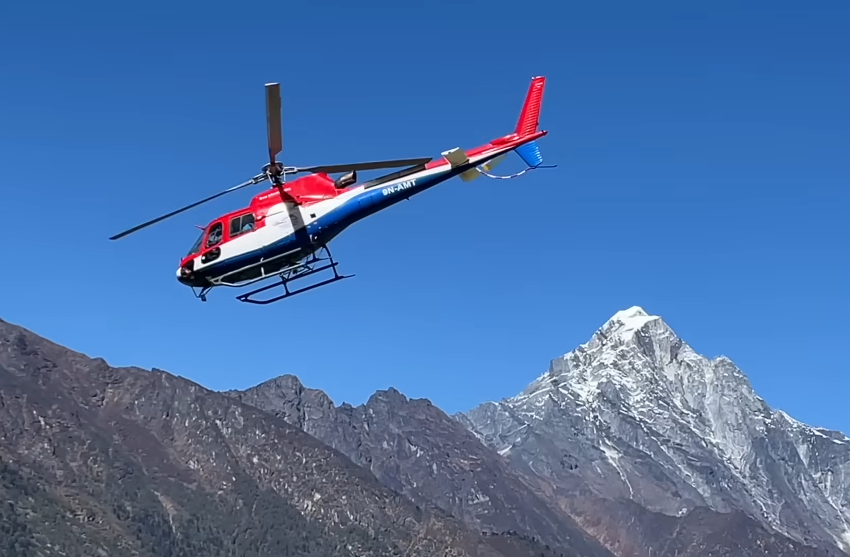
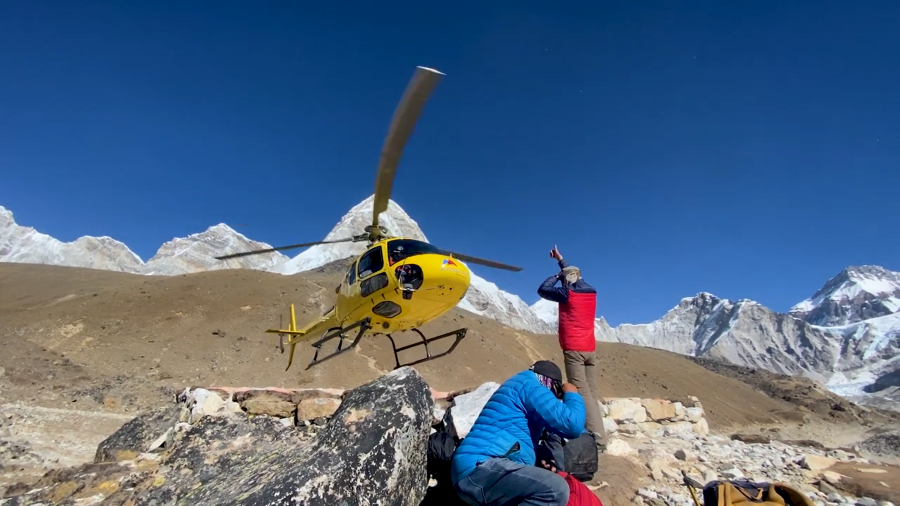

Everest Base Camp Helicopter Tour key Highlights: Highlights
Soar above the world’s highest peaks and witness the breathtaking grandeur of the Himalayas like never before. This exclusive helicopter tour offers:
- Spectacular aerial views of Mount Everest and surrounding iconic Himalayan peaks
- A rare opportunity to land near Everest Base Camp, stepping close to the heart of the world’s tallest mountain
- Panoramic mountain vistas that stretch endlessly across the Himalayan range
- Immersive cultural glimpses into the traditions, people, and lifestyle of the Everest region
- A comfortable and time-efficient journey, bringing you to remote landscapes without the challenges of trekking
- Unforgettable natural beauty, from glaciers and rugged valleys to snow-capped summits
- A true bucket-list adventure, delivering memories that last a lifetime
Experience Everest not just as a destination, but as a breathtaking journey above the clouds.
Everest Base Camp Helicopter Tour- Introduction Overview
The Everest Base Camp helicopter tour from Kathmandu is one of the fastest and most spectacular ways to witness the grandeur of the Himalayas without days of trekking. The journey begins early in the morning at Tribhuvan International Airport, Kathmandu, where travelers are picked up and escorted to the helicopter terminal. After a safety briefing and boarding, the helicopter takes off, offering the first panoramic views of the Kathmandu Valley and surrounding mountains.
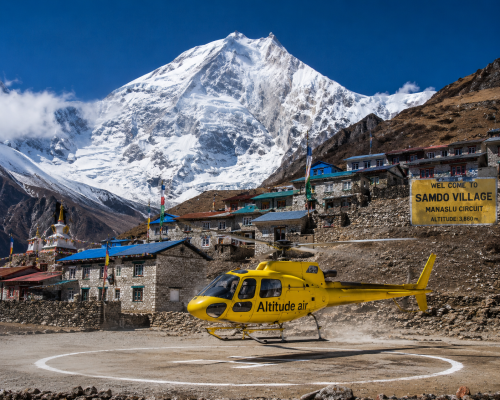
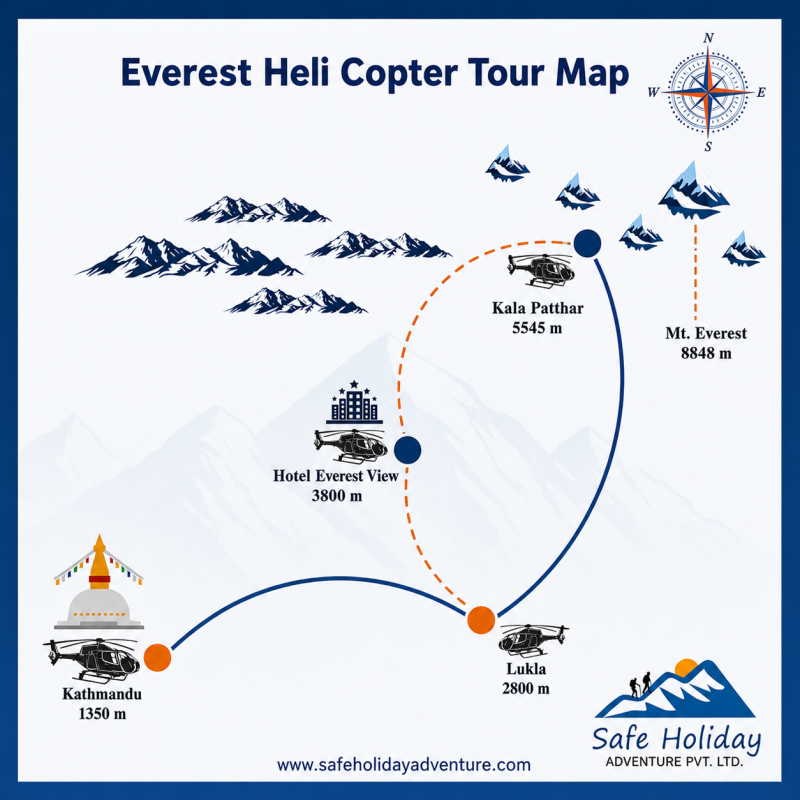
The first leg of the journey is a scenic 45-minute flight to Lukla, often called the gateway to Everest. During this flight, you can see terraced fields, flowing rivers, and small villages nestled in the hills. The helicopter usually makes a short stop at Lukla for refueling (around 7–10 minutes), giving passengers a chance to stretch and enjoy the beautiful alpine surroundings from the air. Lukla sits at an altitude of 2,860 meters (9,383 ft) and is famous for its challenging runway and breathtaking backdrop.
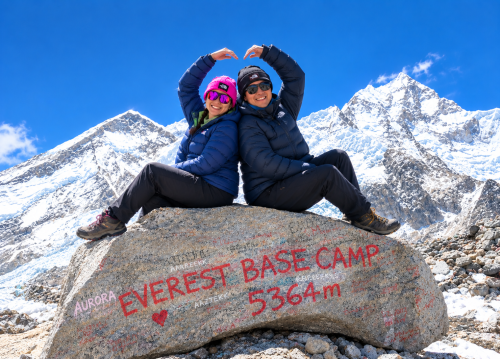
From Lukla, the helicopter heads directly to Everest Base Camp and Kalapatthar, the tour’s highlight. The flight lasts approximately 25 minutes, passing over snow-capped peaks, glaciers, and deep valleys. On the way, travelers can enjoy incredible aerial views of some of the highest mountains in the world, including Mount Everest (8,848 m), Lhotse (8,516 m), Nuptse (7,861 m), and Ama Dablam (6,812 m). The helicopter lands near Kalapatthar, offering passengers a 7–10-minute stop to admire the sweeping Himalayan vistas and capture unforgettable photographs. Kalapatthar, at 5,545 meters (18,192 ft), offers one of the best vantage points for viewing Everest and the surrounding peaks.
After Kalapatthar, the helicopter descends to Everest View Hotel, Syangboche, above Namche Bazaar, a small village located at 3,780 meters (12,401 ft). Here, passengers enjoy a longer stop of about 30 minutes, often including breakfast or refreshments. From Syangboche, the views of Everest, Lhotse, and Nuptse are absolutely stunning, with the mountains appearing close enough to touch. This stop is ideal for photography, enjoying the serene atmosphere, and experiencing a taste of Sherpa village life.
Following the stop at Syangboche, the helicopter begins the return journey to Lukla, flying over the same magnificent landscapes in reverse. Passengers get a final opportunity to enjoy the panoramic views of glaciers, deep valleys, and terraced hills from the air. The return flight is smooth and offers a perfect chance to relax and reflect on the breathtaking journey.
Once back in Lukla, the helicopter proceeds directly to Kathmandu, completing the tour. The final leg takes about 1 hour and 10 minutes, offering aerial views of the Himalayan foothills and the sprawling Kathmandu Valley. Passengers are safely landed back at Tribhuvan International Airport, where the tour concludes with drop-off at their hotel or the airport terminal.
The Everest Base Camp helicopter tour from Kathmandu is not only time-efficient but also provides a once-in-a-lifetime opportunity to witness the Himalayas, including Everest, from a unique aerial perspective. Travelers experience stunning landscapes, iconic mountain peaks, and Sherpa villages—all in a single day, without the physical demands of trekking.
For those seeking adventure, photography, or simply the experience of seeing the world’s tallest mountains up close, the Everest Base Camp helicopter tour offers an unmatched combination of safety, comfort, and unforgettable scenery.
Best time for an Everest Base Camp Helicopter tour:
The best time for an Everest helicopter tour depends on weather conditions, but clear skies make all the difference for unforgettable views.
Spring and autumn are the most ideal seasons, offering stable weather, clear visibility, and minimal chances of rain.
Winter can also be stunning on clear days, with snow-covered peaks creating dramatic scenery, though fog may occasionally limit visibility.
Summer/monsoon is generally the least favorable due to heavy rainfall and cloud cover, but flights may still operate on clear breaks.
For the best experience, choose a day with stable, clear weather—regardless of the season.
Everest Helicopter Tour Packages
Experience the thrill of flying to the Everest region with breathtaking Himalayan views and unforgettable landings.
Group Joining Everest Heli Tour
USD 1,350 Per Person
Perfect for solo travelers, couples, and budget adventurers.
Includes:
- Hotel to airport pickup
- Sharing a helicopter flight to the Everest region
- Breakfast at Everest View Hotel
Excludes:
- Meals & drinks
- Park fees & airport taxes
- Insurance & personal expenses
Sharing Kala Patthar Landing
USD 2,170 | Max 2 Persons
Ideal for photographers and adventure lovers.
Includes:
- Shared helicopter flight
- Kala Patthar landing
- Breakfast at Everest View Hotel
- Hotel & airport transfers
Excludes:
- Meals & drinks
- Park entry fees
- Personal insurance
Private Kala Patthar Landing
USD 4,800 | 2 Persons
Enjoy a private luxury Everest helicopter experience with exclusive Kala Patthar landing and stunning Everest views.
Book Your Everest Helicopter Tour Today!
Useful Tips for Everest Base Camp Helicopter Tour:
- Plan and book your tour early for the best availability and prices.
- Dress in layers to adapt to the different temperatures during the flight and at high altitudes.
- Protect yourself from the sun with sunscreen, sunglasses, and a hat.
- Pack a jacket or sweater, as it can get chilly at high altitudes.
- Capture stunning views with a camera or other recording device.
- Check the weather forecast before your tour and plan accordingly.
- Consider taking motion sickness medication if needed
- Wear comfortable shoes for walking on rocky terrain during your landing.
- Follow the safety instructions provided by the tour operator before takeoff.
Is the Everest Base Camp Helicopter Tour suitable for you?
Yes, the Everest Base Camp helicopter tour is suitable for many travelers, especially those who want to experience Mount Everest without doing a long trekking journey.
Here are the main reasons:
1. Time-saving experience
You can reach Everest Base Camp and view the Himalayas in just a few hours instead of a 12–14 day trek.
2. No trekking required
It’s ideal for people who are not physically prepared for high-altitude trekking but still want to see Everest up close.
3. Stunning aerial views
You get panoramic views of the world’s highest peaks, glaciers, and valleys in a way that is not possible from the ground.
4. Comfortable and convenient
The tour is done by helicopter, making it much easier, faster, and less physically demanding.
5. Suitable for most age groups
As long as you are generally healthy and cleared for high altitude, it is accessible for a wide range of travelers.
6. Safe way to experience high altitude
You briefly reach high elevations without spending days acclimatizing, as the stopovers are short and controlled.
Note: It may not be suitable for people with severe heart, lung, or altitude-related medical conditions.
If you want, I can also tell you the best itinerary or cost range for this tour.
Everest Base Camp Helicopter Tour Itinerary:Outline Itinerary
5:30 – 6:30 AM: Hotel picks up and drops at the domestic terminal of International Airport, Kathmandu.
6:30 – 7:00 AM: Preparation and processing to take your scheduled helicopter flight to EBC with a landing.
7:00 – 8:00 AM: Fly to Lukla (2,845 meters)
8:00 AM: Landing at Lukla airport,
8:15 – 8:30 AM: Fly to Kala Patthar (5,450 meters)
8:30 – 8:45 AM: Land and Explore around Kala Patthar (5,450 meters)
9:00 – 9:30 AM: Breakfast Time at Everest View Hotel
9:30 – 10:00 AM: Fly to Lukla and Refuel
10:00 – 11:00 AM: Fly back to Kathmandu
Whats Included?
- Airport pick-up and drop-off in Kathmandu
- About 5 hours of helicopter flight covering Everest Base Camp, Kalapatthar & Syangboche
- National Park fee for Sagarmatha National Park
- Breakfast at Syangboche during the stopover
- Company service charges
- All applicable taxes
- Emergency oxygen is available in the helicopter
(Note: Personal use of oxygen cylinders outside the helicopter is available at an additional cost)
Note: We provide helicopter services across Nepal, especially in the Himalayan region. Beyond Everest, you can fly to other iconic destinations such as Annapurna, Manaslu, or Langtang, all major attractions for unforgettable mountain tours.
- Meals and Drinks: Any meals and drinks not specifically mentioned in the package are not included.
- Personal Expenses: This includes tips for staff and any souvenirs you buy.
- Travel Insurance: You need to arrange and pay for your travel insurance.
- Additional Tours or Activities: Any extra tours or activities are not part of the package you booked are not included.
- Accommodation Before and After the Helicopter Tour: You will need to book and pay for any accommodation needed before and after the helicopter tour.
- Visas and Fees: You are responsible for obtaining any necessary visas, paying airport taxes, and covering other travel-related fees.
Dates and Availability Departures
All our published dates are guaranteed departures. We also provide customized departures tailored to your travel plans.
There are no group joining dates available at the moment. Please contact us for a private trip.
Travellers Reviews
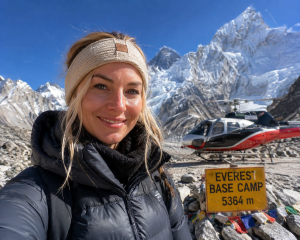
Skye Knutzen
Germany | April,2026
The Best Way to Experience Mount Everest in a Day
Our Everest Base Camp Helicopter Tour was an unforgettable experience and one of the highlights of our trip to Nepal. The breathtaking views of Mount Everest and the surrounding Himalayan peaks were simply amazing. Seeing the world’s highest mountain up close from the helicopter was a dream come true.
Everything was well organized, from hotel pickup to the helicopter flight itself. The pilot was professional and ensured a safe and enjoyable journey. The aerial views of glaciers, valleys, and snow-covered mountains were spectacular throughout the tour.
A special thank you to the Safe Holiday Adventure team for their excellent service, friendly support, and outstanding organization. They made the entire experience smooth, comfortable, and memorable.
We, Skye Knutzen and friends from Germany, highly recommend this Everest Base Camp Helicopter Tour to anyone looking for a once-in-a-lifetime adventure in Nepal. Thank you, Safe Holiday Adventure, for helping us create such wonderful memories.

Genaral Trip InfoInfos
Is Everest Base Camp Helicopter Tour available all year round?
Everest Base Camp Helicopter Tour is available throughout the year, but flight conditions depend on weather. The service operates year-round with flexible scheduling, usually in early morning hours when visibility is best.
Spring (March–May) and autumn (September–November) offer the most reliable flights with clear skies and stable weather, making them the best seasons for smooth and scenic experiences. Winter flights are possible with crisp mountain views but may face cold temperatures and occasional delays. During the monsoon season (June–August), flights operate only when weather conditions are clear due to frequent clouds and reduced visibility.
Overall, the tour runs all year, but the most consistent and visually rewarding experiences are during spring and autumn.
What happens if weather is bad on the flight day?
How safe is the Everest Base Camp Helicopter Tour?
Yes — the Everest Base Camp Helicopter Tour is safe, especially when you fly with a licensed and experienced operator.
Here’s a simple and clear explanation:
Professional pilots make the biggest difference
These flights are handled by highly trained pilots who have many years of experience flying in the Himalayas. They know the mountains, weather patterns, and safe flying routes very well.
Flights depend on safe weather
Helicopter tours only take off when the weather is good. If there is strong wind, poor visibility, or any risk, the flight is delayed or cancelled. Safety always comes first.
Aircraft are well maintained
The helicopters used for Everest flights are regularly checked and maintained. They are built for high-altitude flying and equipped with modern navigation systems.
Oxygen is available at high altitude
Since the flight goes above 5,000 meters, many operators provide extra oxygen for passengers if needed. This helps ensure comfort and safety during the experience.
Careful planning and controlled landings
Landings are done only at safe and approved spots, such as hotels or designated viewpoints, not risky or unstable areas.
Simple conclusion
The Everest Base Camp Helicopter Tour is considered safe because everything — pilots, weather checks, aircraft, and landing spots — is carefully managed.
It is still a high-altitude mountain flight, so conditions can change quickly, but safety systems and expert decisions are always in place to protect passengers.
Is altitude sickness a risk during helicopter landing?
Main Landing Spots on Everest Helicopter Tour
- Lukla – Entry point to the Everest region and common refueling or transit stop
- Pheriche – Occasional stop for safety checks and altitude adjustment
- Kala Patthar – The highlight landing for close-up views of Everest and surrounding peaks
- Everest View Hotel – Famous breakfast stop with panoramic Himalayan scenery
Can helicopters land at Everest Base Camp itself?
Private vs Group Sharing Everest Helicopter Flights
The main difference comes down to how you travel and the level of comfort you prefer.
- Cost: Group sharing flights are more budget-friendly since seats are shared with other travelers, while private flights are higher in price but exclusive.
- Comfort: Private flights offer more personal space and privacy, while group flights are shared and more social.
- Flexibility: Private charters allow more flexible timing and stops, whereas group flights follow a fixed schedule.
- Experience: Private trips feel more personalized and premium, while group flights are great for meeting fellow adventurers at a lower cost.
Extra Costs for Everest Heli Tour (Beyond Package Price)
Even if your helicopter tour price is fixed, a few additional expenses may apply:
- National park fees – Entry permits for the Everest region
- Airport taxes & charges – Standard aviation and departure fees
- Meals & drinks – Especially breakfast stops like at mountain hotels
- Personal expenses – Snacks, tips, or extra services not included in the package
These small add-ons vary depending on the operator, but it’s good to plan for them in advance.
What to Wear for Everest Helicopter Flight
Who Should Take This Helicopter Tour?
Flight Delay and Cancellation Rules – Everest Helicopter Tours
Why Morning Flights Are Preferred for Everest Helicopter Tours
Morning flights are usually the best choice for Everest helicopter tours because weather conditions are at their most stable early in the day. The skies tend to be clearer, with less wind and cloud cover, which improves visibility of the Himalayas.
Flying in the morning also reduces the risk of delays or cancellations, as mountain weather often becomes more unpredictable later in the afternoon. Strong winds and cloud buildup are more common as the day progresses.
Another advantage is better lighting. Early sunlight creates sharp, beautiful views of Everest and surrounding peaks, making the experience more memorable for photography as well.
Overall, morning departures offer smoother flights, safer conditions, and the highest chance of enjoying uninterrupted mountain views.
Helicopter Types Used for Everest Base Camp Tours
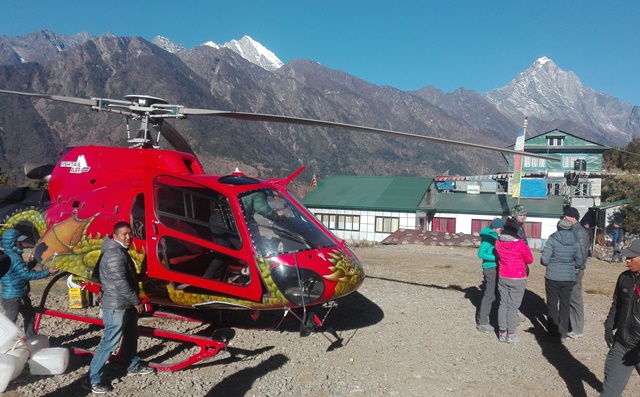
Everest Base Camp helicopter tours from Kathmandu are operated using specially selected aircraft built for high-altitude mountain flying. The Himalayan environment requires helicopters with strong engine performance, stability, and reliable safety systems to handle thin air and changing weather conditions.
Main Aircraft Used for EBC Helicopter Flights
Airbus H125 (AS350 B3 Series)
This is the most commonly used helicopter for Everest flights. It is well known for its strong performance in high-altitude regions and is widely trusted in Nepal’s mountain aviation operations. The aircraft offers excellent visibility through large windows, making it ideal for scenic mountain viewing and landing at viewpoints like Kala Patthar.
Bell 407 Series
The Bell 407 is another frequently used helicopter for Everest Base Camp tours. It provides a smooth and comfortable flight experience with good speed and stability. It is often used for both private and shared charter flights depending on passenger load and weather conditions.
Upgraded H125 Variants
Newer versions of the H125 are also used for more demanding operations such as rescue support, VIP flights, and high-altitude landings. These models feature improved engine efficiency and better performance in extreme conditions.
Why These Helicopters Are Chosen for Everest Flights
Helicopters used for Everest tours are not standard aircraft. They are carefully selected for:
- Strong performance in thin air above 4,000 meters
- High safety standards for mountain flying
- Stable flight in windy and unpredictable conditions
- Wide windows for panoramic Himalayan views
- Proven reliability in rescue and tourism operations
Simple Overview
Most Everest Base Camp helicopter tours from Kathmandu operate with:
- Airbus H125 (AS350 B3) – primary choice
- Bell 407 – alternative option for select flights
These helicopters are specially suited for Himalayan terrain and ensure safe and scenic access to the Everest region.
Detailed ItineraryItinerary
Everest Base Camp Helicopter Tour
5:30 – 6:30 AM: Hotel picks up and drops at the domestic terminal of International Airport, Kathmandu.
Rise and shine early birds! Your once-in-a-lifetime adventure to the top of the world begins at the crack of dawn. As the sun is just starting to peek over the horizon, we’ll pick you up from your hotel and take you to the domestic terminal of the International Airport in Kathmandu. This is where the journey to the rooftop of the world starts, and where you’ll begin your ascent to the heights of the Himalayas.
6:30 – 7:00 AM: Preparation and processing to take your scheduled helicopter flight to EBC with a landing.
As you arrive at the airport, it’s time to gear up for the ultimate flying experience. The next half-hour is dedicated to preparing for take-off, including completing the necessary airport formalities and getting ready for your scheduled helicopter flight to the base camp of Mt. Everest. This is a chance to get mentally and physically prepared for the journey ahead, as you’ll be soaring above the clouds and landing at one of the most iconic locations in the world.
7:00 – 8:00 AM: Fly to Lukla (2,845 meters)
7:00 AM: The engines roar to life as you take off for the first leg of your journey, flying to Lukla. 7:30 AM: As you gain altitude, you’ll be treated to stunning vistas of green hills and villages below. 8:00 AM: You’ll fly over the Lamjura-La Pass, surrounded by thick rhododendron forests. After 45 minutes of flying, you’ll land at Lukla, where you’ll be greeted by the magnificent views of the Himalayan mountain ranges. Lukla, at 2,845 meters above sea level, is famous for its small runway and rich Sherpa culture. This is where you’ll take a break to refuel and catch a glimpse of the local lifestyle.
8:00 AM: Landing at Lukla airport,
you’ll take a short break to refuel and take in the local culture and lifestyle. 8:15 AM: Fully refueled, you’ll take off again, ready for the next leg of your journey.
8:15 – 8:30 AM: Fly to Kala Patthar (5,450 meters)
After refueling at Lukla airport, you’ll fly to Kala Patthar, a viewpoint that offers an unparalleled panoramic view of the Khumbu region, including the mighty peaks of Mt. Everest, Pumori, and Lhotse. During the flight, the guide will give you information about the places you’re flying over, including the location of the legendary Everest Base Camp and the Khumbu glacier. As you fly over Kala Patthar, you’ll have a great view of the mountains.
8:30 – 8:45 AM: Land and Explore around Kala Patthar (5,450 meters)
After flying to Kala Patthar, you will land and have the opportunity to explore the area. At an altitude of 5,450 meters, Kala Patthar offers a stunning panoramic view of the Khumbu region and the chance to see the majestic peaks of Mt. Everest, Pumori, and Lhotse up close. You will have 15 minutes to take in the view, snap some photos, and soak in the unforgettable experience.
9:00 – 9:30 AM: Breakfast Time at Everest View Hotel
Syangboche is home to the world-famous Everest View Hotel, renowned for its stunning views of Mt. Everest from every angle. This luxurious hotel is the perfect spot to take in the mesmerizing beauty of the snow-capped peaks and indulge in a hearty and filling breakfast while taking in the majestic view.
9:30 – 10:00 AM: Fly to Lukla and Refuel
After a delicious breakfast, you’ll fly back to Lukla, enjoying the stunning views of the Himalayas. A quick refueling stop at Lukla airport before flying back to Kathmandu.
10:00 – 11:00 AM: Fly back to Kathmandu
As you fly back, you’ll have one last chance to see the diversity of the landscapes of the Everest region, including Namche Bazaar, Lukla, and Phakding. Once you land in Kathmandu, you’ll be transported back to your hotel in comfortable, private transport, marking the end of an unforgettable adventure.
Meals : Breakfast
Everest Base Camp Helicopter Tour FAQs
The tour typically lasts around 4-5 hours, including flying time and stopovers.
Most helicopters used for the tour can seat 4 passengers.
Landing on the base camp is not allowed due to safety and environmental concerns. However, you will fly over the base camp and get close enough for great views. But you can land on Kalapathar hill.
Helicopter tours to Everest Base Camp are generally considered safe. However, as with any form of travel, there are inherent risks.
Age and health restrictions can vary depending on the tour operator. It is best to check with the company before booking.
The best time to take the tour is in the spring and fall when the weather is the most stable.
The tour is generally not suitable for people with limited mobility as it involves flying in a small aircraft.
The tour price typically includes the helicopter ride, as well as any necessary permits and fees.
Additional costs can include meals, accommodation, and travel insurance.
You can book a tour through a travel agent or directly through the tour operator.
Some tour operators may be able to customize the tour to your preferences, such as adding a stopover or a longer flight time.
Warm clothing and comfortable shoes are recommended.
There is a risk of altitude sickness as the helicopter flies at high altitudes.
Yes, you can take photos and videos during the tour.
Cancellation policies can vary depending on the tour operator. Be sure to check the policy before booking.
Refund & Cancellation Policy
- Booking requires 20% non-refundable deposit (Nepal) or 100% upfront (Tibet/Bhutan).
- Remaining payment due before the trip or on arrival (trip-dependent).
Cancellation charges:
- 31+ days: 20%
- 16–30 days: 45%
- 8–15 days: 75%
- 7 days or less: 90%
- Prices may change due to flights, taxes, or exchange rates.
- Trip changes are allowed, but extra costs apply.
- If the company cancels, a full refund, except for unavoidable events (some costs deducted).
- Good health and travel insurance are mandatory.
- No refund if removed for unsafe or illegal behavior.
- Travel involves personal risk, which the client accepts.