Island Peak Climbing Package Introduction: Overview
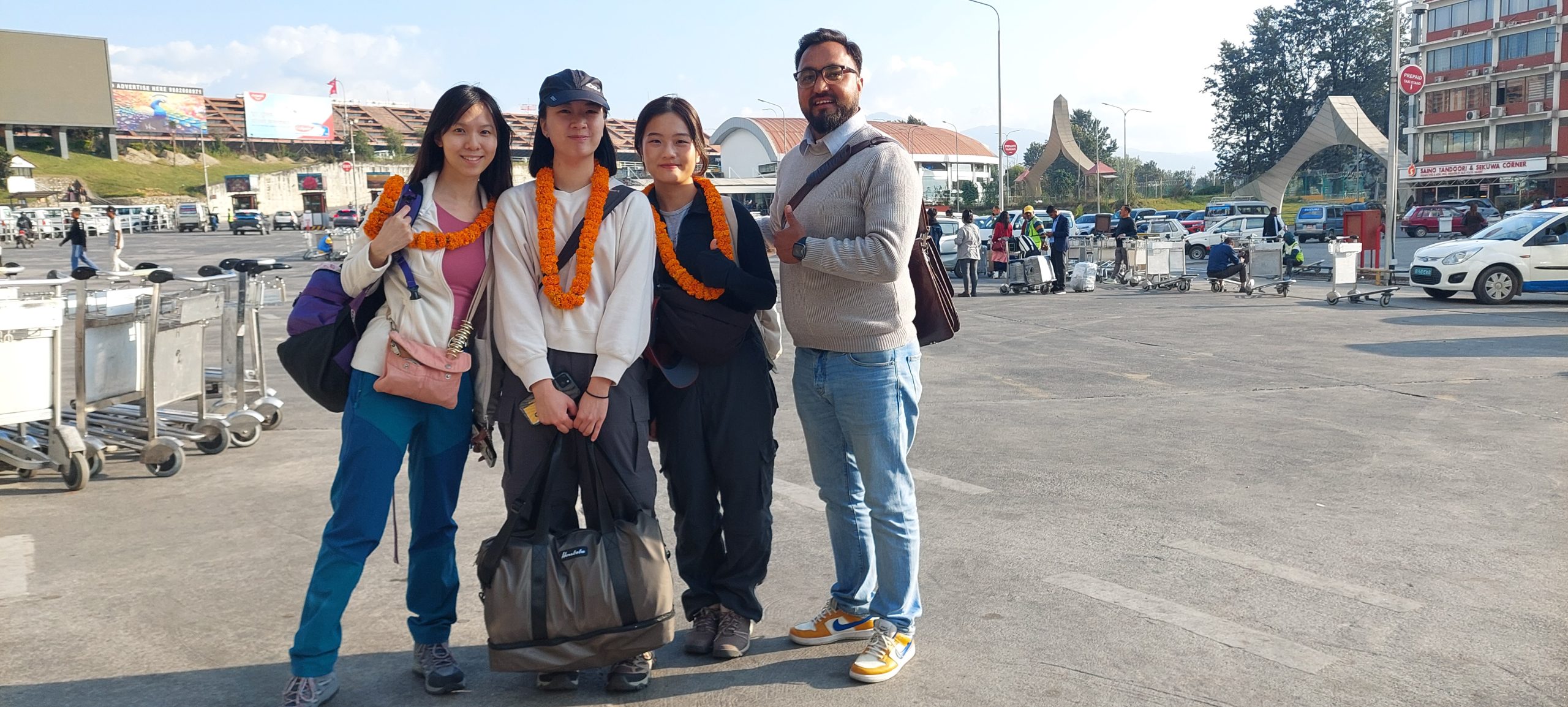
The Island Peak Climbing Package Tour with us begins professionally from Kathmandu, where our team welcomes you at Tribhuvan International Airport and transfers you to your hotel. A thorough orientation introduces you to the expedition, covering gear requirements, permits, and the detailed itinerary. The vibrant streets of Thamel offer opportunities for last-minute trekking and shopping, while the evening is reserved for dinner and preparation. Starting mentally and physically ready ensures a smooth beginning to the Himalayan adventure.
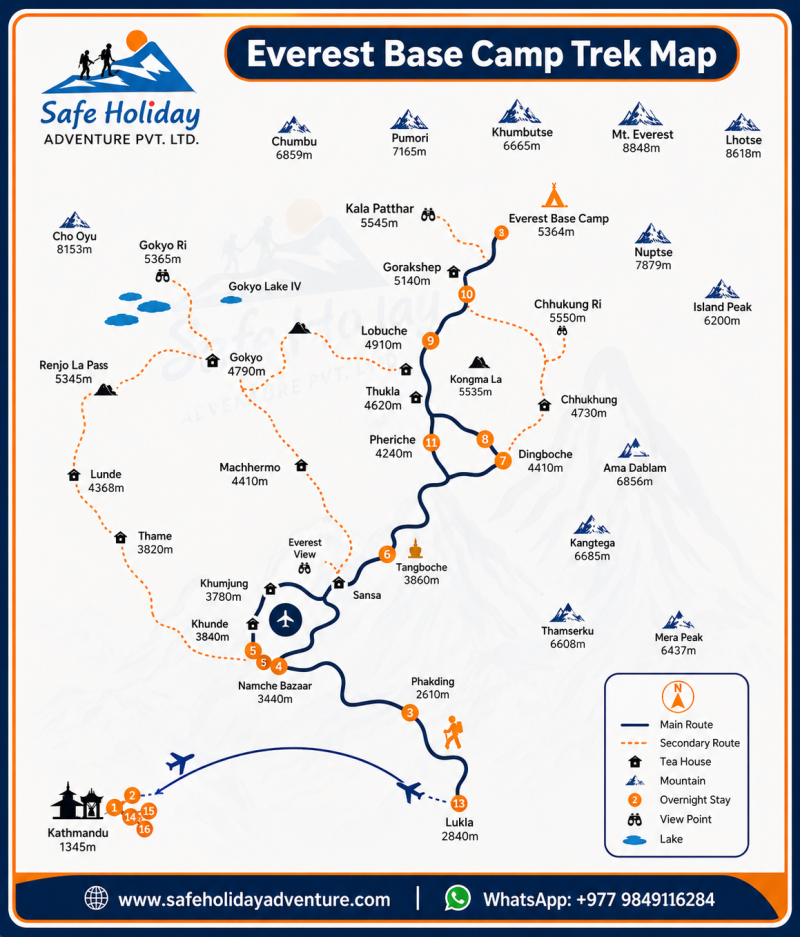
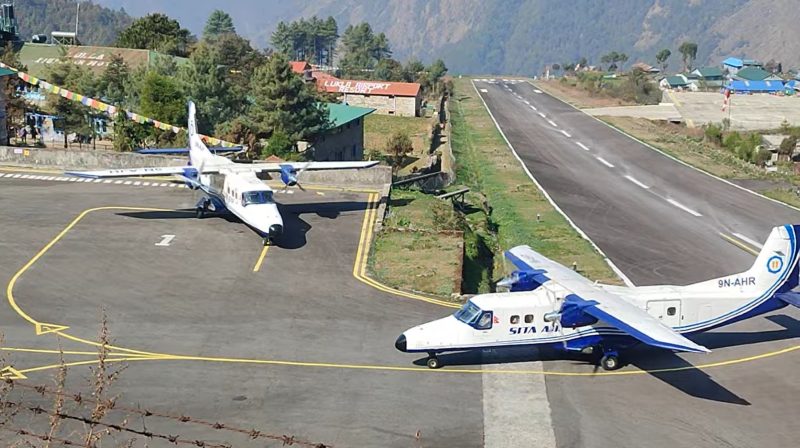
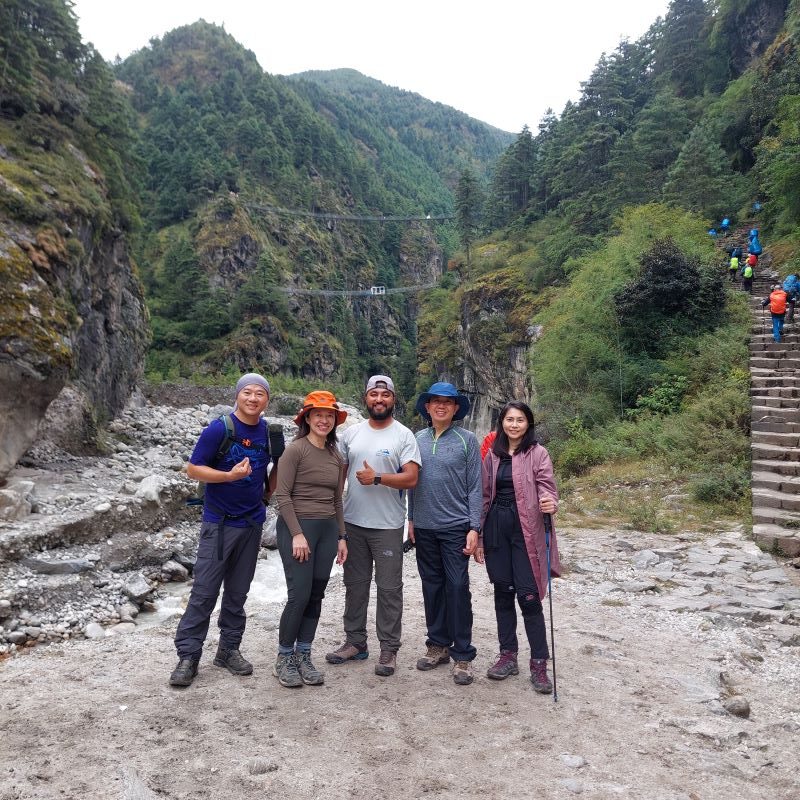
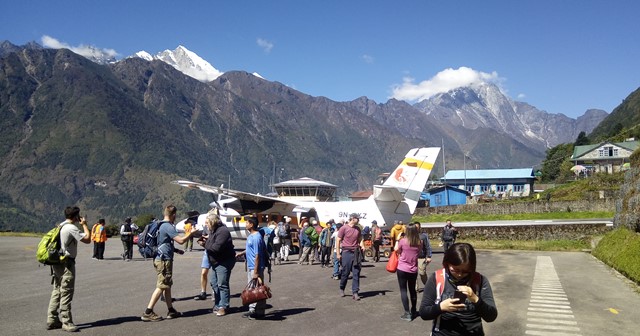
The journey continues with an early scenic flight from Kathmandu to Lukla, offering breathtaking views of snow-capped Himalayan peaks. From Lukla, the trek begins gently toward Phakding, following trails through lush pine forests and crossing suspension bridges over rushing rivers. Tea houses provide warm meals and a cozy place to rest. This day allows your body to adjust gradually to higher altitudes, building excitement for the adventure ahead.
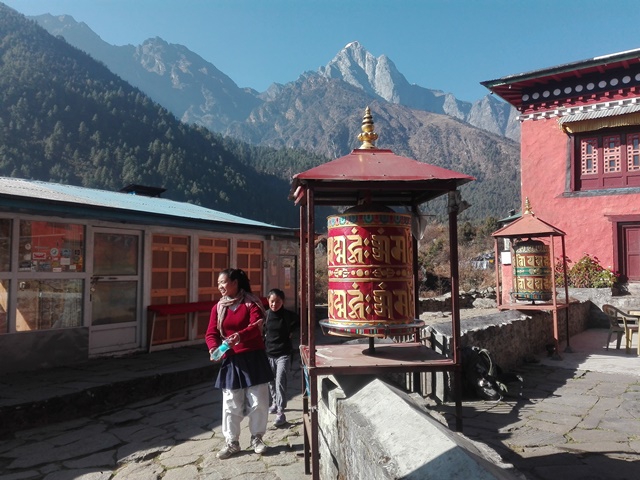
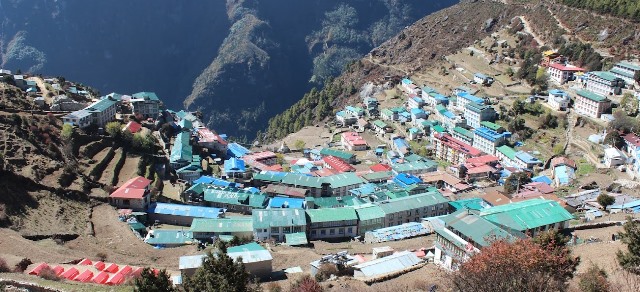
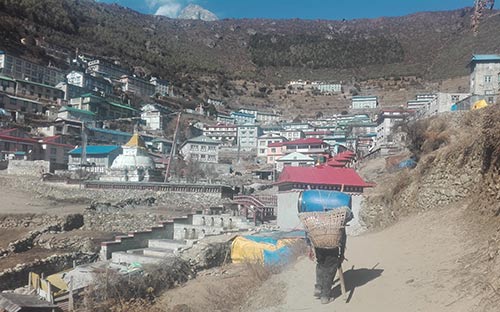
From Phakding, the trail climbs steadily to Namche Bazaar, passing traditional Sherpa villages and crossing several suspension bridges over the Dudh Koshi River. Namche Bazaar, the gateway to the Everest region, offers your first panoramic views of Ama Dablam and Thamserku. Exploring local markets, monasteries, and narrow streets enriches your experience with culture. The afternoon provides acclimatization, helping your body prepare for higher altitudes and the more challenging sections of the trek.
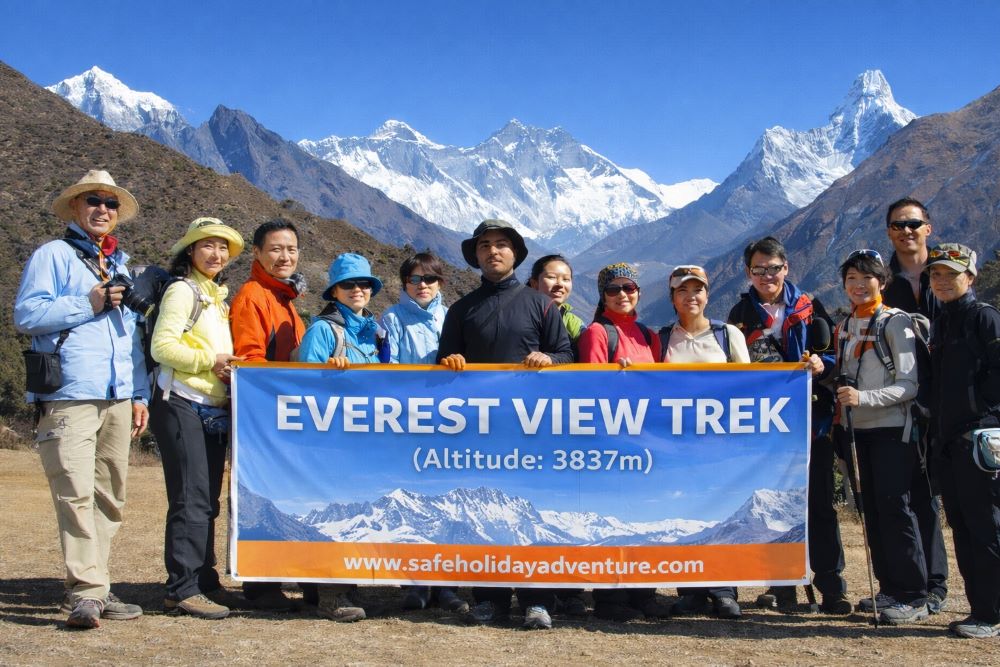
A full acclimatization day in Namche Bazaar includes a short hike to the Everest View Hotel for spectacular views of Everest, Nuptse, Lhotse, and Ama Dablam. Optional walks in Thame Valley, village exploration, and gentle stretching exercises improve your physical readiness. Photography enthusiasts will enjoy the Himalayan panorama, while everyone benefits from essential rest before continuing higher along the trail.
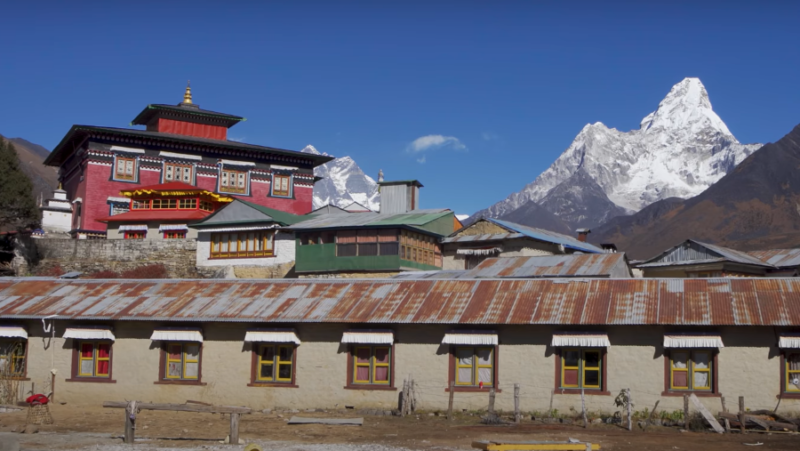
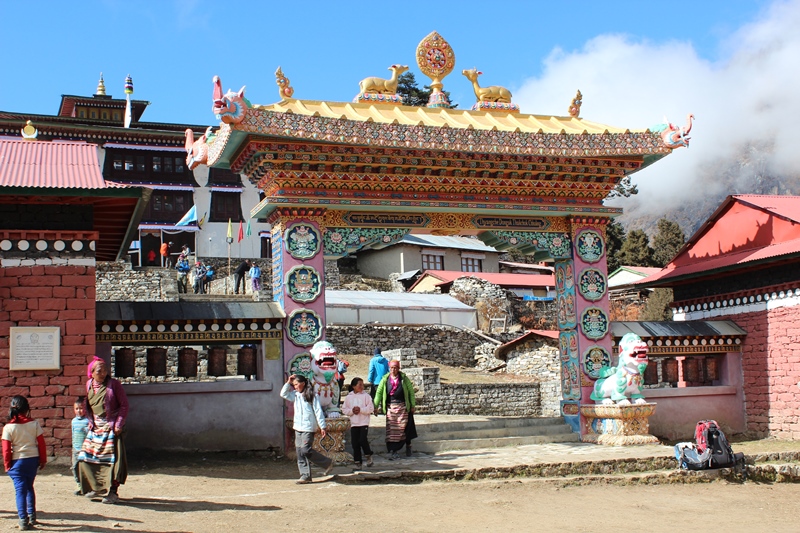
Trekking continues from Namche Bazaar to Tengboche, passing through rhododendron and pine forests and crossing several suspension bridges. The famous Tengboche Monastery provides spiritual insight and offers one of the most iconic views of Ama Dablam. Moderate trekking combined with cultural experiences helps with further acclimatization. Tea houses along the route provide comfort, meals, and space to relax while enjoying the serene Khumbu environment.
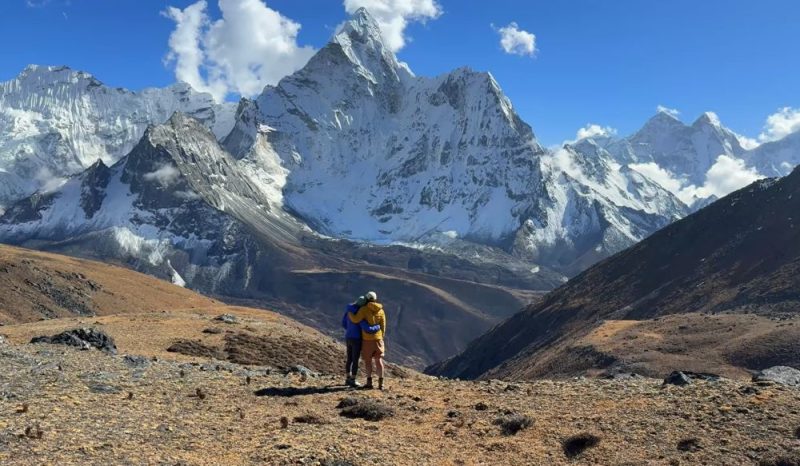
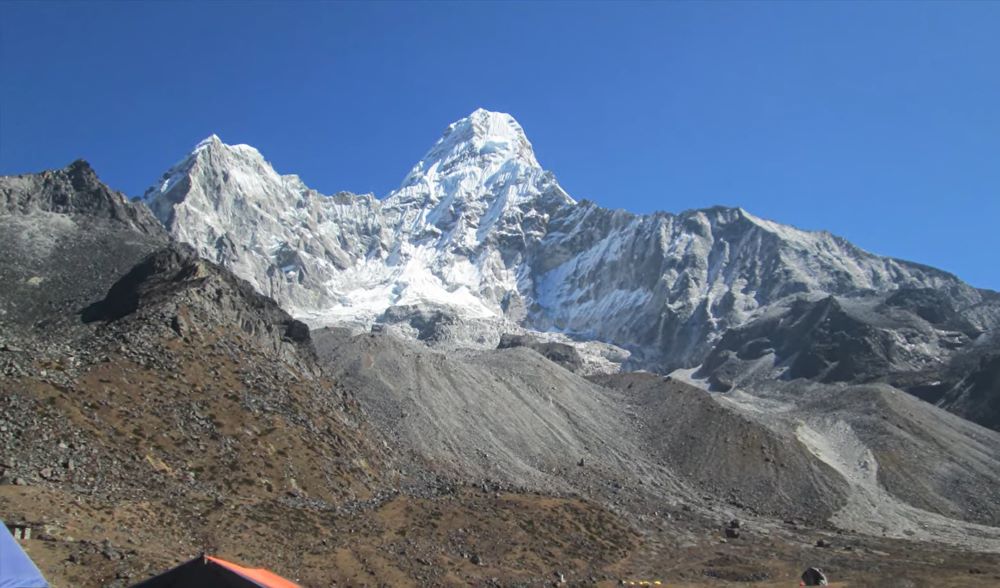
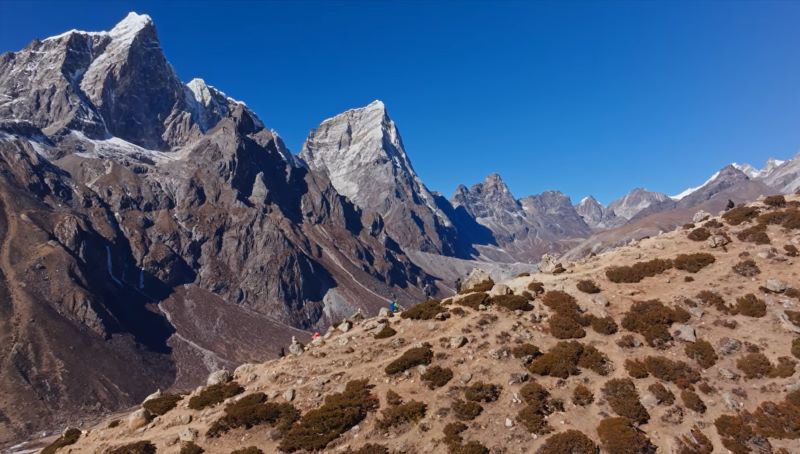
From Tengboche, the trail climbs gradually into the upper Khumbu Valley, passing high-altitude villages, rocky landscapes, and glaciers to reach Dingboche. Dramatic views of Ama Dablam and the surrounding peaks dominate the scenery. This moderately challenging day prepares the body for higher elevations, and evenings are spent hydrating, resting, and reviewing climbing techniques for Island Peak.
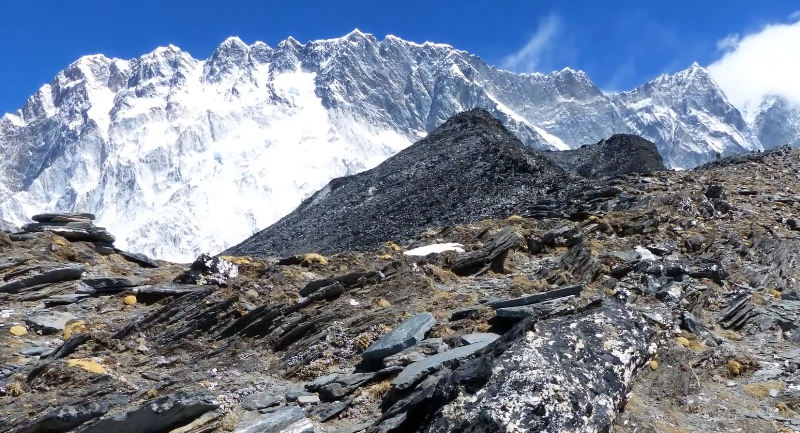
An acclimatization day in Dingboche includes a short hike to Nagarjun Hill or nearby ridges. Gentle trekking helps the body adapt to higher altitude while offering stunning views of Lhotse, Makalu, and Ama Dablam. Optional yoga, village exploration, and stretching exercises further improve oxygen absorption, ensuring readiness for the summit climb. This day emphasizes both safety and preparation.
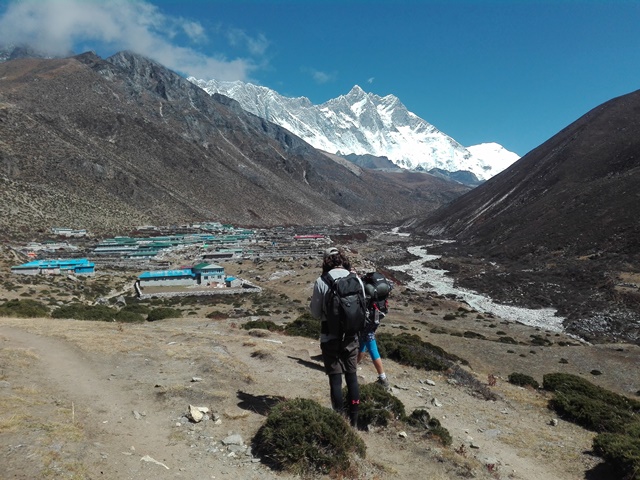
The trek continues from Dingboche to Chhukung, a small village near Island Peak, passing glacial moraines, streams, and stunning high-altitude scenery. Chhukung serves as the acclimatization hub before the summit attempt. Tea houses provide meals, rest, and comfort. Guides review climbing plans, ensure gear is ready, and provide instruction, allowing climbers to feel confident and prepared for the most challenging day.
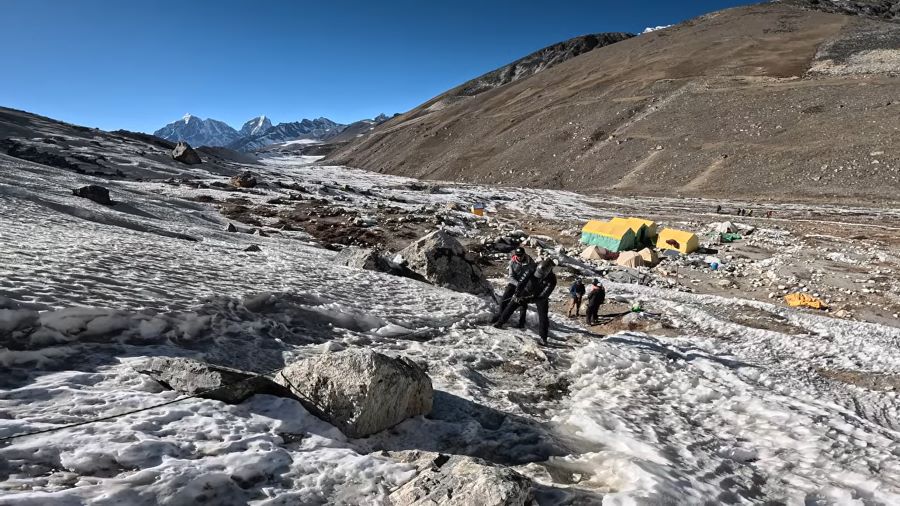
From Chhukung, climbers ascend steeply to Island Peak Base Camp, navigating rocky terrain and glacier moraines. The Base Camp is equipped with tents, and guides conduct ice axe and crampon practice. Hydration and acclimatization are emphasized, while the evening sets the stage for the most physically demanding day of the expedition.
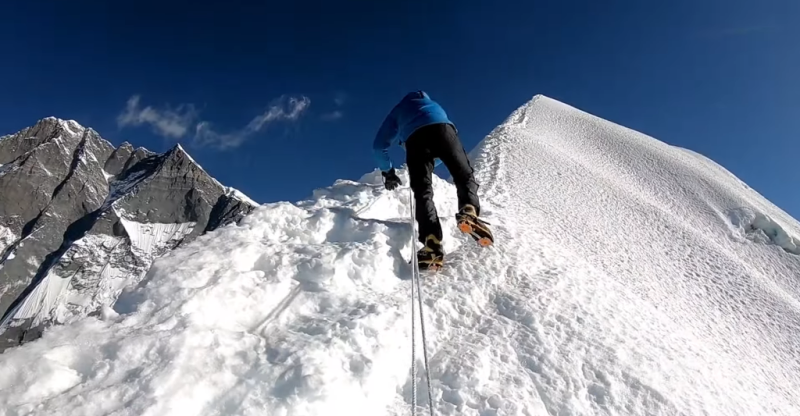
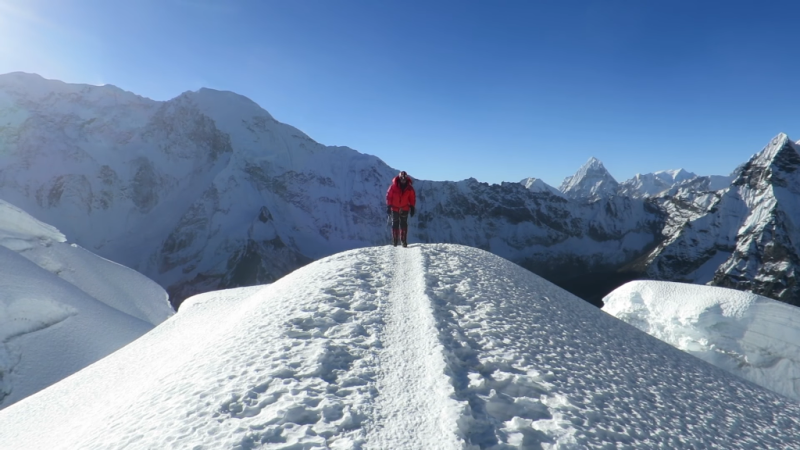
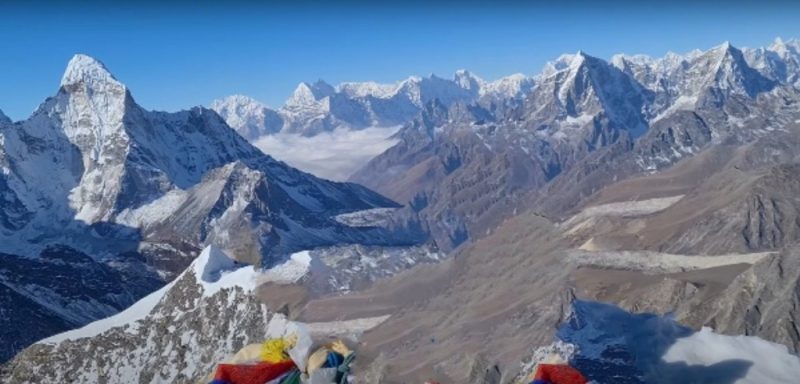
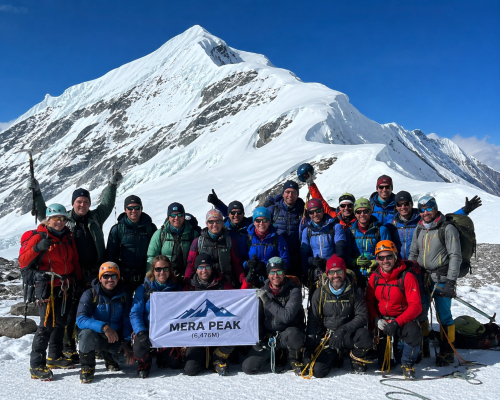
Summit day begins around 1–2 AM, with climbers ascending steep slopes using fixed ropes, crampons, and ice axes. Reaching the 6,189-meter summit provides unparalleled panoramic views of Ama Dablam, Lhotse, and Makalu. After photos and celebration, climbers descend carefully to Base Camp. This is the most challenging yet rewarding day, highlighting the physical and mental achievements of the expedition.
After the summit, the trek descends back to Chhukung for rest, reflection, and celebration. The following day continues downhill to Dingboche, providing recovery, photography opportunities, and appreciation for the surrounding Himalayan scenery. From Dingboche, trekkers make a long descent to Namche Bazaar(3,450m), passing villages, suspension bridges, and forests while reflecting on the expedition’s experiences.
Finally, the journey continues to Lukla( 2,860m) for the scenic flight back to Kathmandu. The 14-day Island Peak Climbing package concludes with hotel transfers, farewell arrangements, and optional celebratory dinners. This professionally managed tour can also be done via the Gokyo-Chola Pass–Everest Base Camp route before climbing Island Peak, or designed without Everest Base Camp while still ensuring sufficient acclimatization. Whichever option you choose, the expedition blends adventure, cultural experiences, and high-altitude climbing for an unforgettable Himalayan journey.
Genaral Trip InfoInfos
How Difficult Is Island Peak Climbing?
Island Peak climbing is moderately difficult and requires good physical fitness, proper acclimatization, and basic mountaineering skills. At 6,189 meters, altitude is one of the main challenges, while the final sections involve glacier travel, crampons, fixed ropes, and an ice axe.
Previous climbing experience is helpful but not essential for well-prepared trekkers. With proper training, gradual acclimatization, experienced guides, and suitable equipment, Island Peak can be an achievable first Himalayan climbing experience. The summit day is physically demanding, so climbers should be prepared for long hours at high altitude.
How Much Does Island Peak Climbing Cost?
Island Peak climbing costs approximately USD 1,650 to USD 2,100 per person. The final price depends on the services you choose, including guides, porters, accommodation, meals, climbing equipment, permits, and transportation. These are tentative Island Peak climbing costs for trekkers and may vary depending on your preferred itinerary, group size, and service level.
Climbing Techniques & Safety
Ice and Snow Climbing Skills:
Front-pointing, step-kicking, and self-arrest with an ice axe are essential skills for technical sections.
Proper Use of Climbing Equipment:
Crampons, ice axes, harnesses, and helmets must be used correctly. Climbers should receive a pre-trek equipment orientation.
Rope Handling and Belaying:
Fixed ropes assist climbers during the summit push. Proper belaying and rope management are essential for safety.
Risk Management:
Common hazards include altitude sickness, falls, avalanches, crevasses, frostbite, and sudden weather changes. Guided climbs help reduce these risks.
Altitude Sickness Prevention:
Gradual acclimatization, adequate hydration, carbohydrate-rich meals, and prescribed medication such as Diamox can help reduce the risk of Acute Mountain Sickness.
Weather Challenges:
Extreme cold, strong winds, and snowstorms can develop quickly. Climbers should follow their guide’s instructions and monitor weather conditions regularly.
Navigation and Orientation:
Maps, GPS devices, and experienced guides help ensure safe navigation across snowfields and remote mountain trails.
Emergency Evacuation:
Professional climbing agencies should have emergency evacuation arrangements, including helicopter evacuation from Base Camp or higher camps when necessary.
Role of Guides and Porters:
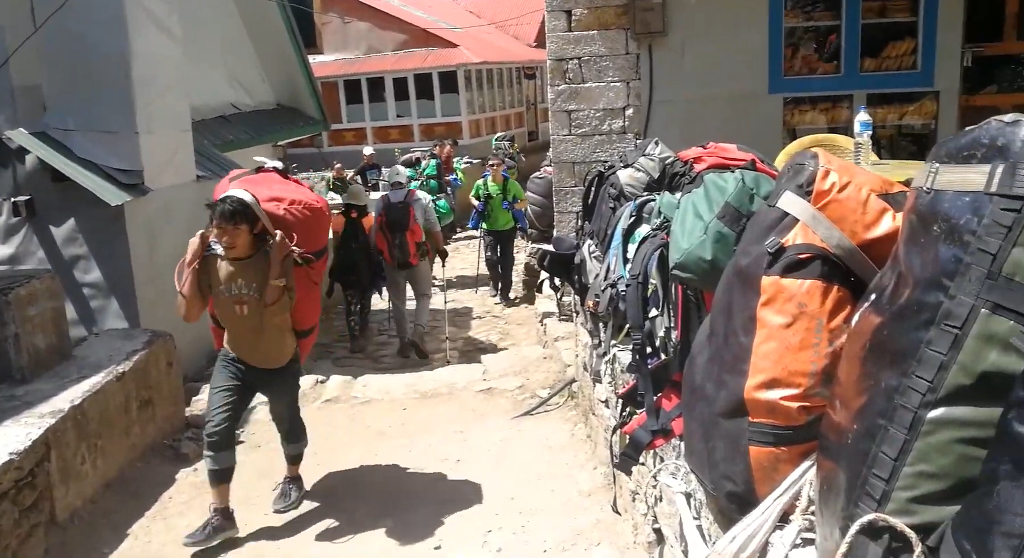
Experienced guides provide safety support and route management, while porters carry equipment and help reduce climber fatigue.
Comprehensive Safety Gear Checklist:
Essential equipment includes a helmet, harness, ropes, ice axe, crampons, gloves, headlamp, warm layers, first-aid kit, and emergency communication devices.
Island Peak Climbing Permit Cost 2026/2027
The Island Peak climbing permit costs USD 350 per person in spring (March–May) and USD 175 per person in autumn, summer, and winter. The climbing permit rate is the same for Indian, SAARC, and other foreign nationals.
Additional fees may apply for Sagarmatha National Park, Khumbu Pasang Lhamu Rural Municipality, and the refundable garbage deposit. Permit fees are subject to change under NMA and Nepal government regulations.
Accommodation and Meals During Island Peak Climbing:
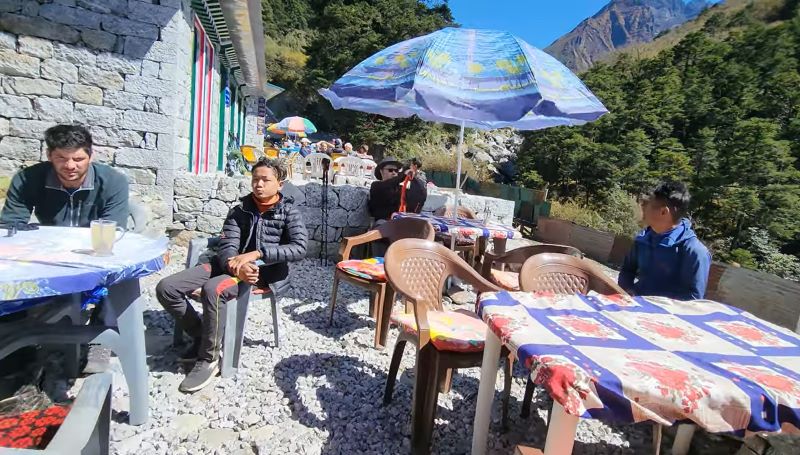
Accommodation during the affordable Island Peak climbing package is arranged in comfortable local teahouses and lodges along the trekking route. Rooms are generally simple and clean, with shared facilities. During the Island Peak climbing period, accommodation becomes more basic, with tent camping at Island Peak Base Camp.
Meals include nutritious local and international options such as Dal Bhat, noodles, pasta, soup, eggs, bread, vegetables, and tea or coffee. At higher elevations, meals are kept simple and energy-rich to support long trekking and climbing days.
Island Peak Climbing Equipment and Gear:
Climbing Equipment
- Mountaineering helmet
Climbing harness
Mountaineering boots
Crampons
Ice axe
Ascender (Jumar)
Carabiners
Prusik loops
Climbing sling
Belay device
Climbing rope and fixed-rope equipment
Trekking Clothing
- Base-layer thermal underwear
Fleece jacket
Down jacket
Waterproof and windproof jacket
Trekking pants
Waterproof pants
Warm hat and sun hat
Trekking gloves
Warm mountaineering gloves
Wool or thermal socks
Footwear
- Comfortable trekking shoes
- High-altitude mountaineering boots
- Camp shoes or sandals
- Gaiters
Sleeping and Personal Gear
- Four-season sleeping bag
- Sleeping bag liner
- Headlamp with spare batteries
- Trekking poles
- Sunglasses and glacier glasses
- Sunscreen and lip balm
- Water bottles or hydration system
- Small backpack
- Duffel bag
- Dry bags
Health and Safety Essentials
- Personal first-aid kit
- Personal medications
- Water purification tablets
- High-SPF sunscreen
- Emergency communication device
- Hand sanitizer
- Basic toiletries
Important Documents
- Passport
- Nepal visa
- Travel insurance covering high-altitude climbing and emergency evacuation
- Passport-size photographs
- Copies of permits and important documents
Safety and Acclimatization During Island Peak Climbing:
Proper acclimatization is essential for a safe Island Peak climbing experience. The itinerary includes gradual altitude gains and acclimatization time to help your body adjust. Staying hydrated, eating well, getting enough rest, and following your guide’s advice can reduce the risk of altitude-related problems.
Safety remains a priority throughout the climb. Experienced guides monitor weather, health, and trail conditions while providing guidance on technical sections, climbing equipment, and emergency procedures.
Private and Group Island Peak Climbing Options:
Our Island Peak climbing program can be arranged for both private travelers and groups. A private climb is suitable for friends, couples, families, or individual trekkers who want their own schedule and climbing support. Group departures are a practical option for travelers who want to share the experience while keeping the overall trip cost more affordable.
The choice depends on your budget, preferred travel dates, group size, and level of flexibility. We can organize the itinerary, accommodation, guides, porters, climbing support, and other arrangements according to your requirements, making the Island Peak adventure easier to plan from Kathmandu to the summit.