

Kathmandu City Tour – Key Highlights Highlights
- UNESCO World Heritage Sites in Kathmandu Valley: Explore the rich cultural heritage of the Kathmandu Valley, home to globally recognized UNESCO World Heritage Sites and centuries of history.
- Pashupatinath Temple and Bagmati River Ghats: Visit the sacred Hindu pilgrimage site of Pashupatinath Temple, one of the most important religious destinations in South Asia, and observe traditional rituals along the holy Bagmati River cremation ghats.
- Boudhanath Stupa – Center of Tibetan Buddhism: Experience the peaceful and spiritual atmosphere of the majestic Boudhanath Stupa, a major center of Tibetan Buddhism surrounded by monasteries, prayer wheels, and devotional chants.
- Swayambhunath (Monkey Temple): Climb the iconic Swayambhunath Stupa, one of the oldest religious sites in Nepal, offering panoramic views of Kathmandu Valley along with deep spiritual significance.
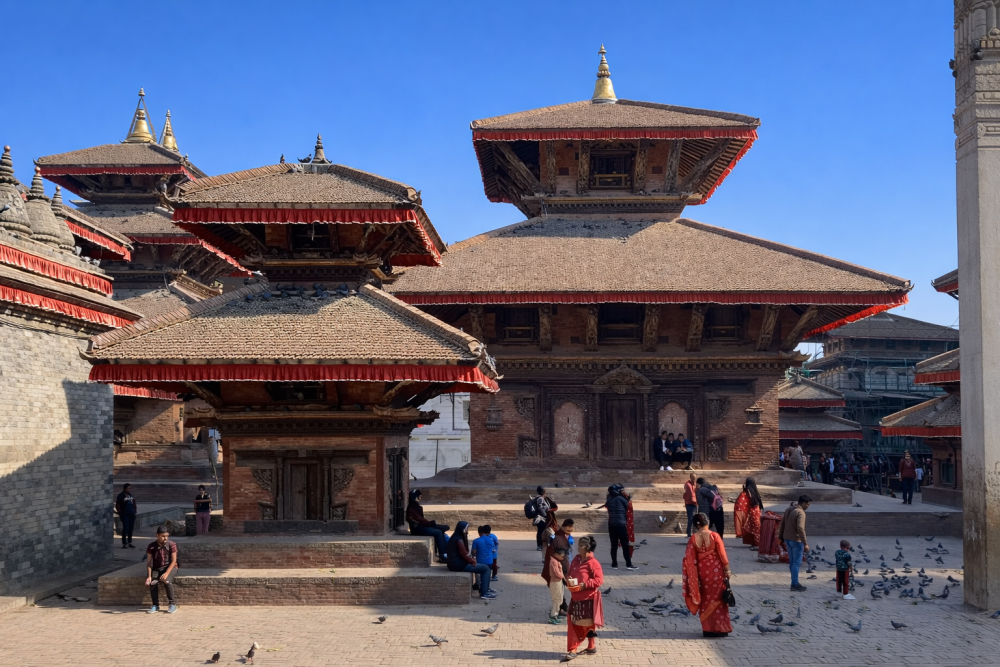
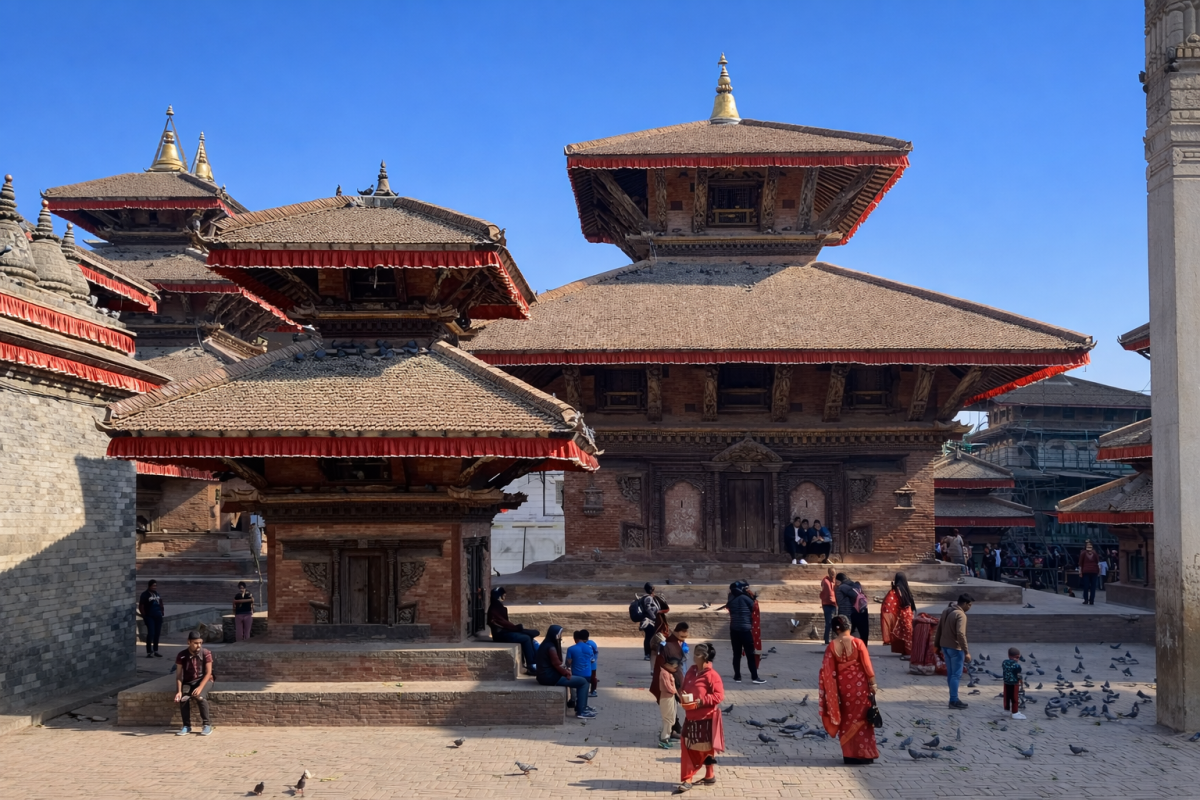
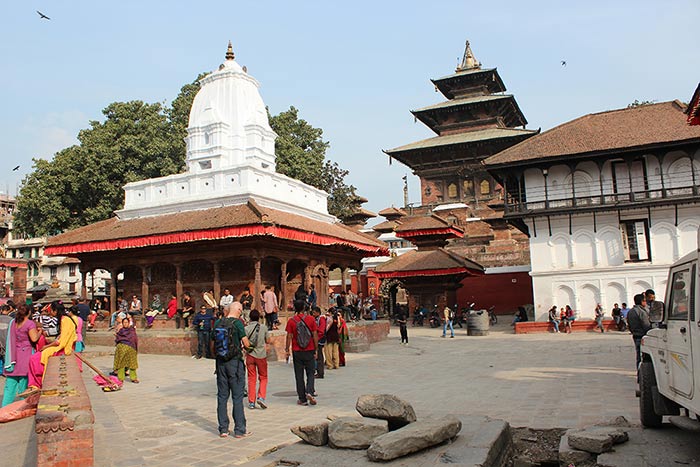
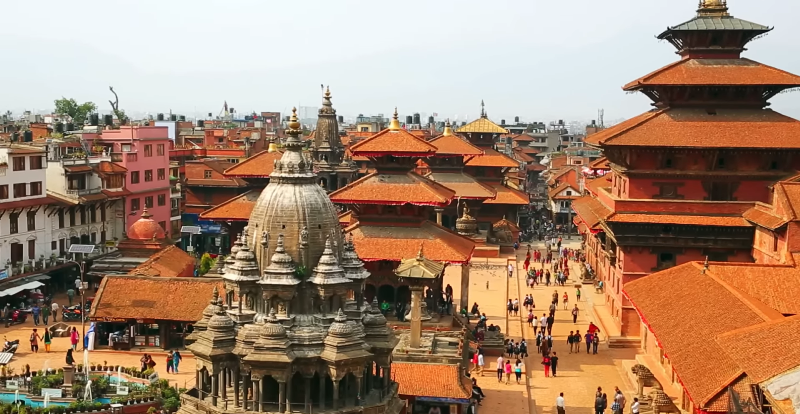
- Kathmandu Durbar Square: Explore the historic Kathmandu Durbar Square, featuring ancient royal palaces, traditional courtyards, and intricately carved temples showcasing Nepal’s rich architectural heritage.
- Traditional Newari Architecture: Discover the unique Newari craftsmanship reflected in wooden windows, temples, shrines, and traditional courtyards that define the cultural identity of Kathmandu.
- Living Goddess Kumari (Kumari Ghar): Witness the sacred tradition of the Living Goddess Kumari, an important cultural and religious heritage of Nepal housed in the Kumari Ghar.
- Buddhist Monasteries and Spiritual Symbols: Explore peaceful Buddhist monasteries decorated with prayer flags and prayer wheels, reflecting the deep spiritual traditions of the Kathmandu Valley.
- Vibrant Local Markets and Cultural Streets: Walk through bustling local markets and cultural streets filled with handicrafts, souvenirs, spices, and authentic daily life experiences of Kathmandu.
- Panoramic Views of Kathmandu Valley: Enjoy stunning viewpoints offering panoramic scenery of the Kathmandu Valley, surrounded by hills, temples, and historic settlements.
Private Kathmandu City Tour Introdcution: Overview
Your Private Kathmandu City Tour is designed as a smooth and meaningful half-day journey, usually lasting around 5 to 6 hours, starting roughly at 10:00 AM after your breakfast. This tour is specially created for travelers who want to truly understand Kathmandu in a short time—its culture, history, architecture, and daily life.
Even if you are in Nepal for trekking adventures like Everest Base Camp, Annapurna Circuit, Langtang, ABC Trek, or Manaslu Circuit, this city tour becomes the perfect introduction. It helps you connect with Nepal’s heritage before heading into the mountains, giving you a deeper appreciation of the country you are exploring.
Your Experienced local Kathmandu City Guide will pick you up directly from your hotel at the scheduled time in a comfortable private vehicle. From there, your journey through the living history of Kathmandu begins—relaxed, well-organized, and full of discovery.
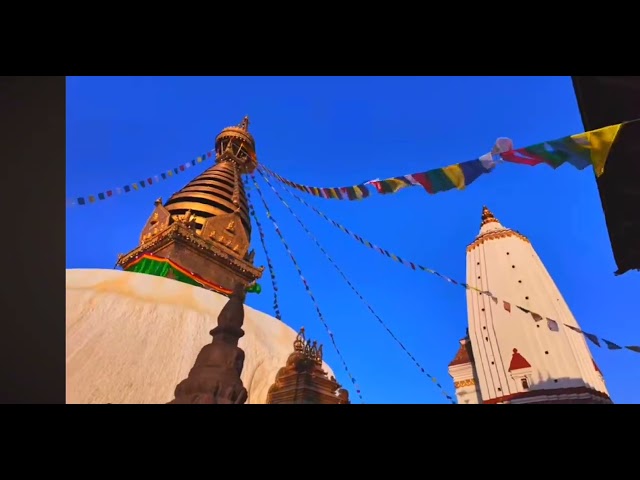
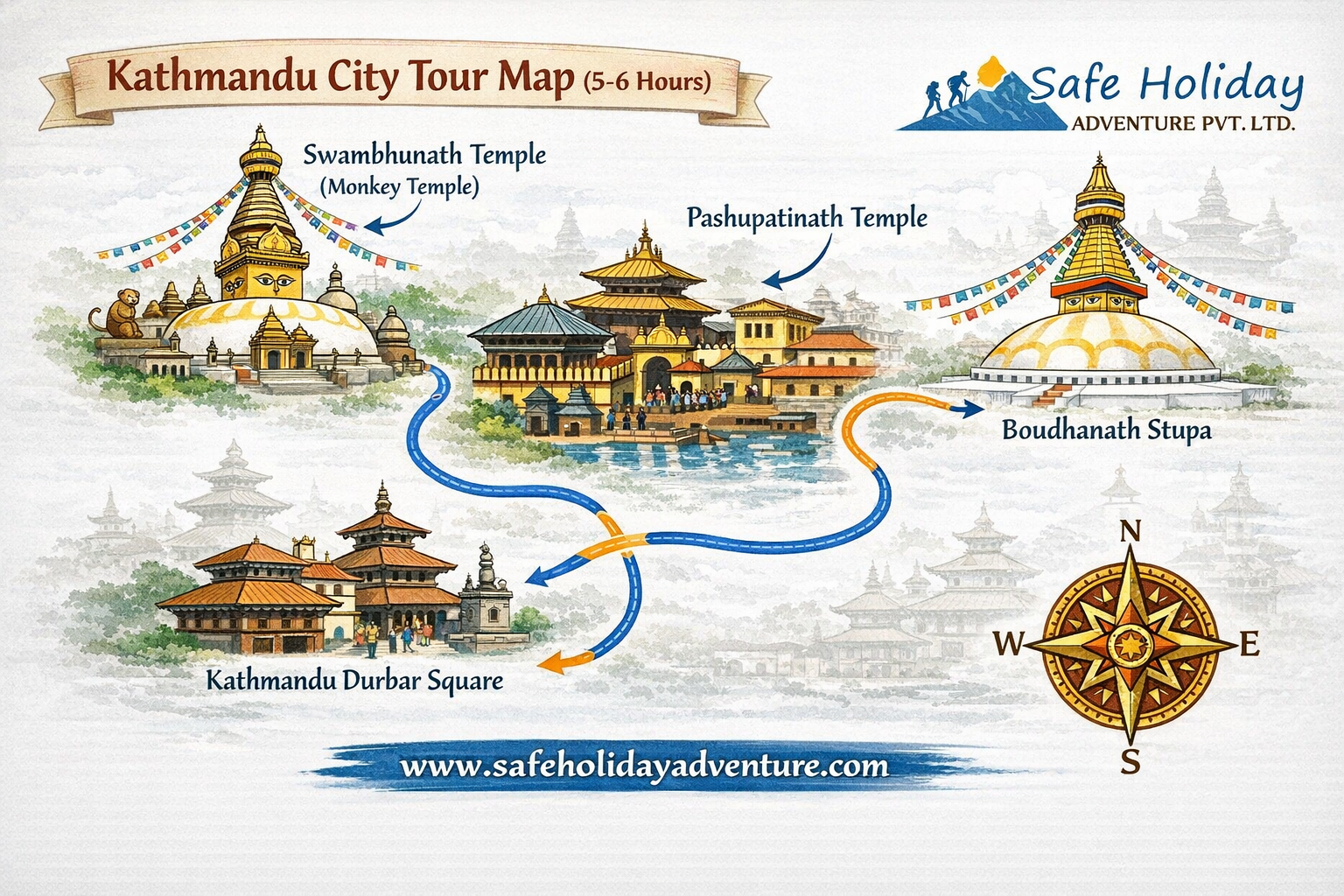
The first stop is Swayambhunath Stupa (Monkey Temple), located just about a 10-minute drive from central areas like Thamel, Paknajol, or Chhetrapati. As you reach the top of this sacred hill, the entire Kathmandu Valley opens up in front of you. The atmosphere is both peaceful and vibrant at the same time—monkeys play around the ancient structures, monks walk quietly, colorful prayer flags flutter in the wind, and pilgrims circle the stupa in devotion.
It is one of the oldest religious sites in Nepal and offers both spiritual energy and the best panoramic view of the city.
From here, your guide takes you down to the next landmark, Kathmandu Durbar Square (Basantapur Durbar Square), which is again just a short 10-minute drive away. This historic palace area feels like stepping back into the time of kings. The square is full of ancient temples, traditional Newari architecture, carved wooden windows, and courtyards that once hosted royal ceremonies. Even today, it remains a vibrant place where history and everyday life exist side by side. Walking through this area gives you a real sense of Kathmandu’s royal past and cultural depth.
After exploring Kathmandu Durbar Square, the journey continues toward Boudhanath Stupa, which is about a 30-minute drive from the city center. As you arrive, the scene changes completely. You are now in one of the largest Buddhist stupas in the world, surrounded by a calm and spiritual atmosphere. The massive white dome, golden spire, and endless rows of prayer wheels create a peaceful environment where time seems to slow down. Around the stupa, you will also find beautiful rooftop restaurants where you can enjoy lunch while watching monks, pilgrims, and local visitors walk in circles in quiet prayer. It is one of the most relaxing and photogenic moments of the entire tour.
Next, the Private Kathmandu City Tour continues to Pashupatinath Temple, located about 15 minutes from Boudhanath. This is the most sacred Hindu temple in Nepal, dedicated to Lord Shiva. The atmosphere here is deeply spiritual and culturally powerful. On the banks of the holy Bagmati River, you may witness traditional Hindu cremation rituals from a respectful distance, as this is one of the most important cremation sites for Hindus. If you visit in the evening, you may also experience the famous Aarti ceremony, where priests perform devotional prayers with fire, bells, and chanting along the riverbank. It is a truly unforgettable cultural and spiritual experience.
After completing the visit to Pashupatinath, your guide will comfortably drive you back to your hotel. If you still have energy and time, you can also request a short stop at a nearby traditional market area, such as Asan or Indrachok Bazaar, where narrow streets are filled with spices, local goods, handicrafts, and scenes of daily life among Kathmandu residents.
By the end of this 5–6 hour journey, you will have experienced almost everything that defines Kathmandu—its religion, history, architecture, local lifestyle, and spiritual depth. It is not just a sightseeing tour, but a real introduction to Nepal itself, giving you memories and understanding that stay with you long after your journey continues into the Himalayas.
Kathmandu’s Living Heritage: Stories Behind Its Ancient Sites
Kathmandu is a city where history, religion, and daily life blend together. Its ancient monuments are not just old structures, but living places where people still pray, celebrate, and connect with their culture.
Pashupatinath Temple
This is one of the most sacred Hindu temples in Nepal, dedicated to Lord Shiva. Located on the banks of the Bagmati River, it has been a spiritual center for centuries. Many important Hindu rituals, including cremation ceremonies, take place here, showing the deep belief in life, death, and rebirth.
Kathmandu Durbar Square
Once the royal palace of the Malla kings, this square is full of ancient palaces, courtyards, and temples. It reflects traditional Newari architecture and the rich history of Nepal’s monarchy. Even today, it remains a place for festivals and cultural events.
Boudhanath Stupa
One of the largest Buddhist stupas in the world, Boudhanath is a peaceful center of Tibetan Buddhism. People walk around the stupa spinning prayer wheels, while monks and visitors create a calm and spiritual atmosphere. It symbolizes peace and enlightenment.
Swayambhunath Stupa (Monkey Temple)
Perched on a hill, this ancient stupa offers a beautiful view of Kathmandu Valley. It is sacred to both Buddhists and Hindus. The many monkeys living here give it the popular name “Monkey Temple.” It represents wisdom, harmony, and spiritual awakening.
Together, these sites show Kathmandu not just as a city, but as a living heritage where the past is still part of everyday life.
Short Kathmandu City Tour Options:
Short on time? See the best of Kathmandu in just a few hours!
Here are the options — pick your sights, set your pace, and customize your private city tour. Email us now to plan your perfect trip!
3–4 Hour Private Kathmandu City Tour
Explore the heart of Kathmandu in just a few hours! Our team will pick you up from your hotel in a private car or jeep with a friendly guide. Visit Swayambhunath (Monkey Temple) and Kathmandu Durbar Square, then enjoy a short 15–20 minute walk toward Thamel. Along the way, see colorful local markets, small temples, and real Nepali street life.
This is a private tour, so you can go at your own pace, take photos, and enjoy the city without any rush. The tour lasts 3–4 hours and ends back at your hotel. Perfect for travelers who want to see Kathmandu’s culture, history, and lively streets in one short trip!
4–6 Hour Private Kathmandu City Tour
See the best of Kathmandu in one day with our 4–6 hour private city tour. Our team will pick you up from your hotel in a private car or jeep with an experienced guide. Visit Swayambhunath (Monkey Temple), Kathmandu Durbar Square, Pashupatinath Temple, and Boudhanath Stupa — the four must-see landmarks of the city.
Private vs. Group City Tours in Kathmandu
A private city tour in Kathmandu is perfect if you want a personalized experience. You can set your own schedule, visit the sites you love, and enjoy one-on-one guidance from a local expert. It’s ideal for families, couples, or travelers who want flexibility and a relaxed pace.
Group tours, however, are budget-friendly and a fun way to meet other travelers. The schedule is fixed, so you follow the guide and explore the main attractions together. Both private and group tours let you experience Kathmandu’s culture, temples, and markets, so the choice depends on your time, budget, and travel style.
Why Take a Tour in Kathmandu?
Kathmandu is not just the capital city of Nepal—it’s a living museum of history, religion, and art. From ancient Hindu temples to peaceful Buddhist stupas, every corner tells a story.
A tour in Kathmandu helps you:
- Understand Nepal’s unique culture and architecture
- Visit top historical sites with a local guide
- Make the most of your short stay in the city
- Enjoy a comfortable, private experience with flexible timing
Things to Know Before Visiting Kathmandu Temples
Kathmandu is home to some of the most beautiful and historic temples in the world. Before you visit, it’s important to dress modestly—covering shoulders and knees shows respect for local customs. Many temples require visitors to remove shoes at the entrance, so wearing easy-to-remove footwear is helpful.
Be mindful of photography rules, as some sacred areas may not allow cameras. Take your time to soak in the serene atmosphere, observe local rituals, and always ask politely before taking pictures of people. Carry small change for donations, and remember that visiting temples is not just sightseeing—it’s a chance to experience Nepalese culture and spirituality.
Why Book a Private Kathmandu City Tour with us?
- Expert Local Guides – Knowledgeable and experienced guides providing in-depth insights into Kathmandu’s culture, history, and hidden gems.
- Customizable Itineraries – Tailor your tour to match your interests, pace, and schedule for a truly personalized experience.
- Comfortable Transportation – Convenient pick-up and drop-off in clean, well-maintained vehicles.
- Competitive Pricing – High-quality private tours at reasonable rates, offering excellent value.
- Stress-Free Experience – Explore the city at your own pace without pressure or rushing.
- Safety and Reliability – All tours follow strict safety standards for your peace of mind.
- Intimate Group Sizes – Small private groups or solo tours ensure a more personal and engaging experience.
What to Wear at Religious Sites
When visiting temples and religious sites in Kathmandu, modest clothing is key. Both men and women should cover their shoulders and knees to show respect for local customs. Avoid tight or revealing outfits, and opt for breathable, comfortable clothes since you may walk a lot in warm weather.
Shoes must be removed before entering most temples, so wear footwear that is easy to take off. Light scarves or shawls can be useful for extra coverage. Simple accessories, like a hat or sunglasses, are fine, but avoid flashy jewelry. Dressing respectfully not only honors local traditions but also helps you enjoy a more immersive cultural experience.
Private Kathmandu City Tour ItineraryOutline Itinerary
- 8:00 AM — Hotel pick-up
- 9:00 AM — Explore Pashupatinath Temple, a UNESCO World Heritage Site
- 10:30 AM — Visit Boudhanath Stupa, another UNESCO World Heritage Site
- Noon — Enjoy lunch at a traditional local restaurant
- 1:00 PM — Discover Swayambhunath Stupa (Monkey Temple)
- 2:30 PM — Tour Kathmandu Durbar Square, a UNESCO World Heritage Site
- 4:00 PM — Return to your hotel
Note to our valued clients:
Anyone is welcome to join our Kathmandu Sightseeing Tour with Safe Holiday Adventure Pvt. Ltd. The tour is designed to be easy, comfortable, and suitable for all age groups, with no prior experience required.
Whether you are a solo traveler, a family, or a group, this is a relaxed and enjoyable way to explore the cultural and historical highlights of Kathmandu Valley.
We offer competitive and transparent pricing, ensuring you receive excellent value for money. Our goal is to provide you with a high-quality service and a memorable travel experience at a fair and reasonable cost.
Included in the Tour Cost:
- Experienced private English-speaking city tour guide
- Private transportation by car or van, based on group size
- Lunch at an authentic local restaurant
- Convenient hotel pick-up and drop-off service
- Personal expenses such as drinks and snacks,
- Entry Fees,
- Tips for guide and driver,
- Any additional activities or services not specified in the itinerary,
- Travel insurance,
- Any other expenses not mentioned as included in the package.
Dates and Availability Departures
All our published dates are guaranteed departures. We also provide customized departures tailored to your travel plans.
There are no group joining dates available at the moment. Please contact us for a private trip.
Travellers Reviews
Genaral Trip InfoInfos
History of four major cultural and religious landmarks in Kathmandu:
1. Kathmandu Durbar Square (Basantapur)
Kathmandu Durbar Square was once the royal palace complex of the Malla kings and later the Shah dynasty. Its development began as early as the 3rd century, but most of the present architecture was built between the 12th–18th centuries.
It served as:
- The political and ceremonial center of Nepal’s monarchy
- A hub for royal coronations and festivals
Key highlights include:
- Hanuman Dhoka Palace
- Taleju Temple (dedicated to the royal goddess)
- Kumari Ghar (residence of the Living Goddess Kumari)
The square was heavily damaged in the 2015 earthquake, but restoration continues under UNESCO protection.
2. Swayambhunath (Monkey Temple)
Swayambhunath Stupa
Swayambhunath is one of the oldest religious sites in Nepal, believed to be over 2,000 years old. According to legend, the Kathmandu Valley was once a lake, and a lotus flower magically emerged from it. The hill where it bloomed became Swayambhunath.
Key history points:
- Initially a Buddhist pilgrimage site
- Later integrated Hindu symbolism as well
- Major reconstruction happened during the Licchavi period (4th–9th century)
The site is famous for its white dome, golden spire, and all-seeing Buddha eyes, symbolizing wisdom and compassion.
3. Boudhanath Stupa
Boudhanath is one of the largest spherical stupas in the world and a major center of Tibetan Buddhism.
History:
- Built around the 5th century during the Licchavi era
- Believed to contain relics of the Buddha (according to tradition)
- Became a key refuge for Tibetan Buddhists after the 1959 Tibetan exile
Important features:
- Massive mandala design representing the universe
- Surrounded by monasteries and prayer wheels
- A UNESCO World Heritage Site
It remains a global center for Buddhist learning and meditation.
4. Pashupatinath Temple
Pashupatinath Temple
Pashupatinath is the most sacred Hindu temple in Nepal, dedicated to Lord Shiva (Pashupati = “Lord of Animals”).
History:
- Earliest records date back to the 5th century
- Expanded significantly during the Malla kings (17th century)
- Rebuilt multiple times due to natural disasters
Significance:
- One of the holiest Shiva temples in the world
- Cremation rituals are performed along the Bagmati River
- A major pilgrimage site during Maha Shivaratri festival
It is also a UNESCO World Heritage Site.
Why Kathmandu City Tour is So Popular
- Rich history & culture – Ancient palaces, temples, and traditional architecture everywhere
- UNESCO heritage sites – Famous places like Swayambhunath, Boudhanath, and Durbar Square
- Spiritual experience – Blend of Hindu and Buddhist culture in one city
- Lively streets & markets – Local life, food, and shopping in places like Thamel
- Easy sightseeing – Major attractions are close and can be visited in one day
- Gateway to Himalayas – Starting point for most Nepal treks and tours
Why You Should Hire a Licensed City Tour Guide:
Hiring a licensed city tour guide in Kathmandu ensures you get accurate information about the city’s history, culture, and landmarks. Guides know the best routes, hidden gems, and local etiquette. They help with language barriers, ensure your safety, and make your experience more enjoyable and stress-free. A licensed guide guarantees professionalism and a deeper, authentic insight into Kathmandu.
Tips for beating traffic and crowds in Kathmandu
- Go Early – Beat crowds by starting your day at sunrise.
- Skip Main Roads – Take side streets to save time.
- Visit Off-Peak – Weekdays and early mornings are quieter.
- Walk or Bike – Faster than cars in traffic jams.
- Hire a Guide – They know the shortcuts and hidden gems.
Is Kathmandu safe for solo travelers
Yes, Kathmandu is generally safe for solo travelers. Most visitors find the city friendly and welcoming. Like any busy city, it’s best to stay aware of your surroundings, avoid poorly lit streets at night, and keep your belongings secure. Using registered guides and trusted transport makes exploring easier. Solo travelers can enjoy temples, markets, and local food safely with a little caution.
Kathmandu City Tour Entry Fees (2026)
Kathmandu’s main sightseeing sites charge separate entry fees depending on nationality (foreigners, SAARC, and Nepali citizens). Below are the updated standard fees for the four major UNESCO sites included in most city tours.
1. Kathmandu Durbar Square
Foreigners: NPR 1,000–1,500
SAARC nationals: NPR 150–750
Nepali citizens: NPR 50 or free in some cases
2. Swayambhunath Stupa (Monkey Temple)
Foreigners: NPR 200–2,000
SAARC nationals: NPR 50–1,000
Nepali citizens: NPR 50–100
3. Pashupatinath Temple (outer complex entry)
Foreigners: NPR 1,000
SAARC nationals: NPR 500
Nepali citizens: Free for main area
4. Boudhanath Stupa
Foreigners: NPR 400–1,000
SAARC nationals: NPR 100–500
Nepali citizens: NPR 100
Estimated Total Entry Cost for Foreign Visitors
A full Kathmandu city tour covering all four sites generally costs around NPR 2,600 to NPR 5,000 in entry fees, depending on current ticket rates and entry points.
These fees apply only to entrance charges and do not include transport, guide services, or meals.
Kathmandu sightseeing taxi fare
Explore Kathmandu comfortably in one day with a private taxi sightseeing tour.
Visit 4 major attractions:
- Swayambhunath (Monkey Temple)
- Pashupatinath Temple
- Boudhanath Stupa
- Kathmandu Durbar Square
Full-day taxi fare: NPR 3,500 – 7,500 (depending on vehicle type)
Duration: 8–10 hours with waiting included
Door-to-door service for a flexible and easy experience
Ideal for first-time visitors who want a hassle-free city tour.
Always confirm the total price before starting the trip.
Best Places to Buy Souvenirs in Kathmandu
Kathmandu offers many great options for souvenir shopping, from traditional crafts to cultural gifts for family and friends.
Thamel is the most popular area for tourists, with a wide variety of shops selling pashminas, handicrafts, singing bowls, and handmade gifts. It is convenient and ideal for one-stop shopping.
Boudhanath Stupa area is known for authentic Tibetan-style items such as prayer flags, thangka paintings, incense, and Buddhist artifacts, offering a more cultural shopping experience.
Kathmandu Durbar Square has street stalls selling affordable handmade souvenirs, wood carvings, and local crafts, making it a good choice for budget shopping.
Asan Bazaar is a traditional local market where you can find spices, tea, beads, and everyday items at lower prices, though it is more crowded.
For the best experience, compare prices and don’t forget to bargain, as it is a common practice in Nepal.
Detailed ItineraryItinerary
Private Kathmandu City Tour Detailed Itinerary
8:00 AM — Hotel Pick-up
Your day begins with a comfortable pick-up from your hotel in Kathmandu. A professional guide will join you, providing insights into the day’s itinerary, cultural background, and local tips. This is the perfect opportunity to ask questions about Nepalese history, culture, or local customs before starting your exploration.
9:00 AM — Explore Pashupatinath Temple
Visit Pashupatinath Temple, one of the most sacred Hindu temples dedicated to Lord Shiva and a UNESCO World Heritage Site. Located along the Bagmati River, the temple complex is renowned for its stunning pagoda-style architecture, intricate wood carvings, and vibrant rituals. You can observe devotees performing puja (prayers) and cremation ceremonies along the riverbanks, which offer deep insights into Hindu traditions. Photography is allowed in certain areas, but inside the main temple, only Hindus are permitted.
10:30 AM — Visit Boudhanath Stupa
Next, head to Boudhanath Stupa, one of the largest stupas in Nepal and another UNESCO World Heritage Site. This massive, white-domed stupa is a spiritual center for Tibetan Buddhism. You can walk around the stupa clockwise, spinning prayer wheels and observing monks in their daily rituals. The surrounding area is filled with Tibetan shops, monasteries, and cafes, offering a vibrant glimpse of Tibetan culture in Kathmandu.
Noon — Enjoy Lunch at a Traditional Local Restaurant
Take a break and savor authentic Nepali cuisine at a local restaurant. Typical dishes may include dal bhat (lentil soup with rice), momo (dumplings), sel roti (traditional rice doughnuts), and fresh local vegetables. This is also a good time to relax and ask your guide about the culinary traditions of Nepal.
1:00 PM — Discover Swayambhunath Stupa (Monkey Temple)
Visit Swayambhunath Stupa, popularly known as the Monkey Temple due to the presence of playful monkeys around the hilltop complex. This iconic stupa offers panoramic views of the Kathmandu Valley. It is a sacred Buddhist site featuring a white dome, golden spire, and the all-seeing eyes of Buddha. Explore the smaller shrines and temples within the complex, and enjoy the serene atmosphere mixed with local pilgrims’ rituals.
2:30 PM — Tour Kathmandu Durbar Square
Head to Kathmandu Durbar Square, the historic heart of the old city and another UNESCO World Heritage Site. The square is a stunning collection of palaces, courtyards, and temples showcasing Newar architecture. Highlights include the Taleju Temple, Kasthamandap, and the Living Goddess Kumari’s residence. Here, you can appreciate centuries-old craftsmanship, vibrant street life, and the deep historical significance of Nepalese royalty.
4:00 PM — Return to Your Hotel
After a full day of cultural exploration, you will be transported back to your hotel. This is the perfect time to relax, reflect on your experiences, and prepare for any evening plans. Your guide may also provide suggestions for dinner or evening activities if desired.

Most Asked Questions about Kathmandu City Tour:
A typical tour includes UNESCO sites like Swayambhunath, Boudhanath, Pashupatinath, Kathmandu Durbar Square, transportation, and sometimes a guide.
1 full day is enough to cover major attractions comfortably.( Kathmandu Durbar sqaure, Monkey temple, Pashupatinath Temple and Bauddha stupa)
Yes, it gives a strong introduction to Nepal’s culture, temples, and heritage sites in a short time.
Yes! Private tours are flexible. You can request to focus on temples, culture, photography spots, markets, or local cuisine. Guides can also arrange special experiences like ritual observation at temples or craft workshops.
It ranges from $25 (group tours) to $80–$150 (private tours), depending on service level.
Yes, group tours are much cheaper but less flexible.
Yes, using public transport or shared tours, you can keep costs under $20–$40 per day.
This depends on the tour package. Many private tours include all entrance fees, while some offer a base rate excluding site fees. It’s best to confirm with the tour provider to avoid surprises.
Most private tours offer door-to-door service, picking you up from your hotel in Kathmandu and returning you after the tour. This adds convenience and saves time navigating the city.
Yes, but with some restrictions. Certain areas in Pashupatinath or monasteries may prohibit flash or photography. Your guide will inform you about the rules and the best angles for pictures.
Pashupatinath, Swayambhunath (Monkey Temple), and Boudhanath are the most popular.
Absolutely. Many tours include visits to local artisan workshops for Thangka painting, pottery, wood carving, and metalwork, offering insight into Kathmandu’s rich craftsmanship.
It is possible but confusing for tourists and not time-efficient.
Yes. Guides can arrange lunch at restaurants that serve vegetarian, vegan, or dietary-specific meals, ensuring a safe and culturally authentic dining experience.
No proper hop-on hop-off tourist buses currently operate in Kathmandu.
Tipping is customary but optional. A 5–10% tip for the guide and driver is appreciated if you’re satisfied with the service.
Licensed guides usually speak English fluently and can assist with communication. For travelers who speak other languages, many companies offer multilingual guides on request.
It depends on the tour provider, so it’s best to check with them directly for any restrictions or age limits.
You can book a private Kathmandu City Tour through a tour provider or travel agent, or directly through the tour provider’s website.
The best seasons are spring (March–May) and autumn (September–November). Weather is mild, skies are clear, and festivals are active, making sightseeing and photography ideal.
Modest clothing is recommended, especially at temples (cover shoulders and knees).
Refund & Cancellation Policy
- Booking requires 20% non-refundable deposit (Nepal) or 100% upfront (Tibet/Bhutan).
- Remaining payment due before the trip or on arrival (trip-dependent).
Cancellation charges:
- 31+ days: 20%
- 16–30 days: 45%
- 8–15 days: 75%
- 7 days or less: 90%
- Prices may change due to flights, taxes, or exchange rates.
- Trip changes are allowed, but extra costs apply.
- If the company cancels, a full refund, except for unavoidable events (some costs deducted).
- Good health and travel insurance are mandatory.
- No refund if removed for unsafe or illegal behavior.
- Travel involves personal risk, which the client accepts.