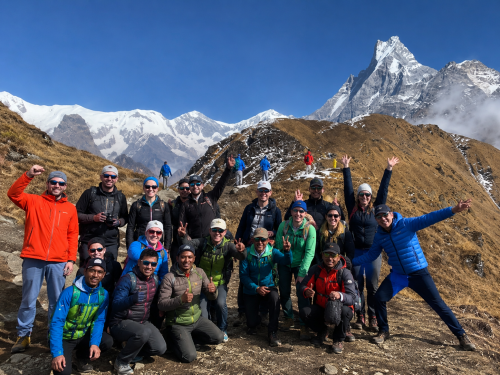
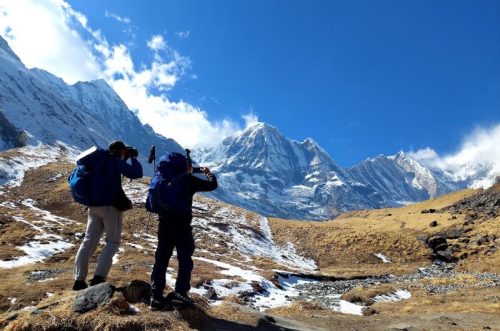
Mardi Himal Short Trek Highlights: Highlights
- Trek through serene forests of rhododendron, fir, and oak, which are especially vibrant during the spring season.
- Pass through traditional villages such as Australian Camp (2,000 m) and Pothana (1,850 m), offering insight into local rural lifestyles.
- Enjoy spectacular mountain views of Mount Dhaulagiri (8,167 m) from vantage points like Pitam Deurali, along with panoramic sights of the Pokhara Valley.
- Stay in comfortable tea houses at Forest Camp, Rest Camp, Low Camp, Badal Danda, and High Camp.
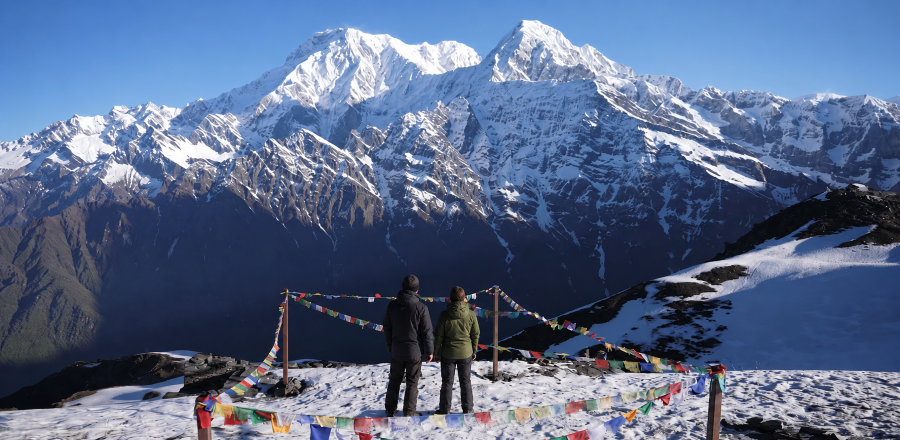
- Witness a breathtaking sunrise from the Mardi Himal Viewpoint (4,500 m), with golden light illuminating the Himalayan peaks.
- Observe the Annapurna Base Camp trail from Mardi Himal Base Camp across the valley to the left.
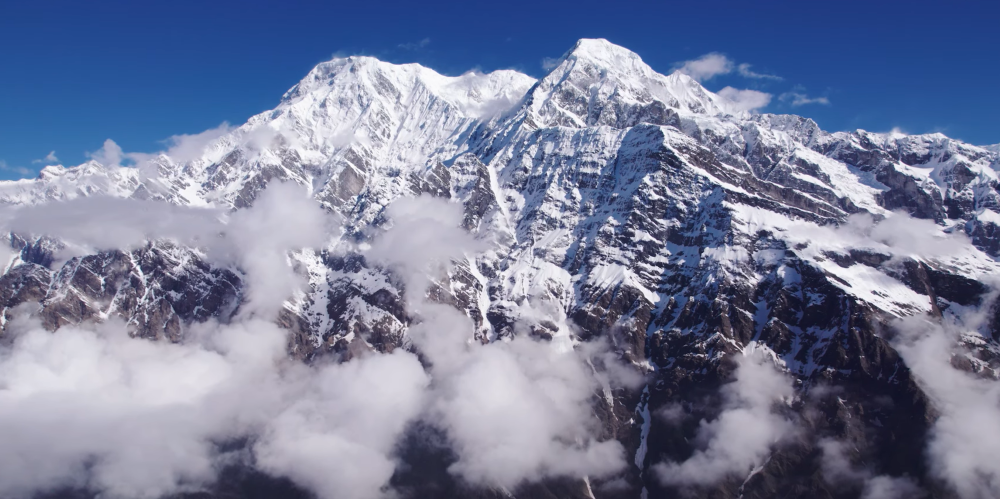
- Admire iconic Himalayan peaks including Machapuchare (6,993 m), Annapurna South (7,219 m), Hiunchuli (6,441 m), and Mardi Himal (5,587 m).
- Enjoy wide panoramic views of the southern valleys along with distant views of Pokhara City.
- Taste authentic Gurung cuisine and experience warm hospitality in traditional mountain tea houses.
- Suitable for all trekkers as a peaceful and less-crowded route ideal for beginners, students, and varying fitness levels.
Mardi Himal Short Trek Introduction: Overview
The Mardi Himal Short Trek begins with a short drive from Pokhara to Kande, a quiet hill station. From here, you walk uphill through beautiful forests and terraced fields. After about an hour, you reach Australian Camp (2,000 m), a perfect place to rest and enjoy views of Annapurna South (7,219 m) and Machapuchare (Fishtail, 6,993 m). You then continue downhill to Pothana (1,850 m), a peaceful Gurung village where permits are checked.
The Mardi Himal Short Trek From Pothana, the trail climbs gradually through dense Rhododendron and oak forests. You’ll walk under tall trees with birds singing along the way. The path is peaceful and mostly shaded. After a few hours, you reach Pitam Deurali, a ridge offering views of Dhaulagiri (8,167 m) in the west and Hiunchuli (6,441 m) to the north. The air is fresh and clean here.
The journey continues deeper into the jungle with ups and downs. You may cross a small hanging bridge and pass by simple tea shops. After about three hours, you reach Forest Camp (2,550 m), surrounded by greenery. Here, you can rest, enjoy hot tea, and sleep in a basic but cozy tea house. The views are limited, but the sound of the forest is calming.
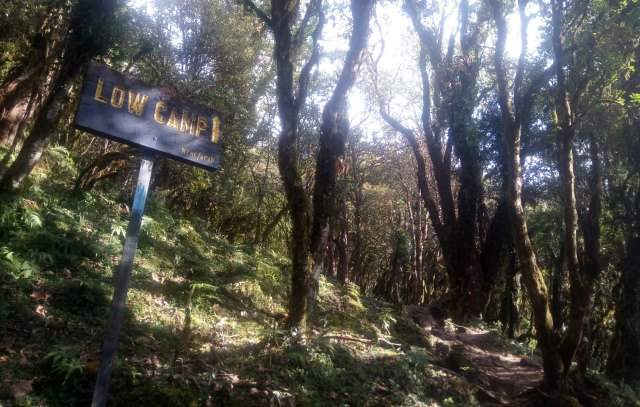
From Forest Camp, it takes around 20 minutes uphill to Rest Camp (2,600 m). This is a quiet place to enjoy views of Machapuchare and the Pokhara Valley, especially during sunset. The trail continues through thick forest with moss-covered trees and colorful birds. After about an hour of walking, you arrive at Low Camp (2,970 m), where the landscape begins to open up.
As you climb higher on the Mardi Himal Short Trek, the trees become shorter, and the mountains feel closer. In about two hours, you reach Badal Danda (3,210 m), which means “Cloud Hill.” This spot offers wide, clear views of Mardi Himal (5,587 m), Annapurna South, and Hiunchuli. On clear days, you feel like you’re walking in the sky, surrounded by snow peaks and deep valleys below.
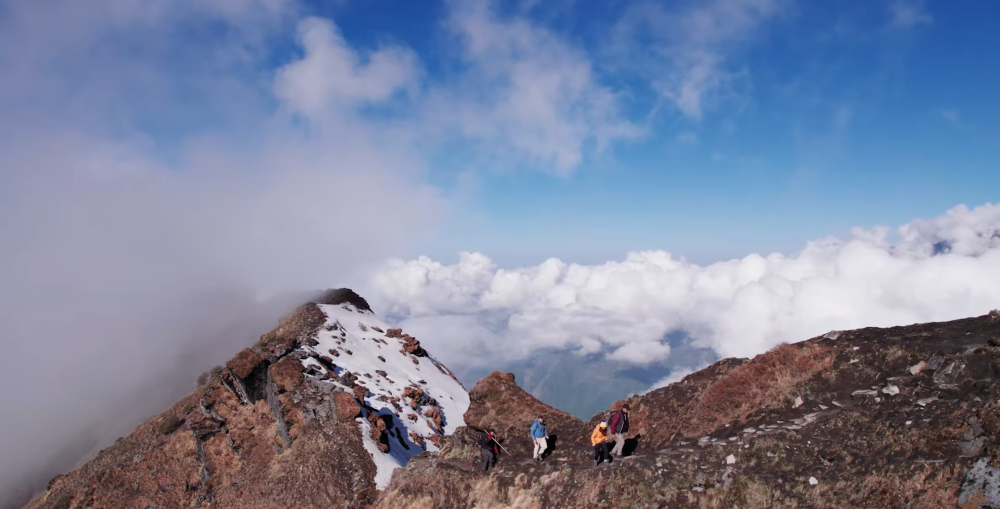
The final stretch to High Camp (3,580 m) is a steady uphill walk through grassy ridges. The trail zigzags with every step, offering better mountain views. High Camp is the last village on the trail with basic lodges and amazing views. You can see the stars at night here. Early next morning, you’ll hike up to Mardi Himal Viewpoint (4,200 m).
The hike to the viewpoint is steep but rewarding. It takes 1.5 to 2 hours to reach the top. From here, you get close-up views of Machapuchare, Annapurna South, Hiunchuli, and Mardi Himal Base Camp far below. The sunrise over the Himalayas lights the snowy peaks in golden light. It’s a magical and peaceful moment that you’ll never forget.
After enjoying the sunrise and taking photos, you return to High Camp for breakfast. From there, you descend through Low Camp to Sidding Village (1,700 m). The trail passes through forests, terraced fields, and a few hanging bridges. Sidding is a lovely village where you can rest before taking a jeep back to Pokhara. It’s a perfect way to end this short but stunning Himalayan adventure. )
The Mardi Himal Short Trek is suitable for those who are short on time, traveling on a limited budget, or do not have high physical strength, as it can be completed with basic fitness. Along the journey, you can also enjoy spectacular views of the Annapurna Base Camp valley from Badal Danda and High Camp areas. For those who wish to extend their adventure, it is possible to continue the trek toward Annapurna Base Camp and Poon Hill, which typically requires an additional 4–5 days. These extensions are generally considered manageable and involve no significant altitude-related risks, making them a great option for trekkers who want to explore more of the Annapurna region.
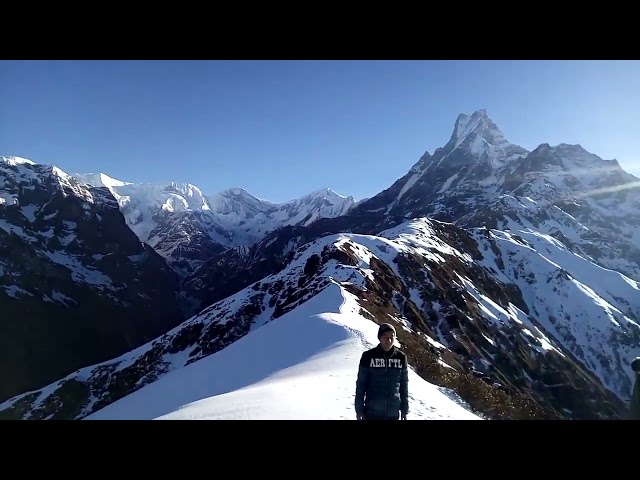
Different Ways to Reach Mardi Himal: A Route Guide
Option 1 (3 Days):
Route: Pokhara – Pitam Deurali – Rest Camp – High Camp – Sidding – Pokhara
Start this 3-day Mardi Himal Trek with a scenic drive from Pokhara to Pitam Deurali. Day one features a 3.5-hour walk to Rest Camp through lush scenery. On the second day, hike through Low Camp and Badal Danda to reach High Camp. On day three, take an early morning hike to the Mardi Viewpoint, then descend to Sidding Village and drive back to Pokhara. This option is both exciting and time-efficient.
Option 2 (4 Days)
Route: Pokhara – Kande – Pitam Deurali – Rest Camp – High Camp – Kalimati – Pokhara
Begin with a 1-hour drive from Pokhara to Kande. A 50-minute ascent brings you to Australian Camp, followed by a short descent to Pothana for permit checks. Climb for another 50 minutes to Pitam Deurali, then trek for 3 hours through a forest to Rest Camp. Day 2 covers the trail to High Camp via Low Camp and Badal Danda. On day 3, hike early to the viewpoint and descend to Forest Camp and Kalimati. Day 4 concludes with a scenic drive back to Pokhara.
Option 3 (7 Days)
Route: Pokhara – Phedi – Rest Camp – Badal Danda – High Camp – Low Camp – Sidding – Pokhara
This 7-day Mardi Himal Trek is designed for a relaxed and enjoyable pace. Begin with a drive from Pokhara to Phedi and hike gently to Pothana on day one. Continue over the next two days to reach Rest Camp, passing through Pitam Deurali and dense forests. Day four takes you to Badal Danda, while day five includes the final ascent to High Camp. On day six, enjoy the viewpoint and descend slowly to Low Camp and Sidding. Return to Pokhara by jeep on the final day.
Why the Mardi Himal Short Trek Is Just Perfect for You?
Am I Fit Enough to Hike the Mardi Himal Trek?
Yes—most likely, you are!
The Mardi Himal Trek is moderate and suits anyone with basic fitness and a positive attitude. You don’t need to be super fit or experienced, but it helps if you can walk for 4–6 hours a day.
You’re likely fit enough if:
- You can walk uphill at a steady pace
- You’re comfortable on stairs and uneven terrain
- You don’t have serious knee, heart, or breathing issues
- You can carry a light backpack for a few hours
- You’ve done light hiking, jogging, or long walks recently
Even first-time trekkers or students can complete this trek with a bit of preparation. Walk slowly, take breaks, and enjoy the beautiful views along the way.
Why Is the Mardi Himal Short Trek So Famous?
OutlineOutline Itinerary
Day 01: Drive from Pokhara to Kande (1,770 m/5,807 ft.), then trek to Pitam Deurali (2,150 m/7,053 ft) – 3 hrs walk
Day 02: Trek from Pitam Deurali to Rest camp (3,050 m/10,006 ft) – 6 hrs walk
Day 03: Trek from Rest Camp to High camp (3,700 m/12,139 ft)- 5hrs
Day 04: Morning Hike to View Station hill top, then trek back to Siding village 6-7 hrs
Day 05: Drive from Siding Village to Pokhara(850 m)
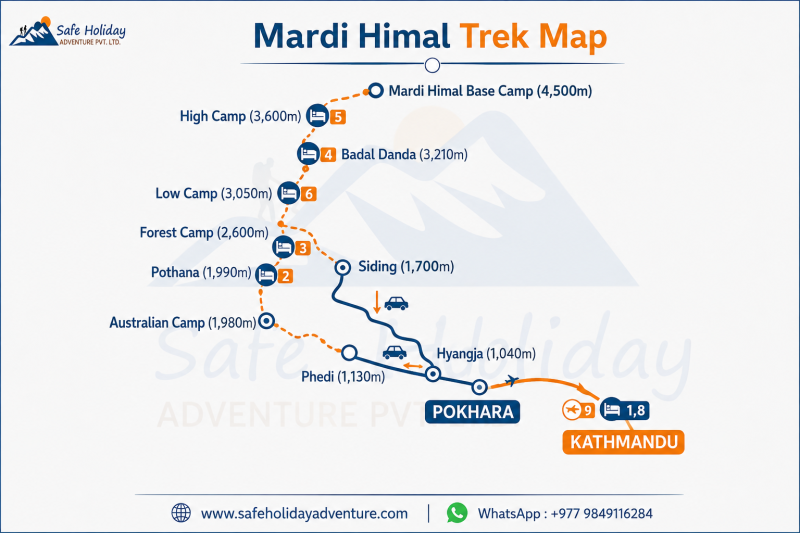
Note to Our Customers:
Mardi Himal Short Trek Services:
- Private Transportation: Private car transfer from Pokhara to Kande, the starting point of the Mardi Himal Short Trek.
- Trekking Permit: Annapurna Conservation Area Permit (ACAP) and all required trekking entry formalities.
- Entry Fees: All local trekking area entry fees included.
- Nutritious Meals: Daily breakfast, lunch, and dinner throughout the trek.
- Morning Refreshment: Fresh tea or coffee served every morning during the trek.
- Expert Trekking Guide: Experienced Mardi Himal specialist guide for a safe and enjoyable journey.
- Local Expertise: A knowledgeable guide with in-depth understanding of the trail, culture, and mountain region.
- Fresh Seasonal Fruits: Complimentary seasonal fruits served after dinner each evening.
- Return Jeep Transfer: Shared jeep transportation from Siding Village to Pokhara.
- Hotel Transfer: Private car or taxi transfer from Harichowk Jeep Station to your hotel in Pokhara.
- Meals in Kathmandu and Pokhara (lunch and dinner are at your own cost)
- Travel insurance (compulsory for all trekkers, to be arranged by you)
- International airfare and any applicable departure taxes
- Nepal visa fee (available on arrival at the airport or online)
- All personal expenses, including laundry, internet, and snacks
- Bar bills – all alcoholic and non-alcoholic beverages not included in the trek package
- Additional meals beyond the included one per mealtime during the trek
- Gratuities for your guide and porter – not mandatory, but sincerely appreciated
Dates and Availability Departures
All our published dates are guaranteed departures. We also provide customized departures tailored to your travel plans.
There are no group joining dates available at the moment. Please contact us for a private trip.
Travellers Reviews

Robert Holmes
England | Feb, 2025
Best Yoga Trekking Experience in Nepal
Our family recently completed the Mardi Himal Yoga and Meditation Trek with Santosh, and it was one of the best trekking experiences we have ever had. My wife, our two sons, and I enjoyed every moment of the journey.
From the beginning, Santosh organized everything professionally. The itinerary was well planned, the accommodations were comfortable, and the pace of the trek was perfect for our family. We always felt safe, relaxed, and well cared for.
The combination of trekking, yoga, and meditation made this experience truly unique.
The trail itself is spectacular, passing through lush rhododendron forests, charming villages, and breathtaking mountain viewpoints.
Santosh is not only an experienced trekking guide but also a kind, patient, and knowledgeable person. He shared local culture, ensured everyone was comfortable, and made our children feel welcome throughout the trek.
This was the most comfortable trek our family has experienced in Nepal. We highly recommend the Mardi Himal Yoga and Meditation Trek to families, couples, beginners, and anyone looking for a peaceful adventure in the Himalayas.
Thank you, Santosh, for creating such wonderful memories.
We look forward to trekking with you again!

Per Landquist
Sweden | April,2026
Peaceful Trails and Amazing Mountain Views in Mardi Himal Trek
Our Budget Mardi Himal Trek in Nepal was a truly wonderful experience. Our guide, Rupesh, was kind, professional, and very supportive throughout the entire journey. He always ensured that we felt safe, comfortable, and happy during the trek. The stunning mountain scenery, quiet trails, and beautiful local culture made this adventure unforgettable. Everything was well arranged, and we would highly recommend this trek to anyone planning to visit Nepal. Thank you very much, Rupesh, for making our trip so memorable!
Per Landquist
Genaral Trip InfoInfos
Best Time to Visit Mardi Himal Trek:
Accommodation and Food on the Mardi Himal Trek:
During the Mardi Himal Trek, you will stay in tea houses and mountain lodges. These places are generally clean and comfortable but simple. Most rooms are twin-sharing with two single beds and a small table. Some rooms may have lockers for valuables.
Food and Dining
Common dining halls are heated, especially during cold evenings. However, bedrooms are not heated and lack modern features like air conditioning.
If you are trekking in a group or during the busy season (spring or autumn), it’s wise to book your rooms early as space is limited.
Menus in tea houses are similar, with food that is fresh and hygienic. Due to limited meat storage, vegetarian meals are recommended.
Popular food items include:
- Dal Bhat (rice, lentil soup, and vegetables)
- Pasta, fried rice, noodles, momos, and spring rolls
- Breakfasts: pancakes, Gurung bread, cereal, and porridge
- Snacks: pizza, chocolate rolls, apple pie, and rice pudding
- Beverages: coffee, tea, and other hot drinks
Prices are fixed by a local hotel committee. Always pay according to the menu and be respectful when ordering.
Permits Required for the Mardi Himal Short Trek:
The Mardi Himal Short Trek requires an Annapurna Conservation Area Permit (ACAP), which helps protect the region’s natural environment and local communities. Your permit is checked at designated entry points along the trail.
When you book with Safe Holiday Adventure Pvt. Ltd., we arrange all necessary Mardi Himal Short Trek permits, allowing you to enjoy a smooth, worry-free trekking experience. With permits, transportation, and expert guidance taken care of, you can focus on the breathtaking Himalayan scenery.
Mardi Himal Short Trek Cost and Package Price:
The Mardi Himal Short Trek costs USD 320 per person, including a professional trekking guide, permits, transportation, tea house accommodation, and three meals a day. It is an affordable package that offers stunning Himalayan scenery and a comfortable trekking experience.
The package covers all the essential trekking services, making your journey safe, enjoyable, and hassle-free. It is suitable for solo travelers, couples, families, and small groups.
Cost Breakdown:
- Guide: USD 100
- Transportation: USD 40
- Accommodation: USD 45
- Meals: USD 90
- Permits: USD 30
- Insurance & Service Charge: USD 15
Total Package Price: USD 320 per person
Pokhara to Kande and Siding to Pokhara Transportation:
The Mardi Himal Trek starts with a 45–60-minute drive from Pokhara to Kande (1,770 m). You can travel by private jeep, taxi, or local bus, with private vehicles offering the most convenient and comfortable option.
After the trek, a 2.5–3-hour jeep ride from Siding Village returns you to Pokhara. Most trekkers pre-book a private or shared jeep through their trekking company for a smooth, reliable, and hassle-free journey.
Mardi Himal Short Trek Distance and Daily Walking Hours:
The Mardi Himal Short Trek covers approximately 34–45 km over four days, with daily walking times ranging from 5 to 8 hours. The trail passes through peaceful forests, traditional villages, and scenic mountain ridges.
Each day offers a comfortable trekking pace with rewarding views of Machhapuchhre (Fishtail), Annapurna South, and Hiunchuli. The gradual ascent makes this trek ideal for beginners and experienced hikers seeking a short Himalayan adventure.
Wi-Fi, Charging, Showers & Communication on Mardi Himal Trek:
The availability of Wi-Fi, battery charging, hot showers, and communication facilities during the Mardi Himal Short Trek is limited and depends on your location. In lower areas such as Phedi and some teahouses along the trail, you can usually access Wi-Fi, charge your devices, and enjoy a hot shower. As you trek higher, these services become less available and less reliable.
It is highly recommended to carry a power bank to keep your phone and camera charged. For added safety, especially in emergencies, consider having an alternative communication option such as a satellite phone or two-way radio. Mobile network coverage is also limited in the higher sections of the trail.
Most teahouses do not provide free Wi-Fi, although a few lodges around Low Camp may offer it for an additional fee. Hot showers are available at some lodges near High Camp, but they are not guaranteed and usually require an extra payment. Being prepared for limited facilities will help you enjoy a smoother and more comfortable trekking experience.
Trail difficulty and conditions during the Mardi Himal short trek
The Mardi Himal Short Trek is popular in the Annapurna region of Nepal. The difficulty of the trek varies depending on the route taken and the fitness level of the trekker. Here are some general guidelines on the difficulty and trail conditions of the Mardi Himal Short Trek:
Difficulty:
The Mardi Himal Short Trek is considered a moderate trek. It involves hiking for 5–6 hours a day at a moderate pace, with some steep ascents and descents. The highest point on the trek is Mardi Himal Base Camp (4,500 m), which can be challenging for some trekkers.
The trek is suitable for anyone with a good level of fitness and some hiking experience. However, it is recommended that trekkers do some training before the trek, such as cardio exercises, to improve their endurance.
Trail Conditions:
The trail is well-defined and easy to follow, with signposts and markers along the way. However, some sections of the trail can be steep, narrow, and may require some scrambling over rocks and boulders.
The trail can be muddy and slippery in some sections, especially during the monsoon season (June–August). Trekkers should be prepared for rain and carry appropriate gear such as rain jackets and waterproof hiking boots.
The trek offers stunning views of the Annapurna Range, including Machhapuchhre (Fishtail) and Hiunchuli peaks. The scenery changes from lush forests and rhododendron groves to rocky terrain and high-altitude landscapes as trekkers ascend higher.
How to hire an experienced Guide and Porter for the Mardi Himal trek:
To hire experienced guides and porters for a Mardi Himal trek, you can follow these steps:
- Research: Look for local trekking agencies that specialize in Mardi Himal treks. Check their websites and read reviews from previous clients.
- Interview: Contact the agencies and ask to speak with the guides and porters who will be leading your trek. Ask about their experience, qualifications, and language skills.
- Check Credentials: Make sure the guides and porters are licensed and insured. Ask for proof of credentials.
- Compare costs: Get a clear breakdown of costs from different agencies and compare prices.
- Make a Decision: After comparing all the factors, make a decision on which agency and guide/porter to choose.
- Confirm the details: After selecting a guide and porter, confirm the details of the trek, including the itinerary, equipment, and payment.
It’s also recommended to check with the local Trekking association or department for the best and verified guide/porter.
It is important to note that hiring an experienced guide and porter not only ensures the safety of the trek but also enriches your overall trekking experience with their local knowledge and experience.
Equipment and gear required For Mardi Himal Trek:
The Mardi Himal Trek is a moderate trek that takes place in the Annapurna region of Nepal. Here is a list of essential equipment and gear required for this trek:
- Trekking boots: A good quality pair of trekking boots with ankle support and a sturdy sole is essential for the Mardi Himal trek.
- Daypack: A small daypack to carry your essentials such as water, snacks, a camera, and extra layers of clothing.
- Trekking poles: Trekking poles can provide additional support and stability on the steep sections of the trail.
- Clothing: You will need warm and waterproof clothing for the trek, including a down jacket, waterproof jacket, and pants, warm fleece or sweater, quick-drying pants, and shirts, thermal underwear, hat, gloves, and a buff or scarf.
- Sleeping bag: A good quality sleeping bag rated to at least -10°C is required for the trek.
- Headlamp: A headlamp with extra batteries is essential for the trek, as there may be sections of the trail that require hiking in the dark.
- Water purification: Carry a water bottle and a water purification method, such as a water filter or purification tablets, to avoid drinking contaminated water.
- First aid kit: A basic first aid kit including essential medications and supplies such as bandages, antiseptic cream, painkillers, and altitude sickness medication.
- Sunglasses and sunscreen: The trek involves hiking at a high altitude, and the sun’s UV rays can be intense. Sunglasses and sunscreen are essential to protect your skin and eyes.
- Cash: You will need cash to pay for accommodation, food, and other expenses along the trek.
It’s essential to pack light and only carry the necessary items for the trek. You can rent some equipment in Kathmandu or Pokhara if you don’t have your gear.
Guide vs. Independent Mardi Himal Short Trek – Which Is Better?
Hiring a licensed trekking guide makes the Mardi Himal Short Trek safer, easier, and more enjoyable. A guide manages the route, accommodation, local logistics, and shares valuable knowledge about the culture, mountains, and villages.
An independent trek offers more flexibility, but it requires careful planning, navigation skills, and arranging your own transport, permits, and tea house bookings. It can also be challenging during bad weather or in less familiar sections of the trail.
For most trekkers, a guided Mardi Himal Short Trek provides the best overall experience. With Safe Holiday Adventure Pvt. Ltd., you receive professional support, local expertise, and a well-organized journey, allowing you to enjoy the trek with confidence.
Detailed ItineraryItinerary
Drive from Pokhara to Kande (1,770 m/5,807 ft.) at then trek to Pitam Deurali (2,150 m/7,053 ft) – 3 hrs walk
Driving from Pokhara to Kande takes about 40–50 minutes, depending on traffic and road conditions. Kande is the main starting point of the Mardi Himal Trek and is easily reached by private car or taxi. The scenic drive offers beautiful views of the Annapurna mountain range and surrounding hills.
From Kande, the trail climbs for about 40 minutes to Australian Camp, followed by an easy 20-minute walk to Pothana, a charming Gurung village. This is a popular place for trekkers to enjoy lunch or an overnight stay.
The trail then continues through a peaceful rhododendron forest to Pitam Deurali, which is around 45 minutes from Pothana. This quiet stop offers comfortable tea houses and beautiful forest surroundings, making it an ideal place to rest before continuing the Mardi Himal Trek.


Accommodation : Tea house, private room Meals : Breakfast/Lunch, and Dinner
Trek from Pitam Deurali to Rest camp (3,050 m/10,006 ft) – 6 hrs walk
The trek from Pitam Deurali to Rest Camp is one of the most enjoyable sections of the Mardi Himal Trek. The trail passes through lush rhododendron forests, peaceful mountain landscapes, and offers stunning views of the Annapurna Himalayan range. Along the way, trekkers can experience the beauty of nature and the warm hospitality of local communities.
From Pitam Deurali, the trail gradually ascends to Rest Camp, passing through dense forests and quiet resting points. This section is moderate in difficulty and is suitable for both beginners and experienced trekkers. It combines spectacular mountain scenery, rich biodiversity, and authentic Himalayan culture, making it a memorable part of the Mardi Himal Trek.


Accommodation : Tea house Meals : Breakfast/Lunch, and Dinner
Trek from Rest Camp to High camp (3,700 m/12,139 ft)- 5hrs
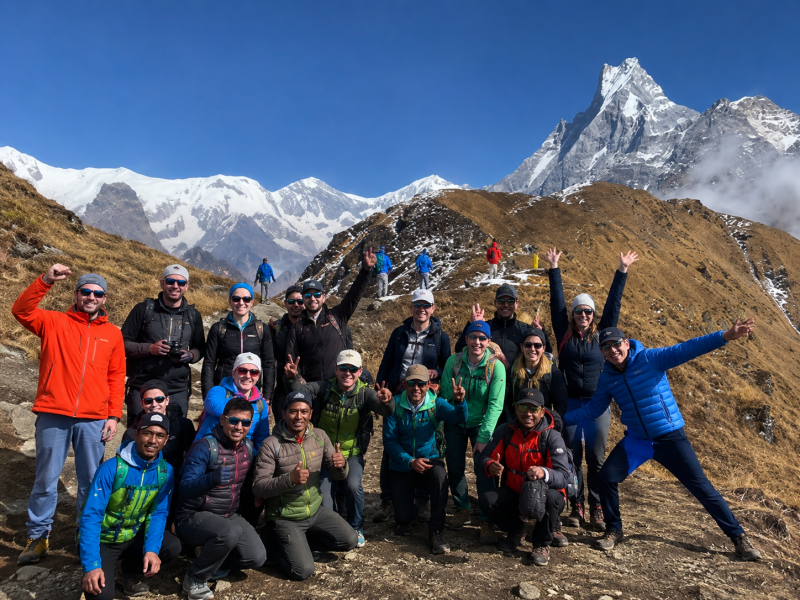
Accommodation : Tea house Meals : Breakfast/Lunch, and Dinner
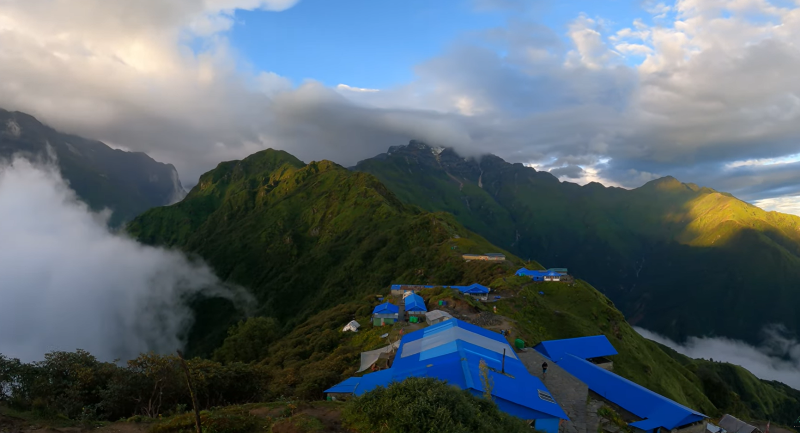
Morning Hike to Mardi Himal Viewpoint and Trek to Siding Village
Start the day before sunrise with an exciting hike to the Mardi Himal Viewpoint, the highest point of the Mardi Himal Short Trek. Enjoy breathtaking sunrise views over Mardi Himal, Machhapuchhre (Fishtail), Annapurna South, and Hiunchuli before returning to High Camp for breakfast.
After breakfast, begin the final day of trekking with a long descent through Badal Danda and Low Camp. The trail passes through beautiful rhododendron forests, peaceful mountain landscapes, and small resting points, offering a relaxing walk surrounded by nature.
Continue descending to the traditional Siding Village, where your memorable Mardi Himal Short Trek comes to an end. From here, you can celebrate your achievement before taking a jeep drive back to Pokhara the same day or the following morning.

Accommodation : Tea house or private room Meals : Breakfast/Lunch, and Dinner
Drive from Siding Village to Pokhara
After breakfast, depart at 8:30 AM from Siding Village by shared jeep. The scenic 3-hour drive follows beautiful river valleys, passing traditional villages and Hyangja before reaching Pokhara (850 m). This comfortable journey marks the end of your unforgettable Mardi Himal Short Trek adventure.


Accommodation : Hotel Meals : Breakfast
A Note to Our Valued Trekkers:
At Safe Holiday Adventure Pvt. Ltd., we customize the Mardi Himal Short Trek to match your budget, schedule, and travel style. We provide the best value, experienced Mardi Himal specialist guides, comfortable transportation, quality meals, and professional service. Tell us your time and budget, and we’ll create the perfect trekking experience just for you.
Mardi Himal 4-Day Trek from Pokhara FAQs
Mardi Himal trek is in the central Himalaya region of Nepal, and it is inside the Annapurna Conservation Area Project (ACAP).
It is a 4-night, 5-day moderate type of trek in the Annapurna region. This trek generally starts from Kande and Dhampus and ends at Siding or Kalimati. However, it is a short, newly opened trek in the Annapurna region.
Mardi Himal trek is a newly opened tea house base trek, and there are simple guesthouses made of wood and stone. Most of the guest houses are on one floor. You can have a private room on this trip. In the room, there will be a twin-sharing bedroom, a small tea table, a thick mattress, pillows, and a private locker.
Mardi Himal trek falls on the easy to moderate and it is an unbelievably short and easy trek in Nepal. Most people don’t expect such a view; thus, trekkers get super surprised once they reach high camp and the Mardi Himal viewpoint.
Badal danda is (10,531 ft./3210m) and Hign camp is (11,745 ft. /3580m) High from sea level.
During the Mardi Himal trek, from High camp to View Point is the major part of the Mardi Himal trek, and it is about 2 2-hour steep walk.
Alternative treks to the Mardi Himal trek in Nepal include the Annapurna Base Camp Trek, Everest Base Camp Trek, Langtang Valley Trek, Upper Mustang Trek, and the Manaslu Circuit Trek. Each trek offers unique landscapes, experiences, and cultural immersion opportunities.
As of 2021, it is mandatory to hire a licensed guide for trekking in Nepal, including the Mardi Himal Trek. This is part of the new rules and regulations introduced by the Nepalese government to improve the safety and security of trekkers. The licensed guide will help you navigate the trail, ensure your safety, and provide valuable information about the local culture and environment. Hiring a guide also supports the local economy and helps create employment opportunities for the local people.
Accommodation on the Mardi Himal Trek consists mainly of basic teahouses that offer a bed, blanket, and shared facilities such as toilets and showers. Some teahouses may have attached bathrooms and provide additional amenities like electricity, wifi, and charging points. Homestays with local families are also available.
The weather on the Mardi Himal Trek can vary depending on the season. In general, the best time to trek is from September to November and from March to May, when the weather is mild and dry with clear skies. The winter months (December to February) can be very cold, and the summer months (June to August) can be hot and humid with a higher chance of rain.
To prepare for the Mardi Himal Trek, you should focus on building your cardiovascular fitness, strength, and endurance through regular exercise and hiking. It is also important to acclimate to the high altitude, stay hydrated, and pack appropriate gear and clothing.
The highlights of the Mardi Himal trek include stunning views of the Annapurna, Dhaulagiri, and Machhapuchhre peaks, serene forests of rhododendron and oak trees, charming villages and settlements, and opportunities for cultural immersion and yoga retreats.
Yes, it is possible to do the Mardi Himal trek solo. However, it is important to take certain precautions and be well-prepared. The trail is relatively well-marked and there are teahouses and lodges along the way for food and accommodation.
The total distance of the Mardi Himal Trek is 41 km and 25 miles.
No, you don’t have to carry anything to sleep except a sleeping bag or liner. There will be Lodges/Guest Houses along the trails and they provide Blankets, food, charging, a hot shower, and also internet.
The Mardi Himal Trek is generally considered safe, with a low risk of altitude sickness and other hazards. However, it is important to follow safety guidelines, hire a licensed guide, and be prepared for the weather and terrain.
Before doing the Mardi Himal Trek, here are a few things to keep in mind:
- Permit and guide: It is necessary to obtain a TIMS card and Annapurna Conservation Area Permit (ACAP) and hire a licensed guide for the trek.
- Altitude sickness: Be aware of the symptoms of altitude sickness and take appropriate measures to acclimatize to the high altitude.
- Weather: The weather can be unpredictable, so it’s important to pack accordingly and be prepared for cold temperatures, rain, and snow.
- Physical fitness: The Mardi Himal Trek requires a moderate level of physical fitness, so it’s important to prepare by doing regular exercise and hiking.
- Culture and customs: Familiarize yourself with the local customs and culture to show respect to the local people and their way of life.
- Environmental impact: Be responsible and mindful of your impact on the environment and avoid littering or damaging the natural surroundings.
The Mardi Himal Trek is a 4-night, 5-day hike that passes through various settlements, each with different names for its hotels. For more information, including contact numbers and lodge names, please click on the following link to view the details in full…List of Hotel names and contract numbers in the Mardi Himal trek
Refund & Cancellation Policy
- Booking requires 20% non-refundable deposit (Nepal) or 100% upfront (Tibet/Bhutan).
- Remaining payment due before the trip or on arrival (trip-dependent).
Cancellation charges:
- 31+ days: 20%
- 16–30 days: 45%
- 8–15 days: 75%
- 7 days or less: 90%
- Prices may change due to flights, taxes, or exchange rates.
- Trip changes are allowed, but extra costs apply.
- If the company cancels, a full refund, except for unavoidable events (some costs deducted).
- Good health and travel insurance are mandatory.
- No refund if removed for unsafe or illegal behavior.
- Travel involves personal risk, which the client accepts.