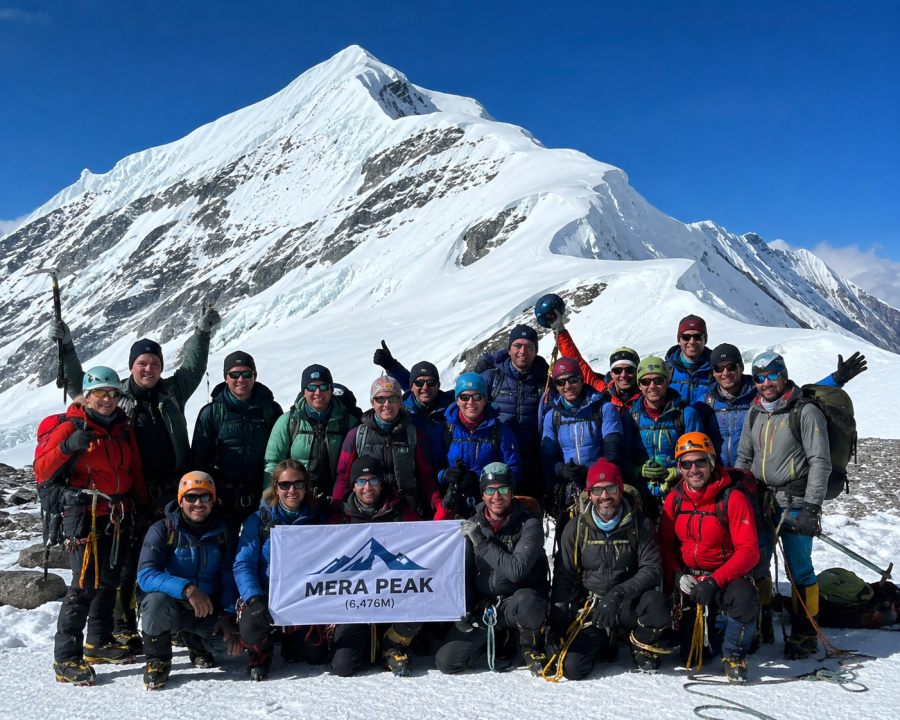
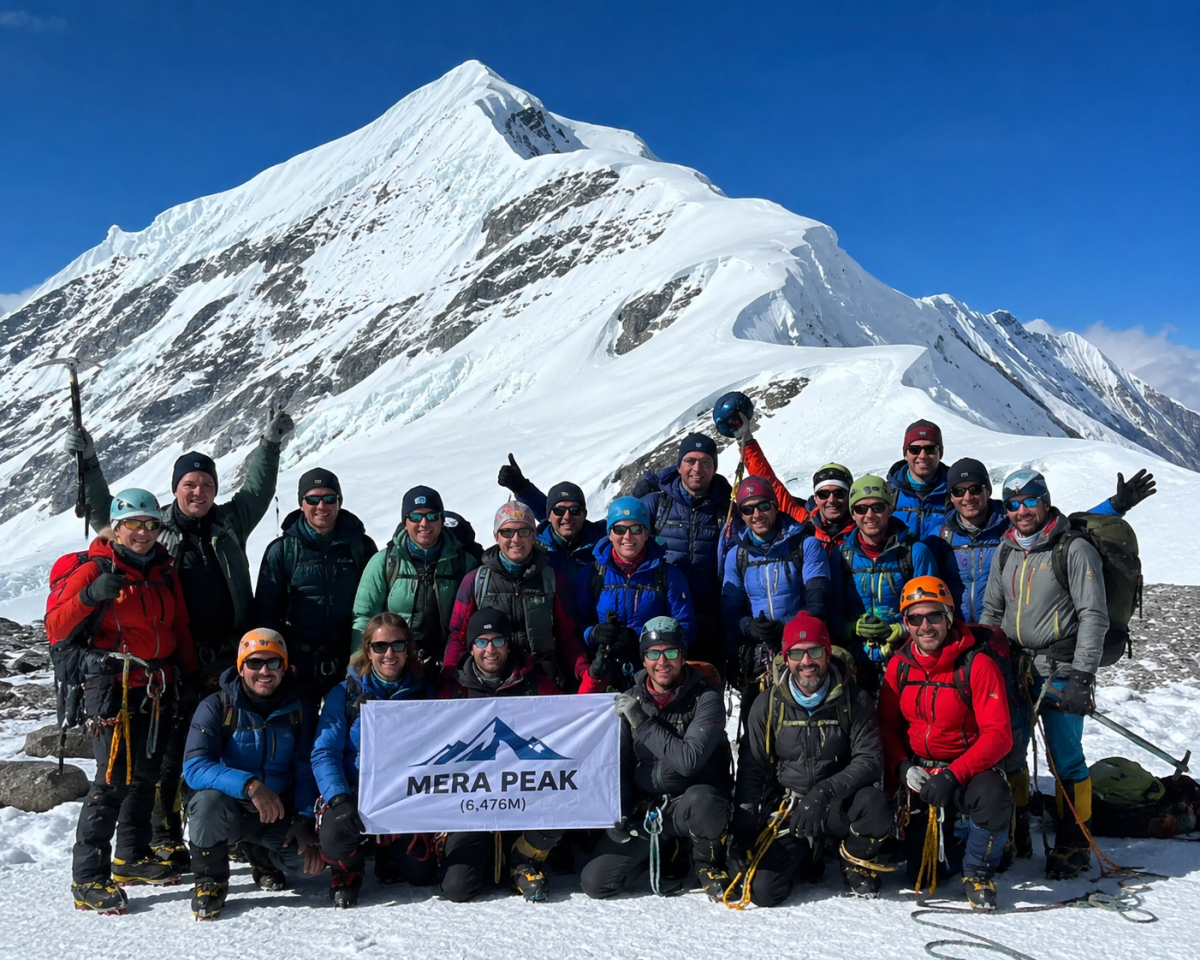

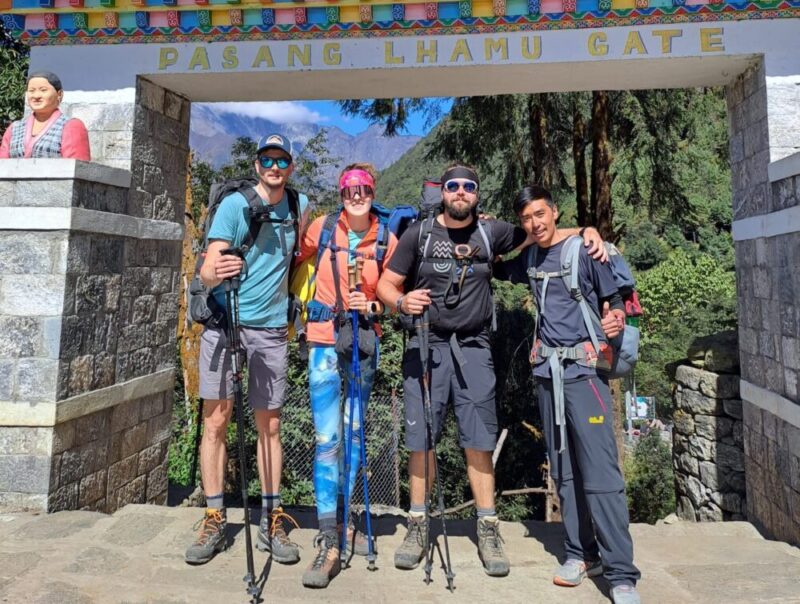
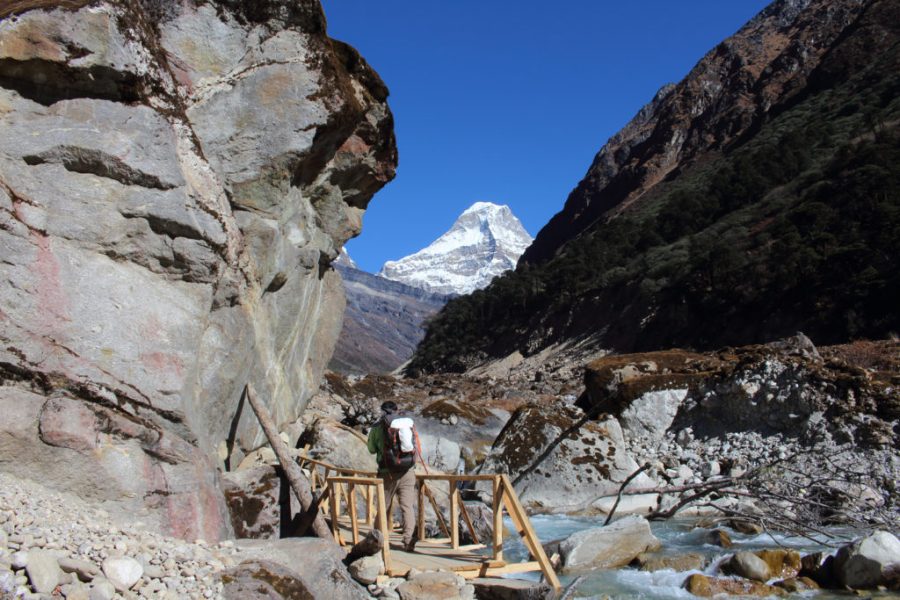
Climbing Mera Peak is considered moderately challenging. It’s the highest trekking peak in Nepal at 6,476 meters, requiring basic mountaineering skills like using crampons and ice axes. Trekkers need good fitness, endurance, and altitude experience. The route is less technical than other high peaks, but cold, altitude, and long climbs make it tough for beginners.
Mera peak Trip Highlights: Highlights
- Highest Trekking Peak in Nepal: Mera Peak is the tallest trekking peak in Nepal, ideal for climbers aiming for a high-altitude adventure.
- Breathtaking Himalayan Views: Summit offers panoramic vistas of Everest, Lhotse, Makalu, Cho Oyu, and Kanchenjunga.
- Suitable for Beginners: Non-technical peak perfect for trekkers with basic mountaineering skills and good fitness.
- Glacier and Snow Experience: Climb involves navigating snow slopes and glaciers for a true mountaineering experience.
- Remote and Less Crowded: Located in Hinku Valley, providing a serene and peaceful route away from busy trekking trails.
- Authentic Wilderness: Trek passes through pristine forests and alpine landscapes for an immersive nature experience.
- Cultural Immersion: Opportunity to interact with local Sherpa communities and experience traditional Himalayan culture.
- Scenic Flight to Lukla: Journey begins with a thrilling flight to Tenzing-Hillary Airport, offering incredible aerial mountain views.
- Gradual Acclimatization: The itinerary includes acclimatization days to minimize the risk of altitude sickness.
- Achievable Yet Rewarding Summit: Challenging but attainable climb with a sense of accomplishment at the top.
Mera Peak Climbing Introduction: Overview
Are you ready for an adventure that will stay with you for a lifetime? At Safe Holiday Adventure, we take you on an exhilarating Mera Peak climbing expedition, one of Nepal’s most rewarding high-altitude experiences. Rising to 6,476 meters (21,247 feet), Mera Peak is a trekker’s dream, offering panoramic views of the Himalayas, Sherpa culture, and thrilling mountaineering challenges.
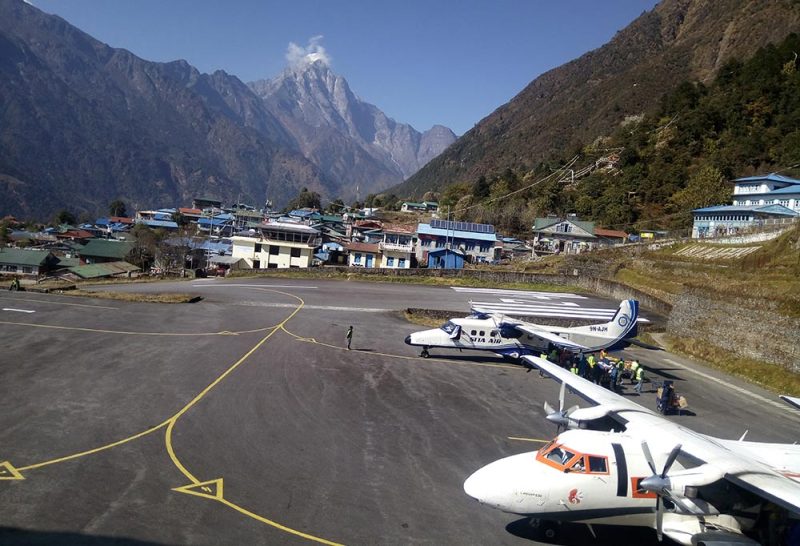
Your journey begins in Kathmandu, where our expert guides meet you for a detailed briefing on safety, equipment, and acclimatization. After preparing for your Himalayan adventure, you take a breathtaking flight to Lukla (2,860m). The runway here is legendary for its cliffside landing and sweeping mountain views. From Lukla, the real adventure starts as you trek through the southern valleys towards the quieter Hinku region.
The first few days of are a gentle introduction. Trails wind through lush forests of rhododendron, pine, oak, and juniper. You pass Sherpa villages where yaks graze peacefully, and the warm, welcoming teahouses serve hearty local meals. Nights are spent in cozy rooms with blankets and hot water — comfort combined with the charm of remote Himalayan life.
As you gain altitude, the terrain becomes wilder and more dramatic. You will trek through traditional villages like Pangomma and Kothe, enjoying views of peaks like Kusum Kanguru (6,367m) and Peak 43 (6,050m). Each teahouse stop offers a chance to relax, enjoy local cuisine, and absorb the serenity of the Khumbu region.
The trek gradually ascends to Thangnak (4,350m), a perfect spot for acclimatization. From here, the trail climbs to Khare (5,045m), the base camp for Mera Peak. The scenery shifts to alpine pastures and glacial moraines, and you start to feel the thrill of the approaching summit. At Khare, our climbing experts prepare you for the final ascent with training on ice axes, crampons, and rope techniques.
The High Camp (5,780m) of Mera Peak Climbing is your launch point for the summit. An early morning climb rewards you with the pinnacle of Mera Peak Climbing, standing above the clouds. From here, you witness an unforgettable panorama of Mount Everest (8,849m), Lhotse (8,516m), Cho Oyu (8,188m), Makalu (8,463m), and many surrounding giants. The sense of achievement is indescribable — a true Himalayan high.
After conquering the summit, the descent retraces the trek back through Khare and Thangnak, continuing to Kothe, Pangomma, and finally Lukla. Each step brings more memories, more stories, and more glimpses of Nepal’s spectacular landscapes. The adventure concludes with a scenic flight back to Kathmandu, where you celebrate the success of your expedition.
Throughout the journey, safety and comfort are our top priorities. Our Mera Peak Climbing guides are highly trained in high-altitude trekking and emergency procedures. Acclimatization days are built into the itinerary to prevent altitude sickness. Teahouses along the route offer nourishing meals, warm rooms, and an opportunity to connect with fellow travelers and Sherpa communities.
For those looking for more, the Mera Peak Climbing adventure can be extended to include the Everest Base Camp, Gokyo Valley, or high Himalayan passes like Renjo La, offering an even richer experience of Nepal’s majestic mountains.
With Us, your Mera Peak Climbing expedition is more than a trek — it’s a carefully crafted journey combining adventure, culture, and the thrill of summiting one of the Himalayas’ most spectacular peaks. From Kathmandu to the summit and back, we ensure safety, comfort, and memories that will last a lifetime.
What Happens If You Can’t Summit Mera Peak Due to Weather?
If bad weather stops your Mera Peak Climbing, it is actually a very common situation in high-altitude climbing—and it is handled in a planned, professional way rather than as a failure.
Most of the time, your expedition team will wait for a safe weather window. If conditions improve within your buffer days, you may still get another chance to attempt the summit.
If the weather stays bad, the team will cancel the summit attempt for safety reasons. In this case, you return to lower camps or Khare, where it is safer and more comfortable while you descend.
In some cases, if you already reached higher camps but cannot continue, you still gain valuable high-altitude experience and acclimatization benefits, which are useful for future climbs.
The most important point is that guide decisions prioritize safety over summit success. Turning back due to weather is a normal and respected part of Himalayan climbing culture, not a defeat.
Why Mera Peak is Popular in Nepal?
Mera Peak (6,476m) is the highest trekking peak in Nepal, but its popularity is not only about height. Compared to other 6,000m peaks like Island Peak and Lobuche East, it offers a more balanced and accessible Himalayan climbing experience.
Main reasons for its popularity:
- Highest trekking peak in Nepal (6,476m)
It gives climbers the experience of a true high-altitude summit without extreme technical difficulty. - Non-technical climbing route
The climb mainly involves trekking, glacier walking, and basic use of ropes, crampons, and ice axe. No advanced rock climbing skills are required. - Ideal for beginners and first-time climbers
It is often chosen as a first step into Himalayan mountaineering above 6,000m. - High-altitude expedition experience
Climbers experience real conditions such as thin air, cold weather, and long summit days, making it excellent preparation for bigger peaks. - Remote and less crowded trail
The route through the Hinku Valley is quiet, natural, and far less busy than Everest region trekking routes. - Outstanding mountain views
From the summit, climbers can see Everest, Lhotse, Makalu, Cho Oyu, and Kanchenjunga on clear days.
What is the best time of year to climb Mera Peak and why?
The best time to climb Mera Peak (6,476m) is during the spring (April to May) and autumn (October to November) seasons in Nepal.
These months offer stable weather conditions, clear skies, and low precipitation, which are essential for safe high-altitude climbing. The glacier routes are more predictable, and visibility of surrounding Himalayan peaks is excellent.
Spring provides slightly warmer temperatures and blooming landscapes, while autumn is known for its most stable weather and crystal-clear mountain views. Both seasons give the highest chance of a safe and successful summit.
Why Climb Mera Peak with Us?
- Experienced Guides: Our certified Himalayan guides know Mera Peak inside out. They ensure your safety, teach climbing techniques, and support you every step.
- Proper Acclimatization: We plan your trek carefully, with Base and High Camp stops, so you adjust well to high altitude and reduce risks of sickness.
- Safety First: We provide safety gear, oxygen (if needed), and 24/7 monitoring to make sure your climb is secure.
- Well-Planned Itinerary: Our trek combines adventure with rest, sightseeing, and cultural experiences, so you enjoy every day without rushing.
- Local Support & Culture: Travel with Sherpa guides and stay in local villages to experience authentic Himalayan life.
- High-Quality Accommodation & Food: From cozy teahouses to well-equipped camps, we make sure you are comfortable and energized throughout the trek.
- Customized & Friendly Service: We cater to your fitness and experience level, giving personal attention to every climber.
- Memorable Experience: More than a climb—it’s a journey with breathtaking views, new friends, and memories that last a lifetime.
Is Mera Peak technical or non-technical?
Mera Peak is widely regarded as a non-technical trekking peak, making it one of the most popular 6000m+ climbing adventures in Nepal for trekkers aiming to step into high-altitude mountaineering. The normal ascent route does not involve advanced rock climbing or highly technical ice climbing skills, which makes it accessible for fit trekkers with proper preparation.
That said, it is still a high-altitude Himalayan expedition (6,476m), so it should not be underestimated. Climbers typically use basic mountaineering equipment such as crampons, ice axe, harness, and fixed ropes on the glacier sections. These are used more for safety and guidance rather than technical climbing challenges.
In short, Mera Peak is the perfect “first Himalayan peak” for those seeking a real expedition experience without extreme technical difficulty. With good fitness, acclimatization, and basic climbing instruction, it offers one of the most rewarding summit experiences in Nepal.
Essential Gear for a Safe and Successful Mera Peak Climb
Climbing Mera Peak is an incredible adventure, but success depends on having the right gear. Proper equipment ensures your safety, comfort, and confidence at high altitude.
- Clothing: Layering is key. Pack thermal base layers, warm insulated jackets, waterproof outerwear, gloves, and a hat to handle cold and windy conditions.
- Footwear: Sturdy trekking boots are essential. Use crampons for icy sections and carry warm socks to prevent frostbite.
- Climbing Gear: Helmet, harness, ice axe, carabiners, and ropes are necessary for safe climbing. Our guides provide instructions and support for proper use.
- Backpack & Accessories: Bring a daypack, trekking poles, sunglasses, headlamp, and water bottles. These make trekking easier and more comfortable.
- Sleeping & Camping: A high-quality sleeping bag, insulated mat, and well-equipped tent are vital at High Camp.
- Safety & Health: Carry a first-aid kit, water purification system, and optional oxygen if needed. Our team ensures safety at every step.
With the right gear and expert guidance, your Mera Peak climb becomes not just achievable but truly memorable. Preparation is the first step toward an unforgettable Himalayan adventure.
Weather Conditions on Mera Peak
| Month | Avg Max Temp (°C) | Avg Min Temp (°C) | Snowfall / Precipitation (mm) | Climbing Conditions |
|---|---|---|---|---|
| January | -3 | -15 | Heavy Snow | Very harsh, not recommended |
| February | -1 | -12 | Moderate Snow | Still very cold, challenging |
| March | 2 | -8 | Snow reducing | Early climbing possible with caution |
| April | 7 | -3 | Light Snow / Rain | Good climbing conditions start |
| May | 12 | 2 | Minimal Snow | Peak climbing season begins |
| June | 15 | 5 | Very little snow | Excellent climbing conditions |
| July | 14 | 6 | Monsoon rains | Not recommended due to rain & landslides |
| August | 13 | 5 | Rain continues | Not recommended |
| September | 11 | 3 | Minimal rain, clear skies | Second peak climbing season |
| October | 8 | 0 | Light snowfall begins | Good climbing, cold at summit |
| November | 2 | -6 | Moderate Snow | Harsh conditions, fewer climbers |
| December | -2 | -12 | Heavy Snow | Not recommended |
Mera Peak Climbing OutlineOutline Itinerary
Day 01: Arrival in Kathmandu (1,400m/4,593ft) – Transfer to Hotel and Trek Preparation
Day 02: Fly to Lukla and trek to Chutanga (3,100m/10,168ft) – 35 minutes flight and 4 to 5 hours trek
Day 03: Trek from Chutanga to Thuli Kharka (4,300m/14,104ft) via Zatrwa La (4,600m/15,092ft) – 5 to 6 hours trek
Day 04: Trek from Thuli Kharka to Kothe (3,691m/12,107ft) – 6 to 7 hours trek
Day 05: Trek from Kothe to Thaknak (4,358m/14,295ft) – 3 to 4 hours trek
Day 06: Trek from Thaknak to Khare (5,045m/16,548ft) – 3 to 4 hours trek
Day 07: At Khare – Acclimatization Day and pre-climb training
Day 08: Trek from Khare to Mera High Camp (5,780m/18,958ft) – 5 to 6 hours trek
Day 09: Summit Mera Peak (6,461m/21,193ft) and trek to Khare (5,045m/16,548ft) – 11 to 12 hours trek/climbing
Day 10: Contingency Day for Mera Peak Summit
Day 11: Trek from Khare to Kothe to Thuli Kharka (4,300m/14,104ft) – 8 to 9 hours trek
Day 12: Trek to Lukla (2,840m/9,316ft) via Zatrwa La Pass (4,600m/15,088ft) – 5 to 6 hours trek
Day 13: Fly from Lukla to Kathmandu (1,400m/4,593ft) – 35 minutes flight
Day 14: Depart Kathmandu
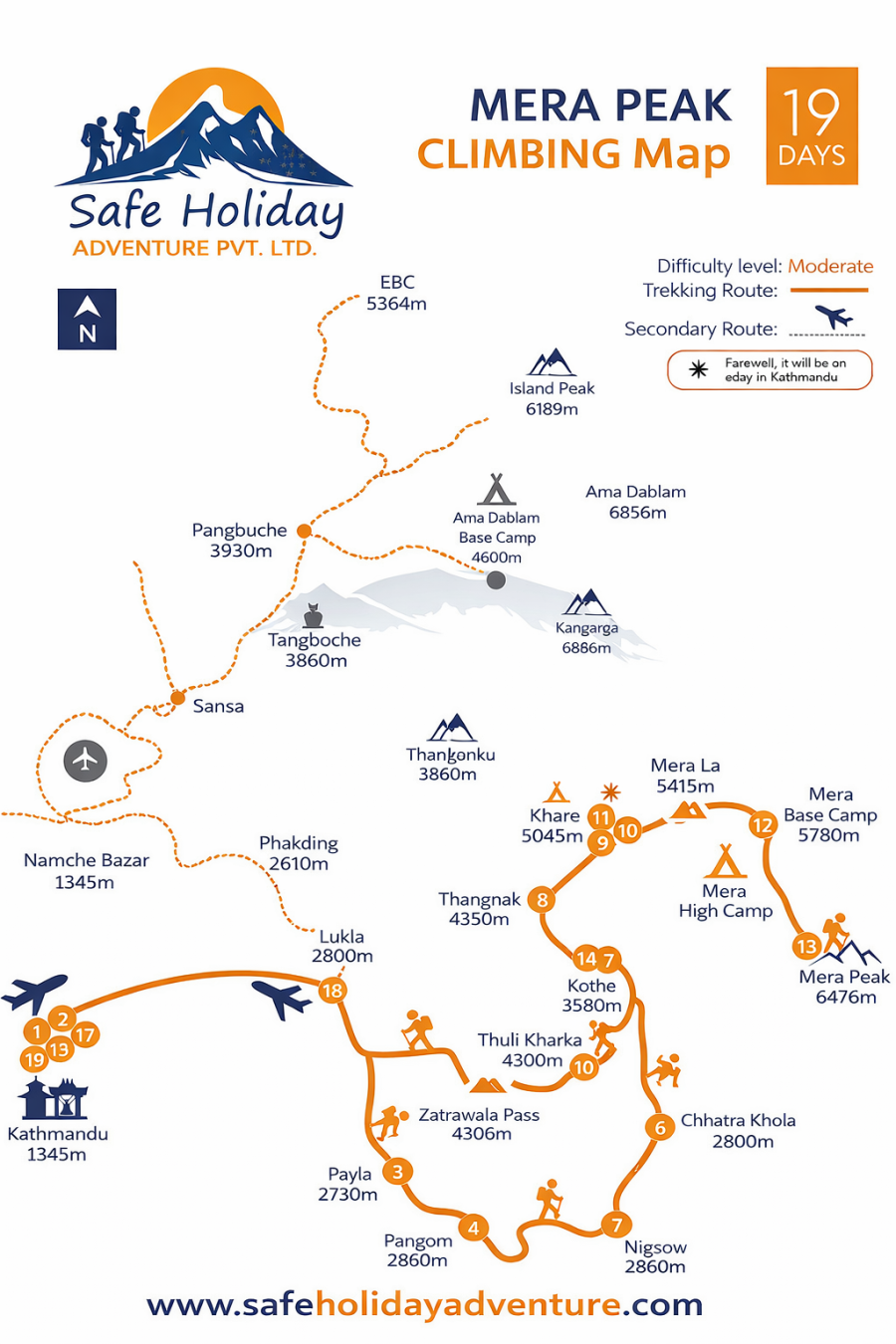
Our Note:
Whats Included?
- Personalized airport transfers for both arrival and departure
- Private ground transportation between the hotel and domestic airport, arranged according to group size
- Round-trip domestic airfare between Kathmandu and Lukla, including all applicable taxes
- Full board meals (breakfast, lunch, and dinner) throughout the trekking and climbing period
- Accommodation for 13 nights during the Mera Peak journey
- Experienced, government-certified trekking and climbing guide fluent in English
- Dedicated climbing Sherpa with full support, including insurance and salary
- Complete coverage of staff expenses, including wages, food, lodging, and insurance
- Medical and accident insurance for all trekking staff
- An additional assistant guide is provided for groups larger than 10 members
- Safe drinking water support with purification tablets or drops
- Required climbing permit for Mera Peak
- Entry permits for Makalu Barun National Park
- Khumbu Pasang Lhamu Rural Municipality permit fees
- Fresh seasonal fruits served daily After Dinner,
- Health monitoring support with an oximeter for oxygen saturation and pulse checks
- Complimentary company T-shirt and, if needed, duffel bag
- Secure storage service at the company office while on the trek
- All government taxes and service charges included
- Official certificate upon successful trip completion
- Nepal entry Visa fee, in/out flight to Kathmandu,
- Your meals at Kathmandu, except to provide dinner and breakfast, for us,
- Entire cold and alcoholic beverages on the trip,
- Necessary group climbing gears (Climbing rope, ice-ax, ice crew, and snow bar/ possible to hire or buy in Kathmandu)
- Travel insurance (Must includes Helicopter evacuation and trip cancellation), it is very important,
- Personal nature expenses, such as bar bills and donations,
- Oxygen bottle,
- A tip for all staff it is highly expected,
- Any extending trips.
Dates and Availability Departures
All our published dates are guaranteed departures. We also provide customized departures tailored to your travel plans.
There are no group joining dates available at the moment. Please contact us for a private trip.
Travellers Reviews
Genaral Trip InfoInfos
Best Time to Climb Mera Peak:
The best time to climb Mera Peak (6,476 m) is during spring (March–May) and autumn (September–November). These seasons offer the most stable weather, safer climbing conditions, and the best Himalayan visibility.
Spring is popular because temperatures are moderate, snow conditions are more stable, and the days are longer. The mountain views are clear, making it ideal for acclimatization and summit attempts.
Autumn is equally good after the monsoon, with dry trails, fresh air, and crystal-clear skies. Visibility is often at its best, though nights become colder at higher camps.
How Difficult is Mera Peak climbing?
Best Training Tips for Mera Peak Climbing Success (Detailed Guide):
Climbing Mera Peak demands more than basic fitness—it requires structured endurance, strength, and altitude readiness.
First, focus on cardiovascular endurance training at least 8–12 weeks before your climb. Include long-distance running, uphill hiking, stair climbing, and cycling. Try to complete one long hike every weekend (4–8 hours) with a backpack weighing 8–12 kg to simulate trekking conditions. This builds the stamina needed for long days at high altitude.
Second, build functional strength, especially in your legs, core, and back. Exercises like squats, lunges, step-ups, deadlifts, and planks are essential. Strong legs reduce fatigue on steep ascents, while a strong core improves balance on uneven glacier terrain.
Third, practice altitude adaptation strategies if possible. Train in higher elevations or use stair machines with reduced oxygen settings if available. Learn the “climb high, sleep low” principle and practice slow, steady pacing instead of speed.
Finally, do not ignore mental preparation and recovery. Train your mind for long, cold, and exhausting days. Prioritize rest, hydration, and nutrition during training so your body adapts properly.
Consistent preparation significantly increases your chances of a safe and successful summit.
What Food to Expect on Your Mera Peak Climbing Trip:
Climbing Mera Peak is an adventure for both body and soul, and good food keeps you energized along the way. Trekkers can expect a mix of local Nepali dishes and high-energy meals.
In teahouses and camps, you’ll enjoy:
- Hearty breakfasts: Oatmeal, eggs, toast, and hot tea or coffee to start your day.
- Wholesome lunches: Dal Bhat (rice and lentils), noodles, soups, and fresh vegetables to keep you fueled.
- Warm dinners: Pasta, fried rice, soups, and sometimes local specialties to replenish energy after a long trek.
- Snacks & treats: Energy bars, chocolate, nuts, and fruit for quick boosts on the trail.
Meals are cooked fresh daily, and our guides ensure food is nutritious, tasty, and safe. Staying well-fed is key to enjoying the trek and keeping your strength for Base Camp, High Camp, and the summit!
How Much Does It Cost to Climb Mera Peak?
The cost of climbing Mera Peak usually ranges from USD 2,000 to USD 2,500, depending on several important factors.
The price mainly varies with group size, service standard, and support staff such as the number of guides and porters. Accommodation choices also affect the cost, especially hotels in Kathmandu and Lukla, and whether you prefer basic or upgraded lodges during the trek.
Additional factors include airport transfers, permits, climbing equipment, and optional services like a Kathmandu city tour or extra hotel nights. A well-organized package ensures safety, comfort, and a smooth Himalayan climbing experience.
Mera Peak Climbing Permit Cost and Requirements:
The climbing permit for Mera Peak is issued by the Nepal Mountaineering Association (NMA). The current permit cost has increased in the spring and autumn seasons. Recent updates show that the spring season fee is now around USD 350 per person, while the autumn season is about USD 175, and winter/summer is also around USD 175 depending on government regulations.
These changes reflect a recent adjustment in Nepal’s peak climbing royalty system, where spring (the busiest season) has the highest cost due to demand and expedition traffic.
Is altitude sickness dangerous on Mera Peak?
Tips for a successful Mera Peak climb:
Climbing Mera Peak requires physical and mental preparation and can be a challenging endeavor. Here are some tips for a successful climb:
Train well: Mera Peak requires a high level of fitness and endurance. Train well in advance, including cardio exercises and strength training, to build your stamina and strength.
Acclimatize properly: Mera Peak is at high altitude, and altitude sickness can be a real concern. Ascend gradually and take proper rest breaks to acclimatize properly.
Gear up appropriately: Invest in high-quality gear, including proper footwear, warm clothing, and equipment. Test all your gear before the climb to ensure that everything fits and works well.
Hire a licensed guide: A licensed guide can help you navigate the route, provide safety, and support, and ensure that you follow the correct procedures.
Plan your trip well: Research and plan your itinerary well, including transportation, accommodation, and food arrangements. Allow for flexibility in your schedule to accommodate any unforeseen delays.
Stay hydrated and well-nourished: Drink plenty of fluids and eat nutritious meals to maintain your energy levels during the climb.
Be mindful of the weather: Keep a close eye on the weather forecast and be prepared for sudden changes in weather conditions.
Remember, safety is paramount. Listen to your body, be aware of your surroundings, and follow your guide’s instructions. With proper preparation and planning, you can successfully summit Mera Peak and enjoy the breathtaking views of the Himalayas.
Best Accommodation During Mera Peak Trip:
Accommodation on the Mera Peak trek is mainly in teahouses, lodges, and camping tents, depending on altitude. In lower regions like Lukla, Paiya, and Pangom, you will find simple teahouses with basic rooms, warm meals, and shared facilities.
As you go higher (towards Khare and Mera High Camp), accommodation becomes more basic. Lodges are limited, so most climbers stay in spacious tents arranged by trekking agencies with food prepared by support crews.
Overall, comfort is simple but practical, focusing on warmth, safety, and rest for high-altitude climbing.
Detailed ItineraryItinerary
Day 01
Arrival in Kathmandu (1,400m/4,593ft) – Transfer to Hotel and Trek Preparation
Elevation : Kathmandu (1,400m/4,593ft)
On the first day of the itinerary, travelers will arrive in Kathmandu and be transferred to their hotel. They will have time to rest and adjust to the altitude before preparing for the trek. They may meet with the trekking guides and helpers, and have time to buy any necessary equipment or gear before starting the trek.
Accommodation : Hotel
Day 02
Fly to Lukla and trek to Chutanga (3,100m/10,168ft) – 35 minutes flight and 4 to 5 hours trek
Elevation : Chutanga (3,100m/10,168ft)
On the second day, the group will take a 35-minute flight from Kathmandu to Lukla, which is one of the highest airports and the gateway to the Everest region. From Lukla, the group will begin their trekking journey and reach Chutanga after 4 to 5 hours of walking. Chutanga is a small village located at an altitude of 3,100m (10,168ft). This is the starting point of the trek, and the group will spend the night in a guesthouse in Chutanga.
Accommodation : Tea house
Day 03
Trek from Chutanga to Thuli Kharka (4,300m/14,104ft) via Zatrwa La (4,600m/15,092ft) – 5 to 6 hours trek
Elevation : Thuli Kharka (4,300m/14,104ft), Zatrwa La (4,600m/15,092ft)
On the third day, the group will trek from Chutanga to Thuli Kharka, which is a campsite located at an altitude of 4,300m (14,104ft). The trail crosses the Kalo Himal Ridge which separates the Khumbu from the Hinku Valley. They will pass through the Zatrwa La Pass, which is located at an altitude of 4,600m (15,092ft) and offers beautiful views of the surrounding peaks. The trek will take around 5 to 6 hours and the group will spend the night in a guesthouse or camp in Thuli Kharka.
Accommodation : Guesthouse
Day 04
Trek from Thuli Kharka to Kothe (3,691m/12,107ft) – 6 to 7 hours trek
Duration : 6 to 7 hours trek Elevation : Kothe (3,691m/12,107ft)
Thuli Kharka to Kothe is a trek that takes 6-7 hours to complete and has an elevation gain of 3,691m (12,107ft). This trek is typically done during peak climbing season in the Everest region of Nepal. This trek is considered challenging due to the high elevation and rough terrain. It’s recommended to be well acclimatized and well-prepared physically and mentally before attempting this trek. It’s also important to have a guide and proper gear for this trek.
Accommodation : Tea house
Day 05
Trek from Kothe to Thaknak (4,358m/14,295ft) – 3 to 4 hours trek
Duration : 3 to 4 hours trek Elevation : Thaknak (4,358m/14,295ft)
The trek from Kothe to Thaknak is a 3-4 hour trek that takes you to an elevation of 4,358m (14,295ft). This trek is typically done as part of a Mera Peak climbing trip. The trek is considered challenging due to the high elevation and steep terrain. It’s important to be well acclimatized and well-prepared physically and mentally before attempting this trek. It’s also recommended to have a guide and proper gear for this trek.
Accommodation : Tea house
Day 06
Trek from Thaknak to Khare (5,045m/16,548ft) – 3 to 4 hours trek
Duration : 3 to 4 hours trek Elevation : Khare (5,045m/16,548ft)
The trek from Thaknak to Khare is a moderately difficult trek that takes 3 to 4 hours to complete. It is a high-altitude trek that takes you to an elevation of 5,045 meters (16,548 feet). It is important to be well-prepared for this trek, both physically and mentally, as the high altitude can present challenges such as altitude sickness. It is also important to be properly equipped with appropriate clothing, footwear, and camping gear. It’s highly recommended to hire a guide for this trek for better knowledge of the trail and for thesafety.
Accommodation : Tea house
Day 07
At Khare – Acclimatization Day and pre-climb training
Mera Peak is a popular trekking peak in Nepal. The Khare village is a stopping point for trekkers on the way to the peak. Acclimatization days are scheduled in order for trekkers to adjust to the altitude and to reduce the risk of altitude sickness. Pre-climb training can include physical conditioning and learning technical climbing skills
Day 08
Trek from Khare to Mera High Camp (5,780m/18,958ft) – 5 to 6 hours trek
Duration : 5 to 6 hours trek Elevation : Mera High Camp (5,780m/18,958ft)
The trek from Khare to Mera High Camp is a challenging hike that takes about 5 to 6 hours to complete. The trail is steep and rocky, and the altitude gain from Khare (5,080m/16,667ft) to Mera High Camp (5,780m/18,958ft) is 700 meters/2,296 feet. This trek is considered one of the most strenuous parts of the climb as the altitude gain is significant. The trekkers need to be well acclimatized and must have good physical condition to make this trek. The trail offers spectacular views of the surrounding mountains, including the peaks of Mera, Kangchenjunga, and Makalu. The trekkers will also cross glaciers, moraines, and ice-covered terrain during the trek. The Mera High Camp is the last camp before the summit, and it offers a great place to rest and prepare for the summit push.
Accommodation : Tea house
Day 09
Summit Mera Peak (6,461m/21,193ft) and trek to Khare (5,045m/16,548ft) – 11 to 12 hours trek/climbing
Duration : 11 to 12 hours trek Elevation : Mera Peak (6,461m/21,193ft) , Khare (5,045m/16,548ft)
Day 9 is the summit day of the Mera Peak climb. The summit push starts very early in the morning, usually before dawn, to take advantage of the firm snow conditions and to avoid the possibility of afternoon storms. The climb to the summit of Mera Peak (6,461m/21,193ft) is a strenuous and technical climb, and it takes about 4 to 5 hours to reach the summit from the high camp. The route to the summit involves climbing steep snow and ice-covered slopes, crossing glaciers and negotiating through rocky sections.
Reaching the summit is a challenging and rewarding experience, with breathtaking views of the Himalayas, including Mount Everest, Lhotse, Makalu, and Kangchenjunga. After spending some time on the summit, the climbers will begin their descent back to the high camp. The descent usually takes about 3 to 4 hours.
From the high camp, the trekkers will continue their descent to Khare, which usually takes about 5 to 6 hours. The trail is steep and rocky, and the altitude loss from high camp (5,780m/18,958ft) to Khare (5,045m/16,548ft) is 735 meters/2,411 feet. This is a long and challenging day, but the summit of Mera Peak is a great achievement, and the trekkers will have a sense of accomplishment and satisfaction.
Accommodation : Tea house
Day 10
Contingency Day for Mera Peak Summit
A contingency day is a day set aside in the itinerary as a buffer in case of any unforeseen circumstances such as bad weather, illness, or other delays. This is an important part of trip planning for a mountaineering expedition, as it allows for some flexibility in the schedule and reduces the risk of having to cut the trip short.
For Mera Peak summit, the contingency day is usually the last day of the itinerary before returning to base camp or leaving the mountain. This day can be used in case the weather is not favorable for the summit attempt on the scheduled day, or if any of the climbers are not feeling well or having any other issues. If the summit attempt is successful, the contingency day can be used for rest, packing, or other activities.
It’s important to note that the contingency day is not a “spare” day and it’s not intended to be used for extra climbing or leisure. The contingency day is there to ensure the safety and success of the expedition, and the guide will make the decision when and if to use it based on the conditions and the group’s capability.
Day 11
Trek from Khare to Kothe to Thuli Kharka (4,300m/14,104ft) – 8 to 9 hours trek
Duration : 8 to 9 hours trek Elevation : Thuli Kharka (4,300m/14,104ft)
The trek from Khare to Kothe to Thuli Kharka is a challenging hike that takes about 8 to 9 hours to complete. The trail is steep and rocky, and the altitude loss from Khare (5,045m/16,548ft) to Thuli Kharka (4,300m/14,104ft) is 745 meters/2,443 feet. The trail offers spectacular views of the surrounding mountains, including the peaks of Mera, Kangchenjunga, and Makalu.
The trek starts with descending from Khare to Kothe, which is a small village located at the bottom of the valley. From Kothe, the trail climbs up again to Thuli Kharka, which is a high altitude meadow. The trekkers will pass through the rhododendron and juniper forests, cross small streams, and enjoy the views of the surrounding mountains. Thuli Kharka is a small village and is known for its beautiful meadows and scenic views of the surrounding mountains. This is a long and strenuous trek, and the trekkers must be well acclimatized and have good physical condition to complete this trek.
Accommodation : Tea house
Day 12
Trek to Lukla (2,840m/9,316ft) via Zatrwa La Pass (4,600m/15,088ft) – 5 to 6 hours trek
Duration : 5 to 6 hours trek Elevation : Lukla (2,840m/9,316ft) ,Zatrwa La Pass (4,600m/15,088ft)
The trek from Thuli Kharka to Lukla via Zatrwa La Pass is a strenuous hike that takes approximately 5 to 6 hours to complete. The trail takes you from Thuli Kharka, which is located at an elevation of around 4,100 meters (13,451 ft), to Lukla, which is situated at an elevation of 2,840 meters (9,316 ft). The highlight of the trek is Zatrwa La Pass, which is located at an elevation of 4,600 meters (15,088 ft). It is a challenging trek that requires good physical fitness, proper gear, and acclimatization to the high altitude. It is recommended to take the help of a local guide and be well prepared for the trek before you start it.
Accommodation : Tea house
Day 13
Fly from Lukla to Kathmandu(1,400m/4,593ft) – 35 minutes flight
Duration : 35 minutes flight Elevation : Kathmandu(1,400m/4,593ft)
The flight from Lukla to Kathmandu is a 30-minute scenic flight that takes you from the mountain town of Lukla, located at an elevation of 2,840 meters (9,316 ft), to Kathmandu, the capital city of Nepal, which is situated at an elevation of 1,400 meters (4,593 ft). The flight offers spectacular views of the Himalayan mountain ranges and is considered one of the most exhilarating flights in the world. The Lukla airport, also known as Tenzing-Hillary Airport, is one of the most challenging airports in the world due to its short runway, mountainous terrain, and unpredictable weather conditions. It is recommended to check the flight schedule and weather conditions before planning your flight and be prepared for possible flight delays.
Accommodation : Hotel
Day 14
Depart Kathmandu
On your departure day from Kathmandu to your home country, the staff of Safe Holiday Adventure Pvt. Ltd. will escort you to the Tribhuvan International Airport (TIA) 3 hours before your scheduled flight from Nepal. This will ensure that you have enough time to check-in, go through security, and board your flight without any stress or rush.
Mera Peak Climbing FAQs
The best time to climb Mera Peak is from September to November and from March to May.
Mera Peak is considered a moderate to challenging climb, with a combination of steep hiking, ice and snow climbing.
The climb to Mera Peak takes around 21 days, including acclimatization and trekking to base camp.
You will need standard climbing equipment such as crampons, ice axe, harness, helmet, and a full set of warm clothing and mountaineering boots.
You should be in good physical shape with a good level of fitness, and have some previous climbing or hiking experience.
Yes, a guide is required for the climb.
During the trek, accommodation is available in teahouses or camping.
The trek to Mera Peak Base Camp begins with a flight to Lukla and then hiking to the base camp.
The highest altitude reached during the climb is 6,461 meters (21,190 ft) at the summit of Mera Peak.
Like with any climbing or trekking adventure, there are risks associated with altitude sickness, injury, and unpredictable weather conditions.
Climbers need TIMS card, Climbing permit for Mera Peak
You should prepare physically, mentally and with proper gear. It’s important to have a good level of fitness and to have some previous climbing or hiking experience. Consult with a doctor, do proper research and plan accordingly.
Refund & Cancellation Policy
- Booking requires 20% non-refundable deposit (Nepal) or 100% upfront (Tibet/Bhutan).
- Remaining payment due before the trip or on arrival (trip-dependent).
Cancellation charges:
- 31+ days: 20%
- 16–30 days: 45%
- 8–15 days: 75%
- 7 days or less: 90%
- Prices may change due to flights, taxes, or exchange rates.
- Trip changes are allowed, but extra costs apply.
- If the company cancels, a full refund, except for unavoidable events (some costs deducted).
- Good health and travel insurance are mandatory.
- No refund if removed for unsafe or illegal behavior.
- Travel involves personal risk, which the client accepts.