

Everest High Pass Trek Highlights: Highlights
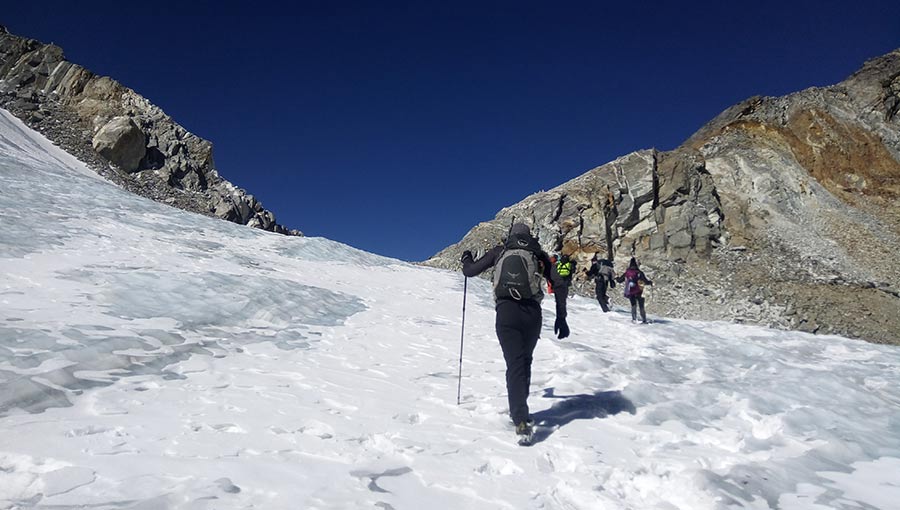
- Cross Three Legendary High Passes – Conquer Kongma La (5,535m), Cho La (5,420m), and Renjo La (5,360m), the most iconic high-altitude passes in the Everest region.
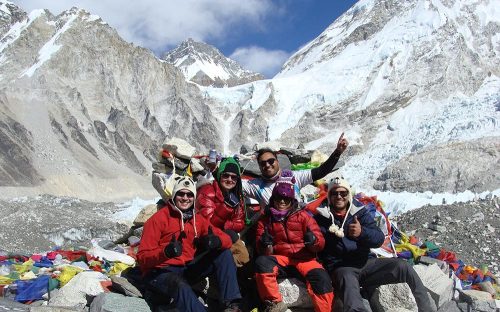
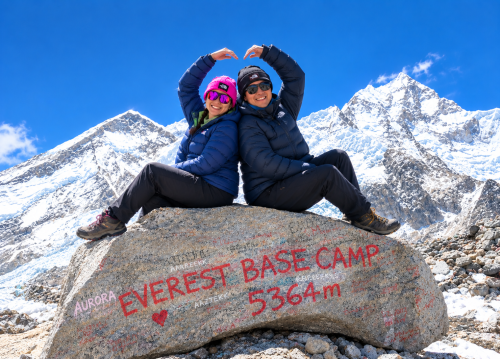
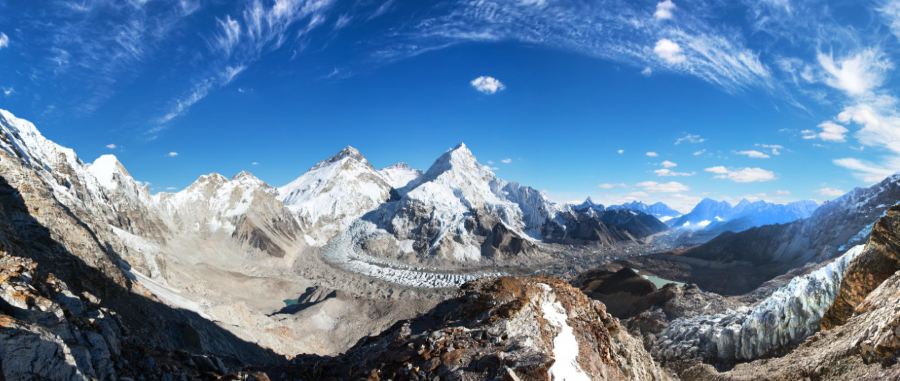
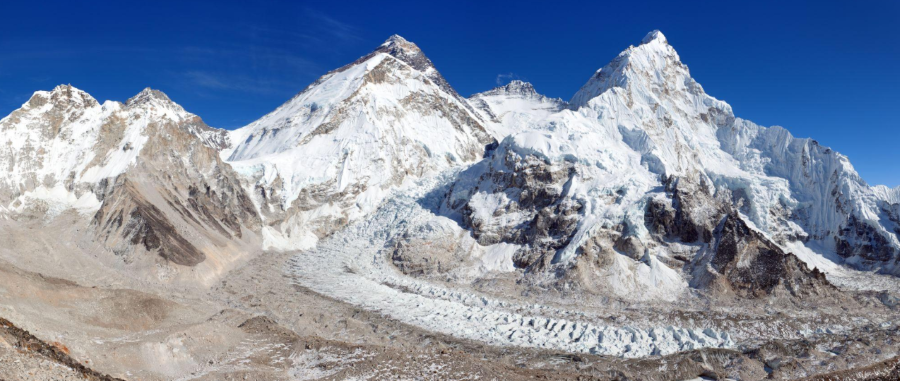
- Reach Everest Base Camp – Stand at the foot of the world’s highest mountain at Everest Base Camp (5,364m), a dream destination for trekkers worldwide.
- Hike to Kala Patthar Viewpoint – Witness breathtaking sunrise and close-up views of Mount Everest from Kala Patthar (5,545m), the best Everest viewpoint in Nepal.
- Explore the Stunning Gokyo Lakes – Discover a chain of turquoise glacial lakes nestled beneath some of the world’s highest peaks.
- Summit Gokyo Ri – Climb to Gokyo Ri (5,357m) for one of the finest panoramic mountain views in the Himalayas.
- Experience the Complete Everest Circuit – Combine Everest Base Camp, Gokyo Valley, and all three high passes in one ultimate trekking adventure.
- Enjoy Spectacular Himalayan Views – Admire Everest (8,848.86m), Lhotse (8,516m), Makalu (8,485m), Cho Oyu (8,188m), Nuptse (7,861m), Ama Dablam (6,812m), and many other snow-capped giants.
- Trek Through Sagarmatha National Park – Explore Nepal’s UNESCO World Heritage Site, famous for its dramatic landscapes, glaciers, and unique biodiversity.
- Visit Traditional Sherpa Villages – Experience authentic Himalayan culture in Lukla, Namche Bazaar, Tengboche, Dingboche, Chhukung, Lobuche, and Gokyo.
- Discover Tengboche Monastery – Visit the largest and most important Buddhist monastery in the Khumbu region.
- Walk Across Glaciers and Remote Valleys – Traverse rugged alpine terrain, glacial moraines, and secluded mountain landscapes rarely seen on standard Everest treks.
- Enjoy Less-Crowded Trails – Venture beyond the classic Everest Base Camp route and experience quieter sections of the Khumbu region.
- Immerse Yourself in Sherpa Culture – Learn about local traditions, hospitality, and the mountaineering heritage of the Everest region.
- Stay in Traditional Mountain Teahouses – Experience comfortable teahouse trekking while enjoying warm Sherpa hospitality throughout the journey.
- Challenge Yourself on Nepal’s Ultimate Trek – Perfect for experienced trekkers seeking the most rewarding and comprehensive Everest trekking experience.
Introduction to Everest High Pass Trekking Overview
The Everest High Pass Trekking, also known as the Everest 3 Passes Trek in Nepal, is an exhilarating journey designed by us. This challenging trek begins with a scenic flight from Kathmandu to Lukla. Upon arrival, our experienced team introduces you to the classic route towards Everest Base Camp(5,364m).
Starting from Lukla, the trail descends gently to the Everest region trek’s entry checkpoint, where team registration and permit checks are conducted. Passing through Chheplung village, the trek continues along easy, well-defined trails, passing Sherpa farms, monasteries, and Buddhist Chortens adorned with prayer flags. After about an hour and a half, we reach Thado Koshi, crossing several suspension bridges( Hanging Bridge) before a slight ascent to Ghat village, known for its colorful Sherpa tea houses and monasteries. From here, a gradual descent leads us to Phakding, a popular overnight stop with numerous lodges.
On day two, the Everest High Pass Trekking resumes from Phakding, crossing bridges to Toktok village, offering beautiful views of waterfalls and farmlands along the Dudh Koshi River. Continuing alongside the river, we ascend towards Manjo, where entry into Sagarmatha National Park is required (permit: $26 per person). After a brief descent to a suspension bridge and a short climb to Jorsalle, we stop for lunch. The trail then follows the river, crossing more Tenzing Hillary bridges before ascending steeply through alpine forests for about two hours to Namche Bazaar. Before reaching Namche Bazaar, Durbin Danda offers a stunning first view of Mount Everest.
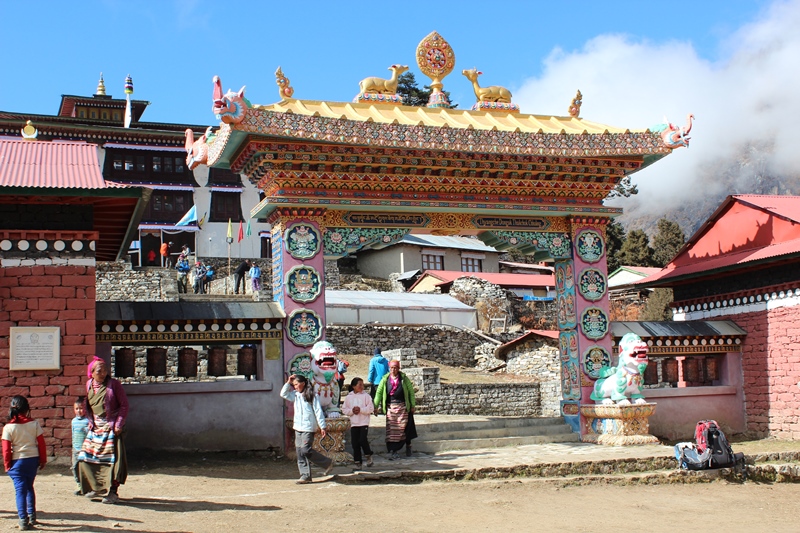
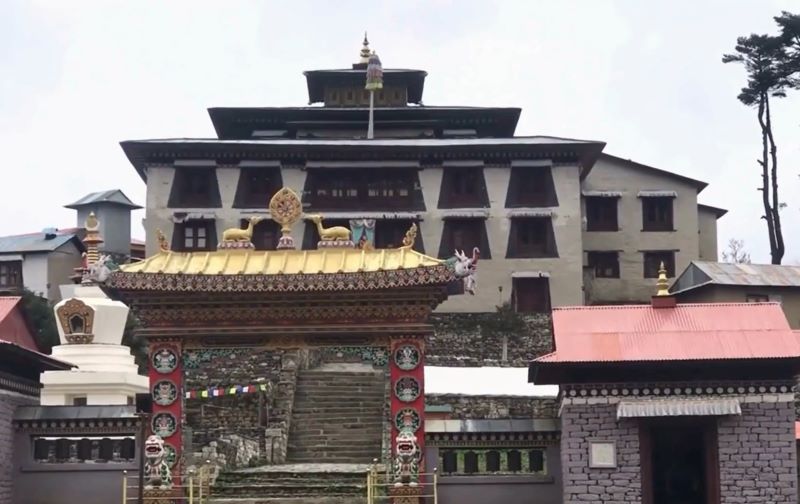
At Namche Bazaar (3,450m), we spend two nights for acclimatization. From here, the trek continues to Tengboche (3,780m), following an easy trail through Kaynjuam and Sanasa, descending to Phunki Thanga for Lunch. A steep ascent through forests leads to Tengboche, where we spend a night, visiting the monastery and enjoying views of Everest.
The journey then descends to Debuche and follows flat trails through alpine trees, crossing rivers to ascend Pangboche(4000 m). Continuing for about 35-40 minutes brings us to Somare, offering incredible views of Ama Dablam 6,812 meters (22,349 feet), Lhotse 8,516 meters (27,940 feet), Nuptse, and Tawache. A straightforward two-hour trek leads to Dingboche for an overnight stay. The next day, we ascend gradually to 4,730 meters (15,518 feet), preparing for an early start the following morning to cross the adventurous Khangma La Pass at Chhukung, 5,450 meters.
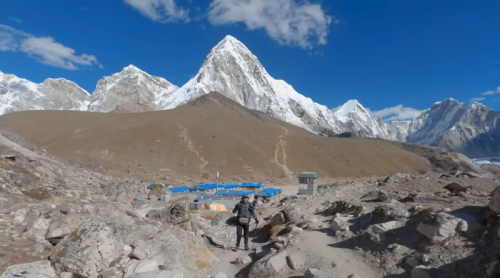
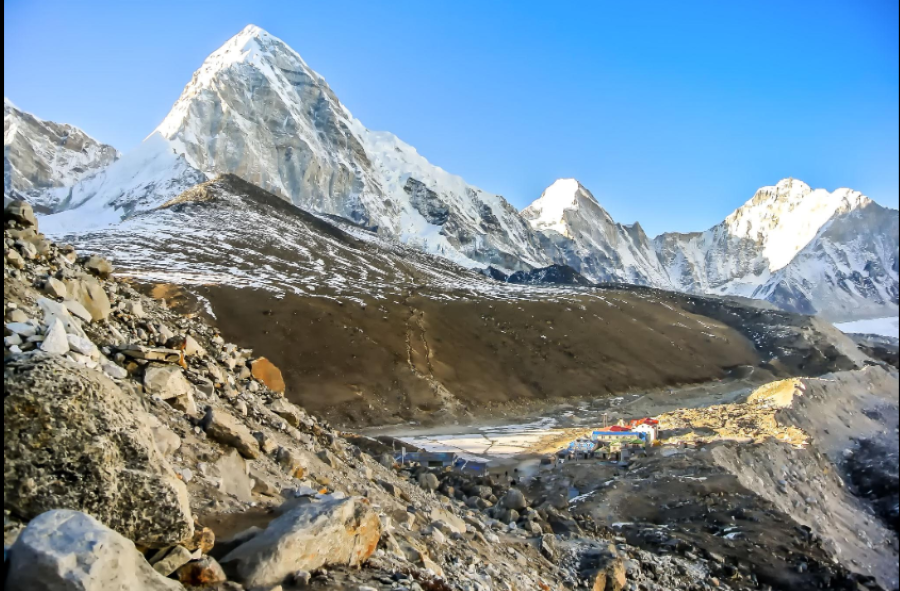
Descending to Lobuche(4,910m) for the night, we continue with a smoother ascent of 200 meters through rocky terrain and wide valleys to Gorakshep(5,180m), with stunning views of Pumori, 7,161 meters (23,494 feet). Nuptse and Ama Dablam. After leaving our main luggage at Gorakshep, we hiked to Everest Base Camp at 5,364 meters, a round trip of about four hours. We spent a night at Gorakshep and ascended early the next morning to Kala Patthar 5550 M for a two-hour hike, offering magical views of Everest and Nuptse at sunrise. After breakfast at Gorakshep, we descend to Dzongla 4,830 m (15,850 ft) for another overnight stay.
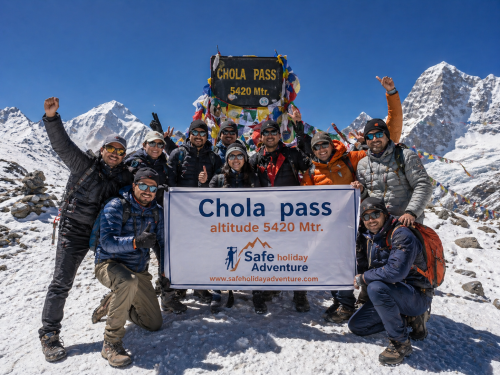
Early the next morning, we tackle the challenging Cho La Pass at 5,420 meters, a four-hour trek from Dzongla, followed by a descent to Thagnak 4,700m for lunch. From here, we follow the trail along the right edge, past the Ngozumpa Glacier, for about two hours to Gokyo. Gokyo, the second most popular destination in the Everest region, is renowned for its turquoise lakes and views of Cho Oyu.
We hike steeply to Gokyo Ri at 5,380 meters for breathtaking panoramic views, then return to Gokyo at 4,750 meters the same day. Continuing west along the lake, we reach Renjo La Pass, the final pass of the trek, a two-hour ascent over stone steps to the top. Renjo La is the easiest of the three passes and offers stunning vistas. Descending for about two to three hours brings us to the village of Lungden for an overnight stay.
The return journey passes through Thame and Thamo villages to Namche Bazaar, retracing the earlier route. Completing the Everest 3 Passes Trek is a fulfilling adventure suitable for those with two to three weeks to spare. Package options, ranging from $1,250 to 1,600 per person, include flights, permits, guides, meals, accommodation, and transportation, ensuring a seamless and unforgettable experience.
The Everest High Pass Trek is an adventurous journey that demands thorough preparation with essential trekking gear. You’ll need items like a warm-down jacket, a sleeping bag, waterproof shoes, and a sturdy backpack. For a detailed checklist of trekking gear required for the Everest High Passes trek, click here.
Join Our Group Everest High Passes Trek – Fixed & Flexible Departures 2026/2027
At Safe Holiday Adventure Pvt. Ltd., we invite adventure enthusiasts from around the world to join our Group Everest High Passes Trek and explore the most spectacular trekking route in the Everest region. Whether you are traveling alone or with friends, our fixed and flexible departure dates make it easy to find a trek that matches your schedule.
We offer reasonable prices, special group discounts, experienced local guides, and personalized support throughout the journey. To join our group trek, participants should be in good physical condition and willing to follow safety guidelines and the instructions of our professional trekking team.
Join us to cross the legendary Kongma La, Cho La, and Renjo La passes while sharing unforgettable Himalayan experiences with fellow trekkers. Contact Safe Holiday Adventure today to reserve your place and trek the Everest High Passes (Everest 3 Passes trek) with confidence.
Which Direction Is Better for the Everest Three Passes Trek: Clockwise or Anti-Clockwise?
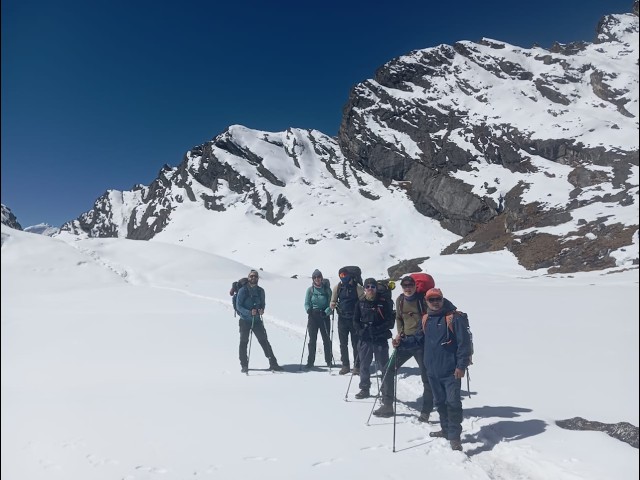
For most trekkers, the anti-clockwise route is the preferred choice. The trail gradually gains altitude through Namche Bazaar (3,440 m / 11,286 ft), Dingboche (4,410 m / 14,469 ft), and Chhukung (4,730 m / 15,518 ft) before crossing Kongma La Pass (5,535 m / 18,160 ft), the highest and most demanding of the three passes. This progression supports better acclimatization and helps reduce the risk of altitude sickness.
The clockwise route begins through Thame (3,800 m / 12,467 ft) and Lungden (4,380 m / 14,370 ft) before crossing Renjo La Pass (5,360 m / 17,585 ft). Trekkers then continue through Gokyo (4,790 m / 15,715 ft) and Cho La Pass (5,420 m / 17,782 ft) before reaching Everest Base Camp.
Overall, the anti-clockwise direction offers the best combination of safety, acclimatization, and trekking comfort, making it the recommended option for most trekkers attempting the Everest Three Passes Trek.
When to Trek the Everest High Passes?
If you’re planning to take on the Everest High Pass Trek—Cho La, Renjo La, and Kongma La—timing your journey is key. The most suitable months are Spring (March to May) and Autumn (late September to November). These periods offer the best conditions: clear mountain views, steady weather, and comfortable temperatures, making high-altitude trekking much more enjoyable.
On the other hand, winter months can be quite tough. Deep snow, icy trails, and the closure of several teahouses along the route make the journey risky and less convenient. While winter treks are possible for experienced adventurers, they demand extra preparation and flexibility due to weather unpredictability.
Everest Three Passes Trek Weather: What to Expect:
The Everest High Pass Trek crosses high mountains, so the weather changes quickly. The best seasons to trek are spring (March to May) and autumn (September to November), when the skies are mostly clear and the views are amazing.
During the day, temperatures in lower areas can be warm, around 10°C to 20°C (50°F to 68°F). But at night, especially near the high passes—Renjo La 5,360 meters (17,585 feet), Cho La 5,420 meters (17,782 feet), and Kongma La 5,535 meters (18,159 feet)—it gets very cold, often below freezing. You might see snow or strong winds on these high passes.
Winter trekking is very cold with heavy snow, making the trail difficult and sometimes dangerous. Summer, during the monsoon, brings rain, slippery trails, and cloudy skies that block mountain views.
Why Choose the Everest High Pass Trek?Why Choose the Everest High Pass Trek?
Everest High Pass Trek 15 Day OutlineOutline Itinerary
Day 01: Arrival at Kathmandu Airport,
Day 02: Flight to Lukla (2,840 m) and Trek to Phakding (2,650 m),
Day 03: Phakding to Namche Bazaar (3,440 m),
Day 04: Acclimatization Day in Namche Bazaar (3,440 m),
Day 05: Namche Bazaar to Tengboche (3,867 m),
Day 06: Tengboche to Dingboche (4,260 m),
Day 07: Dingboche to Bibre (4,430 m),
Day 08: Cross Kongma La Pass (5,535 m) and trek to Lobuche (4,930 m),
Day 09: Trek to Gorakshep (5,180 m) and Everest Base Camp (5,364 m), return to Gorakshep,
Day 10: Hike to Kala Patthar (5,545 m) and trek down to Dzongla (4,850 m),
Day 11: Trek over Cho La Pass (5,380 m) to Gokyo (4,750 m),
Day 12: Trek to Renjo La Pass (5,388 m) and descend to Marlung (4,137 m),
Day 13: Trek from Marlung to Thamo (3,550 m),
Day 14: Trek from Thamo to Phakding (2,660 m),
Day 15: Trek from Phakding to Lukla (2,840 m),
Day 16: Fly back to Kathmandu,
Day 17: Departure Day.

Everest High Pass Trek Package Includes & Excludes:
- Airport Transfers: Warm welcome with private airport pickup and drop-off services in Kathmandu.
- Kathmandu Hotel Stay: 2 nights of comfortable hotel accommodation with breakfast included.
- Lukla Flights: Round-trip Kathmandu–Lukla domestic flights arranged for a smooth trekking experience.
- Trekking Permits: All required permits, including the Sagarmatha National Park Permit and Khumbu Pasang Lhamu Rural Municipality Permit.
- Professional Guide: Experienced English-speaking trekking guide for safety, support, and local insights.
- Mountain Accommodation: Comfortable tea house lodging throughout the trek.
- Meals Included: Daily breakfast, lunch, and dinner during the trekking period.
- Ground Transportation: All necessary transportation as outlined in the itinerary.
- Staff Welfare Covered: Guide and porter salaries, insurance, meals, and accommodation fully covered.
- Emergency Assistance: 24/7 support with rescue coordination if required.
- Safe Drinking Water: Water purification support provided during the trek.
- Farewell Celebration: Special farewell dinner in Kathmandu to celebrate your Himalayan adventure.
- International Airfare: Flights to and from Nepal are not included in the package cost.
- Nepal Visa Fee: Nepal entry visa charges are the responsibility of each traveler.
- Travel Insurance: Comprehensive travel and emergency evacuation insurance is mandatory and not included.
- Personal Expenses: Snacks, soft drinks, alcoholic beverages, hot showers, Wi-Fi, charging facilities, and personal purchases.
- Tips & Gratuities: Tips for guides, porters, and drivers are appreciated but entirely optional.
- Meals in Cities: Lunch and dinner in Kathmandu (and Lukla, if applicable) are not included unless specified.
- Trekking Equipment: Personal trekking gear and rental equipment such as sleeping bags, down jackets, and trekking poles.
- Extra Accommodation: Additional hotel nights due to early arrival, late departure, or itinerary changes.
- Unforeseen Expenses: Costs resulting from flight delays, bad weather, natural disasters, political events, or other circumstances beyond our control.
- Personal Medical Costs: Any medical treatment, medications, or hospital expenses incurred during the trip.
Dates and Availability Departures
All our published dates are guaranteed departures. We also provide customized departures tailored to your travel plans.
October 2026
November 2026
Travellers Reviews
Giuliana Benigni
USA | August, 2025
𝐒𝐮𝐜𝐜𝐞𝐬𝐬𝐟𝐮𝐥 𝐄𝐯𝐞𝐫𝐞𝐬𝐭 𝐓𝐰𝐨 𝐏𝐚𝐬𝐬𝐞𝐬 𝐓𝐫𝐞𝐤 𝐄𝐱𝐩𝐞𝐫𝐢𝐞𝐧𝐜𝐞
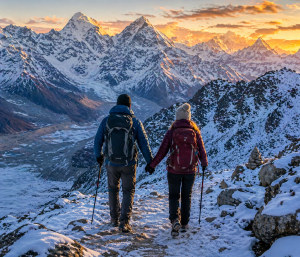
The Everest Two Passes Trek (Kongma La & Cho La Pass) was an incredible high-altitude adventure filled with glaciers, dramatic landscapes, and challenging mountain passes.
Our client, Giuliana Benigni from the USA, completed the trek with great determination and enjoyed the breathtaking Himalayan scenery throughout the journey.
Special thanks to our experienced guide Rahul, whose professionalism and safety-focused leadership ensured a smooth trek, and porter Prem, whose strong support made the journey easier and well-managed.
This trek was organized by Safe Holiday Adventure Pvt. Ltd., delivering a safe, reliable, and well-coordinated Himalayan experience.
A highly recommended adventure for trekkers seeking a real challenge in the Everest region.
Gill Brass
Poland | April,2026
Safe & Successful Everest Two Passes Trek
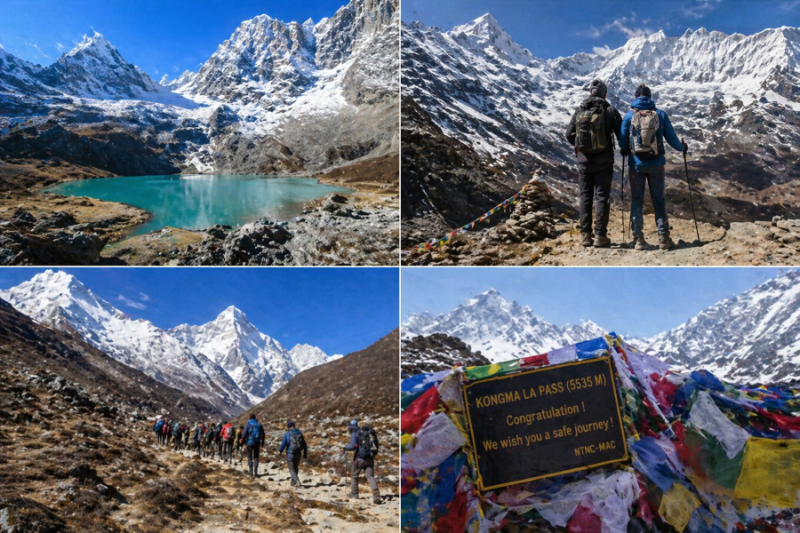
We had an incredible experience on the Everest Two Passes Trek with our guide, Ambar. He was professional, friendly, and always ensured our safety and comfort throughout the journey.
Crossing the high passes felt much easier with his guidance and support. His knowledge of the mountains and local culture made the trek even more enjoyable.
We highly recommend this adventure, especially trekking with Ambar for a safe and memorable experience.
Gill Brass & Wife
Poland
Genaral Trip InfoInfos
What to Pack for the Everest High Pass Trek:
The Everest Three Pass Trek is an incredible adventure, but it’s also challenging due to high altitudes and variable weather. Packing smartly ensures you stay safe, comfortable, and prepared for anything the mountains throw at you. Here’s a comprehensive packing list in easy-to-read horizontal format.
Backpack & Daypack
50–65L main trekking backpack, 20–30L daypack for short hikes and essentials, rain cover for both backpacks
Clothing
Base layers (moisture-wicking t-shirts, thermal tops), insulating layer (fleece or down jacket), outer layer (waterproof and windproof jacket and pants), trekking pants and shorts, warm hat and balaclava, gloves (lightweight and insulated), trekking socks (wool or synthetic, 4–6 pairs), thermal underwear
Footwear
Sturdy trekking boots (waterproof and broken-in), camp shoes or sandals for evenings, gaiters (for snow and dust)
Sleeping & Camping Gear
Sleeping bag (-15°C to -20°C), sleeping bag liner (optional for extra warmth), lightweight trekking tent (if not using teahouses), sleeping pad for insulation
Accessories
Sunglasses (UV protection), trekking poles, headlamp with extra batteries, water bottle or hydration bladder (2–3L), water purification tablets or filter, sunscreen and lip balm (high SPF), toiletries and quick-dry towel
Health & Safety
Personal first aid kit (bandages, blister pads, painkillers), altitude sickness medication (consult your doctor), hand sanitizer and wet wipes, personal medications
Electronics
Camera or smartphone, extra batteries and power bank, universal plug adapter, GPS or trekking app (optional)
Documents & Money
Passport and permits (TIMS, Sagarmatha National Park), travel insurance documents, cash in small denominations (Nepalese Rupees)
Optional Items
Notebook and pen, snacks (nuts, energy bars, chocolate), lightweight binoculars, small dry bag for electronics
Difficulty Level of the Everest Three Pass Trek: Is It Very Difficult?
The Everest Three Pass Trek is considered one of the most challenging trekking routes in Nepal. Unlike the standard Everest Base Camp Trek, this adventure takes you across three high mountain passes—Kongma La (5,535m), Cho La (5,420m), and Renjo La (5,360m). Trekkers must be prepared for long walking days, steep ascents and descents, rocky trails, and the physical demands of trekking at high altitude for several days.
However, the trek is achievable for anyone with good fitness, proper preparation, and enough acclimatization time. The biggest challenge is often the thin air above 5,000 meters, which can make even simple walks feel strenuous. With a sensible pace, experienced guidance, and a positive mindset, many trekkers successfully complete the route and enjoy one of the most rewarding trekking experiences in the Himalayas.
How Many Days Does the Everest Three Pass Trek Take?
The Everest Three Pass Trek typically takes 14 to 18 days to complete, depending on your walking pace, acclimatization schedule, and overall itinerary. Most trekkers choose a 15-day itinerary, which provides enough time to safely cross all three high passes and enjoy the highlights of the Everest region.
Unlike the standard Everest Base Camp Trek, this route follows a full circuit through the Khumbu region, linking remote valleys, high mountain passes, traditional Sherpa villages, Everest Base Camp, and the beautiful Gokyo Lakes. The longer duration allows trekkers to experience more of the region while avoiding rushed travel days.
Proper acclimatization is a key part of the journey. Taking sufficient time at higher elevations helps reduce the risk of altitude sickness and makes the trek safer and more enjoyable. For the best experience, most trekkers should plan for at least 15 days on the trail.
Permits Required for Everest Three Pass Trek
To do the Everest Three Pass Trek, you need two main permits:
- Sagarmatha National Park Permit (around NPR 3,000)
- Khumbu Pasang Lhamu Rural Municipality Permit (around NPR 2,000)
These permits are checked along the trail. If you trek with a registered agency like Safe Holiday Adventure Pvt. Ltd., they will arrange all permits for you. You do not need a TIMS card anymore for the Everest region. Always carry a copy of your passport and permits with you. These permits support conservation efforts and local development, and allow you to enter protected areas in the Everest region.
Everest High Passes Trek Cost:
Guide and Porter Services for Everest High Pass Trek:
A licensed trekking guide and a dedicated porter can make your Everest Three Passes Trek safer, easier, and far more enjoyable. Your guide will lead the route, share insights about the Himalayan mountains, Sherpa culture, and local traditions, while also providing valuable support in case of altitude-related issues or emergencies. Meanwhile, a porter carries your main duffel bag, allowing you to trek comfortably and fully enjoy the spectacular scenery along the trail.
Beyond their practical support, guides and porters add a personal touch to your adventure through genuine cultural interaction and local knowledge. Their experience on the Everest trails helps ensure a smooth and rewarding journey from start to finish. Many trekkers find that their guide or porter becomes one of the most memorable parts of the trip. When you trek with Safe Holiday Adventure Pvt. Ltd., you’ll be supported by a professional, friendly, and experienced team dedicated to making your Everest adventure safe, comfortable, and unforgettable.
How Should You Physically Prepare for the Everest High Pass Trek?
The Everest high Pass Trek is one of the most challenging and rewarding trekking adventures in Nepal, requiring a good level of physical fitness, endurance, and mental determination. Since the trek involves crossing three high-altitude passes above 5,000 meters, walking for several hours each day, and navigating rugged mountain terrain, proper preparation is essential for a safe and enjoyable experience.
To prepare effectively, begin a training routine at least 8–12 weeks before your trek. Focus on cardiovascular exercises such as hiking, running, cycling, swimming, or stair climbing to improve stamina and lung capacity. Combine this with strength training for your legs, core, and back, as these muscles are heavily used during long ascents and descents. Regular practice hikes carrying a light backpack can also help simulate trekking conditions and build confidence. While physical fitness cannot completely prevent altitude sickness, being well-prepared will allow you to enjoy the journey more comfortably and increase your chances of successfully completing the Everest High Pass Trek.
How Can You Prevent Altitude Sickness on the Everest High Pass Trek?
Where Do You Stay on the Everest High Pass Trek?
During the Everest High Passes Trek, trekkers stay in local teahouses located in villages along the route. These mountain lodges provide basic rooms with beds, blankets, and shared dining areas. Popular overnight stops include Namche Bazaar, Dingboche, Lobuche, Gokyo, and other settlements before and after crossing the high passes.
Teahouses offer a comfortable place to rest, enjoy warm meals, and acclimatize to the altitude. While facilities become simpler at higher elevations, they provide the essential accommodation needed throughout the trek.
What Food and Water Are Available During the Everest High Passes Trek?
Food on the Everest High Passes Trek is available at local teahouses along the route. Trekkers can enjoy a variety of meals, including dal bhat, noodles, rice, soups, potatoes, eggs, and bread. These simple but nutritious foods provide the energy and strength needed for trekking at high altitude.
For drinking water, you can buy boiled water at teahouses or refill your bottle from local water sources and purify it using water purification tablets or a water filter. Drinking enough safe water every day is essential for staying healthy, hydrated, and helping your body adapt to the altitude.
Is Solo Trekking Recommended on the Everest Three Passes Trek?
Solo trekking is possible on the Everest Three Passes Trek, but it is generally not recommended because of the high altitude, remote trails, and challenging mountain passes. Route finding can become difficult near the passes, especially during snowfall, fog, or bad weather, increasing the risk of getting lost.
Trekking with a local guide or joining a group is a safer option. An experienced guide knows the trail, monitors weather conditions, and can provide assistance in emergencies. While experienced trekkers may choose to trek independently, having a professional guide makes the journey safer, easier, and more enjoyable.
What Is the Weather Like on the Everest Three Passes Trek?
The weather in the Everest region can change quickly, especially at higher elevations. Spring (March–May) and autumn (September–November) are the best trekking seasons, offering clear skies, dry conditions, and excellent mountain views. While daytime temperatures are usually pleasant, nights can be very cold, particularly above 4,000 meters, with temperatures sometimes dropping below -10°C near the high passes.
During winter (December–February), heavy snowfall can block the passes and make trekking more challenging. The monsoon season (June–August) brings rain, cloudy skies, and slippery trails, especially at lower elevations. It is important to pack warm clothing, waterproof gear, and check weather forecasts regularly. Trekking with an experienced guide can help you stay safe and make better decisions based on daily weather conditions.
Detailed ItineraryItinerary
Arrival at Kathmandu Airport
Trip Facts: No trekking today – Altitude: 1350 m – Transfer: 30 mins
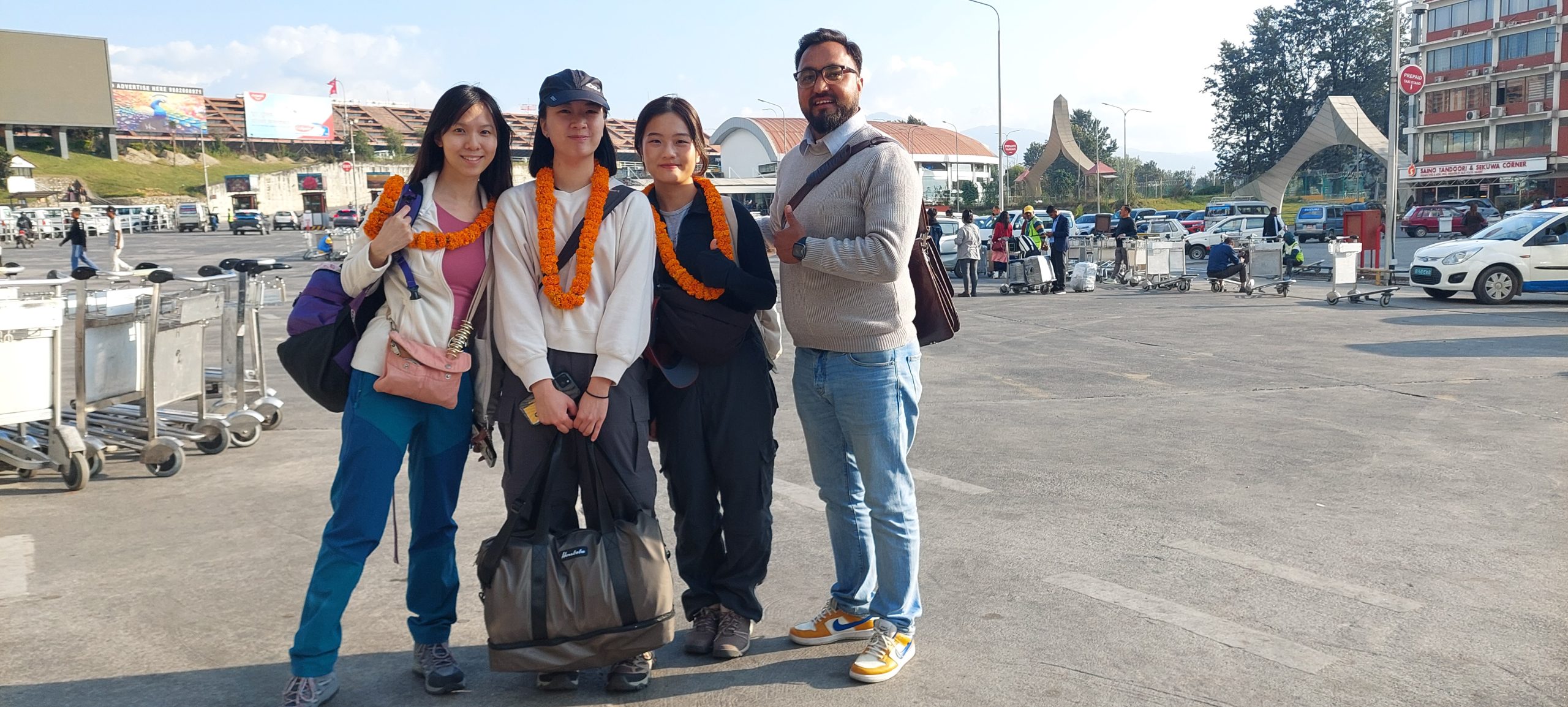
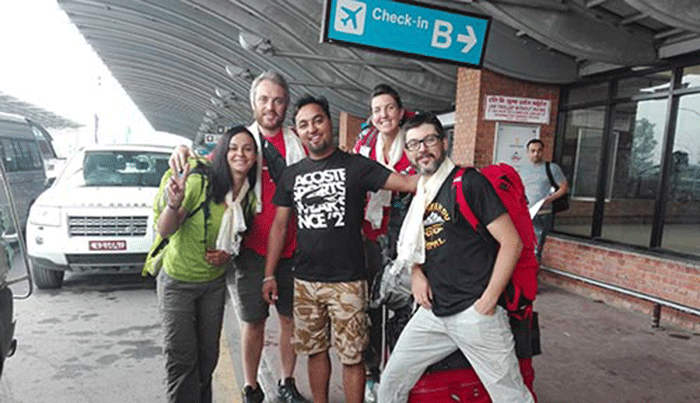
Wake up in Kathmandu! After arriving at Tribhuvan International Airport, you will be greeted by our friendly local representative holding a sign with your name. After completing your Nepal entry visa process, you will be escorted by private transport to your hotel in Kathmandu. The 30-minute drive offers your first glimpse of the vibrant city life. Tonight, rest well in your comfortable hotel preparing for the adventure ahead.
Accommodation : Hotel
Flight to Lukla (2,840 m) and Trek to Phakding (2,650 m)
Trip Facts: Ascending: 00:0 – Descending: 190 m – Altitude: 2,650 m – Distance: 9 km – Trek Hours: 4 hrs
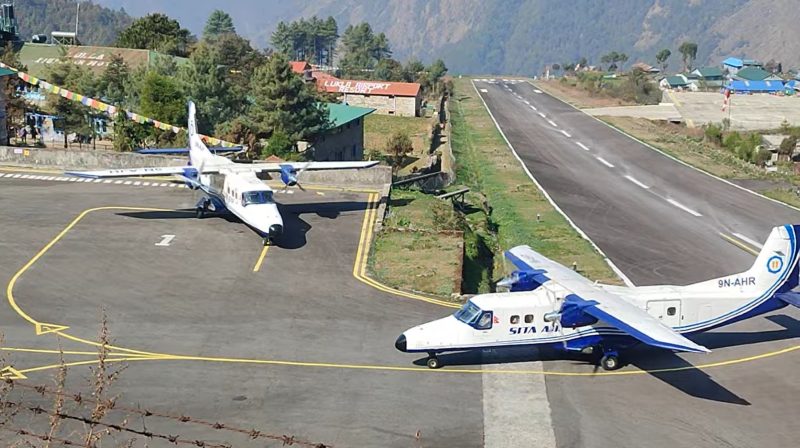
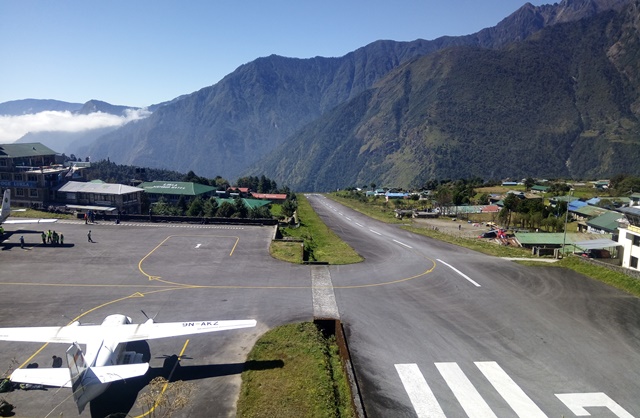
Wake early for a breathtaking 30-minute mountain flight to Lukla, the gateway to the Everest region. The flight offers stunning views of the Himalayan range before landing on Lukla’s famous short mountain airstrip, surrounded by dramatic cliffs and towering peaks. Upon arrival, you organize your trekking gear and meet your guide and porter.
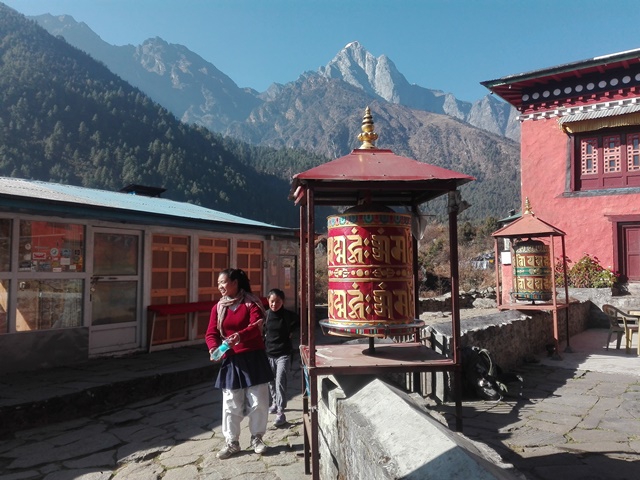
The trail begins with a gentle walk through the scenic Dudh Koshi River Valley, passing traditional Sherpa villages such as Chheplung and Ghat. Along the way, you cross suspension bridges, walk through pine forests, and enjoy views of cultivated fields where locals grow potatoes and seasonal vegetables.
After approximately 3–4 hours of trekking, you arrive at the peaceful village of Phakding. Nestled among pine trees beside the river, Phakding offers a relaxing atmosphere and comfortable mountain lodges, making it the perfect place to spend your first night on the trail.
Accommodation : Lodge Meals : Breakfast, Lunch & Dinner
Phakding to Namche Bazaar (3,440 m)
Trip Facts: Ascending: 790 m – Descending: 0 m – Altitude: 3,440 m – Distance: 12 km – Trek Hours: 6 hrs
After breakfast, you start trekking early along the Dudh Koshi River, walking through rhododendron and pine forests. The trail crosses multiple suspension bridges, including the iconic Hillary Bridge, and you pass small villages like Jorsalle. Midway, you reach the Everest National Park permit checkpoint. The trail then steepens as you approach Namche Bazaar, the main Sherpa trading town. Before entering Namche, stop at Durbin Danda for a breathtaking first view of Mount Everest, Thamserku, and Kusum Kanguru. Namche Bazaar is lively, with shops, bakeries, ATMs, and a bustling market. Settle into your lodge for the night while soaking in panoramic views of Kongde Mountain.
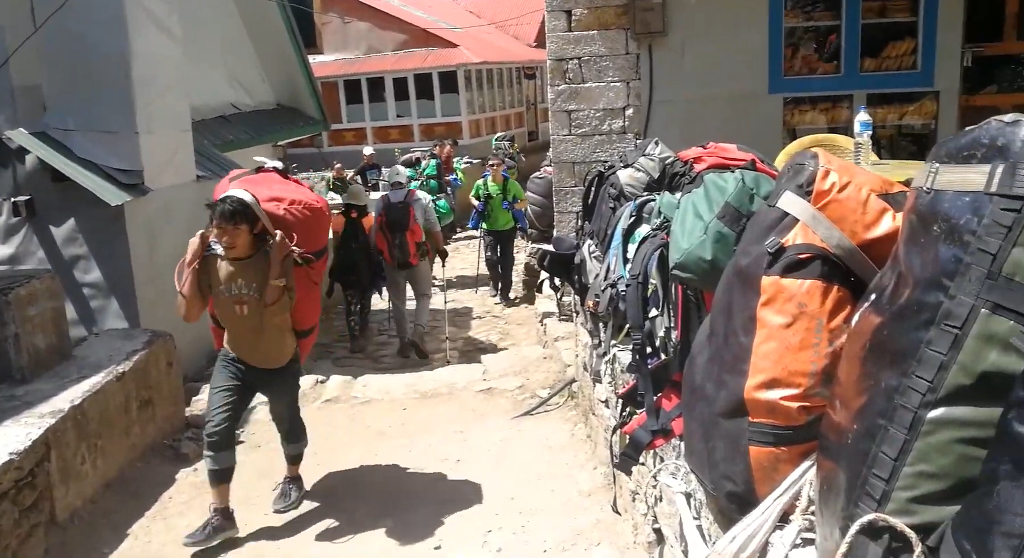
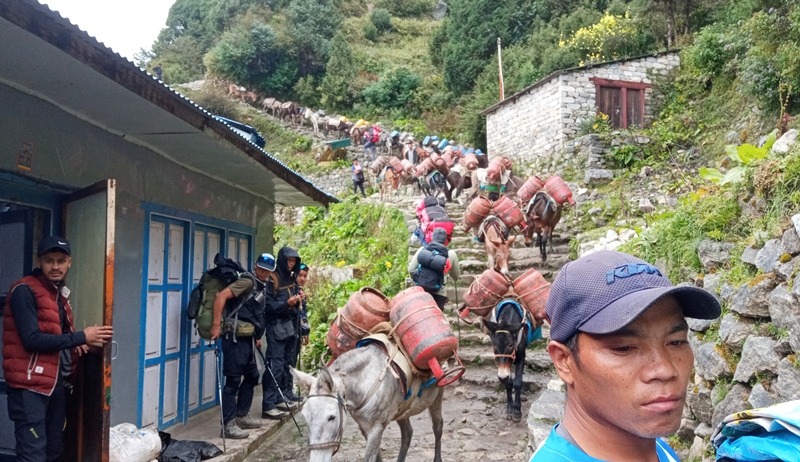
Accommodation : Tea House Meals : Breakfast, Lunch & Dinner
Acclimatization Day in Namche Bazaar (3,440 m)
Trip Facts: Minimal ascent/descent – Altitude: 3,440 m – Trek Hours: Optional 2-3 hrs
Today is an important acclimatization day in Namche Bazaar (3,440 m / 11,286 ft), allowing your body to gradually adjust to the increasing altitude before continuing deeper into the Everest region. Rather than remaining inactive, trekkers follow the principle of “climb high, sleep low” by taking a short hike to higher elevations. A popular excursion leads to the renowned Everest View Hotel (3,880 m / 12,730 ft), one of the highest-altitude hotels in the world, where you can enjoy breathtaking panoramic views of Mount Everest (8,848.86 m), Lhotse (8,516 m), Ama Dablam (6,812 m), and several other Himalayan giants.
After the hike, spend time exploring the vibrant streets of Namche Bazaar, the cultural and commercial heart of the Khumbu region. Visit the fascinating Sherpa Culture Museum to learn about the history, traditions, mountaineering achievements, and lifestyle of the local Sherpa people. The surrounding viewpoint trails offer excellent opportunities for photography, with spectacular views of snow-capped peaks and traditional mountain settlements. Return to your comfortable lodge in the afternoon to rest, hydrate, and prepare for the higher elevations that await in the days ahead.
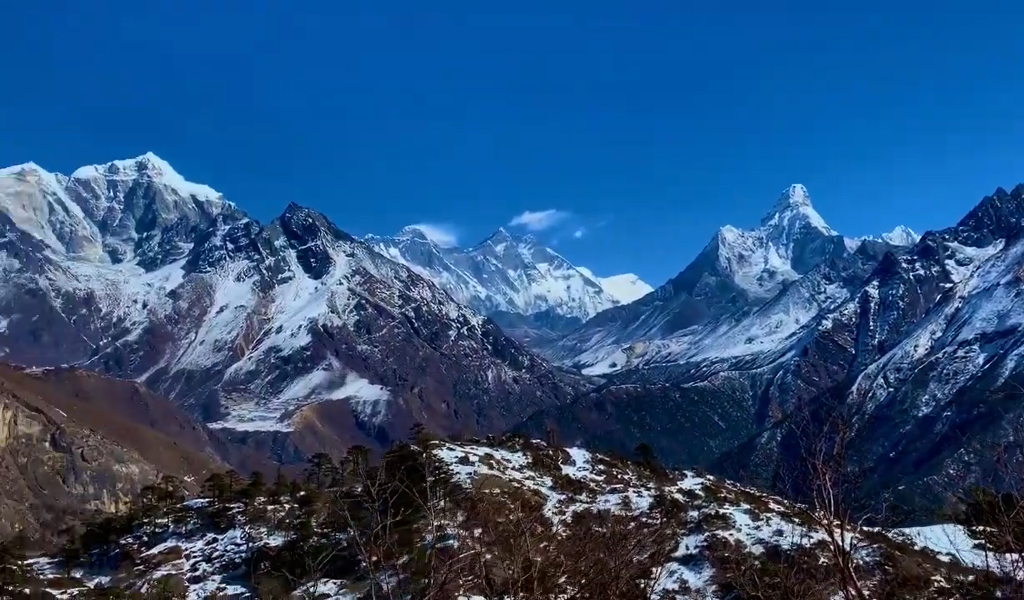
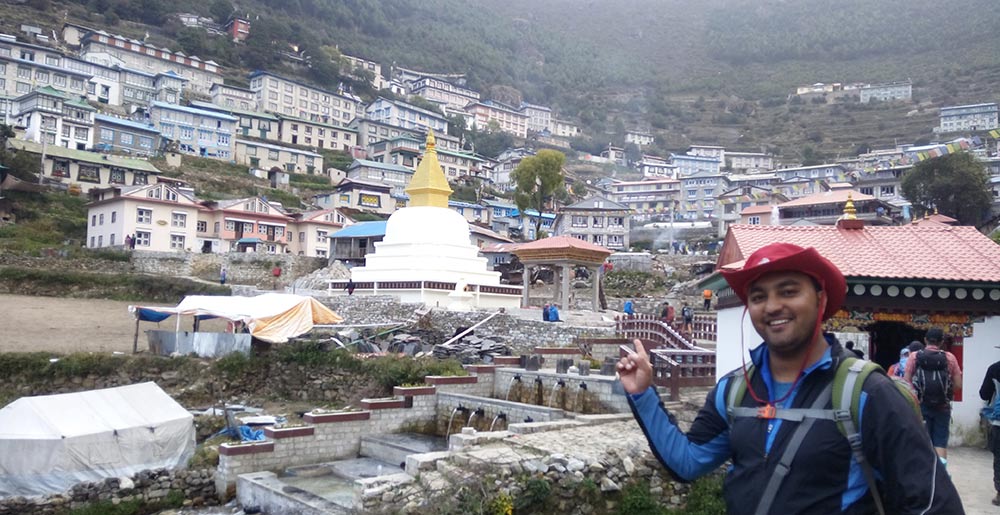
Accommodation : Lodge Meals : Breakfast, Lunch & Dinner
Namche Bazaar to Tengboche (3,867 m)
Trip Facts: Ascending: 430 m – Descending: 0 m – Altitude: 3,867 m – Distance: 9 km – Trek Hours: 5 hrs
You start your day early in Namche Bazaar with a fresh view of Mt. Everest, Lhotse, Ama Dablam, and Kongde. The trail begins gently, passing through beautiful pine and Rhododendron forests. You walk past small settlements like Kyangjuma and Sanasa, with peaceful surroundings and stunning mountain views.
After about two hours, the trail drops steeply down to Funki Thenga ( Lunch Spot), where you cross a bridge and reach the check post. There are a few teahouses here, perfect for tea or an early lunch. The sound of the Dudh Koshi River follows you as you rest before the long climb.
From Funki Thanga, the trail climbs steeply through dense forest. This part takes around two to two and a half hours. The path is full of switchbacks and requires steady walking. Along the way, you may see Himalayan Monal birds, yaks, or even musk deer.
Finally, you arrive at Tengboche, a peaceful village surrounded by mountains. The monastery here is a main attraction, and the sunset over Ama Dablam and Everest is unforgettable. After checking in at a lodge, you can visit the monastery and enjoy the evening prayer if it’s open.
Accommodation : Lodge Meals : Breakfast, Lunch & Dinner
Tengboche to Dingboche (4,260 m)
Trip Facts: Ascending: 400 m – Descending: 0 m – Altitude: 4,260 m – Distance: 10 km – Trek Hours: 5 hrs
The trail begins by gently dropping down through a peaceful forest filled with pine and Rhododendron trees. As you leave Tengboche, you pass the quiet village of Debuche and soon cross a long suspension bridge over the Imja Khola river.
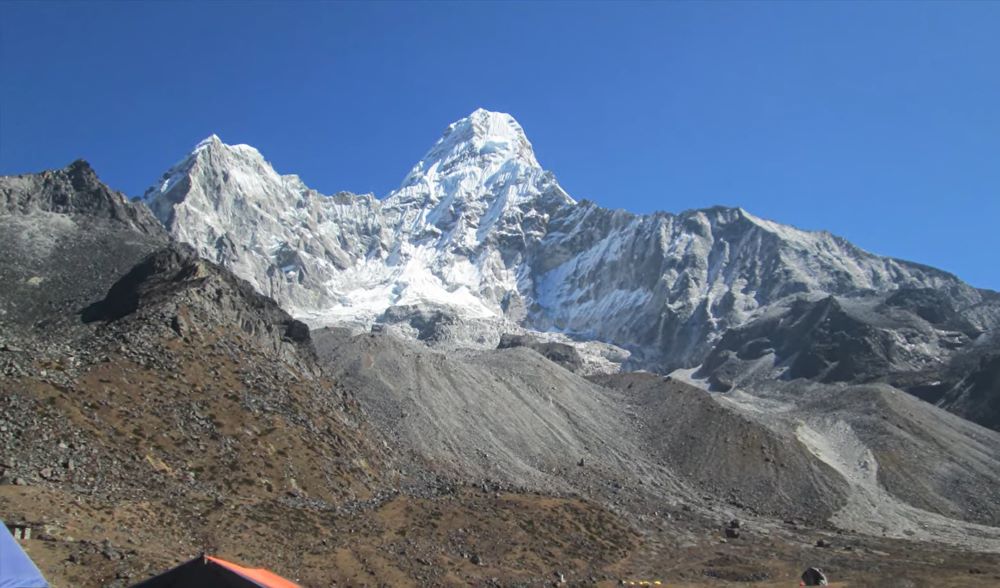
Soon after the bridge, the path starts to climb steadily. You walk uphill to reach Pangboche (4,000 m), one of the oldest Sherpa villages in the region. Ama Dablam looks very close and sharp from here, and it’s a good place to stop for rest or tea.
Continuing ahead, the trail becomes more open with dry land and strong mountain winds. You walk past prayer flags, stone walls, and a few small chortens on the way.
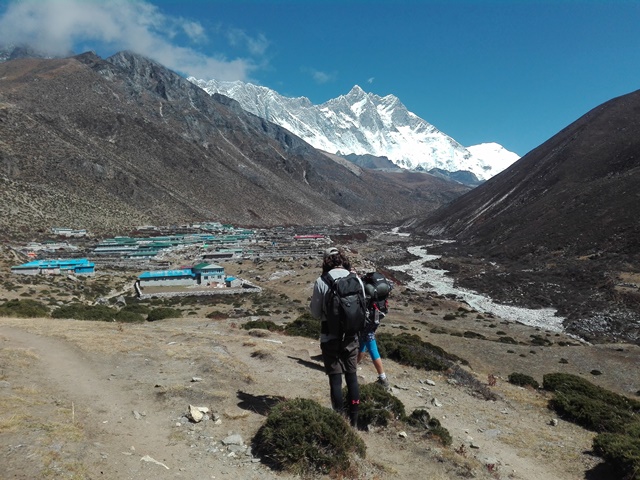
By afternoon, you reach Dingboche, a beautiful highland village with wide fields and stone barriers. From here, you can see Island Peak, Lhotse, and the backside of Ama Dablam. It’s a perfect place to rest and adjust to the higher elevation.
Accommodation : Tea House Meals : Breakfast, Lunch & Dinner
Dingboche to Bibre (4,430 m)
Trip Facts: Ascending: 170 m – Descending: 0 m – Altitude: 4,430 m – Distance: 5 km – Trek Hours: 3 hrs
After breakfast in Dingboche, you begin your trek with a short and gentle walk. The path goes slowly uphill, making it an easier day compared to others. The air is fresh, and the views start to open up.
Along the trail, you walk past open fields, colorful prayer flags, and mani stones carved with Buddhist prayers. The trail feels peaceful and spiritual. Small streams and stone chortens appear along the way.
As you move ahead, the valley widens, and the sound of the wind and birds fills the air. The trail is not steep, so you can enjoy the scenery easily.
By midday, you reach Bibre, a small and quiet village. Here you get amazing views of the surrounding snow-covered mountains. It’s a good place to relax and save your energy for the next day’s climb.


Accommodation : Tea house Meals : Breakfast, Lunch & Dinner
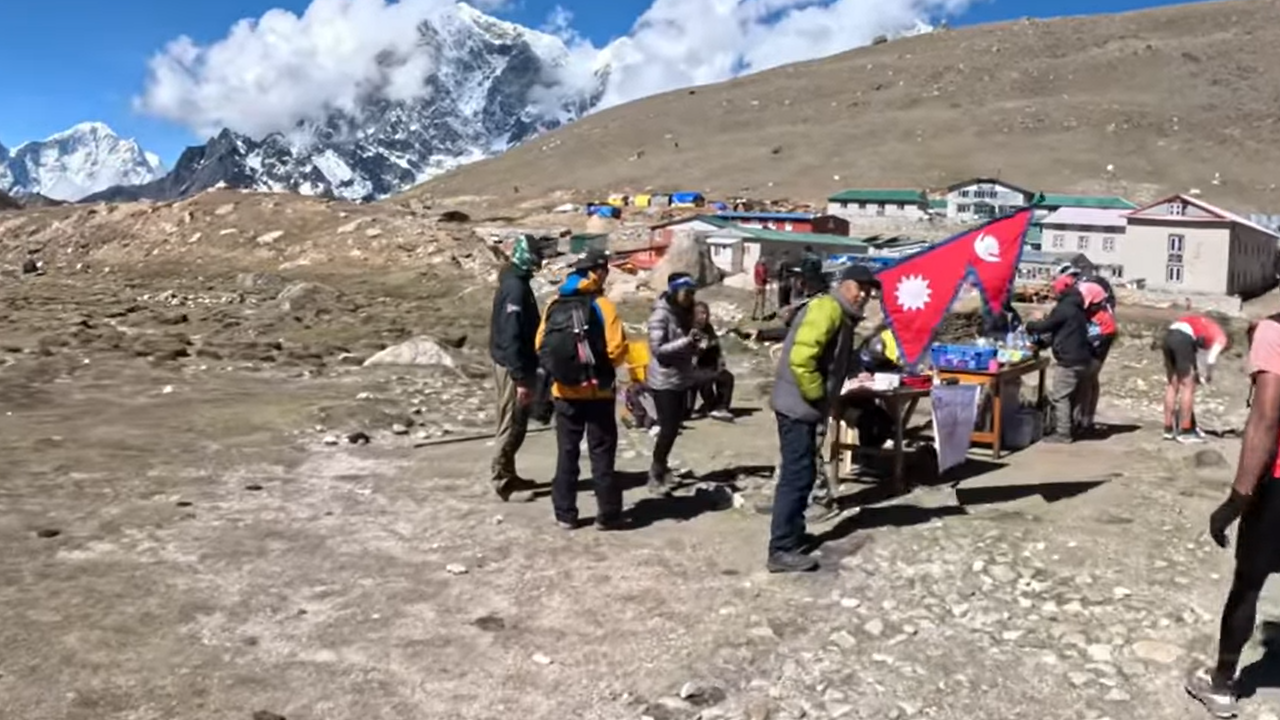
Cross Kongma La Pass (5,535 m) and trek to Lobuche (4,930 m)
Trip Facts: Ascending: 1,100 m – Descending: 600 m – Altitude: 4,930 m – Distance: 12 km – Trek Hours: 8 hrs
Today is the most challenging and rewarding day of the trek, so an early start is essential. Leaving Chhukung behind, the trail climbs steadily toward the formidable Kongma La Pass (5,535 m / 18,159 ft), the highest of the three Everest passes. The ascent follows rugged alpine terrain, crossing rocky slopes, glacial moraine, and, depending on the season, patches of snow and ice. This demanding section requires strong determination, careful footing, and steady pacing as you make your way into the high Himalayas.
As you gain elevation, the landscape becomes increasingly dramatic. The thin mountain air is balanced by breathtaking views of some of the world’s most iconic peaks, including Mount Pumori (7,161 m), Lhotse (8,516 m), Nuptse (7,861 m), and countless snow-covered summits stretching across the horizon. Reaching the summit of Kongma La Pass is a truly unforgettable achievement, rewarded with spectacular panoramic vistas and a profound sense of accomplishment in the heart of the Everest region.
After celebrating at the pass, the trail descends steeply toward Lobuche (4,940 m / 16,207 ft). The route can be rocky and uneven, requiring extra caution as you navigate loose scree and rugged mountain paths. By late afternoon, you arrive in the small settlement of Lobuche, surrounded by towering Himalayan giants and glacial landscapes. After one of the trek’s toughest days, a warm mountain teahouse, a hearty meal, and a well-earned rest provide the perfect ending before continuing toward the legendary Everest Base Camp.

Accommodation : Tea House Meals : Breakfast, Lunch & Dinner
Trek to Gorakshep (5,180 m) and Everest Base Camp (5,364 m), return to Gorakshep
Trip Facts: Ascending: 480 m – Descending: 480 m – Altitude: 5,180 m – Distance: 14 km – Trek Hours: 6 hrs
Everest Base Camp Excursion – The Ultimate Himalayan Achievement
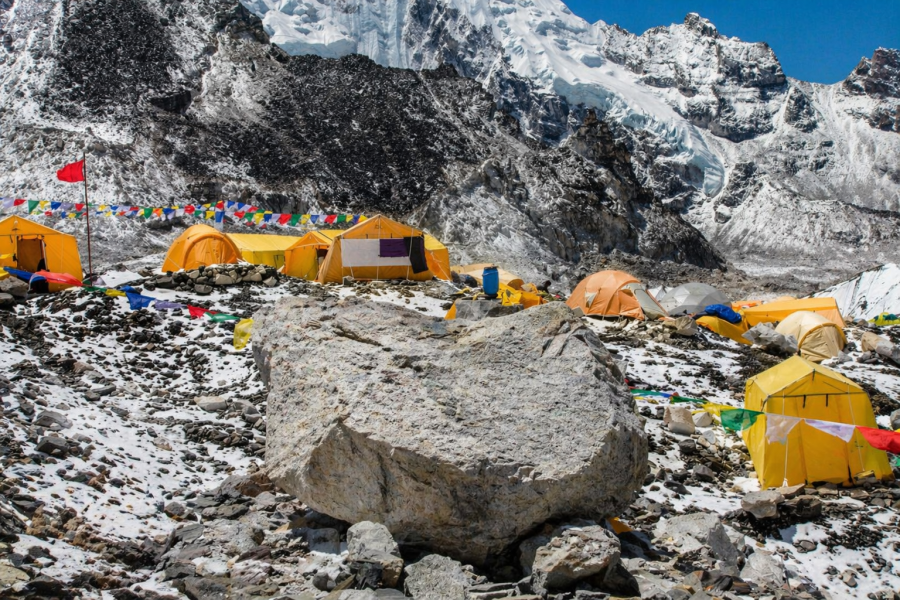
After an early breakfast at Gorakshep (5,164m / 16,942ft), you begin one of the most anticipated highlights of the Everest Base Camp Trek—the journey to the legendary Everest Base Camp (5,364m / 17,598ft). The trail follows the rugged edge of the Khumbu Glacier, winding across rocky moraines, glacial ridges, and occasional snow-covered sections. Every step brings you closer to the foot of the world’s highest mountain, making this an unforgettable adventure in the heart of the Himalayas.
As you ascend, you’ll be rewarded with breathtaking views of Mount Nuptse (7,861m), Pumori (7,161m), Lingtren (6,749m), and the spectacular Khumbu Icefall, one of the most iconic features of the Everest region. The high-altitude environment is challenging, with thin mountain air and cold temperatures, but the excitement of reaching Everest Base Camp keeps your spirits high. Along the trail, you’ll meet fellow trekkers and mountaineers from around the world, all sharing the same dream of standing beneath Mount Everest (8,848.86m).
After approximately three hours of trekking, you arrive at the world-famous Everest Base Camp. Surrounded by towering Himalayan giants, colorful prayer flags, and dramatic Khumbu glacier landscapes, this historic site serves as the launching point for Everest expeditions. Standing at the base of the world’s tallest mountain is a moment of pride, inspiration, and achievement that few people ever experience. After capturing photos and soaking in the incredible atmosphere, you retrace your steps back to Gorakshep. The return journey is generally easier as the trail gradually descends, allowing you to enjoy the scenery from a different perspective. By afternoon, you reach your teahouse in Gorakshep, where you can relax and celebrate your successful visit to one of the most iconic trekking destinations on Earth.

Accommodation : Tea House Meals : Breakfast, Lunch & Dinner
Hike to Kala Patthar (5,545 m) and trek down to Dzongla (4,850 m)
Trip Facts: Ascending: 365 m – Descending: 1,095 m – Altitude: 4,850 m – Distance: 12 km – Trek Hours: 6 hrs
Day 10 begins with an early pre-dawn ascent to Kala Patthar (5,545 m / 18,192 ft), one of the most famous and rewarding viewpoints in the entire Everest region. The trail is steep, rocky, and challenging, requiring a steady pace as you make your way through the cold mountain air and high altitude. Under the glow of your headlamp, you gradually climb toward the summit while the first hints of dawn begin to illuminate the Himalayan skyline.
Reaching the top of Kala Patthar, you are rewarded with a spectacular sunrise over Mount Everest (8,848.86 m / 29,031 ft), Lhotse (8,516 m / 27,940 ft), Nuptse (7,861 m / 25,791 ft), Pumori, and many other towering peaks. As the golden morning light spreads across the snow-covered mountains, the panoramic views become truly unforgettable. This is one of the best locations in Nepal for close-up views of Mount Everest and offers incredible opportunities for photography, reflection, and celebration of your journey through the Khumbu.
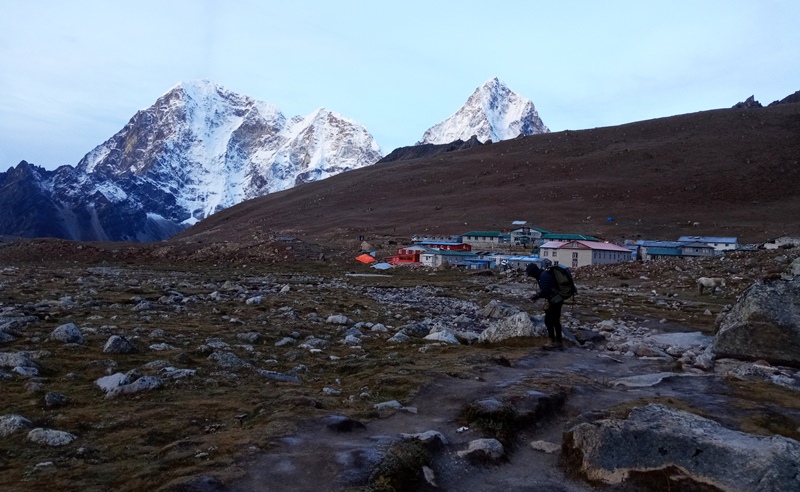
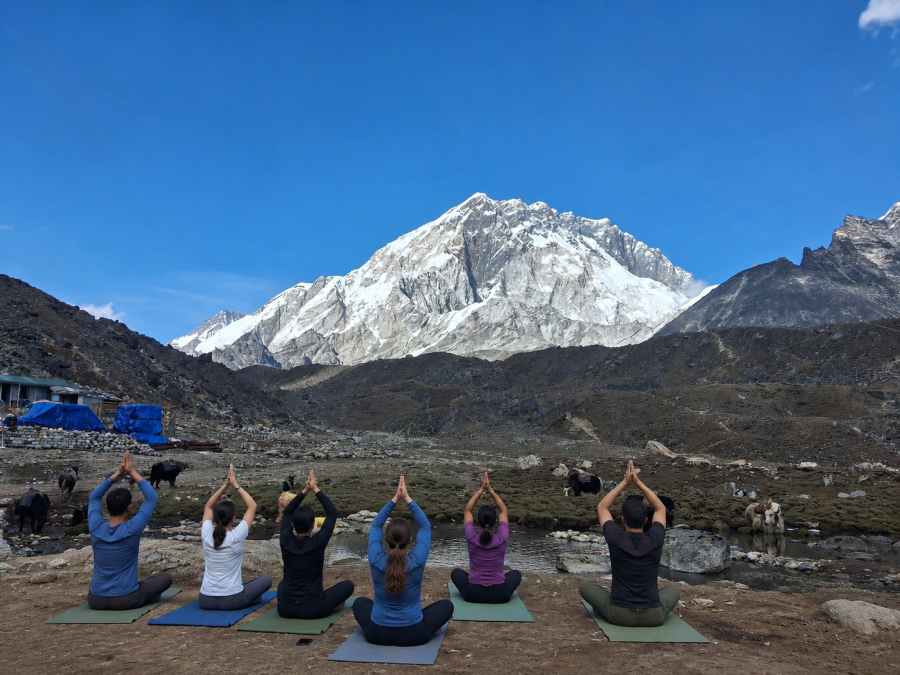
After spending time at the viewpoint, you carefully descend back to Gorakshep (5,164 m / 16,942 ft) for a well-deserved breakfast and short rest. The trek then continues westward toward Dzongla, following a quieter section of the trail away from the busy Everest Base Camp route. Along the way, you’ll enjoy stunning views of Cholatse, Lobuche Peak, Taboche, and the surrounding alpine landscapes, while passing ancient mani walls, yak grazing grounds, and remote Himalayan scenery. By mid-afternoon, you arrive at the peaceful village of Dzongla (4,850 m / 15,912 ft), nestled beneath dramatic mountain cliffs. This tranquil settlement serves as the perfect overnight stop and an important acclimatization point before the exciting challenge of crossing the Cho La Pass (5,420 m / 17,782 ft) on the following day.
Accommodation : Lodge Meals : Breakfast, Lunch & Dinner
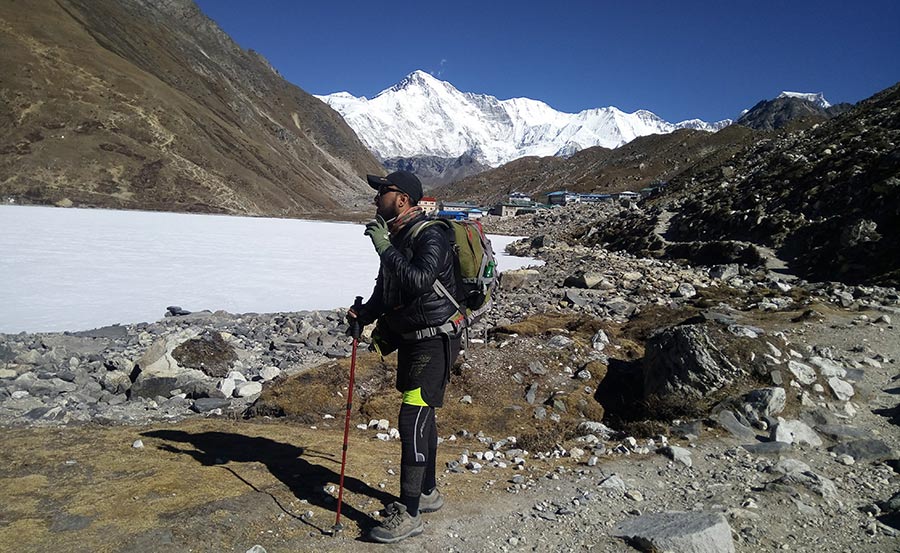
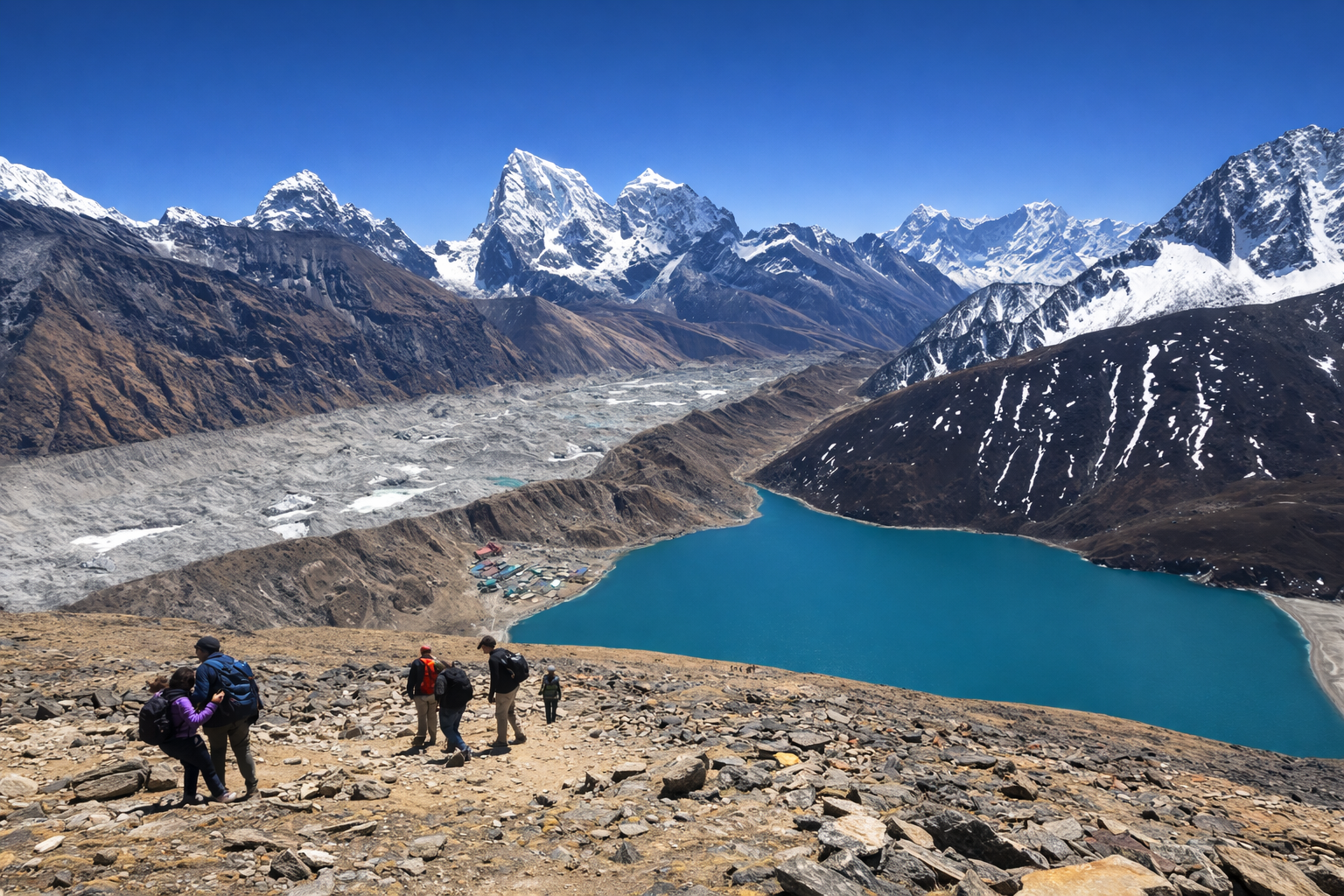
Cross the Cho La Pass (5,420 m / 17,782 ft) and Trek to Gokyo (4,790 m / 15,715 ft)
Trip Facts: Ascending: 530 m – Descending: 1,160 m – Altitude: 4,750 m – Distance: 10 km – Trek Hours: 6 hrs
Accommodation : Tea House Meals : Breakfast, Lunch & Dinner
Trek to Renjo La Pass (5,388 m) and descend to Marlung (4,137 m)
Trip Facts: Ascending: 638 m – Descending: 1,251 m – Altitude: 4,137 m – Distance: 13 km – Trek Hours: 6 hrs
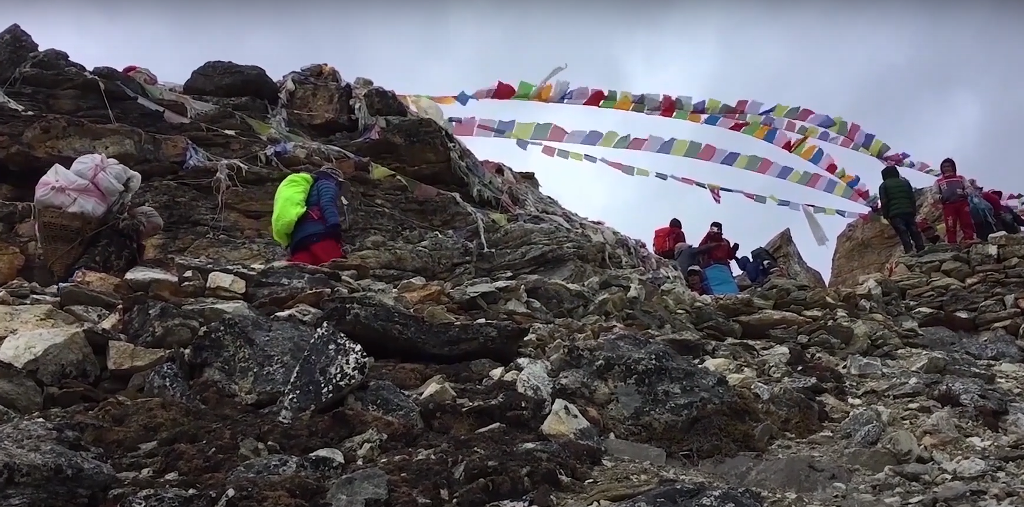
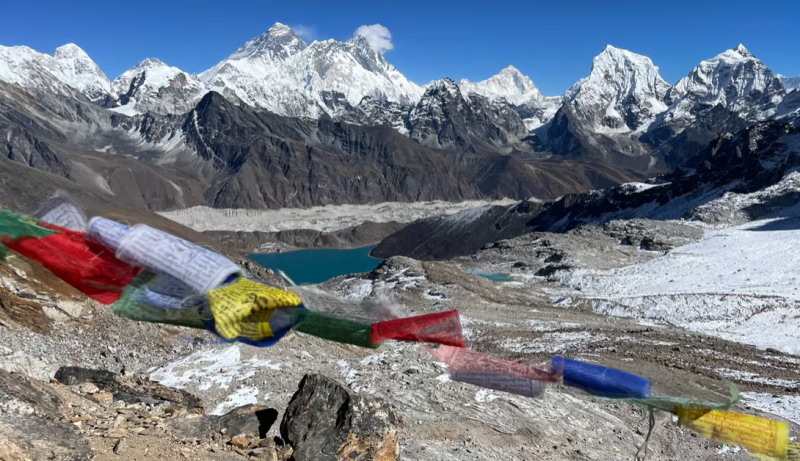
Leaving the stunning Gokyo Valley behind, the journey continues toward Renjo La Pass (5,388 m / 17,677 ft), one of the most scenic crossings of the Everest High Passes Trek. The trail climbs steadily above the turquoise Gokyo Lakes, revealing magnificent views of Mount Everest, Lhotse, Makalu, Cho Oyu, and countless Himalayan peaks rising above the horizon.
Reaching the summit of Renjo La Pass is a rewarding achievement. From the top, trekkers are treated to one of the finest panoramic viewpoints in the Khumbu Region, where glaciers, snow-capped mountains, and pristine alpine landscapes create an unforgettable Himalayan trekking experience.
From the pass, the route descends through rugged mountain terrain into the quieter Bhote Koshi Valley. As the scenery gradually changes from high-alpine wilderness to traditional Sherpa settlements, the trail leads to Marlung (4,137 m / 13,573 ft), a peaceful village where you can relax and reflect on another remarkable day of the Everest Three Passes Trek.
Accommodation : Tea House Meals : Breakfast, Lunch & Dinner
Trek from Marlung to Thamo (3,550 m)
Trip Facts: Ascending: Zero m – Descending: 587 m – Altitude: 3,550 m – Distance: 10 km – Trek Hours: 5 hrs
As the Everest Three Passes Trek gradually becomes easier, today’s journey offers a more relaxed and enjoyable walk through the beautiful Bhote Koshi Valley. Leaving Marlung (4,137 m / 13,573 ft) behind, the trail descends gently alongside the river, allowing you to enjoy the surrounding landscapes without the demanding climbs of the previous days.
The route passes through traditional Sherpa villages, ancient stone walls, and peaceful yak pastures, providing a closer look at the culture and daily life of the Everest region. Along the way, you can admire stunning views of the surrounding mountains while walking through quiet forests and open valleys.
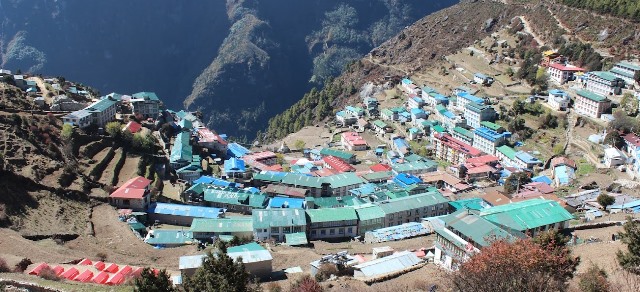
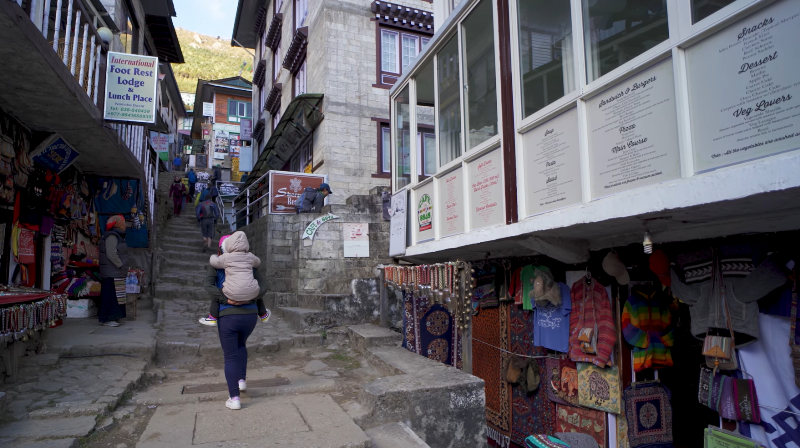
After several hours of comfortable trekking, you arrive at Thamo (3,550 m / 11,647 ft), a charming village known for its rich Sherpa heritage and beautiful mountain setting. With lower altitude and an easier trail, this stage offers the perfect opportunity to relax, recover, and reflect on the incredible achievements of crossing the Three High Passes of Everest.
Accommodation : Lodge Meals : Breakfast, Lunch & Dinner
Trek from Thamo to Phakding (2,660 m)
Trip Facts: Ascending: 0 m – Descending: 890 m – Altitude: 2,660 m – Distance: 11 km – Trek Hours: 5 hrs
The day begins with a gentle descent from Thamo, following the scenic Dudh Koshi River Valley. After many days of challenging climbs, today’s walk feels relaxing and enjoyable. The fresh mountain air, combined with the soothing sound of the river, creates a peaceful trekking experience.
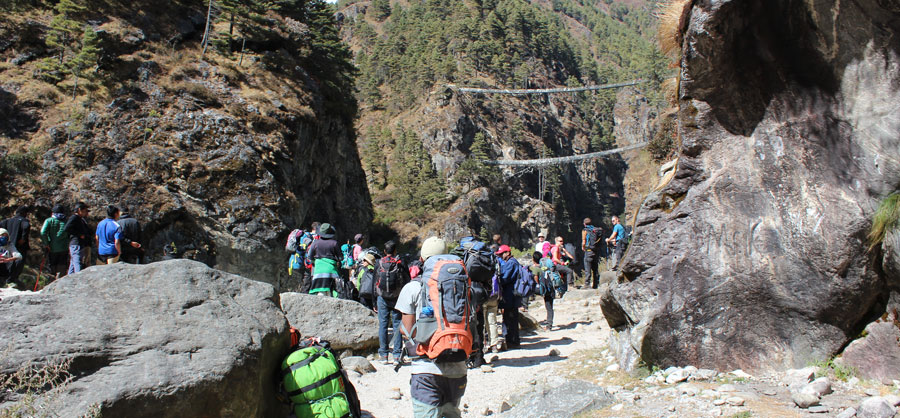
Along the trail, you cross several suspension bridges hanging high above the river, offering beautiful views of the flowing water and surrounding pine and rhododendron forests. As the seasons change, the colorful landscapes add even more beauty to this memorable journey through the Himalayas.
Passing through small Sherpa villages, you get a glimpse into the daily life and culture of local Himalayan communities. By early afternoon, you arrive at Phakding, a vibrant village filled with lodges and tea houses. Here, you can relax, celebrate the near completion of your adventure, and prepare for the final trek to Lukla the following day.

Accommodation : Tea House Meals : Breakfast, Lunch & Dinner
Trek from Phakding to Lukla (2,840 m)
Trip Facts: Ascending: 180 m – Descending: 0 m – Altitude: 2,840 m – Distance: 9 km – Trek Hours: 4 hrs
The final day begins with a gentle uphill walk from Phakding to Lukla. The trail passes through peaceful villages, green forests, and terraced fields that show the beauty of rural life in the Himalayas. The fresh air and sounds of nature make the journey pleasant.
Along the way, you cross several suspension bridges over the Dudh Koshi River. These bridges offer wonderful views of the river rushing below and the tall peaks standing around you, reminding you of the adventure you’ve completed.
The trail winds through shaded forests filled with pine and Rhododendron trees. You may spot birds and enjoy the calmness of the mountains before reaching your final destination.
By early afternoon, you arrive in Lukla. Here, you can relax, visit local cafes, and celebrate your achievement. The friendly atmosphere and bustling market provide a perfect end to your Everest Three Pass trek.

Accommodation : Tea House Meals : Breakfast, Lunch & Dinner
Fly back to Kathmandu
Trip Facts: No trekking – Altitude: 1,350 m – Flight Time: 30 minutes
Today marks the final day of the Everest Three Passes Trek. All trekking activities were completed yesterday upon reaching Lukla, allowing you to relax and reflect on the incredible journey through the heart of the Himalayas.
Early in the morning, you board a scenic 30-minute flight to Kathmandu, soaring above breathtaking mountain peaks, deep valleys, and picturesque villages. This unforgettable flight offers one last look at the majestic Everest region before returning to the vibrant capital city.

Accommodation : Hotel Meals : Breakfast
Departure Day
Trip Facts: No trekking – Transfer to the Airport
After breakfast, our team will provide private transport to Kathmandu airport for your onward flight. We thank you for choosing Safe Holiday Adventure and wish you safe travels. We hope to welcome you back for your next Himalayan adventure!

Everest High Pass Trek FAQs:
The trek crosses Kongma La (5,535m), Cho La (5,420m), and Renjo La (5,360m), three spectacular passes in the Everest region.
Most trekkers follow the counterclockwise route for better acclimatization and an easier trekking experience.
You can enjoy views of Everest, Lhotse, Makalu, Cho Oyu, Ama Dablam, Nuptse, and many other Himalayan peaks.
Yes. It includes Everest Base Camp, Gokyo Lakes, Kala Patthar, and all three high passes.
It combines Everest Base Camp, Gokyo Lakes, high passes, Sherpa culture, and incredible mountain views in one adventure.
Kongma La Pass is generally considered the most demanding of the three passes.
Some sections are busy, but many parts of the route are quieter than the standard Everest Base Camp Trek.
Kala Patthar (5,545m) is typically the highest point reached during the trek.
Yes. Most Everest High Pass Trek itineraries include a visit to Everest Base Camp.
Previous trekking experience is helpful but not mandatory. Good fitness, determination, and proper preparation are more important.
Yes. The trek reaches elevations above 5,000 meters, so proper acclimatization and a gradual ascent are essential.
Yes. Comprehensive travel insurance that covers high-altitude trekking and emergency helicopter evacuation is strongly recommended.
Strong beginners can complete the trek with good preparation, but it is more demanding than the standard Everest Base Camp Trek.
You need the Sagarmatha National Park Permit and the Khumbu Pasang Lhamu Rural Municipality Permit.
A guide and porters are highly recommended for safety, navigation, local knowledge, and assistance in case of emergencies.
Yes. Comfortable tea houses are available throughout the trek, providing accommodation and meals.
Yes. Water is available at tea houses, but it should be purified using tablets, filters, or UV purification.
Yes. Most tea houses offer charging facilities for an additional fee.
Yes, Wi-Fi is available at almost all tea houses along the trek. You can purchase internet cards directly from the lodges, typically costing NPR 500, NPR 1,000, or NPR 1,500, depending on your usage needs. In most areas, the connection is reliable and surprisingly fast for a remote mountain region.
Temperatures can drop below -10°C (14°F) at higher elevations, especially during mornings and nights.
Refund & Cancellation Policy
- Booking requires 20% non-refundable deposit (Nepal) or 100% upfront (Tibet/Bhutan).
- Remaining payment due before the trip or on arrival (trip-dependent).
Cancellation charges:
- 31+ days: 20%
- 16–30 days: 45%
- 8–15 days: 75%
- 7 days or less: 90%
- Prices may change due to flights, taxes, or exchange rates.
- Trip changes are allowed, but extra costs apply.
- If the company cancels, a full refund, except for unavoidable events (some costs deducted).
- Good health and travel insurance are mandatory.
- No refund if removed for unsafe or illegal behavior.
- Travel involves personal risk, which the client accepts.