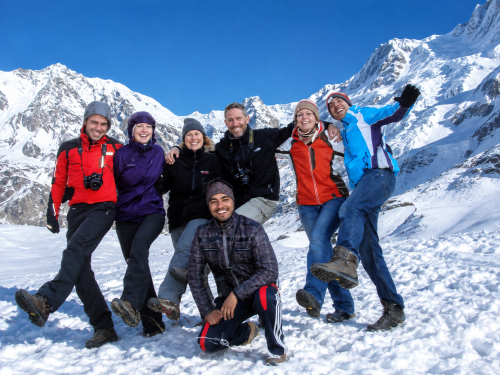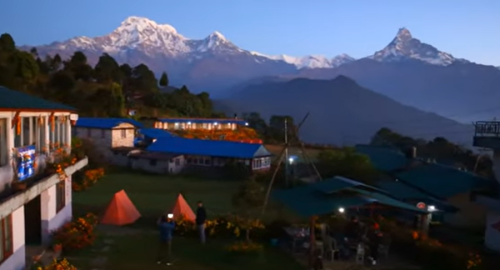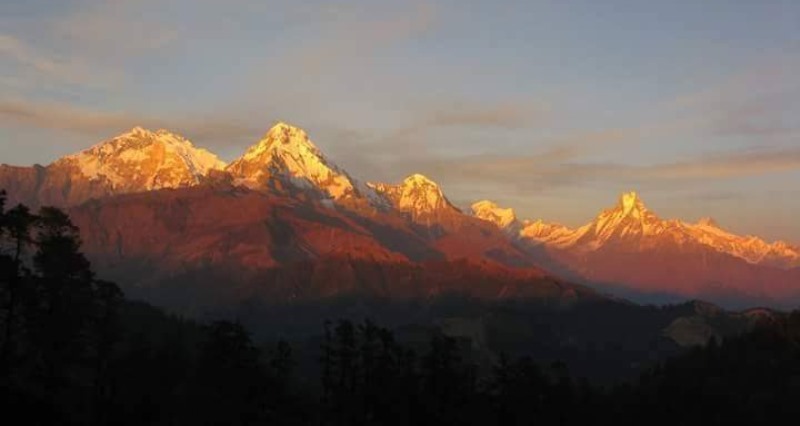
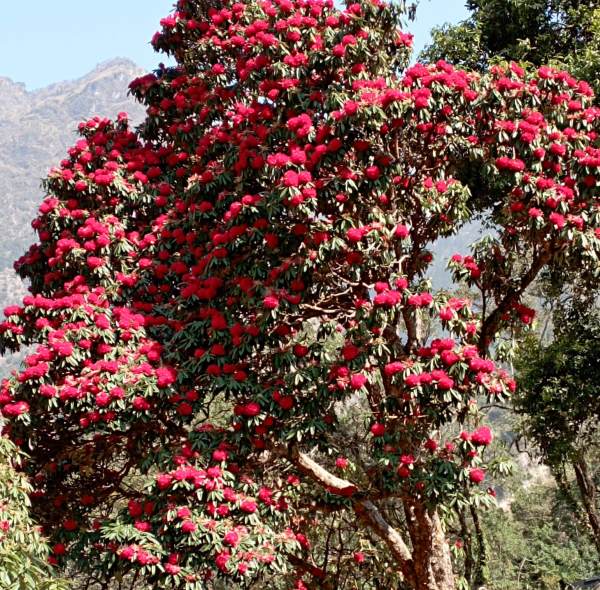
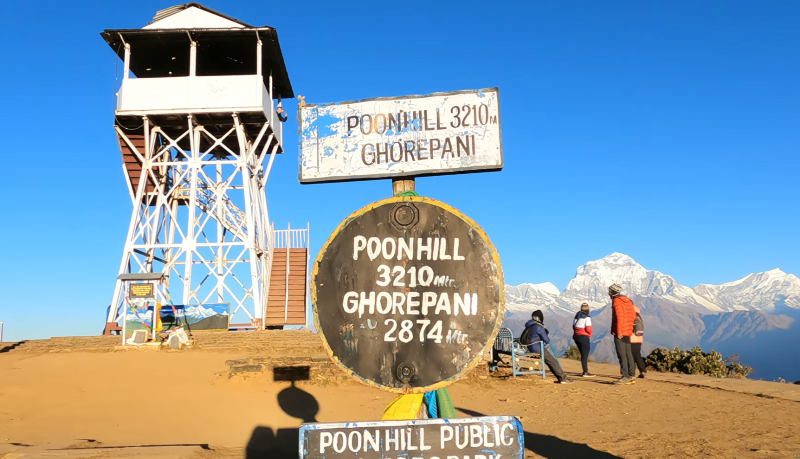
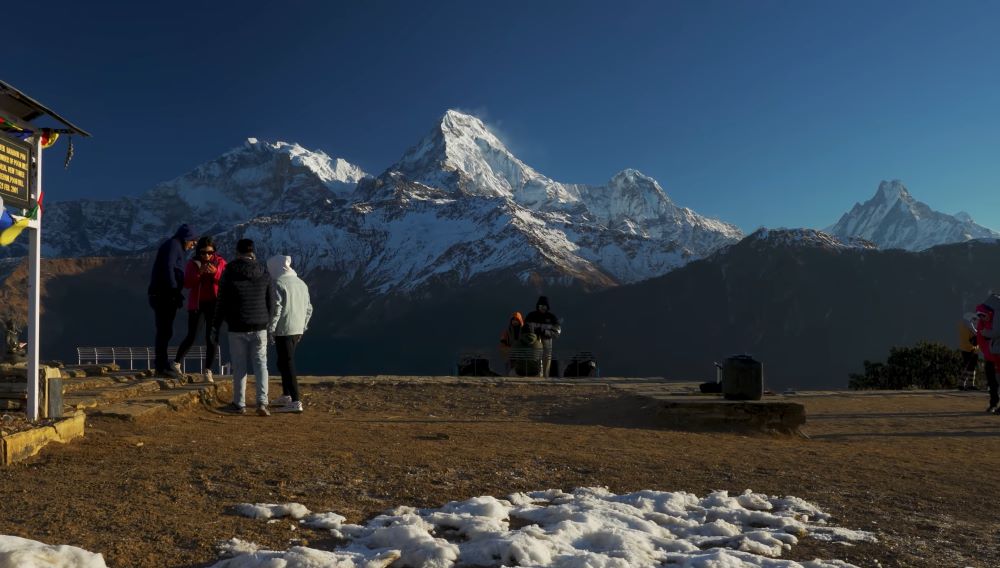
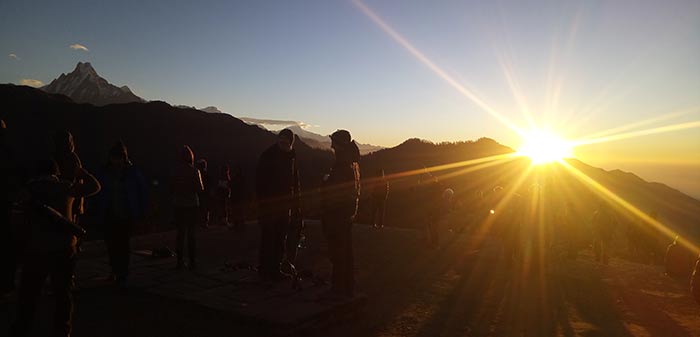
Annapurna Sunrise Trekking Highlights: Highlights
- Panoramic sunrise views of Himalayan giants Annapurna and Dhaulagiri from a relatively modest altitude.
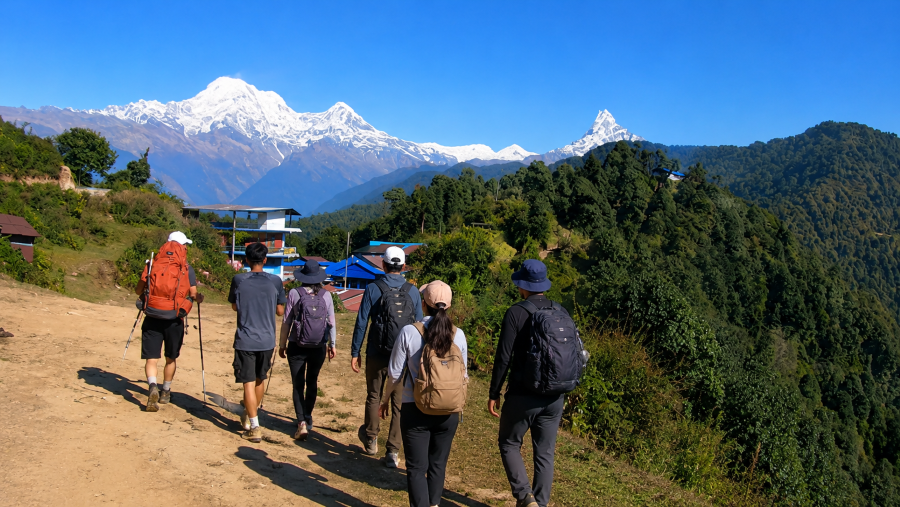
- Trekking through the lush green forests of the Annapurna region.
- Experiencing traditional Poon and Gurung Nepali culture and lifestyle in the local villages and tea houses.
- Hiking through beautiful Rhododendron and Oak forests.
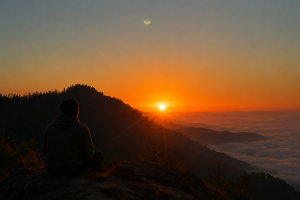
- Enjoying the breathtaking view of sunrise from Poon Hill.
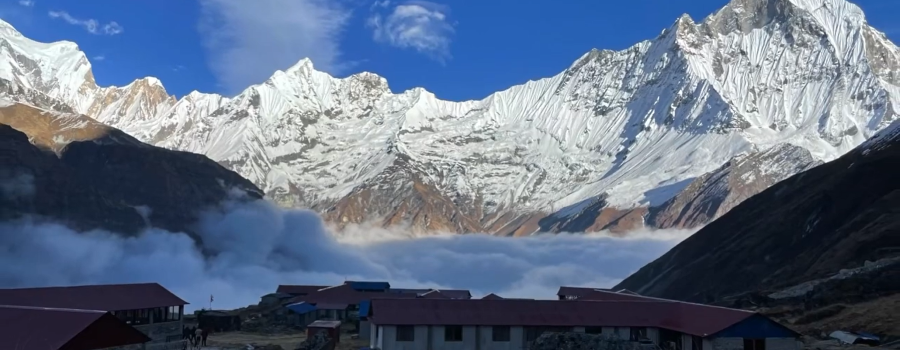
- Witnessing the stunning beauty of the Annapurna range(Annapurna South, Hiuchuli, fishtail, fang, etc.), and Dhaulagiri Range,
- The unique biodiversity of flora, fauna, and birdlife on the trek.
- Passing through diverse landscapes ranging from lush farmland, and terrace fields, to rocky terrain.
- Visiting different ethnic communities like Gurungs, Bramin, Chhetri, lower cast villages,, and Poon, and learning about their lifestyle and traditions.
- The challenge of the trek and sense of accomplishment upon reaching Poon Hill and experiencing the beautiful sunrise view.
Annapurna Sunrise Trekking Introduction: Overview
Experience the magic of the Himalayas with Annapurna Sunrise Trekking, also known as the Poon Hill Trek. This easy-to-moderate trek is perfect for beginners, families, and adventure enthusiasts who want breathtaking mountain views, cultural encounters, and serene nature in just 3–5 days.
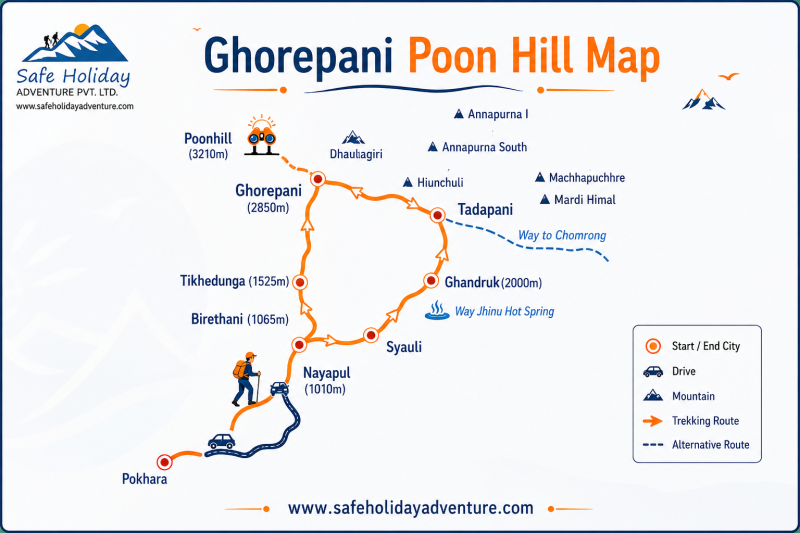
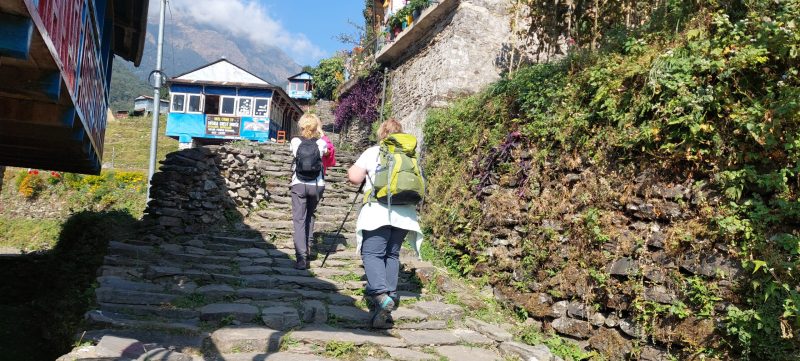
The trek officially starts from Pokhara, with a scenic 1.5-hour drive to Nayapul (1,070 m) or Birethanti (1,030 m). The trail winds through rivers, farmlands, and local villages like Ramghai (1,220 m) and Sudame (1,300 m), offering stunning views of terraced fields and traditional Nepali houses. After passing Hille (1,420 m) and Thikhedunga (1,540 m), trekkers climb steep stone steps to Ulleri (1,920 m), where snow-capped peaks like Annapurna South (7,219 m) and Hiunchuli (6,441 m) first come into view.
From Ulleri, the trail continues through rhododendron, oak, and fir forests to Banthati (2,060 m) and Nangethati (2,150 m), a popular lunch stop. Trekkers then reach Ghorepani (2,850 m), the perfect base for a magical sunrise hike to Poon Hill (3,210 m). From the summit, enjoy panoramic 360-degree views of over 12 Himalayan peaks, including Dhaulagiri (8,167 m) and Machhapuchhre (Fishtail, 6,993 m).
After sunrise, the trek continues to Tadapani (2,630 m), passing Thapla Danda and Deurali (3,200 m). From Tadapani, trekkers descend through forests and rivers to reach Ghandruk (1,940 m), a charming village with over 50 tea houses. Ghandruk marks the classic end of the Annapurna Sunrise Trek, though many extend their adventure to Mardi Himal Base Camp or Australian Camp for extra Himalayan exploration.
This trek combines nature, culture, and adventure. Walk through lush rhododendron forests, cross suspension bridges, visit traditional Gurung and Magar villages, and marvel at golden Himalayan sunrises. Safe, guided, and well-supported, this trek is ideal for travelers of all ages.
Whether you have three days or five, Annapurna Sunrise Trekking promises unforgettable memories, spectacular mountain vistas, and a perfect Himalayan adventure. Let Safe Holiday Adventure guide you through one of Nepal’s most scenic and rewarding short treks.
Best time to go on the Poon Hill trekking
The best time to go on the Poon Hill trek is during the autumn and spring seasons. During these months, the weather is usually clear with sunny days, and the views of the surrounding mountains are breathtaking. The temperature is mild and comfortable, making it an ideal time for trekking. However, it’s important to check the weather conditions and forecasts before embarking on the trek to ensure a safe and enjoyable journey.
How to prepare Physically and mentally for the Poon Hill trek:
Here are some tips for preparing both physically and mentally for the Poon Hill trek:
Physical preparation:
- Cardiovascular exercise: The Poon Hill trek involves a lot of walking, so it’s important to improve your cardiovascular endurance. Consider doing activities like running or cycling to improve your cardio fitness.
- Leg strength: Strong legs are necessary to handle the uphill and downhill terrain of the trek. Focus on doing exercises like lunges, squats and step-ups to strengthen your leg muscles.
- Endurance training: The trekking route can be quite long and challenging, so it’s important to build up your endurance. Aim to do long-distance walks or hikes to build up your stamina.
- Practice hiking uphill and downhill: Poon Hill trek involves steep uphill and downhill sections, so practicing hiking on similar terrain can help prepare you physically.
Mental preparation:
- Stay positive: A positive attitude can make a big difference in your experience on the trek. Focus on the beautiful scenery, the cultural experiences and the accomplishment of completing the trek.
- Manage expectations: Be prepared for the challenges of the trek and understand that it can be physically and mentally demanding. Accepting these challenges in advance can prepare you mentally for the trek.
- Take time to rest: The trek can be tiring, so take the time to rest and recover. Make sure to get enough sleep and take breaks when necessary.
It’s important to consult with a doctor before embarking on a trek like Poon Hill to ensure that you are physically ready.
Annapurna Sunrise Trekking Weather and climate conditions:
When trekking to Poon Hill, it’s important to consider the weather and climate conditions that you may encounter during your journey. The temperature can vary depending on the time of year, with spring and autumn being the most comfortable seasons for trekking. During the daytime, temperatures usually range from 15–25°C (59–77°F), while mornings and evenings are much cooler, dropping to around 5–10°C (41–50°F).
Winter can be very cold, with temperatures falling below freezing at night, while summer is warm, humid, and rainy due to the monsoon season. To stay comfortable throughout the trek, it’s important to pack appropriate clothing layers that will keep you warm in cold conditions and dry during unexpected rain.
Accommodation and Food options on Annapurna Sunrise Trekking
Accommodation and food options on the Poon Hill trek are readily available throughout the route. There are many guest houses and lodges to choose from, where you can have a private room with a locker, bed, pillows, a small table, and a mattress. The rooms are simple but comfortable and range from $5 to $20 a night. There are also basic facilities like electricity and hot showers available at an additional cost.
Food options are abundant, and you can find local restaurants and lodges along the way. The menu system is fixed, so bargaining is not allowed. Some popular dishes include Dhal-Bhat, Fried rice, Fried Noodles, MoMo, pasta, Pizza, Tea Coffee, Hot chocolate, French fries, egg curry, chicken curry, Gurung bread, pancake, toast, chapati, porridge, Corn Flakes, Fruits, Rice, vegetable curry, dessert, refilled water, mineral water, and cold drinks. Prices can be a bit expensive as you reach higher altitudes, but the food is delicious and well worth it.
Why the Annapurna Sunrise Trek is a Suitable Choice for You:
- Perfect for beginners with no trekking experience.
- Short trek that can be completed in 2–5 days.
- Enjoy a beautiful sunrise from Poon Hill (3,210 m).
- Amazing views of the Annapurna and Dhaulagiri mountain ranges.
- Walk through rhododendron forests and traditional villages.
- Experience the local Gurung and Magar culture.
- Stay in comfortable tea houses along the trail.
- No technical climbing or special mountaineering skills required.
- Suitable for families, couples, solo travelers, and groups.
- Moderate trekking difficulty with well-marked trails.
- Easy access from Pokhara.
- Great choice if you have limited time in Nepal.
- Excellent opportunities for photography.
- Affordable trekking package with different budget options.
- A memorable Himalayan adventure without trekking to very high altitude.
Annapurna Sunrise Trekking OutlineOutline Itinerary
Day 1: Arrive in Kathmandu (1,400 m / 4,590 ft)
Day 2: Drive to Pokhara (950 m / 3,117 ft)
Day 3: Drive to Nayapul, trek to Hille / Thikhedunga (1,560 m / 5,118 ft)
Day 4: Trek to Ghorepani (2,850 m / 9,350 ft)
Day 5: Trek to Tadapani (2,650 m / 8,694 ft)
Day 6: Trek to Ghandruk (1,850 m / 6,070 ft), drive to Pokhara (1,075 m / 3,527 ft).
Day 7: Drive to Kathmandu (1,400 m / 4,590 ft)
Day 8: Depart Kathmandu (1,400 m / 4,590 ft)
Annapurna Sunrise Trek Inclusive/Exclusive:
- Airport pick-up and drop-off by private vehicle.
- Tourist bus or private transportation between Kathmandu and Pokhara (as per package).
- Private transportation from Pokhara to Nayapul.
- Sharing Jeep from Ghandruk to Hari Chok Pokhara.
- Experienced, English-speaking trekking guide licensed by the Nepal Government.
- Accommodation in comfortable tea houses during the trek.
- Three meals a day (breakfast, Lunch, & Dinner) during the trek.
- Seasonal fruits after dinner during the trek.
- Annapurna Conservation Area Permit (ACAP) and TIMS Card (if required by current regulations).
- Guide Salary, Meals, Accommodation, Insurance, and Transportation.
- First aid kit carried by the guide.
- All government taxes and service charges.
- Trekking completion certificate.
- Nepal entry visa fee.
- International airfare to and from Nepal.
- Travel insurance (highly recommended).
- Accommodation and meals in Kathmandu or Pokhara, unless mentioned in the itinerary.
- Personal expenses, including snacks, chocolates, soft drinks, and alcoholic beverages.
- Hot showers, Wi-Fi, battery charging, and laundry during the trek (where extra charges apply).
- Personal trekking equipment and clothing.
- Tips for the guide and Driver (customary but optional).
- Expenses caused by flight delays, road blockages, natural disasters, political unrest, or any circumstances beyond our control.
- Any services not specifically mentioned in the “Included Services” section.
Dates and Availability Departures
All our published dates are guaranteed departures. We also provide customized departures tailored to your travel plans.
August 2026
September 2026
October 2026
November 2026
December 2026
Travellers Reviews
Charlotte
Belgium | march, 2026
An Unforgettable Family Adventure in Nepal
Our trip to Nepal was an incredible experience for our family. Traveling with our son and enjoying the beautiful mountains, local culture, and warm hospitality made this journey truly special.
A special thank you to our wonderful guide, Dharma, who was very friendly, helpful, professional, and caring throughout our trip. He made us feel safe and comfortable and helped us enjoy every moment of our adventure.
The trekking experience was amazing, with breathtaking Himalayan views and unforgettable memories that we will cherish as a family for many years.
We highly recommend Guide Dharma and this wonderful Nepal experience to anyone looking for an authentic, memorable, and enjoyable family adventure.
— A Happy Family from Belgium
Stef
Belgium | 2025-10-2
Wonderful Annapurna Sunrise Trek with Safe Holiday Adventure
We completed the 10-day Annapurna Sunrise Trek (Poon Hill Trek) in Nepal from October 15–25, 2025, and it was truly one of the best holidays we have ever experienced. We booked our trek through Safe Holiday Adventure Pvt. Ltd., and from the beginning to the end, everything was organized professionally and smoothly.
One of the main reasons we chose this company was their reasonable pricing, and they certainly provided the best value for money. All transportation, accommodation, permits, and trekking arrangements were handled perfectly, allowing us to enjoy the mountains without any stress. The highlight of the trek was reaching Poon Hill for sunrise, where we witnessed breathtaking views of the Annapurna and Dhaulagiri mountain ranges. It was an unforgettable experience.
A special thank you goes to our guide, Prem, who was kind, patient, knowledgeable, and always willing to help. As a local guide, he shared interesting information about the mountains, villages, and culture, making the trek even more enjoyable. His calm and friendly personality made us feel comfortable throughout the journey.
We had a much better holiday than we expected and created memories that will stay with us forever. We highly recommend Safe Holiday Adventure Pvt. Ltd. to anyone planning a trek in Nepal. Thank you to the entire team and especially to Prem for making our adventure so special.
— Steve, Belgium


Jerzy Wosik
Australia | Oct, 2025
Safety and Comfort Throughout the Journey
We, Miguel O. and family from Australia, would like to sincerely express our appreciation for the wonderful trekking experience to Annapurna Base Camp via Ghorepani organized by Safe Holiday Adventure Pvt. Ltd.
The entire journey was exceptionally well managed from beginning to end. We felt safe, comfortable, and well supported throughout the trek, even in the more remote and challenging sections of the trail.
We are especially grateful to our guides, Rupesh and Prem, whose professionalism, kindness, and in-depth knowledge greatly enhanced our experience. They were always attentive to our needs, ensured our safety at all times, and shared valuable insights about the local culture, nature, and mountains.
One of the most memorable highlights was the breathtaking sunrise from Poon Hill, followed by the incredible experience of reaching Annapurna Base Camp surrounded by magnificent Himalayan peaks. It was truly a once-in-a-lifetime journey for our family.
We would highly recommend Safe Holiday Adventure Pvt. Ltd. to anyone planning a trek in Nepal. Their excellent organization, warm hospitality, and highly capable guiding team made this an unforgettable adventure for us.
Genaral Trip InfoInfos
𝗜𝘀 𝗣𝗼𝗼𝗻 𝗛𝗶𝗹𝗹 𝗧𝗿𝗲𝗸 𝗦𝘂𝗶𝘁𝗮𝗯𝗹𝗲 𝗳𝗼𝗿 𝗕𝗲𝗴𝗶𝗻𝗻𝗲𝗿𝘀?
Yes, Poon Hill Trek is one of the best beginner-friendly treks in Nepal. It is a short, easy, and rewarding journey with well-marked trails, comfortable tea houses, and stunning Himalayan views. The trek is perfect for first-time trekkers, families with children, students, solo travelers, and researchers looking to experience the beauty of the Annapurna region without a long or difficult hike.
Another great advantage is its location. The trek starts just a few hours’ drive from Pokhara, making it one of the most accessible trekking routes in Nepal. Within just 2 to 5 days, you can enjoy beautiful forests, traditional Gurung and Magar villages, and the famous Poon Hill sunrise with panoramic views of the Annapurna and Dhaulagiri mountain ranges. It is an excellent choice for anyone seeking a memorable Himalayan trekking experience in a short time.
𝗜𝗻𝘁𝗲𝗿𝗻𝗲𝘁, 𝗪𝗶-𝗙𝗶, 𝗮𝗻𝗱 𝗠𝗼𝗯𝗶𝗹𝗲 𝗡𝗲𝘁𝘄𝗼𝗿𝗸 𝗗𝘂𝗿𝗶𝗻𝗴 𝗔𝗻𝗻𝗮𝗽𝘂𝗿𝗻𝗮 𝗦𝘂𝗻𝗿𝗶𝘀𝗲 𝗧𝗿𝗲𝗸:
𝗣𝗼𝗼𝗻 𝗛𝗶𝗹𝗹 𝗦𝘂𝗻𝗿𝗶𝘀𝗲 𝗧𝗿𝗲𝗸𝗸𝗶𝗻𝗴 𝗖𝗼𝘀𝘁:
Weather and Tempreture During Annapurna Sunrise Trekking:
The weather on the Ghorepani Poon Hill Trek changes with the season. Spring (March–May) and autumn (September–November) offer the best conditions. Days are usually clear, sunny, and pleasant. Night and early morning temperatures are much colder, especially at higher elevations.
During spring and autumn, daytime temperatures range from 10°C to 20°C. Night temperatures often fall between 0°C and 5°C. At Poon Hill (3,210 m), sunrise can be very cold. Winter temperatures may drop below -5°C, while summer brings warmer weather with occasional rain and clouds.
Pack warm clothing, a windproof jacket, gloves, and a hat for the early morning hike. Dress in layers so you can adjust to changing temperatures throughout the day. Good preparation keeps you comfortable, safe, and ready to enjoy the spectacular Himalayan sunrise.
𝗚𝗵𝗼𝗿𝗲𝗽𝗮𝗻𝗶 𝗣𝗼𝗼𝗻 𝗛𝗶𝗹𝗹 𝗧𝗿𝗲𝗸 𝗗𝗶𝘀𝘁𝗮𝗻𝗰𝗲:
The Ghorepani Poon Hill Trek covers approximately 40–50 kilometers (25–31 miles), depending on the starting point, ending point, and the route you choose. Most trekkers begin at Ulleri or Nayapul and finish at Ghandruk or return via the same trail.
On average, trekkers walk 8–12 kilometers (5–7.5 miles) each day over 4–5 days. The trail passes through beautiful rhododendron forests, traditional Gurung and Magar villages, and scenic mountain landscapes. Despite its moderate distance, the trek offers breathtaking views of Annapurna, Dhaulagiri, Machhapuchhre (Fishtail), and the unforgettable sunrise from Poon Hill (3,210 m / 10,531 ft).
𝗣𝗼𝗼𝗻 𝗛𝗶𝗹𝗹 𝗦𝘂𝗻𝗿𝗶𝘀𝗲 𝗧𝗶𝗺𝗲:
The sunrise at Poon Hill (3,210 m / 10,531 ft) usually occurs between 5:15 AM and 6:30 AM, depending on the season. During spring and autumn, sunrise is typically between 5:30 AM and 6:00 AM.
Trekkers usually leave Ghorepani at 4:30–5:00 AM to reach the viewpoint 30–45 minutes before sunrise. Arriving early gives you enough time to find a good viewing spot and enjoy the spectacular golden sunrise over the Annapurna and Dhaulagiri Himalayan ranges.
What to Pack for Annapurna Sunrise Trek:
Here’s a list of essential equipment and gear for the Poon Hill trek:
- Good quality trekking boots,
- Warm and comfortable socks,
- Lightweight trekking pants and shirts,
- Thermal base layers,
- Warm jacket and fleece,,
- Windproof and waterproof jacket
- Sun hat and sunglasses,
- Gloves and beanie hat,
- Daypack and backpack cover,
- Water bottles and water purification tablets,
- Trekking poles (optional),
- First aid kit including basic medication and blister treatment,
- Headlamp or flashlight and extra batteries,
- Camera and extra memory cards,
- Cash, credit cards, and important documents in a waterproof bag.
Estimated package price for the Annapurna Sunrise Trekking:
The estimated package price for the Annapurna sunrise trek can vary depending on the level of service and amenities you require.
A budget trek package can cost around $350 – $500 per person, which includes basic Accommodation in guesthouses or lodges, meals during the trek, a Hotel in Kathmandu and Pokhara, transportation, permits, TIMs, and the services of a guide and porter.
A mid-range trek package can cost around $600 – $800 per person, which includes comfortable accommodation in guesthouses or lodges, all meals, a Hotel in Kathmandu and Pokhara, transportation, and the services of a guide, porter, and a tour company.
A luxury trek package can cost around $800 – $1500 per person and above, which includes high-end accommodation, all meals, transportation, and services of a guide, porter, and tour company with additional perks such as a private vehicle, extra guide, and porter, higher-end equipment and facilities, some include helicopter evacuation and so on.
It’s important to note that the prices of these packages can vary greatly depending on the season, the type of accommodation, and the services included.
Annapurna Sunrise Trek Options:
The Ghorepani Poon Hill Trek is a popular trek in the Annapurna region of Nepal. The trek is usually a 4-5 day trek and offers stunning views of the Annapurna and Dhaulagiri mountain ranges.
To start the trek, there are a few options depending on your preference and itinerary:
Nayapul: This is the most common starting point for the Ghorepani Poon Hill Trek. It is a 1-2 hour drive from Pokhara and the trailhead is easily accessible from here.
Ulleri: This is another option for starting the trek. You can drive to Nayapul and then hike to Ulleri to start the trek.
Ghandruk: If you want to add a day or two to your trek, you can start in the village of Ghandruk instead of Nayapul. This adds some extra uphill hiking but is a great option if you want to see a traditional Gurung village and experience the local culture.
To end the trek, there are also a few options:
Nayapul: This is the most common ending point for the trek as it is where the trailhead is located. From here, you can take a bus or taxi back to Pokhara.
Phedi: If you want to add a day to your trek and explore the area around Dhampus, you can end the trek in Phedi. From here, you can take a bus or taxi back to Pokhara.
Ghandruk: If you started the trek in Ghandruk, you can end the trek here as well. From here, you can take a bus or taxi back to Pokhara.
Tips and Recommendations for Annapurna Sunrise Trek:
Here are some tips and recommendations to help you plan and prepare for your Poon Hill Sunrise Trekking adventure:
- Plan your itinerary: Decide on the number of days you want to spend trekking, and plan your itinerary accordingly. Keep in mind the time required for acclimatization and the level of fitness required for the trek.
- Pack appropriately: Pack lightweight and warm clothing, including a down jacket, fleece jacket, thermal underwear, hiking boots, and trekking poles. Also, bring a good quality sleeping bag and a headlamp.
- Stay hydrated: Drink plenty of water and carry a water bottle or hydration pack to stay hydrated during the trek. Also, bring water purification tablets or a water filter to treat water along the way.
- Train for the trek: The Poon Hill Sunrise Trekking adventure requires a moderate level of fitness, so start training at least a month before the trek. Hike, jog or walk uphill regularly to build up your stamina.
- Acclimatize properly: Acclimatize properly by taking rest days and staying hydrated. It is recommended to spend at least two days in Pokhara to acclimatize before starting the trek.
- Hire a guide or porter: Consider hiring a guide or porter to assist you during the trek. They can help with navigation, carry your gear, and provide valuable insights about the local culture and history.
- Respect local customs and traditions: While trekking, respect the local customs and traditions, and be mindful of the environment. Avoid littering and damaging natural resources.
- Get travel insurance: Purchase travel insurance that covers emergency medical and evacuation expenses. The trek can be physically challenging, and accidents can happen, so it’s always better to be prepared.
In conclusion, planning and preparing for your Poon Hill Sunrise Trekking adventure requires careful consideration and attention to detail. Follow these tips and recommendations to have a safe and enjoyable trekking experience.
Difficulty level of the Annapurna sunrise trekking:
The Annapurna Sunrise Trek, also known as the Ghorepani Poon Hill Trek, is a moderate trek suitable for most people with a reasonable level of fitness. The trail includes steep climbs, descents, and uneven terrain, but the trek is generally not too strenuous.
The maximum elevation reached on the trek is Poon Hill, which stands at an altitude of 3,210 meters (10,531 feet). At this altitude, altitude sickness is not typically a major concern for most trekkers. However, it is still important to acclimatize properly and stay hydrated throughout the journey.
Overall, the Annapurna Sunrise Trek is an excellent choice for travelers who want to experience the spectacular beauty of the Annapurna region without taking on an extremely challenging or technical trek.
Accommodation options along the Annapurna Sunrise Trail:
There are a variety of accommodation options available along the Annapurna Sunrise Trek route, ranging from basic tea houses to comfortable lodges with private rooms and attached bathrooms.
Most tea houses offer shared rooms with basic facilities such as a bed, blanket, and pillow. Bathrooms are usually shared and may be located outside the main building. These tea houses also have communal dining areas where trekkers can relax, socialize, and enjoy meals. Some also provide hot showers for an additional fee.
More comfortable lodges are available in larger villages such as Ghorepani and Ghandruk. These lodges offer private rooms with attached bathrooms, along with modern amenities like hot showers, WiFi, and charging facilities for electronic devices.
It’s important to note that accommodation can be limited during the peak trekking seasons, so it is highly recommended to book in advance or arrive early to secure a room. Additionally, many tea houses and lodges do not have heating, so bringing warm clothing and a high-quality sleeping bag is essential, especially during the winter and colder months.
Transport Options To and From the Annapurna Sunrise Trek:
Most Annapurna Sunrise Treks begin with a drive from Kathmandu to Pokhara by tourist bus, private jeep, or domestic flight. From Pokhara, travelers continue by car or jeep to the trek’s starting point, such as Nayapul, Kande, or Ghandruk. Private transport is faster, while tourist buses are more affordable.
After the trek, return by jeep or car to Pokhara. From there, take a tourist bus or a short flight back to Kathmandu. Both options are reliable and available throughout the trekking season. Advance booking is recommended during the peak trekking months.
Detailed ItineraryItinerary
Arrive in Kathmandu
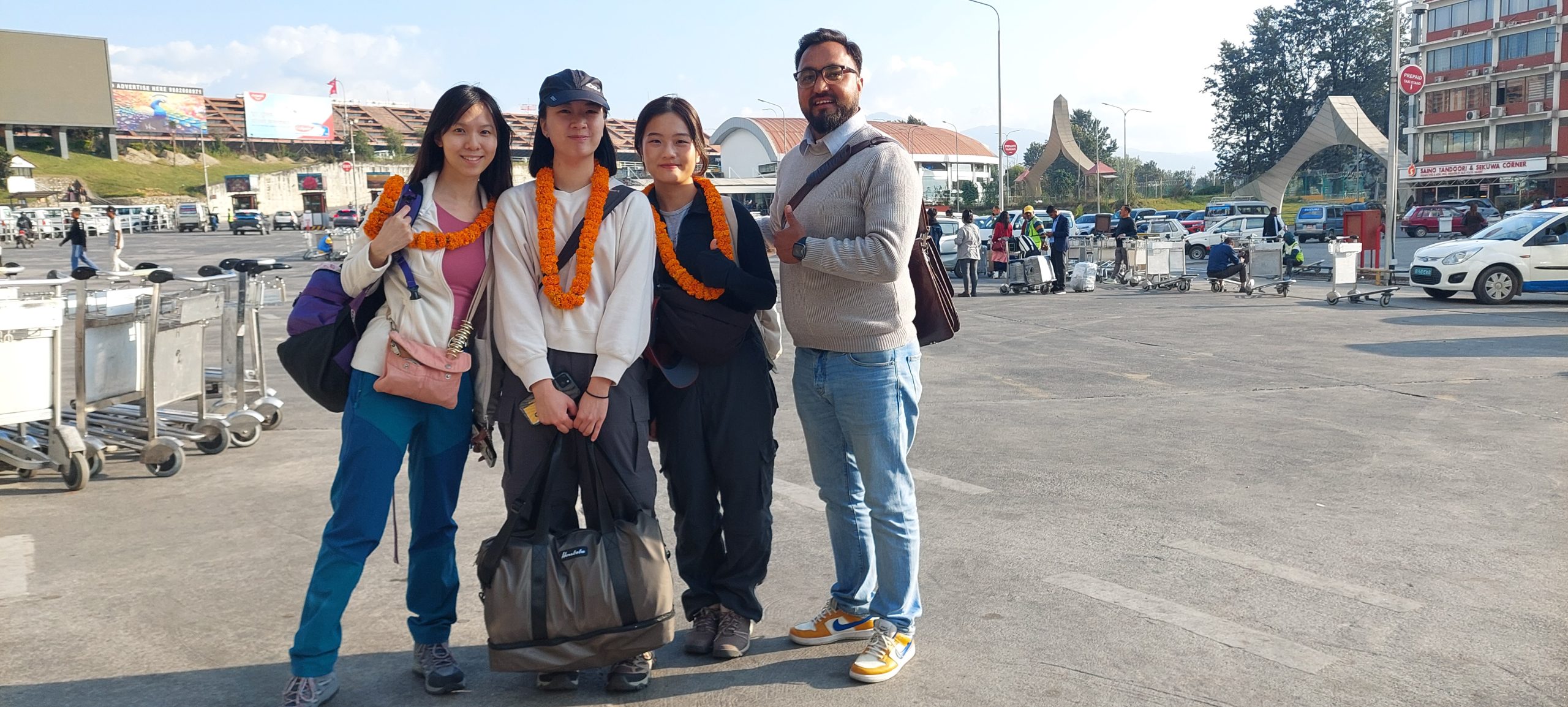
Upon your arrival at Tribhuvan International Airport in Kathmandu, I will greet you and escort you to your designated hotel. If you find yourself with some spare time after checking in, you can take the opportunity to explore the city with the guidance of your local guide.

Accommodation : Hotel
Drive from Kathmandu to Pokhara.
Your journey starts from Sorakhutte, which is close to Thamel and Paknajol in Kathmandu. Most tourist buses leave early in the morning between 6:30 AM and 7:00 AM.
The distance from Kathmandu to Pokhara is about 200 km, and the drive usually takes 7–8 hours, depending on road and traffic conditions.
The bus travels along the Prithvi Highway, passing through beautiful hills, rivers, and small towns. Along the way, you will pass places such as Thankot, Naubise, Galchi, Malekhu, Mugling, Damauli, and Dumre before reaching Pokhara. You can enjoy views of the Trishuli River, green hills, farmland, and traditional villages during the journey.
The bus usually stops 2–3 times for breakfast, lunch, and short toilet breaks. After arriving in Pokhara, you will meet your trekking guide and continue your journey to the starting point of the Annapurna Sunrise Trek.


Accommodation : Hotel
Drive to Nayapul and trek to Hille /Thikhedunga (1,560 m)
After breakfast, you will drive for about 1.5 hours from Pokhara to Nayapul, the starting point of the trek.
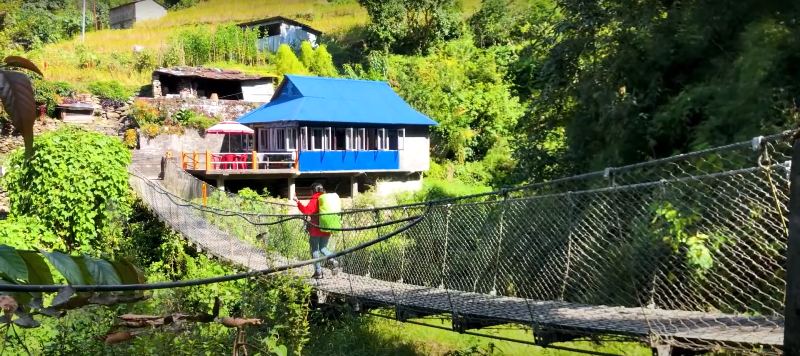
From Nayapul, you begin walking along the Bhurungdi Khola. The trail first reaches Birethanti, where you will register your trekking permits at the tourist checkpoint. After a short stop, continue through small villages, farmland, and forest paths.
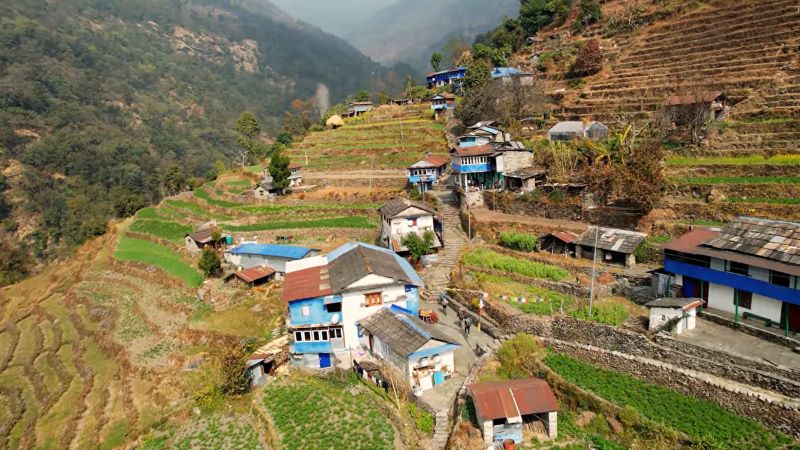
The trail then passes Ramghai, a peaceful riverside area, before climbing gradually to Sudame. From here, you continue uphill to Hille, a small village with tea houses and beautiful surroundings. If time and energy allow, you walk a little farther to Tikhedhunga (1,560 m), where you will stay overnight.
Today’s walk takes about 3–5 hours and offers your first experience of the beautiful Annapurna region, with rivers, waterfalls, terraced fields, and traditional mountain villages.
Accommodation : Tea house Meals : Lunch & Dinner
Trek from Tikhedhunga to Ghorepani (2,874 m):
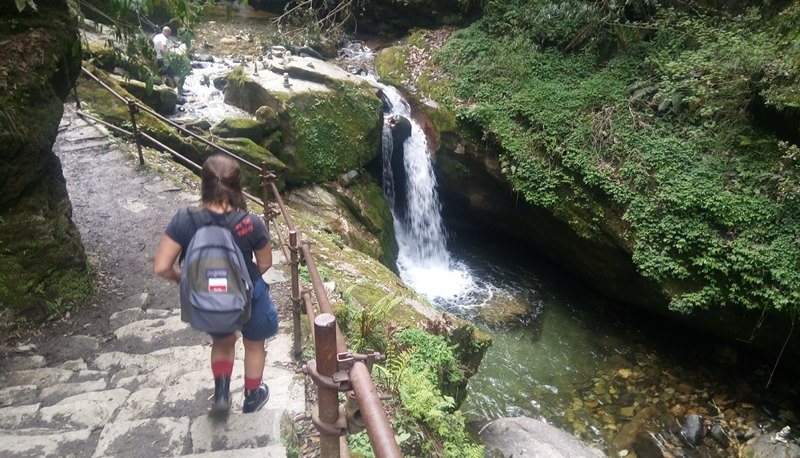
After breakfast, you begin today’s trek with a steep uphill climb on a long stone staircase. For about 2 hours, the trail passes traditional local houses and beautiful hillside villages before reaching Ulleri (1,900 m), a large Magar village with excellent mountain views. You will stop here for lunch and a short rest.
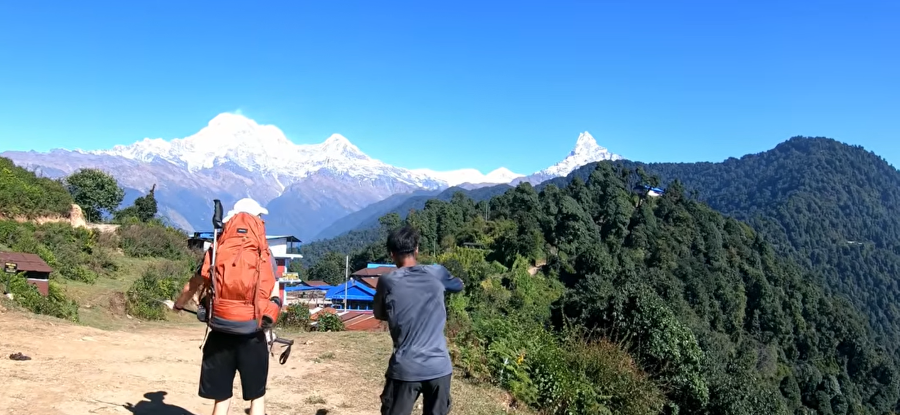
After Ulleri, the trail becomes more gradual and easier. It takes about 1 hour to reach Banthati (2,200 m). Along this section, you walk through peaceful forests and enjoy your first clear views of Mt. Fishtail (Machhapuchhre), Annapurna South, Hiunchuli, and the surrounding green hills.
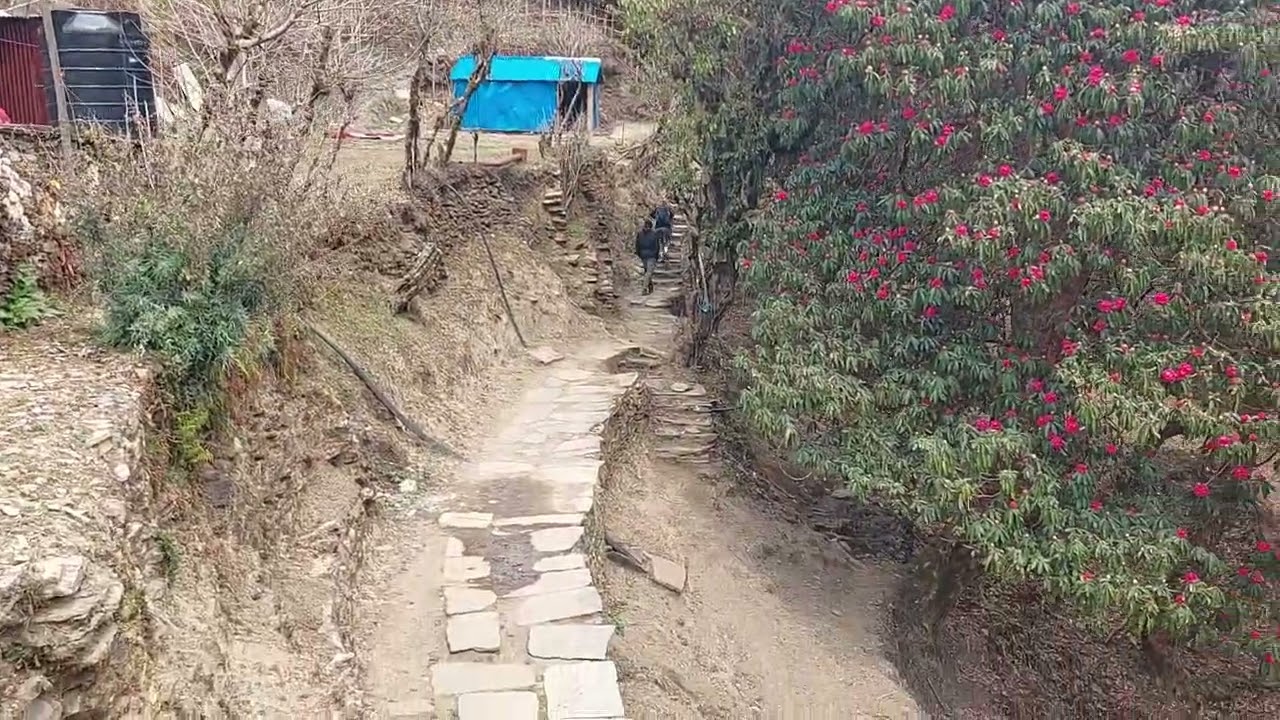
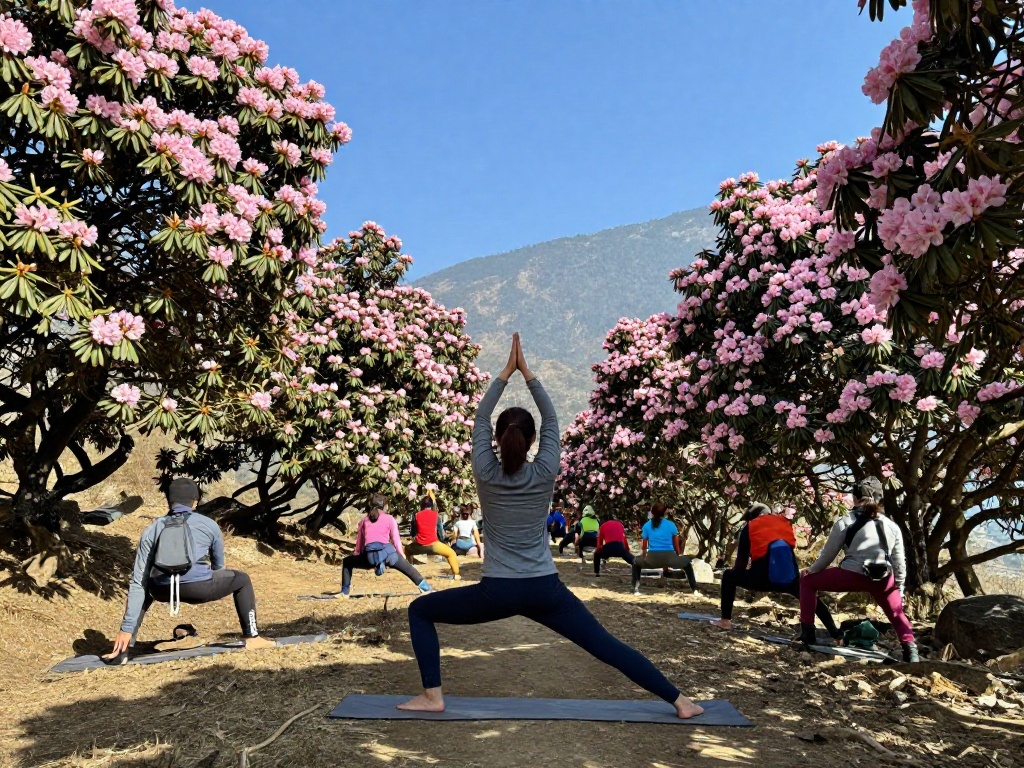
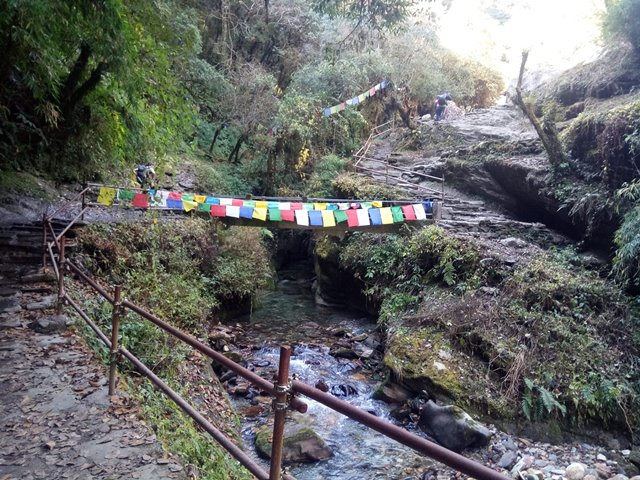
From Banthati, you continue trekking for about 4 hours through beautiful rhododendron, oak, and pine forests. The peaceful forest trail is rich in birds and wildlife, especially during the spring flowering season. After a steady climb, you arrive at Ghorepani (2,874 m), a popular mountain village surrounded by spectacular Himalayan scenery.
Today’s trek takes about 7–8 hours and is one of the most rewarding days of the Annapurna Sunrise Trek.
Accommodation : Tea house Meals : Breakfast, Lunch & Dinner
Trek from Ghorepani to Tadapani (2,650 m)
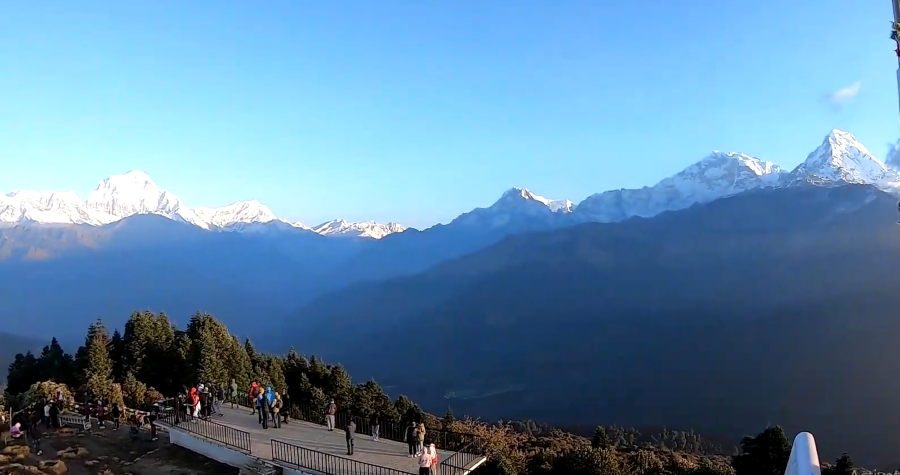
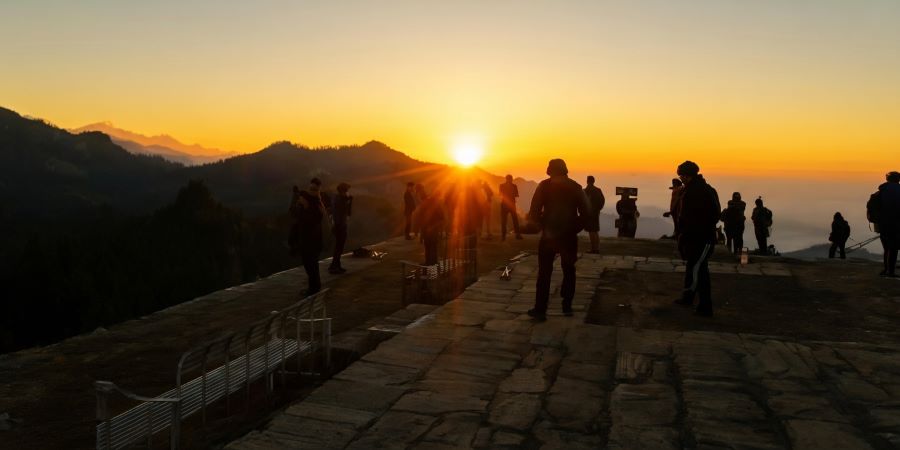
Early in the morning, you hike for about 1 hour from Ghorepani to Poon Hill (3,210 m) to enjoy one of the most beautiful sunrise views in Nepal. From the viewpoint, you can see spectacular mountain panoramas, including Dhaulagiri, Annapurna I, Annapurna South, Hiunchuli, Machhapuchhre (Fishtail), Nilgiri, and many other Himalayan peaks. After spending some time taking photos and enjoying the scenery, you return to Ghorepani for breakfast.
After breakfast, the trek continues with a 1-hour uphill walk through a beautiful rhododendron forest to Thapla Danda. From here, the trail becomes more gentle, with a mix of small uphill and downhill sections as you walk through the forest to Deurali, where there are two small tea houses.
From Deurali, you descend through a dense forest for about 2 hours to Banthati, a popular resting place with several tea houses. Most trekkers stop here for lunch before continuing the journey.
After lunch, you walk for about 20 minutes to the ridge near Annapurna Century Lodge. The trail then descends steeply for about 15 minutes to a small stream. After crossing the stream, you climb steadily through the forest on the opposite hillside until you reach Tadapani (2,650 m).
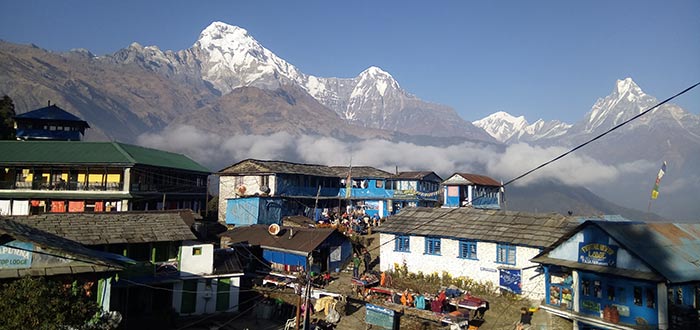
Tadapani is a small mountain settlement with around 8–9 tea houses. It is one of the best places on the trek to enjoy close-up views of Annapurna South, Hiunchuli, and the surrounding green hills. The peaceful forest setting and stunning mountain scenery make Tadapani a wonderful place to spend the night.
Today’s trek takes about 6–7 hours, including the early morning hike to Poon Hill.
Accommodation : Tea house Meals : Breakfast, Lunch & Dinner
Trek from Tadapani to Ghandruk Village (1,850 m)
After breakfast at Tadapani (2,650 m), the trek begins with a gentle downhill walk through beautiful rhododendron and oak forests. The peaceful trail passes small streams and offers occasional views of the Annapurna and Machhapuchhre (Fishtail) mountains.
As you descend, the forest slowly opens into terraced fields and traditional villages. The path is well-marked and easy to follow, making today’s hike enjoyable and less demanding than previous trekking days.
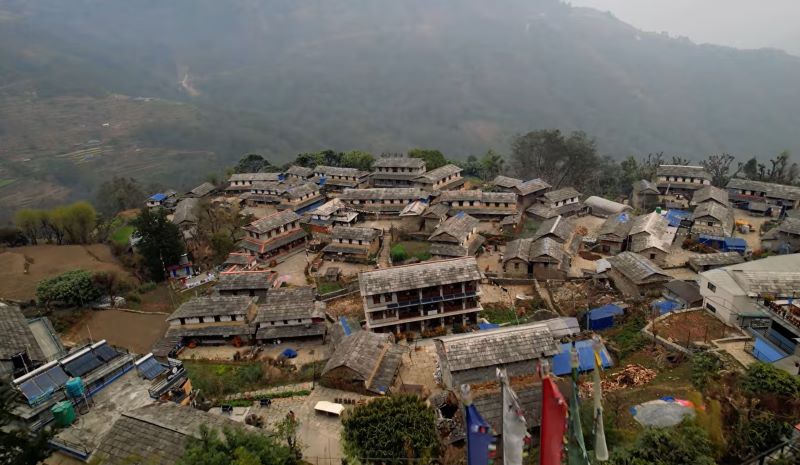
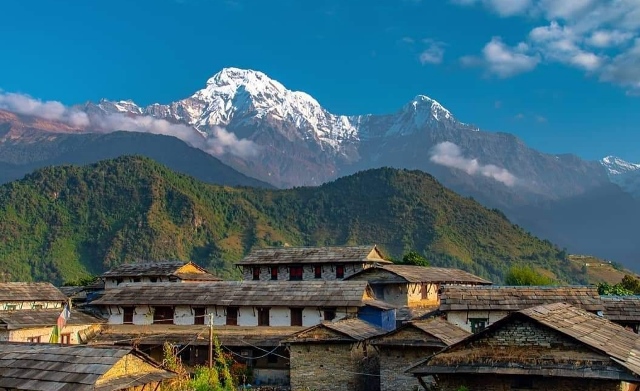
After about 3 to 4 hours of walking, you arrive at the beautiful Ghandruk Village (1,850 m). This famous Gurung village offers stunning mountain views, traditional stone houses, local culture, and comfortable tea houses for an overnight stay.
Accommodation : Tea house Meals : Breakfast, Lunch & Dinner
Drive from Ghandruk to Pokhara (850 m)
After breakfast in Ghandruk Village (1,850 m), you begin a jeep drive toward Pokhara. The road descends through beautiful hills, terraced farmland, and small villages before reaching Nayapul, the official ending point of the trek.
From Nayapul, the drive continues on a paved highway alongside rivers and local settlements. Along the way, you can enjoy views of green valleys, waterfalls, and the peaceful countryside of western Nepal.
After about 2.5 to 3 hours of driving, you arrive in Pokhara. The rest of the day is free to relax by Lakeside, explore the city, or celebrate the successful completion of your Annapurna Sunrise Trek.

Accommodation : Hotel Meals : Breakfast
Drive from Pokhara to Kathmandu
After breakfast in Pokhara, you begin the scenic drive back to Kathmandu. The journey follows the Prithvi Highway, passing beautiful rivers, green hills, terraced farms, and small roadside towns.
The drive takes approximately 7 to 8 hours, depending on road and traffic conditions. Along the way, there are several stops for tea, lunch, and short breaks, allowing you to relax and enjoy the changing landscapes.
Upon arrival in Kathmandu, you will be transferred to your hotel. The rest of the day is free for shopping, sightseeing, or simply relaxing after completing your memorable Annapurna Sunrise Trek.
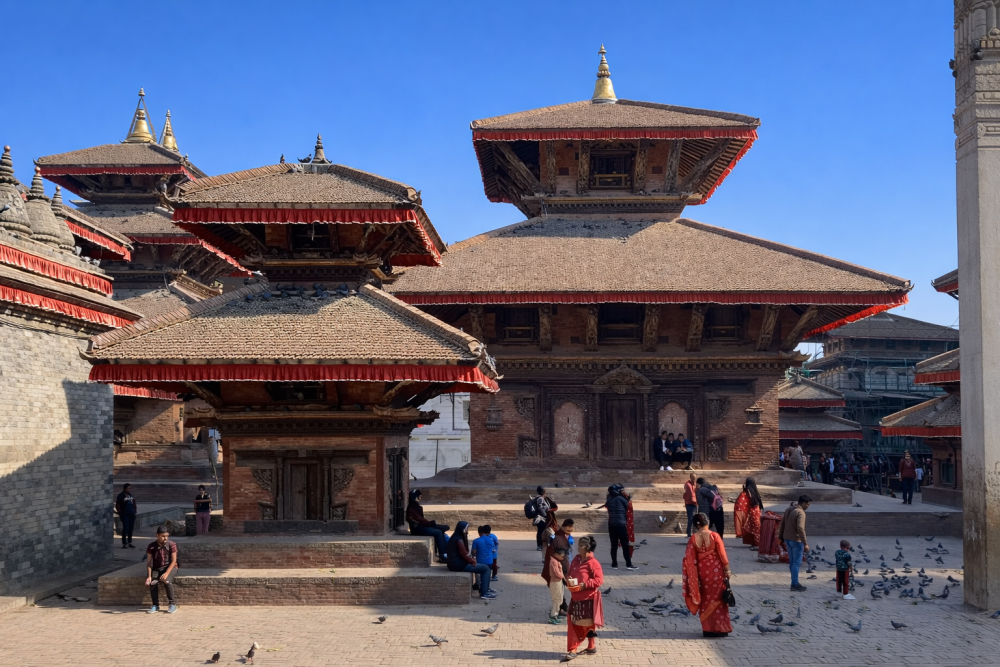
Accommodation : Hotel
Depart Kathmandu, Nepal
According to your flight schedule, our representative will pick you up from your hotel and transfer you to Kathmandu International Airport. Please be ready at the hotel lobby a few hours before your departure time.
Our team will assist you with your airport transfer and wish you a safe and pleasant journey home. We hope you leave Nepal with wonderful memories of your Annapurna Sunrise Trek and look forward to welcoming you again for another adventure.
Note:
If there are more than 5 people in a group, you will get discounts, and if there are more than 10 people in a group (one who convince her/his friend), they will get a 50% discount, and if there are more than 15 people in a group, one will get all trekking free.
Annapurna Sunrise Trek- 4 Days FAQs
The best time to go on the Annapurna Sunrise Trek is between September and November when the weather is clear and dry, and the views are the best.
The Annapurna Sunrise Trek is considered a moderate to strenuous trek, with some challenging steep inclines and descents. It is suitable for those with a good level of fitness.
The Annapurna Sunrise Trek typically takes 7-10 days, depending on your itinerary and pace.
During the Annapurna Sunrise Trek, you will stay in teahouses or lodges, which offer basic accommodation and meals.
During the Annapurna Sunrise Trek, you can find a variety of local Nepali food, such as dal bhat, momos, and various curries. Western options such as pasta and pizza are also available.
You will need sturdy hiking boots, warm clothing, a good backpack, a sleeping bag, a water bottle, and appropriate gear such as a down jacket and hat, and gloves.
While it is possible to do the Annapurna Sunrise Trek independently, it is highly recommended to hire a guide or porter to help with navigation, language barriers, and carrying your equipment.
Yes, it is necessary to get a TIMS card and permit to trek in the Annapurna region. These can be obtained in Kathmandu or Pokhara.
Power outlets are available in most teahouses and lodges, but they may be limited, so it is best to bring a power bank.
The best way to acclimatize during the Annapurna Sunrise Trek is to take your time and not rush through the itinerary. Drink plenty of water, avoid alcohol, and get enough rest. It’s also important to follow your guide’s advice and if you feel unwell, descend to lower altitude immediately.
Refund & Cancellation Policy
- Booking requires 20% non-refundable deposit (Nepal) or 100% upfront (Tibet/Bhutan).
- Remaining payment due before the trip or on arrival (trip-dependent).
Cancellation charges:
- 31+ days: 20%
- 16–30 days: 45%
- 8–15 days: 75%
- 7 days or less: 90%
- Prices may change due to flights, taxes, or exchange rates.
- Trip changes are allowed, but extra costs apply.
- If the company cancels, a full refund, except for unavoidable events (some costs deducted).
- Good health and travel insurance are mandatory.
- No refund if removed for unsafe or illegal behavior.
- Travel involves personal risk, which the client accepts.