

Poon Hill Trek Highlights: Highlights
- Scenic Drive from Pokhara through beautiful villages like Birethanti, Ramghai, Sudame, Hille, and Ulleri.
- Closest Short Trek from Pokhara, perfect for travelers with limited time.
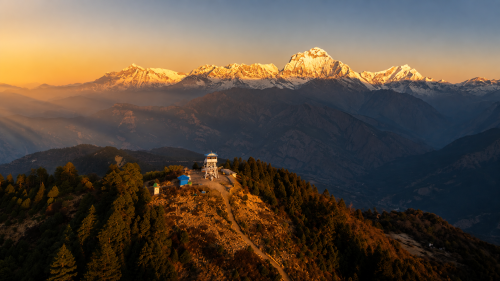
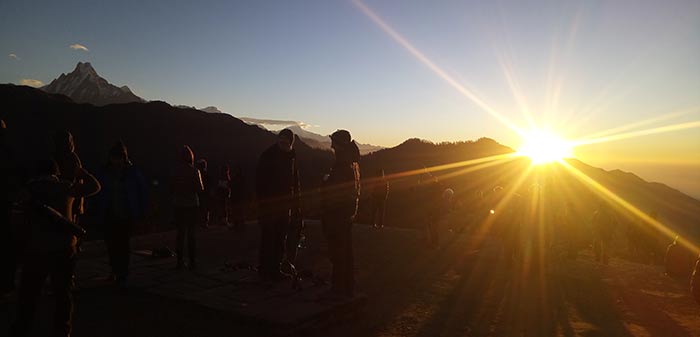
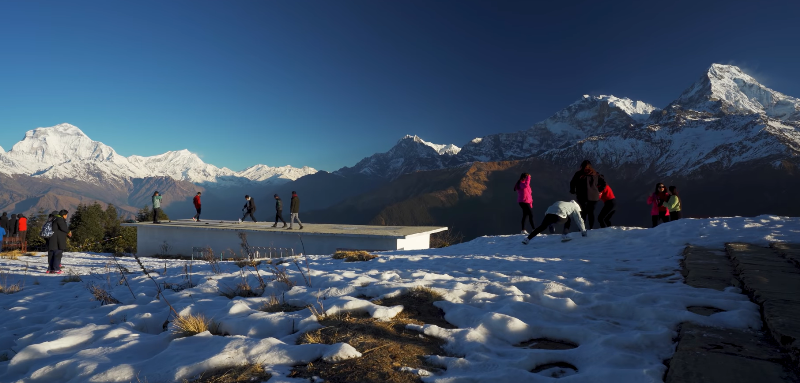
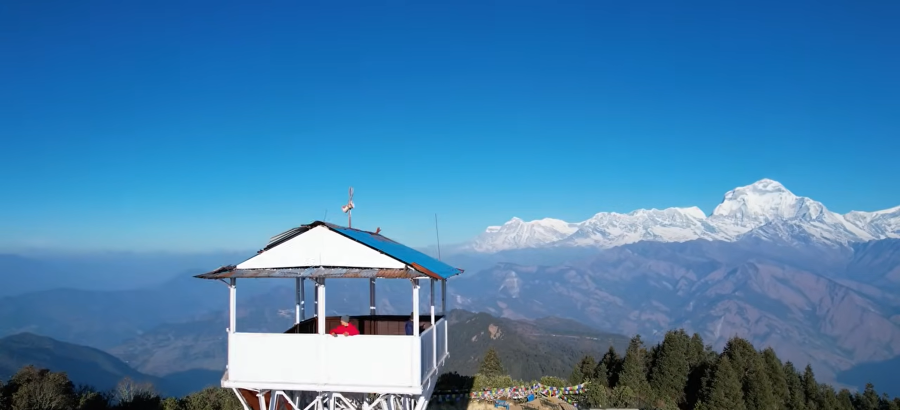
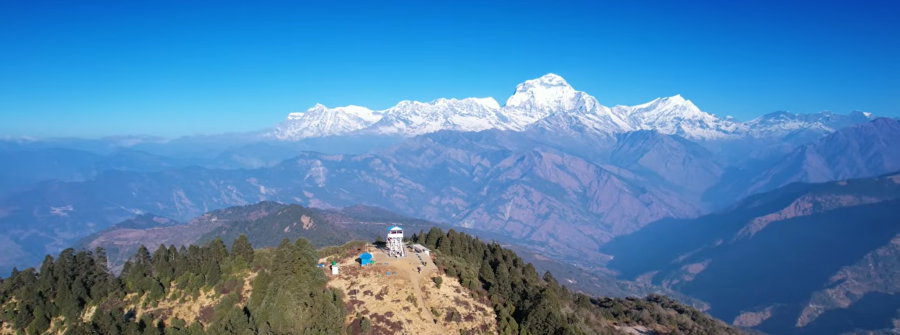
- Spectacular Poon Hill Sunrise with breathtaking views of the Annapurna and Dhaulagiri ranges.
- 360° Himalayan Panorama from the famous Poon Hill viewpoint and observation tower.
- Suitable for All Ages with easy to moderate trails and no age restrictions.
- Short Yet Memorable Adventure offering an authentic Himalayan trekking experience.
- Affordable Trekking Package making it one of Nepal’s best-value short treks.
- Fresh Local Meals & Cozy Lodges available throughout the trekking route.
- Traditional Gurung & Magar Villages showcasing local culture, lifestyle, and hospitality.
- Easy Permit Process with low-cost entry permits for the Annapurna Conservation Area.
- Rhododendron Forest Trails especially beautiful during the spring season.
- Excellent Introduction to Himalayan Trekking for beginners and first-time trekkers.
Poon Hill Trek Introduction: Overview
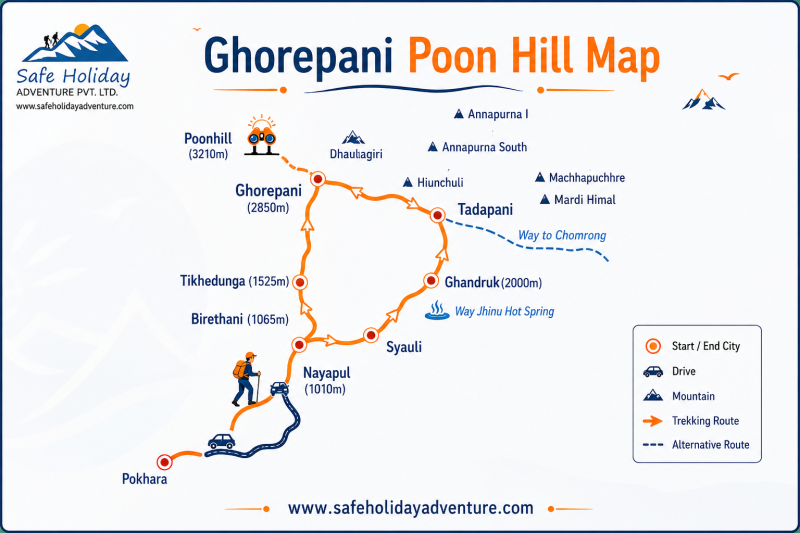
The Poon Hill Trek begins in the scenic city of Pokhara, located at 850 meters. From here, you’ll take a scenic drive to Nayapul, the official starting point of the trek. Along the way, the road passes lush rice fields, Rivers, and small hills, giving a glimpse of rural life in Nepal. Once you arrive at Nayapul (1,075m), you cross a small bridge and begin your walk toward Birethanti, where officials may check your Trekking permits. The early part of the trail is easy, passing along the Moda (Khola) River and through quiet villages, setting the tone for a relaxing and scenic trek.
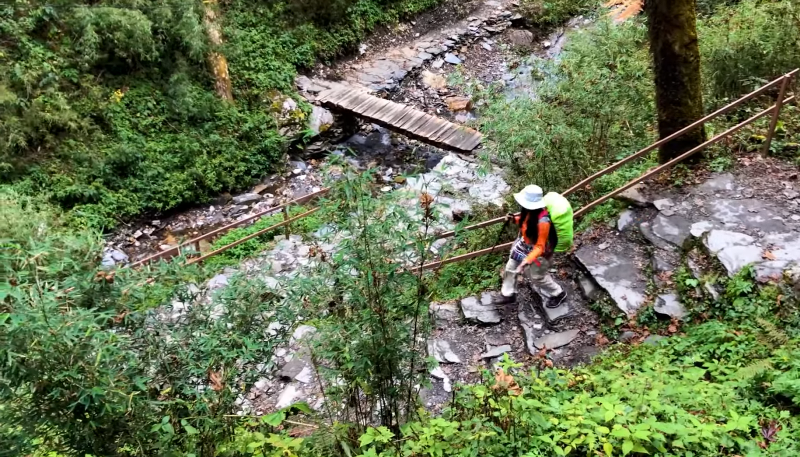
From Birethanti, the trail continues gently toward Hille, a small village surrounded by farmland. After Hille, the path leads to Tikhedhunga (1,560m), where the first steep climb begins. Here, trekkers start ascending the famous stone staircase that winds through dense forests. This section is challenging but rewarding, offering glimpses of Annapurna South and Hiunchuli as the trail rises. Small tea houses along the way provide opportunities for rest, refreshments, and interaction with local villagers.
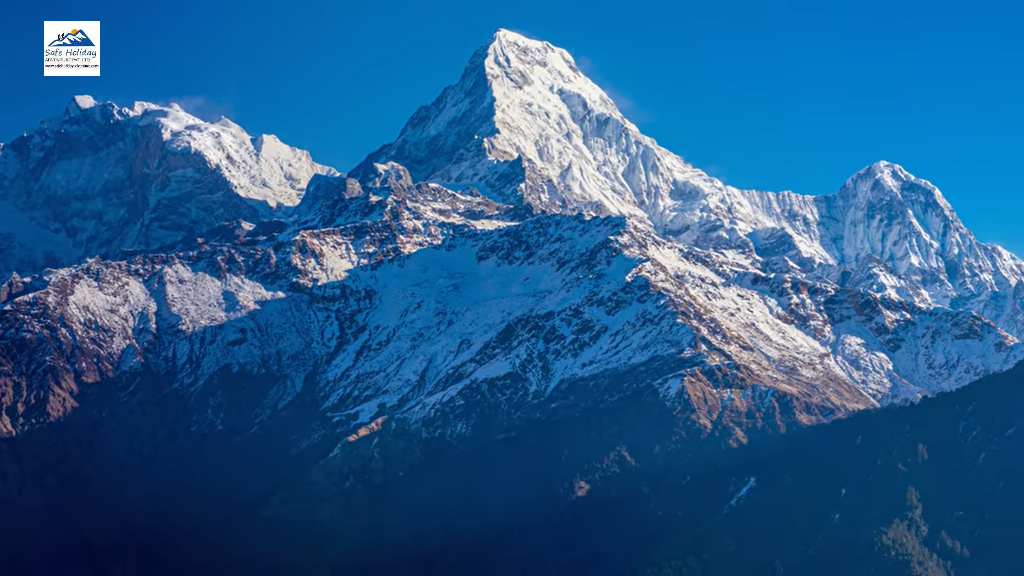
The climb from Tikhedhunga continues toward Ulleri (1,900m), a Poon Magar village perched at 2,070 meters. From here, the panoramic mountain views become more striking. You can see Machhapuchhre (Fishtail) rising majestically in the distance, and the snowy peaks of Annapurna I and Annapurna II. The trail passes through rhododendron and oak forests, where birds sing, and the air feels fresh and cool. Trekkers often pause here to take photos and admire the serene natural surroundings before continuing the ascent.
After Ulleri, the trail gradually leads to Ghorepani (2,874 m). This charming village is the perfect place to spend the night, with cozy teahouses and friendly hosts. From Ghorepani, you can enjoy evening views of the surrounding hills and distant snow-capped peaks. A hearty dinner and an early rest are essential, as the next morning starts very early for the famous Poon Hill sunrise hike. Ghorepani’s peaceful atmosphere gives you a sense of calm before the excitement of the day ahead.
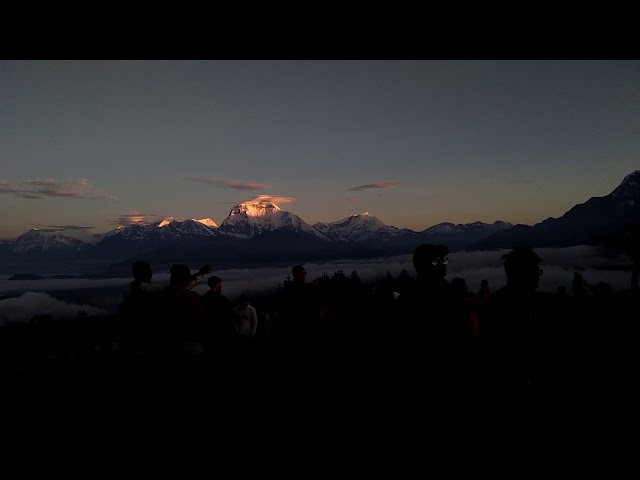
Before dawn on the second day, trekkers set out for Poon Hill (3,210m), located just 2.5 kilometers from Ghorepani. The path is short but steep, winding through Rhododendron forests and Rocky steps. Reaching the summit in time for sunrise is the highlight of the trek. From Poon Hill, over twelve snow-capped peaks are visible, including Dhaulagiri, Annapurna I, Annapurna South, Hiunchuli, and Machhapuchhre. The sunrise casts golden light over the mountains, creating a magical and unforgettable experience that is the main reason most trekkers choose this trail.
After spending time at Poon Hill View Point, you return along the same trail to Ghorepani (2, 820m) for breakfast. Following breakfast, the descent begins, retracing the steps through Ulleri, Tikhedhunga, Hille, and Birethanti. The downhill journey is easier than the ascent, but requires careful footing on the stone steps and occasional slippery areas. Along the way, you can pause at tea houses for refreshments, enjoy the rivers and farmland scenery, and reflect on the incredible mountain views from the previous day.
Finally, the trail leads back to Nayapul, where your vehicle awaits to take you back to Pokhara. The drive is relaxing and allows you to enjoy the passing landscapes one last time. Once back in Pokhara, you can celebrate the completion of your trek by visiting Phewa Lake, exploring lakeside cafes, or simply resting after the adventure. The 2-day Poon Hill trek, although short, offers a full Himalayan experience with stunning sunrises, forest walks, mountain vistas, and local village encounters.
This trek is perfect for travelers with limited time who still want to enjoy a Himalayan adventure. It is beginner-friendly, well-supported by tea houses, and safe for solo travelers, families, and small groups. Every step of the journey offers new sights and experiences, from the rivers and farmland of the lower trail to the panoramic peaks at Poon Hill. In just two days, trekkers can experience the magic of Nepal’s mountains, the beauty of its forests, and the warmth of its local culture, all in a short, memorable adventure.
Additional Tip:
If you have a little extra time beyond the standard 2-day Poon Hill Trek, consider extending your adventure to Annapurna Base Camp (ABC). By following the shorter route from the Poon Hill area, you can reach Annapurna Base Camp and return to Pokhara in approximately 4–5 additional days, allowing you to experience the heart of the Annapurna region without a lengthy itinerary.
Alternatively, adding just one extra day lets you visit Ghandruk, Nepal’s largest Gurung village. This beautiful settlement offers a rich cultural experience, traditional stone houses, and stunning close-up views of Annapurna South, Hiunchuli, and the surrounding Himalayan peaks.
What Makes the Poon Hill Trek So Popular?
- Famous sunrise views over the Annapurna and Dhaulagiri mountains.
- Stunning Himalayan panoramas without trekking to high altitudes.
- Perfect short trek for travelers with limited time.
- Suitable for beginners and families.
- Easy access from Pokhara with a short drive to the trailhead.
- Beautiful rhododendron forests, especially during spring.
- Traditional Gurung and Magar villages along the route.
- Comfortable tea houses and lodges available every day.
- Lower altitude and less risk of altitude sickness.
- Great photography opportunities throughout the trek.
- Well-marked and safe trails for independent trekkers.
- Excellent value for money compared to longer Himalayan treks.
- Can be completed in 2–5 days, depending on the itinerary.
- Offers mountain, forest, culture, and village experiences in one trek.
Poon Hill trek from Pokhara:
The 2-day Poon Hill Trek from Pokhara is short and scenic in the Annapurna region of Nepal. It is perfect for travelers who have limited time but still want to enjoy the Himalayan views.
On Day 1, you will drive from Pokhara to Ulleri, which takes about 3 hours. Then, you can enjoy the rest of the day in Ulleri village, which is surrounded by hills, forests, and beautiful landscapes.
On Day 2, you will wake up early and hike to Poon Hill for about 1 hour to see the sunrise over the Annapurna and Dhaulagiri ranges. After enjoying the view, you will hike back to Ulleri and then drive back to Pokhara.
This trek is short, but it gives you a great experience of the mountains, nature, and local culture. It is one of the best short treks in Nepal.
Poon Hill trek from Kathmandu
The 2-day Poon Hill trek from Kathmandu to Nepal’s Annapurna region begins with a flight to Pokhara and a drive to Ulleri at 2,070 meters. The subsequent trek to Ghorepani, at 2,840 meters, unfolds in 4 hours through scenic forests and waterfalls. Ghorepani offers stunning mountain views and serves as a base for the sunrise hike to Poon Hill at 3,210 meters. The trek retraces to Ghorepani, continues to Banthati at 2,250 meters, and concludes with a return to Pokhara. This relatively easy trek caters to time-constrained individuals seeking the beauty of the Annapurna region in Nepal.
Food and Dining Experience on the Poon Hill Trek
The Poon Hill Trek presents a rich array of culinary options. Delight in traditional Gurung bread and Chapati (Plain bread), as well as Western favorites like pasta, pizza, and sizzlers. Indulge in local delicacies such as Champa Porridge, Momo, Nepali Dhalbhat, and Dhido. The menu offers an assortment of alcoholic beverages and drinks. Satisfy your appetite with fried noodles, rice, and flavorful chicken curry. Kickstart your day with comforting choices like porridge and cereals. Embark on a gastronomic journey while immersed in the breathtaking scenery of the trek.
In addition to these dishes, you can also find a variety of snacks such as biscuits, chocolate bars, and energy bars, which are perfect for trekking. It’s important to note that the availability of food options may vary depending on the season and location of the teahouses and lodges along the trail.
Reasons to Visit Poon Hill:
- Experienced Guide and Local Porter: Enjoy the expertise of a guide with over 15 years of experience and the support of a strong, friendly local porter.
- Budget-Friendly Trekking: We offer the option to organize your trek on a small budget without compromising the experience.
- Flight Ticket Reservation: We take care of your flight ticket from Kathmandu to Pokhara, ensuring a hassle-free journey.
- Basic Medication Included: We provide basic medication for the trek to prioritize your health and well-being.
- Trekking T-shirt Souvenir: Receive a trekking T-shirt with “POON HILL TREK” as a memorable souvenir from your adventure.
- Breathtaking Scenery: Immerse yourself in the stunning visuals of Poon Hill, making it a feast for the eyes.
- Cultural Experience: Connect with locals and their culture, and savor authentic local food for a more enriching trekking experience.
- Small Group Experience: Enjoy an intimate trekking experience with small group sizes, fostering a sense of community and personalized attention from the guide.
- Flexible Itinerary: Our itineraries are flexible, allowing for adjustments based on the group’s preferences, weather conditions, or unforeseen circumstances.
- Environmentally Conscious: We follow eco-friendly practices, promoting responsible tourism to minimize our impact on the environment.
- Local Accommodation: Stay in locally-owned lodges, contributing directly to the community and enhancing the authenticity of your experience.
- 24/7 Support: Our team provides round-the-clock support, ensuring assistance and guidance whenever needed during your trek.
2 Day Poon hill trek outline itinerary:Outline Itinerary
Day 01: Drive from Pokhara to Ulleri, then trek to Ghorepani- 2820 m
Day 02: Hike to Poon Hill, then retrace to the Banthati, then drive to Pokhara.
Whats Included?
- Jeep transportation is included from Pokhara to Ulleri and from Banthanti back to Pokhara.
- A professional, government-authorized Poon Hill trekking guide is included to assist you throughout the trek.
- The Annapurna Conservation Area Permit (ACAP) and all required trekking paperwork are included and arranged before the trek.
- The entrance fee to the Poon Hill viewpoint is included in the trekking package.
- Three meals per day are included during the trek, consisting of breakfast, lunch, and dinner.
- Private lodge accommodation is included, with a comfortable bed and blanket provided for your stay.
- Morning tea or coffee is included at the lodge each day.
- Seasonal fruits are included after dinner each evening during the trek.
Dates and Availability Departures
All our published dates are guaranteed departures. We also provide customized departures tailored to your travel plans.
October 2026
November 2026
Travellers Reviews
James Mitchell
Australia | October, 2025
Poon Hill Trek & Chitwan Jungle Safari – A Perfect Nepal Combo
Our Poon Hill Trek was absolutely stunning — waking up before dawn to watch the sunrise over Annapurna and Dhaulagiri from Poon Hill was a moment I’ll never forget. Our guide Rupesh was knowledgeable, patient, and made sure every step of the trail felt safe and enjoyable, even for first-time trekkers like us.
We followed it up with the Chitwan Jungle Safari, which was the perfect contrast — canoeing along the river, spotting rhinos, and enjoying the local Tharu culture. Rupesh’s warmth and attention to detail carried through the whole trip. Highly recommend this combo for anyone visiting Nepal!


Djmael Sekhi
France | March, 2026
From the Himalayas to the Jungle: An Unforgettable Nepal Adventure
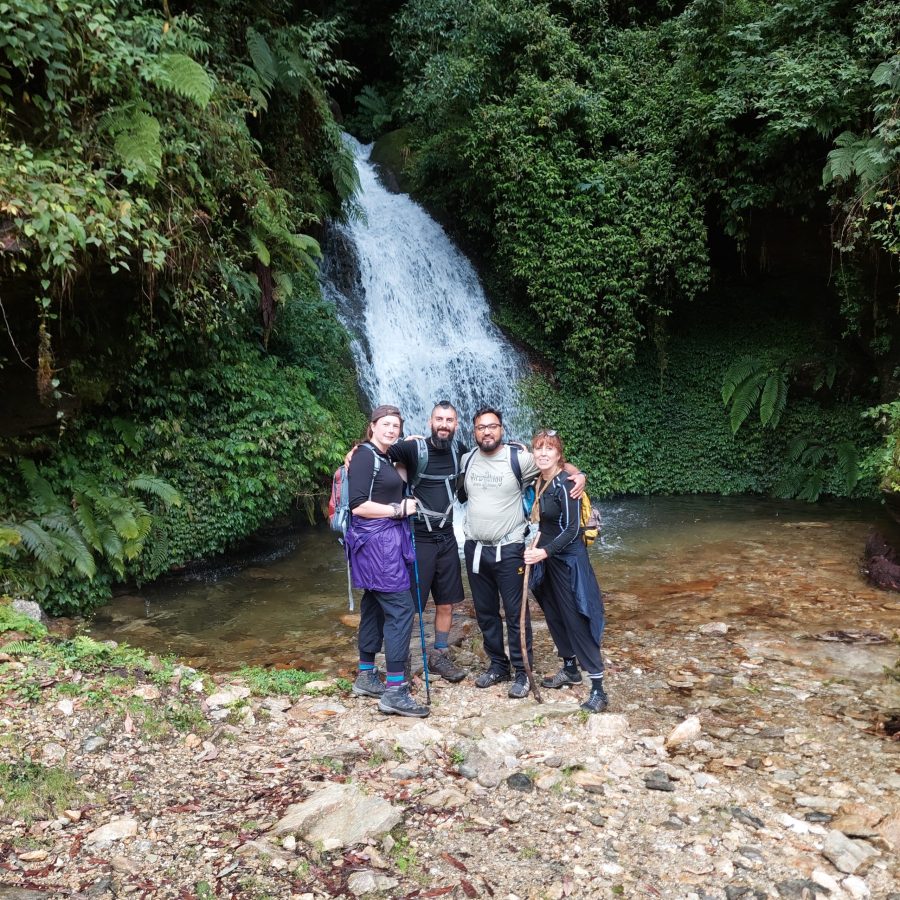
My trip to Nepal was an unforgettable experience. The Poon Hill Trek was absolutely amazing, with beautiful mountain views, peaceful villages, and a spectacular sunrise over the Himalayas. The trekking route was challenging but very rewarding, and I truly enjoyed the warm hospitality of the local people.
The Chitwan Jungle Safari was another highlight of my journey. Exploring the jungle and seeing wildlife in its natural environment was an exciting and memorable experience.
I am very happy with my trip to Nepal and would highly recommend the Poon Hill Trek and Chitwan Jungle Safari to anyone looking for adventure, nature, and unforgettable memories.
— Djmael Sekhi, France
Mitchell B
UK | 2025-7-2
Our best Family short hike to Poon hill with santosh
I felt the experience was priced just right, and Santosh did very well to actively adjust the plans to suit the ability of our group as required.
Even organising of a birthday apple pie with one of our hotel chefs was a lovely touch, thank you.
I can recommend for organising a trek to Pun hill.
Genaral Trip InfoInfos
Can beginners do the Poon Hill Trek?
Yes, beginners can absolutely do the Poon Hill Trek. It is one of the most beginner-friendly treks in Nepal, making it a popular choice for first-time hikers. The trail is well-marked, the teahouses are comfortable, and the daily walking distance is manageable for people with a basic level of fitness. You do not need any previous trekking experience to complete and enjoy this adventure.
The trek leads through beautiful rhododendron forests, traditional villages, and scenic mountain landscapes. Although there are some steep uphill sections and stone staircases, you can walk at your own pace and take breaks whenever needed. Staying hydrated, wearing comfortable trekking shoes, and maintaining a steady pace will help make the journey easier and more enjoyable.
The highlight of the trek is the spectacular sunrise from Poon Hill, where you can witness panoramic views of the Annapurna and Dhaulagiri mountain ranges. With a little preparation, a positive mindset, and a sense of adventure, even first-time trekkers can successfully complete the trek and enjoy an unforgettable Himalayan experience.
Annapurna Conservation Area Permit (ACAP) Fees:
The Annapurna Conservation Area Permit (ACAP) is required to enter the Annapurna Conservation Area, which includes the Poon Hill trek. The fees for the ACAP vary depending on the nationality of the trekker and the duration of the trek.
Here are the current fees for the ACAP:
- For SAARC nationals (citizens of Afghanistan, Bangladesh, Bhutan, India, Maldives, Nepal, Pakistan, and Sri Lanka): NPR 2000 for the first 7 days and NPR 200 for each additional day.
- For other nationals: NPR 3000 for the first 7 days and NPR 300 for each additional day.
It is important to note that the fees for the ACAP are subject to change and it is always a good idea to check with the Nepal Tourism Board or a local trekking agency for the most up-to-date fees.
What to Pack for the 2-day Poon Hill Trek?
If you are planning to do the 2-day Poon Hill Trek, it’s important to pack appropriately to ensure that you have everything you need for the journey. Here are some essential items you should consider packing:
- Backpack: A lightweight and waterproof backpack with comfortable straps to carry your essentials.
- Clothing: Dress in layers for the varying temperatures you may experience during the trek. Pack a warm jacket, fleece, a t-shirt, a long-sleeved shirt, hiking pants, and comfortable trekking shoes. Consider packing a rain jacket or poncho if you’re trekking in the rainy season.
- Headwear: Pack a warm hat, a sun hat, and sunglasses.
- Hydration: Bring a reusable water bottle or hydration system, as staying hydrated is important during the trek.
- Snacks: Pack some snacks to keep your energy levels up during the trek, such as energy bars, trail mix, or chocolate.
- First Aid Kit: Include items such as band-aids, blister pads, pain relievers, and antiseptic cream.
- Trekking Poles: Optional, but recommended for the steep sections of the trail.
- Sunscreen: Protect your skin from the sun’s harmful rays.
- Toiletries: Bring basic toiletries such as soap, toothbrushes, toothpaste, hand sanitizer, and wet wipes.
- Trekking permits: You will need to obtain the Annapurna Conservation Area Permit (ACAP) and Trekkers’ Information Management System (TIMS) before starting the trek.
Best Time to Trek to Poon Hill:
The best time to trek to Poon Hill depends on your personal preferences and trekking style, as well as the weather conditions and trail conditions. Here are some general guidelines to consider:
Spring (March to May): This is one of the best times to trek to Poon Hill as the weather is generally clear and dry, and the rhododendron forests are in full bloom. The temperatures are mild, and there is less chance of rainfall. However, this is also a popular time for trekking, and the trails can be crowded.
Autumn (September to November): This is another popular time to trek to Poon Hill as the weather is clear, and the temperatures are mild. The skies are usually blue, and the views of the mountains are breathtaking. This is also a busy time on the trail, and you should book your accommodation in advance.
Winter (December to February): The winter months can be cold, and there is a chance of snow and ice on the trails. However, if you are prepared for the cold, you can enjoy clear views of the mountains and quieter trails. The mornings and evenings can be very cold, but the daytime temperatures are comfortable.
Monsoon (June to August): This is the wettest time of the year in Nepal, and the trails can be muddy and slippery. The views of the mountains can be obscured by the clouds, but the landscapes are lush and green. However, trekking during the monsoon season can be challenging due to the rain and leeches.
Overall, the best time to trek to Poon Hill is during the spring and autumn when the weather is pleasant and the trails are not too crowded. However, if you are prepared for the cold, you can also enjoy the winter months, and if you don’t mind the rain, the monsoon season can be a unique and rewarding experience.
Tips for a Safe and Enjoyable Poon Hill Trek:
If you are planning to trek to Poon Hill, here are some tips to help ensure a safe and enjoyable experience:
Plan and Prepare: Research the trek thoroughly and plan your route and itinerary. Be prepared for changing weather conditions and pack appropriate gear and clothing. Obtain the necessary permits and have a map, compass, and GPS device.
Train and Acclimatize: Build up your fitness level before the trek, and allow time for acclimatization to the altitude. Start your trek slowly and gradually increase your pace as you acclimatize.
Stay Hydrated and Well-fed: Drink plenty of water and fluids to prevent dehydration, and eat nutritious food to maintain your energy levels. Avoid alcohol and smoking during the trek.
Listen to your Body: Pay attention to your body and adjust your pace or take rest days if needed. Seek medical attention if you experience any symptoms of altitude sickness or other health issues.
Respect Local Culture and Environment: Be respectful of the local culture and customs, and follow the Leave No Trace principles to minimize your impact on the environment. Carry out all trash and waste and respect wildlife and their habitat.
Stay Connected: Let someone know your itinerary and expected return date, and stay connected with friends and family through regular communication. Carry a fully charged mobile phone or a satellite phone in case of emergencies.
Hire a Local Guide or Porter: Consider hiring a local guide or porter to assist you during the trek. They can provide valuable information about the local culture and environment, and carry your gear to lighten your load.
By following these tips, you can have a safe and enjoyable trek to Poon Hill while respecting the local culture and environment.
Are the Ulleri stairs really difficult?
How many hours do you walk each day?
Is Poon Hill easier than Mardi Himal?
How much does the 2 days Poon Hill Trek cost?
How Much Should I Pay for a Guide and Porter on the Poon Hill Trek?
The cost of hiring a guide and porter for the Poon Hill Trek depends on the season, experience level, and services included. On average, a licensed trekking guide costs around USD 25–35 per day, while a porter usually charges USD 20–25 per day.
A guide helps with navigation, local information, accommodation arrangements, and overall trek safety. A porter carries your luggage, allowing you to enjoy the trek more comfortably and conserve energy on steep sections such as the Ulleri stairs.
Many trekkers find that hiring a guide, porter, or both greatly improves their trekking experience. While prices may vary slightly, budgeting USD 45–60 per day for a guide and porter combined is a good estimate for the Poon Hill Trek.
How Much Cash Should I Carry?
If you have already booked a trekking package through an agency that includes meals, accommodation, transportation, permits, and guide services, carrying around NPR 300 per person per day is generally recommended.
This extra cash can be used for personal expenses such as snacks, soft drinks, tea, coffee, Wi-Fi, hot showers, battery charging, or small souvenirs along the trail. While these costs are optional, having some cash on hand makes your trek more comfortable and convenient.
Since ATMs are limited in the trekking region, it is best to withdraw enough cash before starting the Poon Hill Trek.
Where to get trekking permits and cost?
Winter trekking at Poon Hill:
Monsoon Trekking at Poon Hill:
The Poon Hill Trek during the monsoon season offers a completely different adventure from the busy trekking months. Rain transforms the hills into a vibrant green landscape, with blooming plants, flowing streams, and fresh mountain air. The trails are generally quieter, allowing trekkers to enjoy a more peaceful connection with nature.
At the same time, trekkers should be prepared for wet conditions. Rain can make stone staircases and forest paths slippery, and clouds may occasionally block mountain views. Waterproof gear, proper hiking shoes, and a flexible schedule are helpful during this season.
For travelers who enjoy lush scenery and fewer crowds, monsoon can be a rewarding time to visit Poon Hill. While clear Himalayan panoramas are less predictable, the rich natural beauty and tranquil atmosphere create a unique trekking experience that many visitors find memorable.
Which Month Has the Clearest Mountain Views on the Poon Hill Trek?
Wi-Fi, Charging Facilities, and Packing Tips for the Poon Hill Trek:
Most teahouses along the Poon Hill Trek offer Wi-Fi and charging facilities, especially in popular villages such as Ulleri, Ghorepani, and Ghandruk. However, internet speed can be slow, and electricity services may be limited during busy seasons or bad weather. Some lodges charge a small fee for Wi-Fi access and device charging.
When packing, bring a power bank, charging cables, and a universal adapter to keep your devices powered throughout the trek. It is also wise to pack layered clothing, a rain jacket, comfortable trekking shoes, a water bottle, sunscreen, and basic personal items. Being well prepared helps ensure a comfortable and enjoyable trekking experience.
Can I Trek Solo on the Poon Hill Trek?
Things Nobody Tells You About the Poon Hill Trek:
Many trekkers are surprised that the trek involves thousands of stone steps, especially between Nayapul, Ulleri, and Ghorepani. The climb can feel more challenging than expected, even though the trek is considered beginner-friendly.
Another surprise is how cold the early morning hike to Poon Hill can be. Temperatures before sunrise are often much lower than during the day, so warm layers and gloves are highly recommended.
How Can I Experience the Best Sunrise at Poon Hill?
Poon Hill Trek vs Mardi Himal Trek: Which Trek Is Better for You?
Detailed ItineraryItinerary
Drive from Pokhara to Ulleri, then trek to Ghorepani- 2820 m
On the first day of the Poon Hill trek, you will start by driving from Pokhara to Ulleri, a small village located at an altitude of 2070 meters. From Ulleri, you will begin your trek to Ghorepani, a village located at an altitude of 2820 meters.
The trek from Ulleri to Ghorepani is a moderate to strenuous hike that takes about 6-7 hours to complete, depending on your pace. The trail passes through beautiful forests, small villages, and terraced farmlands, offering stunning views of the Annapurna mountain range. Along the way, you will have the opportunity to experience the culture and traditions of the local Gurung community.
When you arrive in Ghorepani, you can check into a guesthouse and rest for the night. Ghorepani is known for its hot springs, which are a popular spot for trekkers to relax and unwind after a day of hiking. The village also offers a range of restaurants and shops where you can purchase souvenirs and local handicrafts.
Accommodation : Guesthouse
Hike to Poon Hill, then retrace to the Banthati, then drive to Pokhara.
On the second day of the Poon Hill trek, you will wake up early in the morning and hike to Poon Hill, a viewpoint located at an altitude of 3210 meters. The hike to Poon Hill takes about 1-2 hours and offers stunning views of the Annapurna mountain range, including Annapurna South, Hiunchuli, and Dhaulagiri.
After spending some time at Poon Hill, you will retrace your steps back to Ghorepani and have breakfast at a local guesthouse. After breakfast, you will continue your trek back to the village of Banthati, which is located at an altitude of 2070 meters. The trek from Ghorepani to Banthati takes about 4-5 hours and follows a different route than the one you took on the first day.
After you arrive in Banthati, you will take a local jeep or bus back to Pokhara, where you can check into your hotel and rest for the night. The drive from Banthati to Pokhara takes about 2-3 hours.
Accommodation : Hotel
Poon Hill Trek in 2 Days from Pokhara FAQs
Poon Hill is 3,210 meters (10,531 feet) above sea level.
Rare, but mild symptoms can occur in sensitive trekkers.
No reliable ATMs. Withdraw cash in Pokhara before trekking.
Yes, many families complete the trek with children.
Annapurna, Dhaulagiri, Machhapuchhre, Nilgiri, and Hiunchuli.
Yes, most teahouses provide blankets for trekkers.
Yes, bottled and filtered water are available.
The highest altitude reached on the 2-day Poon Hill trek is 3,210 meters at Poon Hill, the main viewpoint of the trek.
Most treks start from Birethanti, Ulleri, or Banthanti.
Yes, charging facilities are available in most villages.
Only basic medicines are available in some villages along the Poon Hill Trek. Small shops may sell painkillers, bandages, and cold remedies, but supplies are limited. Carry your personal medications and a basic first-aid kit before starting the trek.
You can travel by tourist bus, local bus, private jeep, or taxi from Pokhara to the trek’s starting points, such as Nayapul or Ulleri.
Not essential, but helpful on steep climbs and descents.
Yes, the trail is busiest during spring (March–May) and autumn (September–November). These peak seasons attract many trekkers due to the clear mountain views and pleasant weath
Yes, vegetarian meals are widely available in teahouses. Popular options include dal bhat, noodles, fried rice, soups, vegetables, and potatoes, making it easy for vegetarians to trek comfortably.
A well-planned itinerary can be completed in 2 days.
Yes, Poon Hill can be combined with the Annapurna Base Camp Trek, Mardi Himal Trek, or Ghandruk Trek for a longer and more rewarding Himalayan adventure.
Refund & Cancellation Policy
- Booking requires 20% non-refundable deposit (Nepal) or 100% upfront (Tibet/Bhutan).
- Remaining payment due before the trip or on arrival (trip-dependent).
Cancellation charges:
- 31+ days: 20%
- 16–30 days: 45%
- 8–15 days: 75%
- 7 days or less: 90%
- Prices may change due to flights, taxes, or exchange rates.
- Trip changes are allowed, but extra costs apply.
- If the company cancels, a full refund, except for unavoidable events (some costs deducted).
- Good health and travel insurance are mandatory.
- No refund if removed for unsafe or illegal behavior.
- Travel involves personal risk, which the client accepts.