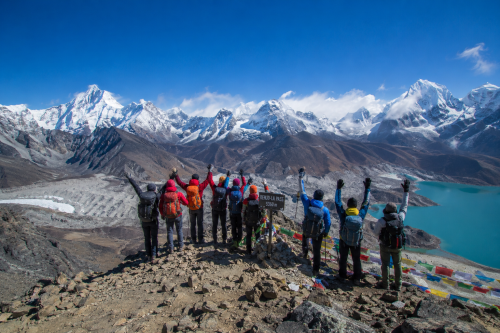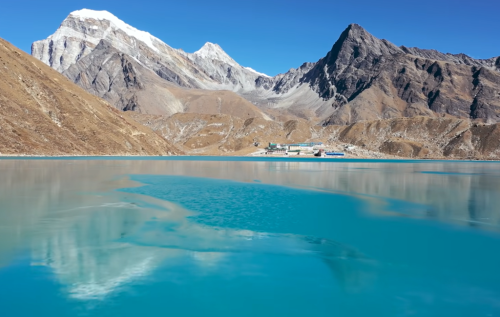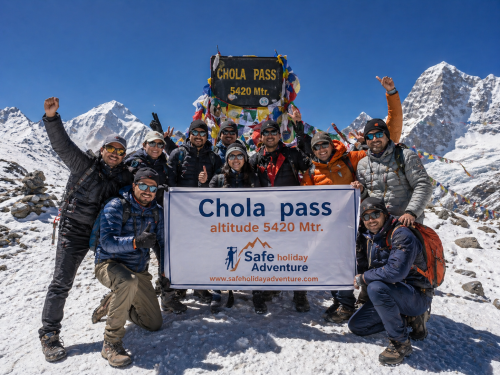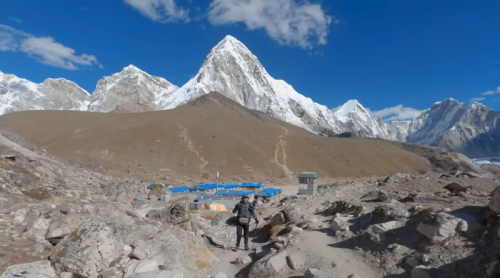
Highlights of the Everest Base Camp with Gokyo Trek Highlights
Everest Gokyo Trekking Introduction Overview
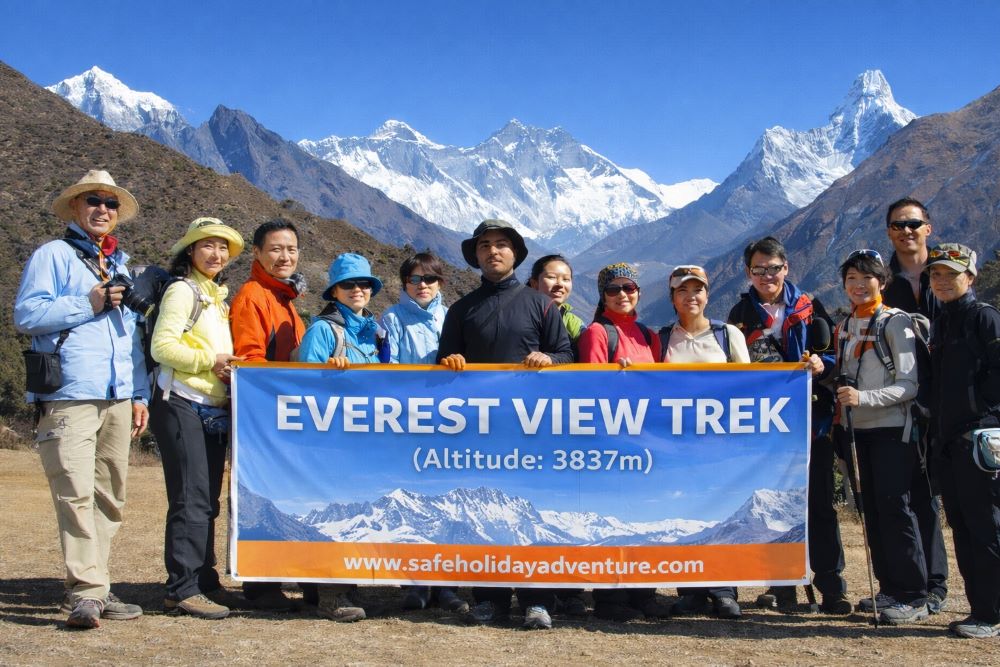
Everest Gokyo Trekking is one of the most stunning trekking experiences in the Everest region of Nepal. It is widely known as a peaceful alternative to the classic Everest Base Camp route. This trek combines turquoise glacial lakes, dramatic mountain views, Sherpa culture, and high-altitude adventure in one journey.
Unlike the busy Everest Base Camp trail, the Everest Gokyo Trekking offers quieter paths and a more serene atmosphere. Trekkers can enjoy nature without heavy crowds, making the experience more personal and immersive. The trail is perfect for those who want both adventure and peace in the Himalayas.
The trek lies inside the famous Sagarmatha National Park, a protected area known for its rich biodiversity and iconic Himalayan landscapes. This park is home to snow-covered peaks, deep valleys, glaciers, and traditional Sherpa settlements.
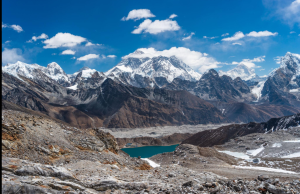
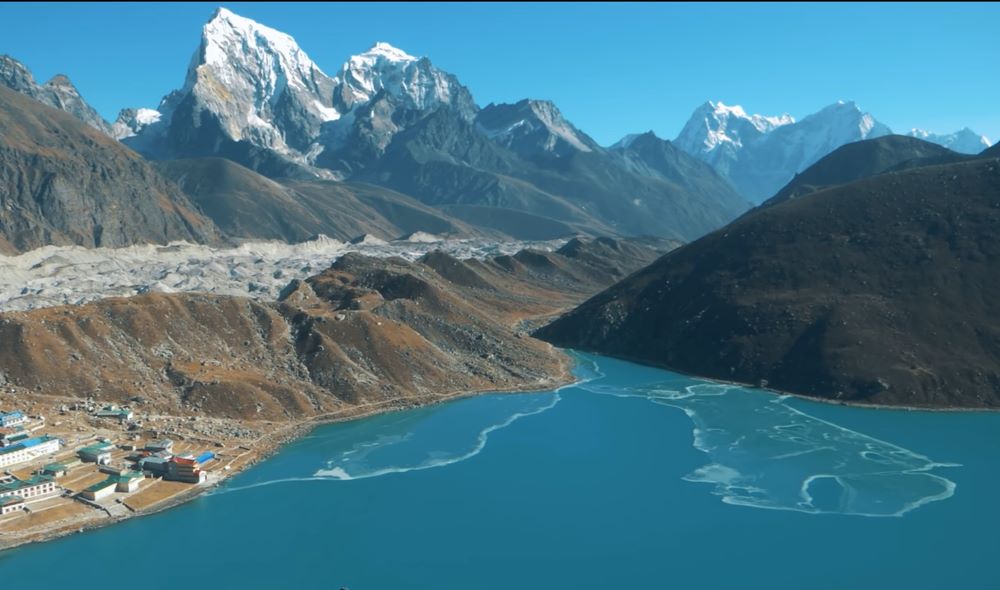
One of the most attractive features of the Everest Gokyo Trekking is the series of six sacred Gokyo Lakes. These lakes are considered holy by both Hindus and Buddhists. Their bright blue color, surrounded by snowy peaks and glaciers, creates one of the most beautiful natural scenes in the world.
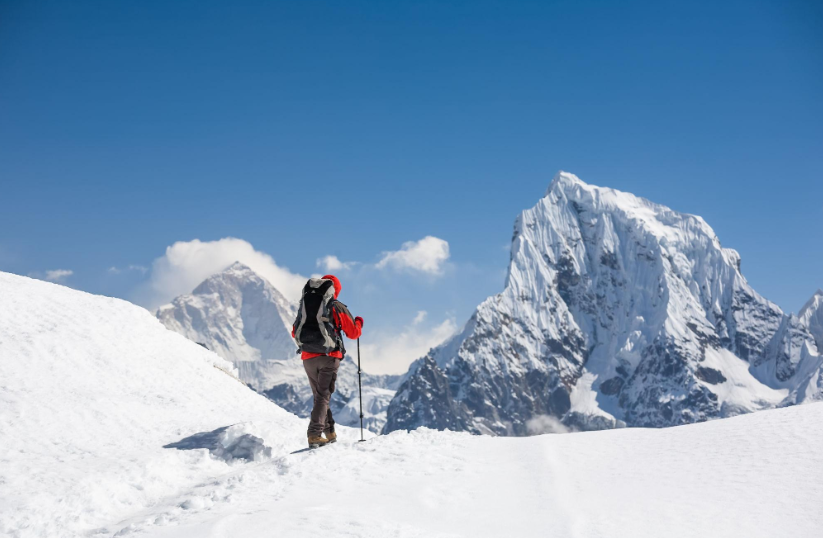
Another major highlight of the Everest Gokyo Trekking is the climb to Gokyo Ri (5,357 meters). This viewpoint offers a breathtaking 360-degree panorama of the Himalayas. From the top, trekkers can see four of the world’s highest peaks: Mount Everest, Lhotse, Makalu, and Cho Oyu. The sunrise view from Gokyo Ri is especially unforgettable.
The trekking route also passes through traditional Sherpa villages such as Namche Bazaar, Khumjung, and Phortse. These villages reflect the deep-rooted Himalayan culture. Trekkers can experience warm hospitality, local food, ancient monasteries, and Buddhist traditions along the way.
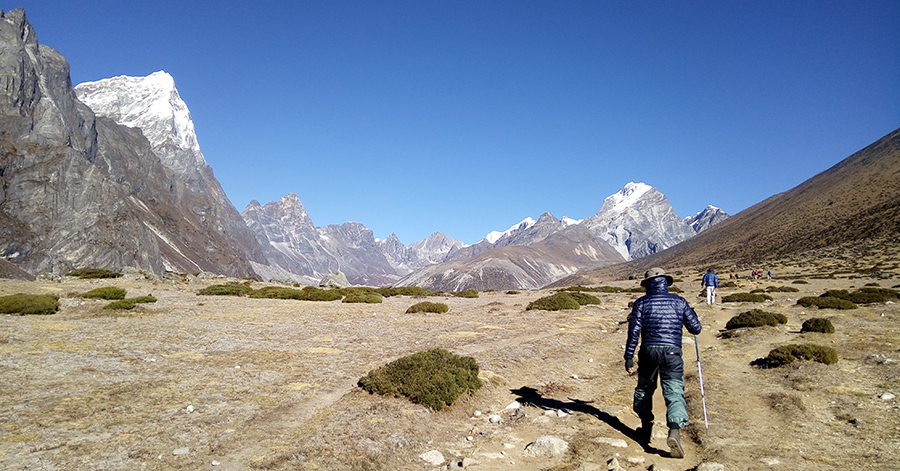
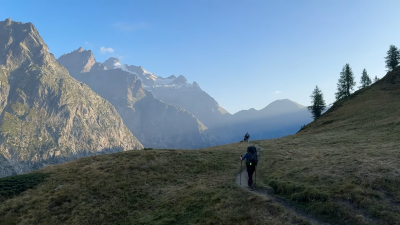
Everest Gokyo Trekking is also famous for its diverse landscapes. The journey starts from green forests and river valleys and gradually moves toward alpine meadows, rocky terrain, and icy glaciers. The changing scenery makes every day of trekking unique and exciting.
One of the key natural highlights is the massive Ngozumpa Glacier, the largest glacier in Nepal. Walking near this glacier gives trekkers a close view of raw Himalayan geography and glacial formations.
The trek is also considered a great option for acclimatization and adventure. Although it is challenging due to high altitude, it is achievable for well-prepared trekkers with moderate fitness. Proper pacing and rest days make the journey safe and enjoyable.
In terms of experience, Everest Gokyo Trekking offers a perfect balance of nature, culture, and adventure. It is not just about reaching a destination, but about enjoying every step through one of the most beautiful mountain regions on Earth.
Spring and autumn are the best seasons for the Everest Gokyo Trekking. During these months, the weather is stable, the skies are clear, and the mountain visibility is excellent. These conditions make the trekking experience even more rewarding.
Overall, Everest Gokyo Trekking is a dream journey for travelers seeking untouched beauty, peaceful trails, and iconic Himalayan views. It is one of Nepal’s most rewarding trekking routes, offering memories that last a lifetime.
Top Reasons to Choose the Everest Gokyo Lakes Trekking:
The Gokyo Lakes Trek lies in the Everest region of Nepal and offers a quieter, more scenic alternative to the classic Everest Base Camp route. It is famous for its lakes, glaciers, and panoramic Himalayan views.
1. Stunning Gokyo Lakes
The trek leads to the beautiful Gokyo Lakes, a series of sacred high-altitude turquoise lakes surrounded by snow peaks.
2. Located in the Everest region of Nepal
This trek is part of the world-famous Everest region, home to the highest mountains on Earth.
3. Amazing views from Gokyo Ri
From Gokyo Ri, you can see Everest, Lhotse, Makalu, and Cho Oyu in one panoramic view.
4. Less crowded trekking route
Compared to the Everest Base Camp trail, this route is quieter and more peaceful.
5. View of Ngozumpa Glacier
You will walk near the massive Ngozumpa Glacier, the largest glacier in Nepal.
6. Alternative Everest adventure
It offers a fresh perspective of the Everest region without the heavy crowds.
7. Authentic Sherpa culture
You pass traditional Sherpa villages and experience local Himalayan lifestyle.
8. Beautiful natural landscapes
Rivers, alpine valleys, and mountain scenery make the journey very scenic.
9. Great photography spots
The reflections of mountains in the lakes create perfect photography moments.
10. Can be combined with other routes
You can extend the trek to Everest Base Camp or cross high passes like Cho La Pass.
11-day Everest Gokyo Trekking OutlineOutline Itinerary
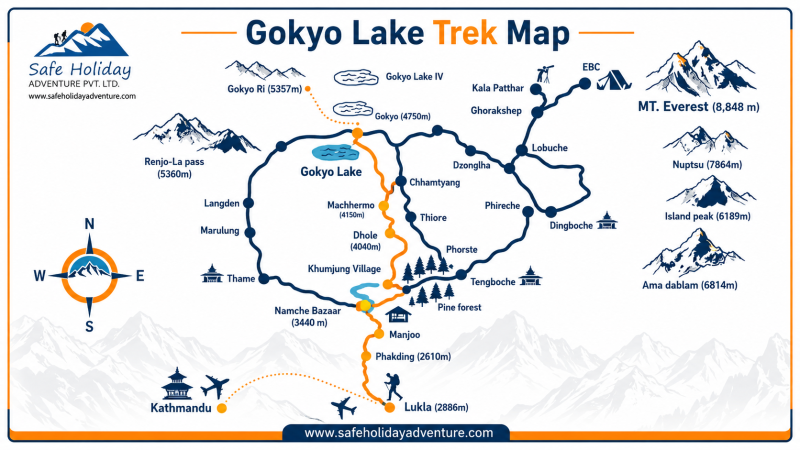
Everest Gokyo Trekking Including & Excluding:
- Airport Pickup and Drop-off: We’ll warmly welcome you at the airport and transfer you safely to your hotel in Kathmandu. At the end of your adventure, we’ll take you back to the airport for your departure.
- Comfortable Hotel Stay in Kathmandu: Enjoy 2 nights’ accommodation in a quality hotel with breakfast included, giving you a relaxing start and end to your trip.
- Everest National Park Entry Permits: We handle all the necessary permits required for your trek in the Everest National Park area.
- Khumbu Pasang Lhamu Rural Municipality Fee: All official fees related to trekking in this region are taken care of by us.
- Licensed Mountain Guide: A professional and experienced licensed mountain guide will accompany you throughout your trek to ensure safety and local insights.
- Guide Expenses Covered: We fully cover all guide-related costs, including their salaries, so you can focus on enjoying the trek.
- Ground Transportation: All ground transfers included in the itinerary are arranged for your comfort and convenience.
- Meals During the Trek: Enjoy a nutritious breakfast, lunch, and dinner every day to keep your energy up during the trek.
- Tea House Accommodations: Stay in comfortable and cozy tea houses along the trekking route.
- Duffel Bags Provided: If needed, we provide duffel bags for your gear, making packing easier.
- Basic Medical Support: Our guide or assistant guide carries basic medications to help with minor health concerns during your trek.
- Meals (lunch and dinner) in Kathmandu, so you can choose from a variety of local and international options.
- Personal travel and emergency insurance to ensure your peace of mind on the journey.
- Kathmandu city sightseeing tours allow you to explore at your own pace or add your favorite spots.
- Domestic and international flights for your convenience and schedule preferences.
- Personal expenses such as shopping, bar bills, tea, coffee, and other beverages, including alcoholic drinks.
- Nepal entry visa fees and any extra charges during your travels.
- Toiletries and personal items, so you can bring your preferred products.
- Emergency helicopter evacuation, which can be arranged through your insurance or personal funds.
- Tips for your dedicated guides and porters to show appreciation for their exceptional service.
Dates and Availability Departures
All our published dates are guaranteed departures. We also provide customized departures tailored to your travel plans.
October 2026
November 2026
Travellers Reviews
Brisa Allen
Australia | Feb ,2026
A Safe and Scenic Himalayan Trek – Gokyo Renjo La Pass Adventure
Two friends and I from Australia completed the 12-day Gokyo Renjo La Pass Trek with Safe Holiday Adventure Pvt. Ltd.. It was an incredible journey filled with stunning Himalayan views, beautiful Gokyo Lakes, and the challenging but rewarding crossing of Renjo La Pass.
We would like to sincerely thank our guide Dharma, who was extremely professional, knowledgeable, and caring throughout the trek. He ensured everything was well organized, safe, and smooth from beginning to end, while also sharing valuable insights about the mountains and local culture.
Special appreciation also goes to our porter Ram, whose hard work and dedication made the trek much easier for us. His support on the trail was highly appreciated and contributed greatly to our comfortable experience.
Overall, we had an unforgettable adventure and highly recommend the Gokyo Renjo La Pass Trek with Safe Holiday Adventure Pvt. Ltd. for anyone looking for a safe, well-managed, and memorable Himalayan trekking experience.
Mark
USA | 2025-02-2
𝗔𝗺𝗮𝘇𝗶𝗻𝗴 𝟭𝟲-𝗗𝗮𝘆 𝗘𝘃𝗲𝗿𝗲𝘀𝘁 𝗕𝗮𝘀𝗲 𝗖𝗮𝗺𝗽 – 𝗖𝗵𝗼𝗹𝗮 𝗣𝗮𝘀𝘀 – 𝗚𝗼𝗸𝘆𝗼 𝗧𝗿𝗲𝗸 𝗥𝗲𝘃𝗶𝗲𝘄 (𝗠𝗮𝗿𝗰𝗵 𝟮𝟬𝟮𝟲)
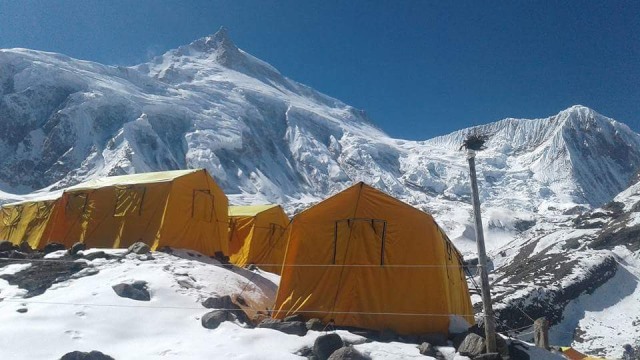
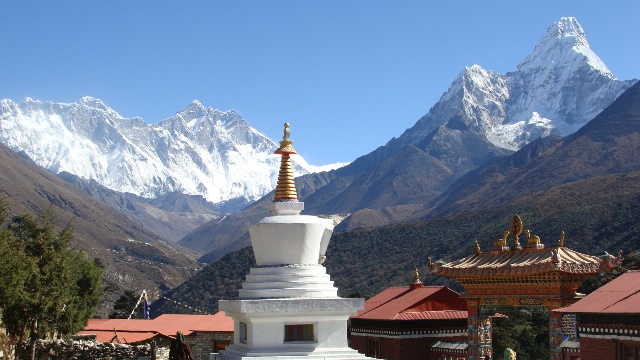
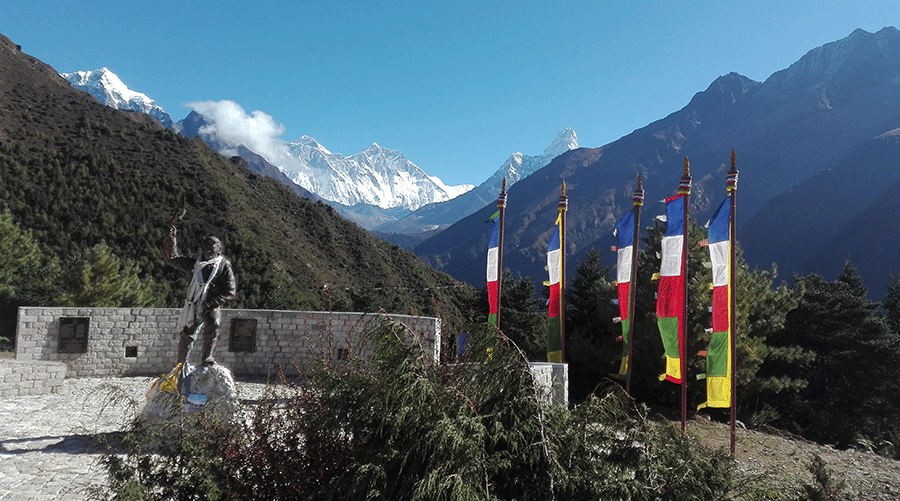
My name is Mark from the USA, and in March 2026 I completed one of the most incredible adventures of my life — the Everest Base Camp to Gokyo Trek via Cho La Pass. The trek lasted 16 days, and it was truly an unforgettable experience in the Himalayas.
I organized my trip with a local trekking company based in Kathmandu – Safe Holiday Adventure Pvt. Ltd., and I am very happy that I chose them. From the first email communication to the final day of the trek, everything was well organized and professional.
The journey started with a scenic flight from Kathmandu to Lukla, which was already an exciting experience. From Lukla we began trekking through beautiful Sherpa villages, suspension bridges, and forests of pine and rhododendron. Each day brought new landscapes and incredible mountain views.
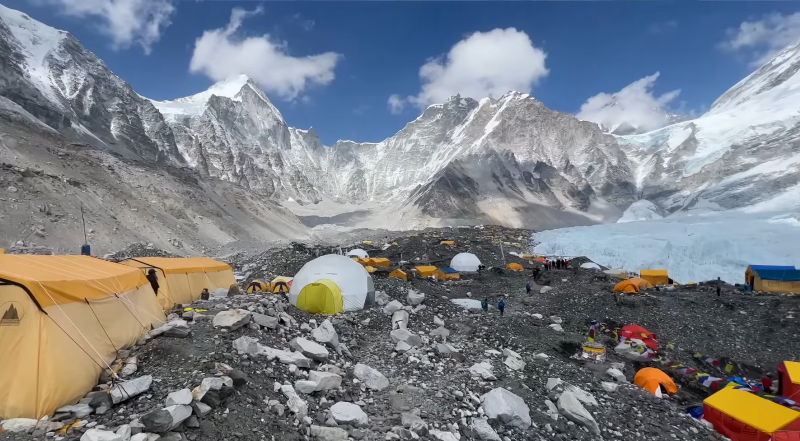
One of the highlights of the trek was reaching Everest Base Camp, where we stood at the foot of the world’s highest mountain. It felt amazing to finally arrive there after days of trekking through the Khumbu Valley. Seeing the Khumbu Glacier and the surrounding peaks was a moment I will never forget.
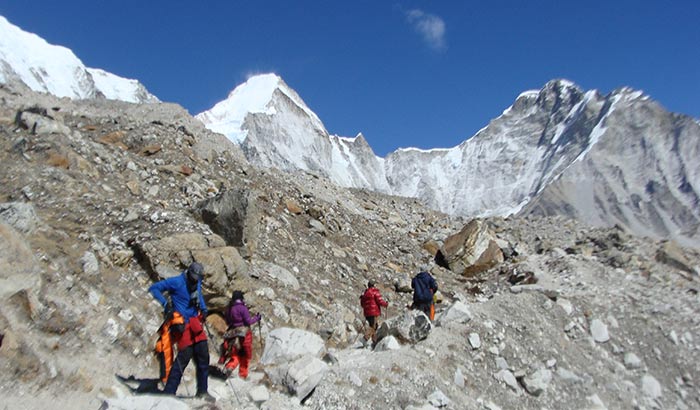
Another unforgettable part of the journey was crossing the Cho La Pass. This was the most challenging day of the trek but also one of the most rewarding. The trail was steep and icy in some places, but our guide Dharma was extremely experienced and made sure everyone was safe and comfortable. His knowledge of the mountains and the local culture made the trek much more enjoyable.
After crossing Cho La Pass, we continued toward the beautiful Gokyo Valley. The turquoise Gokyo Lakes were absolutely stunning and very peaceful compared to the busy Everest Base Camp trail. Climbing Gokyo Ri early in the morning gave us one of the best mountain views of the entire trip. From the top we could see Everest, Lhotse, Makalu, and Cho Oyu — an unforgettable panorama.
I would especially like to thank our guide Dharma and our porter Prem. Dharma was very friendly, professional, and always made sure we were safe and comfortable during the trek. He explained many things about Sherpa culture, the mountains, and local life. Our porter Prem was also amazing. He worked very hard every day and always greeted us with a smile.
The tea houses during the trek were comfortable, the food was good, and the overall organization by Safe Holiday Adventure Pvt. Ltd. was excellent. They arranged everything smoothly including permits, flights, accommodation, and trekking logistics.
This 16-day Everest Base Camp – Cho La Pass – Gokyo Trek was definitely one of the best adventures I have ever done. The combination of Everest Base Camp, the challenging Cho La Pass crossing, and the peaceful beauty of Gokyo Lakes makes this trek very special.
I highly recommend Safe Holiday Adventure Pvt. Ltd., Kathmandu to anyone planning a trek in Nepal. They are a trustworthy local company with experienced guides and excellent service.
Thank you again to the whole team for making this journey such an amazing experience. I hope to come back to Nepal again in the future for another Himalayan adventure.
— Mark, USA



Andrea
Australia | Dec 2025
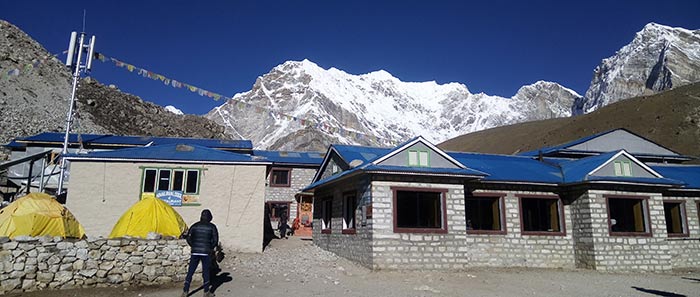
EBC – CHO LA PASS TREK Great Hike
Marco Jurado
Peru | oct,2025
Safe, Scenic, and Well-Guided Gokyo Renjo La Pass Trek
My wife and I, Marco Jurado, completed the Gokyo Renjo La Pass Trek – 9 Days with Safe Holiday Adventure Pvt. Ltd., and it was an outstanding experience. The trek was perfectly organized, offering breathtaking views of the Gokyo Lakes, snow-capped Himalayan peaks, and the challenging Renjo La Pass.
Our guide Dharma was extremely professional, knowledgeable, and attentive. He ensured our safety at all times, managed altitude very well, and shared valuable insights about the Everest region. Our porter Muskan was strong, reliable, and always cheerful, making the trek comfortable and stress-free.
We highly recommend Safe Holiday Adventure for anyone planning the Gokyo Lakes Renjo La Pass Trek in Nepal.
Marcos lopez
Brazil | 2025-7-14
One of my memorable Hiking fun- Thank you
I had the privilege of embarking on the Everest Base Camp Trek for 12 days with your agency, and I am thrilled to share that it surpassed all my expectations. From the moment I reached out to your team, I was impressed by your professionalism and attention to detail. The journey itself was impeccable, thanks to the expertise of our trekking guide and the comfort of the accommodations provided.
The Everest Base Camp Trek offered an unparalleled adventure, showcasing the majestic beauty of the Himalayas and immersing us in the awe-inspiring landscapes of Nepal. Each day brought new vistas and challenges, yet our guide ensured we were well-prepared and supported throughout the trek.
I want to express my sincere gratitude to Safe Holiday Adventure for orchestrating such an unforgettable expedition. Your flawless organization ensured that every aspect of the trek ran seamlessly, allowing us to fully embrace the grandeur of the Himalayas. I wholeheartedly recommend your agency to anyone seeking an extraordinary adventure in Nepal.
Thank you once again for the exceptional service and unforgettable experience.
Warm regards,
Marcos Lopez
Genaral Trip InfoInfos
Everest Gokyo Trekking Difficulty Level:
Everest Gokyo Trek for Beginners:
Everest Gokyo Trek is a great option for beginners who want a Himalayan adventure without extreme difficulty. It offers stunning views of mountains, peaceful valleys, and the beautiful Gokyo Lakes. The trail is moderately challenging, so basic fitness and slow, steady walking are enough to enjoy the journey.
For beginners, short hiking practice before the trek is helpful. Good preparation and gradual walking make the experience easier and safer. Altitude can be a challenge, so proper acclimatization is very important. With a guide and a relaxed pace, beginners can fully enjoy amazing views of Everest, Cho Oyu, and Gokyo Ri.
Everest Gokyo Trekking Cost: Estimation:
The Everest Gokyo Trekking usually costs between USD 900 to 2,500 per person, depending on your travel style. Budget trekkers who go independently spend less, while guided and luxury packages cost more but offer better safety and comfort.
Most trekkers choose a standard guided trek, which costs around USD 1,200 to 1,800. This includes flights from Kathmandu to Lukla, trekking permits, a licensed guide, a porter, accommodation in teahouses, and daily meals during the trek.
Extra expenses like snacks, Wi-Fi, hot showers, and travel insurance are not always included. These can add a small daily cost. Overall, the Everest Gokyo Trek is a great value for the experience of Himalayan mountains, lakes, and Sherpa culture.
Weather on the Gokyo Trekking:
Essential Gear and Equipment for the Everest Gokyo Trekking
The Everest Gokyo trek requires appropriate gear and equipment to ensure the safety and comfort of the trekkers. Some of the necessary items include:
- Trekking boots with good ankle support and treaded soles,
- Insulated jacket, fleece, and windproof shell for layering,
- Trekking pants and shorts,
- Warm hat, gloves, and buff for protection against cold and wind,
- Sunglasses with UV protection,
- Sunscreen and lip balm with high SPF,
- Water bottles and water purification tablets or filters,
- Headlamp or flashlight with extra batteries,
- Trekking poles for stability and support,
- Backpack with rain cover,
- Sleeping bag and liner for cold nights,
- Basic first aid kit with medication for altitude sickness.
It is important to pack light and bring only the necessary items to avoid overburdening the porter and affecting the trekking experience.
Everest Gokyo Trekking Tips: What Every Trekker Should Know
- Take your time and acclimatize properly,
- Drink plenty of water,
- Pack warm and waterproof clothing,
- Bring snacks and energy bars,
- Use trekking poles to help with balance and reduce stress on your knees.
- Bring a good camera to capture the stunning views,
- Pack a first aid kit and any necessary medications,
- Be prepared for the possibility of flight delays,
- Respect the local culture and customs,
- Hire a reliable and experienced guide or trekking agency.
Cost of Guide and Porter for Gokyo Lake Trek:
The guide cost for the Everest Gokyo Trek is usually charged on a daily basis.
A licensed trekking guide costs about USD 25 to 35 per day. This normally includes their salary, food, and accommodation during the trek.
For a standard trek of 12 to 14 days, the total guide cost is:
- 12 days: USD 300 to 420
- 14 days: USD 350 to 490
If you share the guide with other trekkers, the cost becomes much cheaper per person.
An optional porter costs around USD 20 to 25 per day, which adds extra to the total budget if needed.
Entry Checkpoints for Gokyo Trekking
The Everest Gokyo Trek has several official entry checkpoints where permits are checked and trekkers register their details. These points help monitor trekking safety and movement in the Everest region.
1. Lukla (First Checkpoint)
Lukla is the main entry point of the trek, where most trekkers arrive by flight. Permit verification often begins here, and it marks the official start of the trekking route.
2. Monjo (Second Checkpoint)
Monjo is the entrance to the Sagarmatha National Park. Trekkers must show their permits here before continuing toward Namche Bazaar.
3. Namche Bazaar (Third Checkpoint)
Namche is the most important town in the region. Another permit registration and police checkpoint is located here for tracking and safety purposes.
4. Phortse Thanga (Fourth Checkpoint)
This is a smaller checkpoint along the Gokyo Valley route. It is used mainly for monitoring trekking flow and ensuring permit compliance in the upper region.
The main checkpoints on the Gokyo trekking route are Lukla, Monjo, Namche Bazaar, and Phortse Thanga, each serving for permit verification and safety control throughout the journey.
Best Months for Everest Gokyo Trekking
The best time for the Everest Gokyo Trek is spring (March to May) and autumn (September to November). These months offer clear skies, stable weather, and excellent mountain views. Temperatures are moderate, making trekking comfortable. Winter is very cold, and the monsoon season brings rain, clouds, and poor visibility.
WiFi and Charging Facilities on the Everest Gokyo Trek
WiFi and charging facilities are available on the Everest Gokyo Trek, but they are limited and not always reliable. In lower villages like Lukla, Namche Bazaar, and Phortse Thanga, you can find WiFi in teahouses, hotels, and lodges. However, the internet speed is often slow and may cost extra. As you go higher, the connection becomes weaker or may not work at all.
Charging facilities are also available in most teahouses along the trail. You can charge your phone, camera, or power bank, but it usually comes with an additional fee, especially in higher altitude areas like Gokyo and Gokyo Ri. It is strongly recommended to carry a power bank or solar charger for backup. Electricity is limited in remote villages, so plan your usage carefully.
Packing List for Everest Gokyo Trek:
Clothing
- Down jacket
- Fleece jacket
- Thermal base layers
- Waterproof jacket & pants
- Warm gloves & wool hat
- Trekking socks
Footwear
- Waterproof trekking boots
- Light camp shoes/sandals
Gear
- Backpack (30–50L)
- Sleeping bag (cold rated)
- Trekking poles
- Headlamp + extra batteries
- Sunglasses
Personal Items
- Sunscreen & lip balm
- First aid kit & basic medicines
- Water bottle/hydration pack
- Toiletries
Extras
- Energy bars/snacks
- Passport & trekking permits
Guide vs Solo Trekking on the Everest Gokyo Trek
Mobile Network in the Gokyo Trek (Everest Region)
Mobile network is available on parts of the Gokyo Trek, but it becomes weaker as you go higher into the mountains.
In the lower villages like Lukla, Phakding, and Namche Bazaar, you can usually get a stable signal. Both Nepal Telecom (NTC) and Ncell work in these areas, and you can make calls or use mobile data without much problem.
After Namche Bazaar, as you move toward Dole, Machhermo, and Gokyo, the signal becomes weak and unstable. In many places, mobile data may not work at all, and calls can drop frequently.
At higher elevations near Gokyo Lakes and viewpoints, mobile coverage is very limited or sometimes completely unavailable due to mountains and remote location.
Detailed ItineraryItinerary
Arrival at Kathmandu (1,350 m / 4,429 ft)
Trip Fact: No trekking, Arrival & transfer | Distance: N/A | Trek hours: N/A | Highlights: Kathmandu
Upon arrival at Kathmandu International Airport, you will be warmly greeted by a representative of Safe Holiday Adventure Pvt. Ltd. and transferred to your hotel. After check-in, take some time to rest and recover from your flight. In the evening, enjoy a welcome dinner with your guide or agency representative, where you will get a brief overview of the trek, tips on altitude trekking, and local customs. Kathmandu offers a vibrant atmosphere, and this day allows you to adjust to Nepal’s environment, relax, and prepare mentally for the exciting journey ahead. Overnight stay is in Kathmandu.
Accommodation : Hotel
Kathmandu to Lukla Flight, Trek to Phakding (2,640 m / 9,383 ft)
Trip Fact: Ascending slightly | Distance: 8 km | Trek hours: 3 hrs | Highlights: Lukla flight, Dudh Koshi River, Sherpa villages
Early morning, enjoy a scenic flight from Kathmandu to Lukla (30–45 minutes), where the adventure officially begins. After landing, start trekking to Phakding, following the Dudh Koshi River, crossing suspension bridges, and passing small Sherpa villages. The trail is relatively easy, offering time to enjoy mountain vistas and observe local life. This initial trekking day helps your body adjust to higher altitudes, and the charming villages provide cultural immersion. Arriving in Phakding, rest at a cozy tea house and soak in the tranquil environment, preparing for the steeper ascent to Namche Bazaar tomorrow. Overnight stay in Phakding.
Accommodation : Tea House
Phakding to Namche Bazaar (3,440 m / 11,286 ft)
Trip Fact: Ascending | Distance: 10 km | Trek hours: 5 hrs | Highlights: Sagarmatha National Park, Hillary Bridge, mountain views
Today begins with an early start, trekking from Phakding towards Namche Bazaar. Enter Sagarmatha National Park, a UNESCO World Heritage Site, and pass through Monjo checkpoint. Cross several suspension bridges, including the famous Hillary Bridge, with stunning views of the Dudh Koshi River. The trail steadily climbs through pine and rhododendron forests, passing Jorsalle, the last village before Namche. The final ascent is steep but rewarding, offering panoramic views of Mt. Everest and Lhotse. Namche Bazaar, the largest town in Khumbu, is a hub of Sherpa culture with shops, restaurants, and vibrant markets. Overnight in Namche, ideal for acclimatization.
Accommodation : Tea House
Rest Day at Namche Bazaar
Trip Fact: Acclimatization | Distance: Optional short hikes | Trek hours: N/A | Highlights: Everest View Hotel, Sherpa Museum, local market
A rest day at Namche Bazaar allows your body to acclimatize to a higher altitude. You can explore the local market, interact with Sherpa locals, or hike to the Everest View Hotel for breathtaking Himalayan panoramas. Visit the Sherpa Cultural Museum to learn about local traditions, religion, and history. The day is designed to prepare physically and mentally for the challenging trails ahead. Enjoy a relaxed day, savor local cuisine, and take in the vibrant atmosphere of this iconic mountain town. Overnight stay is in Namche Bazaar.
Namche Bazaar to Dole (4,110 m / 13,484 ft)
Trip Fact: Ascending | Distance: 11 km | Trek hours: 6 hrs | Highlights: Rhododendron forest, Mong La village, panoramic views
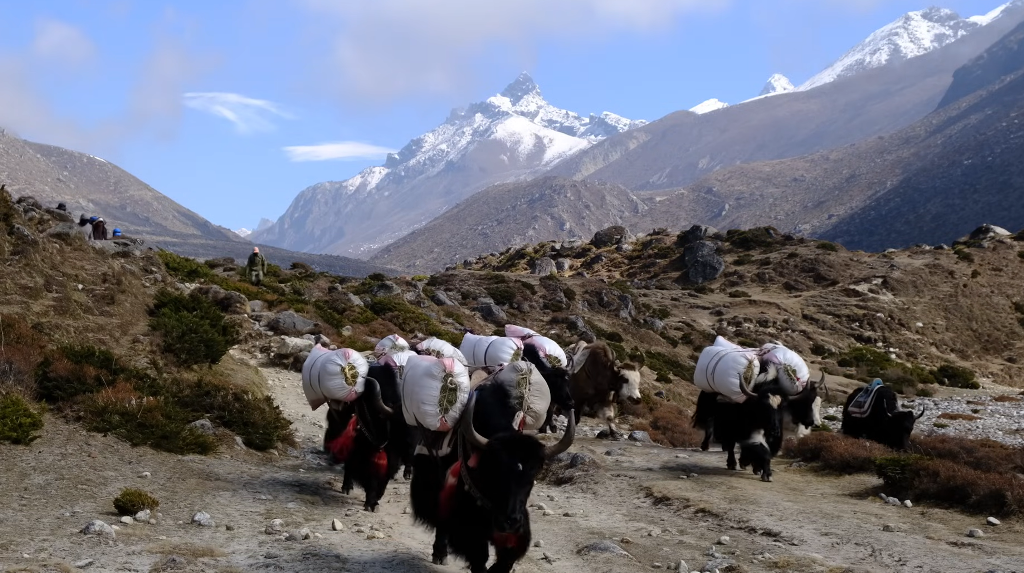
Start early with a trek from Namche Bazaar to Dole, passing through Sanasa and Mong La villages. The trail climbs gradually through rhododendron and juniper forests, offering stunning valley views. Mong La, perched on a ridge, is a perfect spot to rest and photograph the scenery. The trail is moderately challenging, with gradual ascents and opportunities to observe local wildlife and grazing yaks. Dole is a peaceful village nestled in the valley, ideal for rest and acclimatization. Enjoy a warm meal and soak in the surrounding mountain beauty before continuing the trek. Overnight stay in Dole.
Accommodation : Tea House
Dole to Machhermo (4,470 m / 14,665 ft)
Trip Fact: Ascending | Distance: 8 km | Trek hours: 4 hrs | Highlights: Rugged landscapes, yak grazing areas, alpine scenery
The trek from Dole to Machhermo begins with a gradual climb, surrounded by rhododendron forests and rugged terrain. The trail is scenic, passing small settlements and grazing areas where yaks are commonly seen. Vegetation becomes sparse as altitude increases, but the mountain views become even more spectacular. Machhermo, nestled in a serene valley, offers breathtaking vistas of the surrounding peaks. The trek is moderately challenging but highly rewarding, allowing trekkers to enjoy the tranquil Himalayan environment. Overnight stay is in Machhermo, where you can relax and admire the serene mountain beauty.
Accommodation : Tea House
Machhermo to Gokyo (4,750 m / 15,583 ft)
Trip Fact: Ascending | Distance: 7 km | Trek hours: 4 hrs | Highlights: Gokyo Lakes, village views, panoramic peaks
From Machhermo, trek to the Gokyo Valley, passing the first, second, and third Gokyo Lakes, known for their crystal-clear blue waters. The trail is slightly steep but offers incredible views of the surrounding peaks, including Cho Oyu and Ngozumpa Glacier. Upon arrival at Gokyo village, enjoy the peaceful atmosphere, surrounded by majestic mountains and serene lakes. This day provides opportunities for photography and short hikes, with the unique alpine environment being the highlight. Overnight stay in Gokyo, preparing for the summit hike to Gokyo Ri tomorrow.
Accommodation : Tea House
Gokyo Ri (5,380 m / 17,650 ft) Hike, Return to Machhermo (4,400 m)
Trip Fact: Ascending & Descending | Distance: 12 km | Trek hours: 7 hrs | Highlights: Gokyo Ri summit, Everest panorama, steep descent
Start early to hike Gokyo Ri, the highest point in the valley, offering unparalleled views of Mt. Everest, Lhotse, Makalu, and Cho Oyu. The climb is challenging but worth the effort, with steep sections and rocky terrain. After enjoying the panoramic summit views, descend back to Machhermo. The trail back is steep and requires caution, but the journey offers magnificent vistas of glaciers, lakes, and mountains. This day combines both ascents and descents, making it physically demanding yet incredibly rewarding. Overnight stay in Machhermo.
Accommodation : Tea House
Machhermo to Mong Danda (3,973 m / 13,035 ft)
Trip Fact: Descending with occasional ascents | Distance: 12 km | Trek hours: 6 hrs | Highlights: Phortse Thanga, Dole, Ama Dablam views
After breakfast, descend from Machhermo through Dole and Phortse Thanga, enjoying open cliffs, alpine forests, and wildlife sightings such as musk deer and Lophophorus birds. The trail alternates between descent and short ascents before reaching Mong Danda, offering spectacular views of Ama Dablam, Thamserku, and surrounding peaks. The trek is moderately challenging but visually rewarding, with multiple stops for photos and refreshments. Mong Danda is a quiet village, perfect for rest amidst the stunning mountain scenery. Overnight stay in Mong Danda.
Accommodation : Tea House
Mong Danda to Phakding (2,660 m / 8,727 ft)
Trip Fact: Descending | Distance: 16 km | Trek hours: 6 hrs | Highlights: Sherpa villages, riverside trails, Namche Bazaar stop
Begin the descent from Mong Danda to Phakding, passing through Sanasa, Kyangjuma, and Namche Bazaar. The trail follows mountain cliffs and riversides, offering glimpses of traditional Sherpa life and beautiful landscapes. Stop at Namche Bazaar for lunch and rest, then continue to Phakding along the Dudh Koshi River, crossing charming villages like Jorsalle, Monjo, Banker, and Toktok. The trek is mainly downhill, allowing for a gentle pace and reflection on the journey. Phakding provides a tranquil evening setting to relax before the final stretch to Lukla. Overnight stay in Phakding.
Accommodation : Tea House
Phakding to Lukla (2,860 m / 9,383 ft)
Trip Fact: Ascending slightly | Distance: 9 km | Trek hours: 3 hrs | Highlights: Ghat hill, Sherpa villages, Lukla celebration
Trek from Phakding to Lukla, with gentle ascents and descents, passing Ghat village and Dhado Koshi with Buddhist painting stones and mani walls. The trail continues through Chhplung village, providing a mix of cultural and natural sights. After approximately 3 hours, arrive in Lukla, marking the completion of the main trekking route. Celebrate your achievement with your guide and team, reflecting on the memorable landscapes, lakes, and Himalayan peaks encountered along the way. Overnight stay in Lukla.
Accommodation : Tea House
Lukla to Kathmandu Flight
Trip Fact: No trekking, flight only | Distance: N/A | Trek hours: N/A | Highlights: Scenic flight, Kathmandu arrival
Enjoy a scenic early morning flight from Lukla to Kathmandu, lasting about 30 minutes. Upon arrival, transfer to your hotel for rest and recovery. The flight provides a final panoramic view of the Himalayas, including Mt. Everest, before returning to the city. During peak seasons, flights may be rerouted via Ramechhap Airport, but outside peak months, direct flights operate regularly. Spend the rest of the day relaxing, shopping, or exploring Kathmandu. Overnight stay in Kathmandu.
Accommodation : Hotel
Departure Day
Trip Fact: End of trip | Distance: N/A | Trek hours: N/A | Highlights: Farewell, scenic reflection
After breakfast, transfer to Kathmandu International Airport for your onward journey. Reflect on the breathtaking Khumbu landscapes, serene Gokyo Lakes, and towering Himalayan peaks experienced during the trek. Your journey with Safe Holiday Adventure Pvt. Ltd. concludes, leaving you with unforgettable memories of adventure, culture, and natural beauty. Farewell and safe travels!
Everest Base Camp and Gokyo Lakes Trek – 14 Days FAQs
The Gokyo Trek is moderately challenging. It involves steep ascents and descents, and the altitude can be demanding. However, it’s manageable with proper preparation and acclimatization.
The Gokyo Trek typically takes about 12 to 14 days to complete, depending on the route and the pace of trekking. This duration includes acclimatization days to adjust to high altitudes.
The best times for the Gokyo Trek are during the pre-monsoon (spring) season from March to May and the post-monsoon (autumn) season from September to November. These months offer stable weather and clear mountain views.
Highlights of the Gokyo Trek include stunning views of Himalayan peaks like Everest, Cho Oyu, and Makalu, turquoise Gokyo Lakes, and the challenging ascent of Gokyo Ri for panoramic vistas.
Gokyo Ri stands at an altitude of approximately 5,357 meters (17,575 feet) above sea level. It offers one of the best panoramic views of Everest and neighboring peaks.
Trekkers need the Sagarmatha National Park Entry Permit and the TIMS (Trekkers’ Information Management System) card for the Gokyo Trek. These permits are obtainable in Kathmandu or at entry points to the park.
The weather on the Gokyo Trek varies with the season. During trekking seasons (spring and autumn), days are generally mild with clear skies. Nights can be cold, especially at higher altitudes.
Yes, altitude sickness can be a concern on the Gokyo Trek due to the high altitudes reached. It’s important to acclimatize properly, stay hydrated, and be aware of symptoms such as headaches or nausea.
To prepare for the Gokyo Trek, focus on cardiovascular fitness, strength training, and hiking. Pack appropriate gear, including layers for varying temperatures, sturdy footwear, and a good backpack.
Yes, there are tea houses and lodges along the Gokyo Trek route. These provide basic accommodation and meals such as dal bhat (rice and lentils), noodles, and tea.
Essential gear for the Gokyo Trek includes trekking boots, warm clothing layers, a sleeping bag suitable for cold temperatures, a backpack, trekking poles, and personal hygiene items.
The Gokyo Trek can be done independently, but it’s recommended to hire a guide or join a trekking group for safety, navigation, and cultural insights. Guides also assist with logistics and permits.
Yes, there are alternative routes and variations of the Gokyo Trek, such as combining it with the Everest Base Camp Trek or extending the trek to include Cho La Pass or Renjo La Pass for added challenge and scenery.
The costs of the Gokyo Trek vary depending on factors like the trekking season, services included (such as guide and porter service, permits, meals, and accommodation), and personal spending habits. Budget around USD 1,500 to USD 2,500 per person for a standard trekking package.
Yes, helicopter services are available for emergencies or for those who prefer a quicker return to Kathmandu. These services can be arranged through trekking agencies or directly in Namche Bazaar or Kathmandu.
Refund & Cancellation Policy
- Booking requires 20% non-refundable deposit (Nepal) or 100% upfront (Tibet/Bhutan).
- Remaining payment due before the trip or on arrival (trip-dependent).
Cancellation charges:
- 31+ days: 20%
- 16–30 days: 45%
- 8–15 days: 75%
- 7 days or less: 90%
- Prices may change due to flights, taxes, or exchange rates.
- Trip changes are allowed, but extra costs apply.
- If the company cancels, a full refund, except for unavoidable events (some costs deducted).
- Good health and travel insurance are mandatory.
- No refund if removed for unsafe or illegal behavior.
- Travel involves personal risk, which the client accepts.