
24 Apr 2026 9 min to read
Trekking to Annapurna Base Camp (ABC) is one of the most rewarding adventures in Nepal. In just four days, you pass through lush rhododendron forests, terraced villages, rushing rivers, and finally reach the heart of the Annapurna Sanctuary—surrounded by towering Himalayan peaks.
But here’s the truth many first-time trekkers underestimate: what you pack can make or break your experience.
Pack too much, and every step feels exhausting. Pack too little (or the wrong gear), and you risk discomfort, cold, or even danger.
This guide is designed to solve that problem.
Whether you’re a beginner or a seasoned trekker, this complete Annapurna Base Camp packing list for a 6-day trek will help you travel smart, stay comfortable, and enjoy every moment of the journey.
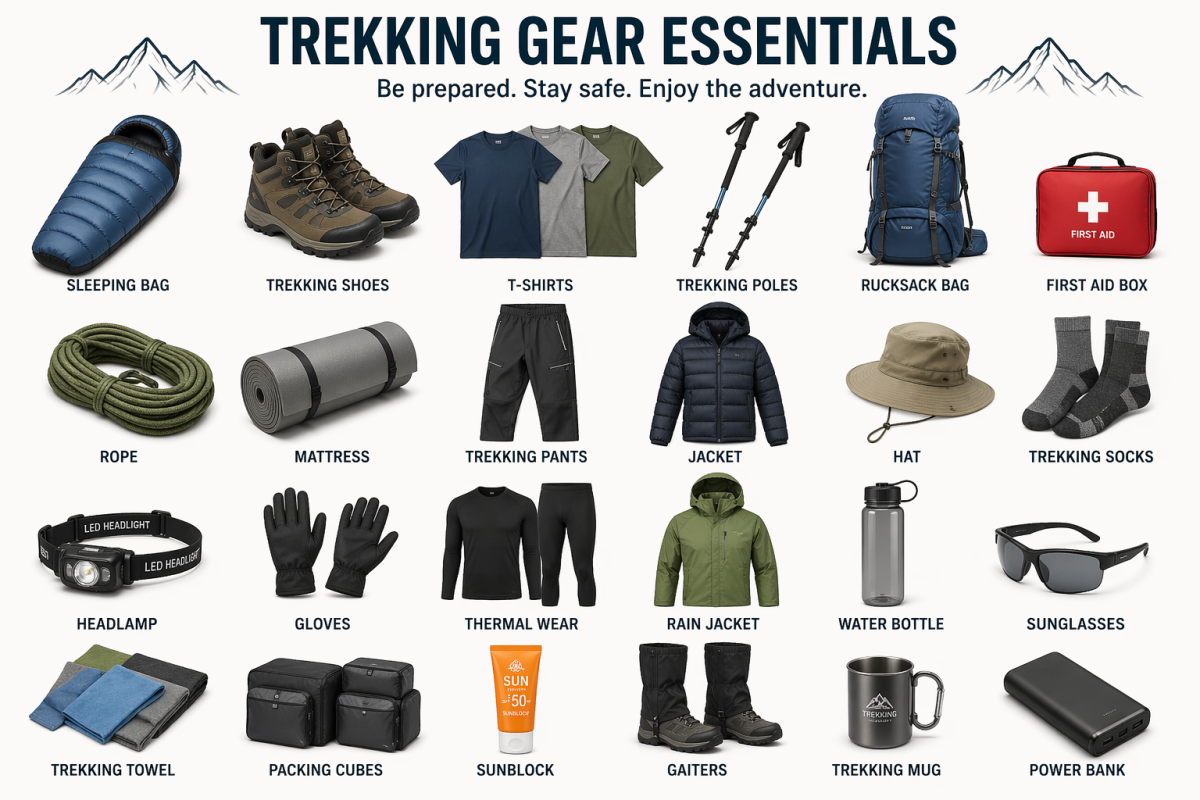
Packing smart for the Annapurna Base Camp trek is not a small detail—it defines the entire journey.
This is a trail where every step climbs deeper into the mountains, where the air gets thinner, the paths steeper, and the margin for error smaller. What you carry becomes part of your experience. A well-packed bag feels invisible; a poorly packed one becomes a burden you notice with every breath.
Smart packing is about control. It allows you to move freely, adapt to sudden weather shifts, and stay focused on the landscape instead of your discomfort. When the temperature drops near base camp or the trail turns into endless stone steps, the right layers, the right weight, and the right essentials make the difference between struggle and enjoyment.
It also reflects respect—for the mountains and for yourself. The Himalayas reward preparation and punish excess. Carry too much, and you drain your energy before reaching the best views. Carry too little or the wrong items, and you compromise safety in an environment that demands readiness.
A smart pack is efficient, purposeful, and disciplined. It supports you without slowing you down. It keeps you ready without weighing you down. And most importantly, it allows you to experience the Annapurna region the way it’s meant to be experienced—focused, present, and fully engaged with every step toward base camp.
The goal is simple:
Carry everything you need — and nothing you don’t.
For a 6-day trek, your backpack should ideally weigh:
Remember: every extra kilo becomes noticeable after a few hours of climbing.
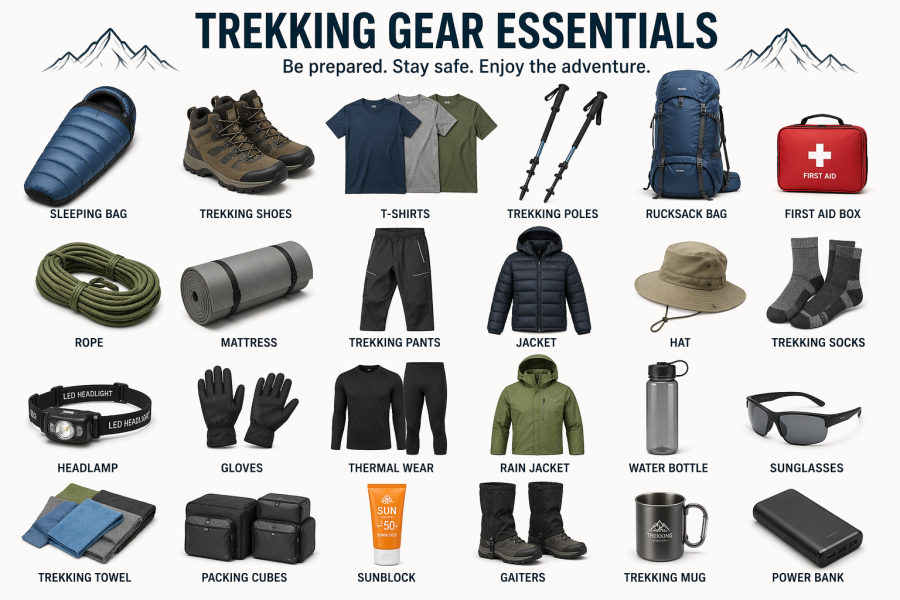
The weather in the Annapurna region can change quickly—from warm sunshine to freezing winds within hours. The key is layering.
These help regulate body temperature and keep sweat away from your skin.
Temperatures drop significantly at night, especially at Machapuchare Base Camp and ABC.
Weather in the mountains is unpredictable. A good shell layer protects against rain, wind, and even snow.
Avoid jeans—they’re heavy and dry slowly.
Your feet do all the work—don’t compromise here.
Blisters can ruin your trek, so test your boots before arriving.
Perfect for relaxing at tea houses after a long day.
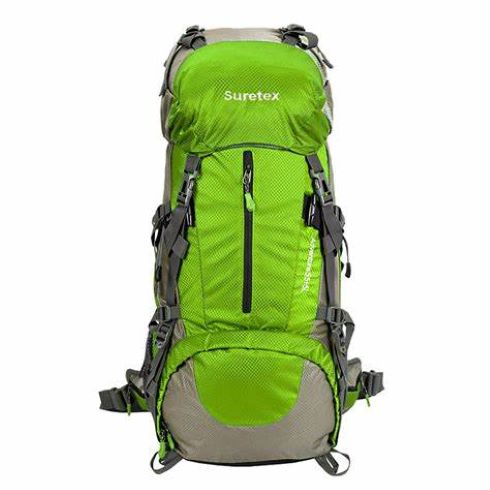
For a 4-day trek, a medium-sized backpack is enough.
Look for:
If you hire a porter, carry a small daypack for essentials:
Keep your items organized and dry—especially important in rainy conditions.
Most tea houses provide blankets, but they may not always be sufficient.
If you’re trekking in colder months, this becomes essential.
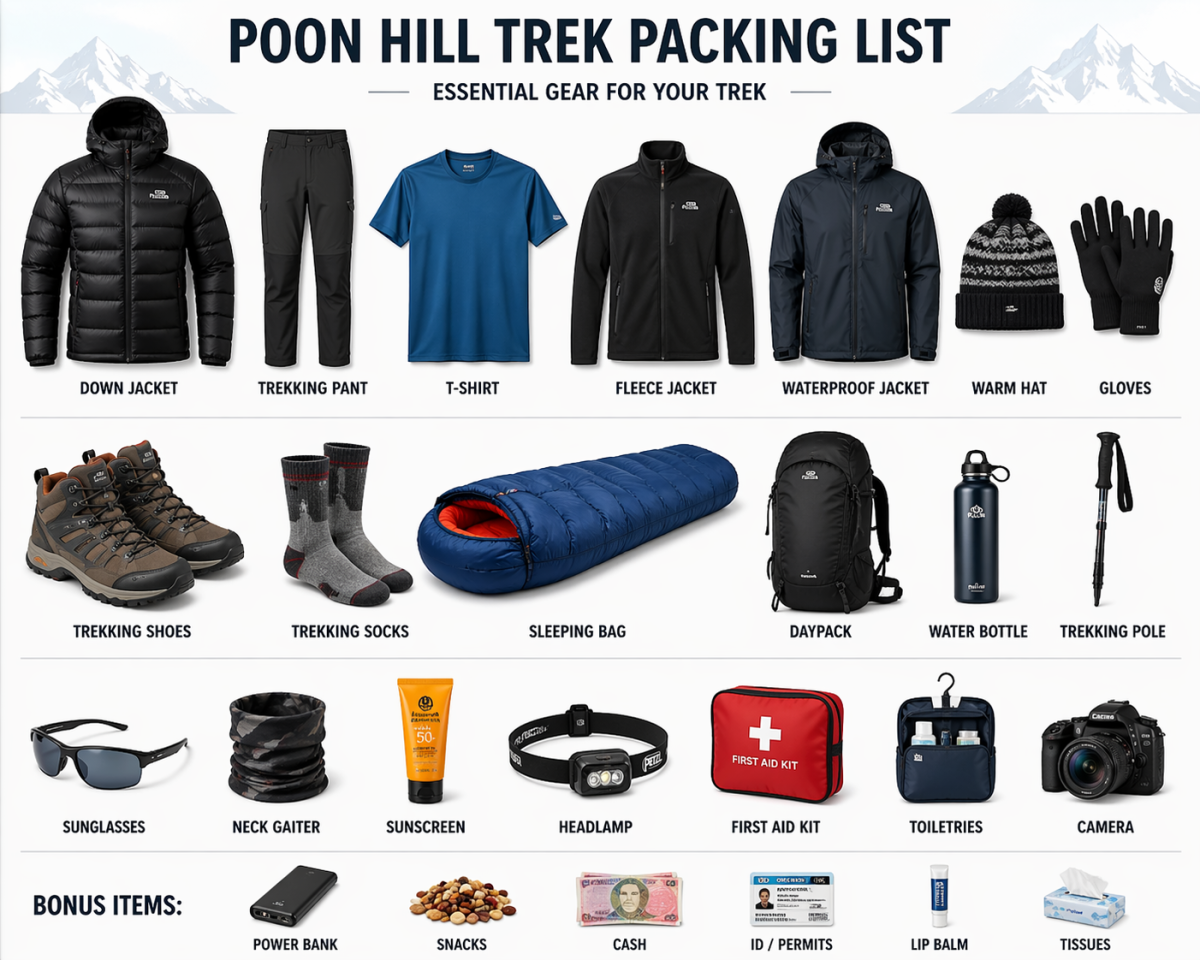
These small items make a big difference.
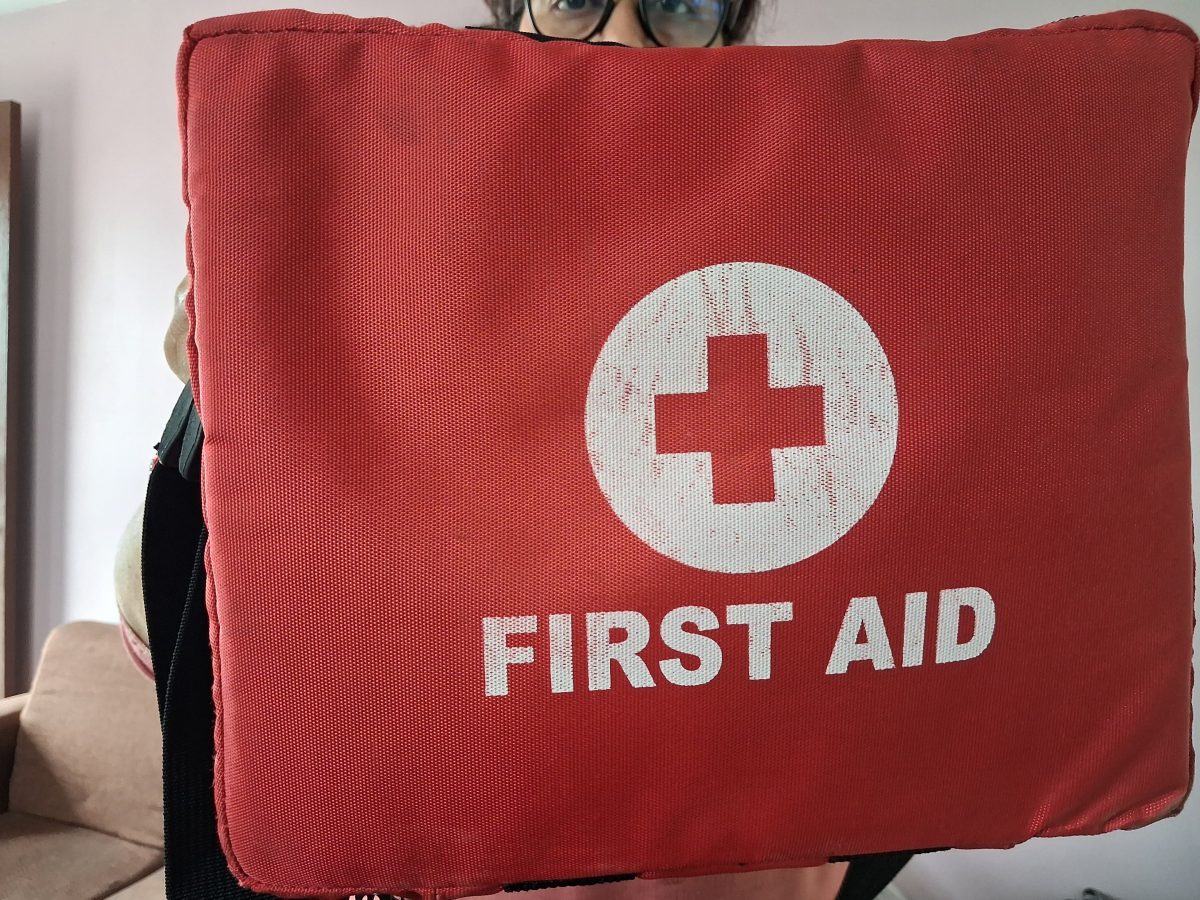
You won’t find pharmacies along the trail, so carry your essentials.
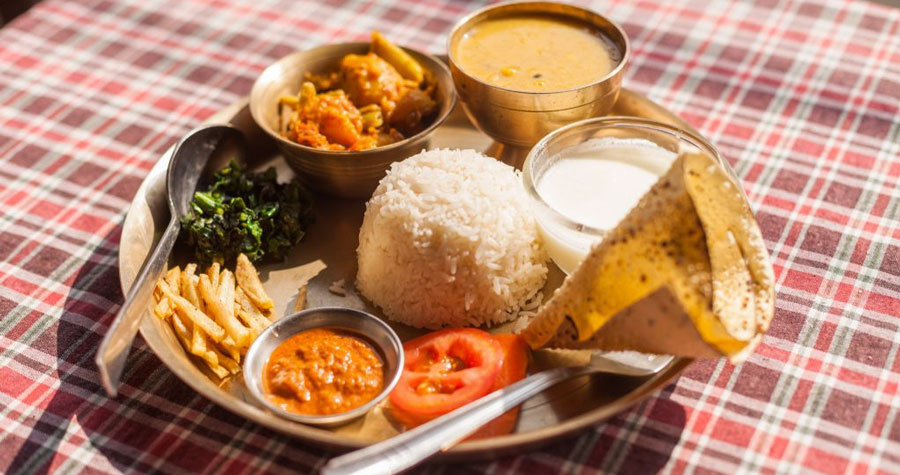
Along the route to Annapurna Base Camp, tea houses provide reliable, freshly cooked meals that keep trekkers fueled day after day. The staple dish is Dal Bhat, a balanced combination of rice, lentil soup, vegetables, and pickles. It is filling, nutritious, and designed for endurance—exactly what your body needs for long trekking hours.
Menus also commonly include noodles, fried rice, soups, pancakes, porridge, eggs, and simple bakery items. While the food is comforting and sufficient, it is often repetitive, and preparation times can be slow during busy trekking seasons.
Trekking days can stretch for 5 to 7 hours, often with steep ascents and continuous movement. Meals are usually spaced far apart—breakfast early in the morning, lunch midday, and dinner in the evening. In between, your body still demands energy.
This is where snacks become essential. They help:
Without proper snacking, even experienced trekkers can feel drained before reaching the next stop.
Smart snack choices are lightweight, high in energy, and easy to eat on the move. The most practical options include:
These items require no preparation and can be consumed during short breaks or even while walking.
As you move higher toward Annapurna Base Camp, food prices increase significantly. This is because all supplies are carried up by porters or animals, making transportation difficult and costly. A simple chocolate bar or snack that is inexpensive in the city can cost several times more in higher villages.
Options also become more limited with altitude. While basic snacks are available in some tea houses, your preferred brands or types may not be found.
Carrying your own snacks is not just about saving money—it is about maintaining consistency in your energy and comfort. Familiar food can be surprisingly motivating during physically demanding days.
A well-planned snack supply ensures that you are not dependent on availability, pricing, or timing. It allows you to keep moving at your own pace, stay energized between meals, and enjoy the trek without unnecessary interruptions.
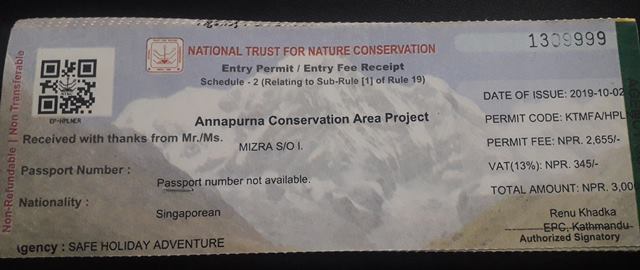
Never overlook these essentials.
Keep it minimal but useful.
Electricity is limited and often paid at higher altitudes.
Avoid overpacking. Leave these behind:
You won’t use them—and you’ll regret carrying them.
Here are some real-world insights:
Tip: If you’re unsure about an item, you probably don’t need it.
Here’s a quick checklist you can follow:
The Annapurna Base Camp trek is not just about reaching a destination—it’s about the journey, the people you meet, the landscapes you witness, and the personal challenge you overcome.
Packing properly ensures that nothing distracts you from that experience. You don’t need the most expensive gear. You don’t need to carry everything “just in case.”
What you need is balance.
Comfort + practicality + simplicity
If you get that right, your 6-day trek to Annapurna Base Camp will be one of the most unforgettable adventures of your life.

Manaslu Circuit Trek weather is more complicated than simply checking the forecast before leaving Ka
Continue Reading
The Gokyo Lakes Trek is one of the most beautiful trekking journeys in Nepal’s Everest region.
Continue Reading
A clear and honest update for travelers planning Everest, Annapurna, Manaslu, Mustang and other popu
Continue Reading
Manang is one of the most important stops on the Annapurna Circuit Trek. After several days of walki
Continue Reading
If you are wondering where to see red pandas in Nepal, the Langtang region is one of the most releva
Continue Reading
The Everest Base Camp Trek is one of the world’s most famous Himalayan adventures, but many fi
Continue Reading