Site Logo
Everest 3 passes trek with us - safe Holiday Adventure

When Is the Best Time for Everest Three Passes Trek?

1 Apr 2026 9 min to read

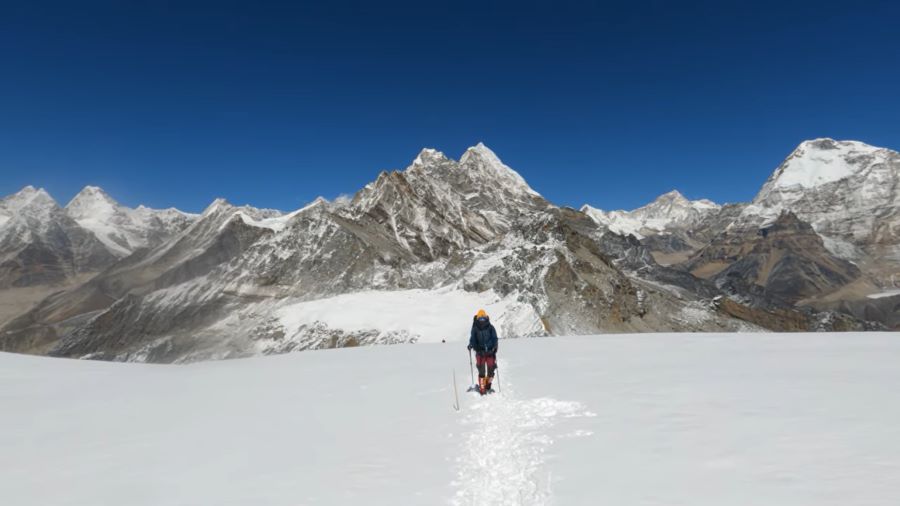
The Everest Three Passes Trek is often considered the most complete and adventurous trekking experience in the Everest region. Unlike the classic Everest Base Camp route, this trek takes you across three high mountain passes—Kongma La, Cho La, and Renjo La—each rising above 5,000 meters. It’s a journey that combines extreme altitude, dramatic landscapes, and constantly changing weather conditions.

Because of this, one of the most important questions every trekker asks is: When is the best time to do the Everest Three Passes Trek?

The answer is not just about choosing a convenient month—it’s about choosing the right conditions for safety, visibility, and overall experience. In the Himalayas, weather can change rapidly, and at high altitudes, even small changes in temperature or snowfall can significantly affect trail conditions and pass crossings.

Timing directly impacts:

  • How clear the mountain views will be
  • Whether the high passes are safe to cross
  • Trail difficulty and walking conditions
  • Availability of flights, teahouses, and guides

For example, trekking during the wrong season could mean heavy snow blocking a pass, thick clouds hiding the mountains, or frequent flight delays. On the other hand, choosing the right time rewards you with stable weather, breathtaking views of Everest and surrounding peaks, and a smoother, safer trekking experience.

Generally, the trekking year in Nepal is divided into four seasons—spring, monsoon, autumn, and winter—and each of these offers a very different experience on the Everest Three Passes route. Some months are ideal for crossing high passes with confidence, while others are better avoided due to weather risks.

In this guide, we’ll break down each season in detail so you can clearly understand which time of year is best for your trek—and why.

Why is it more Challenging than Everest Base Camp

The Everest Three Passes Trek is more challenging than the Everest Base Camp (EBC) trek mainly due to a few key differences:

  • High passes: Three Passes includes crossing three high-altitude passes (Kongma La, Cho La, Renjo La), while EBC has no passes to cross.
  • Altitude exposure: Three Passes keeps you above 5,000m for longer periods, increasing fatigue and risk of altitude sickness. EBC reaches high altitude but for shorter durations.
  • Terrain: Three Passes involves steep climbs, descents, and some icy/glacier sections. EBC is mostly well-defined, non-technical trails.
  • Duration & remoteness: Three Passes is longer (18–21 days) and more remote with fewer facilities, while EBC is shorter (12–14 days) and more crowded.

In short: EBC is a classic high-altitude trek, while Three Passes is a tougher, more technical, and more demanding adventure.

Importance of choosing the right time for Everest 3 passes trekking

Choosing the right time for the Everest Three Passes Trek is one of the most critical factors for safety, comfort, and overall success. This trek crosses high mountain passes like Kongma La, Cho La, and Renjo La, all of which are above 5,000 meters, so weather and conditions can dramatically affect the experience.

Here’s why timing matters so much:

1. Weather conditions and visibility

  • The best seasons (spring: March–May, autumn: late September–November) offer clear skies and stable weather.
  • During these periods, you get excellent views of peaks around the Everest Base Camp and surrounding Himalayas.
  • Poor timing (winter or monsoon) can lead to heavy snow, fog, or rain, reducing visibility and increasing risks.

2. Safety on high passes

  • The Three Passes are steep and exposed. In bad weather:
    • Snow accumulation can make trails slippery or blocked.
    • Strong winds increase exposure risk.
    • Avalanches or ice hazards become more likely, especially on passes like Cho La.
  • Proper timing ensures more stable trail conditions.

3. Temperature extremes

  • Winter months bring extreme cold (especially at night), which can make camping and teahouse stays difficult.
  • Monsoon season brings humidity, rain, and muddy trails, increasing discomfort and the chance of delays.

4. Flight reliability (if flying to Lukla)

  • Most trekkers start from Lukla in the Everest region within Sagarmatha National Park.
  • Flights are often delayed or canceled during poor weather, especially in monsoon and winter fog.

5. Trail accessibility and pass crossings

  • High passes like Kongma La, Cho La, and Renjo La may become impassable or require technical gear (crampons, ropes) in off-seasons.
  • In peak seasons, trails are more frequently used and better maintained.

6. Crowd and accommodation availability

  • Peak seasons are busier, but teahouses are fully operational.
  • Off-season treks may offer solitude but with limited lodging and fewer services.

7. Acclimatization and health

The right timing—typically spring or autumn—ensures safer pass crossings, better weather, reliable logistics, and a more enjoyable trekking experience. Poor timing can turn a challenging adventure into a risky and unpredictable expedition.

If you want, I can suggest the best month specifically based on your fitness level, crowd preference, and whether you prefer clearer views or quieter trails.
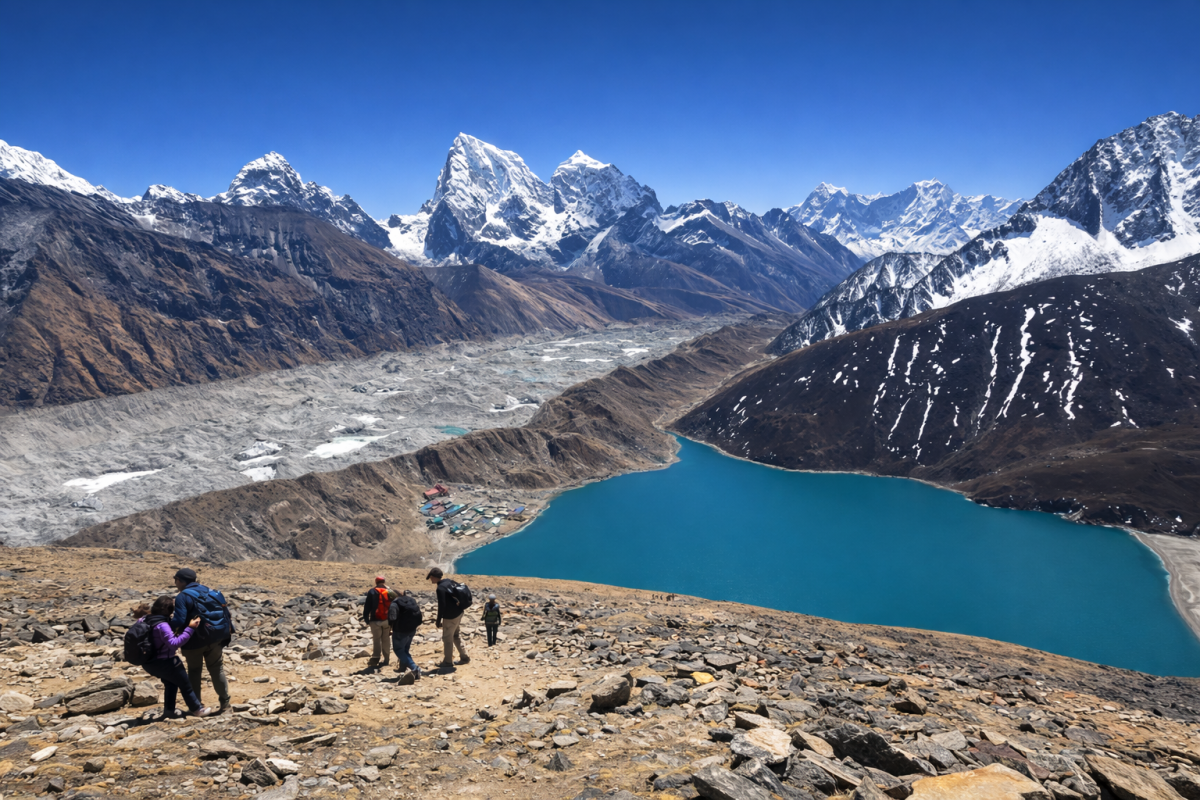
Trekking Seasons in Nepal

Spring (March–May):
One of the best seasons for trekking. Weather is warm and stable, skies are generally clear, and rhododendrons and wildflowers are in full bloom. Good visibility of mountains.

Summer / Monsoon (June–August):
Heavy rainfall, humid conditions, and frequent landslides make trekking difficult. Trails can be slippery and views are often obstructed by clouds. However, it’s suitable for rain-shadow regions like Upper Mustang and Dolpo.

Autumn (September–November):
The most popular trekking season. Clear skies, stable weather, mild temperatures, and excellent mountain views. Trails are lively with trekkers.

Winter (December–February):
Cold temperatures, especially at higher altitudes, with possible snowfall. Fewer trekkers and quieter trails. Suitable for lower-altitude treks with proper gear.

Best Season for Everest Three Passes Trek

Best overall season:

  • Autumn (September–November) – Clear skies, stable weather, excellent mountain views, and the most popular time for trekking.

Second-best option:

  • Spring (March–May) – Good weather, warmer temperatures, and blooming rhododendrons, though slightly hazier than autumn at times.

Summary for readers:
Autumn offers the most reliable conditions and best visibility, making it the top choice. Spring is also very good with pleasant weather and beautiful landscapes, while winter and monsoon are less favorable due to cold, snow, or heavy rain.

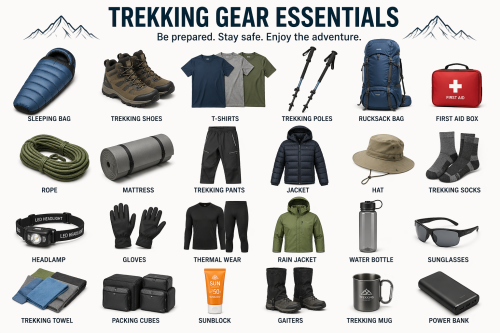
What to Pack in Spring/Autumn for the Everest 3 passes Trek

For the Everest Three Passes Trek in spring (March–May) and autumn (September–November), you’ll need layered clothing and reliable trekking gear. Conditions are generally clear but can be cold at higher altitudes near places like Everest Base Camp and around passes above 5,000m.

Here’s a practical packing guide:
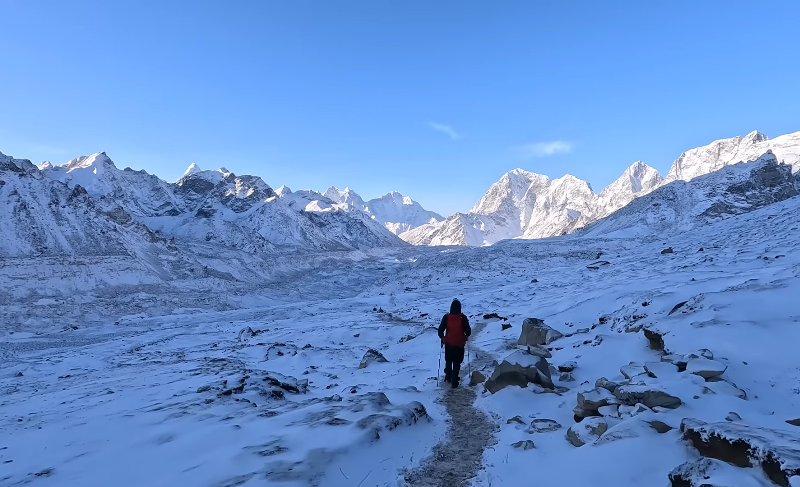
Clothing (Layering System is Key)

Base layers

  • Moisture-wicking thermal tops (2–3)
  • Thermal leggings (2)

Mid layers

  • Fleece jacket or pullover
  • Lightweight insulated jacket

Outer layers

  • Waterproof + windproof shell jacket
  • Waterproof trekking pants (or rain pants)

Insulation

  • Down jacket (essential for cold mornings/nights)

Trekking clothes

  • 2–3 trekking shirts (quick dry)
  • 2 pairs trekking pants
  • 4–6 pairs trekking socks (wool or synthetic)
  • Underwear (quick dry)
  • Gloves (light + insulated pair)
  • Warm hat/beanie
  • Sun hat / cap
  • Neck gaiter or buff

Footwear

  • Well-broken-in trekking boots (waterproof preferred)
  • Lightweight camp shoes/sandals
  • Gaiters (optional but useful for snow/dust)

Sleeping Gear

  • Sleeping bag rated around -10°C to -20°C
  • Sleeping bag liner (adds warmth + hygiene)

Backpack & Accessories

  • Main backpack (50–70L)
  • Daypack (20–30L)
  • Rain cover for backpack
  • Dry bags or packing cubes

Personal Essentials

  • Sunscreen (SPF 50+)
  • Lip balm with SPF
  • Sunglasses (UV protection)
  • Quick-dry towel
  • Toiletries (toothbrush, biodegradable soap, etc.)
  • Wet wipes / hand sanitizer
  • Toilet paper

First Aid & Health

  • Basic first aid kit
  • Personal medications
  • Diamox (for altitude, consult doctor)
  • Blister plasters (Compeed)
  • Pain relievers, ORS/electrolytes
  • Altitude sickness awareness is important when trekking near high passes in regions around Mount Everest

Electronics & Misc

  • Headlamp with extra batteries
  • Power bank (charging can be limited)
  • Universal travel adapter
  • Camera / phone + spare batteries
  • Map or offline GPS app

Trekking Essentials

  • Trekking poles (very helpful for passes)
  • Water bottles or hydration bladder
  • Water purification tablets or filter
  • Snacks (energy bars, nuts, chocolate)

Documents & Money

  • Passport + copies
  • Permits (Sagarmatha National Park, TIMS if required)
  • Cash (Nepali rupees) for tea houses along routes near Kathmandu and remote villages

Seasonal Notes (Spring & Autumn)

  • Spring: Warmer days, colder nights, possible snow at high passes
  • Autumn: Best visibility, stable weather, colder mornings/nights
  • Both seasons still require full cold-weather gear at Altitude

Is the Everest Three Passes Trek possible in Winter?

Yes—but it is possible only for very experienced and well-equipped trekkers.

The Everest Three Passes Trek in winter is extremely challenging due to heavy snow, very cold temperatures, and high passes often blocked or hazardous—especially the major crossings: Kongma La Pass, Cho La Pass, and Renjo La Pass.

Most trekkers avoid winter unless they have:

  • strong high-altitude experience
  • proper winter gear
  • flexibility in case passes are closed or unsafe

For the average trekker, winter is not recommended.

Seasonal Variation of Altitude Sickness Risk on the Everest Three Passes Trek

Description:
Altitude sickness (Acute Mountain Sickness – AMS) risk on the Everest Three Passes Trek varies significantly by season due to changes in weather, temperature, acclimatization conditions, and trail difficulty. The trek involves high mountain passes such as Kongma La, Cho La, and Renjo La, all of which exceed 5,000 meters and expose trekkers to thin air where AMS is more likely.

Spring (March–May):

  • Moderate temperatures and stable weather make it one of the safest seasons.
  • Gradual acclimatization is easier due to clearer trails and fewer disruptions.
  • However, increasing crowds can sometimes lead to rushed itineraries, which may raise AMS risk if proper acclimatization days are skipped.
  • Overall: Moderate to low risk if paced properly.

Summer/Monsoon (June–August):

  • High humidity, cloud cover, and frequent rain reduce visibility and make trekking conditions more physically demanding.
  • Slippery trails and flight delays (e.g., to Tenzing-Hillary Airport in Lukla) can disrupt acclimatization schedules.
  • Despite lower trekking traffic, inconsistent pacing and travel delays may indirectly increase AMS risk.
  • Overall: Moderate risk, mainly due to logistical challenges rather than altitude alone.

Autumn (September–November):

  • Considered the best trekking season with clear skies, stable weather, and excellent visibility in regions like Namche Bazaar.
  • Ideal conditions allow better pacing, rest days, and acclimatization.
  • However, this is peak season, and crowded trails may pressure trekkers to move faster than recommended.
  • Overall: Lowest AMS risk when proper acclimatization is followed.

Winter (December–February):

  • Extremely cold temperatures, strong winds, and snow accumulation increase physical strain.
  • Fewer trekkers mean less congestion, but harsher conditions can make breathing more difficult and recovery slower.
  • Risk of altitude sickness remains high if trekkers are not well-prepared for cold stress and reduced oxygen efficiency.
  • Overall: High physiological stress; AMS risk can increase despite fewer crowds.

Altitude sickness risk on the Everest Three Passes Trek is influenced more by trekking pace, acclimatization practices, and weather stability than season alone. Autumn and spring offer the most favorable balance, while monsoon and winter present additional environmental challenges that can indirectly increase AMS risk.