

30 Apr 2026 6 min to read
The Poon Hill trek is often described as one of the easiest and most rewarding short treks in Nepal. With its famous sunrise views over the Annapurna and Dhaulagiri ranges, it attracts thousands of trekkers every year—many of them beginners.
A common question people ask before planning this trip is: Can I do the Poon Hill trek without a guide?The short answer is yes—but it depends on your preparation, confidence, and awareness of local rules.
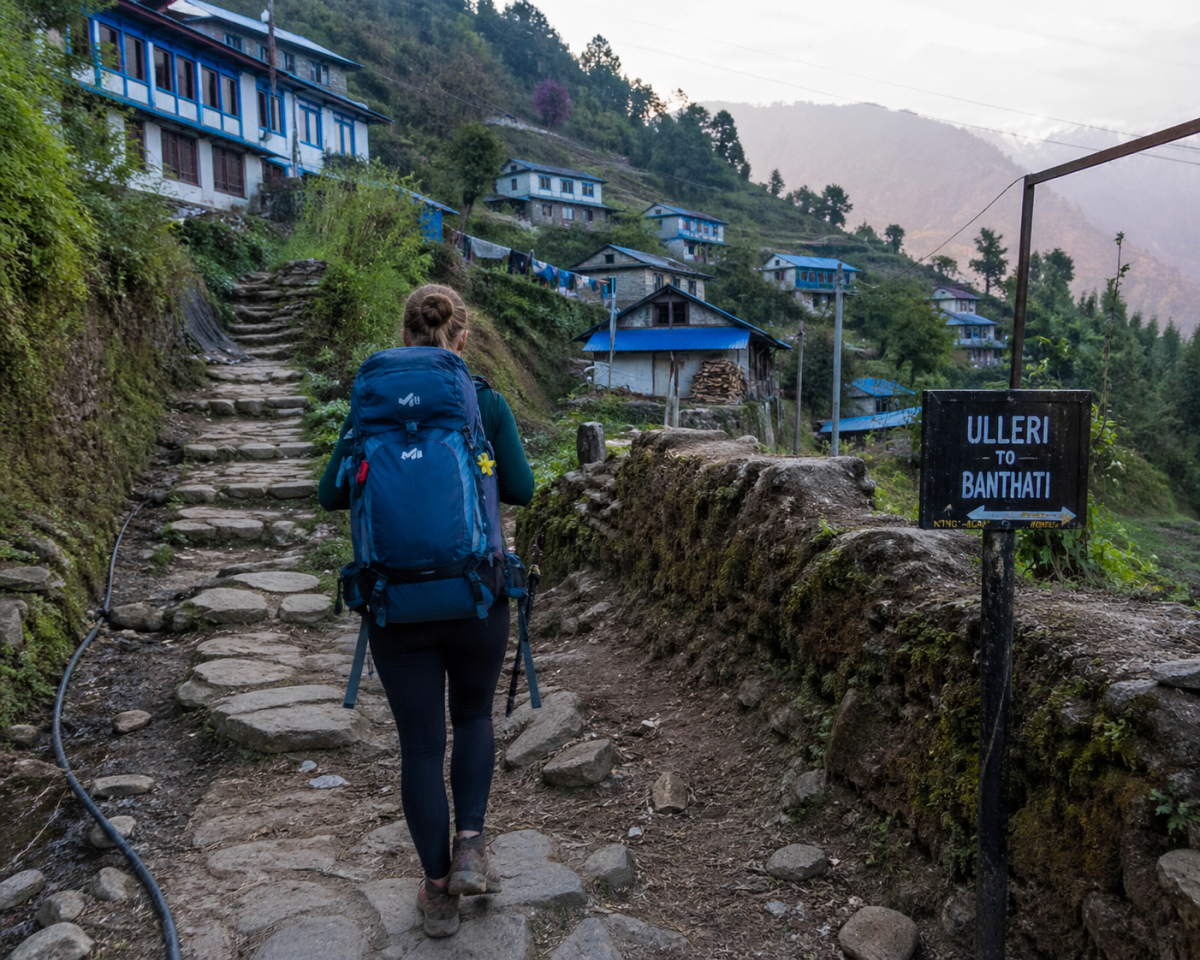
In recent years, Nepal introduced regulations requiring licensed guides for many trekking regions. However, in practice, the Annapurna Conservation Area (where Poon Hill lies) has been more flexible compared to remote regions.
As of now:
Rules can change, so always double-check before your trip.
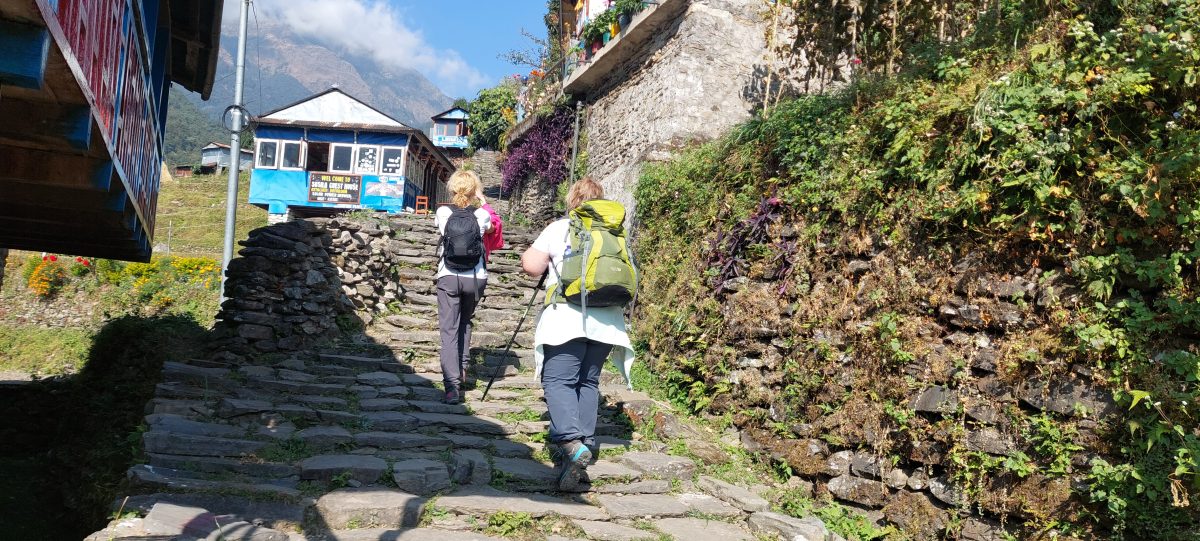
There’s a reason this trek is one of the most popular for independent travelers.
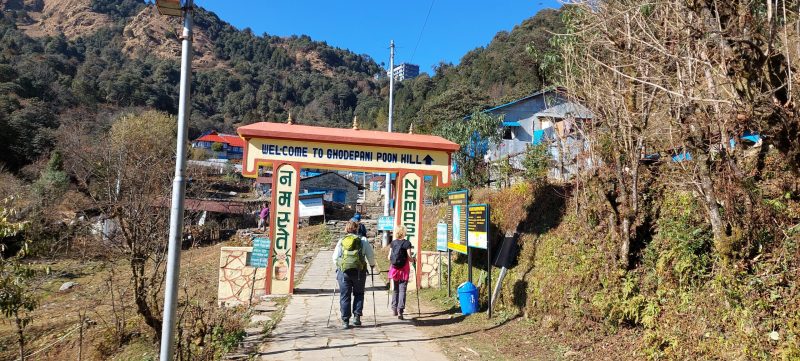
The route from Nayapul to Ghorepani and up to Poon Hill is clearly marked with signs and stone steps. It’s difficult to get seriously lost.
You’ll find lodges, food, and basic accommodation in every village along the trail. No need for camping or complex logistics.
Most itineraries range from 3 to 5 days, making it manageable even for first-time trekkers.
You’re rarely alone. Other trekkers, guides, and locals are always nearby if you need help.
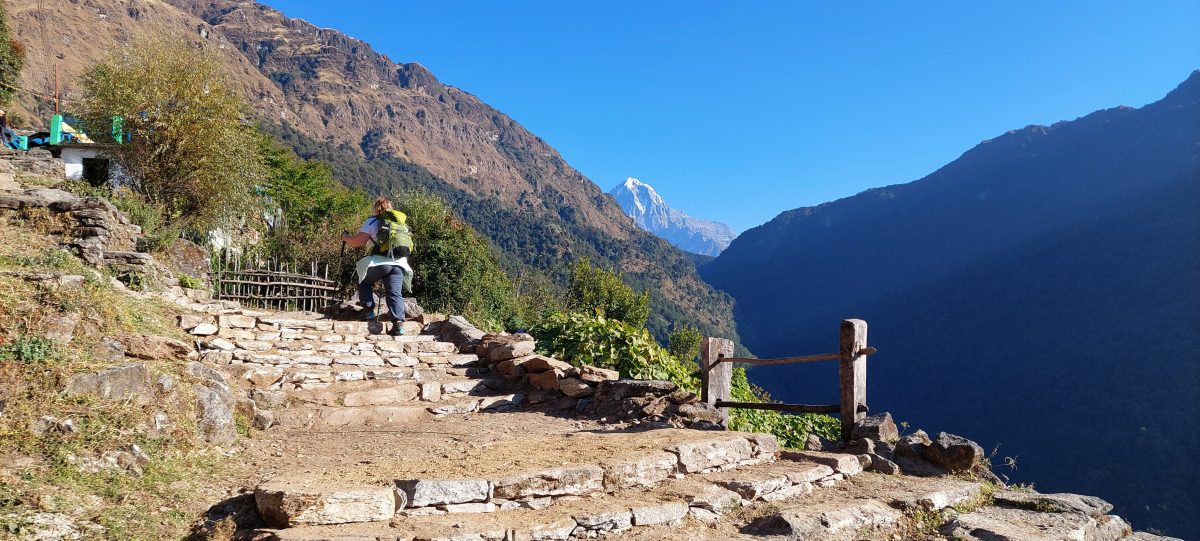
Trekking without a guide can be rewarding, but it also comes with real challenges—especially in remote regions like Nepal. Here’s a clear list of the main difficulties you might face:
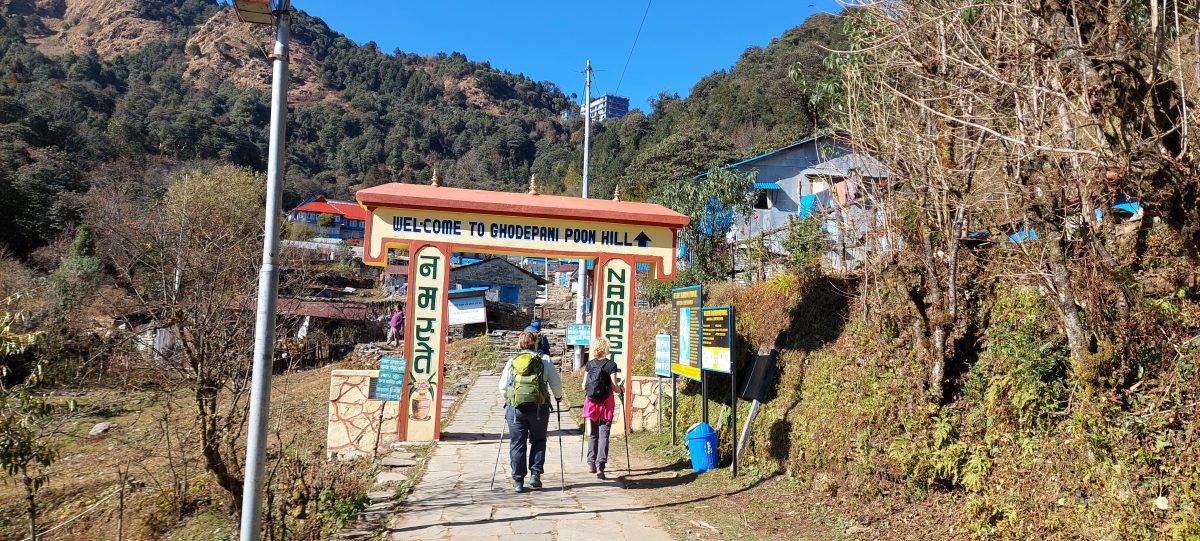
You can confidently go without a guide if you:
You might want a guide if you:
If you decide to go solo, preparation is everything.
Know your stops:
Apps like Maps.me or AllTrails can help you stay on track.
Always keep your ACAP permit (and TIMS if required).
Essentials include:
The hike to Poon Hill viewpoint is usually done before dawn—carry a headlamp and go with others if possible.
Planning to trek to Poon Hill? One of the first decisions you’ll face is whether to go with a guide or trek independently. Both options work—but the right choice depends on what kind of experience you want.
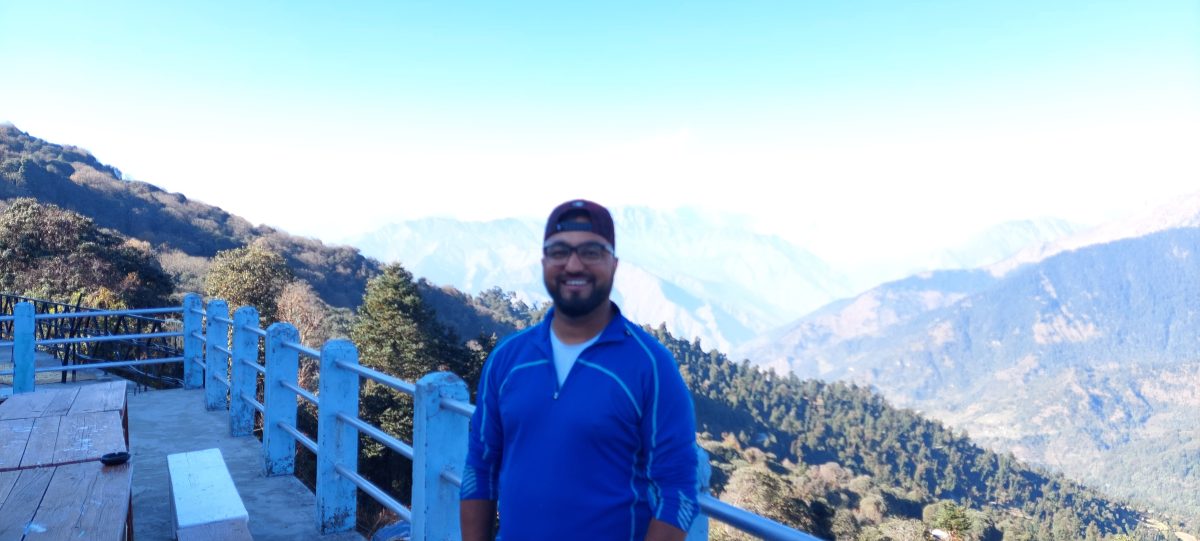
Hiring a guide brings structure, safety, and local insight.
A professional guide knows the trails, weather patterns, and best viewpoints. You won’t have to worry about navigation or logistics—your focus stays on the experience. Guides also share cultural context about villages like Ghorepani and Ghandruk, adding depth to your journey.
This option is especially useful if:
The downside is cost and less flexibility—you’ll follow a set pace and plan.
Going solo (or with friends) gives you freedom and a stronger sense of adventure.
The Poon Hill route is well-marked and relatively short, making it one of the most beginner-friendly treks in Nepal. You can move at your own pace, stop where you want, and adjust your itinerary freely.
This option works best if:
However, you’ll need to manage permits, accommodation, and route decisions yourself. In case of unexpected issues, you won’t have immediate local support.
There’s no single “best” choice.
If you want convenience, safety, and cultural insight, go with a guide.
If you value independence, flexibility, and budget travel, going without a guide is a solid option.
The trek to Poon Hill is not about how you get there—it’s about the sunrise over the Annapurna and Dhaulagiri Mountain range. Whether guided or independent, the experience can be equally rewarding when planned well.
If you’re unsure, a middle option—hiring a guide for part of the trek—can give you the best of both worlds.
After reading our complete Poon Hill Trek Without a Guide blog post, you can find more detailed information through the links below:

Manaslu Circuit Trek weather is more complicated than simply checking the forecast before leaving Ka
Continue Reading
The Gokyo Lakes Trek is one of the most beautiful trekking journeys in Nepal’s Everest region.
Continue Reading
A clear and honest update for travelers planning Everest, Annapurna, Manaslu, Mustang and other popu
Continue Reading
Manang is one of the most important stops on the Annapurna Circuit Trek. After several days of walki
Continue Reading
If you are wondering where to see red pandas in Nepal, the Langtang region is one of the most releva
Continue Reading
The Everest Base Camp Trek is one of the world’s most famous Himalayan adventures, but many fi
Continue Reading