
22 Apr 2026 4 min to read
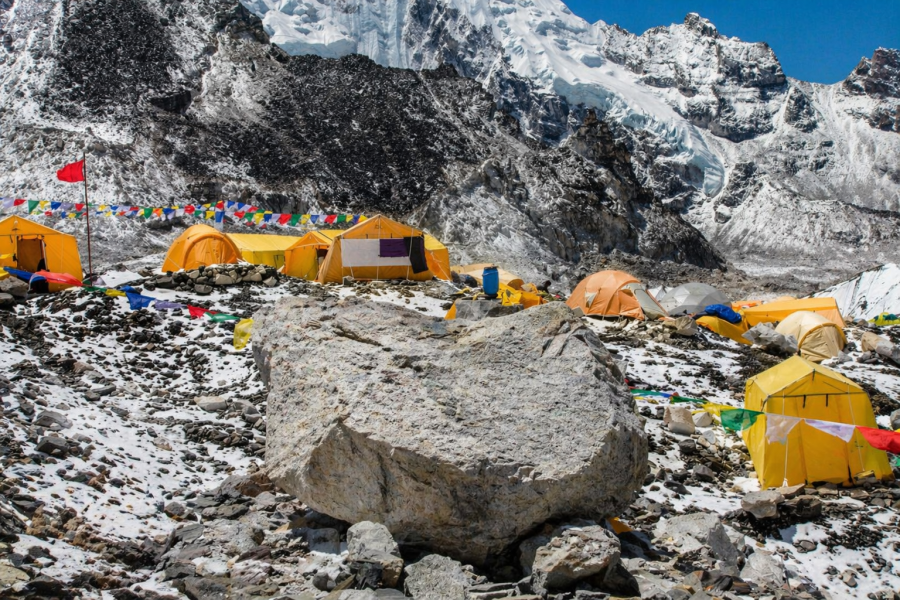
The Mount Everest climbing season 2026 has started with a slight delay, drawing attention from climbers, expedition operators, and trekking agencies worldwide. While delays are not uncommon in the Himalayas, this year’s slower start has raised questions about weather, route conditions, and summit timing.
In this article, we explain the real reasons behind the Everest climbing season delay, its impact, and what climbers can expect in the coming weeks.
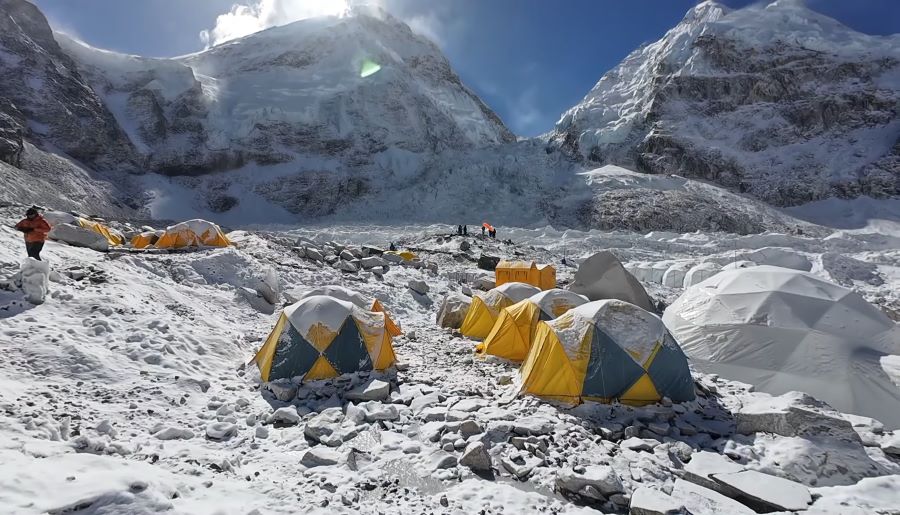
Weather plays a critical role in Everest expeditions. This season, strong winds and fluctuating temperatures in March and early April slowed down early movements above Base Camp.
Climbers depend on stable conditions for safe rotations, and unpredictable weather has forced teams to wait.
The Khumbu Icefall, one of the most dangerous sections of the climb, has required extra time this year.
The Icefall Doctors have been working carefully to ensure safety, which has slightly delayed the start of rotations.
The 2026 season is expected to be very busy, with a large number of permits issued.
Because of this:
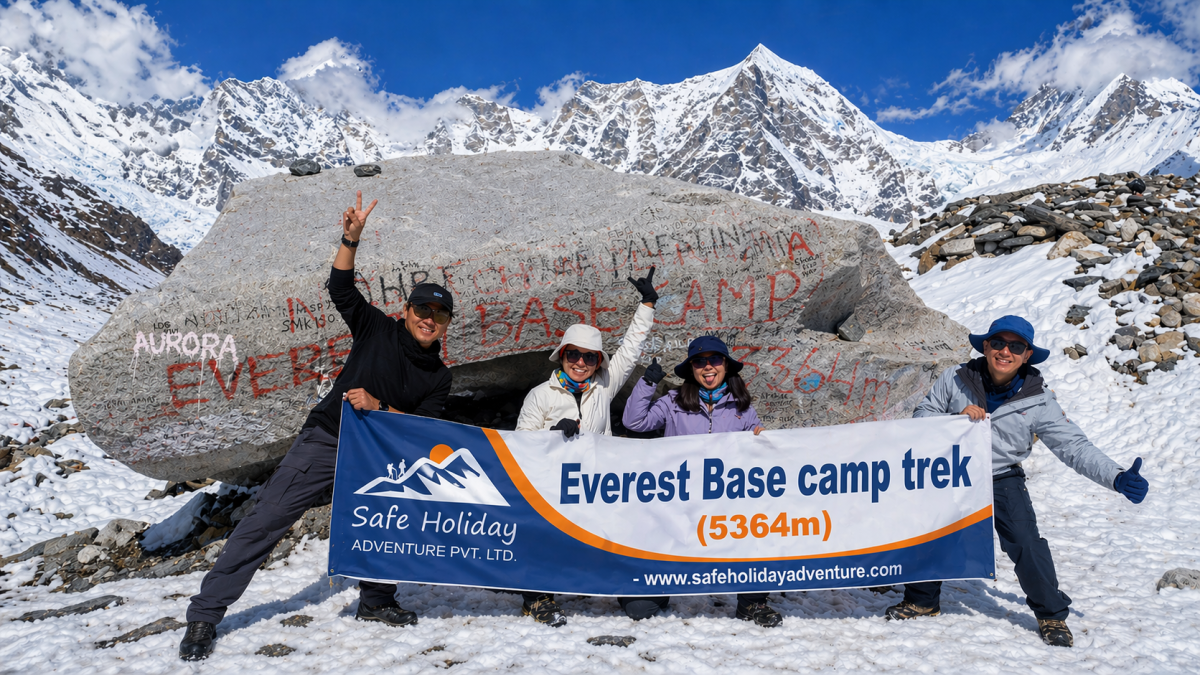
As of now, most expedition teams have successfully reached Everest Base Camp (5,364 meters) and are in the acclimatization and preparation phase, which is a critical part of every Everest expedition.
The overall pace is a bit slower than usual, mainly due to:
The short answer: No major impact expected.
The main Everest summit window typically falls between mid-May and late May, and this timeline is still achievable.
If weather conditions improve in the coming weeks:

For expedition climbers:
For trekkers (Everest Base Camp / trekking routes):
The Everest climbing season delay in 2026 is minor and manageable.
It is mainly due to weather conditions and route preparation challenges, both of which are normal in high-altitude mountaineering. With improving conditions expected, the season is likely to continue successfully, with climbers aiming for the classic May summit window.
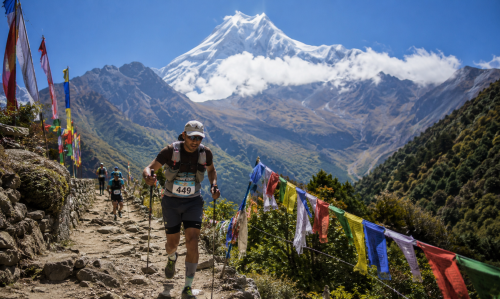
The Manaslu Trail Race is a world-class Himalayan trail running event that takes runners deep into t
Continue Reading
Introduction The trek from Syabrubesi to Lama Hotel is the first major walking section of the Langta
Continue Reading
Nepal is one of those rare destinations that stays in your heart long after your trip ends. From the
Continue Reading
Running a marathon is a challenge almost anywhere on Earth. But running one at the foot of Mount Eve
Continue Reading
Female solo trekking in Langtang Valley has become an increasingly popular choice for women seeking
Continue Reading
The Poon Hill trek is often described as one of the easiest and most rewarding short treks in Nepal.
Continue Reading