
21 Apr 2026 9 min to read
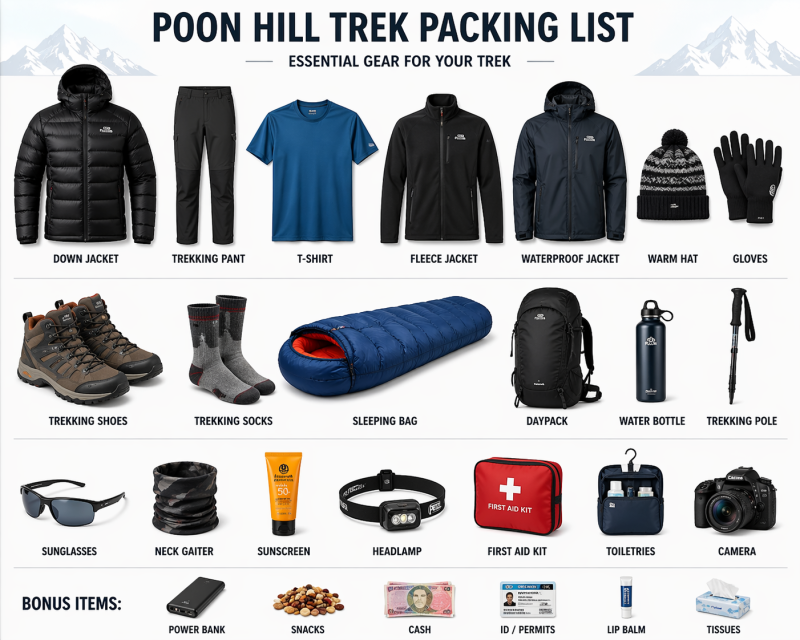
The Poon Hill Trek Packing List is a simple and useful guide for anyone planning this popular trek in Nepal. It helps you understand what essential items you should carry to make your journey safe, comfortable, and enjoyable. Packing properly is very important because the weather in the Himalayas can change quickly, and you need to be prepared for both warm and cold conditions.
This packing list includes clothing, footwear, and basic trekking gear that you will need on the trail. It also helps you avoid carrying unnecessary items so your backpack stays light and easy to manage. With the right preparation, you can focus more on enjoying the beautiful mountain views and the overall trekking experience.
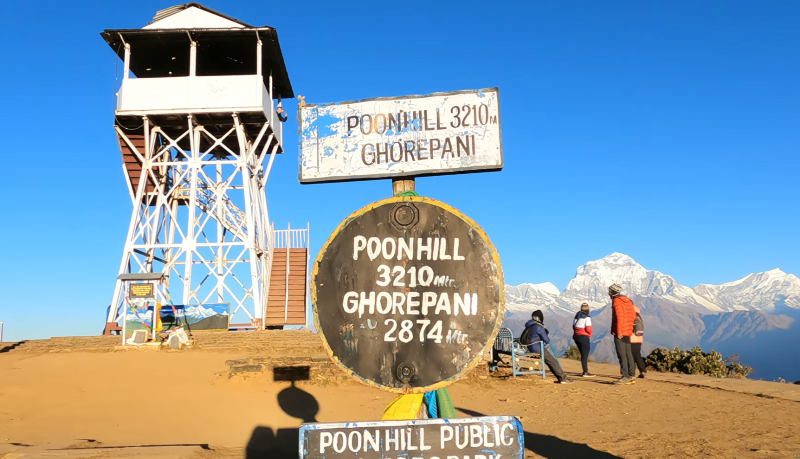
If you are trekking for the first time, your biggest mistake can be overpacking or underpacking. Beginners often carry unnecessary items or forget essentials.
Beginners should remember: less is more. Porters are available, but you should still keep your bag light and manageable.
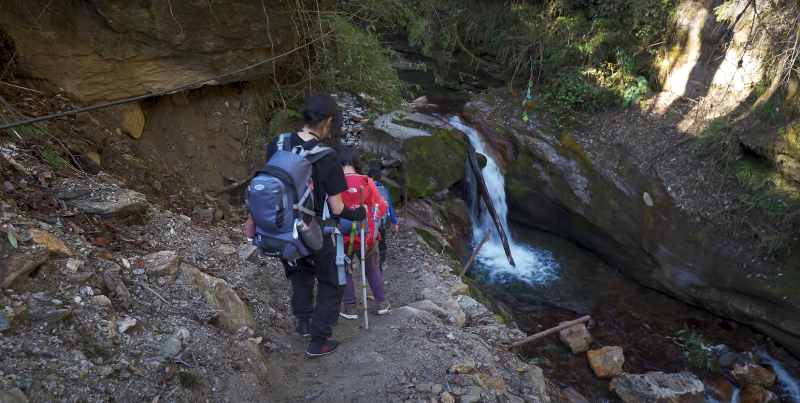
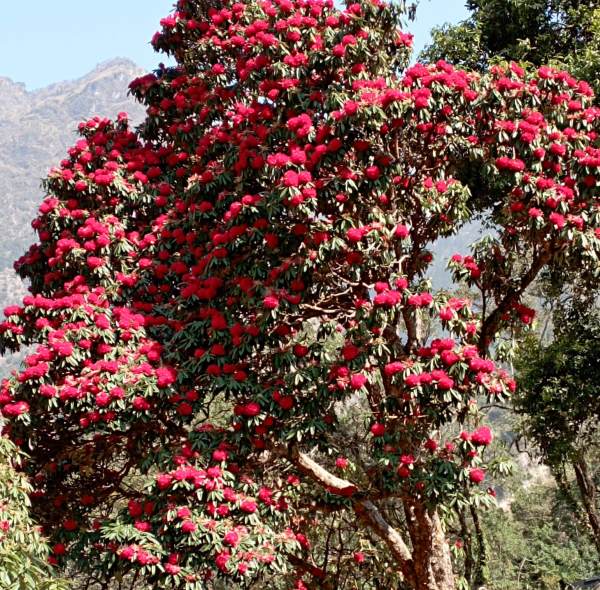
Planning a trek to Poon Hill in the spring season (March–May) is an exciting experience, as this time of year brings clear skies, blooming rhododendron forests, and comfortable trekking conditions in the Annapurna region of Nepal. However, spring weather in the mountains can still be unpredictable, with warm daytime temperatures and chilly mornings or evenings at higher altitudes. Packing smart is essential to enjoy the journey without discomfort or unnecessary weight. From layered clothing and proper trekking footwear to lightweight gear and weather protection, choosing the right items will make your trek safer, easier, and far more enjoyable as you hike toward one of the most iconic sunrise viewpoints in the Himalayas.
Spring is comfortable, but layering is still important due to temperature variation.
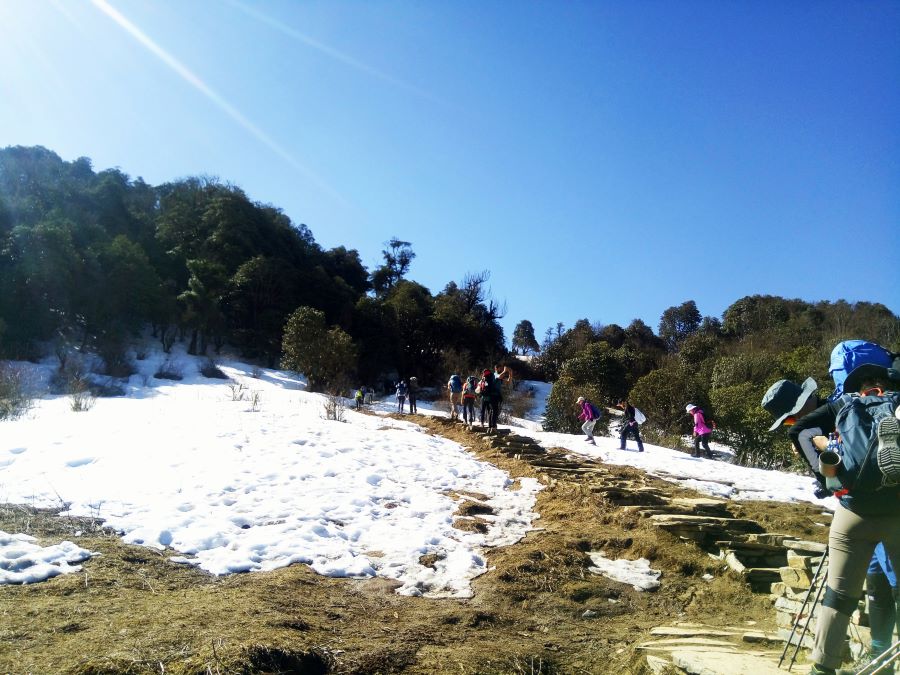
Winter trekking to Poon Hill (December–February) offers stunning crystal-clear mountain views and peaceful trails, but it also comes with very cold temperatures, especially at higher elevations like Ghorepani and Poon Hill itself. Proper preparation is essential because nights and early mornings can drop below freezing, and snowfall is possible during this season. A well-planned packing list focused on warmth, insulation, and weather protection will help you stay comfortable throughout the journey.
For a winter trek, layering is the key to staying warm and adaptable. You should pack thermal base layers, a thick insulated jacket, fleece mid-layers, and windproof or waterproof outerwear. Warm trekking pants, woolen socks, gloves, a hat, and a neck gaiter are essential for protection against cold winds. Sturdy trekking boots with good grip are important for icy or slippery trails, along with a high-quality sleeping bag rated for low temperatures to ensure a warm night’s rest.
Without proper winter gear, trekking becomes extremely uncomfortable. Hypothermia risk is low but cold exposure is real during sunrise at Poon Hill.
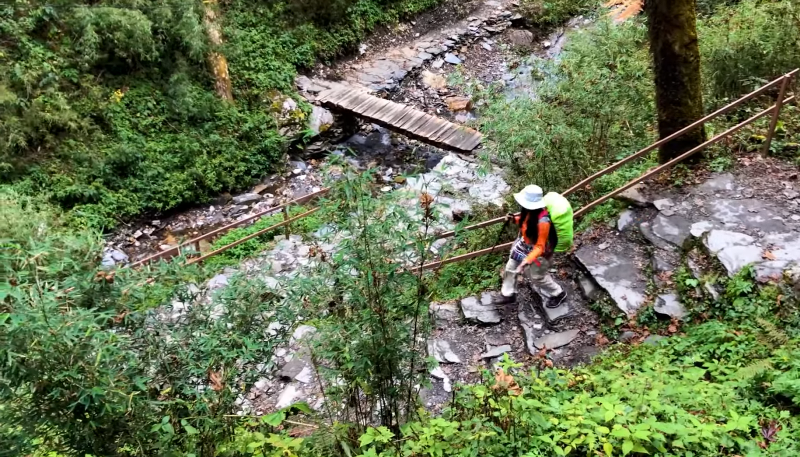
The monsoon season (June to August) brings heavy rain, humidity, and slippery trails in many trekking regions. Because of the constant rain, packing the right gear becomes very important for a safe and comfortable journey. A good monsoon packing list helps you stay dry, protect your belongings, and move safely on wet paths. In this guide, we will cover the essential items you should pack for trekking during the monsoon season.
Monsoon requires preparation more for wet conditions than cold temperatures.
Packing light for the Poon Hill Trek is very important because it makes your journey easier and more comfortable. Carry only essential items such as light clothing, a warm jacket, trekking pants, and a few quick-dry t-shirts. Choose lightweight and compact gear instead of heavy or extra items. A small backpack with good support will help reduce pressure on your shoulders during the trek.
In addition, organize your bag properly to save space and balance the weight. Keep frequently used items like water bottles, snacks, and rain gear in easy-to-reach pockets. Avoid overpacking by planning outfits that can be reused and layered. A lighter bag means more energy for walking and enjoying the beautiful views of the Poon Hill trail.
A lighter backpack makes the trek significantly easier and reduces fatigue.

Essential clothing for the Poon Hill Trek is very important for a safe and comfortable journey. The weather in the mountains can change quickly, so you need clothes that keep you warm, dry, and comfortable. Good clothing also helps you walk easily on long and uphill trails.
In this guide, you will learn about the basic clothes you should pack for the trek, such as layers for warmth, waterproof jackets, and comfortable trekking wear. Choosing the right clothing will make your trekking experience much better and more enjoyable.
Layering allows you to adjust quickly to changing temperatures.
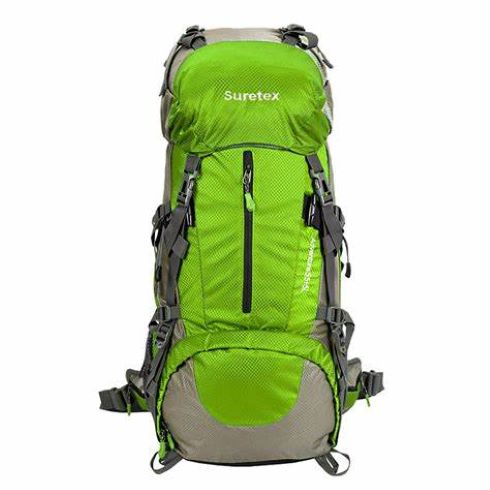
Choosing the right backpack size is important.
Do not exceed comfort limits. Even if porters are used, carry your essentials personally.
Footwear is the most important gear for this trek.
Good shoes can prevent injuries, blisters, and fatigue.
First-Time Trekker Packing Mistakes happen when beginners carry too much, forget important gear, or choose the wrong clothing and shoes. These small mistakes can make the trek more difficult and uncomfortable.
Always test your gear before the trek if possible.
You don’t need expensive gear for this trek.
This can reduce your cost significantly without affecting comfort.
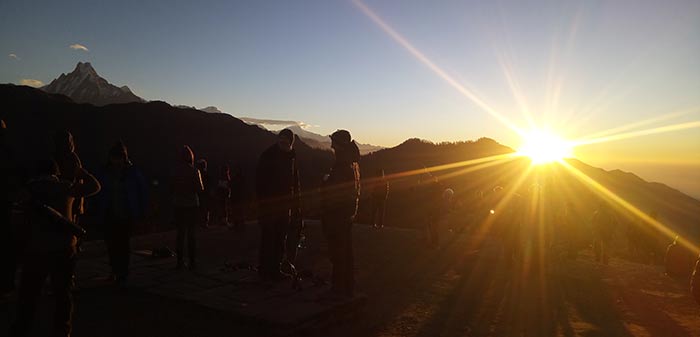
Since Poon Hill is a short trek, luxury items are optional, not necessary.
Female trekkers should focus on comfort, hygiene, and safety.
Dress modestly, respecting local culture in villages.
Packing for Nepal’s Himalayan conditions requires careful preparation because the weather changes quickly and can be unpredictable. You may experience sun, cold, wind, and rain all in one day, so layering your clothes is very important.
Always carry warm, waterproof, and lightweight gear to stay comfortable in different temperatures. Good planning helps you adjust easily to changing conditions and enjoy a safer and more comfortable trek in the Himalayas.
Always prepare for:
Layering is the only reliable system for Himalayan trekking.
Even short treks require safety preparation.
Medical facilities are limited on the trail.
Understanding weather helps you pack smarter:
The goal is flexibility—add or remove layers as needed.
The Poon Hill Trek is one of Nepal’s most rewarding short trekking experiences. While it is not extremely difficult, proper packing makes a huge difference in comfort and safety.
The key principles are:
With the right packing strategy, your Poon Hill Trek will be comfortable, safe, and unforgettable.
There is a moment on every Everest trek when your legs have an opinion. For most people, it arrives
Continue Reading
If you are asking how difficult the Everest Three Passes Trek is, the honest answer is this: it is t
Continue Reading
My name is Peng Chang, and I travelled to Nepal from Malaysia with a small group of friends. Before
Continue Reading
In this story Why I Chose Everest Base Camp My name is Chyling, and I come from Malaysia, a country
Continue Reading
Ask anyone who has finished the Annapurna Circuit which day they remember most, and the answer is al
Continue Reading
Introduction Kathmandu doesn’t ease you in. You step out of the airport into a chorus of horns
Continue Reading