
8 Oct 2026 16 min to read
If you are asking how difficult the Everest Three Passes Trek is, the honest answer is this: it is the hardest of the classic Khumbu treks, but it is not a technical climb. You need no ropes or mountaineering skills. You need legs that can walk for days, a body that has had time to adjust to altitude, and the patience to move slowly.
The trek is a big loop through the Everest region. It crosses Kongma La, Cho La and Renjo La, three passes above 5,300 meters. Along the way you pass Everest Base Camp, Kala Patthar, the Gokyo Lakes and a dozen Sherpa villages. Most trekkers need 18 to 21 days. Below, we walk you through the route, the hard parts, and how to prepare.
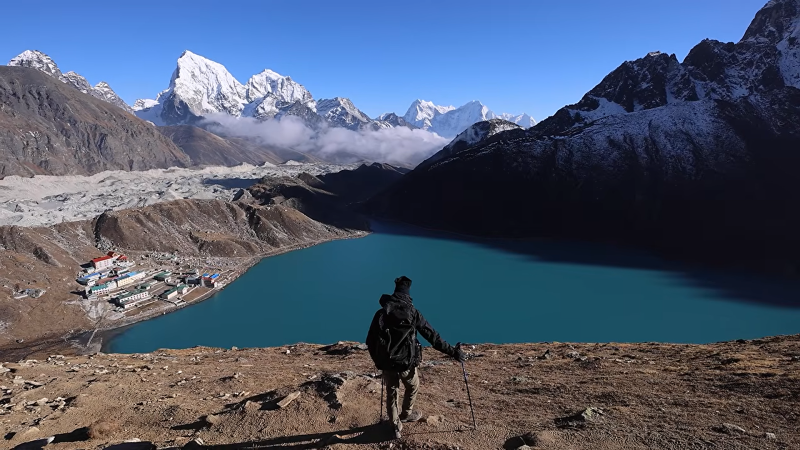
Most visitors to the Khumbu go up to Everest Base Camp and come back down the same trail. The Three Passes Trek does something different. It links the Khumbu, Chukhung and Gokyo valleys into one circle, so you see the whole region instead of one corner of it.
You cross high passes, walk beside glaciers, climb two famous viewpoints, and sleep in the quiet villages where Sherpa families have lived for generations. You also leave the crowded main trail for several days, which is a big part of why many trekkers prefer this route.
That variety is also why it is harder. There is no easy day to coast through, and once you commit to a pass you cannot easily turn back.
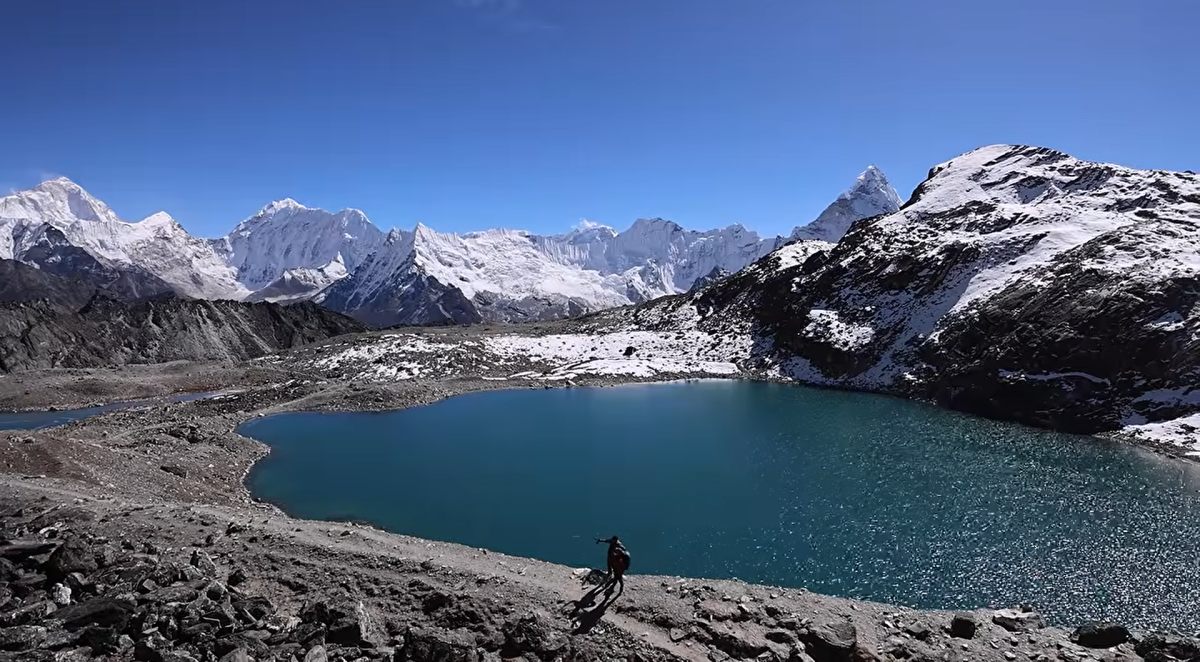
Everest 3 Passes Trek- SHA
The standard route follows this flow:
You fly to Lukla and walk to Phakding and Namche Bazaar, the Sherpa capital. After an acclimatization day, you continue to Tengboche and Dingboche, then climb to Chhukung, the last village before the first pass.
From Chhukung you cross Kongma La to Lobuche, then walk to Gorak Shep, Everest Base Camp and Kala Patthar. You return to Lobuche, then walk to Dzongla and cross Cho La to Thagnak. A short walk brings you to Gokyo, where you climb Gokyo Ri. Finally, you cross Renjo La to Lungden, then descend through Thame and Namche back to Lukla.
Many trekkers do it in this direction, though a few choose to reverse it. Going clockwise from Chhukung keeps the most demanding pass early, while your body is fresh.
Most operators rate the trek as strenuous to very strenuous. If the Everest Base Camp trek is a 6 out of 10, the Three Passes is closer to 8.
Four things add up to that rating:
None of these is impossible on its own. The challenge is that they arrive together.
Fitness helps, but altitude does not care how strong you are. At the top of Kongma La, the air holds about half the oxygen you breathe at sea level. Headaches, restless sleep, a dry cough and loss of appetite are common even for healthy trekkers.
The real danger is acute mountain sickness, which can turn serious if ignored. The best protection is a gentle schedule:
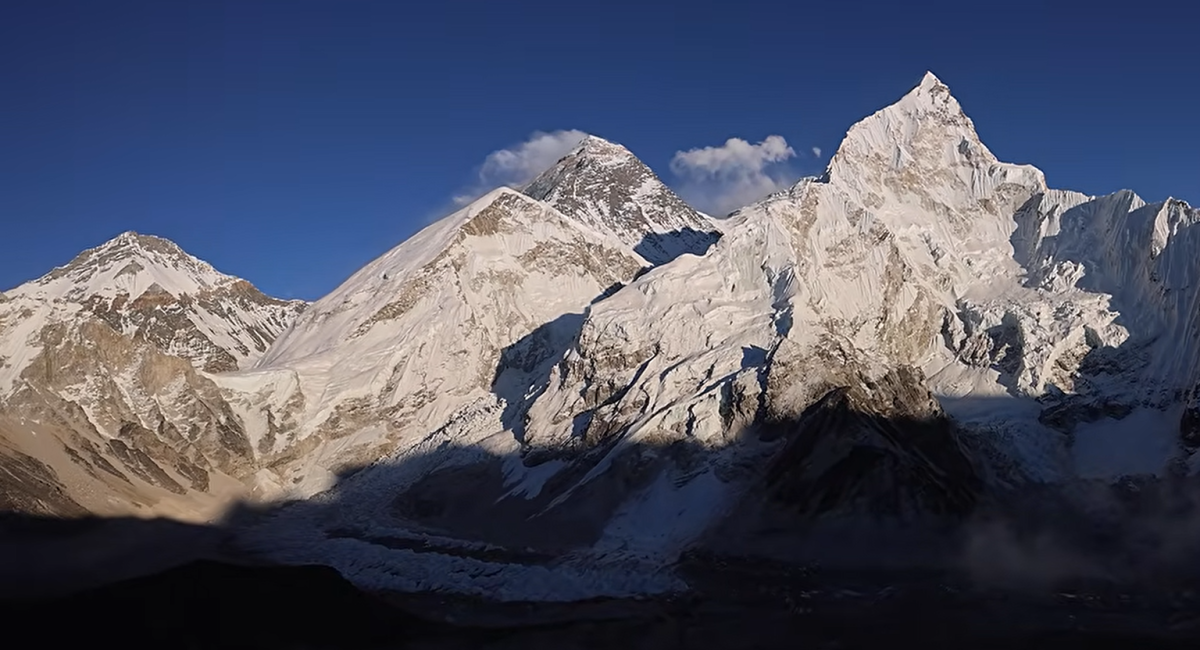
Everest View with Nuptse From Kalapathar ( 5,550m)
This is also why a well-planned itinerary of 19 or 20 days is safer than a rushed 15-day version. Extra days are not wasted time. They are what make the high passes possible.
Kongma La is the highest and usually the hardest of the three. The day begins early from Chhukung, with a long, steady climb across rocky ground and moraine. The final section to the top is steep and tiring, and the air feels thin.
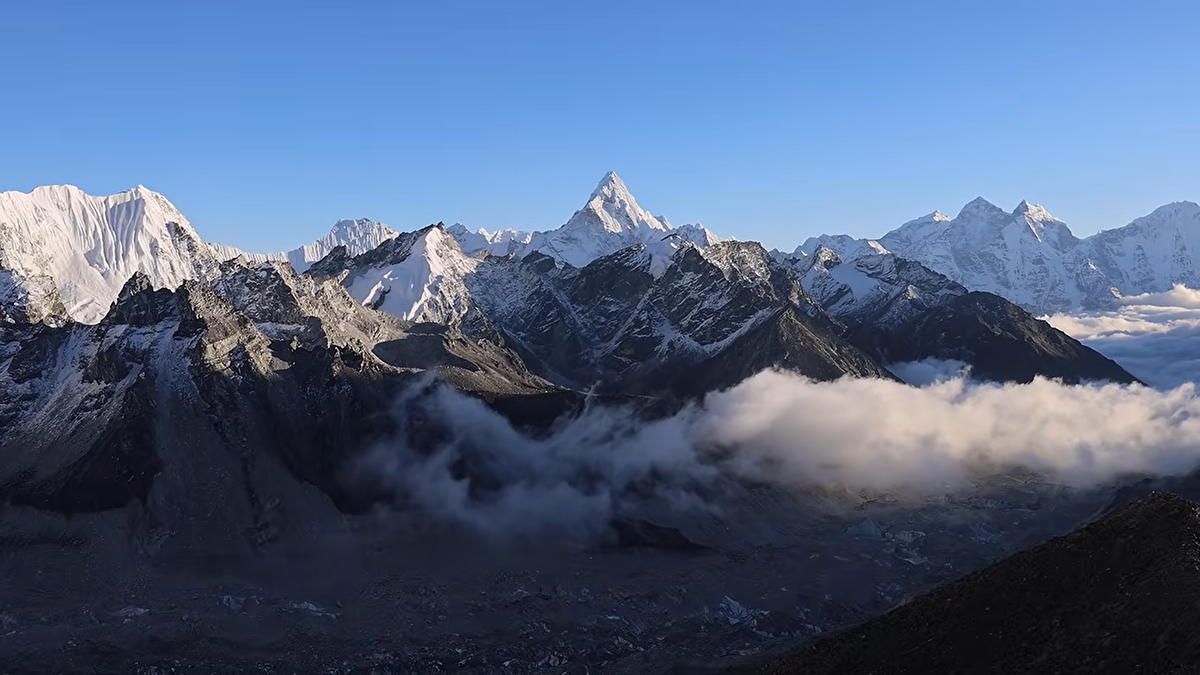
At the summit you are rewarded with views of Makalu, Lhotse, Nuptse and Island Peak. Then comes the descent over loose stones and a glacier edge into the Khumbu valley toward Lobuche. Expect eight to nine hours on the trail.
Because this pass comes right after several days of acclimatization, it is also the best time to take it on, when your body is strong and rested.
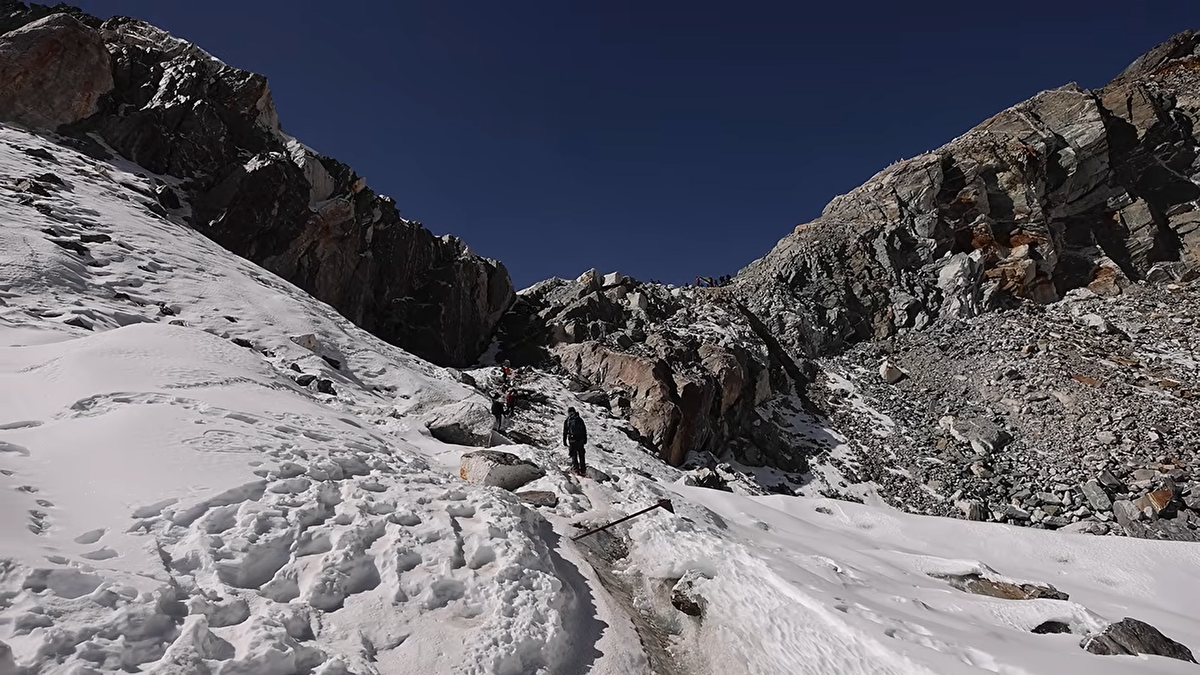
Cho La is shorter than Kongma La but more technical underfoot. From Dzongla, the trail climbs through boulders to a high saddle marked with prayer flags. Snow and ice often cover the top section, especially in the cold months.
On the Thagnak side, you must cross a small glacier. It is not long, but the ice can be slippery, so many guides recommend lightweight microspikes. Walking with a guide is wise here because the exact route over the glacier can change from season to season.
This pass takes about six to eight hours, and many trekkers find it the most exciting of the three.
By the time you reach Renjo La, your body has adapted well. The climb from Gokyo is steady, with long sections of stone steps, and it feels easier than the earlier passes.
At the top, the view opens wide: the turquoise Gokyo Lakes, Everest, Lhotse, Makalu and Cho Oyu in one frame. Many trekkers call this the most beautiful moment of the entire trek. The descent to Lungden is steep but straightforward.
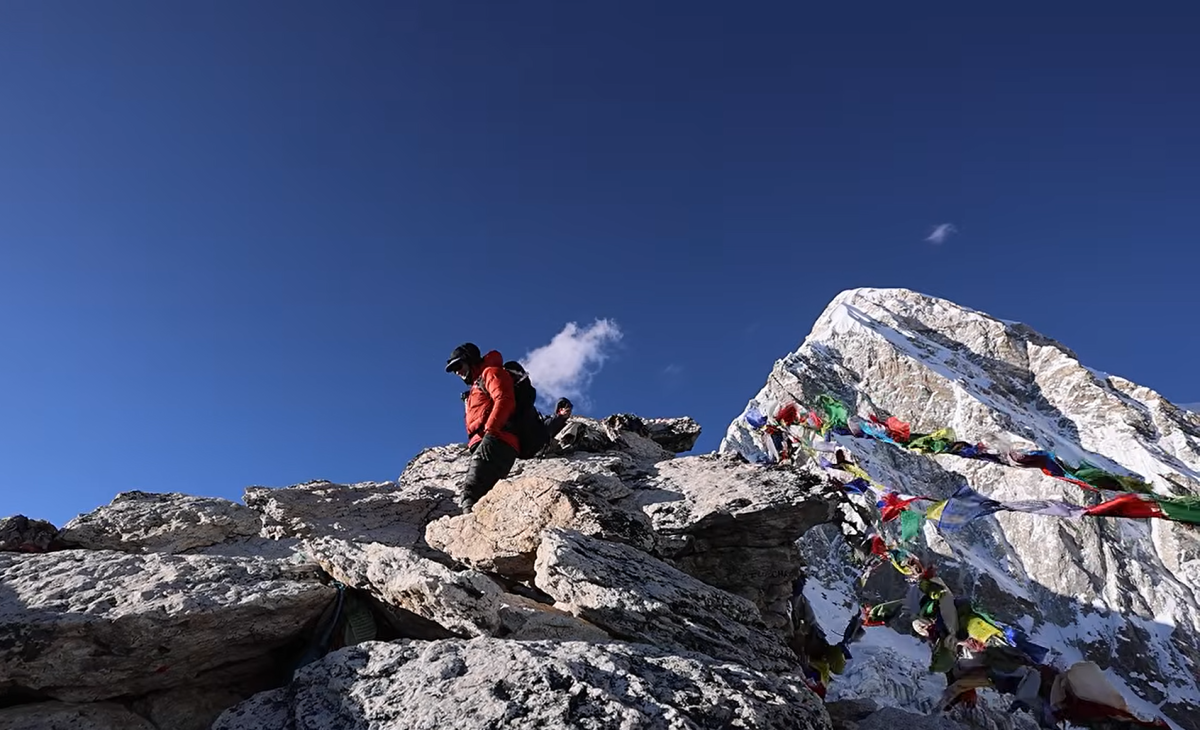
Along the way you also climb Kala Patthar (5,644 m) and Gokyo Ri (5,357 m). Neither needs technical skills, but both are hard in their own way.
Kala Patthar is a steep, early-morning climb above Gorak Shep, and it gives you the classic close-up of Everest. Gokyo Ri is a long, steady staircase of stone that rewards you with one of the finest panoramas in Nepal. Treat both as a bonus rather than a race, and go slowly.
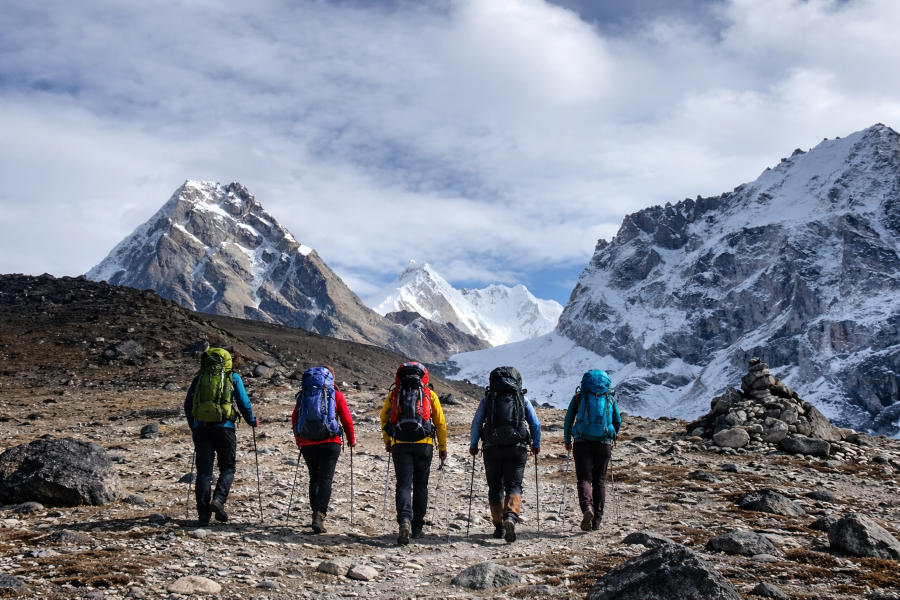
On most days, you wake before sunrise, eat a hearty breakfast of porridge, eggs or Tibetan bread, and begin walking by 6:30 or 7:00. You walk for five to nine hours, with a lunch stop in a teahouse around midday. Afternoons are spent resting, drinking tea, and playing cards with fellow trekkers by a yak-dung stove.
Pass days are the longest, often starting at 4:30 or 5:00 AM to cross before afternoon winds pick up. Early starts are cold, but they bring the best light and the safest conditions.
Season has a major effect on how hard the trek feels.
October and November bring clear skies, stable weather and the most views. Nights are cold, and trails are busier. April and May are warmer, with rhododendrons flowering in the lower valleys, though afternoon clouds are more common.
Winter brings heavy snow and extreme cold that can make the passes dangerous. The monsoon season, from June to August, brings rain, mud and cloud-covered mountains. For most trekkers, spring and autumn are the right choice.
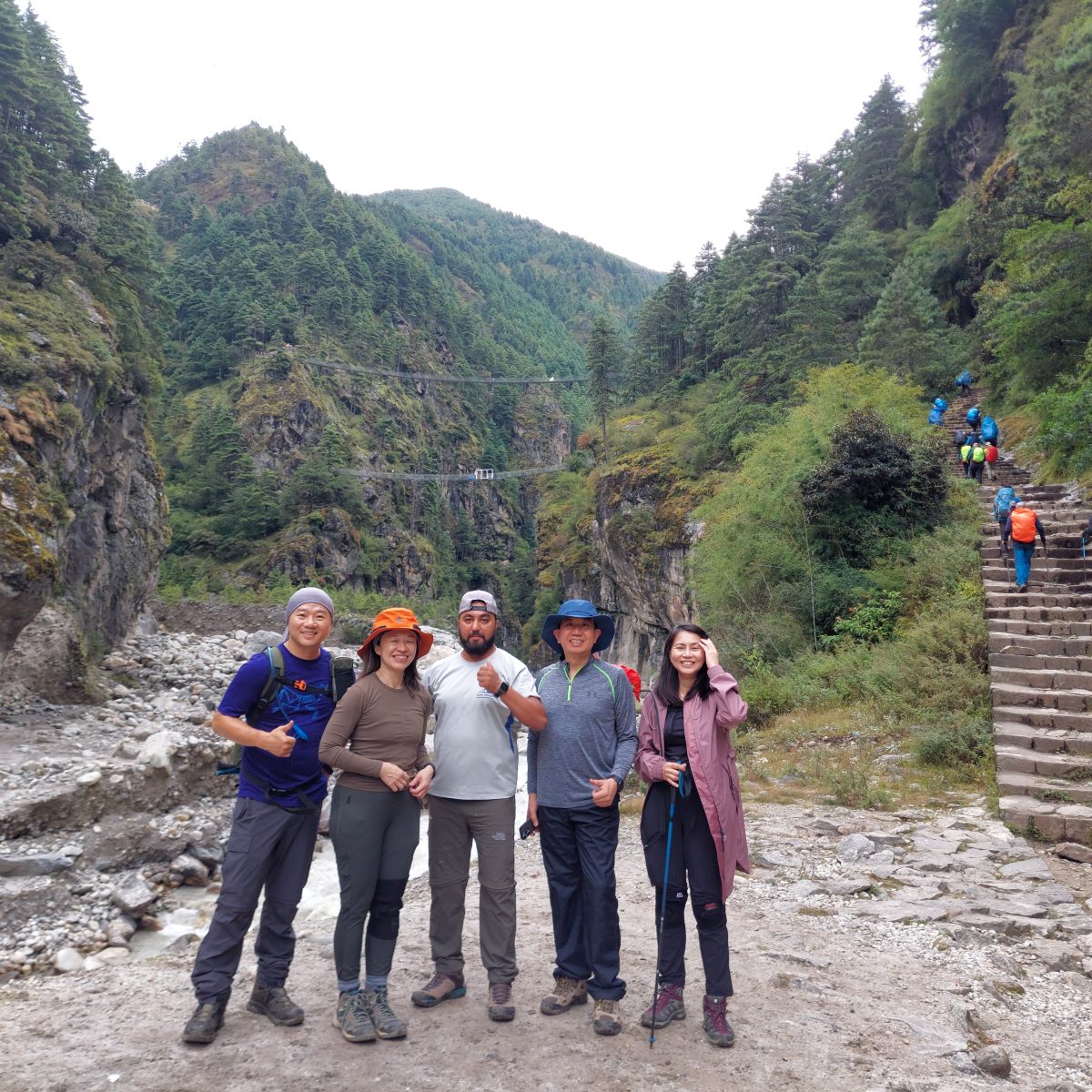
You do not need to be an athlete, but you do need a solid base. Start training at least two to three months before departure.
Mental toughness matters too. There will be cold mornings, tired afternoons and moments when you question your decision. The trekkers who finish happily are usually the ones who keep a slow, steady pace and a positive attitude.
It is possible, but it is not the easiest place to start. First-time trekkers who are fit, healthy, and well-guided can complete it, especially with a longer itinerary. But if you have never been above 3,500 meters, it is smart to begin with Everest Base Camp or Poon Hill, Annapurna Base Camp and return for the passes later.
If you are unsure, speak with a local trekking company before booking. An honest operator will tell you whether the trek suits your experience.
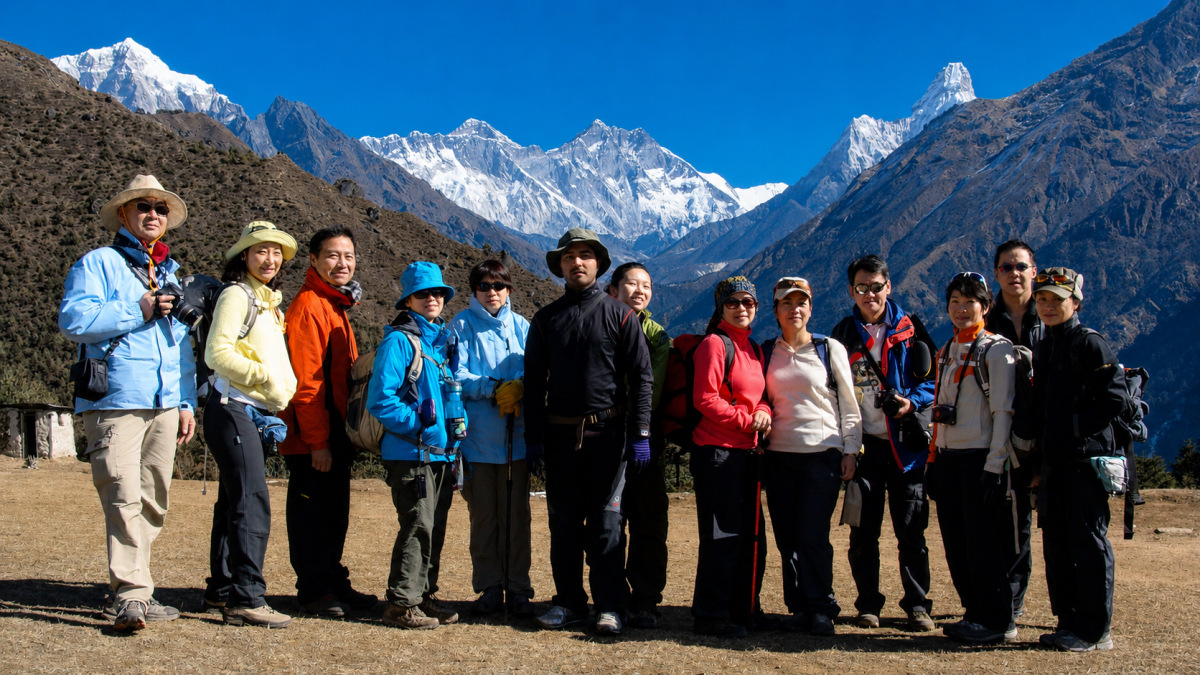
The Everest Three Passes Trek is not a trail you want to walk alone. It crosses high passes, glaciers and remote valleys, and a good guide and porter make the journey safer, easier and far more enjoyable.
Safer route finding. The trails over Cho La and Kongma La are not always clear. Snow, ice and moving glacier stones can change the path from one season to the next. An experienced guide knows exactly where to go.
Quick weather decisions. Mountain weather can turn within an hour. A guide watches the sky, the wind and the snow, and decides when to cross and when to wait.
Early altitude sickness detection. Headaches, nausea and tiredness are easy to ignore at high altitude. A trained guide notices the warning signs early and knows when to rest, slow down or descend.
Right pace every day. Walking too fast is one of the biggest mistakes on this trek. Your guide sets a steady speed that protects your energy and helps your body adjust.
Local knowledge and culture. Guides share stories about Sherpa life, monasteries, mountains and traditions, so you understand what you are seeing, not only photographing it.
Help in emergencies. If something goes wrong, your guide arranges rescue, speaks to teahouse owners and coordinates with your trekking company.
A porter carries your main duffel bag, usually up to 10 to 12 kg per trekker, so you walk with only a light daypack of 4 to 6 kg for water, a jacket, snacks and a camera.
This changes the experience completely. You save energy for the passes, reduce strain on your knees and back, and breathe more easily on steep climbs. For many trekkers, this one choice turns a punishing trek into a pleasant one.
Hiring a porter also supports local families and mountain communities, since porter work is an important source of income in the Khumbu region.
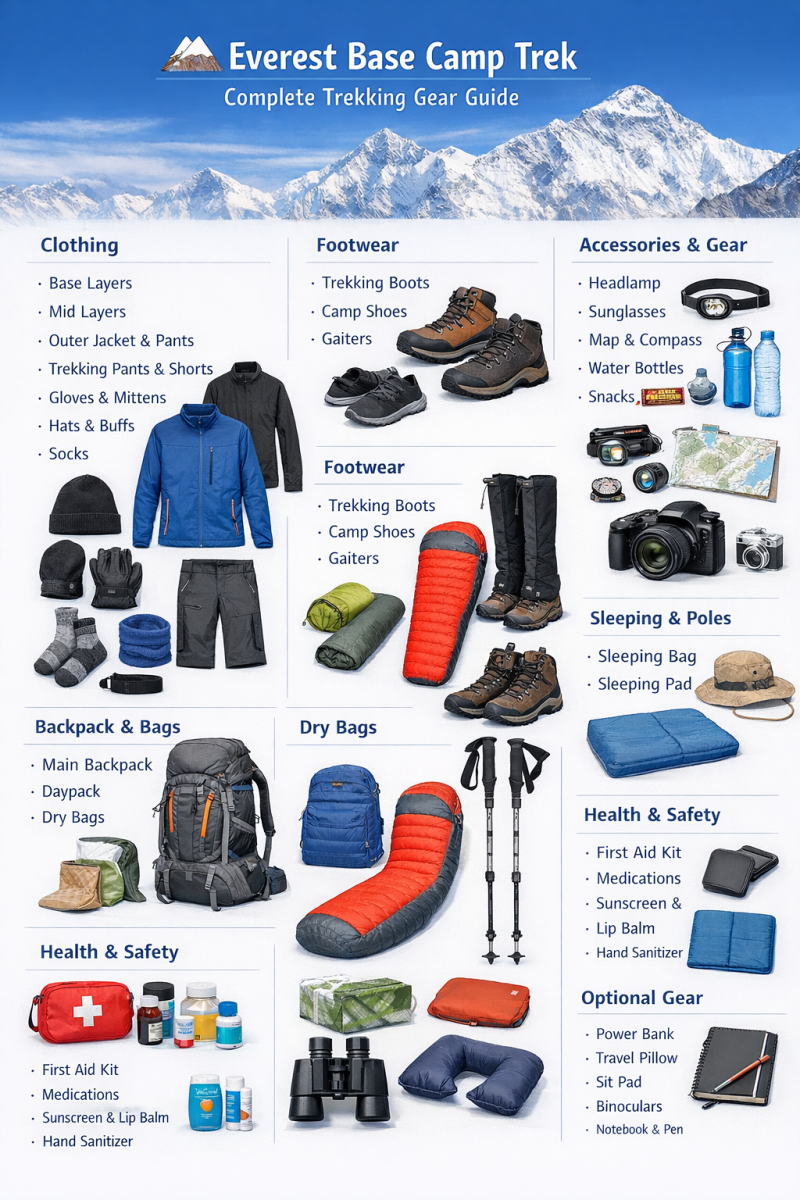
Pack light, but pack right. At 5,500 meters, the right gear matters more than extra gear. Use this list as your checklist.
Base layers
Mid layers
Outer layers
Quick tip: Everything above can be rented or bought in Kathmandu’s Thamel area if you want to travel lighter. Just test your boots and sleeping bag before the trek.
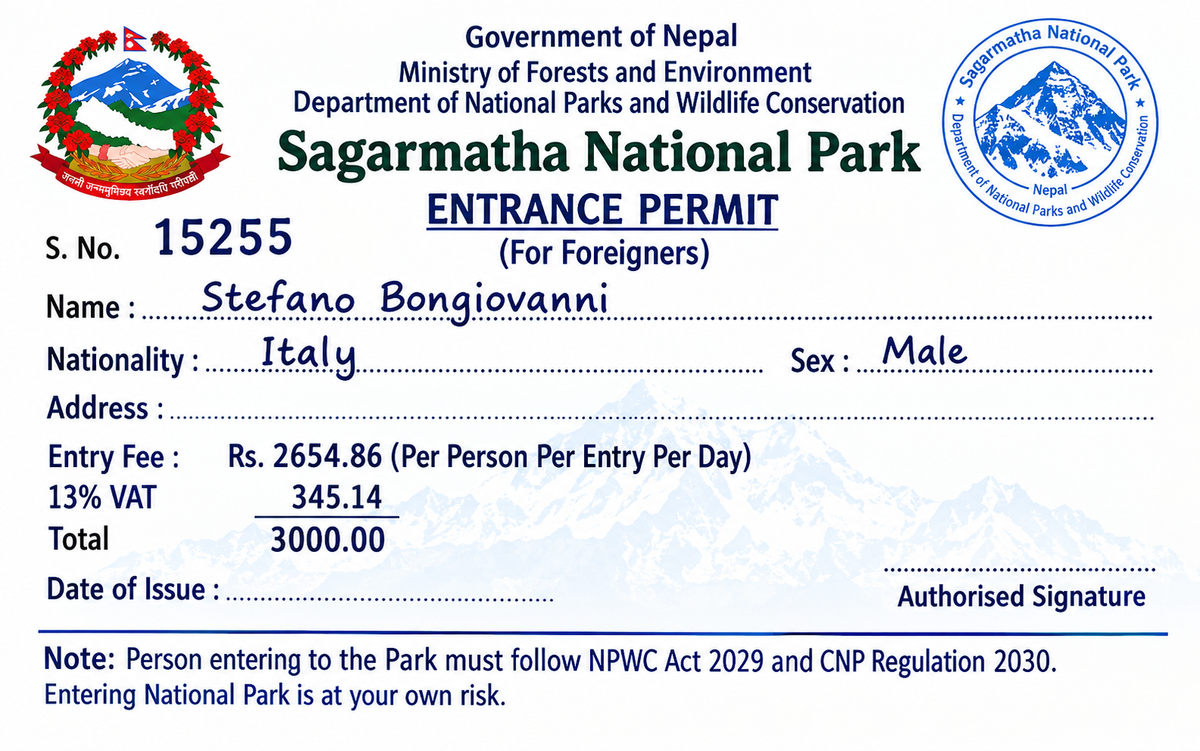
You will need a Sagarmatha National Park permit and the Khumbu Pasang Lhamu local permit, both of which your trekking company can arrange. Good travel insurance is essential. Make sure it covers trekking above 5,500 meters and helicopter evacuation, because rescue is expensive and sometimes necessary.
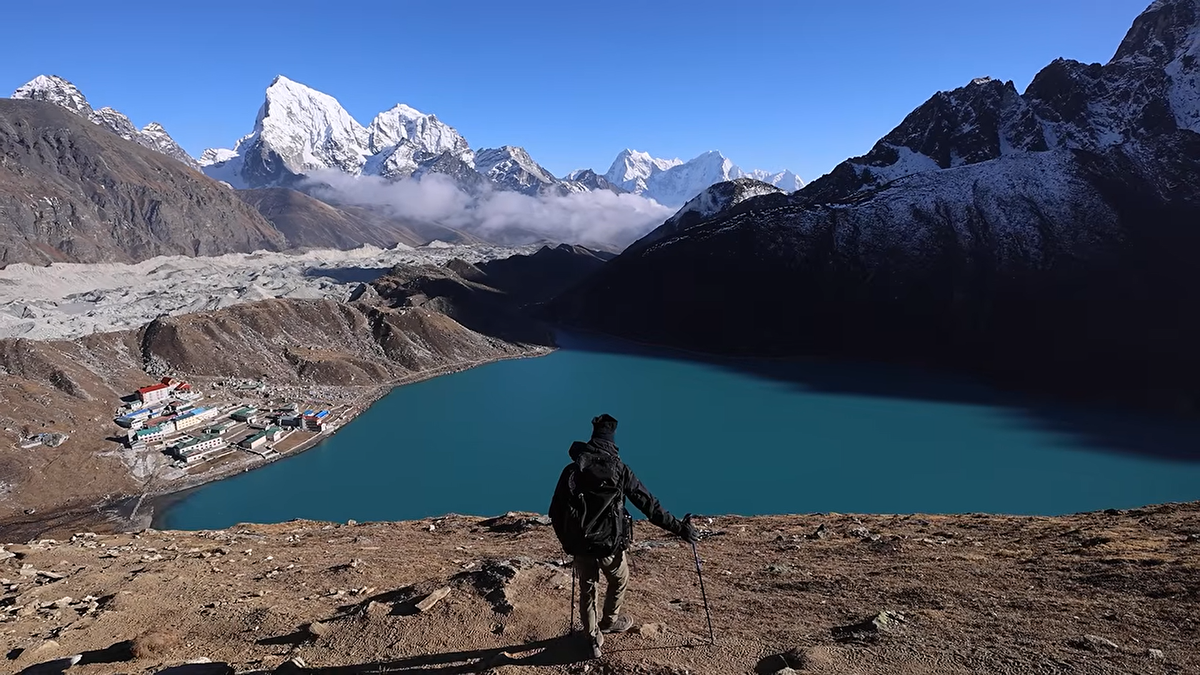
The Three Passes Trek is tough, but small choices make a big difference. These tips come from what works on the trail.
1. Choose a longer itinerary
Pick 19 to 21 days with proper rest days at Namche Bazaar and Dingboche. Extra days are the best protection against altitude sickness.
2. Train for at least 8 to 12 weeks
Hike uphill with a loaded daypack, and add squats and lunges for your legs. Practice long downhill walks too, since descents are hard on the knees.
3. Go slow, especially early on
A steady, slow pace saves energy for the passes. If you can still talk while walking, you are going at the right speed.
4. Start early on pass days
Leave between 4:30 and 6:00 AM. Mornings are calmer and safer, and winds usually rise by afternoon.
5. Drink plenty of water
Aim for three to four liters a day. Hydration helps your body adjust to altitude and eases headaches.
6. Eat well, even without appetite
Altitude reduces hunger, but your body needs fuel. Choose simple, hot meals like dal bhat, noodle soup or porridge.
7. Climb high, sleep low
Take short acclimatization hikes to higher points during the day, then return to a lower village to sleep.
8. Tell your guide about every symptom
Headache, nausea, dizziness or poor sleep should be shared early. If symptoms get worse, descend. No pass is worth your health.
9. Hire a licensed guide and porter
A guide reads weather and trail conditions, especially on Cho La and Kongma La. A porter carries your heavy bag so you walk with only a light daypack.
10. Carry microspikes
Snow and ice are common on Cho La, particularly in the cold months. Microspikes make the glacier section much safer.
11. Use trekking poles
Poles reduce knee strain on long downhill sections and add balance on rocky ground.
12. Keep batteries and water warm
Cold drains phones and power banks fast, and water bottles freeze overnight. Keep them inside your sleeping bag.
13. Protect yourself from the sun
UV is strong at high altitude. Wear glacier sunglasses, sunscreen and a sun hat, even on cloudy days.
14. Buy good travel insurance
Make sure it covers trekking above 5,500 meters and helicopter evacuation.
15. Keep a buffer at the end
Add one or two extra days in Kathmandu in case Lukla flights are delayed by weather.
16. Stay flexible
Weather can change your plan. Treat delays as part of the adventure, not a failure.
So, how difficult is the Everest Three Passes Trek? It is demanding, high and long, but it is well within reach for a prepared, patient trekker with good support. You will earn every view, from the first sight of Kongma La’s glacier to the final wide panorama at Renjo La.
If you give yourself enough days, train in advance and respect the altitude, this trek will give you the Everest region at its most complete. It is the kind of journey you will still be talking about years from now.
1. How difficult is the Everest Three Passes Trek?
It is strenuous. It involves long days, high altitude and three passes above 5,300 meters, but no technical climbing is needed.
2. How many days does the trek take?
Most itineraries take 18 to 21 days, including acclimatization days and flights to and from Lukla.
3. What are the three passes?
Kongma La (5,535 m), Cho La (5,420 m) and Renjo La (5,360 m).
4. Which pass is the hardest?
Kongma La. It is the highest, with a long, steep climb and a rocky descent.
5. What is the highest point on the trek?
Kala Patthar at 5,644 meters, the classic viewpoint for Everest.
6. What is the best time to do the trek?
April to May and October to November, when the weather is most stable and the views are clearest.
7. Can beginners do the Three Passes Trek?
Fit beginners can, with good preparation and a longer itinerary. If you have never trekked at altitude, Everest Base Camp is a better first step.
8. Do I need technical climbing experience?
No. You should be comfortable on rocky, snowy and icy trails, but ropes and mountaineering skills are not needed.
9. Do I need a guide and porter?
It is strongly recommended. A guide helps with route finding, weather and altitude safety, and a porter lets you walk with a light daypack.
10. What permits are required?
A Sagarmatha National Park permit and a Khumbu Pasang Lhamu local permit. Your trekking company can arrange both.
11. How cold does it get?
Daytime is usually mild in the lower valleys, but nights above 4,500 meters can fall well below freezing, especially in autumn and spring.
12. What is the risk of altitude sickness?
It is real, even for fit trekkers. Go slowly, drink plenty of water, take rest days and tell your guide about any symptoms immediately.
13. Is Cho La dangerous?
It can be, mainly because of snow and ice near the top and a short glacier section. With microspikes and a guide, most trekkers cross it safely.
14. What type of accommodation is available?
Simple teahouses with twin beds, shared bathrooms and a dining hall with a stove. Rooms are basic and get colder as you go higher.
15. Is travel insurance necessary?
Yes. Choose a policy that covers trekking above 5,500 meters and helicopter evacuation.

My name is Peng Chang, and I travelled to Nepal from Malaysia with a small group of friends. Before
Continue Reading
In this story Why I Chose Everest Base Camp My name is Chyling, and I come from Malaysia, a country
Continue Reading
Ask anyone who has finished the Annapurna Circuit which day they remember most, and the answer is al
Continue Reading
Introduction Kathmandu doesn’t ease you in. You step out of the airport into a chorus of horns
Continue Reading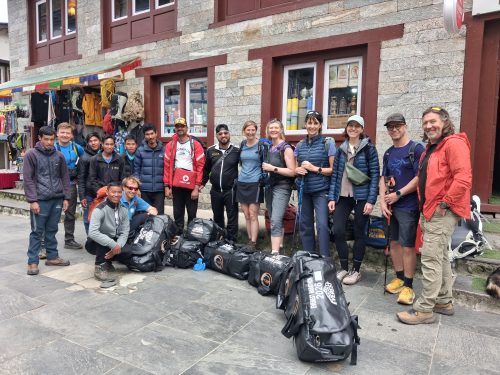
Every Everest Base Camp trekking package includes a line item for “guide” and “por
Continue Reading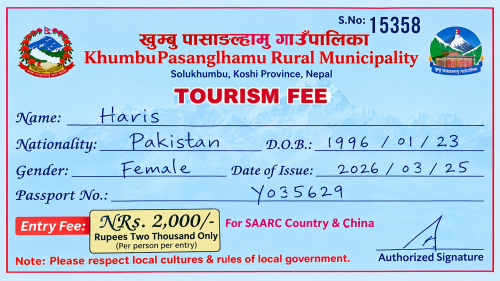
Understanding Everest Base Camp Trek Permits Cost is one of the first things every Everest Region tr
Continue Reading