
18 Nov 2026 11 min to read
Most travellers plan Nepal for spring or autumn and never think of winter. That is a missed chance. From December to February the sky is often deep blue, the air is dry, the trails are peaceful and the mountains look sharper than at any other time of year. The cold is real, especially at night, but with the right route, the right gear and a good local team, winter can be the most rewarding time to walk in the Himalayas.
Hikers in colder countries often ask which snowshoes they need for winter. In Nepal the answer is simpler. Most popular trails have teahouses, stone steps and well-used paths, so you rarely need snowshoes. Warm layers, insulated boots and, on higher sections, light traction spikes are usually enough. This guide covers eight winter routes, each with an itinerary, altitude, walking hours and winter notes, followed by gear advice, our winter tips and answers to common questions.
Yes, we recommend both. In winter, snow can cover the trail overnight, daylight is shorter and a few high teahouses close for the season. A licensed guide knows which sections are safe, watches for altitude sickness, adjusts the schedule when weather changes and handles lodging and permits. A porter carries your main bag, usually up to about 20 to 25 kg shared between two trekkers, so you walk with a light daypack and keep your energy for the cold and the altitude. On snowy trails a lighter pack makes you steadier and safer. For solo trekkers, a guide is especially valuable in winter, because there are fewer other walkers on the path to help if something goes wrong.
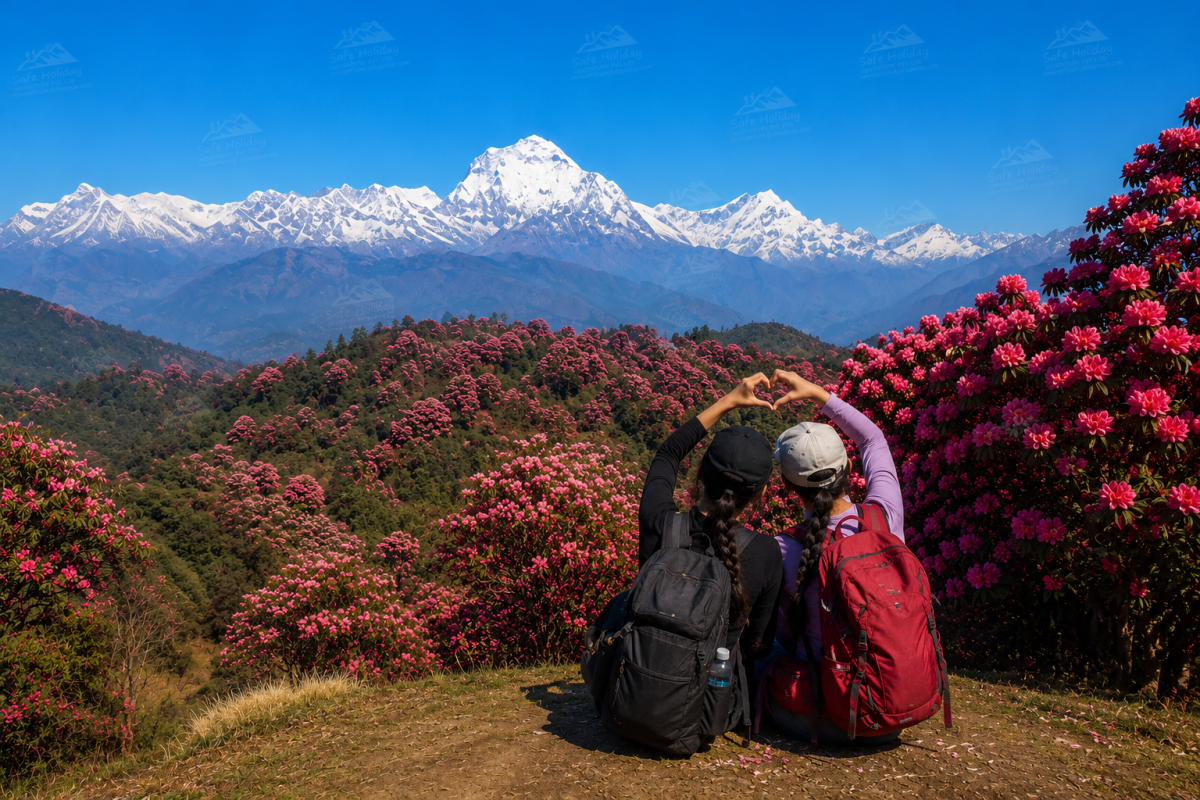
If this is your first Himalayan trek, begin here. The trail climbs through rhododendron forest and stone-stepped villages to Poon Hill, where sunrise paints Dhaulagiri and the Annapurna range gold. In winter the upper villages are frosty and a dusting of snow near the top is common, which adds to the beauty.
Day 1: Drive Pokhara to Nayapul (about 1.5 hours), then walk to Tikhedhunga (1,540 m). Walking time about 4 hours.
Day 2: Climb the famous Ulleri staircase (2,070 m) and continue to Ghorepani (2,874 m). Walking time 6 to 7 hours.
Day 3: Pre-dawn climb to Poon Hill (3,210 m) for sunrise, about 45 to 60 minutes. Return for breakfast, then walk to Tadapani (2,630 m), about 5 to 6 hours.
Day 4: Descend through forest to Ghandruk (1,940 m) and on to Nayapul, then drive to Pokhara. Walking time 5 to 6 hours.
Winter note: The pre-dawn climb is cold, often below freezing. Carry a headlamp, warm gloves and a hot drink in a flask.
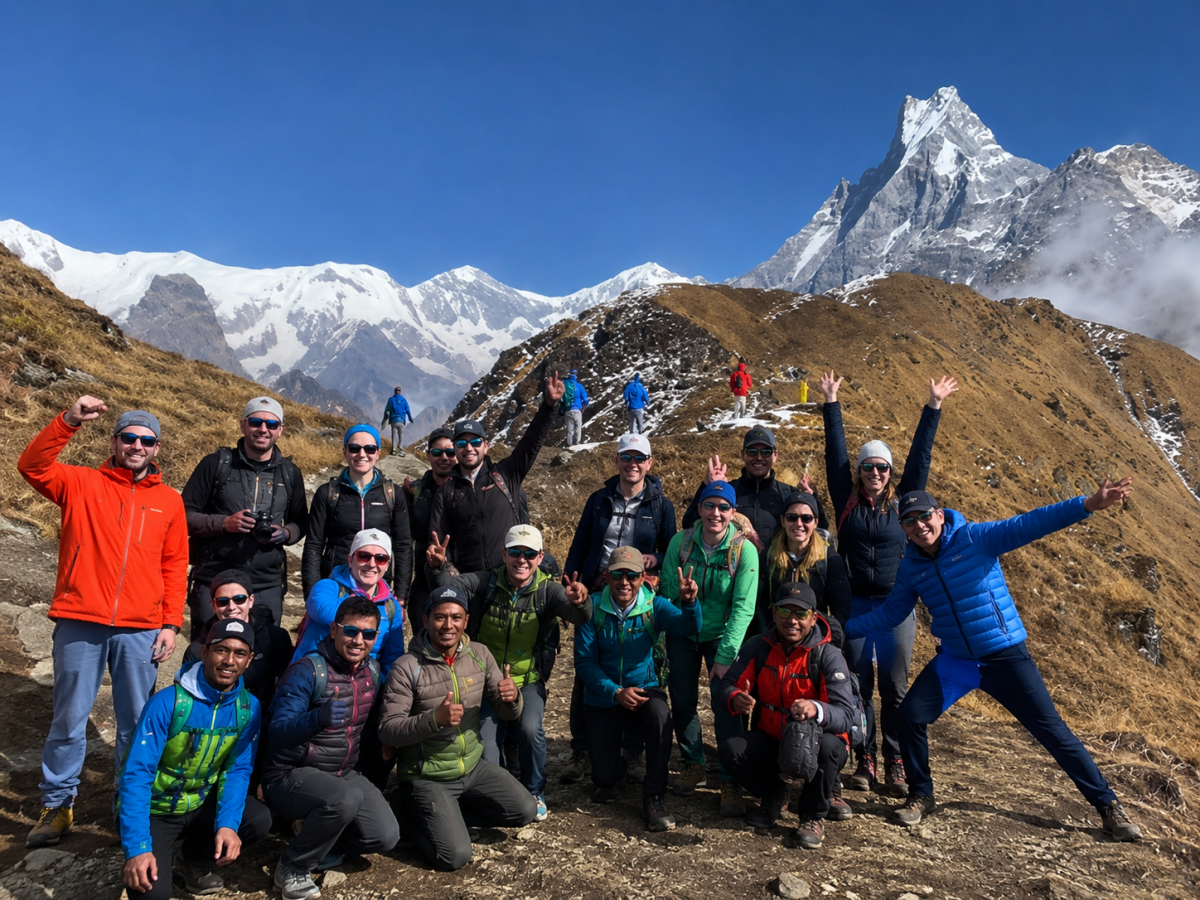
Mardi Himal follows a high ridge with Machhapuchhre, the Fishtail peak, rising close in front of you. It is quieter than the main Annapurna trails, and in winter the upper section feels properly alpine. Snow often lies from Low Camp upward.
Day 1: Drive Pokhara to Kande, walk to Pitam Deurali (2,100 m). About 3 to 4 hours.
Day 2: Walk to Forest Camp (2,550 m) through rhododendron and oak forest. About 5 to 6 hours.
Day 3: Climb via Low Camp (3,050 m) to High Camp (3,580 m). About 5 to 6 hours. Views open dramatically here.
Day 4: Early walk to the Mardi Himal viewpoint (about 3,900 m) for sunrise, then descend toward Siding (1,750 m). About 3 hours up and back, then 5 to 6 hours down.
Day 5: Walk out to Siding or the road and drive to Pokhara.
Winter note: Go with a guide, start early and carry traction spikes in case the ridge is icy. Nights at High Camp are very cold.

If you only have a few days, Pokhara is one of the best winter bases in Nepal. The valley stays mild by day, the lake is calm, and the mountains are clear. A simple Pokhara hike gives you village stays and big views without extreme cold.
Day 1: Drive to Phedi and walk up to Dhampus (1,650 m), then on to Pothana (about 1,900 m). About 4 to 5 hours.
Day 2: Continue through forest to Australian Camp (2,060 m) for sunrise over Annapurna South, Machhapuchhre and Dhaulagiri. Descend to Pokhara via Dhampus. About 5 to 6 hours.
Optional Day 3: Sarangkot (1,590 m) for sunrise, then a relaxed lakeside afternoon. Walking is only 1 to 2 hours.
Winter note: Morning and evening are cold, but this route has the mildest conditions of any trek on our list, making it ideal for families and beginners.
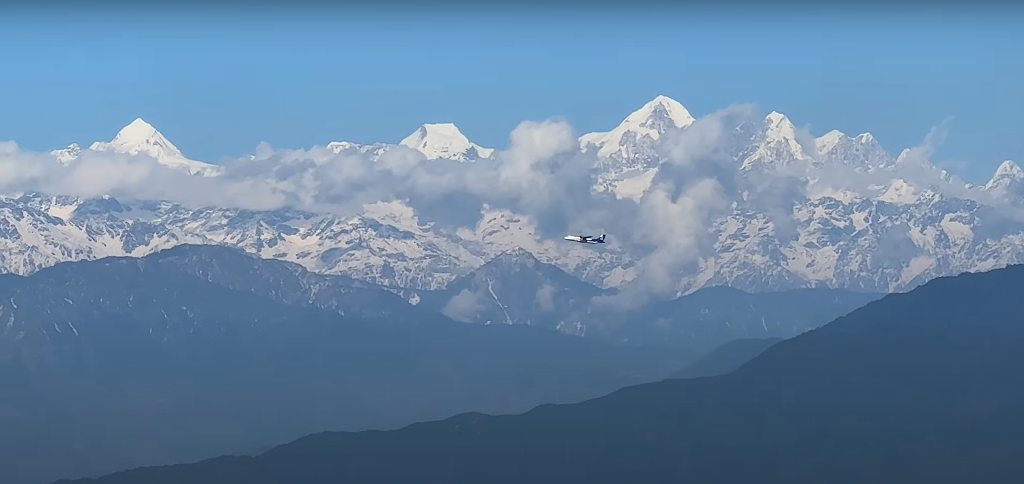
For a quick escape from the city, the Sundarijal, Chisapani and Nagarkot route takes you through pine forest, Tamang and Sherpa villages and open ridges inside Shivapuri Nagarjun National Park. The clear winter air gives wide views of the Langtang range and sometimes Everest in the far east.
Day 1: Drive Kathmandu to Sundarijal (1,350 m), walk via Mulkharka (about 1,800 m) to Chisapani (2,215 m). About 5 to 6 hours.
Day 2: Walk from Chisapani via Chauki Bhanjyang to Nagarkot (about 2,175 m). About 6 to 7 hours, with a gentle mix of ridge and forest.
Day 3 (optional): Sunrise at Nagarkot, then drive back to Kathmandu, about 1.5 to 2 hours.
Winter note: Mornings at Chisapani can be below freezing. Pack a warm jacket and gloves, and expect crisp, clear mornings.
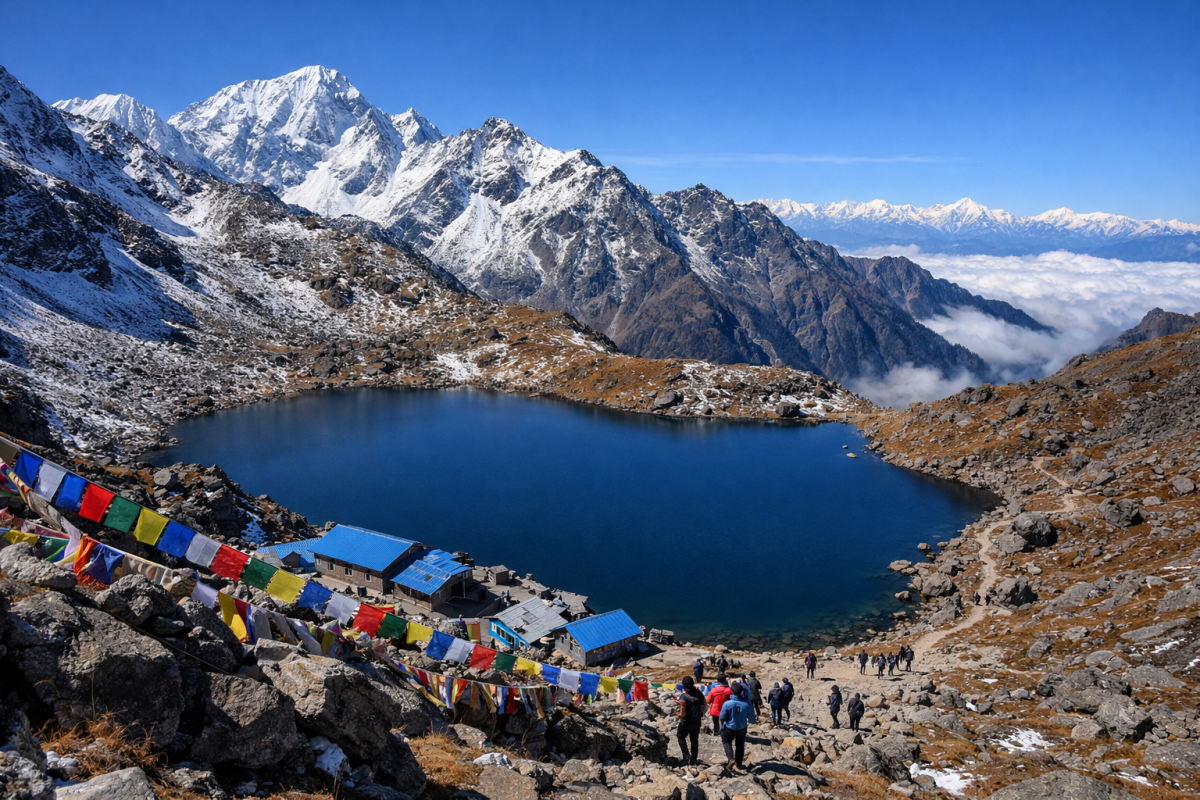
Langtang is quieter in winter and the scenery is beautiful, with glacier views, yak pastures and Tamang villages. The valley route is a good winter choice. Gosaikunda is different. At about 4,380 m, the sacred lake is often frozen and heavily snowbound from late December to February.
Day 1: Drive Kathmandu to Syabrubesi (1,550 m). About 7 to 8 hours by road.
Day 2: Walk to Lama Hotel (2,470 m). About 6 hours.
Day 3: Walk to Langtang Village (3,430 m). About 5 to 6 hours.
Day 4: Walk to Kyanjin Gompa (3,870 m). About 3 to 4 hours.
Day 5: Rest and explore. Climb Kyanjin Ri (4,773 m), about 3 to 4 hours up and back.
Day 6: Descend to Lama Hotel. About 6 to 7 hours.
Day 7: Return to Syabrubesi and drive to Kathmandu, or continue to Gosaikunda via Thulo Syabru (2,210 m) and Sing Gompa (3,250 m) with Laurebina Pass (4,610 m) beyond.
Winter note: We suggest Gosaikunda only in early winter, or with an experienced guide, full snow gear and flexible dates. The Langtang Valley itself is the safer winter pick.
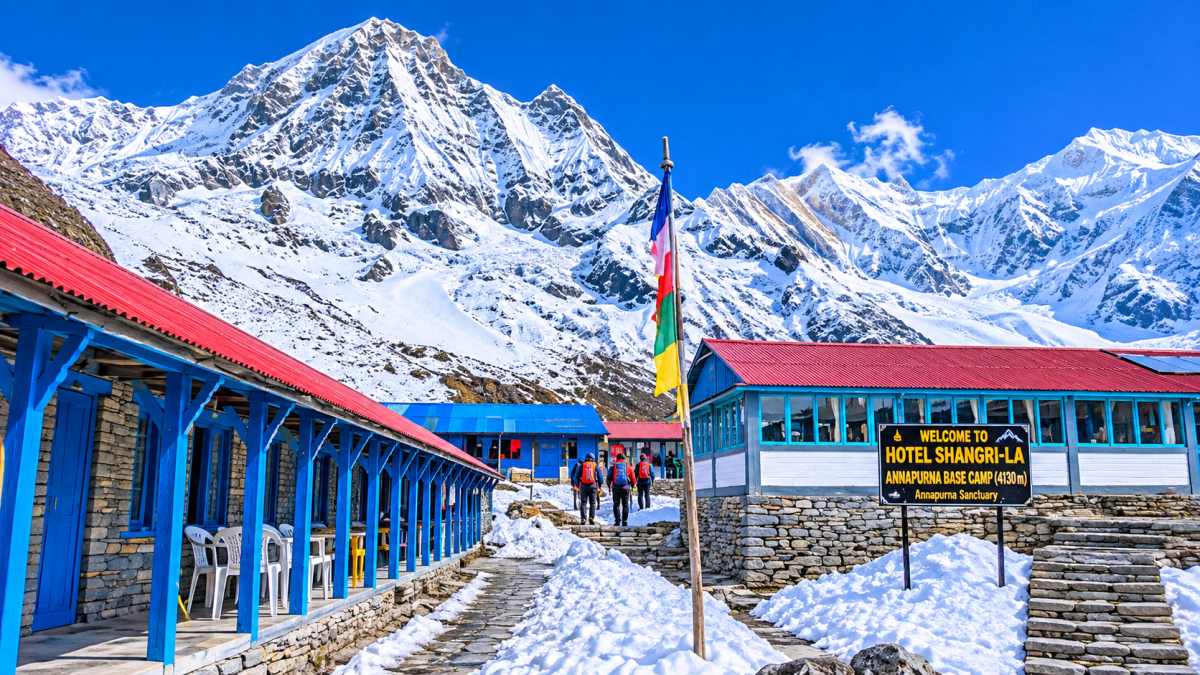
The classic Annapurna Base Camp trek takes 7 to 10 days. A shortcut itinerary saves time by using road transport to reach higher trailheads. It suits fit trekkers who want a big Himalayan goal in limited time, but fast height gain needs care.
Day 1: Drive Pokhara to Ghandruk (1,940 m) and walk to Chhomrong (2,170 m). About 3 to 4 hours of walking.
Day 2: Walk via Bamboo (2,310 m) and Dovan (2,600 m) to Himalaya (2,920 m). About 6 to 7 hours.
Day 3: Climb through Deurali (3,230 m) and Machhapuchhre Base Camp (3,700 m) to Annapurna Base Camp (4,130 m). About 6 to 7 hours. Enjoy sunset in the amphitheatre of peaks.
Day 4: Descend to Bamboo. About 6 to 7 hours.
Day 5: Walk to Jhinu Danda (1,780 m) for hot springs if time allows, then drive to Pokhara. About 3 to 4 hours.
Winter note: Expect snow from Deurali upward, cold nights and very clear mornings. Avalanche risk can rise after heavy snow between Deurali and MBC, so keep a spare day and follow your guide’s decision on when to go.
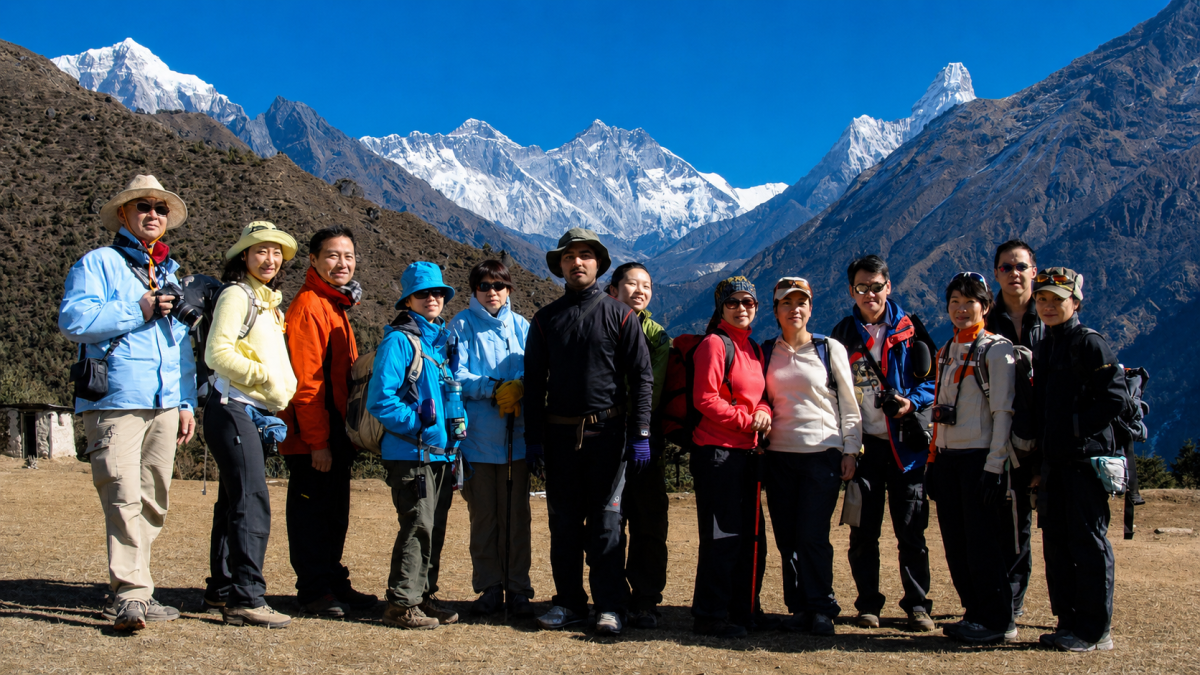
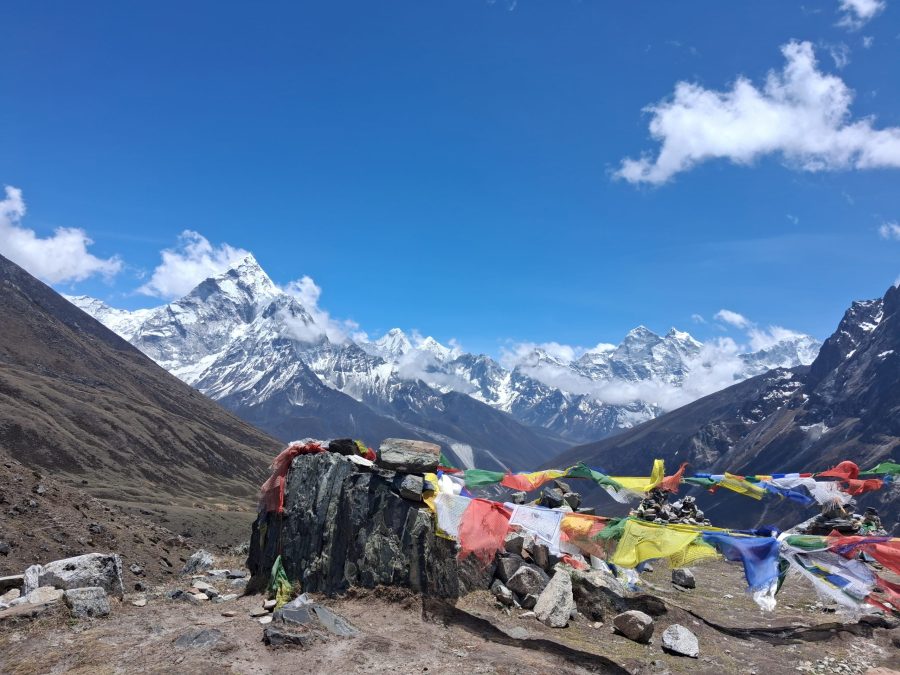
This short trek is perfect if you want a taste of the Khumbu without the long climb to base camp. You fly to Lukla, walk to Namche Bazaar and rise to a viewpoint with Everest, Lhotse and Ama Dablam on the horizon.
Day 1: Fly Kathmandu to Lukla (2,860 m) and walk to Phakding (2,610 m). About 3 hours.
Day 2: Walk to Namche Bazaar (3,440 m) over high suspension bridges. About 5 to 6 hours.
Day 3: Hike to the Everest View Hotel area (about 3,880 m) and Khumjung (3,790 m), then return to Namche. About 4 to 5 hours.
Day 4: Walk down to Lukla, about 7 to 8 hours, and fly to Kathmandu when the weather allows.
Winter note: Winter air is dry and clear, which makes it excellent for photography. Nights in Namche are very cold, so bring a proper down jacket. Keep a flexible day for Lukla flight delays, or ask us about a helicopter return.

Experienced trekkers can still reach Everest Base Camp in winter. The trails are quiet and the sky is often spotless, but temperatures at Dingboche, Lobuche and Gorak Shep drop far below freezing, and some teahouses close.
Key stages: Lukla (2,860 m) to Phakding (2,610 m), 3 hours. Namche Bazaar (3,440 m), 5 to 6 hours. Acclimatization day in Namche. Tengboche (3,860 m), 5 to 6 hours. Dingboche (4,410 m), 5 to 6 hours. Acclimatization day in Dingboche. Lobuche (4,940 m), 5 to 6 hours. Gorak Shep (5,164 m) and Everest Base Camp (5,364 m), 7 to 8 hours in total. Kala Patthar (5,545 m) at sunrise, about 2 to 3 hours round trip. Return to Lukla in 3 to 4 days.
Winter note: Choose a guided trip with extra acclimatization time, a down sleeping bag and quality cold-weather gear. Remember that daylight is short, so start walking early.
Start early. Mornings are the clearest and calmest part of the day, and the afternoon cloud and wind arrive sooner in winter.
Keep a spare day. Snow, cold or flight delays can change plans, so build extra time into your schedule.
Layer, do not overdress. Add and remove layers as you warm up, because sweat that cools quickly makes you colder.
Drink warm fluids. Hot water, ginger tea and soup keep you hydrated, because cold hides thirst.
Respect altitude. Climb slowly, rest when needed and never ignore headache, nausea or dizziness. Descend if symptoms increase.
Choose the right route for your experience. Poon Hill, the Pokhara hikes and Chisapani Nagarkot suit beginners, while Mardi Himal, Langtang, Annapurna Base Camp and Everest need more fitness and preparation.
Use a licensed local team. A guide and porter make winter walking safer and far more enjoyable.
Can you trek in Nepal in winter?
Yes. Many routes are open and beautiful from December to February, if you choose the right trail and carry proper gear.
Which is the best winter trek for beginners?
Ghorepani Poon Hill, the Pokhara hikes and Chisapani Nagarkot are the easiest and warmest options.
Is Everest Base Camp open in winter?
Yes, but it is very cold, and some teahouses close. It suits experienced, well-prepared trekkers with a guide.
Do I need snowshoes in Nepal?
Usually not. Light traction spikes are enough for most winter trails.
Is Gosaikunda safe in winter?
It can be dangerous after heavy snow. We suggest early winter or an experienced guide only.
How cold does it get?
Lower villages stay around 0 to 10°C by day, while nights at 4,000 m and above can fall to -15°C or lower.
Are guides and porters necessary?
Not legally on every route, but we strongly recommend both in winter for safety, comfort and local knowledge.
Will the flights to Lukla run?
Flights usually run in clear winter weather, but delays happen, so keep a spare day.
What is the best winter trek for a short holiday?
The Everest View trek, Poon Hill and the shortcut Annapurna Base Camp trek all fit into 4 to 5 days.
Do I need travel insurance?
Yes. Choose a policy that covers trekking at altitude and helicopter evacuation.
Winter in Nepal rewards people who plan well. Whether you want an easy Poon Hill walk, a snowy Mardi Himal ridge, a quick hike from Pokhara or Kathmandu, or the Everest View trek, Safe Holiday Adventure Pvt. Ltd can build the right itinerary for your fitness, time and budget, with an experienced guide and porter team.
For details and bookings, email us at safeholidayadventure@gmail.com.
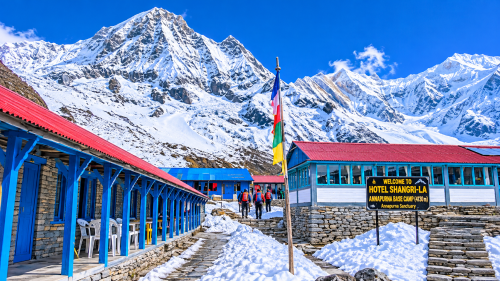
The higher you walk toward Annapurna Base Camp, the smaller your world becomes. Rooms shrink, lights
Continue Reading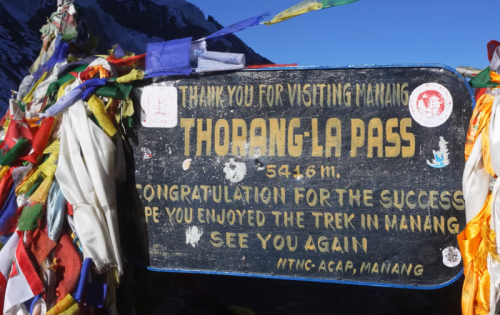
Most people plan the Annapurna Circuit around one single moment: standing under the prayer flags at
Continue Reading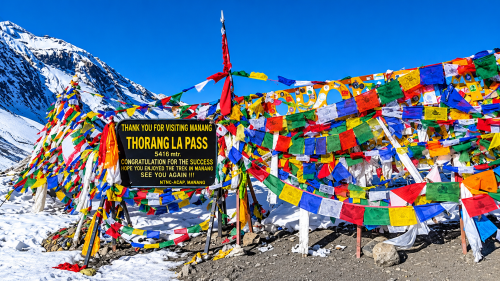
Travelling to Nepal and exploring the Himalayas had been one of our biggest travel dreams. When nine
Continue Reading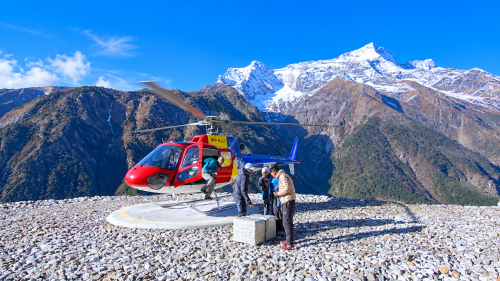
Imagine this. You are standing in Namche Bazaar, the horseshoe-shaped Sherpa town at 3,440 metres, w
Continue Reading
Namche Bazaar is where the Everest trail makes its biggest decision. Most trekkers turn right toward
Continue Reading
Nepal is famous for Mount Everest, the Annapurna Himalayas, ancient temples, traditional villages, a
Continue Reading