

30 Sep 2026 13 min to read
Kathmandu doesn’t ease you in. You step out of the airport into a chorus of horns, prayer bells, sizzling street stalls and the smell of incense drifting over motorbikes. Within an hour, you either love it or you’re overwhelmed. Most travelers end up doing both, and then falling for it completely.
Nestled in a green bowl of hills at roughly 1,400 metres, the Kathmandu Valley has been a crossroads of trade, art and faith for over two thousand years. Hindu shrines stand beside Buddhist stupas, medieval palaces overlook busy squares, and ordinary neighborhoods still run on centuries-old rituals. Seven groups of monuments in the valley are inscribed as UNESCO World Heritage Sites, a remarkable concentration for a single city.
If you’re wondering what the best things to do in Kathmandu are, this guide covers seven experiences that capture the city’s soul, plus practical advice on timing, etiquette and getting around. Whether you’re here for two days before a Himalayan trek or a full week of cultural exploration, this list will help you spend your time well.
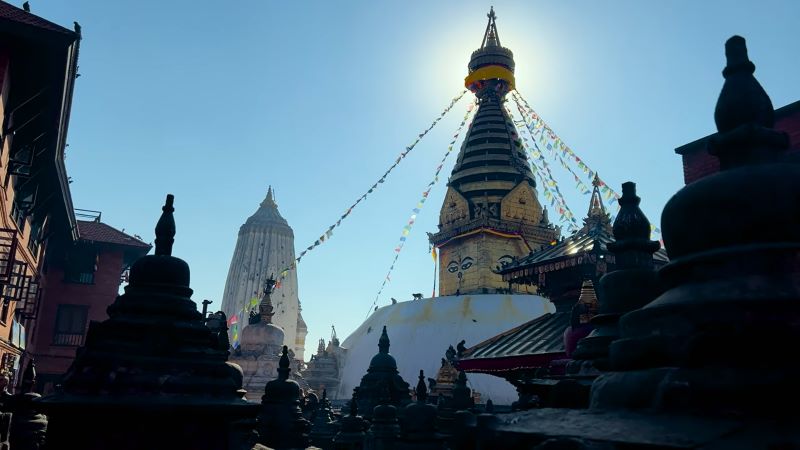
Perched on a hilltop on the western edge of the city, Swayambhunath is one of the most recognizable sights in Nepal. Its whitewashed dome and gilded spire, painted with the watchful eyes of the Buddha, look out over the whole valley.
Local legend says the valley was once a vast lake, and that the lotus growing at this spot was the first thing to rise from the water when the bodhisattva Manjushri drained it. Whatever you believe, the site is ancient, with a history that many scholars place well over 1,500 years deep.
What to do there
Best time to visit: Early morning, when the valley is often wrapped in mist and locals are performing their morning prayers, or late afternoon for golden light over the rooftops. On a clear day the view of the city is worth the climb alone.

If Swayambhunath is dramatic, Boudhanath is serene. This is one of the largest spherical stupas in the world, and the heart of Tibetan Buddhist life in Nepal. Since Tibetan refugees began settling here in the 1950s, the neighborhood has grown into a thriving community of monasteries, teahouses and craft shops.
The stupa’s massive white dome is topped by a golden tower with the Buddha’s eyes gazing in four directions. Ropes of colorful prayer flags stretch from the spire, and the whole plaza hums with murmured mantras.
What to do there
Insider tip: Visit during Losar (Tibetan New Year) or on a full-moon day if your dates allow. The atmosphere is electric, and thousands of devotees fill the plaza.

Pashupatinath is not for everyone, but it’s one of the most powerful experiences in the entire country. Dedicated to Lord Shiva, this sprawling temple complex sits on the banks of the sacred Bagmati River and is among the holiest Hindu sites in South Asia.
Only Hindus may enter the main golden-roofed temple, but visitors are welcome to explore the surrounding grounds, terraces and riverside ghats. Here, cremations take place openly beside the river, part of a ritual cycle of life and death that Hindus consider deeply sacred. It can be confronting, so approach with respect and quiet curiosity rather than a camera-first attitude.
What to do there
Etiquette reminder: Dress modestly, avoid photographing cremations up close, and never touch or interfere with any ceremony. Hiring a local guide can help you understand what you’re seeing.
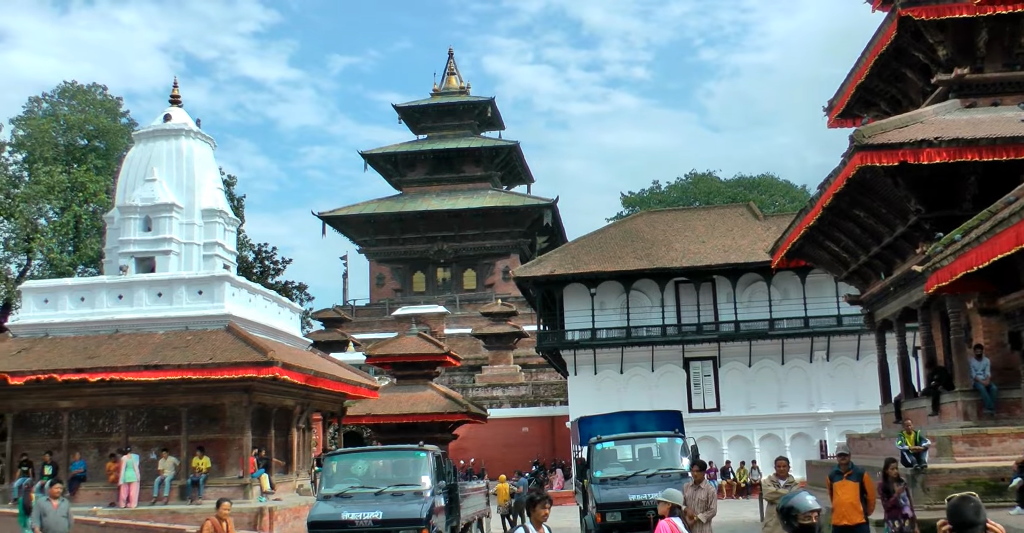
The old royal heart of the city, Kathmandu Durbar Square, is a maze of temples, courtyards and palace buildings dating mainly from the Malla and Shah periods. Carved wooden windows, tiered pagoda roofs and stone lions crowd every corner, and the square is still very much alive, with vendors, pigeons, pilgrims and everyday city traffic.
The 2015 earthquake damaged many monuments here, and restoration work has continued since. Seeing artisans repair structures using traditional methods is a fascinating part of a visit in itself.
Don’t miss
Tip: Enter the square early in the morning before tour groups arrive, then wander the narrow lanes toward Indra Chowk and Asan Bazaar, where spice sellers and brass shops bring the old city to life.
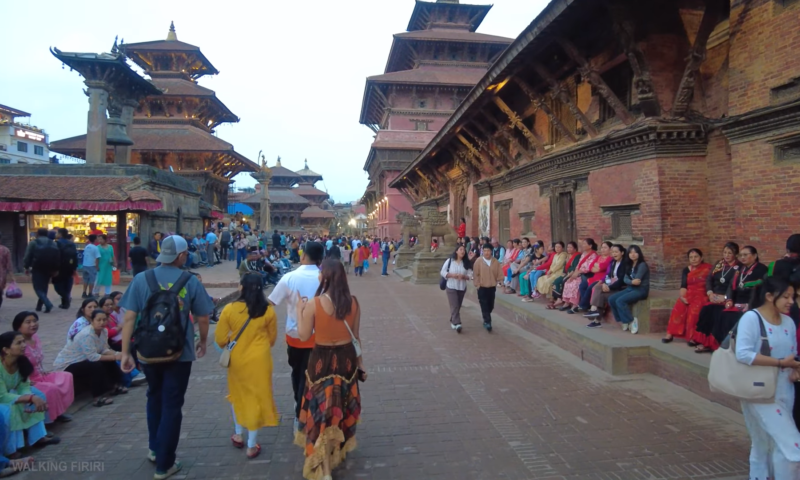
Just across the Bagmati River from Kathmandu sits Patan, also known as Lalitpur, the “City of Fine Arts”. It’s a separate city on paper, but in practice it flows into Kathmandu, and it’s arguably the most beautiful of the valley’s old royal squares.
Patan’s craftsmen have been famous for centuries for their metalwork, stone carving and woodwork, and you can still watch this heritage in action in workshops tucked down side streets.
Highlights
Practical note: Patan is easy to reach by taxi or ride-hailing app, and it works well as a half-day trip. Pair it with a relaxed lunch in one of the courtyard restaurants near the square.

About 13 kilometres east of Kathmandu, Bhaktapur feels like a step back in time. This third great royal city of the valley has preserved its medieval character better than any other, with brick-paved lanes, sculpted temples and traditional potters working in open squares.
Vehicle traffic is limited in the old core, so wandering here is a pleasure. It’s also the best place in the valley to slow down.
What to do there
Good to know: Allow a full half-day or more here. If you have time, continue to nearby Changu Narayan, one of the valley’s oldest temples, on a ridge with excellent views.

After a day of temples, you’ll want a change of pace, and that’s exactly what Thamel offers. This buzzing travelers’ quarter is packed with cafés, bookshops, trekking gear stores, rooftop bars, live music and restaurants serving everything from momos to wood-fired pizza. It’s chaotic and colorful, and it’s where most visitors end up planning their treks, buying last-minute gear or simply people-watching over a drink.
For a quiet break from the noise, step into the Garden of Dreams, a walled neo-classical garden a few minutes’ walk from Thamel. Restored in the early 2000s, its lawns, pavilions and fountains are a peaceful escape from the city. It’s a perfect place to sit with a book, enjoy tea, or simply watch the light change in the late afternoon.
Make the most of it
The two prime seasons are autumn (September to November) and spring (March to May). Autumn brings crisp air, clear skies and major festivals like Dashain and Tihar. Spring offers mild days and blooming rhododendrons in the surrounding hills. Winter is cooler but often sunny, with fewer crowds. Monsoon (June to August) brings heavy rain and humidity, though the valley turns lush and green.
1. What is the best time to visit Kathmandu?
Autumn (September to November) and spring (March to May) are best, with clear skies and pleasant weather.
2. How many days do I need in Kathmandu?
Three to four days cover the main sights. Add two more for Bhaktapur, Patan and a viewpoint like Nagarkot.
3. Is Kathmandu safe for tourists?
Yes, it is generally safe and welcoming. Watch your belongings in crowded areas and use trusted taxis or ride-hailing apps.
4. Do I need a visa to visit Nepal?
Most nationalities need one. You can usually get a visa on arrival at Tribhuvan International Airport or apply online beforehand. Check the latest rules and fees before you travel.
5. What are the top places to visit in Kathmandu?
Swayambhunath, Boudhanath, Pashupatinath, Kathmandu Durbar Square, Patan, Bhaktapur and Thamel.
6. What currency is used, and can I use cards?
The Nepali rupee (NPR). Cards work in larger hotels and restaurants, but carry cash for temples, taxis and small shops.
7. Is the tap water safe to drink?
No. Drink bottled or filtered water, and avoid ice in unfamiliar places.
8. What should I wear when visiting temples?
Cover your shoulders and knees, and remove shoes where asked. Leather items are not allowed inside some Hindu temples.
9. Can non-Hindus enter Pashupatinath Temple?
Not the main temple, but you can explore the surrounding complex and riverside ghats.
10. What food should I try?
Momos, dal bhat, sel roti, chatamari and juju dhau (king curd) from Bhaktapur.
11. How do I get around the city?
Taxis and ride-hailing apps suit longer trips. Walking is best in Thamel and the old quarters. Agree on the fare before boarding a taxi without a meter.
12. Is altitude a problem in Kathmandu?
No. The city sits at about 1,400 metres, so altitude sickness is not a concern here.
13. Is Wi-Fi and mobile data easy to get?
Yes. Most hotels and cafés have Wi-Fi, and local SIM cards are cheap and easy to buy at the airport or in town with your passport.
14. Can I see Mount Everest from Kathmandu?
Not from the city itself. For mountain views, try Nagarkot, Chandragiri Hills, or a mountain flight from the airport.
15. Should I book a guide or go on my own?
You can explore independently, but a licensed guide makes temples and old squares far more meaningful. A local agency can also arrange transport and tours.
Kathmandu rewards curiosity. In a single day you can stand in a Tibetan Buddhist courtyard at dawn, watch a river ritual by afternoon, and eat street food under carved temple roofs by night. The seven experiences above give you a strong foundation, but the best moments often come from wandering a little off the path: a tea stall in a side lane, a chanting monk, a shopkeeper who insists you try his homemade snack.
Plan slowly, go with an open mind, and let the city do the rest. If you’d like a smoother trip, a local team like Safe Holiday Adventure Pvt. Ltd can arrange guides, transport and customized Kathmandu tours, so you can focus on the experience rather than the logistics.
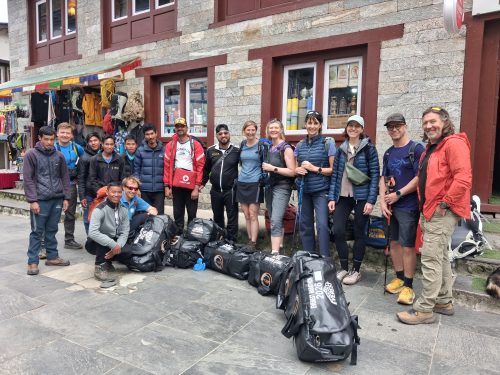
Every Everest Base Camp trekking package includes a line item for “guide” and “por
Continue Reading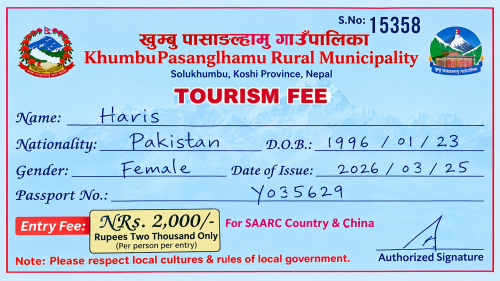
Understanding Everest Base Camp Trek Permits Cost is one of the first things every Everest Region tr
Continue Reading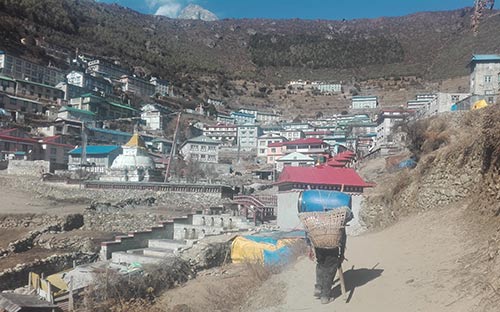
Introduction Namche Bazaar is the beating heart of the Khumbu region and the first major stop for ev
Continue Reading
Standing at the foot of the world’s highest mountain is a moment that stays with you forever.
Continue Reading
The Everest Base Camp trek is moderate to hard. There is no climbing, no ropes and no technical skil
Continue Reading
The Gokyo Lakes and Gokyo Ri Trek is one of the most rewarding ways to explore the Everest region wi
Continue Reading