Annapurna Conservation Area Trekking Guide: Permits, Routes & Tips
23 Feb 2026 12 min to read
1. Introduction to the Annapurna Region
If you’re planning a trek in the Annapurna region, one of the first things you need to know is the Annapurna Conservation Area Permit (ACAP Permit). This permit is not just a bureaucratic requirement—it plays a vital role in supporting local communities and conserving the fragile ecosystems of Nepal’s largest protected area.
The ACAP permit allows trekkers and tourists to legally enter the Annapurna Conservation Area, ensuring that visitors follow rules designed to protect wildlife, forests, and cultural sites. Fees collected from the permit are directly used for trail maintenance, community projects, and conservation initiatives, making every trek a contribution to sustainable tourism.
Obtaining an ACAP permit is straightforward: you can get it at the ACAP office in Pokhara or Kathmandu, or at checkpoints near major trailheads. It is mandatory for all foreign nationals and most trekking groups, and it must be presented along with your TIMS (Trekkers’ Information Management System) card, which records your trekking route for safety and management purposes.
Having an ACAP permit ensures you can trek legally, support the local economy, and experience the Annapurna region responsibly. Without it, trekking in ACAP is considered illegal, and you may face fines or restrictions.
2. Annapurna Conservation Area (ACAP) – Geography & Access
The Annapurna Conservation Area (ACAP) stretches across seven districts in central and western Nepal, including Kaski, Manang, Mustang, Lamjung, Myagdi, Tanahun, and Gorkha. Covering over 7,600 square kilometers, it is the largest protected area in Nepal, encompassing a wide variety of landscapes—from lush subtropical valleys to rugged Himalayan peaks towering above 8,000 meters.
Geography and Landscape Diversity
ACAP is famous for its staggering ecological and geological diversity. The region includes:
Lowland river valleys: Fertile lands with terraced farms and subtropical forests.
Mid-hill forests: Rhododendron, oak, pine, and maple dominate these zones, with villages tucked between hills.
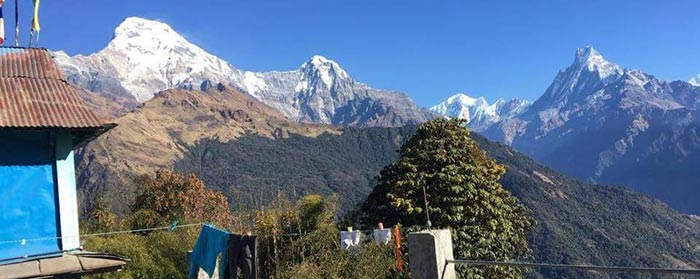
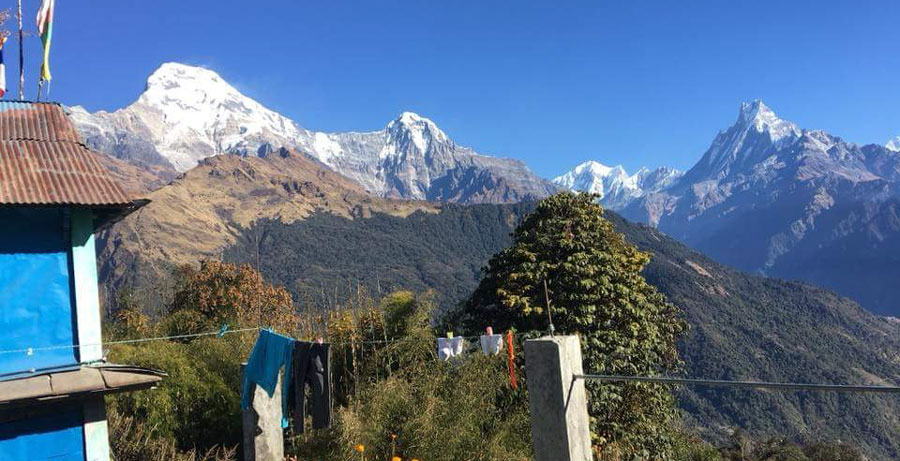
High-altitude terrain: Alpine meadows, glacial lakes, and snow-covered peaks such as Annapurna I (8,091 m) and Machapuchare (6,993 m).
Deep gorges and ridges: Trails often follow rivers and cliff edges, providing breathtaking panoramas.
This variety allows trekkers to experience multiple ecosystems within a single journey, making Annapurna one of the most biodiverse regions in the Himalayas.
Access Points to ACAP
Most treks start from Pokhara, a city well-connected to Kathmandu by flight or road. From Pokhara, trekkers can reach trailheads by jeep, bus, or on foot, depending on the route. Key trailheads include:
Besisahar: Starting point for the Annapurna Circuit Trek
Jomsom: Access to Mustang and Upper Annapurna routes
Kande or Landruk: Shorter trails to Mardi Himal or Australian Base Camp
Some trails also begin in remote villages, offering a more secluded trekking experience for those seeking less crowded paths.
Tips for Access
Plan transportation, especially during peak trekking seasons (spring and autumn).
Permits (ACAP Entry Permit and TIMS card) are mandatory and often issued in Pokhara or at trailhead checkpoints.
Accommodation along access points is widely available, including teahouses, lodges, and homestays.
With its spectacular landscapes, strategic entry points, and well-maintained trails, ACAP is highly accessible while still offering a sense of wilderness and adventure for trekkers of all levels.
3.Nature & Ecology in the Annapurna Conservation Area (ACAP)
The Annapurna Conservation Area (ACAP) is not just a trekking destination—it is a living laboratory of nature, encompassing diverse ecosystems, unique wildlife, and rich plant life. Covering elevations from 800 meters in river valleys to over 8,000 meters at Annapurna I, the area offers a remarkable variety of habitats, making it a hotspot for biodiversity in Nepal.
Flora Across Elevation Zones
ACAP’s plant life changes dramatically with altitude:
Subtropical valleys (800–1,800 m): Dense forests with sal, bamboo, ferns, and broadleaf trees.
Temperate mid-hills (1,800–3,000 m): Rich rhododendron, pine, oak, and maple forests, with colorful blooms in spring.
Alpine and high-altitude zones (3,000–8,091 m): Sparse vegetation with meadows, wildflowers, and hardy medicinal herbs, thriving near glaciers and rocky ridges.
This variety makes ACAP ideal for nature photography, botanical studies, and eco-tourism.
Fauna and Wildlife
ACAP is home to more than 100 mammal species and hundreds of bird species:
Mammals: Snow leopard, Himalayan tahr, red panda, langurs, and musk deer.
Birds: Pheasants, eagles, vultures, and colorful passerines.
Other wildlife: Reptiles, amphibians, and insects that maintain ecological balance.
Conservation efforts funded through trekking permits help protect endangered species and maintain corridors for migratory animals, ensuring wildlife thrives despite growing tourism.
The Role of the ACAP Permit in Conservation
Your ACAP Permit is more than just an entry pass—it directly supports the preservation of these fragile ecosystems. Fees collected from the permit contribute to:
Trail maintenance and habitat restoration
Community conservation projects
Environmental education and anti-poaching programs
In essence, every trekker holding an ACAP Permit becomes an active participant in conserving the unique flora and fauna of Annapurna, helping balance tourism with ecological protection.
Tips for Eco-Friendly Trekking
Stick to marked trails to minimize soil erosion and habitat disturbance
Carry reusable water bottles and avoid single-use plastics
Respect wildlife—observe from a distance, do not feed animals
Dispose of waste responsibly; most teahouses have collection systems
By following these principles and securing your ACAP Permit, trekkers can enjoy the rich biodiversity of Annapurna responsibly, knowing they are contributing to sustainable tourism and ecological preservation.
4. People and Communities in the Annapurna Conservation Area
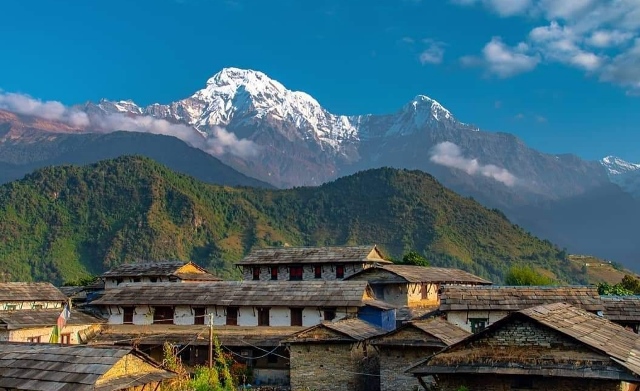
Ghandruk trek
The Annapurna Conservation Area (ACAP) is not only a natural paradise but also a cultural mosaic, home to diverse ethnic groups who have lived in harmony with the mountains for centuries. The people here have adapted to the challenging terrain, creating a unique lifestyle that blends tradition, agriculture, and sustainable tourism.
Major Ethnic Groups
Gurung – Predominantly found in the mid-hills around Ghorepani, Poon Hill, and Sikles. Gurungs are known for their strong cultural identity, colorful traditional dress, and Buddhist-influenced rituals. Many Gurung families also run teahouses and work as guides or porters.
Magars – Settled in areas such as Ghandruk and Lumle, Magars maintain agriculture-based livelihoods, growing crops like millet, maize, and barley. They have rich folklore and perform traditional dances during festivals like Maghe Sankranti.
Thakali – Found mainly in Mustang and the upper Kali Gandaki valley, Thakalis are famous for trading, hospitality, and operating teahouses. Their culture blends Tibetan and Nepali influences, reflected in their cuisine, architecture, and festivals.
Tibetan and Sherpa Communities – In the higher reaches of ACAP, especially near Manang and upper Mustang, Tibetan and Sherpa families live in small villages. Their lives are closely tied to Buddhist monasteries, yak herding, and high-altitude agriculture.
Lifestyle and Livelihood
Agriculture: Most communities rely on subsistence farming, growing crops like rice, maize, barley, and potatoes.
Animal Husbandry: Goats, yaks, and cows provide milk, meat, and wool.
Tourism: The rise of trekking has made teahouses, guesthouses, guiding, and portering significant sources of income.
Culture and Traditions
Festivals: Communities celebrate unique festivals like Losar, Tihar, and Dashain, often with local dances, music, and rituals.
Architecture: Homes are typically stone-built with slate roofs, adapted to withstand harsh weather and earthquakes.
Spiritual Life: Many villages have monasteries, prayer flags, and stupas, reflecting the deep connection between locals and their environment.
Harmony with Nature
The people of ACAP live in a way that minimizes environmental impact, using traditional irrigation, terraced farming, and forest management practices. Trekking and tourism provide additional income, but the local communities remain committed to protecting forests, wildlife, and sacred sites—which is why the ACAP Permit system is so important, linking visitors to both conservation and community benefits.
5.Annapurna Conservation Area Entry Fees: What You Need to Know
When planning a trek in the Annapurna region of Nepal, one of the essential things to understand is the Annapurna Conservation Area entry fee. Also known as the ACAP permit fee, this charge is mandatory for all trekkers and plays a critical role in supporting local communities and preserving the environment.
What is the ACAP Permit?
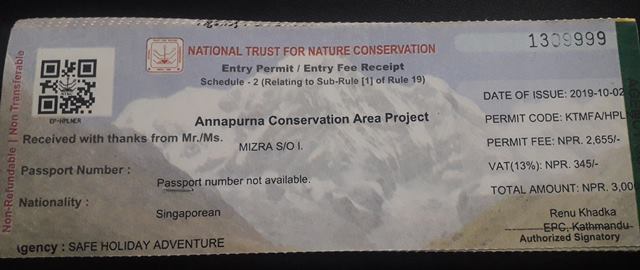
Annapurna Trek Permit
The Annapurna Conservation Area Project (ACAP) Permit is an official document issued by the Department of National Parks and Wildlife Conservation in Nepal. It grants trekkers legal entry into the Annapurna Conservation Area while contributing directly to conservation projects, trail maintenance, and local village development.
In addition to the ACAP permit, trekkers are also required to carry a TIMS (Trekkers’ Information Management System) card, which helps authorities track trekkers for safety purposes.
Who Needs to Pay the ACAP Entry Fee?
All foreign nationals planning to trek inside ACAP are required to pay.
Nepali citizens do not need to pay the entry fee but must carry identification if asked.
The permit is required for the most popular trekking routes, including Annapurna Circuit, Annapurna Base Camp, Ghorepani–Poon Hill, Mardi Himal, and Tilicho Lake treks.
Current Entry Fee for ACAP
The ACAP entry fees are tiered depending on the nationality of the trekkers:
Foreigners: Around USD 20–22
SAARC nationals (India, Bangladesh, Pakistan, Bhutan, Sri Lanka, Maldives, Afghanistan): Around USD 20–30.
Nepali citizens: No entry fee required.
6. What kind of food and accommodation can I expect on the Annapurna Conservation Area trekking routes?
Dhal bhat-Nepali National food
When trekking in the Annapurna Conservation Area, you will mostly stay in tea houses or lodges along the trails. These are simple guesthouses run by local families. Rooms usually have a bed with blankets, and some may have private bathrooms, but shared toilets are more common. Hot showers are available in bigger villages but might cost extra.
For food, most tea houses serve Nepali and simple international meals. You can expect:
Dal Bhat (rice, lentils, vegetables, sometimes meat) – a local staple
Momos (Nepali dumplings)
Noodles, pasta, and soups
Eggs, bread, and porridge for breakfast
Tea, coffee, and hot chocolate are widely available
Food is fresh but can be more expensive at higher altitudes, and choices may be limited in smaller villages. Drinking water should be filtered or boiled; bottled water is also sold.
Overall, the accommodation is basic but comfortable, and the food is hearty, giving you enough energy for long trekking days.
7. Trekking Routes of the Annapurna Region
Popular & Demanding Journeys
Annapurna Circuit Trek: A classic 17–15-day route covering diverse landscapes, high passes, and vibrant villages.
Annapurna Base Camp Trek: A 7–10 day trek leading to the iconic base camp with breathtaking views of Annapurna South and Machapuchare.
Tilicho Lake & High Pass Treks: Remote, challenging routes for experienced trekkers seeking solitude and dramatic scenery.
Short, Easy & Photogenic Trails
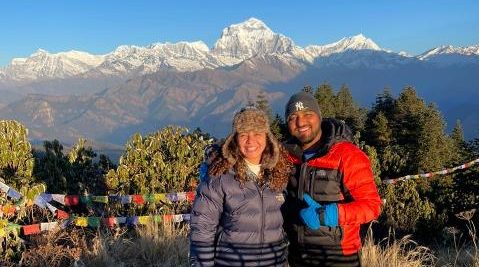
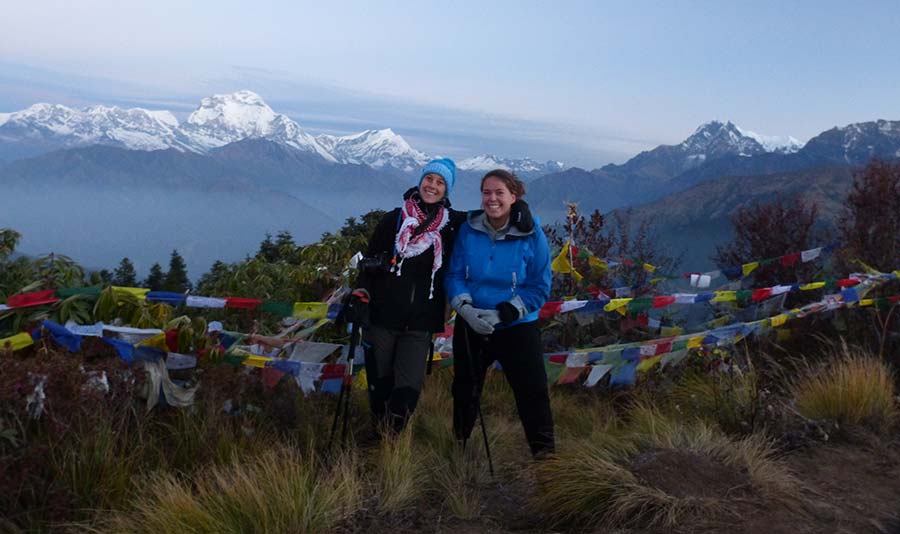
Ghorepani–Poon Hill: Famous for sunrise views over the Annapurna range; ideal for 4–5 day treks.
Mardi Himal Trek: Lesser-known, offering tranquility and panoramic landscapes.
8. Permits & Entry Requirements for Annapurna Conservation Area
To trek in the Annapurna Conservation Area (ACA), you need two main permits:
Annapurna Conservation Area Permit (ACAP):
This is required for everyone entering the Annapurna region.
It helps protect the environment and support local communities.
You can buy it in Pokhara or at the entry point to the trail.
Cost is around USD 30–35 for foreign trekkers (prices may change).
Trekkers’ Information Management System (TIMS) Card:
This is like an ID card for trekkers.
It helps authorities keep track of trekkers for safety.
There are two types:
Individual TIMS: for solo trekkers (around USD 10)
Group TIMS: for groups of 2 or more (around USD 20 per person)
You can get this in Pokhara at the trekking agencies or in Kathmandu.
Important Notes:
Always carry your passport when trekking; permits are linked to your ID.
Keep your permits with you during the trek—they may be checked at checkposts along the route.
Children under 10 usually do not need a TIMS card, but ACAP may still be required.
Following these rules helps keep the Annapurna region safe, clean, and enjoyable for everyone.
9. Final Thoughts
ACAP remains Nepal’s benchmark for sustainable trekking. Its combination of ecological diversity, cultural richness, well-maintained trails, and community-based tourism makes it a must-visit destination. Trekkers leave not only with memories of stunning landscapes but also with an appreciation for how local communities can live in harmony with nature.
10. Frequently Asked Questions – Annapurna Conservation Area (ACA)
What is the Annapurna Conservation Area? Nepal’s largest protected area covers mountains, valleys, forests, rivers, and trekking routes. Established in 1992.
Where is it located? In central Nepal, across Kaski, Lamjung, Manang, Mustang, and Myagdi districts.
How big is it? About 7,629 sq km, the largest conservation area in Nepal.
Which mountains are in the ACA? Famous peaks like Annapurna I (8,091 m). Trekking routes include the Annapurna Circuit and the Annapurna Base Camp.
Best time to visit? Autumn (Sept–Nov) for clear views, Spring (Mar–May) for flowers and good weather.
Trekking routes available? Popular treks:
Annapurna Base Camp
Annapurna Circuit
Ghorepani‑Poon Hill
Mardi Himal
Tilicho Lake
Do I need permits? Yes, an ACAP permit is required to enter.
Where to get permits? From Nepal Tourism Board offices in Kathmandu or Pokhara, or a registered trekking agency.
Permit cost?
Foreigners: ~NPR 3,000 (~USD 22–25)
SAARC nationals: ~NPR 1,000
Nepali citizens: Free
Children under 10 usually don’t need a permit.
Is a TIMS card needed? Traditionally, yes, for tracking trekkers, but enforcement is less strict now. Recommended to carry.
Do I need a guide? Not always required, but highly recommended for safety, navigation, and local support.
Accommodation options? Tea houses and lodges along the trail. Basic rooms, beds, and meals are simpler at higher altitudes.
Food available? Dal bhat, momo, noodles, soups, tea, coffee—fresh and hearty.
Difficulty level?
Ghorepani‑Poon Hill: Easy to moderate
Annapurna Base Camp: Moderate
Annapurna Circuit: Moderate to challenging
Duration of Annapurna Circuit? Usually 14–21 days, depending on pace and route.