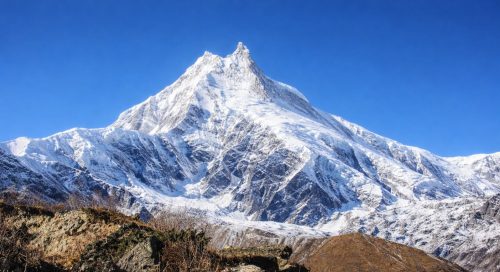
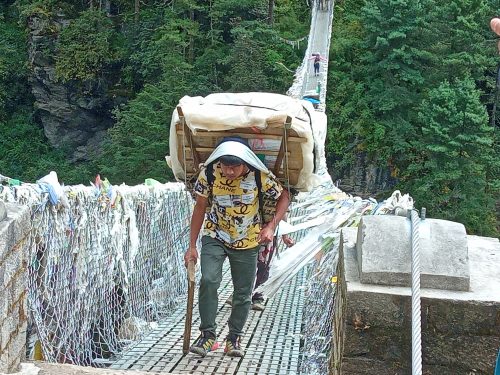
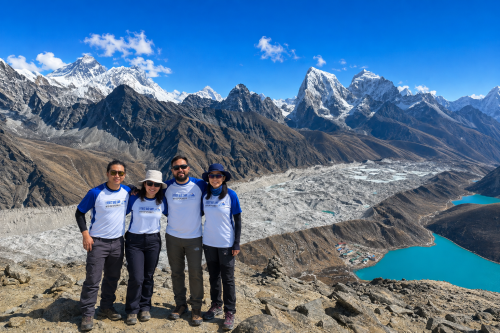
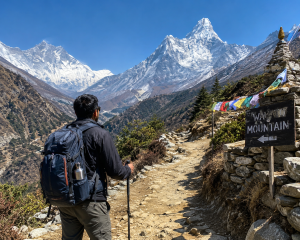
Are you dreaming of trekking to Annapurna Base Camp but short on time for the classic route? Don’t worry — our revised 5-day Annapurna Base Camp trek lets you reach the base of Annapurna and return to Pokhara quickly, without missing out on the best experiences. Along this shortcut, you’ll still explore charming villages, cross rushing rivers via suspension bridges, enjoy spectacular waterfalls, and soak in stunning mountain glaciers and panoramic views. Ready for a fast-paced yet unforgettable adventure? Let’s discover Annapurna together!
The 5-day Annapurna Base Camp Trek begins with a drive from Pokhara to Jhinu Danda, famous for its hot springs. The journey continues with a scenic hike through lush forests and traditional Gurung villages such as Chhomrong, Sinuwa, Bamboo, and Deurali. Along the trail, you follow the Modi Khola River valley, gradually ascending through rhododendron forests and alpine landscapes.
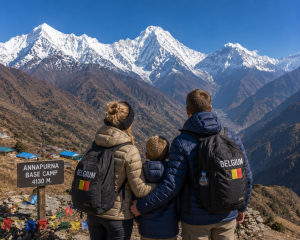
After reaching Machhapuchare Base Camp (MBC), the final ascent takes you to Annapurna Base Camp at 4,130 meters, surrounded by towering Himalayan peaks. The return journey retraces the same path back to Jhinu Danda, where trekkers then drive back to Pokhara. This trek offers a compact yet thrilling high-altitude adventure.
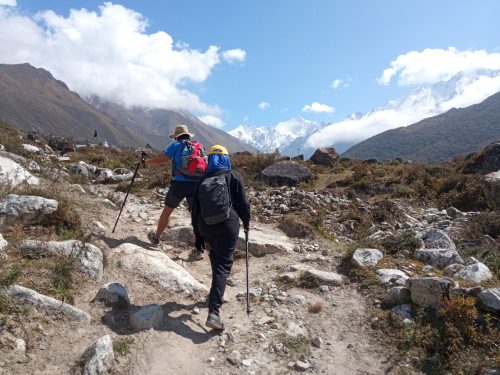
This trek ranges from moderate to challenging, mainly due to long walking hours and rapid altitude gain. Trekkers typically hike 5 to 7 hours daily on stone steps, uphill trails, and narrow ridges. Basic physical fitness is necessary, especially strong legs, stamina, and endurance. Since the altitude reaches 4,130 meters, understanding acclimatization is crucial.
Prior trekking experience is not required, but regular exercise or cardio training is recommended. Carrying a light backpack, staying hydrated, and maintaining a positive mindset will make the trek more manageable. It is suitable for adventurous beginners and experienced trekkers with limited time. Guided support is highly recommended.
The 5-day Annapurna Base Camp (ABC) trek offers an incredible adventure starting in the scenic city of Pokhara. From there, a private jeep or bus takes you to Nayapul, the trailhead, within 1.5 to 2 hours.
Upon arrival at Nayapul, the trek begins along the Modi Khola River, passing through picturesque landscapes and charming villages. The first destination is Siwai, a quaint village where trekkers relax and acclimate to the increasing altitude.
From Siwai, the trail leads to Jhinu Danda. Here, you can soothe tired muscles in the natural hot springs — a welcome reward after a day of trekking.
The journey continues towards Chhomrung (2,050 m), a beautiful Gurung village offering breathtaking views of the surrounding mountains. The path then takes you through Sinuwa, Bamboo, and Dovan, immersing you in the rugged beauty of the Annapurna Sanctuary. The landscapes evolve, and the air becomes crisper with each step upward.
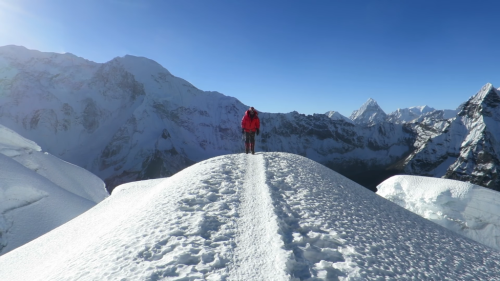
The trek’s highlight is reaching Annapurna Base Camp. Trekking through a rugged, narrow valley surrounded by towering peaks like Fishtail and Hiuchuli, you finally arrive at 4,130 meters. The panoramic views of Annapurna I, Annapurna South, and nearby peaks are truly awe-inspiring.
After spending quality time at the base camp, the descent retraces the same route back to Jhinu Danda. The return journey lets you savor the beautiful landscapes one last time before driving back to Pokhara, concluding the unforgettable ABC trek.
The Annapurna Base Camp trek is a rewarding adventure that immerses you in the Himalayas’ natural beauty and creates lasting memories.
Autumn, from September to November, is the best time to enjoy the Annapurna Base Camp trek. During this season, you’ll find stable weather, clear skies, and mild temperatures. These conditions provide spectacular views of the majestic mountain ranges.
The trails are decorated with blooming rhododendron forests, adding colorful charm to the journey. Dry trail conditions ensure comfortable hiking underfoot. The presence of fellow trekkers also adds to the warm and social trekking atmosphere. Autumn is undoubtedly the most popular and rewarding season to explore the region.
Completing the Annapurna Base Camp trek in 5 days from Pokhara is possible but demanding. Typically, the trek lasts 7 to 10 days, allowing ample time for acclimatization and leisurely hiking.
A shorter itinerary requires good physical fitness and readiness for long, strenuous daily walks. The route involves driving from Pokhara to Nayapul and trekking through forests, Gurung villages, and stunning landscapes like Machhapuchhre Base Camp before reaching Annapurna Base Camp.
Proper acclimatization is crucial to prevent altitude sickness and ensure a safe and enjoyable trek. After the summit, trekkers descend back to Nayapul and drive to Pokhara, completing a fast-paced yet unforgettable adventure.
Here’s a list of benefits for choosing the 5 Days Annapurna Base Camp (ABC) trek with us:
By choosing Safe Holiday Adventure for the 5-day Annapurna Base Camp trek, you are not only ensuring a time-efficient journey but also gaining the benefits of experienced staff, emergency preparedness, cost-effectiveness, and flexibility in your trekking experience.
| Day | Route | Distance | Walking Hours | Altitude | Day Highlights | Mountain Peaks Visible |
|---|---|---|---|---|---|---|
| 1 | Pokhara to Siwai, then trek to Chhomrung | 15.0 km / 9.3 miles | 6 to 7 hours | Siwai: 1200m / 3937 ft Chhomrung: 2170m / 7119 ft |
Scenic drive to Siwai, trek through lush forests and terraced fields, stunning views of the Modi Khola river valley. | Annapurna South, Hiunchuli (from Chhomrung) |
| 2 | Chhomrung to the Himalaya | 13.0 km / 8.1 miles | 6 to 7 hours | Himalaya: 2920m / 9580 ft | Trek through rhododendron and bamboo forests, crossing suspension bridges, and enjoying beautiful riverside scenery. | Annapurna South, Machapuchare (from Himalaya) |
| 3 | Himalaya to Annapurna Base Camp (ABC) | 15.0 km / 9.3 miles | 6 to 7 hours | ABC: 4130m / 13550 ft | Reaching the base camp, panoramic views of the Annapurna massif, and experiencing the high-altitude terrain. | Annapurna I, Annapurna South, Machapuchare, Hiunchuli |
| 4 | Annapurna Base Camp (ABC) to Chhomrung | 28.0 km / 17.4 miles | 8 to 9 hours | Chhomrung: 2170m / 7119 ft | Descending through the same trails, enjoying views of the Himalayas from different perspectives, and returning to Chhomrung. | Annapurna South, Hiunchuli |
| 5 | Chhomrung to Siwai via Jhinu Danda, then drive to Pokhara | 21.0 km / 13.0 miles | 6 to 7 hours (trek) + drive time | Siwai: 1200m / 3937 ft | Trek through Jhinu Danda with hot springs, and a scenic drive back to Pokhara. | Mt. Annapurna South (initially, views fade as descent progresses) |
Explore Further Insights into Annapurna Base Camp Trekking: Discover Related Topics for In-Depth Information

Chhomrung Village
Your Annapurna Base Camp trek begins with a scenic drive from Pokhara to Jhinu Danda, which takes around 3–4 hours, passing through beautiful countryside, terraced farmlands, and charming hillside villages. The drive is a mix of paved and off-road tracks, offering your first glimpses of the Himalayan landscape.
Upon arriving at Jhinu Danda, we take a short break. If time permits, you can visit the natural hot springs near the Modi Khola River—a popular spot for trekkers to unwind.
From Jhinu, the trail ascends steeply through stone staircases and dense forested hills. The climb is challenging but rewarding, with increasing views of the Annapurna South and Machapuchare (Fishtail) peaks as you gain elevation.
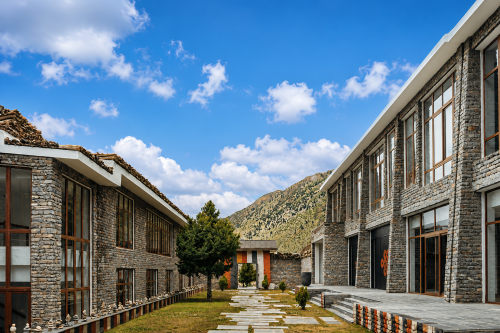
After about 1.30 to 2 hours of trekking, we reach Chhomrung, a picturesque Gurung village perched on a hillside with breathtaking mountain views. Known for its traditional stone houses and terraced fields, Chhomrung is the perfect place to rest, enjoy the mountain serenity, and prepare for the adventure ahead.

Bamboo Village
On our second day of the ABC trek, we begin from Chhomrung after a hearty breakfast. The trail leads us steeply downhill through a dense forest until we reach the river at the end of the village. Crossing a suspension bridge, we continue uphill for about an hour and a half to reach Upper Sinuwa, where we take a tea break and enjoy the stunning views.
The trek then proceeds through a dense forest without passing any villages or houses, and we arrive at Bamboo, where we have lunch. Afterward, we trek for about an hour to Dovan, and from there, we continue our journey to the Himalayas, which takes approximately 2 hours. Himalaya is a small area with two guesthouses, so during peak seasons, it’s advisable to pre-reserve accommodation. Despite its size, the Himalaya offers a beautiful and welcoming environment, making it a pleasant place to spend the night on our second day of the ABC trek.

Start of the Winter Trek at Annapurna Base Camp.
From the Himalayas, we embark on a steep, straight path alongside the river, entering a deep gorge. After about 1.5 hours, we reach Deurali, a wider area with several lodges where we may take a few breaks. En route to Deurali, we pass by Hinku Cave.
Continuing from Deurali, we follow the Modi River, trekking on peaceful zigzag trails for about 2 hours until we reach Machhapuchhre Base Camp (MBC) at 3700m. Here, we pause for lunch and acclimatize to the altitude.
Afterward, we gradually ascend for about 2 more hours until we finally arrive at the majestic Annapurna Base Camp (ABC) at 4130m. Resting amidst the encircling mountains, the beauty of ABC leaves us in awe. It’s the last settlement on the ABC trek, boasting 5-6 lodges to accommodate trekkers, making it a stunning and memorable destination.

On Day 04 of our ABC trek, we begin at the mesmerizing Annapurna Base Camp (ABC) at 4130m. Early morning, we witness the breathtaking sunrise and savor the stunning views of the surrounding Himalayan peaks. After breakfast, we start our trek back to Chhomrung.
The return journey follows the same path, taking us through Bamboo, where we take a well-deserved rest. Continuing onward, we trek back to Chhomrung, where we spend the night. The village’s beauty and cultural charm create a perfect setting for a celebratory atmosphere after completing the ABC trek.
With tomorrow’s trek being relatively short, we can rejoice in the accomplishment of our adventure. After a short walk the following day, we will reach Pokhara, concluding this memorable journey with cherished memories and a sense of achievement.

Phewa lake – Pokhara
On the final day of our Annapurna Base Camp trek, we set out from Chhomrung to Siwai via Jhinu Danda. The 40-minute steep descent from Chhomrung to Jhinu is both challenging and exhilarating. After crossing a bridge, we continue on a wide trail for another 40 minutes until we reach Siwai.
From Jhinu Danda, we bid farewell to the trekking trails as they mark the end of our remarkable journey. A scenic 3-hour drive awaits us, taking us back to Pokhara via Nayapul. As we travel back to Pokhara, we can cherish the memories of this unforgettable adventure, knowing that we have accomplished an incredible feat and witnessed the breathtaking beauty of the Annapurna region.
| Start Date | End Date | Price In US Dollar($) | AVAILABILITY | Booking |
|---|
⭐⭐⭐⭐ — Anna Fischer (Germany) — 12 February 2025
I joined a small group trek to Annapurna Base Camp in February with Safe Holiday Adventure, and it was a lovely experience. Even though it was winter, the team arranged warm lodges and made sure we had enough blankets and hot drinks. Our guide Ram was friendly and had good knowledge about local plants, animals, and traditions. The trail was quiet, and we saw very few other trekkers, which made it a peaceful experience. My favourite part was soaking in the hot spring at Jhinu Danda after reaching base camp — perfect for tired legs. The company’s organisation was smooth and professional, and their price was very fair too. Namaste !!!
We recently completed the 5 Days Annapurna Base Camp Trek from June 10 to June 15, 2025, and I want to express my heartfelt thanks to Safe Holiday Adventure Pvt. Ltd. for organizing such an unforgettable journey.
We found this amazing company by searching on Google for “5 Days Annapurna Base Camp Trek,” and after reading some great reviews, we decided to contact them. From the first message, they were prompt, helpful, and professional.
Our guide, Santosh Gauli, was outstanding. His experience, care, and deep knowledge of the trail made us feel safe and comfortable throughout the trek. He managed the itinerary perfectly, allowing us to complete the ABC trek within 5 days without ever feeling rushed. Alongside him was our friendly and strong porter, Dharma, who always had a smile on his face and carried our bags with such ease—it made a huge difference.
Every day of the trek was filled with stunning views, peaceful villages, and beautiful nature. Reaching Annapurna Base Camp was truly a dream come true. Standing there surrounded by the Himalayas was one of the most powerful experiences of my life.
Thank you again to Safe Holiday Adventure Pvt. Ltd. for your excellent service. I highly recommend this company to anyone planning a trek in Nepal—they truly care about your experience and go the extra mile to make it special.
Looking forward to coming back to Nepal for more adventures!
Warm regards,
Lukas Grove
Hedy Huan from the USA here. I joined a 5-day Annapurna Base Camp trek in Nepal last year, led by Ram from Safe Holiday Adventure. It was truly amazing! Ram ensured our safety and enjoyment throughout the trek. The stunning views of the Annapurna mountains made every step worthwhile. I enthusiastically endorse Safe Holiday Adventure and their guide Ram for an unforgettable trekking experience in Nepal.
Best regards
Hedy Huan
The best time to undertake the ABC Trek is during the pre- and post-monsoon seasons. From March to May, the weather is mild, and rhododendrons bloom, creating a beautiful landscape. Similarly, from September to November, the skies are clear, providing stunning mountain views. These periods offer favorable conditions for trekking, with moderate temperatures and lower chances of rain or snow, ensuring a pleasant and rewarding experience for trekkers.
The budget for the ABC Trek can vary depending on factors such as the trekking agency, duration, and inclusions. On average, the cost may range from $400 to USD 700 per person. This includes permits, guide and porter fees, accommodation, meals, and transportation. Additional expenses may include personal gear, travel insurance, tips, and extra services. Travelers can opt for various packages to suit their preferences and budget while ensuring a memorable adventure at the Annapurna Base Camp.
To trek to the Annapurna Base Camp, two permits are required: the Annapurna Conservation Area Permit (ACAP) and the Trekker’s Information Management System (TIMS) card. The ACAP costs around USD 30 for foreign nationals, and the TIMS card fee is approximately USD 20 per person. These permits are essential to support conservation efforts and manage trekking activities in the region. Trekking agencies usually handle the permit arrangements for trekkers.
Along the ABC Trek route, trekkers will find comfortable tea houses offering basic amenities. While some tea houses may have limited wifi access, it’s advisable not to rely on it due to remote locations. Hot showers are available at most tea houses for an extra charge (usually $3 to USD 5). The accommodations are cozy and offer a taste of local culture, making the journey memorable as trekkers immerse themselves in the Himalayan experience.
The ABC Trek offers a captivating blend of cultural and geographical wonders. As trekkers ascend, they encounter diverse ethnic communities like Gurungs, Magars, and Thakalis, each with its unique traditions. The route showcases spectacular landscapes, including lush forests, terraced fields, and majestic Himalayan peaks. Passing through traditional villages and ancient monasteries, trekkers get a glimpse of Nepal’s rich cultural heritage. The journey offers a profound connection with nature and an opportunity to embrace the local lifestyle.
Safety on the ABC Trek is paramount. Hiring a licensed and experienced guide ensures the trekker’s well-being and proper navigation. Adequate acclimatization is essential to prevent altitude-related problems. Trekkers must stay hydrated and carry water purification methods. The trail can be challenging; proper trekking gear and clothing are vital. Respect local customs and avoid reckless behavior. In case of emergencies, communication devices and insurance are essential. Following safety guidelines ensures a secure and enjoyable trekking experience.
Safe drinking water is crucial during the ABC Trek. While bottled water is available in some tea houses, it contributes to plastic waste. Trekkers can opt for boiled or filtered water available at the lodges. Alternatively, bringing water purification tablets or a water filter is an eco-friendly and cost-effective solution. Staying hydrated is vital, so ensuring access to clean water is a priority throughout the trek.
During the ABC Trek, trekkers can savor a variety of local and international dishes. Dal Bhat (rice with lentil soup) is a staple and provides ample energy. Other popular choices include momo (dumplings), noodles, pasta, and fried rice. Fresh fruits and vegetables may be scarce at higher altitudes, but meals remain nutritious and satisfying. It’s essential to maintain a balanced diet and enjoy the local culinary delights along the trekking journey.
Both solo and group ABC Treks have their merits. Solo trekkers have the flexibility to set their own pace and itinerary. However, joining a group trek offers companionship, shared experiences, and often cost savings. Group treks also come with an experienced guide and a support network. Safety is enhanced in groups, especially in remote areas. The choice ultimately depends on personal preferences, experience, and comfort level in the Himalayan terrain.
Q: How long does the Annapurna Base Camp trek take?
A: The trek typically takes around 7 to 12 days, depending on the specific itinerary and trekking pace.
Q: What is the best time to do the Annapurna Base Camp trek?
A: The best time is during the pre- and post-monsoon seasons: March to May and September to November.
Q: What permits are required for the ABC trek?
A: You need the Annapurna Conservation Area Permit (ACAP) and the Trekker’s Information Management System (TIMS) card.
Q: Is previous trekking experience necessary for the ABC trek?
A: No, the ABC trek is suitable for both beginners and experienced trekkers.
Q: How difficult is the ABC trek?
A: It is a moderate trek, with some challenging uphill and downhill sections.
Q: Are tea houses available along the route?
A: Yes, there are tea houses providing accommodation and meals at various points on the trek.
Q: Is drinking water available during the trek?
A: Yes, you can get boiled or filtered water at tea houses. Carry water purification methods for safety.
Q: Do I need a guide for the ABC trek?
A: While it is possible to trek independently, having a guide is recommended for safety and local insights.
Q: Can I do the ABC trek solo?
A: Yes, you can do it solo, but joining a group trek is popular for companionship and support.
Q: What should I pack for the ABC trek?
A: Pack appropriate clothing, trekking gear, a good pair of boots, and essential personal items.
Q: How high is the Annapurna Base Camp?
A: The elevation of Annapurna Base Camp is approximately 4,130 meters (13,550 feet) above sea level.
Q: Are there any age restrictions for the ABC trek?
A: There are no strict age limits, but trekkers should be reasonably fit and able to handle the terrain.
Q: Are there ATMs along the trek route?
A: ATMs are available in some villages, but it’s best to carry enough cash for the entire trek.
Q: What type of accommodation should I expect during the trek?
A: Accommodation in basic teahouses or lodges with shared facilities is typical.
Q: Is there mobile network coverage during the trek?
A: Mobile network coverage is available in some areas, but it can be unreliable in remote regions.
Q: Is it necessary to have travel insurance for the ABC trek?
A: Yes, having travel insurance that covers trekking activities and emergencies is highly recommended.
Q: Can I extend or customize the ABC trek itinerary?
A: Yes, many trekking agencies offer flexible itineraries that can be extended or customized to suit your preferences.
Q: What kind of weather can I expect during the ABC trek?
A: Weather can vary, but expect cold temperatures at higher altitudes and warm days in lower regions. Be prepared for possible rain or snow during certain seasons.
Q: Are there any medical facilities along the trek route?
A: Basic medical facilities are available in some villages, but for serious medical issues, evacuation may be required.
Q: What are some alternative treks in the Annapurna region?
A: Other popular treks in the Annapurna region include the Annapurna Circuit, Mardi Himal and Ghorepani Poon Hill trek.
Q: Are there any wildlife or flora to see during the trek?
A: The Annapurna region is rich in biodiversity, and you may spot various birds, animals, and colorful flora along the trail.
Q: How much should I tip the guide and porter?
A: Tipping is a personal choice, but a customary tip is around 10% of the total trek cost for the guide and 7% for the porter.
Q: Is vegetarian food available during the trek?
A: Yes, most tea houses offer a variety of vegetarian food options along with non-vegetarian dishes.
Q: Can I buy trekking gear in Kathmandu before the trek?
A: Yes, Kathmandu has numerous shops where you can buy or rent trekking gear and equipment.
Q: Is the ABC trek safe for solo female trekkers?
A: Yes, many solo female trekkers have completed the ABC trek safely. Follow general safety precautions and consider joining a group trek if more comfortable.
Q: Can I use credit cards during the trek?
A: Credit card usage is limited in remote areas. It’s better to carry cash for purchases.
Q: What are the main highlights of the ABC trek?
A: The main highlights include stunning views of the Annapurna and Dhaulagiri ranges, the Machhapuchhre (Fishtail) peak, diverse landscapes, and cultural interactions with local communities.
Q: Are there any age restrictions for the ABC trek?
A: There are no strict age limits, but trekkers should be reasonably fit and able to handle the terrain.