The Mardi Himal trek is a perfect decision for Explorers who are searching for "unexpected" Trekking and hiking experiences. It is a low-altitude territory trek that offers various numbers of Mountains, different environments, villagers, Traditions, and fantastic scenery.
The Mardi Himal Trek begins with a short drive from Pokhara to Kande, a quiet hill station. From here, you walk uphill through beautiful forests and terraced fields. After about an hour, you reach Australian Camp (2,000 m), a perfect place to rest and enjoy views of Annapurna South (7,219 m) and Machapuchare (Fishtail, 6,993 m). You then continue downhill to Pothana (1,850 m), a peaceful Gurung village where permits are checked.
From Pothana, the trail climbs gradually through dense rhododendron and oak forests. You’ll walk under tall trees with birds singing along the way. The path is peaceful and mostly shaded. After a few hours, you reach Pitam Deurali, a ridge offering views of Dhaulagiri (8,167 m) in the west and Hiunchuli (6,441 m) to the north. The air is fresh and clean here.
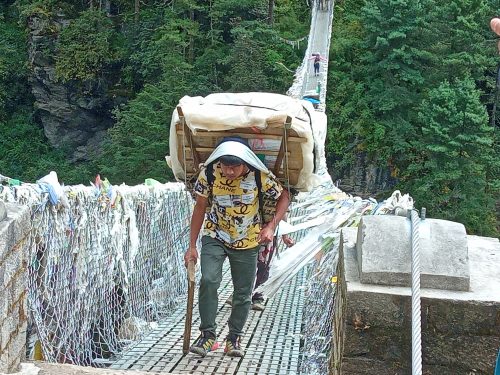
The journey continues deeper into the jungle with ups and downs. You may cross a small hanging bridge and pass by simple tea shops. After about three hours, you reach Forest Camp (2,550 m), surrounded by greenery. Here, you can rest, enjoy hot tea, and sleep in a basic but cozy tea house. The views are limited, but the sound of the forest is calming.
From Forest Camp, it takes around 20 minutes uphill to Rest Camp (2,600 m). This is a quiet place to enjoy views of Machapuchare and the Pokhara Valley, especially during sunset. The trail continues through thick forest with moss-covered trees and colorful birds. After about an hour of walking, you arrive at Low Camp (2,970 m), where the landscape begins to open up.
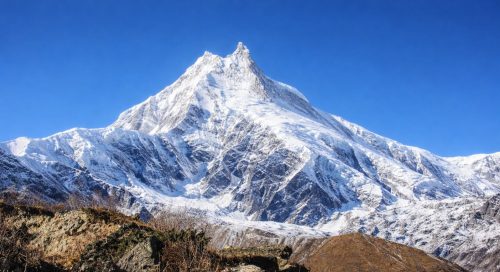
As you climb higher, the trees become shorter and the mountains feel closer. In about two hours, you reach Badal Danda (3,210 m), which means “Cloud Hill.” This spot offers wide, clear views of Mardi Himal (5,587 m), Annapurna South, and Hiunchuli. On clear days, you feel like you’re walking in the sky, surrounded by snow peaks and deep valleys below.
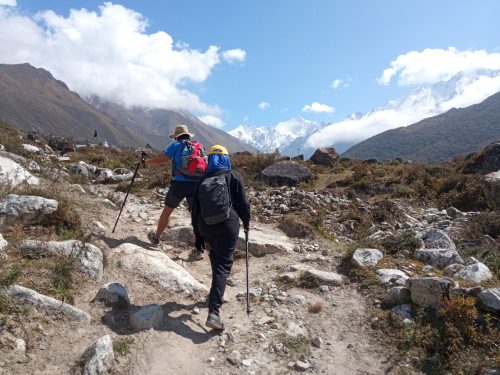
The final stretch to High Camp (3,580 m) is a steady uphill walk through grassy ridges. The trail zigzags with every step, offering better mountain views. High Camp is the last village on the trail with basic lodges and amazing views. You can see the stars here at night. Early next morning, you’ll hike up to Mardi Himal Viewpoint (4,200 m).
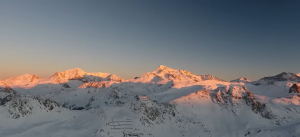
The hike to the viewpoint is steep but rewarding. It takes 1.5 to 2 hours to reach the top. From here, you get close-up views of Machapuchare, Annapurna South, Hiunchuli, and Mardi Himal Base Camp far below. The sunrise lights up the snowy peaks in a golden color. It’s a magical and peaceful moment that you’ll never forget.
After enjoying the sunrise and taking photos, you return to High Camp for breakfast. From there, you descend through Low Camp to Sidding Village (1,700 m). The trail passes through forests, terraced fields, and a few hanging bridges. Sidding is a lovely village where you can rest before taking a jeep back to Pokhara. It’s a perfect way to end this short but stunning Himalayan adventure.
The trek then takes you through a jungle of rhododendrons and oak trees to Deurali. This peaceful forest area is home to various wild animals. Our guide and porter will support you along the trail so you can enjoy the walk without worry. Deurali is also a junction point connecting to destinations like Annapurna Base Camp, Jhinu Hot Spring, Ghorepani, Ghandruk, and Mardi Himal.
From Deurali, the trail toward Mardi Himal becomes steeper and takes around 3 hours. Although you won’t pass through villages, you will find small huts where tea, coffee, and soup are available. After this stretch, you’ll reach Forest Camp, a quiet place with colorful guesthouses and a serene jungle view. Many trekkers choose to rest and have lunch here.
The trek from Forest Camp to Rest Camp is mostly uphill and takes about 20–25 minutes. Rest Camp is perfect for enjoying the view of Fishtail Mountain and Pokhara Valley, especially at night. The trail continues through a rhododendron forest, gradually ascending for another hour to reach Low Camp. Along the way, you might spot deer, the Danfe (Nepal’s national bird), black bucks, and many colorful birds.
From Low Camp, it’s about a two-hour walk to Badal Danda, a magical viewpoint. Here, you’ll see the trails of the Annapurna Base Camp, snow-capped peaks like Annapurna South, Hiunchuli, and Mardi Peak, along with the rolling hills to the south. The forest becomes lighter, and you’ll feel like you’re walking above the clouds.
The trail from Badal Danda to Mardi High Camp is mostly uphill but not too difficult. The path is zigzag and offers spectacular mountain views at every step. High Camp is the final settlement on the 5-day Mardi Himal Trek. The next morning, take a steep hike of about 1.5 to 2 hours to reach the Mardi Himal Viewpoint—an ideal place for a sunrise over the Himalayas.
After spending some time at the viewpoint and taking photographs, return to your lodge for breakfast. From here, you have two options: take a steep downhill trail through the forest to Sidding Village or retrace your steps to Forest Camp and then hike down to Kalimati, where you can catch a jeep to Pokhara. If you have extra time, extend your trek toward Annapurna Base Camp and Ghorepani Ghandruk by continuing from Forest Camp to Landruk and onward.
Safe Holiday Adventure is ready to organize your trek at a reasonable price in any season. Our experienced guides and porters will ensure your journey is comfortable, flexible, and unforgettable.
Route: Pokhara – Pitam Deurali – Rest Camp – High Camp – Sidding – Pokhara
Start this 3-day Mardi Himal Trek with a scenic drive from Pokhara to Pitam Deurali. Day one features a 3.5-hour walk to Rest Camp through lush scenery. On the second day, hike through Low Camp and Badal Danda to reach High Camp. On day three, take an early morning hike to the Mardi Viewpoint, then descend to Sidding Village and drive back to Pokhara. This option is both exciting and time-efficient.
Route: Pokhara – Kande – Pitam Deurali – Rest Camp – High Camp – Kalimati – Pokhara
Begin with a 1-hour drive from Pokhara to Kande. A 50-minute ascent brings you to Australian Camp, followed by a short descent to Pothana for permit checks. Climb for another 50 minutes to Pitam Deurali, then trek for 3 hours through a forest to Rest Camp. Day 2 covers the trail to High Camp via Low Camp and Badal Danda. On day 3, hike early to the viewpoint and descend to Forest Camp and Kalimati. Day 4 concludes with a scenic drive back to Pokhara.
Route: Pokhara – Phedi – Rest Camp – Badal Danda – High Camp – Low Camp – Sidding – Pokhara
This 7-day Mardi Himal Trek is designed for a relaxed and enjoyable pace. Begin with a drive from Pokhara to Phedi and hike gently to Pothana on day one. Continue over the next two days to reach Rest Camp, passing through Pitam Deurali and dense forests. Day four takes you to Badal Danda, while day five includes the final ascent to High Camp. On day six, enjoy the viewpoint and descend slowly to Low Camp and Sidding. Return to Pokhara by jeep on the final day.
The Mardi Himal short Trek and Ghorepani Poon Hill Trek can be combined for a memorable trekking experience. Start from Kande and follow the Mardi Himal route through Australian Camp, Deurali, and Forest Camp to reach High Camp. After visiting the Mardi Himal viewpoint, return to Forest Camp, then continue to Landruk—a large Gurung and mixed-caste village. From there, take the trail through Ghandruk, Tadapani, and Deurali to reach Ghorepani. This combination trek can be completed in 5–8 days and offers diverse scenery and culture.
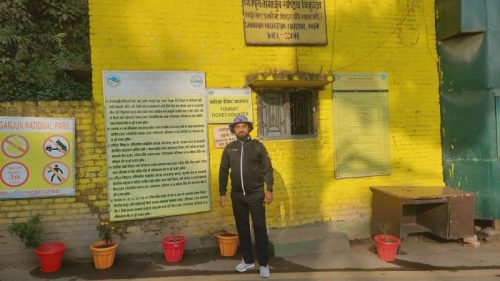
To trek Mardi Himal, you need the Annapurna Conservation Area Permit (ACAP). This helps protect the natural beauty and wildlife of the Annapurna region.
You can get the ACAP permit in Pokhara or Kathmandu. Bring a copy of your passport and a passport-size photo. The permit costs around USD 30 for foreign visitors.
Some villages may charge local entry fees. If you book your trek through a travel agency, they will arrange the permits for you. Just provide your passport copy and a photo. Always carry your permit on the trail and show it at checkpoints.
The old TIMS card is no longer required. Only the ACAP permit and any local fees are necessary.
During the Mardi Himal Trek, you will stay in tea houses and mountain lodges. These places are generally clean and comfortable but simple. Most rooms are twin-sharing with two single beds and a small table. Some rooms may have lockers for valuables.
Common dining halls are heated, especially during cold evenings. However, bedrooms are not heated and lack modern features like air conditioning.
If you are trekking in a group or during the busy season (spring or autumn), it’s wise to book your rooms early as space is limited.
Menus in tea houses are similar, with food that is fresh and hygienic. Due to limited meat storage, vegetarian meals are recommended.
Prices are fixed by a local hotel committee. Always pay according to the menu and be respectful when ordering.
Yes—most likely, you are!
The Mardi Himal Trek is moderate and suits anyone with basic fitness and a positive attitude. You don’t need to be super fit or experienced, but it helps if you can walk for 4–6 hours a day.
Even first-time trekkers or students can complete this trek with a bit of preparation. Walk slowly, take breaks, and enjoy the beautiful views along the way.
Driving from Pokhara to Kande is a relatively short journey, taking approximately 40 to 50 minutes, depending on traffic and road conditions. Kande is a small village located on the outskirts of Pokhara and serves as a starting point for several treks, including the Mardi Himal Trek. The drive from Pokhara to Kande follows a scenic route through the mountains, offering beautiful views of the Annapurna range. There are several options for making the journey, including taking a private car or a taxi.
It is important to be prepared for the drive, including bringing snacks and water for the journey and making sure you have the necessary documents, such as a valid driver’s license. From Kande, the trail leads steeply up to the Australian camp for about 40 minutes, then a 20-minute easy walk to Pothana, a beautiful small Gurung village and a popular stop for trekkers for lunch and overnight stay. The trail then continues and leads through the rhododendron forest to Pitam Deurali, which is a 45-minute walk from Pothana, where you will spend the night.
Foods: Breakfast/Lunch, and Dinner
Accommodation: Tea house, private room
The trek from Pitam Deurali to Rest Camp is a section of the Mardi Himal Trek, a renowned trekking route in the Annapurna region of Nepal. The trek takes you through lush forests and picturesque villages, with ample opportunities to rest and take in the awe-inspiring views of the Annapurna range and the chance to experience the rural life of Nepal.
From Pitam Deurali, the trail ascends to the Rest Camp, passing through forests and small villages. The trek is considered moderate in difficulty and is suitable for trekkers of all skill levels. The trail offers a mix of natural and cultural experiences. It’s a great way to explore the beauty of Nepal while also getting a taste of the local culture and traditions.
Foods: Breakfast/Lunch, and Dinner
Accommodation: Tea house or private room
The trek from Rest Camp to High Camp is a moderate ascent that takes approximately 5 hours, depending on your pace and trail conditions. The trail passes through dense forests and small villages, offering beautiful views of the surrounding mountains. The trail is considered moderate in difficulty and is suitable for trekkers of all skill levels. The trail is steep in some sections and rocky at times, so it’s important to be prepared for the trek physically and mentally.
The altitude of High Camp is around 3,700 meters (12,139 ft), and it is the last stop before reaching the Mardi Himal Base Camp. It is important to plan your route carefully and to make sure you have the necessary permits and equipment before beginning the trek. It is also a good idea to hire a local guide who can help you navigate the trail and provide valuable information about the area.
Foods: Breakfast/Lunch, and Dinner
Accommodation: Tea house
A morning hike to a hilltop viewing station, followed by a trek back to the Siding village typically takes 6-7 hours. The exact duration may vary depending on factors such as the difficulty of the trail, the pace of the hikers, and the weather conditions. It’s always a good idea to bring enough water, snacks, and appropriate clothing and footwear for the hike.
Also, it’s always good to check the weather forecast and trail conditions before starting the hike, and inform someone about your itinerary and expected time of return.
Foods: Breakfast/Lunch, and Dinner,
Accommodation: Tea house or private room.
Day 05: Drive from Siding Village to Pokhara(850 m)
From Siding Village, you can travel to Pokhara by taking a jeep or a bus, which is the most common mode of transportation for the journey. The drive from Siding Village to Pokhara takes approximately 2 hours and follows a scenic route through the mountains.
Food: Breakfast and lunch
Accommodation: 3-star lodging in Pokhara
| Start Date | End Date | Price In US Dollar($) | AVAILABILITY | Booking |
|---|
Amazing Mardi Himal Trek Experience with Safe Holiday Adventure
By Vichai Phromma, Bangkok, Thailand
In May 2025, my friends and I, a group of eight from Bangkok, had the incredible opportunity to explore Nepal with Safe Holiday Adventure. We discovered them through a quick Google search for a short Mardi Himal trek, and from the very beginning, Mr. Santosh Gauli, the Managing Director, provided us with clear and detailed information via email, which made us confident in choosing their services.
Our journey started with a comfortable tourist bus ride to Pokhara, where we enjoyed a night exploring the beautiful city. The next day, our private van arranged by our guide took us to Kande, the starting point of our trek. The hiking experience was truly unforgettable—walking through lush forests, passing iconic spots like Australian Camp, Pothana, and Pitam Deurali.
The service from Safe Holiday Adventure was outstanding throughout the trip. Every morning, the team gently woke us up, ready for another exciting day of trekking. We were fortunate to witness breathtaking views of Annapurna South, Hiunchuli, Mardi Himal, and the majestic Fishtail mountain. The sunrise at the viewpoint was the highlight of our trip, absolutely spectacular and a moment we will cherish forever.
Our return route took us downhill through Sidhing village. Although the downhill walk was a bit long, the serene environment made it enjoyable. Our guide, with over 15 years of experience, and our kind-hearted porters—Prem, Dharma, Manoj, and Rupes—were exceptional. Their support and kindness added so much comfort and joy to our adventure.
This short 4-night, 5-day trek was perfect for our group. Whether you are a solo traveler, a first-time trekker, or a student looking for a manageable and scenic hike, the Mardi Himal trek is highly recommended. And I strongly recommend Safe Holiday Adventure for their professionalism, warm hospitality, and excellent organization. They truly made our trekking experience safe, smooth, and memorable.
Thank you, Safe Holiday Adventure, for an amazing journey in Nepal!
Vichai Phromma
Thailand
I recently had the pleasure of trekking to Mardi Himal with Safe Holiday Adventure Pvt. Ltd., and I cannot recommend them enough. From start to finish, the team at Safe Holiday Adventure provided exceptional service, ensuring that every aspect of the trek was organized and enjoyable.
Our guide Ram was incredibly knowledgeable and friendly, always ready to answer questions and help us along the way. He made sure that we were safe, comfortable, and well-informed about the trail and the local culture. His guidance was invaluable, and we wouldn’t have been able to complete the trek without him.
The views of the Himalayas on this trek were truly breathtaking, and I’m so grateful to have had the opportunity to experience them. From the snow-capped peaks to the lush valleys, the scenery was always changing and always stunning. It was an unforgettable week of trekking and adventure.
Overall, I would highly recommend Safe Holiday Adventure Pvt. Ltd. for anyone interested in trekking in Nepal. Their professionalism, expertise, and attention to detail made the entire experience smooth and enjoyable. If you’re looking for a reliable and trustworthy trekking agency in Nepal, look no further than Safe Holiday Adventure!
The availability of Wi-Fi, battery charging, hot showers, and communication facilities during the Mardi Himal Short Trek can vary. In the more populated areas, such as Phedi, and the teahouses along the trail, you will be able to find places with Wi-Fi, charging points, and even hot showers. However, as you move deeper into the trek, these facilities will become scarce and less reliable.
It is advisable to bring a power bank or other charging device and have alternative communication methods, such as a satellite phone or two-way radio, in case of an emergency. Wi-Fi facilities are not available at most of the teahouses, but you can find them in a few places in the low camp areas. Hot shower facilities are also not common, but you can find them in a few places in the high camp areas; it will cost you extra. Overall, it is important to be prepared for limited access to these amenities during the trek.
The Mardi Himal Short Trek is popular in the Annapurna region of Nepal. The difficulty of the trek varies depending on the route taken and the fitness level of the trekker. Here are some general guidelines on the difficulty and conditions of the Mardi Himal Short Trek:
Difficulty:
Trail conditions:
To hire experienced guides and porters for a Mardi Himal trek, you can follow these steps:
It’s also recommended to check with the local Trekking association or department for the best and verified guide/porter.
It is important to note that hiring an experienced guide and porter not only ensures the safety of the trek but also enriches your overall trekking experience with their local knowledge and experience.
A 4-day itinerary for Nepali tourists on the Mardi Himal trek typically starts and ends in Pokhara, and may look something like this:
Day 1: Pokhara to Kande to Deurali (2100m)
The trek begins with a drive from Pokhara to Kande, followed by a short trek to Deurali. This is a relatively easy day of trekking, with stunning views of the Annapurna and Dhaulagiri mountain ranges.
Day 2: Deurali to Forest Camp (2500m)
Today’s trek takes you through dense forests of rhododendrons and oak trees, with occasional glimpses of the Himalayas. The Forest Camp is a small settlement surrounded by forests and offers a tranquil setting for an overnight stay.
Day 3: Forest Camp to High Camp (3700m)
Today’s trek is more challenging, with steep ascents and higher altitudes. You will reach the High Camp, which offers stunning panoramic views of the Himalayan mountains.
Day 4: High Camp to Mardi Himal Base Camp (4500m) and back to Siding Village
Today’s trek takes you to the Mardi Himal Base Camp, which offers spectacular views of the Mardi Himal and Machhapuchhre (Fishtail) peaks. After spending some time at the Base Camp, you will retrace your steps back to Siding Village and then drive back to Pokhara.
This itinerary provides a quick and rewarding experience of the Mardi Himal trek, with stunning views of the Himalayas and an immersive experience of the Nepali culture and lifestyle. However, it is important to note that the high altitude and challenging terrain may not be suitable for everyone, and it is recommended to consult with a trekking company and a medical professional before embarking on the trek.
Yes, it is possible to practice yoga during the Mardi Himal trek in Nepal. The trek takes you through some of the most serene and peaceful landscapes, making it an ideal setting for yoga and meditation.
Many trekking companies in Nepal offer yoga and meditation retreats as part of the Mardi Himal trekking package. These retreats provide an opportunity to practice yoga and meditation amid the Himalayan mountains and natural surroundings, offering a truly immersive experience.
Additionally, many of the teahouses and lodges along the trail have open spaces or rooftops where you can practice yoga on your own. You can bring your yoga mat or rent one from the lodge.
It is important to note that practicing yoga at high altitudes requires extra precautions, as the air is thinner and can affect your breathing. It is recommended to take it slow and listen to your body, making sure to stay hydrated and well-rested.
The Mardi Himal Trek is a moderate trek that takes place in the Annapurna region of Nepal. Here is a list of essential equipment and gear required for this trek:
It’s essential to pack light and only carry the necessary items for the trek. You can rent some equipment in Kathmandu or Pokhara if you don’t have your gear.
The Mardi Himal trek in Nepal is a great opportunity to experience the unique culture of the Himalayan region. As you trek along the beautiful trails, you will come across several villages and communities that have their distinct traditions, beliefs, and practices. To fully appreciate and immerse yourself in the local culture, it is important to take a cultural retreat and get accustomed to the different cultures you encounter along the way. Here are some tips to help you do that:
Learn about the local customs and traditions: Before you start the trek, it is a good idea to do some research and learn about the local customs and traditions. This will help you understand the local culture better and show respect to the people you meet.
Interact with the locals: While trekking, take some time to interact with the locals. Ask them about their way of life, beliefs, and practices. This will help you gain a deeper understanding of their culture and appreciate their way of life.
Try the local food: Food is an essential part of any culture, and trying local cuisine is a great way to experience the culture. You can try local delicacies such as momos, Thukpa, and dal bhat, which are traditional Nepali dishes.
Participate in local festivals and events: Nepal is known for its vibrant festivals and events, and participating in these can be a great way to experience the local culture. You can ask the locals about any upcoming festivals or events and plan your trek accordingly.
Respect the local customs: It is important to show respect for the local customs and beliefs. For example, many Nepali people are Hindus, and they may have certain customs related to their religion. It is important to be aware of these customs and respect them.
By taking a cultural retreat and getting accustomed to the different cultures along the way, you can have a more enriching and fulfilling trekking experience on the Mardi Himal trek.
The Mardi Himal trek is a quieter and less crowded alternative to the Annapurna and Everest Base Camp treks in Nepal. While the Annapurna and Everest Base Camp treks are incredibly popular and attract a large number of tourists every year, the Mardi Himal trek is relatively new and has not yet gained the same level of popularity.
This means that the Mardi Himal trek offers a more secluded and peaceful trekking experience, where you can enjoy the natural beauty of the Himalayas without the crowds. The trek takes you through pristine forests, charming villages, and high-altitude landscapes, providing stunning views of snow-capped mountains such as Machhapuchhre (Fishtail), Annapurna South, and Hiunchuli.
In addition, the Mardi Himal trek offers a more challenging trekking experience compared to the Annapurna and Everest Base Camp treks. The trail is less developed, and the trek requires a higher level of physical fitness and stamina. However, the reward is well worth the effort, as you get to experience a more remote and unspoiled part of the Himalayas.
Where is the Mardi Himal Trek?
Mardi Himal trek is in the central Himalaya region of Nepal, and it is inside the Annapurna Conservation Area Project (ACAP).
How long is the Mardi trek?
It is a 4-night, 5-day moderate type of trek in the Annapurna region. This trek generally starts from Kande and Dhampus and ends at Siding or Kalimati. However, it is a short, newly opened trek in the Annapurna region.
How is the Accommodation in the Mardi Himal trek?
Mardi Himal trek is a newly opened tea house base trek, and there are simple guesthouses made of wood and stone. Most of the guest houses are on one floor. You can have a private room on this trip. In the room, there will be a twin-sharing bedroom, a small tea table, a thick mattress, pillows, and a private locker.
How difficult is the Mardi Himal Trek?
Mardi Himal trek falls on the easy to moderate and it is an unbelievably short and easy trek in Nepal. Most people don’t expect such a view; thus, trekkers get super surprised once they reach high camp and the Mardi Himal viewpoint.
How high are Badal Danda and the high camp in the Mardi Himal Trek?
Badal danda is (10,531 ft./3210m) and Hign camp is (11,745 ft. /3580m) High from sea level.
How long does it take to walk from High Camp to View Point during the Mardi Himal Trek?
During the Mardi Himal trek, from High camp to View Point is the major part of the Mardi Himal trek, and it is about 2 2-hour steep walk.
What are some alternative treks to the Mardi Himal Trek?
Alternative treks to the Mardi Himal trek in Nepal include the Annapurna Base Camp Trek, Everest Base Camp Trek, Langtang Valley Trek, Upper Mustang Trek, and the Manaslu Circuit Trek. Each trek offers unique landscapes, experiences, and cultural immersion opportunities.
Is it necessary to hire a guide for the Mardi Himal Trek?
As of 2021, it is mandatory to hire a licensed guide for trekking in Nepal, including the Mardi Himal Trek. This is part of the new rules and regulations introduced by the Nepalese government to improve the safety and security of trekkers. The licensed guide will help you navigate the trail, ensure your safety, and provide valuable information about the local culture and environment. Hiring a guide also supports the local economy and helps create employment opportunities for the local people.
What kind of accommodation is available on the Mardi Himal Trek?
Accommodation on the Mardi Himal Trek consists mainly of basic teahouses that offer a bed, blanket, and shared facilities such as toilets and showers. Some teahouses may have attached bathrooms and provide additional amenities like electricity, wifi, and charging points. Homestays with local families are also available.
What is the weather like on the Mardi Himal Trek?
The weather on the Mardi Himal Trek can vary depending on the season. In general, the best time to trek is from September to November and from March to May, when the weather is mild and dry with clear skies. The winter months (December to February) can be very cold, and the summer months (June to August) can be hot and humid with a higher chance of rain.
What kind of food is available on the Mardi Himal Trek?
During the Mardi Himal trek, you will find a variety of food options available at the teahouses and lodges along the way. The most common food options are Nepali and Tibetan cuisine, including dal bhat (rice, lentil soup, and vegetables), momos (dumplings), Thukpa (noodle soup), chow mein (stir-fried noodles), and fried rice. You can also find Western food options such as pancakes, pizza, and sandwiches. Most teahouses also serve tea, coffee, and soft drinks, and some may have beer and other alcoholic beverages available as well. It is important to note that the availability and quality of food may vary depending on the season and location of the teahouse.
How do I prepare for the Mardi Himal Trek?
To prepare for the Mardi Himal Trek, you should focus on building your cardiovascular fitness, strength, and endurance through regular exercise and hiking. It is also important to acclimate to the high altitude, stay hydrated, and pack appropriate gear and clothing.
What are the highlights of the Mardi Himal Trek?
The highlights of the Mardi Himal trek include stunning views of the Annapurna, Dhaulagiri, and Machhapuchhre peaks, serene forests of rhododendron and oak trees, charming villages and settlements, and opportunities for cultural immersion and yoga retreats.
Can I do the Mardi Himal Trek solo?
Yes, it is possible to do the Mardi Himal trek solo. However, it is important to take certain precautions and be well-prepared. The trail is relatively well-marked and there are teahouses and lodges along the way for food and accommodation.
What is the distance of the Mardi Himal trek?
The total distance of the Mardi Himal Trek is 41 km and 25 miles.
Do we need a camping tent in the Mardi Himal trails?
No, you don’t have to carry anything to sleep except a sleeping bag or liner. There will be Lodges/Guest Houses along the trails and they provide Blankets, food, charging, a hot shower, and also internet.
Is it safe to do the Mardi Himal Trek?
The Mardi Himal Trek is generally considered safe, with a low risk of altitude sickness and other hazards. However, it is important to follow safety guidelines, hire a licensed guide, and be prepared for the weather and terrain.
What should I know before doing the Mardi Himal Trek?
Before doing the Mardi Himal Trek, here are a few things to keep in mind:
How to contact Lodges/Guest Houses in the Mardi Himal trek?
The Mardi Himal Trek is a 4-night, 5-day hike that passes through various settlements, each with different names for their hotels. For more information, including contact numbers and lodge names, please click on the following link to view the details in full…List of Hotel names and contract numbers in the Mardi Himal trek