

11 Jun 2026 14 min to read
The Short Everest Base Camp Trek Overview offers a condensed yet powerful Himalayan adventure designed for trekkers who want to experience the world’s highest peak region in a limited timeframe. It blends natural beauty, cultural immersion, and high-altitude trekking into one unforgettable journey through the heart of the Khumbu region in Nepal.
The trek takes place in the legendary Khumbu region, home to towering peaks, deep valleys, and traditional mountain settlements. This area lies within the protected boundaries of Sagarmatha National Park, a UNESCO World Heritage Site. Trekkers are surrounded by dramatic landscapes, glaciers, and ancient trails that have been used by climbers and Sherpa communities for generations.
Most journeys begin with a thrilling flight to Lukla, one of the world’s most adventurous mountain airports. From here, the trekking route immediately immerses travelers in rugged terrain, suspension bridges, and picturesque villages. This short trek format helps reduce overall duration while still maintaining the essence of the classic Everest experience.
One of the key highlights along the trail is Namche Bazaar, the vibrant gateway to Everest. This bustling mountain town is a crucial acclimatization stop and cultural hub. Trekkers find local markets, bakeries, and panoramic viewpoints that offer the first breathtaking glimpses of Everest and surrounding Himalayan giants.
Acclimatization is an essential part of the Short Everest Base Camp Trek, even in a shorter itinerary. As altitude increases, the body must adjust to reduced oxygen levels. Carefully planned rest days and gradual ascents help ensure safety, allowing trekkers to enjoy the journey while minimizing the risks associated with high-altitude trekking.
The ultimate destination of the region is Everest Base Camp, located near the foot of the world’s highest peak, Mount Everest. Although the short trek may not always reach the full traditional base camp point, it still provides stunning views of glaciers, icefalls, and surrounding peaks that define the Everest climbing route.
The concept of a short Everest trek has become increasingly popular among modern travelers who have limited time but strong adventure goals. It is designed to capture the essence of the full expedition in fewer days, focusing on key highlights, scenic viewpoints, and culturally rich settlements along the trail.
Cultural experience plays a major role in the journey, as trekkers pass through villages inhabited by the Sherpa community, known for their mountaineering expertise and warm hospitality. Local monasteries, prayer flags, and traditional homes provide deep insight into Himalayan Buddhist culture and mountain lifestyles that have remained unchanged for centuries.
Despite being shorter in duration, the trek still presents physical and environmental challenges. Steep ascents, rocky paths, and changing weather conditions require good preparation and stamina. However, the reward is immense, as every step reveals dramatic mountain views and a deep sense of achievement in the Himalayas.
In conclusion, the Short Everest Base Camp Trek Overview highlights a perfect balance between adventure, culture, and efficiency. It is an ideal choice for trekkers seeking a condensed Himalayan experience without compromising on scenery, altitude thrill, or cultural depth, making it one of the most rewarding short treks in Nepal.
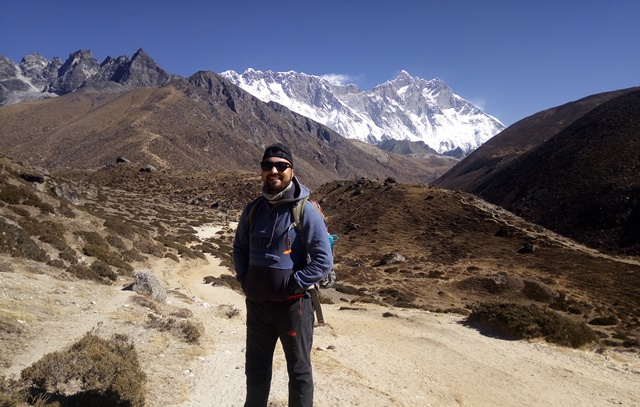
Choosing the Short Everest Base Camp Trek gives you the perfect balance between adventure and time efficiency.
A well-planned itinerary is essential for altitude safety and enjoyment.
Trek Distance: 8 km | Walking Time: 3–4 hours | Altitude: 2,610 m
Take an exciting morning flight from Kathmandu to Lukla. After meeting the trekking team, begin the scenic walk through Sherpa villages, pine forests, and along the Dudh Koshi River to Phakding.
Trek Distance: 10–11 km | Walking Time: 5–6 hours | Altitude: 3,440 m
Continue along the Dudh Koshi Valley, crossing several suspension bridges and entering Sagarmatha National Park. The trail gradually climbs through forests and villages before reaching the lively mountain town of Namche Bazaar.
Hiking Distance: 4–5 km | Walking Time: 3–4 hours | Altitude: 3,440 m
Take a rest and acclimatization day in Namche. Enjoy a short hike to the Everest View Hotel and nearby viewpoints for spectacular views of Everest, Ama Dablam, Lhotse, and other Himalayan peaks.
Trek Distance: 10 km | Walking Time: 5–6 hours | Altitude: 3,860 m
Follow a scenic trail with outstanding Himalayan views before descending toward the Dudh Koshi River and climbing through rhododendron and pine forests to Tengboche. Visit the famous Tengboche Monastery and enjoy views of Everest, Ama Dablam, and surrounding peaks.
Trek Distance: 11 km | Walking Time: 5–6 hours | Altitude: 4,410 m
Descend through beautiful forests and cross the Imja Khola before gradually climbing toward the high-altitude village of Dingboche. The landscape becomes more rugged and open as you enter the upper Khumbu Valley.
Hiking Distance: 4–6 km | Walking Time: 3–4 hours | Altitude: 4,410 m
Spend another important acclimatization day in Dingboche. Take a gradual hike toward Nangkartshang Hill for excellent mountain views while allowing your body to adjust to the increasing altitude.
Trek Distance: 11 km | Walking Time: 5–6 hours | Altitude: 4,910 m
The trail climbs gradually toward the Khumbu Glacier area. Pass through Dukla and continue along the memorials dedicated to climbers who lost their lives on Everest before reaching Lobuche.
Trek Distance: 15–16 km | Walking Time: 7–8 hours | Altitude: 5,364 m at Base Camp
Continue from Lobuche to Gorak Shep and then follow the rugged trail toward Everest Base Camp. Reach the legendary base camp and enjoy views of the Khumbu Glacier and surrounding peaks before returning to Gorak Shep for the night.
Trek Distance: 14 km | Walking Time: 6–7 hours | Altitude: 5,545 m at Kala Patthar
Start early for the climb to Kala Patthar to experience one of the best sunrise panoramas of Mount Everest, Nuptse, Pumori, and the Khumbu Glacier. Descend to Gorak Shep for breakfast before continuing downhill to Pheriche.
Trek Distance: 20 km | Walking Time: 6–7 hours | Altitude: 3,440 m
Retrace the trail through the beautiful Khumbu Valley, passing Tengboche and crossing forests and suspension bridges before reaching Namche Bazaar. Enjoy a comfortable evening in the lively Sherpa town.
Trek Distance: 18 km | Walking Time: 6–7 hours | Altitude: 2,860 m at Lukla
Complete the final section of the trek by following the Dudh Koshi Valley back to Lukla. After reaching Lukla, take a scheduled flight back to Kathmandu. Helicopter return options may also be available, subject to weather, flight conditions, and availability.
The Short Everest Base Camp Trek is generally considered moderate to challenging, mainly because of the high altitude and long trekking days rather than technical difficulty. It does not require climbing or mountaineering skills, but it does demand good physical fitness, stamina, and mental preparation. Trekkers usually walk 5 to 7 hours a day on uneven terrain, including steep uphill and downhill sections.
The biggest challenge is the altitude. As you move from Lukla toward higher villages like Namche Bazaar and beyond, the oxygen level drops significantly. This increases the risk of altitude sickness, so proper acclimatization is essential. Even fit trekkers can feel tired or breathless at higher elevations.
Trail conditions are generally safe but physically demanding. You will walk through stone steps, suspension bridges, forest paths, and rocky glacier terrain near the base camp area. Weather can also make the trek harder, especially in colder months when temperatures drop sharply at night.
Overall, the Short Everest Base Camp Trek is achievable for most people with reasonable fitness and preparation. The difficulty comes from altitude, endurance, and weather rather than technical challenges.
These are the most recommended seasons for trekking.
The cost depends on services, season, and group size.
Smart packing improves comfort and performance.
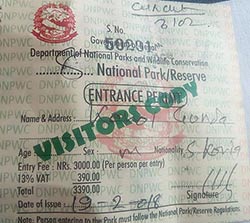
You need two main permits:
These are mandatory for all trekkers entering the Everest region.
Emergency evacuation is available via helicopter if required.
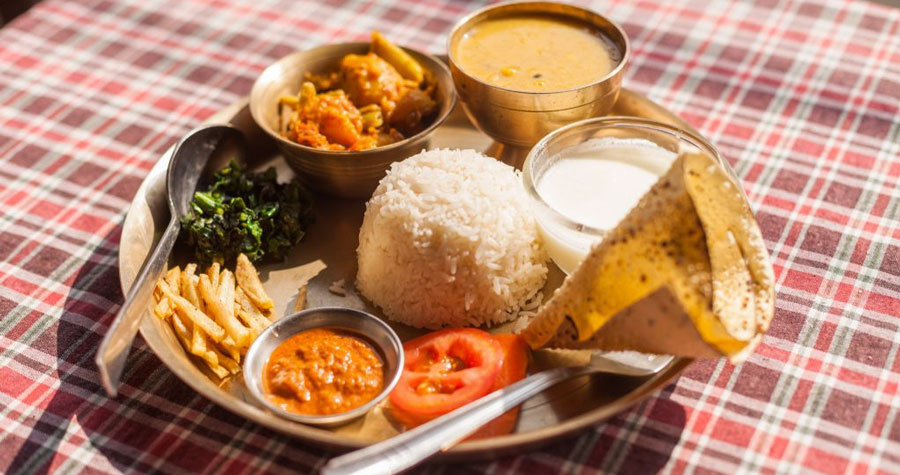
The teahouse experience is a key cultural highlight.

The Short Everest Base Camp Trek offers a deep cultural experience shaped by the traditions of the Sherpa community. As you pass through villages like Namche Bazaar, Tengboche, and surrounding settlements, you will see how closely Sherpa life is connected with Tibetan Buddhism and the Himalayan environment. Prayer wheels, mani walls, and colorful prayer flags are common along the trail, reflecting strong spiritual beliefs and respect for the mountains.
The Sherpa people are known worldwide for their mountaineering skills and hospitality. During the trek, you stay in local teahouses run by Sherpa families, where you can experience traditional food, warm hospitality, and simple mountain living. Their stories, customs, and resilience give the trek a meaningful human connection beyond the scenery, making the journey to Everest Base Camp not just a physical adventure but also a cultural discovery.
Kala Patthar offers the best close-up Everest view.
The flight to Lukla is one of the most thrilling and memorable parts of the Everest trekking journey. Most trekkers take a short domestic flight from Kathmandu to the famous Tenzing-Hillary Airport, which is considered one of the most challenging airports in the world due to its short runway and dramatic mountain surroundings. The aircraft used are usually small twin-otter or Dornier planes, designed for short takeoff and landing on mountainous terrain.
As the flight takes off from Kathmandu, you gradually leave behind the busy city and begin to see rolling hills, deep river valleys, and finally the towering Himalayan peaks. On a clear day, passengers can enjoy breathtaking aerial views of snow-capped mountains, including parts of the Everest region. The entire journey usually takes around 25 to 35 minutes, but weather conditions can heavily influence departure schedules, often causing delays or early morning rescheduling.
Landing in Lukla is often described as an adrenaline-filled experience. The runway is short and slopes uphill toward the mountain, helping aircraft slow down quickly after touchdown. Pilots flying this route are highly experienced, as the approach requires precision and confidence in rapidly changing mountain weather. Despite the excitement and occasional nervousness, the Lukla flight is widely considered a once-in-a-lifetime experience that marks the true beginning of the Everest adventure.
Most trekkers prefer guided group or private tours.
The helicopter return option in the Short Everest Base Camp Trek offers a fast and comfortable way to fly back from the Everest region, usually from Gorak Shep, Pheriche, or Lukla to Kathmandu. It is ideal for trekkers who want to avoid long downhill walks or have limited time. The flight provides stunning aerial views of Everest, glaciers, and valleys. Though more expensive than regular flights, it saves 2–3 trekking days and reduces physical strain after reaching high altitude very effectively.
The Short Everest Base Camp Trek is unforgettable because it combines the thrill of the Himalayas with a compact and efficient trekking experience. In just a limited number of days, trekkers get to witness some of the world’s highest peaks, including Mount Everest (8,848.86m), along with Ama Dablam, Lhotse, and Nuptse. The journey is not just about reaching Base Camp, but about experiencing the dramatic change in landscapes—from lush green valleys to high-altitude glaciers and rocky moraine terrain.
Another reason this trek stands out is the rich Sherpa culture and mountain lifestyle found in the Khumbu region. Villages like Namche Bazaar and Tengboche offer deep insight into local traditions, Buddhist monasteries, prayer flags, and centuries-old heritage. The warm hospitality of the Sherpa people, combined with their resilience in extreme conditions, leaves a lasting emotional impact on most trekkers.
The trek is also unforgettable due to its adventure and challenge factor. The route involves high-altitude walking, suspension bridges, steep ascents, and unpredictable mountain weather. Even though it is a “short” version of the classic trek, it still delivers a strong sense of achievement when you reach viewpoints like Kala Patthar or Everest Base Camp itself.
Finally, what makes this journey truly memorable is the sense of accomplishment and perspective it brings. Standing close to the world’s highest peak makes travelers reflect on nature’s scale and their own endurance. It is a rare combination of natural beauty, cultural depth, and personal challenge, which is why the Short Everest Base Camp Trek stays in memory long after the journey ends.
The Short Everest Base Camp Trek is the perfect choice for trekkers who want a complete Everest experience in a shorter timeframe. With proper preparation, the right season, and a well-planned itinerary, this trek becomes one of the most rewarding journeys in the Himalayas.
Whether you are a beginner or experienced trekker, this adventure guarantees unforgettable memories of the world’s highest mountains.
You can also explore important and useful information about trekking in the Everest region through the link below.

Manaslu Circuit Trek weather is more complicated than simply checking the forecast before leaving Ka
Continue Reading
The Gokyo Lakes Trek is one of the most beautiful trekking journeys in Nepal’s Everest region.
Continue Reading
A clear and honest update for travelers planning Everest, Annapurna, Manaslu, Mustang and other popu
Continue Reading
Manang is one of the most important stops on the Annapurna Circuit Trek. After several days of walki
Continue Reading
If you are wondering where to see red pandas in Nepal, the Langtang region is one of the most releva
Continue Reading
The Everest Base Camp Trek is one of the world’s most famous Himalayan adventures, but many fi
Continue Reading