Accommodation Costs on the Everest Base Camp Trek


23 Jun 2019 27 min to read
The Everest Base Camp trek is one of the most famous trekking adventures in the world. Every year, thousands of travelers visit Everest Base Camp to enjoy the beautiful mountain views and experience Sherpa culture. The trek offers amazing scenery, peaceful villages, and unforgettable memories.
The cost of the Everest Base Camp trek in 2026 and 2027 depends on different factors like trekking season, guide services, transportation, food, and accommodation. Budget trekkers can spend less, while luxury trekkers may spend much more for better comfort and services.
Most trekkers usually spend between $1,200 and $3,000 for the full trip. This price may include permits, domestic flights, hotel stays, guide and porter fees, meals, and trekking equipment. Costs are generally higher during the busy spring and autumn trekking seasons.
Planning your budget carefully is very important before starting the trek. Choosing the right trekking package and travel company can help you enjoy a safe and comfortable journey in the Himalayas. The Everest Base Camp trek is not only an adventure but also a lifetime experience.
International agencies often work through local partners in Nepal. So when a customer books with a foreign company, that agency outsources the trip to a Nepali trekking company like yours. The international company adds a 20%–50% profit margin on top of the actual ground cost.
Local companies operate entirely from Nepal, where the cost of labor, office rent, and logistics is much lower compared to the West. This allows local agencies to offer the same service for a significantly lower price without compromising quality.
When you book directly with a local agency, you are hiring guides and porters directly from the source. International companies may hire them through another subcontractor or pay more, increasing your cost.
International agencies invest a lot in digital marketing, high-end websites, paid advertisements, and office salaries in the USA, Europe, or Australia. These expenses are reflected in the package price. Local companies mostly rely on referrals, local promotion, and platforms like Tawk. to TripAdvisor, which keeps the pricing affordable.
Nepali agencies like Safe Holiday Adventure Pvt. Ltd. are based in the region and know shortcuts, better tea houses, reliable porters, local conditions, and weather updates. This saves time and money for trekkers and avoids unnecessary expenses due to poor planning.
Local companies offer flexible pricing based on group size, season, and services required. International agencies have fixed packages, with less room for negotiation or personalization.
Some international operators offer basic services and charge extra later for things like porter service, domestic flights, or even permits. Local agencies usually include all such costs transparently in the initial price.
Booking with a Nepali company ensures your money goes directly into the local economy – guides, porters, teahouses, and villages. With international bookings, a big share stays abroad.

No, a guide is not compulsory for the Everest Base Camp (EBC) trek, according to the Nepal government rules. Trekkers can go solo if they wish.
However, having a guide is highly recommended, and here’s why:
You can still go alone, but you should:
A guide is not legally required for the EBC trek, but hiring one makes your trip safer, smoother, and more enjoyable, especially if it’s your first time in the Himalayas.
If you want help organizing your trek, Safe Holiday Adventure Pvt. Ltd. can provide a friendly, experienced guide at a reasonable cost.

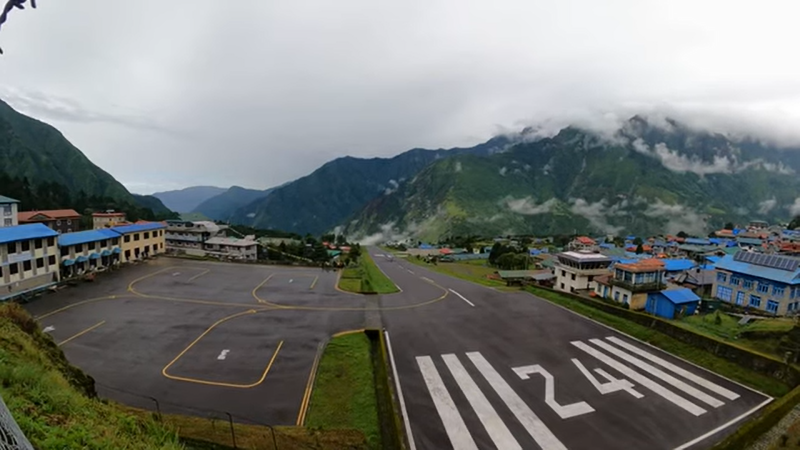
The most common and fastest way to start the Everest Base Camp trek is by flying from Kathmandu (or Ramechhap) to Lukla. The flight takes about 30 minutes. From Lukla, you start walking through beautiful Sherpa villages like Phakding, Namche Bazaar, Tengboche, Dingboche, Lobuche, and finally reach Everest Base Camp. This trek usually takes about 12 days round-trip. You walk up slowly to help your body adjust to the high altitude. This route is best for people who want to reach Everest Base Camp in a short time.
If you don’t want to fly to Lukla, you can take a jeep or bus from Kathmandu to a place called Salleri or Tham Danda. The drive takes about 1 to 2 days, depending on the road conditions. From there, you begin walking and join the main Everest trail at Phakding or Lukla after a few days. This route takes longer, usually around 14 to 18 days in total. It’s a good option for trekkers who want to avoid the Lukla flight and explore more local villages along the way.
This is a more scenic and adventurous route to reach Everest Base Camp. You fly to Lukla and walk to Namche, but then you head toward Gokyo Valley to see the beautiful Gokyo Lakes and the Ngozumpa Glacier, the biggest glacier in Nepal. After spending a day at Gokyo, you cross the high Cho La Pass (5,420 meters) and join the main EBC trail at Lobuche. This trek usually takes 15 to 18 days. It is perfect for those who want to see more of the Everest region and avoid walking the same trail twice.
This is the most challenging and complete trekking route in the Everest region. You will cross three high mountain passes – Renjo La (5,360m), Cho La (5,420m), and Kongma La (5,535m). This trek covers Gokyo Valley, Everest Base Camp, and the remote corners of the Khumbu region. It usually takes 18 to 22 days. This route is recommended for fit and experienced trekkers who want to enjoy every part of the Everest region and avoid busy trails.
In this option, you follow the regular trekking route from Lukla to Everest Base Camp on foot. After reaching Base Camp or Kala Patthar, instead of walking back, you take a helicopter ride back to Lukla or even to Kathmandu. This saves 3–4 days of walking and gives you a wonderful aerial view of the mountains. This option is great for those who want to enjoy the full trek but prefer a quick and easy return.
If you don’t want to trek at all, you can take a direct helicopter tour from Kathmandu to Everest Base Camp. The helicopter usually lands near Kala Patthar or a viewpoint for 5 to 10 minutes so you can take photos and enjoy the mountain views. Then, it flies back to Kathmandu. This whole tour takes about 3 to 4 hours. It is perfect for people who are short on time, not physically ready for trekking, or just want to see Mount Everest from close up without walking.
This is the original trekking route used by Sir Edmund Hillary and Tenzing Norgay in 1953. You start by driving from Kathmandu to Jiri, then trek through the lower Everest region villages like Bhandar, Junbesi, and Kharikhola. After about 6 to 7 days, you reach Lukla and join the main trail to Everest Base Camp. This whole trek can take about 20 to 24 days. It is much longer but offers a peaceful, less crowded experience with more cultural interaction.
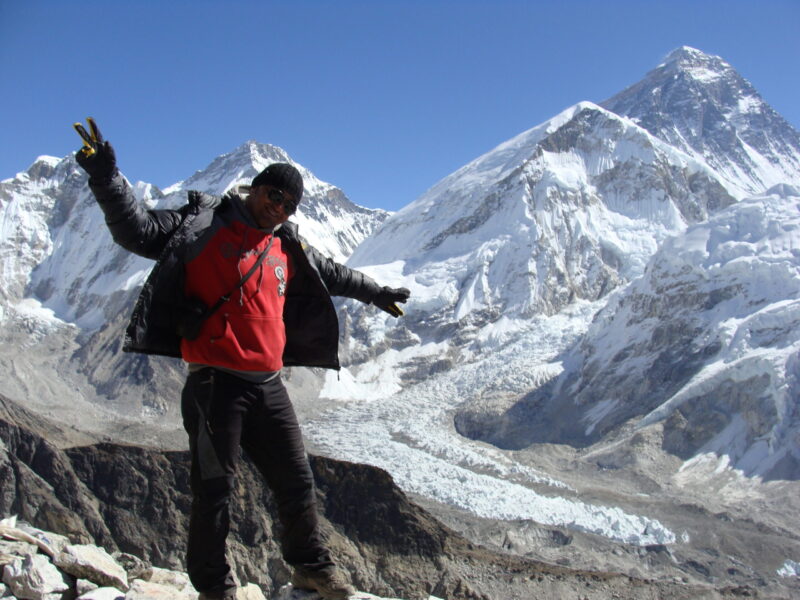
When trekking to Everest Base Camp, many people choose to hire a guide or a porter to make the journey easier and safer.
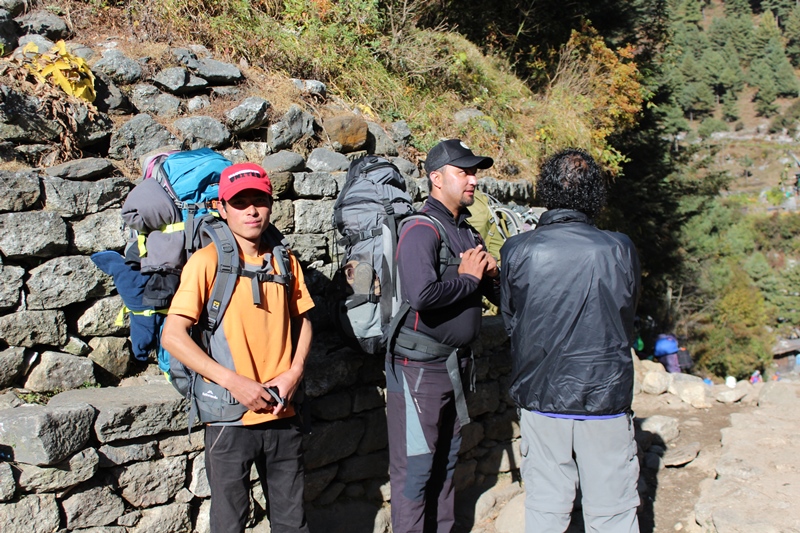
A guide is a trained local person who knows the trail very well. The guide helps you find the best routes, shows you interesting places, arranges your accommodation and meals, and keeps you safe during the trek. Guides also help if you face health problems like altitude sickness. Having a guide makes the trek more enjoyable and less stressful, especially if it is your first time.
A porter carries your heavy bags, so you only need to walk with a small daypack. This helps you save energy and reduces the risk of injury or tiredness. Porters are strong and experienced in carrying loads on mountain trails. Hiring a porter is good if you want to enjoy the trek without feeling tired from carrying your luggage.
Many trekking companies offer packages that include a guide and a porter together. This means you get full support: your guide helps with navigation and safety, while your porter carries your main bags. This is the best way to enjoy the Everest Base Camp trek comfortably.
In Nepal, it is important to hire guides and porters who have proper training and insurance. Responsible companies, like Safe Holiday Adventure Pvt. Ltd., ensure their staff are well-trained, licensed, and insured for your safety.
All-Inclusive Package
An all-inclusive Everest Base Camp trek package includes everything you need for a safe and comfortable trip. It covers airport pick-up and drop-off in Kathmandu, hotel stays before and after the trek, and flights to and from Lukla. All necessary permits are arranged for you.
During the trek, a professional guide leads you and helps with accommodation and safety, while a porter carries your heavy bags. Meals and lodging in tea houses are included, along with insurance for your guide and porter.
This package lets you focus on enjoying the stunning mountain views without worrying about the details. Safe Holiday Adventure Pvt. Ltd. offers these packages with great service and competitive prices.
Independent (Solo) Trekking to Everest Base Camp
Many people choose to trek to Everest Base Camp alone. Independent trekking means you plan your trip by yourself. You buy your permits and arrange transport. You decide your daily walking schedule. You can stay in tea houses or guesthouses along the way. Solo trekking gives freedom to explore at your own pace. You must carry your bags or hire a porter. Guides are not required, but can be helpful for safety and information. It is important to be prepared for high altitude and weather changes. Independent trekking can be very rewarding and peaceful for those who like adventure.

When you plan to trek to Everest Base Camp, you can choose a local Nepal trekking agency or an international company. The cost of the trek can be very different between these two.
Local Trek Agencies
Local agencies in Nepal usually offer lower prices. They know the area well and work directly with local guides, porters, and tea houses. Because they do not have big offices abroad, their costs are lower. Local companies often give you good service for less money. You can also talk to them easily in Nepal. The cost for a full EBC trek package with a local agency can be about $1000 to $1500 USD per person, depending on services.
International Trek Agencies
International companies often charge higher prices. They have offices in foreign countries and spend more on marketing and staff. They may include extra services and insurance, but this raises the price. These companies might be more comfortable for some people because of language or experience. The cost from international agencies can be $1500 to $2500 or more for the same trek.
Summary
Local agencies = cheaper, direct, good value
International agencies = more expensive, extra services, sometimes more comfort
If you want to save money but still have a good and safe trek, choosing a local Nepal trekking agency is a smart choice.
If you choose a local Nepali agency for your Everest Base Camp trek, the cost is usually lower than with foreign companies. A full package tour usually includes these things:
The total cost for a full EBC package with a local Nepali agency usually ranges from $1000 to $1500 USD per person for about 12-14 days.
This price gives you good service, local support, and a safe trek without extra high costs.


There is a moment on the Annapurna Circuit that every trekker thinks about for days. It happens in t
Continue Reading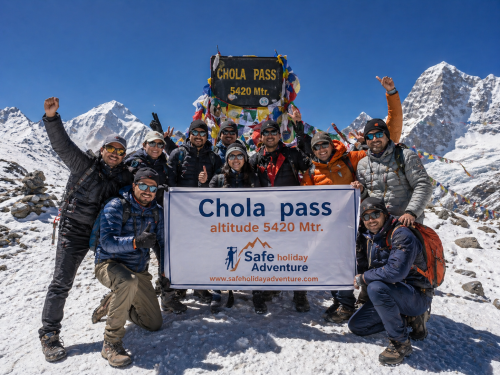
Most people walk to Everest Base Camp and then walk back down the same valley. The Three Passes Trek
Continue Reading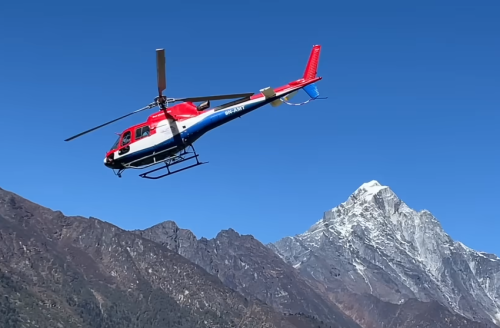
There is a moment on every Everest trek when your legs have an opinion. For most people, it arrives
Continue Reading
If you are asking how difficult the Everest Three Passes Trek is, the honest answer is this: it is t
Continue Reading
My name is Peng Chang, and I travelled to Nepal from Malaysia with a small group of friends. Before
Continue Reading
In this story Why I Chose Everest Base Camp My name is Chyling, and I come from Malaysia, a country
Continue Reading