
30 Aug 2026 9 min to read
A clear and honest update for travelers planning Everest, Annapurna, Manaslu, Mustang and other popular Nepal treks
The recent natural disaster in Nepal has understandably caused concern among international travelers. Images of destroyed villages, bridges, roads and rivers have appeared across international news and social media, leading some visitors to believe that the entire country has been affected and that Nepal is no longer safe to visit.
That conclusion is not correct.
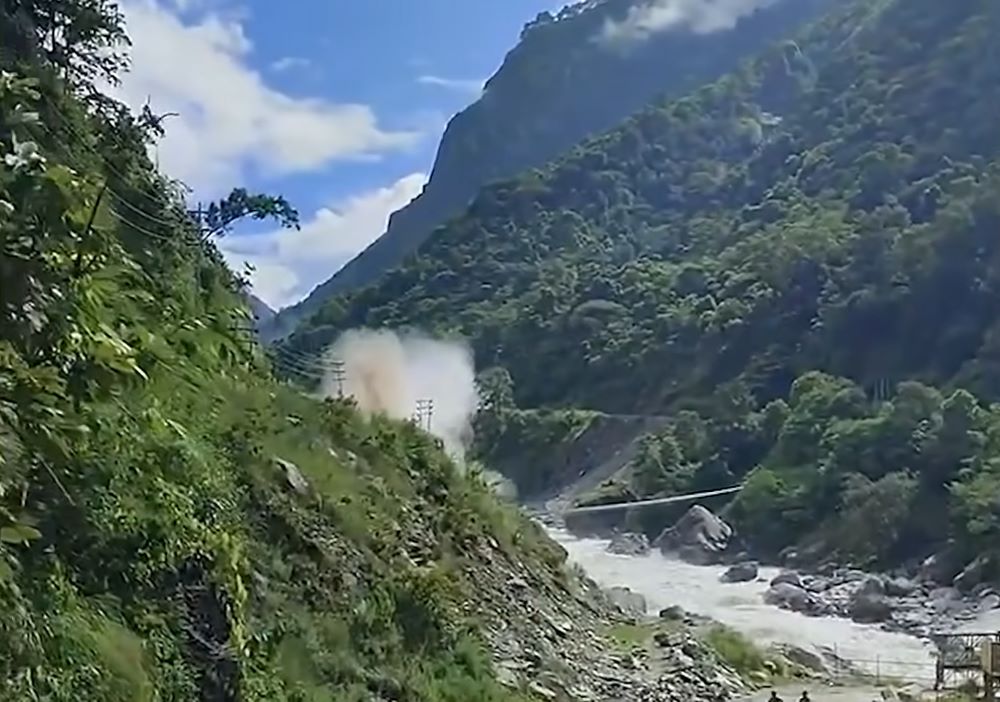
Nepal has experienced a devastating but geographically concentrated flood and debris-flow disaster, particularly affecting parts of the Rasuwa–Bhote Koshi–Trishuli corridor and downstream areas. The event occurred on August 26, 2026, following a major glacier/ice-and-rock collapse in the Himalayan region that generated an enormous surge of water, mud, rock and debris. The disaster caused severe destruction to settlements, bridges, roads and infrastructure.
For travelers, the most important point is this:
A natural disaster in one river system does not mean that every trekking region in Nepal is affected.
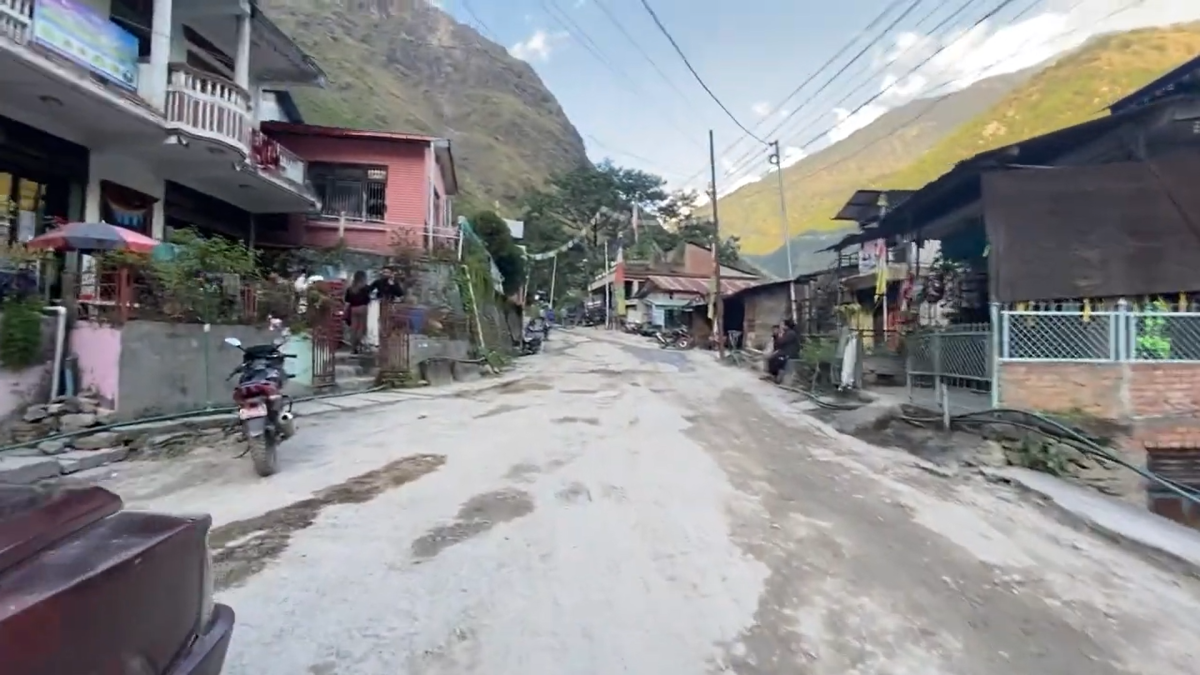
The most serious damage has been concentrated around Rasuwa and the Bhote Koshi and Trishuli river corridors, with impacts extending downstream into parts of Nuwakot and Dhading.
The affected corridor includes important communities and transportation routes connected with the northern Rasuwa area and the gateway toward Langtang and the Nepal–Tibet border.
The flood destroyed or damaged roads, bridges, settlements and other infrastructure, and rescue and recovery operations are still continuing. Authorities are also monitoring the possibility of additional flooding from debris-dammed water bodies.
This is a genuine disaster, and the people and communities in the affected areas need support. Travelers should not attempt to enter restricted or damaged areas simply to continue a trekking itinerary.
No.
This is one of the biggest misunderstandings created by international headlines.
Nepal is a mountainous country with many separate river systems, valleys and trekking regions. The major trekking destinations are spread across different parts of the Himalayas.
The recent flood was concentrated around a particular river corridor. It did not wash through the Everest Base Camp trail, Annapurna Circuit, Annapurna Base Camp trail, Manaslu Circuit trail, Upper Mustang or the other major trekking regions across Nepal.
Current trekking-industry updates indicate that the Everest and Annapurna regions were not directly affected by this flood, while Manaslu and other major trekking destinations remain outside the main flood zone.
This is where travelers should pay the closest attention.
The Langtang region is closely connected to the affected Rasuwa transportation corridor, and the normal road access toward the Langtang area has been seriously disrupted.
The latest reports indicate that the Trishuli–Betambeti access corridor is currently affected/closed, even though the Langtang/Kyanjin Valley trekking destination itself is not simply equivalent to the entire flood zone. Travelers should therefore postpone or carefully reassess Langtang trips until authorities and local trekking organizations confirm safe access.
Routes and communities connected to the affected northern Rasuwa and river corridors also require special caution.
For this reason, do not judge the condition of every trekking route in Nepal by the situation in Langtang or Rasuwa.
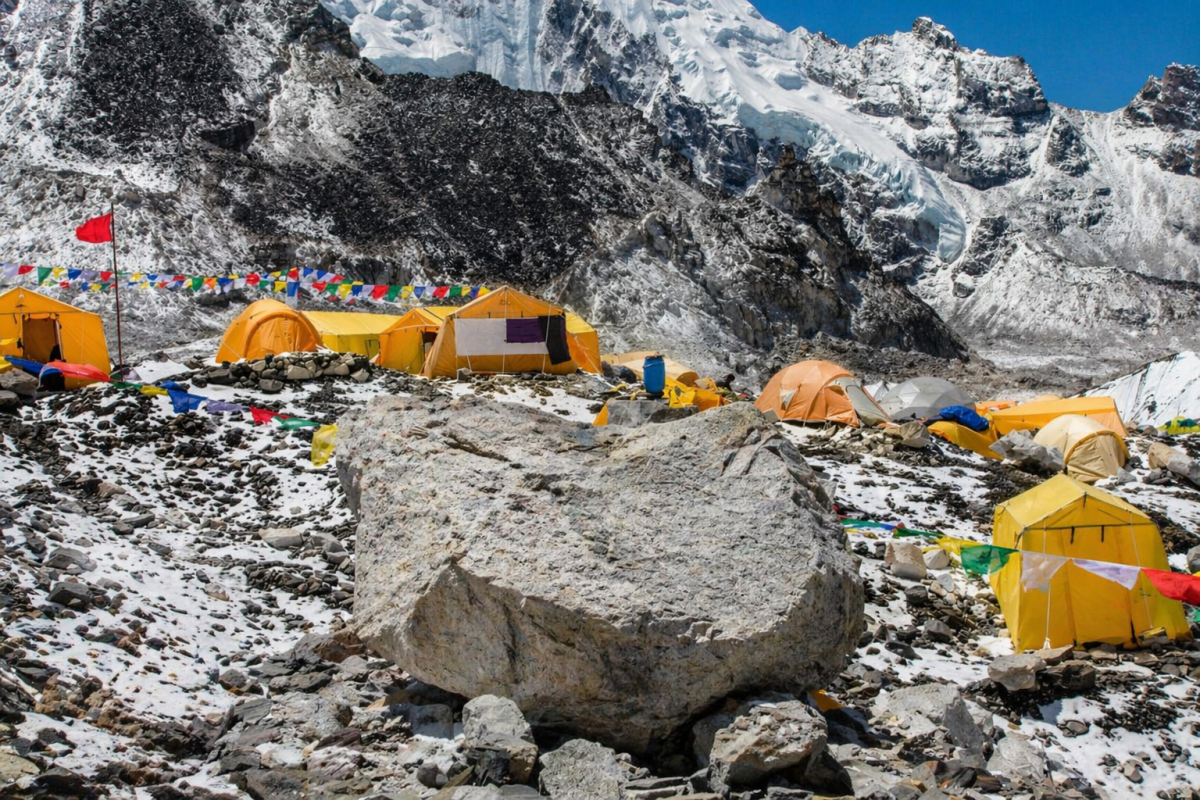
The Everest Base Camp Trek is in a different Himalayan region and is not in the flood-affected Rasuwa–Bhote Koshi corridor.
The Everest trekking route from the Lukla/Solukhumbu side is geographically separate from the disaster area.
Therefore, travelers planning:
should not assume that their trek has been affected simply because they have seen images of the flood elsewhere in Nepal.
Current route updates report the Everest region as unaffected by the Rasuwa flood.
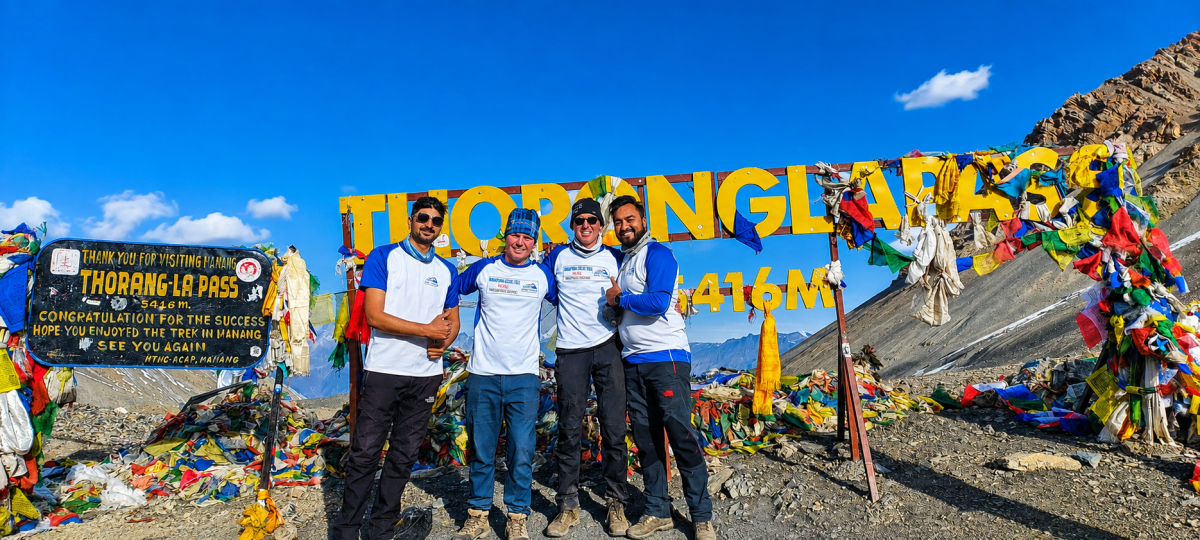
The Annapurna Circuit Trek is also outside the main flood-affected river corridor.
The Annapurna region has its own geography and river systems, including the Marsyangdi and Kali Gandaki valleys. It is not the same area as the Rasuwa–Bhote Koshi disaster zone.
Popular Annapurna itineraries such as:
are not directly affected by the August 26 Rasuwa flood according to current trekking-route updates.
However, travelers should still check current road and weather conditions before departure, particularly during the monsoon season.
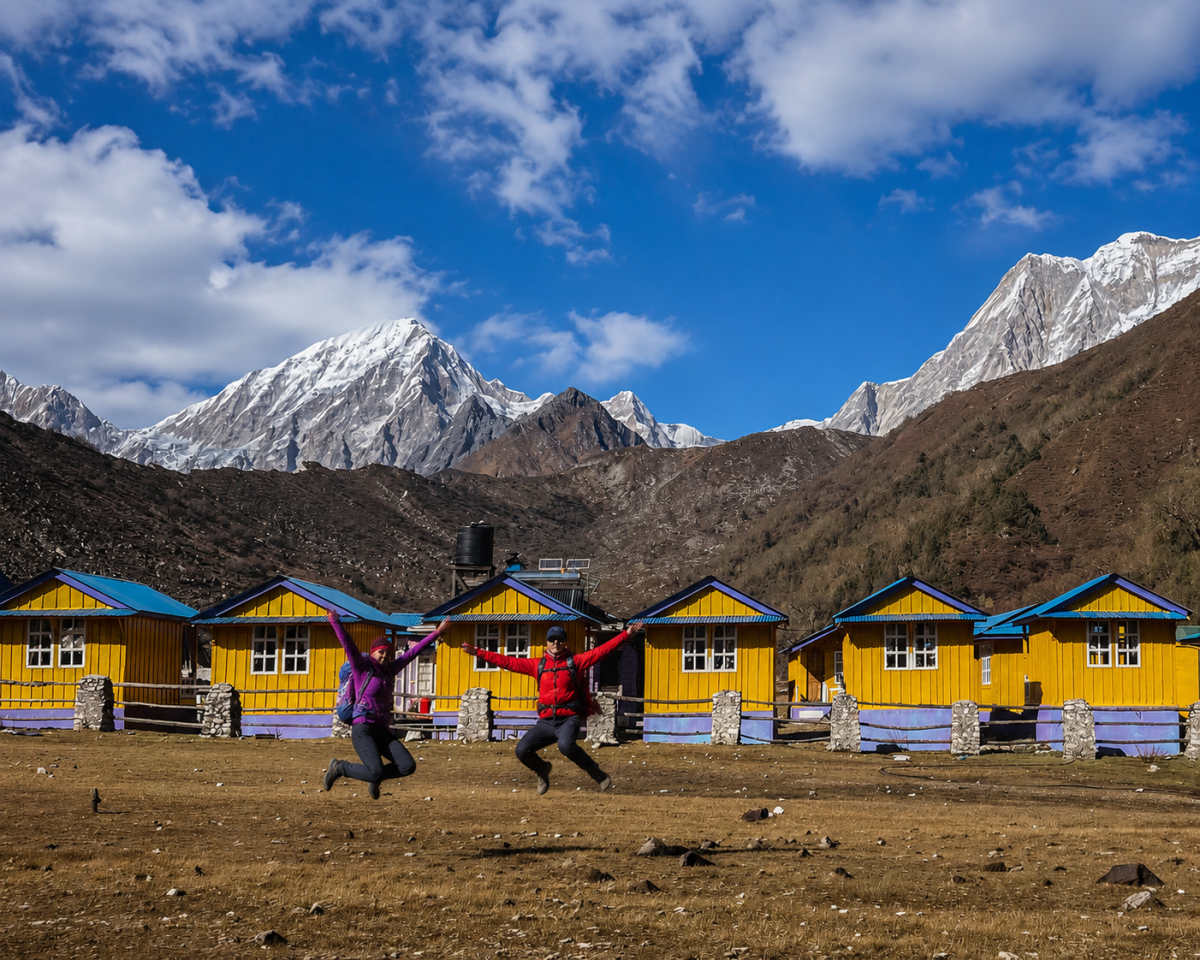
The Manaslu Circuit Trek is another route that travelers sometimes mistakenly associate with the recent disaster because it is also located in the central Himalayan region.
But Manaslu and Rasuwa are different trekking areas.
The Manaslu Circuit approaches the trekking region from the Gorkha side, rather than through the flood-damaged Rasuwa corridor.
Current trekking updates indicate that the Manaslu region remains outside the direct flood-affected area.
As always, road conditions can change during Nepal’s monsoon season, so the exact transportation route should be checked shortly before departure.
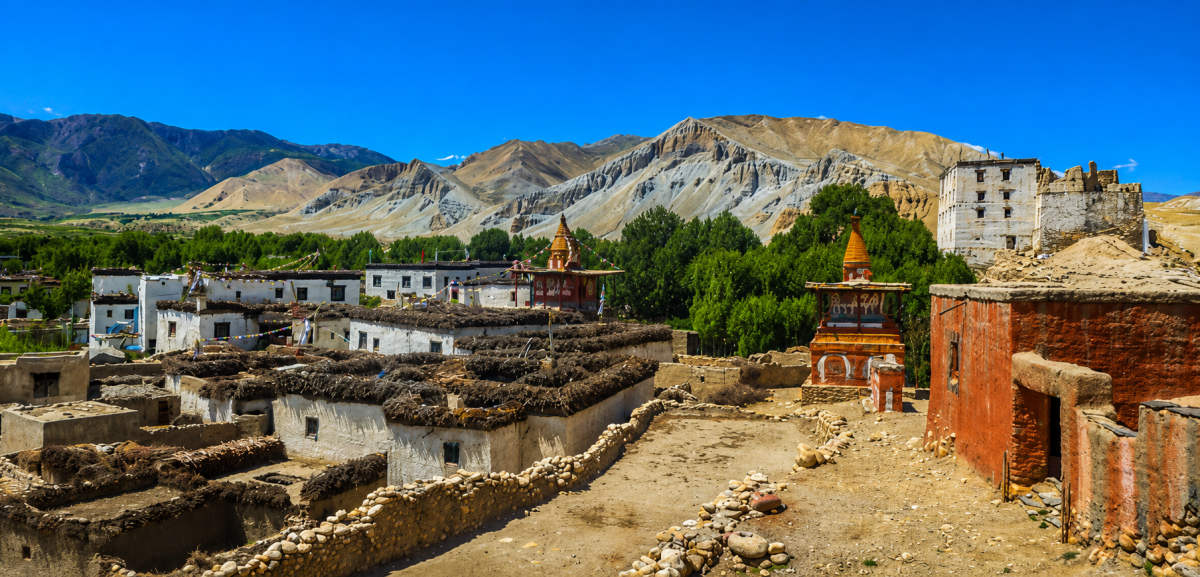
Upper Mustang Trek is particularly different from the flood-affected northern Rasuwa region.
Located in the rain-shadow area of the Himalayas, Upper Mustang generally receives considerably less monsoon rainfall than many southern Himalayan valleys.
The recent Rasuwa flood did not directly affect the Upper Mustang trekking area. Current trekking information continues to identify Upper Mustang as an operating destination.
Travelers should still monitor weather, road and flight conditions because transportation to Mustang can be affected by normal seasonal weather.
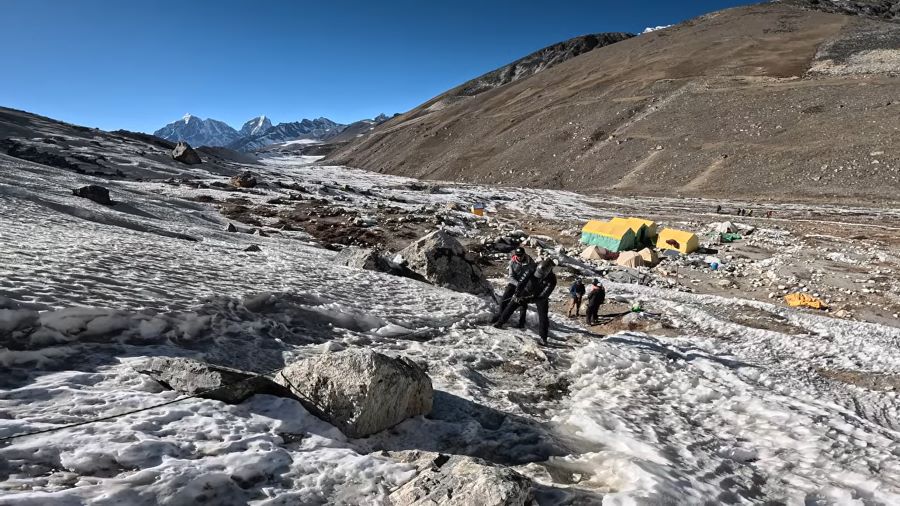
Popular climbing destinations such as Island Peak and Mera Peak are located in different Himalayan regions and were not directly struck by the Rasuwa flood.
Island Peak is in the Everest/Khumbu region, while Mera Peak lies in the Hinku Valley area.
Therefore, the recent flood should not automatically be interpreted as a closure of Nepal’s entire peak-climbing industry.
Climbers should, however, receive a current route and weather assessment from their expedition operator before departure.
| Destination | Current situation |
|---|---|
| Everest Base Camp | Not directly affected |
| Gokyo Lakes | Not directly affected |
| Everest Three Passes | Not directly affected |
| Island Peak | Not directly affected |
| Annapurna Circuit | Not directly affected |
| Annapurna Base Camp | Not directly affected |
| Poon Hill | Not directly affected |
| Mardi Himal | Not directly affected |
| Manaslu Circuit | Not directly affected |
| Upper Mustang | Not directly affected |
| Mera Peak | Not directly affected |
| Langtang access corridor | Seriously affected; check before travel |
| Rasuwa/Bhote Koshi corridor | Seriously affected; avoid affected areas |
| Rasuwagadhi/Kerung border route | Closed/seriously affected |
This table describes the current situation based on available route updates and should not be treated as a permanent status, because roads, bridges, weather and government safety instructions can change quickly.
The main reason is the way disaster news is presented internationally.
A headline such as “Nepal Hit by Massive Floods” can make it sound as though the entire country has been affected.
But Nepal is geographically diverse.
For example, the distance and terrain separating Rasuwa from the Everest, Annapurna, Mustang and other trekking regions means that conditions can be completely different from one trekking destination to another.
This is why travelers should ask:
“Is my particular trekking route affected?”
rather than:
“Is the whole of Nepal affected?”
That distinction is extremely important.
Not automatically.
If your planned itinerary is in the Everest, Gokyo, Annapurna, Manaslu, Mustang or another unaffected region, there is no reason to assume that your trek has been cancelled solely because of the Rasuwa flood.
However, responsible travel means checking the latest conditions before departure.
Your trekking agency or guide should confirm:
For trips passing through Rasuwa, northern Nuwakot, affected parts of Dhading or the Langtang access corridor, travelers should wait for reliable confirmation before proceeding.
The communities directly affected by this disaster need time to recover and rebuild.
At the same time, thousands of people across Nepal depend on tourism for their livelihoods. Guides, porters, hotel owners, teahouse families, drivers, cooks, climbers and trekking agencies all depend on a healthy tourism industry.
Therefore, the answer is not to abandon the whole country.
The responsible approach is to avoid affected areas, respect official restrictions and continue visiting destinations that are confirmed to be operating safely.
Tourism can continue supporting communities in regions that remain open while relief and reconstruction work takes place in the affected areas.
The recent flood is a serious tragedy, and Nepal is grieving for the people and communities who have suffered.
But it is also important to understand the geography of the disaster.
Nepal is not one single trekking destination.
The recent flood severely affected a specific Himalayan river corridor, particularly around Rasuwa and the Bhote Koshi–Trishuli system, with downstream impacts toward areas including Nuwakot and Dhading.
The Everest, Gokyo, Everest High Pass/Three Passes, Annapurna Circuit, Annapurna Base Camp, Manaslu Circuit, Upper Mustang, Island Peak, Mera Peak and many other popular trekking and climbing destinations are outside the direct flood-affected area according to current route information.
So, if you are planning to visit Nepal, do not cancel your entire Nepal adventure based only on dramatic flood images or generalized headlines.
Instead, check the condition of your exact destination and access route, use a responsible local trekking operator, follow official safety instructions and make decisions based on current information.
Nepal remains open for tourism in many regions, while the affected areas need time, care and support to recover.
Travel conditions in Nepal can change quickly, especially during the monsoon and immediately following a major natural disaster. Always confirm the latest route, road and weather conditions before departure.
This version deliberately avoids saying “all of Nepal is 100% safe”—which would be risky and inaccurate during an active disaster. It gives you a stronger, more trustworthy message: the disaster is localized, most major trekking regions are outside the affected zone, but travelers must check their exact route.
There is a moment on every Everest trek when your legs have an opinion. For most people, it arrives
Continue Reading
If you are asking how difficult the Everest Three Passes Trek is, the honest answer is this: it is t
Continue Reading
My name is Peng Chang, and I travelled to Nepal from Malaysia with a small group of friends. Before
Continue Reading
In this story Why I Chose Everest Base Camp My name is Chyling, and I come from Malaysia, a country
Continue Reading
Ask anyone who has finished the Annapurna Circuit which day they remember most, and the answer is al
Continue Reading
Introduction Kathmandu doesn’t ease you in. You step out of the airport into a chorus of horns
Continue Reading