Monsoon Trekking in Nepal: Easy & Scenic Short Routes
June 12, 2025
Introduction: Trekking in Nepal during the monsoon season
Trekking in Nepal during the monsoon season — June, July, and August — offers a unique adventure many travelers overlook. While heavy rains sweep across the hills and valleys, the landscape transforms into a lush, vibrant world bursting with life and color. The forests become greener than ever, waterfalls roar with fresh energy, and wildflowers bloom in hidden corners along the trails. For those who love nature at its purest, trekking in the monsoon is a rare chance to see Nepal’s beauty in a new light.
Though the trails can be slippery and some areas more challenging, this season brings fewer tourists, allowing trekkers to enjoy peaceful paths and a more personal connection with the mountains. The misty clouds wrapping the peaks create a mystical atmosphere, making every moment magical. Local villages appear more alive as the monsoon rains nourish the crops and fields.
With proper preparation, the monsoon trekker can explore the rich flora and fauna, enjoy cooler temperatures, and experience the true rhythm of Nepal’s natural cycle. Trekking during monsoon is not just a journey; it’s a refreshing escape into the heart of Nepal’s wild and wonderful nature.
Popular Short and Safe Trekking Routes to Explore During the Monsoon Season (June, July, and August)
Poon Hill Trek (3 to 5 Days) – Best Short Trek in Monsoon
finest view og Mount Dhauulagiri Range from Poon hill 3210M
The Poon Hill Trek is one of Nepal’s most popular short treks, perfect for beginners, families, and those with limited time. Located in the Annapurna region, this 3 to 5-day journey offers stunning Himalayan views without the need for high-altitude trekking. The highlight of the trek is the early morning hike to Poon Hill (3,210 meters), where you’ll witness a breathtaking sunrise over snow-capped peaks like Annapurna, Dhaulagiri, Machhapuchhre (Fishtail), and Nilgiri. Along the way, you’ll pass through charming Gurung and Magar villages, rhododendron forests, and terraced farmlands, enjoying warm hospitality and diverse natural beauty at every step.
Why It’s Good in Monsoon
The Poon Hill trek is safe and beautiful in monsoon because:
Trails are not slippery or dangerous.
You don’t go too high, so no risk of altitude sickness.
The landscape is very green, and waterfalls are everywhere.
Villages like Thikhedunga, Ulleri, Ghorepani, Tadapani, and Ghandruk are lively, even during the rainy season.
On clear mornings, you can still enjoy sunrise views over Dhaulagiri (8,167m) and Annapurna (8,091m).
Route Options
You can do this trek in 3 to 5 days, depending on your time and budget. Here are two common route plans:
4-Day Classic Route
Day 1: Drive from Pokhara to Nayapul, trek to Tikhedhunga or Ulleri (1,960m)
Day 2: Trek to Ghorepani (2,860m), stay overnight
Day 3: Early morning hike to Poon Hill (3,210m) for sunrise, then trek to Tadapani
Day 4: Trek to Ghandruk and drive back to Pokhara
5-Day Extended Route
Same as above, but spend an extra night in Ghandruk, explore the village, and enjoy the Gurung culture.
Poon Hill Trek Highlights
Poon Hill Sunrise Viewpoint: See the golden rays on Dhaulagiri, Annapurna South, Machhapuchhre (Fishtail), and more.
Traditional Villages: Ghorepani and Ghandruk are home to the Gurung and Magar people. You’ll enjoy local hospitality, traditional food, and stone houses.
Jungle Walks: Walk through rhododendron and oak forests. In the monsoon, they are very green and fresh.
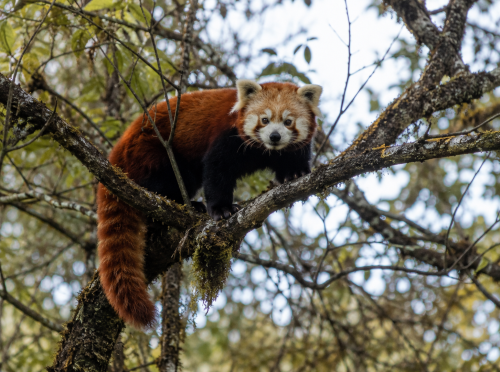
Wildlife and Nature: You may see monkeys, birds, butterflies, and many kinds of flowers and plants.
Accommodation and Food
There are many clean tea houses with attached bathrooms in the lower villages. Food options include dal bhat, pasta, momo, fried rice, and more. Even during monsoon, tea houses remain open, and prices are reasonable.
Difficulty Level
This trek is considered easy to moderate, suitable for beginners, families, and trekkers with less time.
Best Time to Do in Monsoon
June, July, and August are good if you’re okay with light rain.
Rain usually comes in the afternoon or evening.
Mornings are clear and offer great views.
Tips for Monsoon Trekking
Wear good rain gear: a poncho or waterproof jacket and a cover for your backpack.
Use trekking poles for stability on muddy trails.
Start early each day to avoid afternoon rain.
Bring leech repellent or salt (especially between Ulleri and Ghorepani).
Take your time and enjoy the peaceful, green landscape.
Transportation
From Pokhara, you drive 1.5 hours to Nayapul or Birethanti.
At the end of the trek, you can drive back from Ghandruk or Kimche to Pokhara.
Poon hill Trek Cost Estimate
For a basic Poon Hill Trek (4 days), cost per person is:
Budget: $250–$450 (includes guide, permits, food, accommodation, and transport)
With a private guide and porter: Around $400
What to Pack
Light waterproof jacket
Trekking shoes with a good grip
Extra socks and dry clothes
Sun hat and sunscreen (sun is still strong)
Sun Glass, Sun Cream, Warm Jacket, trekking pants
Hat or Cap for the sun
Water purifier or water purification tablets
The Poon Hill Trek is truly a gem for monsoon trekking—short, scenic, safe, and full of cultural beauty. Even though it rains, the morning views are magical, and the green hills and clean air make it a special experience.
Short Annapurna Base Camp Trek – 6 Days
Best Monsoon Trek for Close Mountain Views and Culture
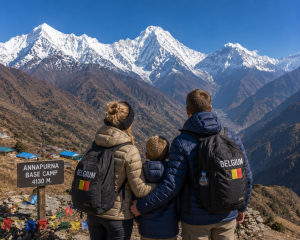
Start of the Winter Trek at Annapurna Base Camp.
The Short Annapurna Base Camp Trek is a perfect adventure for those who want to enjoy the beauty of the Himalayas in a short time. In just 6 days, you will reach the heart of the Annapurna Sanctuary and stand at the base of the world’s 10th highest mountain – Mt. Annapurna I (8,091m). This trek takes you through charming Gurung villages, peaceful forests, and hot springs, with stunning views of Annapurna South, Hiunchuli, Machapuchare (Fishtail), and more. It’s an ideal short trek for beginners and experienced hikers who want a complete Himalayan experience without a long holiday.
Why It’s Good in Monsoon
Lower trails are green and fresh with beautiful rice fields.
Rain brings waterfalls, blooming jungle flowers, and clear air.
Morning views of Annapurna I (8,091m) and Machhapuchhre (6,993m) are often stunning.
It’s less crowded than in spring/autumn.
Itinerary (6 Days ABC Trek)
Day 1: Drive from Pokhara to Siwai via Nayapul (3 hours), trek to Chhomrong (2,170m)
Day 2: Trek to the Himalaya or Do+ban (2,900m)
Day 3: Trek to Annapurna Base Camp via Machhapuchhre Base Camp (4,130m)
Day 4: Trek down to Bamboo or Sinuwa
Day 5: Trek to Jhinu Danda, enjoy natural hot spring
Day 6: Trek to Siwai, drive back to Pokhara
Highlights of the Annapurna Base Camp Trek
Reach Annapurna Base Camp (4,130m), the heart of the Annapurna Sanctuary
Enjoy sunrise and mountain views from Machapuchare Base Camp
Walk through traditional Gurung and Magar villages like Chhomrong and Sinuwa
Trek through peaceful rhododendron and bamboo forests
Relax in the natural hot springs at Jhinu Danda
Panoramic views of Annapurna I, Annapurna South, Hiunchuli, Fishtail (Machapuchare), and many more
Experience warm hospitality and local culture in teahouse lodges
Ideal for all seasons except heavy monsoon – best in spring (Mar–May) & autumn (Sep–Nov)
A great mix of adventure, nature, and culture within a short 6 to 7-day trek
Perfect for both beginners and experienced trekkers with moderate fitness
Accommodation & Meals
You’ll find teahouses in every village. In the monsoon, they are usually available without booking. You’ll enjoy:
Basic clean rooms (some with attached bathrooms)
Hot meals like dal bhat, pasta, omelets, soup, and fried rice
Annapurna Base Camp Trek Difficulty Level
The Annapurna Base Camp (ABC) Trek is considered a moderate-level trek. It does not require technical climbing skills, making it suitable for trekkers with average fitness. The trek reaches an altitude of 4,130 meters, so altitude sickness can be a concern if not acclimatized properly. The trail includes stone steps, forest paths, and steep sections, especially near Machapuchare Base Camp. Trekkers walk 4 to 6 hours daily, which can be tiring but manageable. With proper preparation, rest, and a slow pace, most people can complete this trek. It is a rewarding journey with panoramic mountain views and cultural experiences.
Best Time in Monsoon
The best time to trek to Annapurna Base Camp during the monsoon season (June to August) is in early June or late August. These periods usually have less rainfall compared to mid-monsoon (July), and the trails are not too slippery.
While trekking in the monsoon, expect cloudy skies, wet trails, and leeches in lower areas. However, you’ll also enjoy lush green landscapes, fewer trekkers, and peaceful tea houses. Early mornings often give the clearest mountain views before clouds build up.
If you’re prepared for rain and enjoy quiet trails, monsoon can still be a beautiful time to trek.
Annapurna Base Camp Cost Estimate
Budget Package (Group Trek):
$450–$550 per person
Includes guide, permits, transport, meals, and accommodation
Best for trekkers looking for value and a shared experience
Private Trek with Porter:
$500–$600 per person
Includes personal guide & porter, permits, meals, private transport, and accommodation
Ideal for a more flexible and comfortable trek
Prices can vary depending on the season, group size, and services included. Always confirm what’s covered in your package to avoid hidden costs.
What to Pack
Rain gear (poncho or waterproof jacket)
Trekking shoes with grip
Warm clothes (for ABC)
Sunscreen, hat, sunglasses
Power bank, water purifier, light snacks
Tips for Monsoon Trekking
Leech repellent or salt is helpful between Chhomrong and the Himalaya
Carry plastic bags for wet clothes
Walking poles help in slippery places
Be careful of small landslides after Bamboo (during heavy rain)
Always check with your guide about safe routes
The Short ABC Trek is a perfect mix of mountain beauty, culture, and nature. Even in monsoon, if you plan wisely and walk early, it offers amazing landscapes and a rewarding experience at base camp. It’s a great choice for those who want to reach the base of an 8,000-meter peak in less than a week!
Mardi Himal Trek – 6 Days
Hidden Gem Trek for Monsoon with Close Views of Machhapuchhre (Fishtail)
Fishtail view from Badal Danda
The Mardi Himal Trek is a quiet and beautiful trail in the Annapurna region. It’s perfect for trekkers who want peaceful paths, jungle walks, and stunning mountain views in a short time. During the monsoon season, the forest becomes green and fresh, and waterfalls are active. Mornings are usually clear, offering a chance to see snow-capped peaks.
Why It’s Good in Monsoon
It lies on the eastern side of Annapurna, where the rain is lighter than on the southern side.
Thick forests protect you from rain and wind.
Trails are less crowded even during tourist season.
Best for nature lovers—green hills, flowers, and a calm walking experience.
Outline Itinerary (6 Days Mardi Himal Trek)
Day 1: Drive from Pokhara to Kande, trek to Forest Camp (2,540m)
Day 2: Trek to Low Camp (2,970m) – jungle and mountain views begin
Day 3: Trek to High Camp (3,550m) – beautiful views of Machhapuchhre
Day 4: Early morning hike to Mardi Himal Viewpoint or Base Camp (4,200m), return to Low Camp
Day 5: Trek to Siding Village, drive to Pokhara
Day 6: Buffer/rest day in Pokhara (or adjust based on need)
Mardi Himal Trek Highlights
Stunning close-up views of Mt. Machhapuchhre (Fishtail), Annapurna South, and Hiunchuli
Jungle walks with birds, flowers, and monkeys
Less crowded trail compared to ABC or Ghorepani
Traditional villages like Siding offer a home-stay experience
Early morning light on white peaks is magical during monsoon
Accommodation & Meals
Tea houses are available at each stop.
Rooms are basic but comfortable, many with dining halls and hot meals.
Meals include dal bhat, noodles, fried potatoes, soups, and egg dishes.
Difficulty Level
The Mardi Himal Trek is considered a moderate trek, suitable for beginners with reasonable fitness. The trail ascends gradually through lush rhododendron forests, traditional villages, and alpine landscapes, reaching a maximum altitude of 4,500 meters at Mardi Himal Base Camp. While there are some steep and narrow sections, the overall path is well-marked and not technically challenging. Trekkers usually walk 4–6 hours daily, making it manageable for most. The altitude gain is steady, reducing the risk of altitude sickness. With proper preparation and acclimatization, the Mardi Himal Trek offers a rewarding Himalayan experience with stunning views of Machapuchare and Annapurna.
Best Time to Go in Monsoon
June to August: Best for greenery, peaceful paths, and morning mountain views.
Trails are safe; some parts may be slippery, but nothing dangerous.
Cost Estimate
Budget: $300–$450 per person (includes transport, permits, guide, food, accommodation)
Private trek with porter: Around $500–$600
What to Pack
Waterproof clothes, a poncho, ora jacket
Trekking boots with a good grip
Warm clothes (especially for early morning)
Hat, sunglasses, and sunscreen
Reusable water bottle and purification tablets
Lightweight backpack cover
Monsoon Trekking Tips
Start trek early morning to avoid afternoon rain
Watch for leeches in the forest (carry salt or repellent)
Keep electronic items in dry bags or zip-locks
Bring sandals or slippers for the teahouse use (boots can get wet)
Be flexible with plans—sometimes detours are better in monsoon
The Mardi Himal Trek is truly a hidden treasure. It’s short, peaceful, and gives you a close look at the majestic Machhapuchhre. The mix of dense jungle, high ridges, and mountain views makes it perfect for monsoon trekking in Nepal.
Langtang Trek – 6 Days
Beautiful Monsoon Trek with Himalayan Views and Rich Culture
Langtang Village -Langtang trek
The Langtang Trek is one of the best trekking routes to do during the monsoon season in Nepal. Located just north of Kathmandu, it offers lush green forests, rivers, and traditional Tamang villages with easy access. The monsoon rains bring life to the forests, waterfalls, and terraced fields, making the trail look fresh and vibrant.
Langtang is also less crowded than other popular trails during monsoon, so you can enjoy peaceful walking and friendly village culture along the way.
Why the Langtang Trek is Great in Monsoon
Trails are well-built and safe even during rain.
Forests and rhododendron trees are lush and blooming.
Waterfalls and rivers are powerful and beautiful.
The weather usually clears in the early morning, giving you clear mountain views.
Monsoon is off-season, so tea houses are quiet and welcoming.
Outline Itinerary (6 Days Langtang Trek)
Day 1: Drive from Kathmandu to Syabrubesi (7-8 hours), settle in teahouse
Day 2: Trek from Syabrubesi to Langtang Village (3,430m) – 5 hours
Day 3: Trek to Kyanjin Gompa (3,870m), visit monastery, explore village – 3 hours
Day 4: Day hike to Tserko Ri Viewpoint (4,984m) for stunning Himalayan views, return to Kyanjin Gompa
Day 5: Trek back to Syabrubesi (7-8 hours)
Day 6: Drive back to Kathmandu
Highlights
The beautiful Langtang valley, with forests and glaciers
Traditional Tamang villages are rich in culture and hospitality
Tserko Ri viewpoint offers amazing views of Langtang Lirung (7,227m) and nearby peaks
Rhododendron and bamboo forests—especially colorful in monsoon
Hot springs in nearby areas (optional side trip)
Accommodation & Meals
Teahouses along the trail provide simple rooms and hot showers (extra charge)
Meals include dal bhat, noodles, Momo, spring Roll, eggs, soups, and seasonal vegetables
Food is fresh and affordable during the monsoon due to fewer tourists
Difficulty Level
Moderate: Good for beginners and intermediate trekkers
Daily walking: 4–7 hours
Maximum altitude: 3,870m (Kyanjin Gompa), optional day hike to 4,984m
Trails are well-marked and safe
Best Time for Monsoon Trekking
June to early September is ideal for fresh green nature and fewer crowds
Start trekking early to avoid afternoon rains
Clear mornings often reveal spectacular mountain views
Cost Estimate
Budget: $390–$500 per person (guide, permits, transport, food, accommodation)
Private trek with porter: $500–$800
What to Pack for Monsoon Trekking in Langtang
Waterproof jacket and pants
Trekking boots with ankle support and good grip
Warm layers for mornings and evenings
Trekking poles for slippery trails
Dry bags for electronics and clothes
Water purification tablets or a filter
Monsoon Trekking Tips for Langtang
Beware of slippery sections on muddy paths, especially after rain
Carry salt or leech repellent to avoid leech bites in dense forests
Always drink boiled or filtered water
Respect local culture and environment
Carry cash in small denominations; ATMs are not available on the trail
The Langtang Trek in the monsoon is a great choice for travelers wanting a short, scenic, and cultural trek near Kathmandu. The green forests, traditional villages, and the chance to see Himalayan peaks make it a memorable experience. With good preparation, you can enjoy this trek even in the rainy season!
Everest View Trek – 5 Days
Short and Scenic Monsoon Trek with Stunning Himalayan Panorama
Everest View Hotel Above Namche
The Everest View Trek – 5 Days is a short and easy trek in the Everest region of Nepal. It is perfect for people who want to see Mount Everest but do not have enough time or do not want to do a long and hard trek. This trek offers beautiful views of Everest and other high mountains like Lhotse, Thamserku, and Ama Dablam.
The trek starts with a short and scenic flight from Kathmandu to Lukla. From Lukla, you will walk through lovely villages, green forests, and across hanging bridges. You will visit Namche Bazaar, a famous Sherpa town, and walk up to the Everest View Hotel, which offers one of the best views of Mount Everest.
This trek is suitable for families, beginners, and older people who want to experience the beauty of the Himalayas without going too high. You will also get a chance to learn about Sherpa culture, see Buddhist monasteries, and enjoy local food.
The Everest View Trek is a great choice for a short adventure with stunning mountain views. It is safe, fun, and full of natural and cultural beauty.
Why Everest View Trek is Good in Monsoon
The trail is mostly at moderate altitude (up to 3,800m), so less risk of altitude sickness.
Forests and rhododendron blooms are vibrant and fresh.
Morning clouds clear to reveal Everest, Lhotse, Nuptse, and Ama Dablam.
Less crowded than peak seasons, making it peaceful.
The weather can be unpredictable, but it often offers clear views early in the day.
Outline Itinerary (5 Days Everest View Trek)
Day 1: Fly from Kathmandu to Lukla (2,860m), trek to Phakding (2,610m) – 3 hours
Day 2: Trek from Phakding to Namche Bazaar (3,440m) – 5 hours
Day 3: Acclimatization day in Namche Bazaar, optional short hike to Everest View Hotel (3,880m) for panoramic views
Day 4: Trek to Tengboche Monastery (3,860m), enjoy views of Everest, Ama Dablam, and Lhotse – 5 hours
Day 5: Trek back to Lukla – 6 hours, flight back to Kathmandu the next day
Everest View Trek Highlights
Views of Mount Everest (8,848m), Ama Dablam (6,812m), Lhotse, and Nuptse
Visit to Tengboche Monastery, one of the most famous Buddhist monasteries in Nepal
Experience vibrant Sherpa culture in Namche Bazaar
Walk through rhododendron forests and rhododendron blossoms in the monsoon
Short and accessible trekking route, ideal for beginners and families
Accommodation & Meals
Lodges and tea houses provide warm rooms with basic amenities
Food includes dal bhat, soups, pasta, eggs, and local dishes
Hot showers may be available at extra cost in bigger villages like Namche
Difficulty Level
The Everest View Trek is one of the easier trekking routes in the Everest region. It is designed for those who want to see Mount Everest and experience the beauty of the Himalayas without doing a long or difficult trek. The maximum altitude on this trek is around 3,880 meters at the Everest View Hotel, which is much lower than the altitude reached on the Everest Base Camp trek. Because of this, the risk of altitude sickness is low, making it a safe option for most people, including beginners and families.
The daily walking distance is manageable, with 4 to 6 hours of walking per day. The trail includes some uphill and downhill sections, but it is well-maintained and easy to follow. There are no technical parts or steep climbs, so you don’t need any previous trekking or climbing experience. As long as you are in average physical condition and can walk for a few hours with short breaks, you can enjoy this trek comfortably.
The Everest View Trek is also a great option for people who are short on time but still want to enjoy the breathtaking views of Everest, Lhotse, Ama Dablam, and other Himalayan peaks. The trek includes a visit to Namche Bazaar, the Sherpa capital, and the famous Everest View Hotel, which offers one of the best panoramic views of Mount Everest. Overall, this trek is an excellent choice for a short, scenic, and relatively easy Himalayan adventure.
Best Time in Monsoon
June to September: Trails are green and flowers bloom
Early mornings are often clear with spectacular mountain views
Avoid trekking late afternoon when rain is more likely
Cost Estimate
Budget: $890–$1050 per person (including permits, guide, accommodation, transport, food)
Private trek: $1000–$1200
What to Pack for Monsoon Trekking in the Everest Region
Waterproof and Down jacket and pants
Sturdy trekking boots with grip
Warm layers for cold mornings and evenings
Sun hat, sunglasses, and sunscreen
Trekking poles for steep sections
Dry bags for protecting electronics and clothes
Monsoon Trekking Tips for Everest View Trek
Always start early to enjoy clear skies before afternoon rain
Be careful of slippery paths after rainfall
Carry a rain cover for your backpack
Use leech repellent and check for leeches in forested areas
Stay hydrated and eat well to keep energy levels high
The Everest View Trek during monsoon is perfect for travelers who want a quick, beautiful, and culturally rich trekking experience. The fresh green landscapes, vibrant Sherpa villages, and stunning mountain views make this trek very rewarding, even in the rainy season. With proper gear and timing, you can enjoy the magic of Everest up close without crowds.
Sarangkot and Dhampus Hiking – Best Short Monsoon Hikes Near Pokhara
Sarangkot and Dhampus hiking is a short and scenic trek near Pokhara that offers a perfect mix of mountain views, village culture, and peaceful nature walks. The journey usually begins with a drive to Sarangkot, a famous viewpoint known for its stunning sunrise over the Annapurna and Dhaulagiri ranges. After enjoying the views, the trail gently winds through forested paths, traditional villages, and terraced farmlands. Hikers can experience the warm hospitality of local Gurung communities in Dhampus, a beautiful hilltop village offering panoramic views of Machapuchare and Annapurna South. This hike is ideal for beginners, families, and those with limited time. It provides a true taste of rural Nepal without the challenges of high-altitude trekking, making it a relaxing yet rewarding adventure.
Why Hiking Sarangkot and Dhampus is Great in Monsoon
The monsoon rains make the hills and forests around Pokhara lush and green.
Waterfalls and rivers flow strongly, adding to the beauty of the landscape.
The early mornings during monsoon often clear up with an amazing sunrise and mountain views.
These hikes are short and easy, perfect for families and beginners during the rainy season.
Less crowded than peak seasons, so you can enjoy peaceful walks.
Dhampus Hiking
Dhampus Hiking is a short and easy hiking trip near Pokhara, perfect for people who want to enjoy nature, mountain views, and local village life in a short time. This hike is suitable for families, beginners, students, and even older travelers, as it does not require much physical effort and can be done in one or two days.
The hike usually starts with a short drive from Pokhara to Phedi, and from there, you begin walking uphill for about 1.5 to 2 hours to reach the beautiful Dhampus village. The trail passes through lush green forests, stone steps, and small local houses. It offers a peaceful walking experience away from the busy city.
Dhampus is a scenic Gurung village known for its warm hospitality and stunning views of the Annapurna and Dhaulagiri mountain ranges, including peaks like Machhapuchhre (Fishtail). On clear days, you can see sunrise and sunset over the Himalayas, which is a major highlight of this hike. The village is also a great place to learn about Gurung culture, local farming life, and traditional houses.
Many people choose to stay overnight in Dhampus, enjoy the local food, and wake up early to see the sunrise over the snow-capped mountains. The hike back to Pokhara the next day is easy and mostly downhill.
In summary, Dhampus Hiking is a perfect short adventure for anyone who wants to enjoy the beauty of Nepal’s countryside, see the Himalayas up close, and experience local village culture—all within a day or two from Pokhara.
Starting point:Phedi or Kande, accessible by road from Pokhara
Route: Hike through rhododendron and oak forests, pass waterfalls and farmland, reach Dhampus village
Highlights:Views of Annapurna, Machhapuchhre (Fishtail), and surrounding hills; traditional village life; fresh mountain air
Difficulty: Moderate, good for beginners with reasonable fitness
What to Expect During Monsoon
The landscape is vibrant green with blooming flowers and flowing streams.
You will hear the sound of rain in the forests, which feels peaceful and refreshing.
Trails can be a bit slippery and muddy, so good hiking shoes are important.
Carry rain gear like a waterproof jacket and poncho.
Early mornings usually have the best views before clouds gather.
Accommodation & Food
Both Sarangkot and Dhampus have guesthouses and teahouses offering basic rooms and meals.
Enjoy fresh home-cooked Nepali food such as dal bhat (rice and lentils), momos (dumplings), and seasonal vegetables.
In Sarangkot, several small hotels provide comfortable stays with great views.
What to Bring for Monsoon Hiking
Waterproof jacket and pants
Good hiking boots with grip
Warm layers for early morning or evening
Hat and sunscreen (for when sun shines)
Water bottle and light snacks
Trekking poles (optional but helpful on slippery paths)
Monsoon Hiking Tips
Start early to avoid afternoon rain showers.
Use trekking poles for extra balance on slippery sections.
Carry a small first aid kit for blisters or insect bites.
Respect local culture and environment; keep the trails clean.
Stay hydrated and take breaks to enjoy the views and village life.
The Sarangkot and Dhampus hikes during monsoon offer a wonderful mix of nature, culture, and stunning Himalayan views without the difficulty of long treks. These trails bring you close to the heart of Nepali hill life with fresh air, green forests, and welcoming villages. Whether you want to catch a sunrise from Sarangkot or walk through peaceful Dhampus village, the monsoon is a special time to enjoy these hikes in their full beauty.
Gosaikunda Trekking – 7 to 9 Days
Sacred Lake, Stunning Himalayas, and Rich Culture
Langtang Gosaikunda Trek at Phedi
The Gosaikunda Trek is a popular and spiritual trekking route in the Langtang region of Nepal. It leads to the holy alpine lakes of Gosaikunda, a sacred site for both Hindus and Buddhists. The trek offers amazing views of snow-capped peaks, diverse landscapes, and vibrant local culture.
Although many trekkers prefer post-monsoon for clear skies, **Gosaikunda Trekking during the monsoon season** is also possible with some preparation, as the trail is well-maintained and less crowded. The monsoon brings fresh greenery, flowing streams, and blooming rhododendrons, making the journey beautiful in a different way.
Why the Gosaikunda Trek is Great in Monsoon
The forests and alpine meadows are lush and colorful.
Monsoon showers refresh the streams and waterfalls.
The air is fresh and clean, with fewer trekkers on the trail.
Early mornings can be clear, giving good mountain views.
Avoiding peak tourist season means better availability in lodges and quieter paths.
Outline Itinerary (Approx. 7 to 9 Days)
Day 1: Kathmandu to Syabrubesi (1,540m) by road – 7-8 hours
Day 2: Trek from Syabrubesi to Lama Hotel (2,380m) – 5-6 hours
Day 3: Trek to Gosainkunda Lake (4,380m) – 6-7 hours
Day 4: Explore Gosaikunda Lake and nearby smaller lakes, optional short hikes around – rest day for acclimatization
Day 5: Trek down to Lauribinayak (3,200m) – 5 hours
Day 6: Trek from Lauribinayak to Thadepati (2,800m) – 5 hours
Day 7: Trek back to Syabrubesi – 5-6 hours
Day 8: Drive back to Kathmandu
Highlight of the Gosaikunda Trek
Sacred Gosaikunda Lake, surrounded by snow-capped peaks and prayer flags, is the centerpiece of the trek.
Stunning views of Langtang Lirung (7,227m), Dorje Lakpa (6,966m), and other Himalayan giants.
Passing through rhododendron forests and traditional Tamang and Sherpa villages.
Experience of local culture, traditions, and religious practices related to the lake.
Peaceful alpine lakes nearby, including Saraswati Kund and Bhairab Kund.
Chance to see wildlife such as Himalayan blue sheep and colorful birds.
Accommodation and Food on the Gosaikunda Trek
The Gosaikunda Trek is a popular short trek in the Langtang region of Nepal. Along the trail, you will find basic but comfortable tea houses for both accommodation and meals. These tea houses are run by local families and provide all the necessary services for trekkers.
Accommodation:
Accommodation on the Gosaikunda trek is simple and traditional. You will stay in tea houses or lodges that offer:
Twin-sharing rooms with wooden beds and foam mattresses
Blankets and pillows (but bringing your own sleeping bag is recommended for extra warmth)
Shared bathrooms with either squat or Western-style toilets
Hot showers (available in some places for an extra cost)
In lower villages like Dhunche, Chandanbari (Sing Gompa), and Lauribina, the tea houses are slightly better with more facilities. At higher altitudes like Gosaikunda, the lodges are more basic due to the remote location and cold weather.
Food:
The tea houses offer a variety of simple but fresh meals from a fixed menu. The most common and recommended meal is the traditional Dal Bhat (rice, lentil soup, vegetables, and pickles), which is unlimited and full of energy.
Other food options include:
Noodles, fried rice, pasta, and momo (dumplings)
Chapati with curry or egg
Soups, porridge, and Tibetan bread for breakfast
Tea, coffee, and hot lemon with honey
Biscuits, chocolate bars, and snacks are also available
Since everything has to be carried up by porters or mules, prices increase with altitude. Drinking boiled or purified water is available for a small cost, or you can use your water purification tablets.
Summary:
Accommodation is basic tea house style – clean, simple, and warm.
Food is homemade and fresh, with plenty of options, especially Dal Bhat.
It is advisable to carry some snacks, a sleeping bag, and water purification tablets.
The hospitality of the locals adds warmth to the overall trekking experience.
The Gosaikunda trek offers not only natural beauty and holy lakes but also a cozy, cultural mountain experience through the tea house stays and local food.
Difficulty Level
The Gosaikunda Trek is considered a moderate-level trek suitable for trekkers with basic fitness and some hiking experience. The trail involves steep ascents and descents, especially from Dhunche to Lauribina and up to Gosaikunda Lake at 4,380 meters. Altitude can be a challenge, so it’s important to walk slowly and stay hydrated. While the trek does not require technical skills, the high altitude and cold weather at night can make it a bit demanding. With proper preparation, acclimatization, and a positive attitude, most trekkers can complete this beautiful trek without serious difficulty.
What to Pack for Monsoon Trekking – Gosaikunda Trek
Trekking to Gosaikunda during the monsoon (June to August) means you’ll face rain, slippery trails, leeches, and occasional landslides. So, it’s important to pack wisely to stay dry, safe, and comfortable.
Lightweight waterproof jacket (rain jacket or poncho)
An extra pair of socks (preferably wool or quick-dry)
Light sandals or flip-flops for evening us
Backpack & Rain Protection:
Backpack with rain cover
Dry bags or plastic bags to keep clothes and electronics dry
Small daypack for essentials
Sleeping:
Sleeping bag (warm, 0°C to -5°C rated)
Quick-dry towel
Personal Items:
Insect repellent (for leeches and mosquitoes)
Sunscreen and lip balm (UV protection even in monsoon)
Basic first-aid kit
Hand sanitizer and wet wipes
Toilet paper and biodegradable soap
Other Essentials:
Headlamp or torch with extra batteries
Water bottles and purification tablets
Snacks and energy bars
Trekking poles (helpful on slippery terrain)
Power bank or solar charger
Travel insurance that covers altitude and trekking
Monsoon Trekking Tips for Gosaikunda
Start early to enjoy clearer weather before afternoon rains.
Be prepared for muddy and slippery paths, especially near the lake.
Watch out for leeches in forested areas.
Respect local culture and keep the environment clean.
Carry enough water and high-energy snacks.
The Gosaikunda Trek during the monsoon season offers a unique and tranquil experience, with fewer trekkers and vibrant landscapes. The sacred lake and surrounding peaks create a memorable trek full of spiritual and natural beauty. With the right preparation, monsoon is a rewarding time to explore this Himalayan gem.