
2 Aug 2026 14 min to read
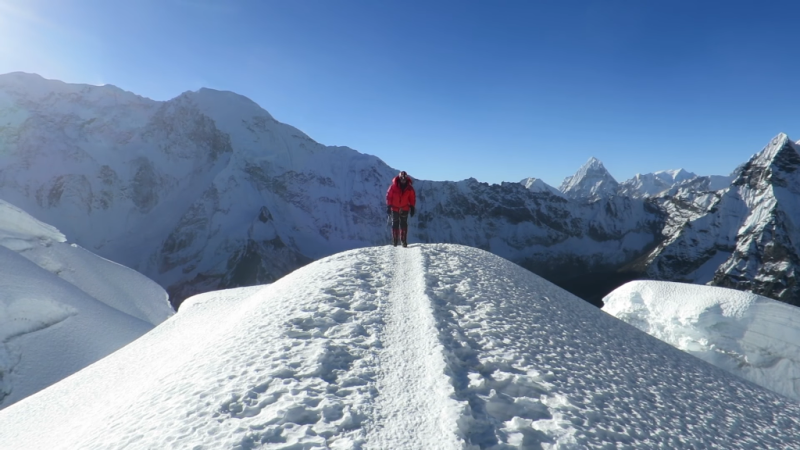
Standing on a 6,189-meter (20,305 ft) Himalayan summit is a dream shared by many trekkers who visit Nepal. For beginners looking to take their first step into the world of mountaineering, Island Peak Climbing offers an exciting challenge without requiring the advanced technical skills needed for major Himalayan expeditions. Combining the legendary Everest Base Camp trekking route, breathtaking alpine scenery, and a rewarding summit climb, Island Peak has become one of Nepal’s most popular trekking peaks.
If you’ve successfully completed multi-day treks and are ready for a bigger adventure, Island Peak is often considered the ideal next goal. While it is physically demanding and involves climbing on snow and ice, most first-time climbers can reach the summit with proper preparation, experienced guides, and enough time for acclimatization.
This guide explains everything you need to know—from difficulty, training, and equipment to permits, cost, best seasons, and summit day expectations. Whether you’re planning your first Himalayan expedition or comparing different trekking peaks, this article will help you make informed decisions before you book your adventure.
| Information | Details |
|---|---|
| Official Name | Imja Tse |
| Popular Name | Island Peak |
| Elevation | 6,189 m (20,305 ft) |
| Region | Everest (Khumbu), Nepal |
| National Park | Sagarmatha National Park |
| Peak Category | Trekking Peak |
| Typical Duration | 16–20 Days |
| Best Seasons | Spring (March–May) & Autumn (September–November) |
| Maximum Altitude | 6,189 m |
| Technical Difficulty | Moderate |
| Previous Climbing Experience | Helpful but not essential |
| Guide Requirement | Strongly recommended and required under current trekking regulations for most visitors |
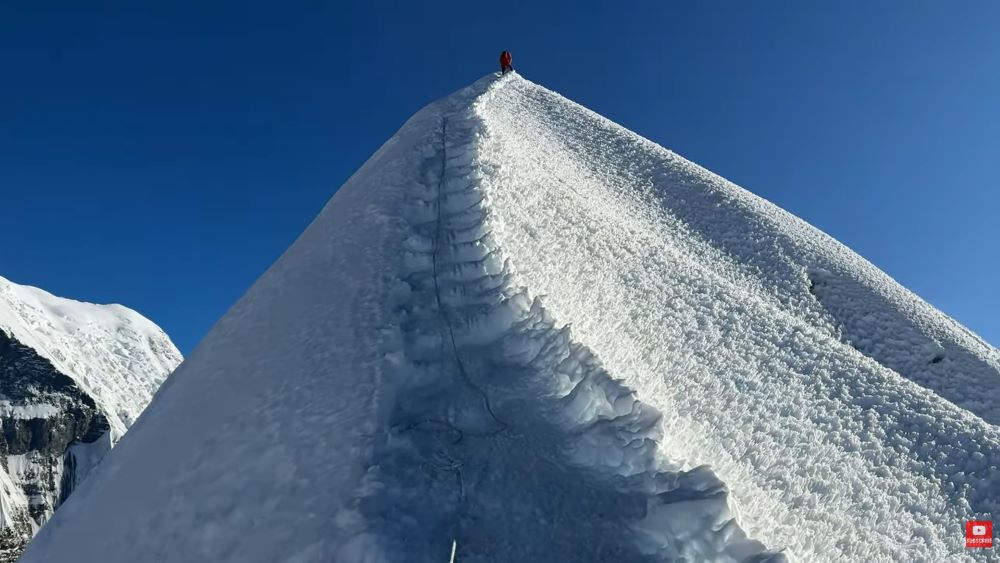
Despite its name, Island Peak is not surrounded by water. The mountain was named in 1953 by members of the British Everest Expedition because it appeared like an island rising from a sea of glaciers when viewed from Dingboche. In the local Sherpa language, the mountain is known as Imja Tse.
Located in the heart of the Khumbu (Everest) Region, Island Peak lies close to some of the world’s most famous mountains, including Mount Everest, Lhotse, Ama Dablam, Makalu, and Baruntse. Its spectacular location makes the climb far more than just a summit attempt—it’s a journey through one of the most iconic mountain landscapes on Earth.
Today, Island Peak is recognized as one of Nepal’s classic trekking peaks. Unlike technical mountains that demand years of climbing experience, Island Peak offers a realistic objective for adventurous trekkers who are prepared to learn basic mountaineering skills under professional guidance.
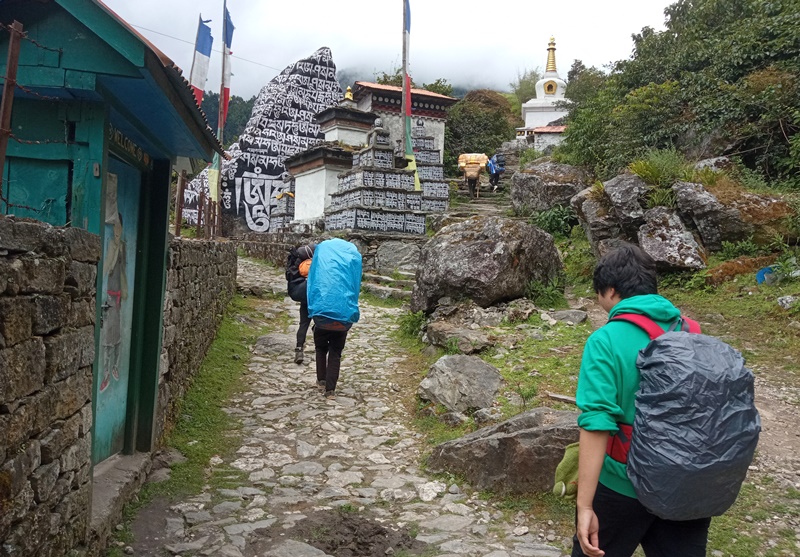
Island Peak is situated in eastern Nepal within Sagarmatha National Park, a UNESCO World Heritage Site renowned for its dramatic landscapes, glaciers, and unique Sherpa culture. The expedition begins with a flight to Lukla, one of the busiest mountain airports in Nepal, followed by several days of trekking through traditional Sherpa villages.
The classic route passes through:
This gradual approach is essential because it allows your body to adapt to increasing altitude before the summit attempt. Along the way, trekkers enjoy panoramic views of Himalayan giants, visit centuries-old monasteries, cross suspension bridges, and experience the warm hospitality of local tea houses.
Among Nepal’s many trekking peaks, Island Peak stands out because it combines adventure, accessibility, and stunning scenery in a single expedition. It offers a genuine mountaineering experience without the complexity of climbing an 8,000-meter peak.
Some of the main reasons why thousands of climbers choose Island Peak each year include:
For trekkers who have already completed routes such as the Everest Base Camp Trek or the Annapurna Circuit Trek, Island Peak is a natural progression. It introduces climbers to glacier travel, fixed ropes, crampons, and ice axes in a controlled environment under the supervision of experienced climbing guides.
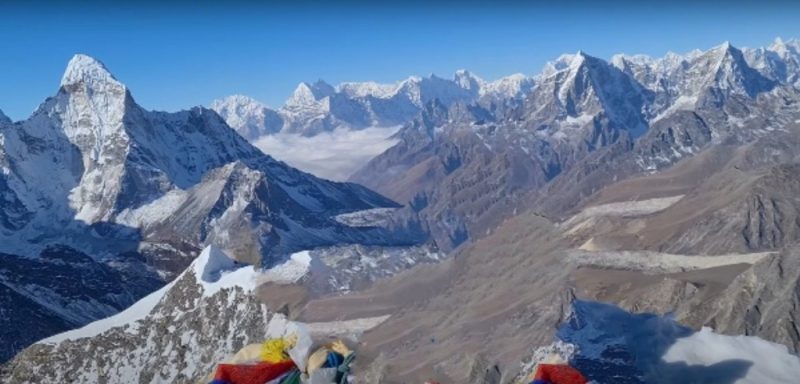
From the summit, climbers are rewarded with unforgettable views of Lhotse (8,516 m), Ama Dablam (6,812 m), Makalu (8,485 m), Baruntse (7,129 m), and countless snow-covered peaks stretching across the eastern Himalayas. On a clear day, the panorama is one of the finest in Nepal.
The expedition is not only about reaching the summit. It also offers the opportunity to explore the rich traditions of the Sherpa people, visit ancient Buddhist monasteries, spin prayer wheels, and stay in locally owned tea houses that have welcomed trekkers for decades.
Reaching the top of Island Peak is a significant personal accomplishment. Many climbers describe it as the moment they discovered a passion for high-altitude mountaineering. It also provides valuable experience for those considering more challenging expeditions in the future.
There are many articles online about Island Peak, but they often focus only on the itinerary or cost. This guide takes a broader approach by explaining how to prepare, what challenges to expect, how to stay safe at high altitude, and how to maximize your chances of a successful summit. It is designed to help beginners make informed decisions based on practical, experience-based advice rather than marketing claims.
In the next part, we’ll explore the questions most first-time climbers ask: Is Island Peak really suitable for beginners? How difficult is it? What level of fitness do you need? We’ll also compare it with the Everest Base Camp Trek and explain whether previous climbing experience is necessary.
One of the most common questions travelers ask is whether Island Peak Climbing is suitable for beginners. The short answer is yes, but it depends on your physical fitness, determination, and preparation rather than previous mountaineering experience.
Island Peak is officially classified as a trekking peak, meaning it is designed for climbers with limited technical experience. While the mountain is challenging, most first-time climbers who join a professionally guided expedition and follow a proper acclimatization schedule have a realistic chance of reaching the summit.
Unlike technical alpine peaks, the climb does not require years of rock climbing or ice climbing experience. However, you should be comfortable hiking for several consecutive days at high altitude while carrying a light daypack. The final section to the summit involves walking on a glacier, wearing crampons, using a climbing harness, and ascending a fixed rope under the supervision of experienced climbing guides.
If you have previously completed treks such as the Everest Base Camp Trek, Annapurna Circuit Trek, Manaslu Circuit Trek, or Langtang Valley Trek, you’ll already have valuable experience with long walking days and high-altitude conditions.
Although Island Peak is considered one of Nepal’s beginner-friendly climbing peaks, it should never be underestimated. Reaching 6,189 meters (20,305 ft) places you in a high-altitude environment where the air contains significantly less oxygen than at sea level.
The climb is generally rated as moderately difficult because it combines:
For many people, the greatest challenge is not the technical climbing but the altitude, which can make even simple movements feel much more demanding. That’s why gradual acclimatization and a sensible pace are essential.
With good preparation, experienced guides, and favorable weather, Island Peak is an achievable objective for many adventurous trekkers.

The answer is no.
Many climbers successfully summit Island Peak without any previous mountaineering experience. Before the summit attempt, most expedition teams conduct a practical climbing session at Island Peak Base Camp. During this training, your climbing guide will explain how to use essential equipment, including:
This introductory training helps beginners gain confidence before climbing on snow and ice.
Even though previous experience is not required, arriving with good physical fitness and a positive attitude will make the expedition much more enjoyable.
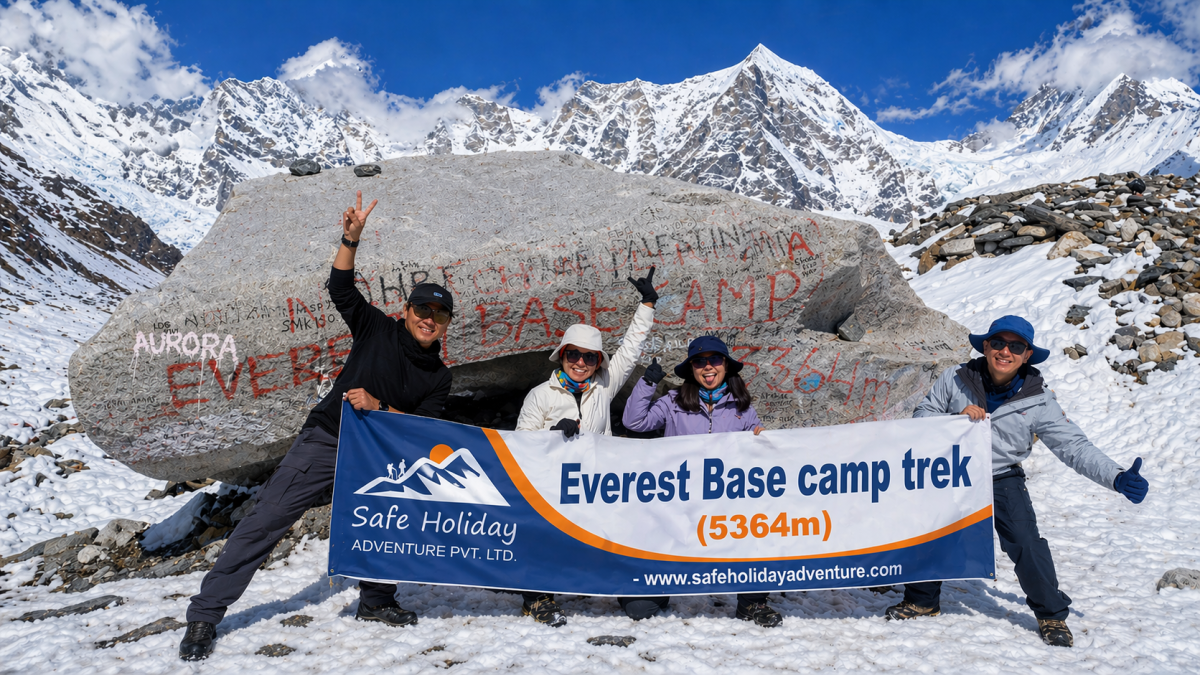
Many trekkers wonder whether they should choose the Everest Base Camp Trek or Island Peak Climbing. The answer depends on your goals.
The Everest Base Camp Trek is primarily a trekking adventure. It follows well-established mountain trails through Sherpa villages and offers unforgettable views of the Himalayas without requiring technical climbing skills.
Island Peak Climbing, on the other hand, includes much of the same trekking experience but adds a genuine mountaineering challenge. In addition to hiking, climbers must cross glaciers, use climbing equipment, and ascend fixed ropes during the summit push.
If your dream is simply to experience the Everest region, the Everest Base Camp Trek may be the better choice. However, if you want to challenge yourself and experience your first Himalayan summit, Island Peak offers a rewarding next step.
You don’t need to be a professional athlete to climb Island Peak, but you should be in good overall health and able to hike for several hours each day.
A good training program should focus on:
Training consistently for 8 to 12 weeks before your expedition can significantly improve your comfort and confidence on the mountain.
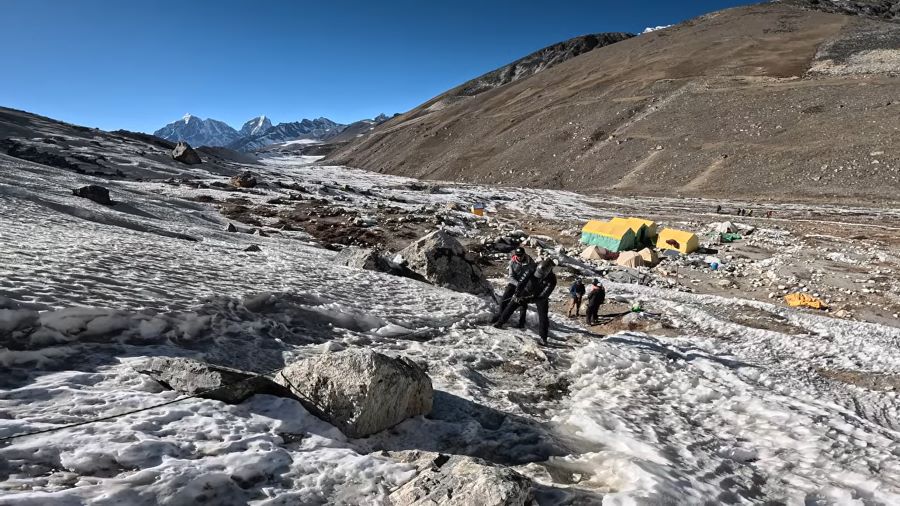
Choosing the right season is one of the most important factors for a successful climb.
Spring is widely regarded as one of the best times to climb Island Peak. Temperatures are generally milder than in winter, and the weather is often stable. The surrounding hills are alive with blooming rhododendrons, and visibility is usually excellent.
Autumn is another outstanding season. After the summer monsoon, the air is typically clear, providing spectacular mountain views. Dry trails and predictable weather make this the busiest climbing season in the Everest region.
Winter expeditions are possible but require more experience with cold-weather conditions. Temperatures can drop well below freezing, and snowfall may make climbing more demanding.
The summer monsoon brings frequent rain, cloud cover, and slippery trails. Flights to Lukla are also more likely to be delayed due to weather, making this the least popular season for Island Peak.
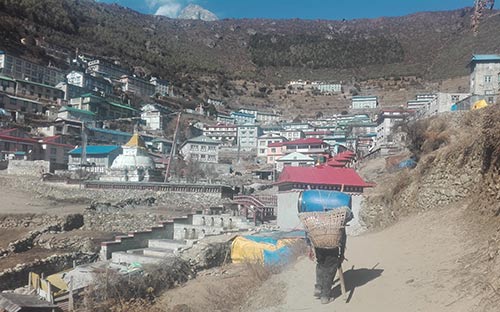
One of the biggest mistakes climbers make is trying to gain altitude too quickly. Proper acclimatization allows your body to adjust to the reduced oxygen levels found at higher elevations.
Most well-planned itineraries include acclimatization days in places such as Namche Bazaar and Dingboche before continuing toward Chhukung and Island Peak Base Camp.
These rest days are not a waste of time—they play a vital role in reducing the risk of Acute Mountain Sickness (AMS) and improving your chances of reaching the summit safely.
Most Island Peak expeditions begin with a scenic flight from Kathmandu (or Ramechhap during some peak seasons) to Lukla, the gateway to the Everest region. From Lukla, the trail follows the famous Everest Base Camp route through traditional Sherpa villages before turning toward the peaceful Imja Valley.
A typical itinerary includes:
Most climbing itineraries take 16–20 days, allowing enough time for gradual acclimatization. Some companies also combine Everest Base Camp and Kala Patthar with Island Peak, creating a longer and more rewarding Himalayan adventure.
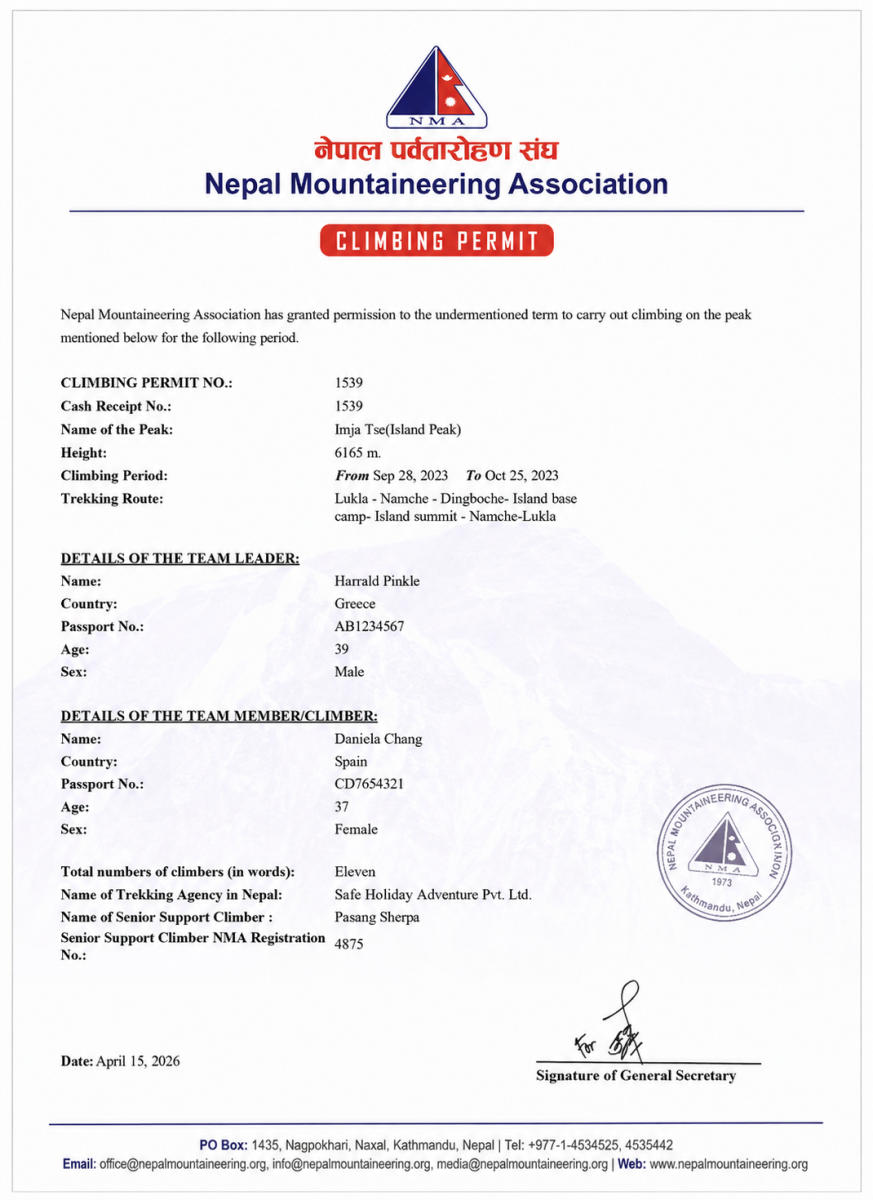
Before climbing Island Peak, several permits are required. These help protect the environment, support local communities, and regulate mountaineering activities.
The standard permits include:
If you book through a registered trekking and climbing company, these permits are usually arranged on your behalf.
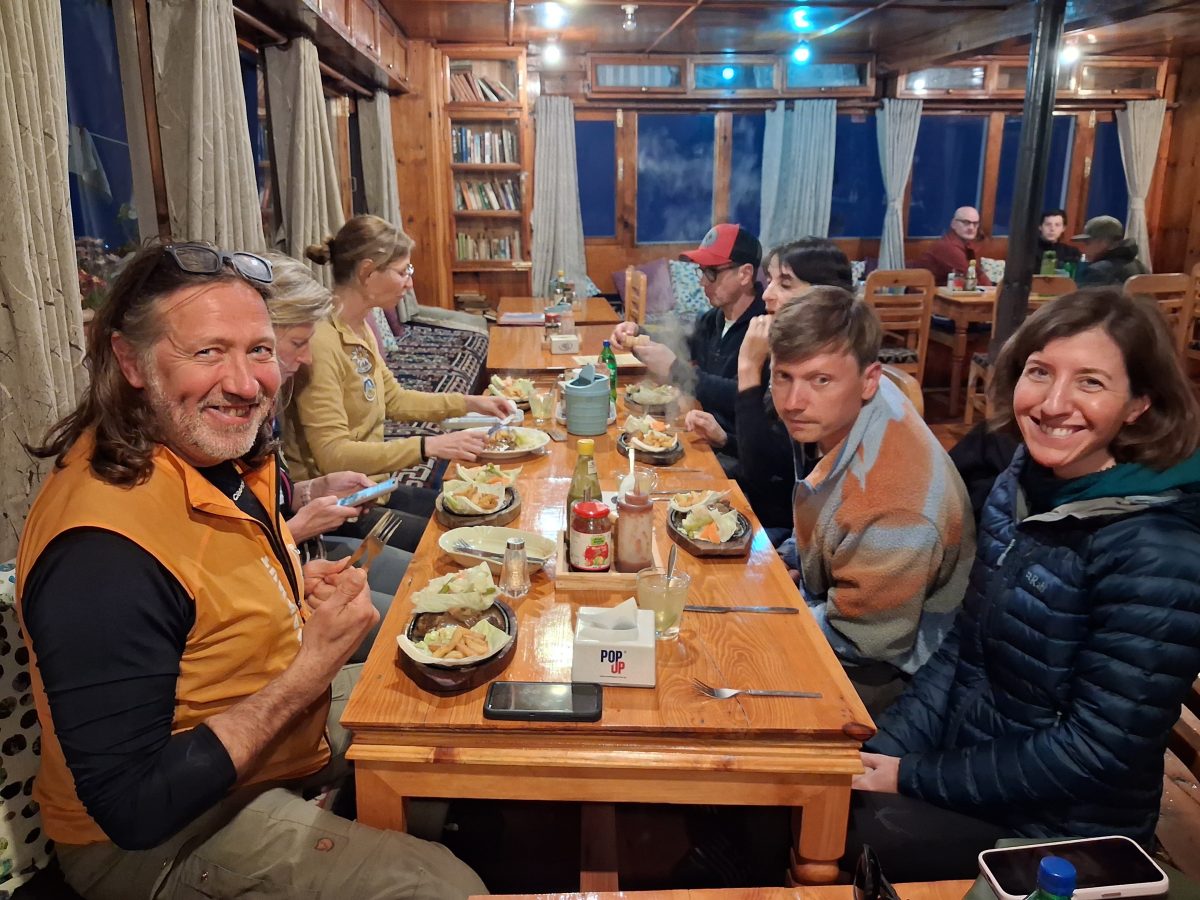
During most of the journey, climbers stay in traditional tea houses operated by local families. These lodges provide simple but comfortable rooms, shared dining halls, and freshly prepared meals.
Common menu items include:
Accommodation becomes more basic as you gain altitude. At Island Peak Base Camp, climbers generally stay in tents, where the expedition team prepares meals before the summit attempt.
Eating well and staying hydrated are essential for maintaining energy at high altitude.
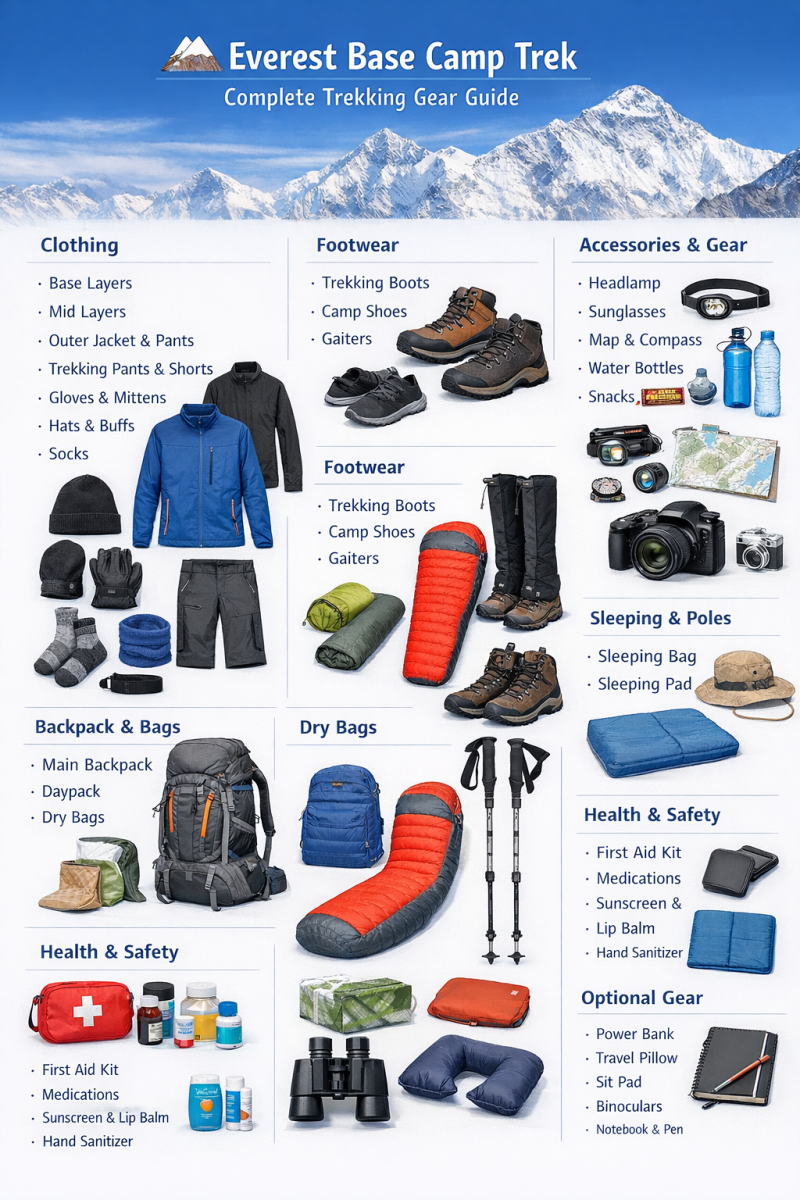
Packing the right equipment makes your climb safer and more comfortable.
Most climbing companies provide or rent:
Always confirm with your operator which items are included before your trip.
The Island Peak Climbing cost starts from USD 1,700 per person for a standard group joining package. The final price depends on the group size, services included, and whether you choose a private expedition. Most packages include permits, experienced climbing guides, accommodation, meals during the trek, domestic flights, climbing equipment, and porter support.
Typical Cost Breakdown:
Booking with a reliable local operator ensures safe logistics, professional support, and excellent value for your Island Peak Climbing adventure.
Climbing at high altitude always involves some risk, but good preparation can reduce many common problems.
Keep these safety tips in mind:
Remember, reaching the summit is only half of the journey. Returning safely is the true measure of a successful climb.

Many first-time climbers make avoidable mistakes that can affect both safety and enjoyment.
Some of the most common include:
Preparing well before your expedition is one of the best investments you can make.
Yes. Many beginners successfully climb Island Peak each year with good physical preparation, experienced guides, and proper acclimatization.
The summit reaches 6,189 meters (20,305 feet) above sea level.
It is considered a moderately difficult trekking peak that combines high-altitude trekking with basic mountaineering techniques.
No. Previous climbing experience is helpful but not essential. Most expeditions include basic climbing instruction before the summit attempt.
Most itineraries range from 16 to 20 days, depending on acclimatization and whether additional destinations such as Everest Base Camp are included.
Spring (March to May) and Autumn (September to November) offer the most stable weather and the best climbing conditions.
Yes. Because the climb reaches over 6,000 meters, proper acclimatization is essential to reduce the risk of altitude-related illness.
Island Peak Climbing is one of the best introductions to Himalayan mountaineering for adventurous trekkers. It combines the beauty of the Everest region, the rich culture of the Sherpa community, and the excitement of reaching a 6,189-meter Himalayan summit. While the expedition is physically demanding, it is achievable for many beginners who prepare well, maintain realistic expectations, and follow a carefully planned itinerary.
Success on Island Peak is not about climbing as quickly as possible. It comes from steady preparation, proper acclimatization, reliable equipment, and the guidance of experienced professionals. Choosing a reputable operator, respecting the mountain environment, and listening to your guides will greatly improve both your safety and your overall experience.
For many climbers, Island Peak is more than a single summit—it is the beginning of a lifelong passion for mountaineering and exploration in the Himalayas. Whether your goal is simply to challenge yourself or to build experience for future expeditions, this remarkable trekking peak offers an unforgettable adventure in one of the world’s most spectacular mountain landscapes.

Manaslu Circuit Trek weather is more complicated than simply checking the forecast before leaving Ka
Continue Reading
The Gokyo Lakes Trek is one of the most beautiful trekking journeys in Nepal’s Everest region.
Continue Reading
A clear and honest update for travelers planning Everest, Annapurna, Manaslu, Mustang and other popu
Continue Reading
Manang is one of the most important stops on the Annapurna Circuit Trek. After several days of walki
Continue Reading
If you are wondering where to see red pandas in Nepal, the Langtang region is one of the most releva
Continue Reading
The Everest Base Camp Trek is one of the world’s most famous Himalayan adventures, but many fi
Continue Reading