Top 10 Major Highlights of Gokyo Lakes Trek: Highlights
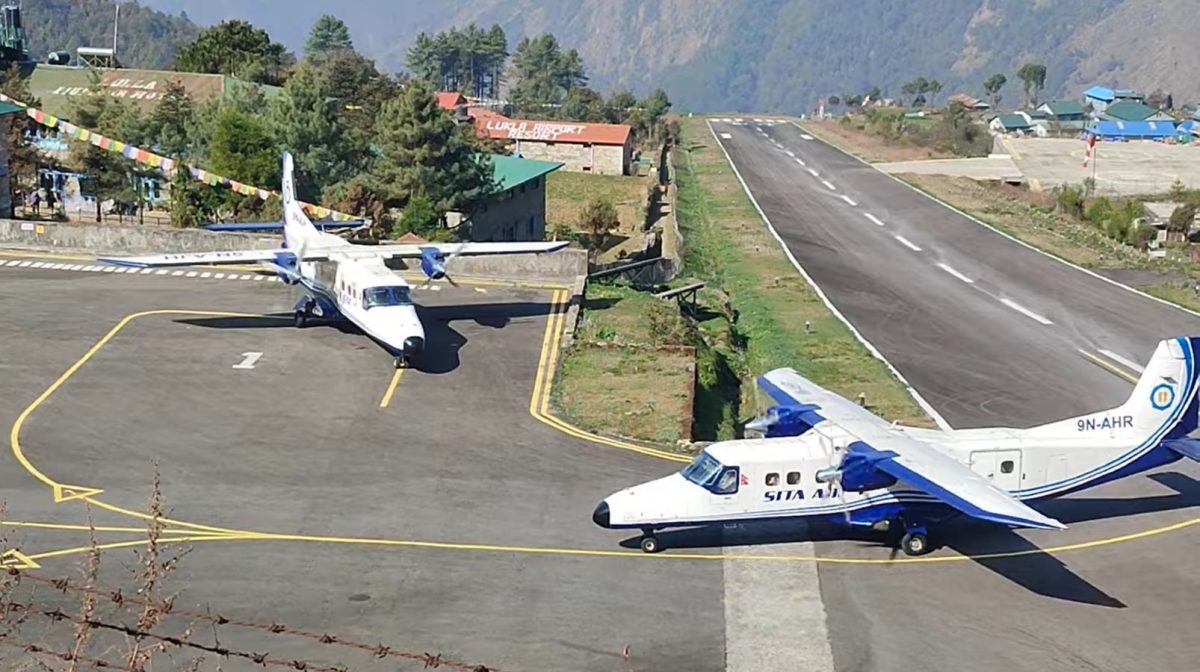
- Breathtaking Kathmandu to Lukla Flight: Begin your adventure with a thrilling mountain flight from Kathmandu to Lukla, featuring spectacular views of the Himalayan ranges.
- Scenic Dudh Koshi Valley Trail: Follow the Dudh Koshi River through beautiful forests, traditional villages, suspension bridges, and peaceful Himalayan valleys.
- Namche Bazaar and Sherpa Culture: Explore the vibrant mountain town of Namche Bazaar and experience authentic Sherpa culture, hospitality, and stunning surrounding peaks.
- Beautiful Alpine Landscapes: Trek through forests, waterfalls, yak pastures, and rugged high-altitude terrain as the landscape transforms deeper into the Everest region.
- Machhermo Valley Experience: Discover the remote beauty of Machhermo, surrounded by dramatic mountains and spectacular alpine scenery.
- Ngozumpa Glacier Adventure: Walk alongside the impressive Ngozumpa Glacier as you approach the breathtaking Gokyo Valley.
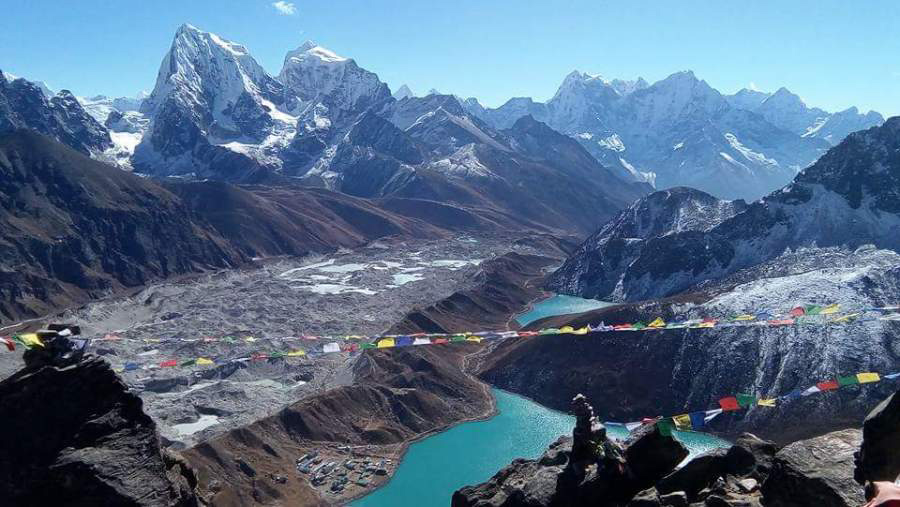
- Turquoise Gokyo Lakes: Discover the spectacular turquoise Gokyo Lakes, surrounded by glaciers, snow-covered mountains, and pristine Himalayan wilderness.
- Gokyo Ri Summit at 5,357 m: Climb Gokyo Ri for an unforgettable high-altitude adventure and one of the most rewarding viewpoints in the Everest region.
- Panoramic Everest and Himalayan Views: Admire breathtaking views of Mount Everest, Lhotse, Makalu, Cho Oyu, glaciers, and the Gokyo Lakes from the Gokyo Ri viewpoint.
- Authentic Himalayan Tea House Experience: Stay in traditional mountain tea houses, enjoy warm Sherpa hospitality, and experience the unique lifestyle of the Khumbu region.
Gokyo Lakes Trek Introduction: Overview
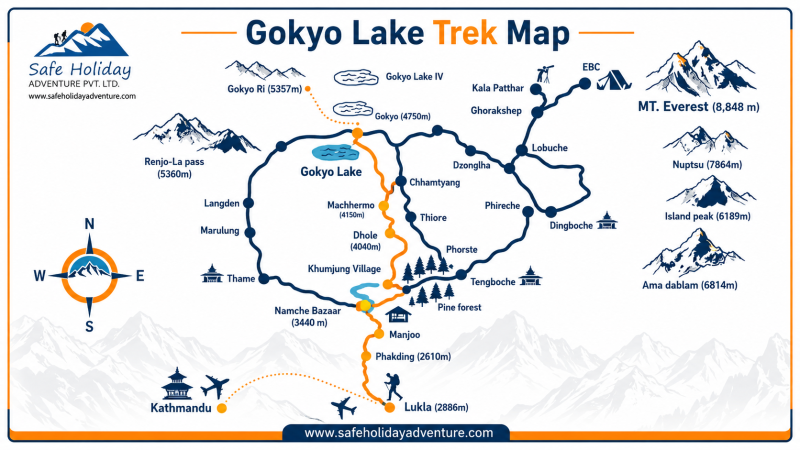
The Gokyo Lakes Trek is one of Nepal’s most scenic journeys through the Everest region, combining dramatic mountain landscapes, Sherpa villages, turquoise glacial lakes, and spectacular Himalayan viewpoints. Often called the Gokyo Valley Trek or Gokyo Lakes Trek, this route takes you from Kathmandu toward Lukla before following the Dudh Koshi Valley into the heart of Gokyo Valley, Nepal. The combination of high mountains, peaceful trails, and traditional Gokyo Trek tea houses makes this a memorable Gokyo Trek Nepal experience.
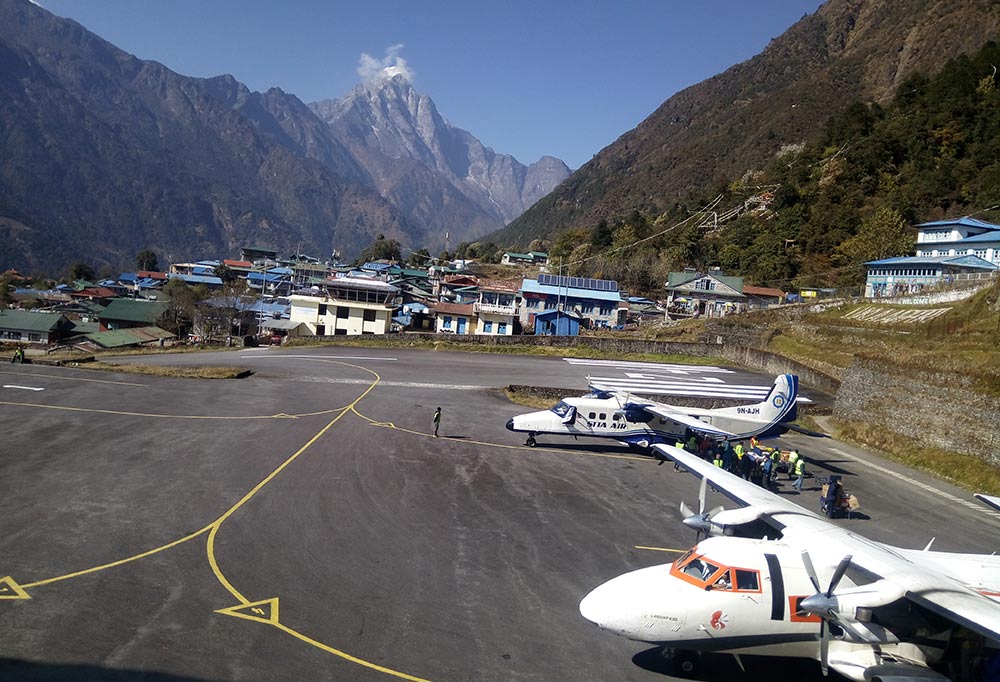
The adventure begins with a scenic flight from Kathmandu to Lukla, the famous mountain gateway at around 2,840 meters. After landing, the trail descends and follows the Dudh Koshi River toward Phakding, passing suspension bridges, pine forests, mani walls, and small Sherpa settlements. From Phakding (2,600m), the Gokyo Trek route gradually becomes more demanding as it heads toward Namche Bazaar (3,450m). This opening section introduces trekkers to the changing Gokyo Trek altitude, terrain, local culture, and mountain environment.
From Namche Bazaar, an acclimatization stop allows your body to adjust before continuing deeper into the Khumbu Valley trek. The trail then leaves the busier Everest Base Camp direction and climbs toward Dole (4,100m) through forests, waterfalls, yak pastures, and high mountain ridges. As the elevation increases, the landscape becomes more alpine and the air noticeably thinner. This gradual progression is an important part of the Gokyo Trek itinerary, particularly for trekkers preparing for higher elevations ahead.
From Dole, the trail continues toward Machhermo (4,470 meters), where the scenery becomes increasingly rugged and spectacular. You walk through a beautiful high-altitude valley surrounded by snow-covered peaks, with the trail steadily approaching the Gokyo region. Machhermo is an important overnight stop because of its elevation and its role in gradual acclimatization. The increasing Gokyo Trek difficulty becomes more noticeable here, making a steady walking pace, hydration, and proper rest essential for a comfortable journey.
From Machhermo, the trail follows the Ngozumpa Glacier toward Gokyo, eventually revealing the brilliant turquoise lakes that make the Gokyo Lakes Nepal region so famous. Reaching Gokyo at around 4,750 meters is one of the major highlights of the trek. The peaceful settlement sits beside the glacial lakes beneath towering Himalayan peaks, creating a completely different atmosphere from the classic Everest Base Camp route. This is where the Gokyo Valley Trek truly shows its distinctive character.
A major highlight is the ascent of Gokyo Ri, one of the finest viewpoints in the Everest region. At approximately 5,357 meters, the Gokyo Ri altitude makes the climb demanding, but the reward is extraordinary. From the Gokyo Ri viewpoint, trekkers can enjoy wide Himalayan panoramas featuring Everest, Lhotse, Makalu, and Cho Oyu, together with the turquoise Gokyo Lakes and surrounding glaciers. For many visitors, this viewpoint is the defining experience of the Gokyo Ri Trek.
Your provided Gokyo Trek itinerary then follows the same valley back toward Dole, with the return descent offering a different perspective of the landscape. From Dole, the trail continues toward Namche Bazaar, passing through forests, mountain villages, and familiar sections of the Dudh Koshi Valley. Because much of the return journey loses altitude, walking generally becomes more comfortable. This section also demonstrates why the Gokyo Trek distance and Gokyo Trek duration should be considered when planning the overall trip.
From Namche, the trail continues toward Lukla, passing through the lower Khumbu villages and beautiful forested sections before reaching the airport town. The final trekking stretch can be long, but it brings a strong sense of achievement as you approach Lukla. After completing the trail, you take the return flight toward Kathmandu. Your Gokyo Trek package may include flights, accommodation, permits, meals, and guide services, so checking exactly what is included is important when comparing Gokyo Trek cost and Gokyo Trek price.
It is important to distinguish this classic Gokyo Trek from the longer Everest Gokyo Trek that combines Gokyo Lakes with Everest Base Camp and Kala Patthar. The itinerary above reaches Gokyo and Gokyo Ri before returning through Dole, Namche, and Lukla. To include Everest Base Camp and Kala Patthar, trekkers need an extended route, commonly connecting the Gokyo Valley with the Everest Base Camp side through the Cho La Pass. Such an itinerary also requires additional acclimatization, trekking time, and preparation.
For planning, important considerations include Gokyo Trek permits, accommodation, guide arrangements, altitude, weather, and overall fitness. Trekkers generally stay in local Gokyo Trek tea houses, while a Gokyo Trek Guide or a Gokyo Trek with guide package can make navigation, logistics, and high-altitude planning easier. The Best time for the Gokyo Trek is generally during the Spring and Autumn trekking seasons, when conditions are usually more favorable for mountain views and trail travel.
How to Prepare for the Gokyo Lakes Trek?
The Gokyo Lakes Trek requires good preparation, especially for high-altitude hiking. Build your physical fitness with regular walking, hiking, stair climbing, and cardio exercises. Practice carrying a light backpack before your trek.
Pack essential trekking gear, including sturdy hiking boots, warm clothing, waterproof layers, trekking poles, sunglasses, sunscreen, and a sleeping bag. Also prepare your permits, documents, medicines, and travel insurance.
Prepare for high altitude by allowing enough time for acclimatization and drinking plenty of water. Check the weather conditions, plan your itinerary carefully, and consider hiring an experienced guide for a safer and more enjoyable trek.
Gokyo Lakes Trek Acclimatization: How to Adjust Safely
Gokyo Lakes Trek acclimatization is essential for adjusting to high altitude safely. Spend an extra day in Namche Bazaar and another acclimatization day in Gokyo. Take short hikes during these days, but avoid exhausting your body.
Walk slowly, drink plenty of water, and eat enough nutritious food. Do not rush to higher elevations. If you develop a severe headache, dizziness, nausea, or breathing difficulty, stop ascending and inform your guide immediately. Proper acclimatization makes the trek safer and more enjoyable.
Can Beginners Successfully Complete the Gokyo Lakes Trek?
Yes, the Gokyo Lakes Trek is suitable for beginners who have good basic fitness and prepare properly. You do not need previous high-altitude trekking experience, but you should be comfortable walking for several hours on uneven and uphill trails.
The trek is easier than the Everest Base Camp Trek and Cho La Pass Trek because it does not involve crossing the challenging Cho La Pass. With proper acclimatization, regular walking practice, suitable gear, and a gradual pace, beginners can complete the Gokyo Lakes Trek safely and enjoy its stunning Himalayan scenery.
Why Safe Holiday Adventure for Your Gokyo Lakes Trek?
Gokyo Lakes Trek Itinerary: Outline Itinerary
Day 1: Lukla (2,840 m) – Phakding (2,650 m) | 8 km | 3–4 hrs
Day 2: Phakding – Namche Bazaar (3,450 m) | 11 km | 6–7 hrs
Day 3: Acclimatization at Namche Bazaar (3,450 m) | Optional hike | 2–3 hrs
Day 4: Namche Bazaar – Dole (4,100 m) | 10 km | 5–6 hrs
Day 5: Dole – Machhermo (4,400 m) | 8 km | 4–5 hrs
Day 6: Machhermo – Gokyo (4,750 m) | 10 km | 5–6 hrs
Day 7: Gokyo – Dole (4,100 m) | 9 km | 4–5 hrs
Day 8: Dole – Namche Bazaar (3,450 m) | 14 km | 6–7 hrs
Day 9: Namche Bazaar – Lukla (2,840 m) | 18 km | 6–7 hrs
Day 10: Fly Lukla – Kathmandu (1,350 m) | 35 min flight
Whats Included?
- Experienced Government-Licensed Trekking Guide throughout your Gokyo Lakes Trek.
- Guide’s Salary, Accommodation, Meals, Insurance, and All Trekking Expenses included.
- Sagarmatha National Park Entry Permit and Pasang Lhamu Rural Municipality Entrance Permit.
- Comfortable Tea House Accommodation during the entire trek on a twin-sharing basis.
- Daily Breakfast, Lunch & Dinner at the teahouse throughout the trek.
- Expert Trek Planning with a carefully designed itinerary and professional route management.
- Altitude Acclimatization Support and expert guidance to ensure a safe and enjoyable trekking experience.
- Emergency Assistance, including 24/7 coordination for helicopter evacuation if required (evacuation costs are covered by your travel insurance).
- Local Cultural & Trekking Guidance, including mountain safety, Sherpa culture, local customs, and responsible trekking practices.
- Government Taxes, Official Fees, and Service Charges included.
- 24/7 Local Support from the Safe Holiday Adventure team before and throughout your trek.
- International Travel Insurance (mandatory for all trekkers).
- Kathmandu – Lukla – Kathmandu Flight Tickets.
- Lunch and Dinner during the trek.
- Personal Expenses, including Wi-Fi, hot showers, battery charging, laundry, telephone calls, bottled drinks, snacks, and personal shopping.
- Alcoholic and Soft Drinks, including beer, wine, spirits, tea, coffee, bottled water, Coke, Fanta, Sprite, and energy drinks.
- Tips for Your Guide, Porter, and Driver, which are customary and greatly appreciated.
- Personal Trekking Equipment, clothing, and any additional gear not specifically mentioned in the inclusions.
Dates and Availability Departures
All our published dates are guaranteed departures. We also provide customized departures tailored to your travel plans.
There are no group joining dates available at the moment. Please contact us for a private trip.
Travellers Reviews
Genaral Trip InfoInfos
Best Time for Gokyo Lakes Trek:
The best time for the Gokyo Lakes Trek is during Spring (March to May) and Autumn (September to November). These seasons offer stable weather, clear skies, pleasant temperatures, and excellent mountain views, making the trek comfortable and rewarding.
Spring brings colorful rhododendron blooms, while autumn offers crisp skies and spectacular views of Gokyo Lakes, Mount Everest, and the surrounding Himalayas. Winter and monsoon are possible but bring colder conditions, snow, or rainfall.
Gokyo Lakes Trek Distance: Walking Hours and Daily Routes
The Gokyo Lakes Trek covers around 90–100 km, depending on side trips and the chosen route. Most days require 3–7 hours of walking, with the Gokyo Ri climb being one of the more challenging sections.
| Day | Daily Route | Walking Hours |
|---|---|---|
| 1 | Lukla → Phakding | 3–4 hrs |
| 2 | Phakding → Namche Bazaar | 5–7 hrs |
| 3 | Namche Acclimatization & Hike | 2–4 hrs |
| 4 | Namche → Dole | 5–6 hrs |
| 5 | Dole → Machhermo | 3–5 hrs |
| 6 | Machhermo → Gokyo Lakes | 4–6 hrs |
| 7 | Gokyo → Gokyo Ri → Gokyo | 5–7 hrs |
| 8 | Gokyo → Dole | 4–6 hrs |
| 9 | Dole → Namche Bazaar | 5–6 hrs |
| 10 | Namche → Lukla | 6–8 hrs |
Walking times may vary depending on weather, trail conditions, altitude, rest stops, and individual pace. The route highlights Namche, Dole, Machhermo, Gokyo Lakes, and Gokyo Ri.
Gokyo Lakes Trek vs Everest Base Camp: Which Is Better?
Choosing between the Gokyo Lakes Trek and Everest Base Camp Trek depends on the kind of Himalayan experience you want. Both routes offer stunning views of the Everest region, high-altitude landscapes, Sherpa culture, and unforgettable mountain scenery. However, the overall experience is quite different.
Gokyo Lakes Trek
The Gokyo Lakes Trek is perfect for trekkers who prefer beautiful alpine lakes, peaceful trails, and spectacular mountain views without the heavier crowds found on the classic Everest Base Camp route. The trail leads to the stunning Gokyo Valley, where you can explore the famous turquoise Gokyo Lakes and climb Gokyo Ri for panoramic views of Everest, Cho Oyu, Lhotse, and Makalu.
Everest Base Camp Trek
The Everest Base Camp Trek is the better choice if reaching the foot of Mount Everest is your main goal. It follows the classic Khumbu route through famous places such as Namche Bazaar, Tengboche, Dingboche, and Gorak Shep before reaching Everest Base Camp. The trek also offers a strong combination of Sherpa culture, monasteries, mountain scenery, and iconic trekking landmarks.
Which Trek Should You Choose?
Choose Gokyo Lakes Trek if you want a quieter Himalayan adventure with turquoise lakes, fewer crowds, and exceptional scenery. Choose Everest Base Camp Trek if reaching Everest Base Camp and experiencing the classic Everest trail is your priority.
For trekkers who want peaceful landscapes and beautiful lakes, Gokyo is an excellent choice. For those seeking the classic Everest trekking experience, Everest Base Camp remains the more iconic option.
Why Book Your Gokyo Lakes Trek with Local Experts?
Booking your Gokyo Lakes Trek with local experts gives you experienced guidance, reliable logistics, and better knowledge of the Everest region. Local teams understand the trails, weather, altitude, accommodation, and local culture, helping you enjoy a safe, smooth, and well-organized trek.
With local support, you also receive personalized itineraries, experienced guides, and quick assistance when needed. Their firsthand knowledge helps you acclimatize properly, manage challenging sections, and discover the hidden beauty of the Gokyo Valley with confidence.
Gokyo Lakes Trek Packing List: What Should You Bring?
Packing smart is important for a comfortable Gokyo Lakes Trek, as the trail passes through changing temperatures and high-altitude terrain. Keep your backpack light and focus on practical, layered clothing and essential trekking gear.
- Warm layers: Down jacket, fleece, thermal wear, and waterproof jacket
- Trekking clothing: Quick-dry shirts, trekking pants, warm socks, and gloves
- Footwear: Comfortable trekking boots and lightweight camp shoes
- Trekking gear: Backpack, sleeping bag, trekking poles, headlamp, and water bottle
- Personal essentials: Sunglasses, sunscreen, toiletries, first-aid kit, and personal medicines
- Documents: Passport, permits, travel insurance, and some Nepalese cash
Tip: Pack according to the season and avoid unnecessary items. A light, well-organized backpack makes the Gokyo Lakes Trek much easier and more enjoyable.
Gokyo Lakes Trek Permits: Requirements & Fees
For the Gokyo Lakes Trek, trekkers generally need two permits: the Pasang Lhamu Rural Municipality Permit and the Sagarmatha National Park Entry Permit. These permits are essential for entering and trekking through the Everest region.
To obtain the permits, you typically need to show your original passport and provide the required details. Permits can be arranged through a registered trekking agency or at the designated permit offices.
Gokyo Lakes Trek Weather:
Gokyo Lakes Trek Accommodation:
Gokyo Lakes Trek accommodation mainly includes teahouses and lodges offering clean rooms, shared bathrooms, and cozy dining areas. Popular stops include Namche Bazaar, Dole, Machhermo, and Gokyo, with options ranging from basic to more comfortable.
In Namche, you’ll find the widest choice of teahouses. Higher up, accommodation becomes simpler, but most lodges provide warm meals, blankets, and basic facilities for trekkers.
For a comfortable Gokyo Lakes Trek, book popular teahouses early during peak seasons. Staying at locally operated lodges also provides an authentic Sherpa hospitality experience.
Gokyo Lakes Trek Food: Meals Available Along the Trail
Gokyo Lakes Trek offers a wide variety of nutritious meals at teahouses along the trail. You can enjoy dal bhat, momo, thukpa, noodles, pasta, pizza, fried rice, sandwiches, soups, potatoes, eggs, porridge, pancakes, chapati, toast, Tibetan bread, curry, and spring rolls. Breakfast commonly includes eggs, porridge, pancakes, and bread, while tea, coffee, hot chocolate, and fresh juice are available throughout the trek.
Is There WiFi and Mobile Network on the Gokyo Lakes Trek?
Gokyo Lakes Trek has WiFi and mobile network availability in major villages, but connections become weaker at higher elevations. Teahouses in Namche, Dole, Machhermo, and Gokyo may offer WiFi for an additional fee. Mobile signals can be unreliable, so trekkers should not depend on constant internet access. Consider carrying a local SIM card and enjoying the trek offline.
How Difficult Is the Gokyo Lakes Trek Really?
The Gokyo Lakes Trek is considered moderately difficult and is slightly easier than the Everest Base Camp (EBC) Trek and Everest Three Passes Trek. It involves long walking days, high altitude, and challenging uphill sections, but avoids the demanding passes of the Three Passes route. With proper acclimatization and preparation, Gokyo is one of the best and more manageable treks in the Everest region.
How Much Does the Gokyo Lakes Trek Cost?
The Gokyo Lakes Trek starts from USD 1,150 per person. However, the final cost depends on your preferred hotel standard, number of guides and porters, group size, accommodation quality, and overall level of service. A standard package generally includes comfortable teahouse accommodation, meals during the trek, an experienced guide, porter service, permits, and transportation arrangements.
Gokyo Lakes Trek Cost Details
| Cost Factor | Approximate Cost |
|---|---|
| Standard Gokyo Lakes Trek Package | From USD 1,150 |
| Guide service | USD 30–40 per day |
| Porter service | USD 20–30 per day |
| Trekking permits | Around USD 50–60 |
| Lukla round-trip flights | Around USD 340–420 |
| Standard teahouse accommodation | USD 5–15 per night |
| Meals during the trek | Around USD 25–40 per day |
| Luxury/private services | USD 1,800–2,500+ |
The price can be lower for larger groups because guide, porter, transportation, and other costs can be shared among several trekkers. A private trek with a dedicated guide and porter generally costs more.
For trekkers who prefer luxury accommodation and upgraded rooms, the price increases, particularly in Gokyo, where accommodation choices are more limited. You can also customize the trek with additional porters, private guides, better hotels in Kathmandu, private rooms, or premium transportation according to your requirements.
Therefore, USD 1,150 is a good starting price for a standard Gokyo Lakes Trek, while the actual cost can be customized according to your preferred comfort level, group size, and services.
Detailed ItineraryItinerary
Lukla (2,840 m) – Phakding (2,650 m)
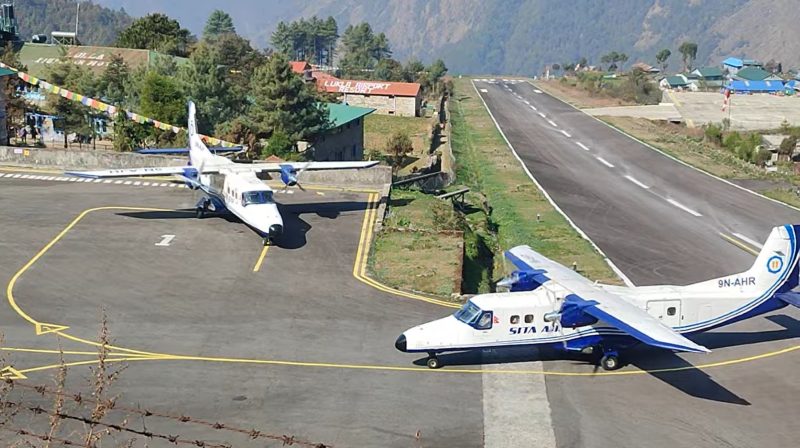
Your adventure begins with one of the world’s most scenic mountain flights to Lukla, where your experienced trekking guide will welcome you. After a quick briefing, set off on an easy walk through charming Sherpa villages, crossing suspension bridges and following the crystal-clear Dudh Koshi River.
Today’s gentle trek allows your body to adjust to the Himalayan environment while you enjoy the region’s peaceful forests, colorful prayer flags, and warm mountain hospitality before reaching Phakding for your first overnight stay.

Accommodation : Lodge Meals : Breakfast, Lunch & Dinner
Phakding – Namche Bazaar (3,450 m)
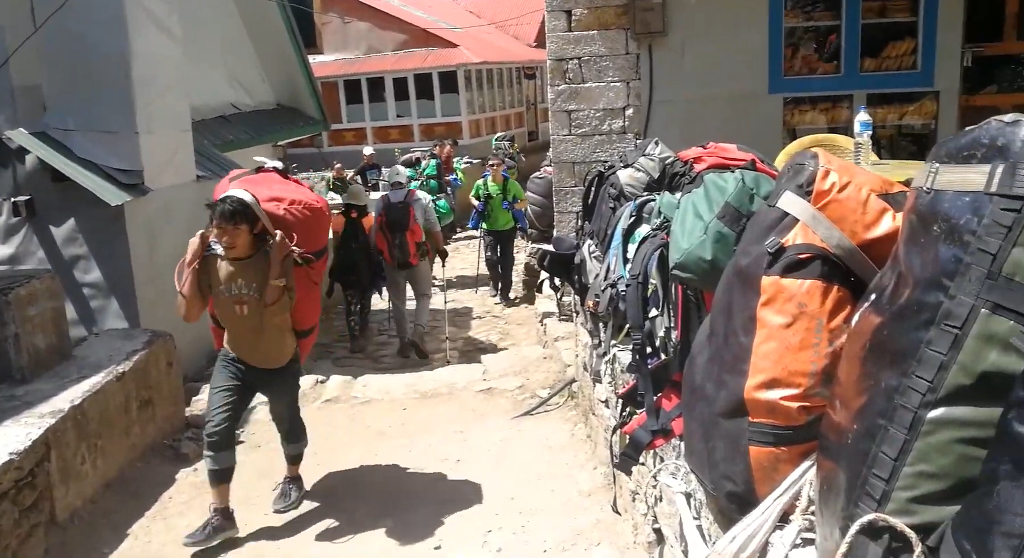
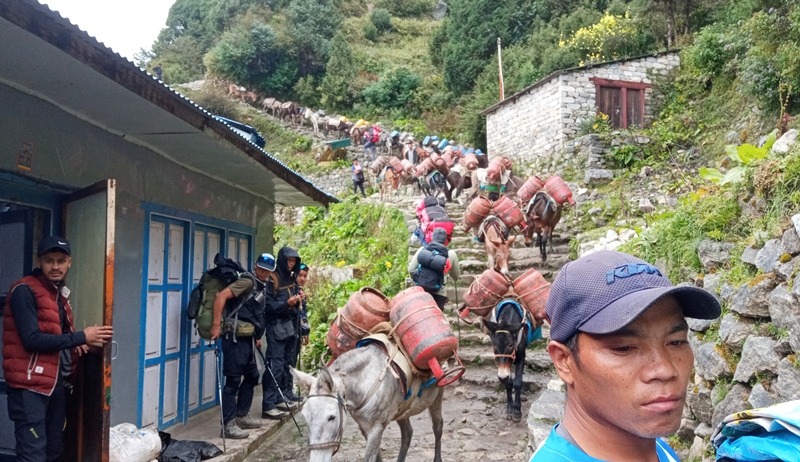
Today is one of the most exciting days of the trek. Following the Dudh Koshi Valley, you’ll cross several iconic suspension bridges, including the famous Hillary Bridge, before entering Sagarmatha National Park, a UNESCO World Heritage Site.
As the trail climbs steadily, your first glimpse of Mount Everest may appear on a clear day, making every step worthwhile.
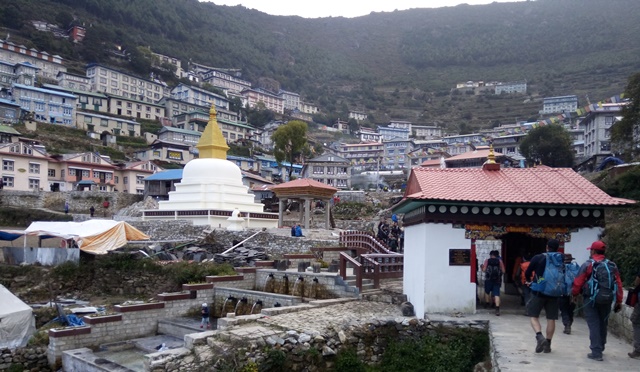
By afternoon, you’ll arrive in the bustling mountain town of Namche Bazaar, the vibrant heart of the Everest region, where cozy cafés, bakeries, gear shops, and stunning mountain scenery await.
Accommodation : Lodge Meals : Breakfast, Lunch & Dinner
Acclimatization at Namche Bazaar (3,450 m) |
Proper acclimatization is essential for a safe and enjoyable trek. Rather than resting all day, you’ll take a short hike to a higher elevation before returning to Namche Bazaar, helping your body adapt naturally to the altitude.
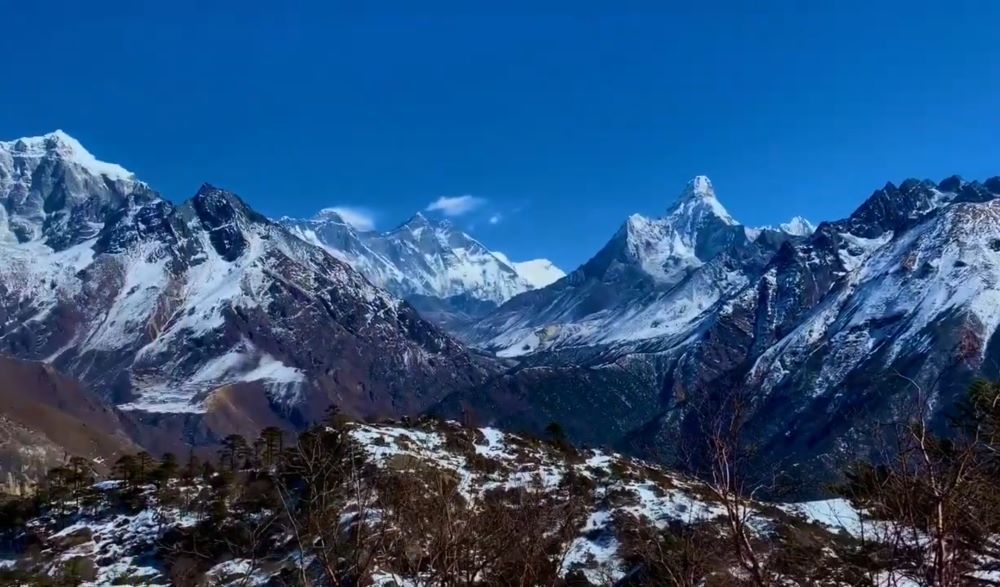
Popular options include the famous Everest View Hotel, offering panoramic views of Mount Everest, Ama Dablam, Lhotse, and Thamserku.
The afternoon is yours to explore local museums, browse mountain shops, or simply relax with fresh coffee while surrounded by spectacular Himalayan scenery.

Accommodation : Lodge Meals : Breakfast, Lunch & Dinner
Namche Bazaar – Dole (4,100 m)
Leaving the busy Everest Base Camp trail behind, you’ll follow a quieter route into the beautiful Gokyo Valley, where fewer trekkers mean a more peaceful Himalayan experience.
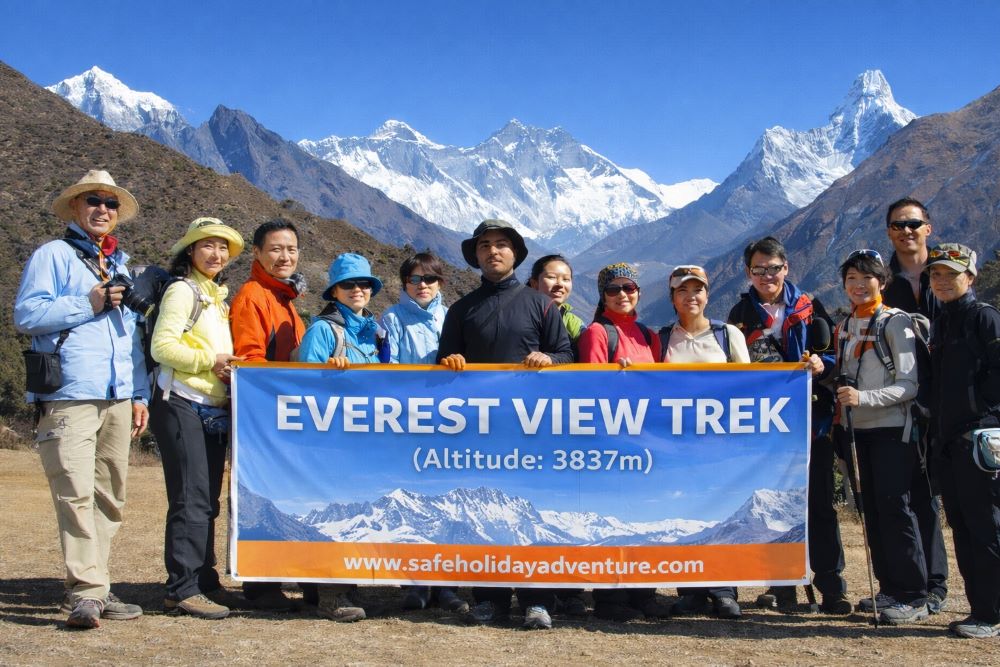
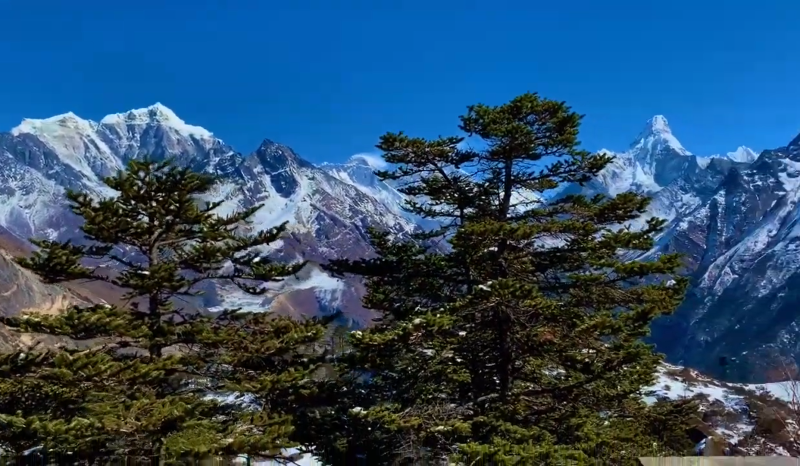
The trail winds through fragrant rhododendron forests, open alpine meadows, and traditional yak grazing areas while offering incredible views of Khumbila, Taboche, and surrounding peaks.
By evening, you’ll reach the peaceful village of Dole, nestled high above the valley.
Accommodation : Lodge Meals : Breakfast, Lunch & Dinner
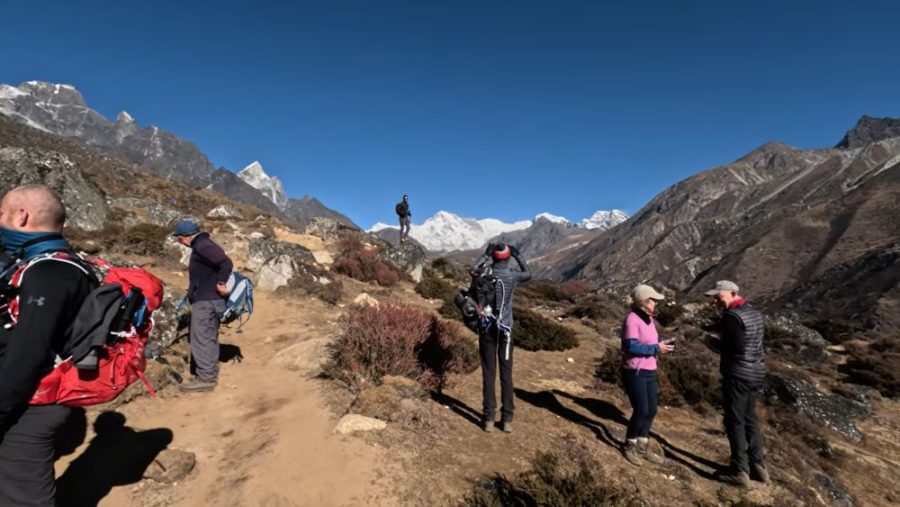
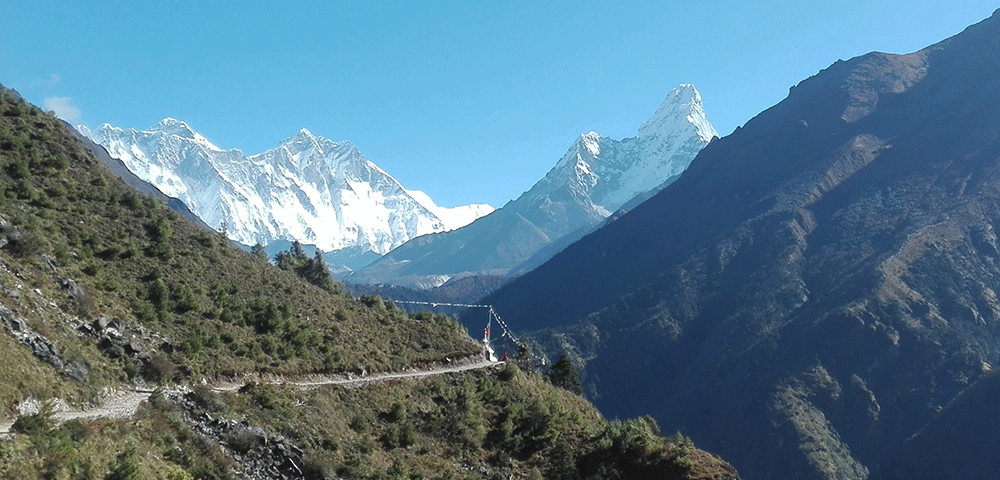
Dole – Machhermo (4,400 m)
Today’s trek is shorter but climbs steadily through spectacular alpine terrain.
As the vegetation becomes sparse, dramatic mountain landscapes open around you, with magnificent views of Cho Oyu, the world’s sixth-highest mountain.
Arriving at Machhermo, you’ll have time to relax, enjoy the peaceful surroundings, and prepare for tomorrow’s unforgettable journey to Gokyo Lakes.
Accommodation : Lodge Meals : Breakfast, Lunch & Dinner
Machhermo – Gokyo (4,750 m)
This is undoubtedly one of the highlights of the entire Gokyo Lakes Trek.
The trail leads past the breathtaking First, Second, and Third Gokyo Lakes, where crystal-clear turquoise water reflects the surrounding snow-covered peaks. Every turn reveals another unforgettable Himalayan panorama, making today one of the most photographed sections of the trek.
Upon reaching the beautiful village of Gokyo, you’ll be surrounded by towering mountains, pristine glacial lakes, and the impressive Ngozumpa Glacier, the longest glacier in Nepal. The peaceful atmosphere and extraordinary scenery create an experience you’ll remember long after your journey ends.


Accommodation : Lodge Meals : Breakfast, Lunch & Dinner
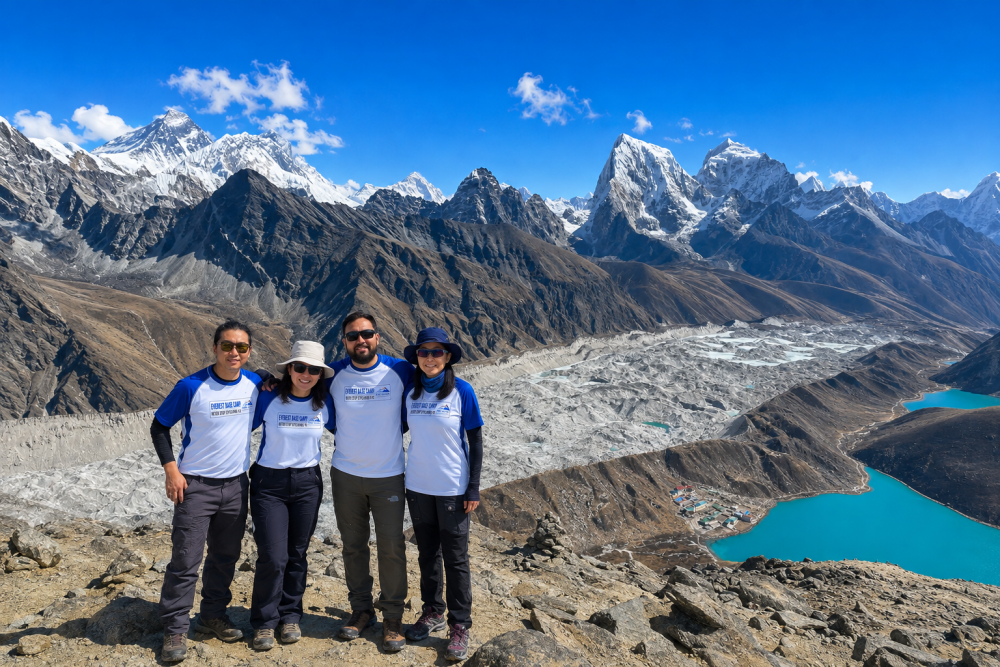
Gokyo – Dole (4,100 m)
Enjoy one final morning beside the magnificent Gokyo Lakes before beginning your descent.
As you retrace your steps through the tranquil Gokyo Valley, you’ll have another opportunity to appreciate the incredible mountain scenery from a different perspective before arriving back at Dole.
Accommodation : Lodge Meals : Breakfast, Lunch & Dinner
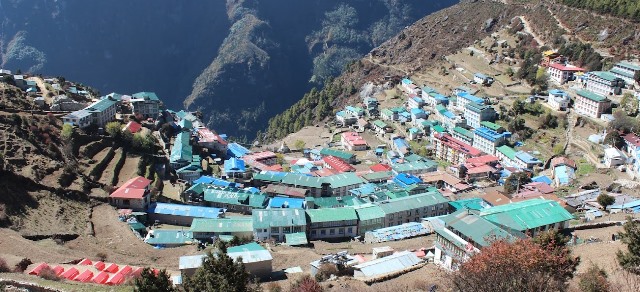
Dole – Namche Bazaar (3,450 m)
Today’s trail gradually descends through alpine landscapes into lush forests filled with rhododendrons and pine trees.
Passing traditional Sherpa villages and yak pastures, you’ll eventually return to the lively atmosphere of Namche Bazaar, where a hot shower, delicious meal, and comfortable teahouse provide a well-earned reward after several days in the high Himalayas.
Accommodation : Lodge Meals : Breakfast, Lunch & Dinner
Namche Bazaar – Lukla (2,840 m)
Your final trekking day follows the beautiful Dudh Koshi River, crossing suspension bridges and passing familiar villages that now feel like old friends.
Although the journey comes to an end, the memories of towering Himalayan peaks, welcoming Sherpa communities, and the spectacular Gokyo Lakes will remain with you forever.
Celebrate your successful adventure with your trekking team in Lukla before tomorrow’s return flight.

Accommodation : Lodge Meals : Breakfast, Lunch & Dinner
Fly Lukla – Kathmandu (1,350 m)
After an early breakfast, board a scenic flight back to Kathmandu, enjoying breathtaking aerial views of the Everest region one last time.
As the Himalayas disappear beneath the clouds, you’ll leave with unforgettable memories of turquoise alpine lakes, friendly Sherpa culture, and one of Nepal’s most spectacular trekking adventures.

Accommodation : Hotel in Kathmandu Meals : Breakfast
Gokyo Lakes Trek- 10 Days FAQs
The highest point is Gokyo Ri (5,357 m), offering one of the best panoramic views in the Everest region.
Altitude sickness is possible above 3,000 meters, so proper acclimatization is essential.
Yes, beginners with good fitness and proper preparation can successfully complete the trek.
A licensed guide is highly recommended for a safer, smoother, and more enjoyable trekking experience.
You may spot Himalayan Thar (Mountain Goat), musk deer, colorful pheasants, wild Yak, and other mountain wildlife.
Gokyo Ri offers stunning views of Everest, Cho Oyu, Lhotse, Makalu, and many other Himalayan peaks.
Ngozumpa Glacier is Nepal’s longest glacier and a spectacular highlight of the Gokyo Valley.
Yes, many trekkers combine Gokyo Lakes with Cho La Pass and Everest Base Camp.
Yes, boiled or purified drinking water is widely available along the trekking route.
Yes, travel insurance with high-altitude trekking and emergency evacuation coverage is strongly recommended.
A moderate level of fitness is enough to enjoy the trek comfortably.
Gokyo Lakes are famous for their turquoise glacial waters, sacred significance, and breathtaking Himalayan scenery.
Both sunrise and sunset offer incredible views from Gokyo Ri (5,357 m), but sunset is highly recommended for its golden Himalayan panorama; start hiking from Gokyo at around 3:00–3:30 PM, allowing 2–3 hours to reach the summit in time for sunset.
A typical tip is USD 10–15 per day per trekker for the guide and USD 5–10 per day per trekker for the porter, depending on the level of service and your satisfaction.
Yes, you can enjoy excellent espresso and freshly brewed coffee in Lukla and Namche Bazaar, while most teahouses higher on the trail serve instant coffee, making a quality cup even more rewarding before or after your trek.
Yes, the Gokyo route is generally less crowded and more peaceful.
Yes. As of 2026, you can still trek to Gokyo Lakes independently under the current regulations. However, trekking with a licensed guide or joining a group is highly recommended for a safer, more enjoyable experience—especially when crossing high-altitude and glacier sections.
Basic vegan options are available in most teahouses.
Booking several weeks in advance is recommended during peak trekking seasons.
Older children with trekking experience and good fitness can complete the trek.
Yes, Kathmandu has many shops renting quality trekking equipment.
No. Drone flights are not permitted unless you obtain official approval from the Civil Aviation Authority of Nepal (CAAN) and the local Khumbu authorities before your trek.
Early mornings at Gokyo Ri (5,357 m) typically range from -10°C to -15°C during spring and autumn, while winter temperatures can drop below -20°C, so warm layered clothing is essential.
Refund & Cancellation Policy
- Booking requires 20% non-refundable deposit (Nepal) or 100% upfront (Tibet/Bhutan).
- Remaining payment due before the trip or on arrival (trip-dependent).
Cancellation charges:
- 31+ days: 20%
- 16–30 days: 45%
- 8–15 days: 75%
- 7 days or less: 90%
- Prices may change due to flights, taxes, or exchange rates.
- Trip changes are allowed, but extra costs apply.
- If the company cancels, a full refund, except for unavoidable events (some costs deducted).
- Good health and travel insurance are mandatory.
- No refund if removed for unsafe or illegal behavior.
- Travel involves personal risk, which the client accepts.