
28 Mar 2018 16 min to read
A homestay in Nepal means sleeping in a family home, eating from the family kitchen, and joining village life for a day or more. You share breakfast on the porch, walk to the fields with your host, and learn the stories behind each festival.
Safe Holiday Adventure arranges homestays across the mid-hills, from a short stay near Kathmandu to a village break inside a longer trek. This guide covers five popular villages, including how to get there, what to do, food, farming, festivals, and safety. At the end, you will find ways to combine a homestay with a trek, a jungle safari or a Pokhara lakeside stay.
A homestay is a community-run programme where a local family hosts travelers in their own home. Rooms are simple but clean, meals are included, and a village committee usually sets prices and rotates guests among families so the income is shared. Nepal’s rural tourism programme have promoted this model to keep visitor spending inside villages.
| Homestay | Region | Best for | Main culture | Best time |
|---|---|---|---|---|
| Dhading Suakaura | Dhading | Short trips from Kathmandu | Mixed hill communities | Mar–May, Oct–Nov |
| Bandipur | Tanahun | Families, first-timers | Newar | Oct–Apr |
| Ghale Gaon | Lamjung | Mountain views | Gurung | Sep–Nov, Mar–May |
| Ghatlang | Rasuwa | Culture plus trekking | Tamang | Oct–Nov, Mar–May |
| Sirubari | Syangja | Quiet, slow travel | Gurung | Autumn, spring |
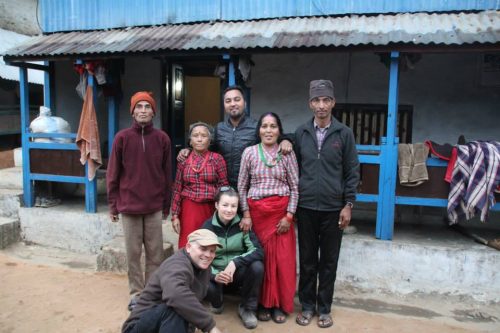
Dhading is our recommended homestay near Kathmandu. It offers a full village experience without spending days on the road, and it connects to some of Nepal’s best trekking routes.
Go by private vehicle or local bus from Kathmandu towards Dhading. Allow roughly 4-5 hours, depending on traffic and road conditions. Safe Holiday Adventure can arrange pick-up, drop-off, and a local guide. Confirm the final road section with us before you travel, since road work can change travel times.
Dhading’s terraces grow rice, maize, millet and vegetables. In planting season, you can help transplant rice seedlings. In autumn, you can join the harvest and see how grain is dried and stored. Farm work here is done by hand and with oxen, so you see the full cycle.
Expect dal bhat with seasonal vegetables, home-made pickles, corn or millet dishes and milk tea. Ingredients are local, often picked that day.
Dashain and Tihar are the biggest celebrations. If you visit during them, you can see family blessings, Tika ceremonies, and festive meals. The community is mixed, so you will notice several customs side by side.
Yes. The village is welcoming and suitable for solo travelers, couples, and families. Avoid the heaviest monsoon weeks (July to August), when landslides can slow roads. Carry a torch, a rain jacket, and cash.
The best part is how close it is to Kathmandu while still feeling remote.
Dhading is a gateway to the Ganesh Himal region. If you want more than a homestay, continue with our Ganesh Himal Trek. It passes through Tamang and Gurung villages, rhododendron forests, and quiet high pastures, with far fewer trekkers than Everest or Annapurna. The Ruby Valley Trek is another gentle option nearby.
Dhading also sits on the road to Arughat and Soti Khola, where the Manaslu Circuit begins. A night in a Dhading homestay is a good way to settle in and acclimatise before your Manaslu Circuit Trek. Remember to arrange permits early; see our guide on the Manaslu permit cost.

Bandipur is a preserved hilltop Newar town with stone-paved streets, old brick houses and a slow, car-free feel. It is the easiest homestay for first-time visitors.
Drive from Kathmandu or Pokhara along the Prithvi Highway to Dumre, then take a short uphill road to the town. From Kathmandu, allow about 5 to 6 hours.
Walk the bazaar, hike to Gurungche Hill, visit the caves, watch local craft work, and join a cooking session.
Families around Bandipur grow rice, vegetables, and fruit on the surrounding slopes. You can join a short farm walk and see how produce reaches the local market.
Try Newari dishes such as Chhoila, bara, momo, samay baji, and sweet yogurt.
Newari traditions shape daily life here. Dashain, Tihar and local jatras bring colorful processions, music, and dance.
Very safe. The town is used to visitors and suits families and solo travelers.
The best part is the views at sunrise and the heritage feel of the old bazaar.
Bandipur sits on the highway between Kathmandu, Chitwan and Pokhara, so it makes a natural stop on a longer tour. Combine it with a Chitwan Jungle Safari or a stay in Pokhara.

Ghale Gaon is one of Nepal’s best-known community tourism villages. It is a Gurung settlement in Lamjung with mountain views and a strong tradition of welcome.
From Kathmandu or Pokhara, drive to Besisahar or Sundar Bazaar, then continue on a winding hill road to the village. Plan a full travel day from Kathmandu, and start early.
Families grow millet, maize, potatoes and vegetables on steep terraces. You can help with weeding, harvesting or carrying fodder, depending on the season.
Dal bhat, millet bread (dhido), local greens and mountain honey are common.
Gurung music, clothing and rituals are central to village life. Lhosar (Gurung New Year) and Dashain are the best times to visit.
Yes. The road is the main concern in monsoon season, so travel with an experienced driver.
The best part is the mountain panorama together with a well-organised cultural programme.
tes.
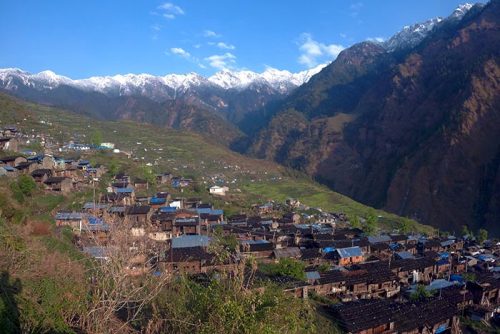
Ghatlang (Gatlang) is a traditional Tamang village in Rasuwa, Nepal, located along the Tamang Heritage Trail. A Ghatlang homestay offers a chance to experience local Tamang culture, traditional stone houses, Buddhist monasteries and peaceful mountain village life. Staying with a local family also gives you a closer look at everyday life in the Himalayan foothills.
Ghatlang is reached by road from Kathmandu via Trishuli, Dhunche and Syabrubesi before continuing toward the village. The journey takes most of a day, depending on road and weather conditions. Some sections can be rough, particularly during the monsoon season, so a suitable vehicle is recommended.
During your Ghatlang homestay, you can explore the village, visit Buddhist monasteries, walk through traditional neighborhoods and enjoy views of the surrounding hills. You may also experience Tamang music and dance and take short walks through the nearby countryside.
Agriculture and livestock remain an important part of life in Ghatlang. Local families grow potatoes, buckwheat, barley and maize and raise animals such as yaks, goats and cattle. A homestay gives visitors an opportunity to see how farming, wool and dairy products are connected to everyday Tamang life.
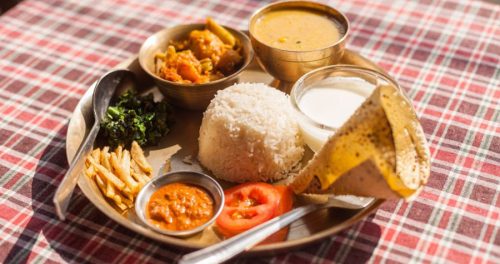
A traditional Ghatlang homestay often includes simple homemade meals prepared with locally available ingredients. Popular foods may include potatoes, buckwheat dishes, warm soups and butter tea. Meals can vary from one homestay family to another.
Ghatlang has a strong Buddhist and Tamang cultural heritage. Lhosar, the Tamang New Year, is an important celebration featuring traditional music, dancing, family gatherings and shared meals. Visitors staying in the village may have the opportunity to experience local customs and hospitality.
Ghatlang is generally a peaceful village for visitors. However, road and weather conditions should be checked before traveling, especially during the monsoon season when rainfall and landslides can affect roads in Rasuwa. If you are trekking, check the current trail conditions and travel with a local guide when appropriate.
The main attraction of a Ghatlang homestay is the opportunity to experience authentic Tamang culture rather than simply passing through the village. You can stay with a local family, enjoy homemade food, explore traditional surroundings, and learn more about the lifestyle of communities along the Tamang Heritage Trail.
Ghatlang is a good choice for travelers looking for local culture, traditional village life, and a quieter Himalayan experience in Nepal.
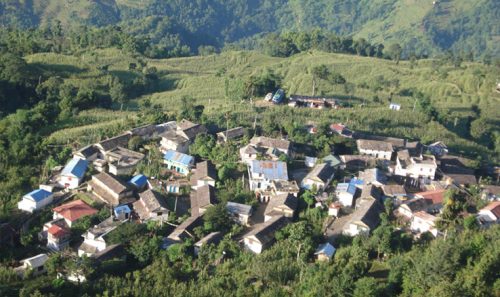
The Sirubari homestay is a peaceful Gurung village experience in Syangja district, western Nepal. It sits at about 1,700 metres, with stone houses, terraced fields, and wide hill views. It suits travellers who want a slow, cultural stay away from crowded trails.
Sirubari is one of Nepal’s pioneering homestay villages. It received PATA recognition for heritage and culture, which reflects how carefully the community has protected its traditions.
You should visit if you want:
Allow about half a day from Pokhara. Road conditions change, especially in the monsoon, so confirm the route with Safe Holiday Adventure before you leave. A private vehicle with an experienced driver is the most comfortable choice.
Families farm rice, maize, millet, and vegetables on terraces built by hand, and keep buffalo, goats, and poultry. Depending on the season, you can help transplant rice, cut millet or gather vegetables for dinner.
Meals are home-cooked from local produce. Common dishes include:
Gurung music, clothing and rituals remain strong in Sirubari. The best times to see them are:
Always ask before taking photos of people or ceremonies.
Yes. The village is calm, welcoming and used to visitors, and it is suitable for solo travellers, couples and families. The main risk is the road during heavy rain, so avoid the peak monsoon weeks (July to August) or travel with a flexible schedule. Carry a torch, a rain jacket, and some cash, because ATMs are not available in the village.
Autumn (September–November) and spring (March–May) bring clear skies, mild weather and the best views.
The best part of the Sirubari homestay is its quiet pace and well-kept heritage. You leave with a real picture of Gurung life, not a rushed visit.
| Trip | Route | Length |
|---|---|---|
| Short cultural break | Kathmandu → Dhading homestay → Kathmandu | 2–3 days |
| Homestay + Ganesh Himal | Dhading homestay → Ganesh Himal trek | 8–10 days |
| Homestay before Manaslu | Dhading homestay → Arughat → Manaslu Circuit | 14–18 days |
| Culture + wildlife | Dhading or Bandipur → Chitwan safari | 4–5 days |
| Lakes and mountains | Bandipur or Ghale Gaon → Pokhara | 4–6 days |
Ask Safe Holiday Adventure for a custom plan that matches your dates and fitness.
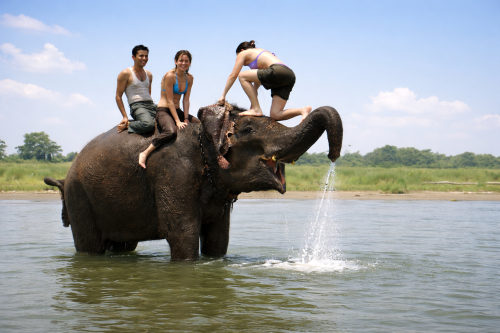
After the hills, head south for a Chitwan Jungle Safari. You can see one-horned rhinos, deer, crocodiles, and many birds on jeep, canoe, and walking tours. It is a good contrast after a quiet village stay.
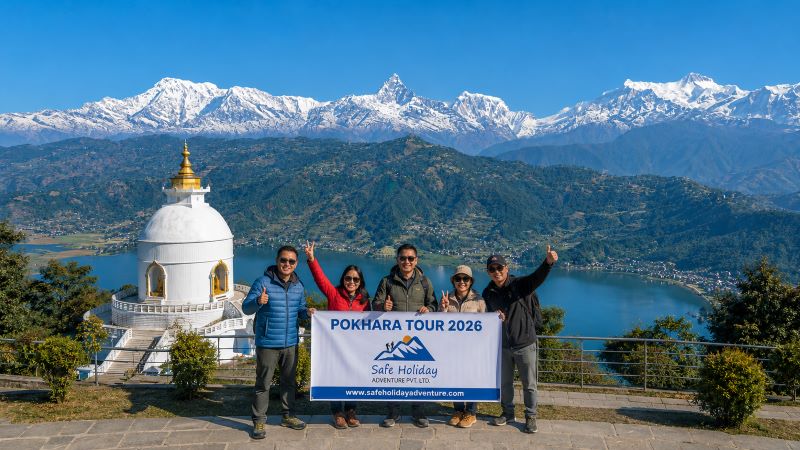
If you prefer lakes and mountain views, continue to Pokhara. Paddle on Phewa Lake, visit Sarangkot for sunrise, and enjoy café life before you fly or drive back to Kathmandu.
What are the top 5 homestays in Nepal?
The five most popular are Dhading Suakaura (best near Kathmandu), Bandipur (Newar heritage town), Ghale Gaon (Gurung village with mountain views), Ghatlang (Tamang culture in Rasuwa) and Sirubari (quiet Gurung village in Syangja).
What is a homestay in Nepal?
It is a stay in a local family’s home, with meals and cultural activities included. Income goes directly to the host family and village.
Is a homestay in Nepal safe for tourists?
Yes. Community homestays are managed by local committees and welcome solo travellers, couples and families.
Which homestay is closest to Kathmandu?
Dhading Suakaura is the best option for a short trip from the capital, usually 3 to 5 hours by road depending on traffic.
Which homestay is best for first-time visitors?
Bandipur. It has easy road access, good facilities and plenty to see nearby.
How much does a homestay in Nepal cost?
Prices are usually lower than hotels and often include a bed and meals. Exact rates depend on the village and season, so contact Safe Holiday Adventure for a current quote.
What food is served at a homestay?
Home-cooked meals such as dal bhat, seasonal vegetables, pickles and local specialities like dhido or Newari dishes. Ingredients are mostly local.
What activities can I do at a homestay?
Village walks, farm work, cooking lessons, cultural dances, visits to temples or monasteries and evenings around the fire.
Are the rooms and toilets clean and comfortable?
Rooms are simple but clean, with basic bedding. Facilities vary by village, and hot water may be limited, so pack a warm layer.
What is the best time for a homestay in Nepal?
Autumn (September to November) and spring (March to May) offer clear skies and mild weather. Monsoon (June to August) can slow roads.
Can I combine a homestay with a trek?
Yes. Dhading links to the Ganesh Himal and Manaslu routes, and Ghatlang links to the Tamang Heritage and Langtang treks.
Can I visit during Dashain or Tihar?
Yes, and it is a great way to see family rituals and festive meals. Book early, because transport is very crowded during Dashain.
Do I need to speak Nepali?
No. Your guide can translate, and hosts are used to welcoming visitors. A few words like “Namaste” and “Dhanyabad” are appreciated.
Is a homestay suitable for families and solo travellers?
Yes. Families, couples, and solo travellers all visit regularly, and hosts are friendly and helpful.
How long should I stay?
One to two nights is enough for a taste of village life. Three nights or more lets you join farming and festivals.
Ready to meet the villages of Nepal? Contact Safe Holiday Adventure for a custom homestay tour, from a two-day Dhading getaway to a longer cultural and trekking journey.
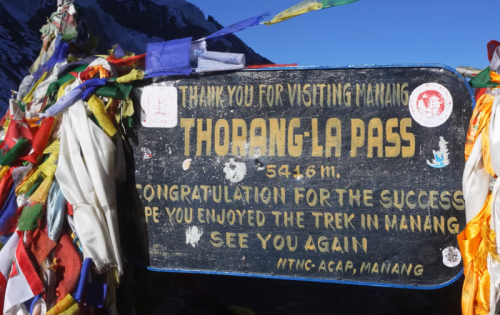
Most people plan the Annapurna Circuit around one single moment: standing under the prayer flags at
Continue Reading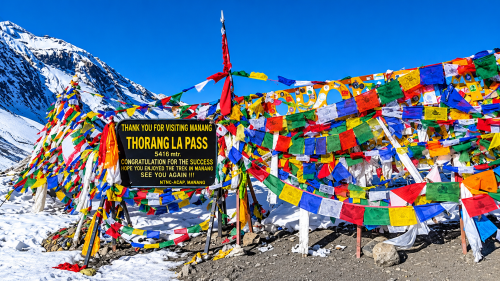
Travelling to Nepal and exploring the Himalayas had been one of our biggest travel dreams. When nine
Continue Reading
Imagine this. You are standing in Namche Bazaar, the horseshoe-shaped Sherpa town at 3,440 metres, w
Continue Reading
Namche Bazaar is where the Everest trail makes its biggest decision. Most trekkers turn right toward
Continue Reading
Nepal is famous for Mount Everest, the Annapurna Himalayas, ancient temples, traditional villages, a
Continue Reading
There is a moment at Annapurna Base Camp when the sun touches the rim of the sanctuary and every pea
Continue Reading