

23 Jul 2026 13 min to read
Nepal is home to some of the world’s highest mountains, deepest valleys, and most challenging trekking routes. While many trekkers dream of reaching Everest Base Camp or Annapurna Base Camp, experienced hikers often seek a greater challenge. For them, the real adventure begins on Nepal’s high mountain passes.
Crossing a high pass is more than just reaching a viewpoint. It is a test of endurance, determination, and mental strength. These passes connect remote valleys, isolated villages, and spectacular mountain landscapes. They take trekkers above 5,000 meters, where the air is thin and every step requires effort.
The reward is unforgettable. Vast Himalayan panoramas, glacial landscapes, colorful prayer flags, and a sense of achievement that few adventures can match.
This guide explores Nepal’s highest trekking passes, what makes them special, and how to prepare for the challenge.
A mountain pass is a route that crosses a mountain ridge and connects two valleys. In Nepal, many trekking passes lie above 5,000 meters. These crossings were originally used by local traders, yak herders, and mountain communities.
Today, they are among the most exciting sections of Himalayan trekking routes.
Unlike regular trails, high passes often involve:
Crossing one pass is challenging. Crossing several during the same trek becomes a true Himalayan adventure.
Many trekkers ask why they should choose a difficult pass crossing instead of a standard trekking route.
The answer is simple.
High passes offer a deeper and more adventurous experience.
You travel through remote landscapes that many visitors never see. The trails are quieter, the scenery is more dramatic, and the feeling of accomplishment is much greater.
High-pass trekking also provides:
For many experienced trekkers, crossing a Himalayan pass becomes the highlight of their Nepal journey.

Kongma La Pass is the highest of the famous Everest Three Passes. At 5,535 meters, it offers one of the most demanding trekking experiences in the Khumbu region.
The trail connects Chhukung Valley with Lobuche and passes through a rugged alpine environment.
The climb is steep and physically demanding. There are long sections of loose rock and glacier terrain. Trekkers often spend several hours above 5,000 meters.
However, the rewards are extraordinary.
From the pass, trekkers enjoy views of:
Compared with Everest Base Camp trails, Kongma La feels remote and wild.
Many trekkers consider it the toughest pass in the Everest region.
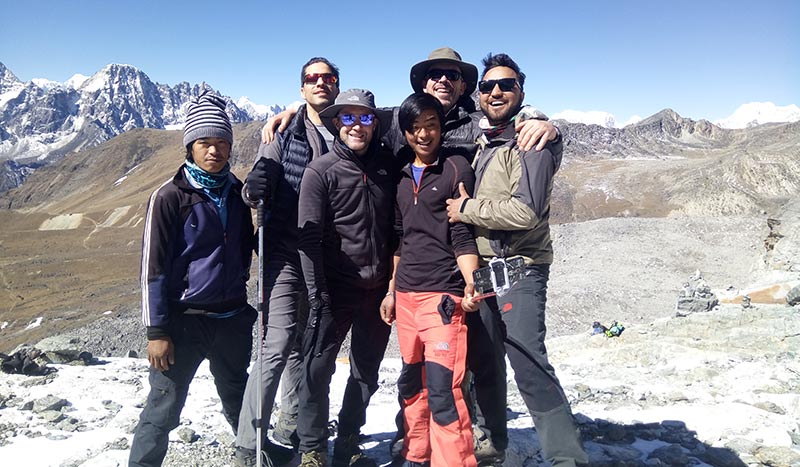
Cho La Pass (5,420m) is one of the most exciting and adventurous high mountain passes in Nepal’s Everest region. It connects the world-famous Everest Base Camp Trek with the beautiful Gokyo Valley and Gokyo Lakes, creating a spectacular route through the heart of the Himalayas.
Crossing Cho La Pass is a rewarding challenge for trekkers seeking more than the standard Everest Base Camp trek. The route features rocky trails, glacier crossings, and breathtaking views of Everest, Lhotse, Nuptse, Ama Dablam, and surrounding Himalayan peaks. For adventure lovers, Cho La Pass offers a perfect combination of stunning scenery, high-altitude trekking, and an unforgettable Himalayan experience.
The trail includes:
Weather plays a major role here. Snow and ice can make the crossing more difficult, especially during winter and early spring.
The views from the pass are unforgettable. Massive peaks surround the trail, creating one of the most dramatic mountain settings in Nepal.
For many trekkers, Cho La Pass provides the perfect combination of challenge and scenery.
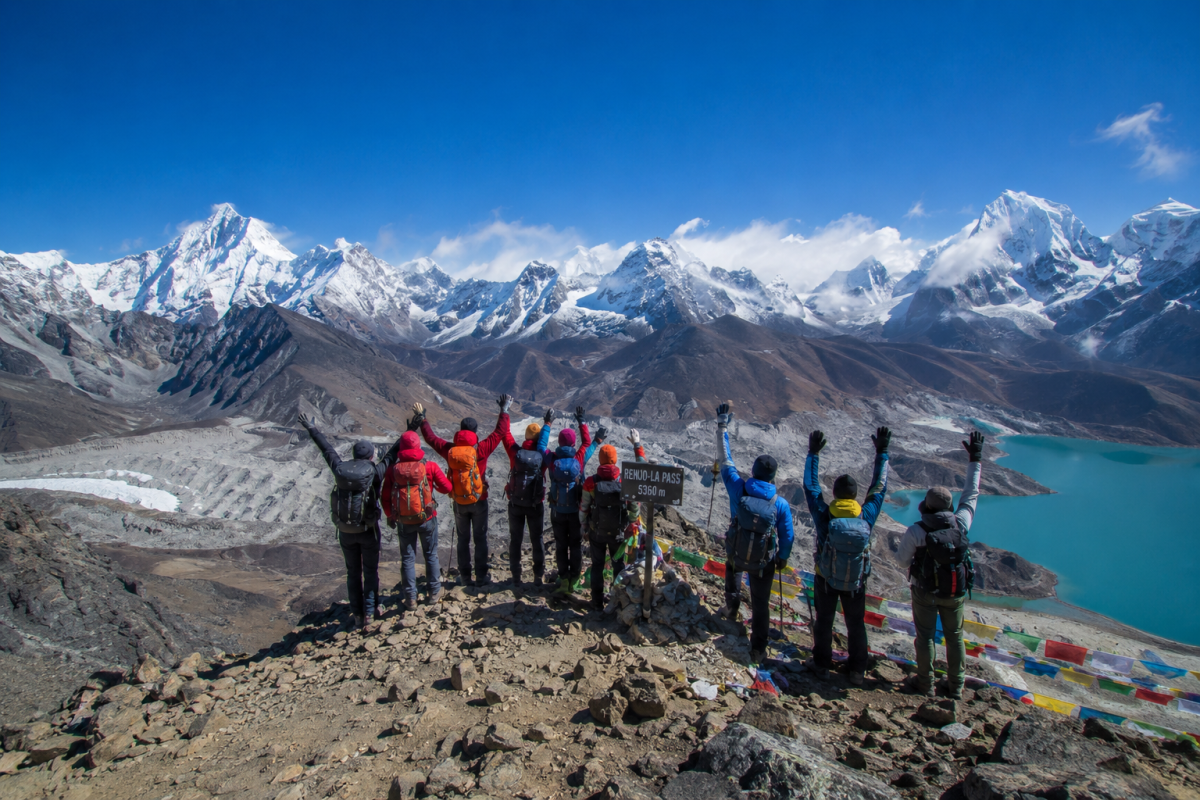
Renjo La Pass is one of the most scenic high passes in the Everest region. Located near the beautiful Gokyo Valley, it offers a quieter and less crowded alternative to other popular trekking routes.
The climb to the pass rewards trekkers with breathtaking panoramic views. Mount Everest, Lhotse, Makalu, Cho Oyu, and countless snow-capped peaks stretch across the Himalayan horizon.
From the top, the turquoise Gokyo Lakes sparkle far below. The sight of the lakes against rugged mountains creates one of the most spectacular landscapes in Nepal.
The charming village of Gokyo sits beside the lakes, surrounded by towering peaks. Combined with nearby Gokyo Ri, Renjo La Pass offers some of the finest mountain views in the entire Everest region.
From the summit, trekkers can see:
The view is one of the finest panoramas in the Himalayas.
Many photographers consider Renjo La a dream location.

Larkya La Pass is the highest and most challenging point of the Manaslu Circuit Trek. This spectacular mountain pass connects the remote Manaslu region with the beautiful Annapurna region, offering an unforgettable Himalayan adventure.
The ascent to the pass is demanding, but the rewards are exceptional. Trekkers are treated to breathtaking views of Mount Manaslu (8,163m), Himalchuli, Cheo Himal, Kang Guru, and many other snow-covered peaks.
Crossing Larkya La Pass is a true highlight of the trek. The dramatic mountain scenery, vast glaciers, and rugged alpine landscapes create one of Nepal’s most memorable high-altitude trekking experiences.
For trekkers seeking a remote, less-crowded, and adventurous Himalayan journey, Larkya La Pass stands among the finest mountain passes in Nepal.
Glaciers, snow-covered peaks, and vast mountain valleys create a wilderness experience that rivals any trek in Nepal.
The pass offers stunning views of:
Larkya La is physically demanding but highly rewarding.

Thorong La Pass is the highest point of the legendary Annapurna Circuit Trek and one of the most famous trekking passes in the Himalayas. Located between Manang and Muktinath, the pass serves as a dramatic gateway connecting the lush valleys of the Annapurna region with the dry, Tibetan-influenced landscapes of Mustang.
The crossing is both physically demanding and incredibly rewarding. Trekkers usually start before sunrise to reach the summit, where they are greeted by spectacular views of the Annapurna Massif, Dhaulagiri, Gangapurna, and numerous surrounding Himalayan peaks. The colorful prayer flags at the top add to the sense of achievement.
What makes Thorong La Pass special is the incredible variety of landscapes experienced along the journey. The route passes through traditional mountain villages, deep river valleys, alpine meadows, and high-altitude deserts, making it one of Nepal’s most diverse and unforgettable trekking adventures.

Amphu Lapcha Pass is one of the highest and most technical trekking passes in Nepal. Located between the Everest and Makalu regions, it is a challenging crossing that attracts experienced trekkers and mountaineers seeking a true Himalayan adventure.
The route passes through remote valleys, rugged glaciers, and steep mountain terrain. Unlike popular trekking passes, Amphu Lapcha often requires the use of ropes and basic climbing skills, making it a more demanding expedition-style journey.
From the pass, trekkers enjoy spectacular views of Everest, Lhotse, Makalu, Ama Dablam, Baruntse, and countless surrounding peaks. Its remote setting, dramatic scenery, and adventurous nature make Amphu Lapcha one of Nepal’s most rewarding high-altitude crossings.
The terrain includes:
Trekkers often require ropes and mountaineering equipment.
Because of its difficulty, Amphu Lapcha is usually attempted by experienced trekkers and climbers.
The scenery is extraordinary. Massive Himalayan peaks surround the route, creating one of Nepal’s most remote and adventurous experiences.
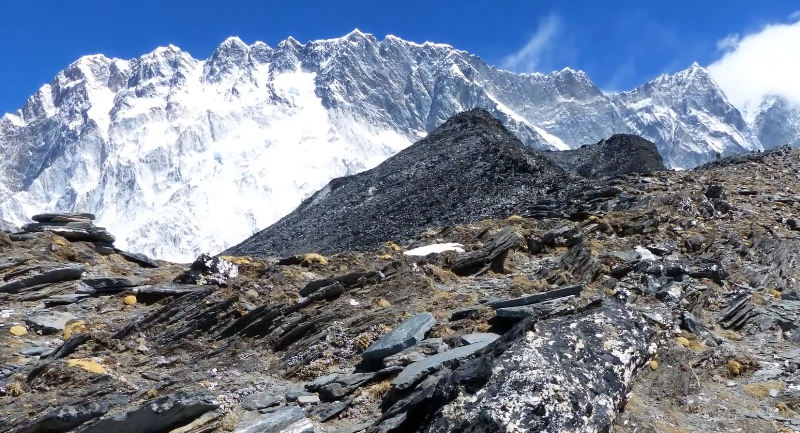
Sherpani Col Pass is one of Nepal’s highest and most demanding alpine passes. Located between the remote Makalu and Everest regions, it is usually crossed as part of a challenging expedition-style trek.
The route traverses rugged glaciers, icy slopes, and remote high-altitude terrain. Trekkers often require mountaineering equipment and previous experience to safely cross the pass.
From the summit area, breathtaking views of Everest, Makalu, Lhotse, Baruntse, and surrounding Himalayan giants unfold. Sherpani Col offers a true wilderness adventure for experienced mountain enthusiasts.
Among Nepal’s major trekking passes, Sherpani Col Pass (6,146m) and Amphu Lapcha Pass (5,845m) are generally considered the most difficult. Unlike traditional trekking routes, these crossings involve glaciers, steep snow and ice slopes, route-finding challenges, and often require the use of ropes and mountaineering equipment. They are suitable only for experienced trekkers and climbers.
For standard trekking routes, Cho La Pass, Larkya La Pass, and Thorong La Pass are physically demanding but do not normally require technical climbing skills. Their main challenges come from high altitude, long walking days, unpredictable weather, and steep ascents and descents.
The difficulty of any pass depends on weather conditions, snow levels, fitness, acclimatization, and trekking experience. While Thorong La and Larkya La are challenging for most trekkers, Sherpani Col and Amphu Lapcha stand in a different category, offering some of Nepal’s most serious and adventurous high-altitude mountain crossings.
Generally, difficulty rankings look like this:
Personal fitness, weather conditions, and acclimatization can significantly influence difficulty. A pass that feels manageable for one trekker may feel extremely challenging for another.
Before attempting Nepal’s high mountain passes, proper preparation is essential for safety and success.
Good preparation significantly increases your chances of safely crossing Nepal’s spectacular high mountain passes and fully enjoying the Himalayan adventure.
Altitude is one of the biggest challenges when trekking in the Himalayas. As you climb higher, the air becomes thinner and contains less oxygen. This makes it harder for your body to function normally and can lead to altitude-related illnesses if you ascend too quickly.
The most common problem is Acute Mountain Sickness (AMS), which often begins above 2,500m. Early symptoms include headache, loss of appetite, dizziness, nausea, unusual tiredness, and difficulty sleeping. These signs should never be ignored, as they can worsen if a trekker continues to climb without proper acclimatization.
The best way to reduce altitude risks is to ascend gradually, stay well hydrated, eat nutritious meals, and include acclimatization days in your itinerary. If symptoms become severe, the safest solution is to descend to a lower altitude immediately. Understanding the risks and respecting the mountain environment are essential for a safe and successful high-altitude trek.
Common symptoms include:
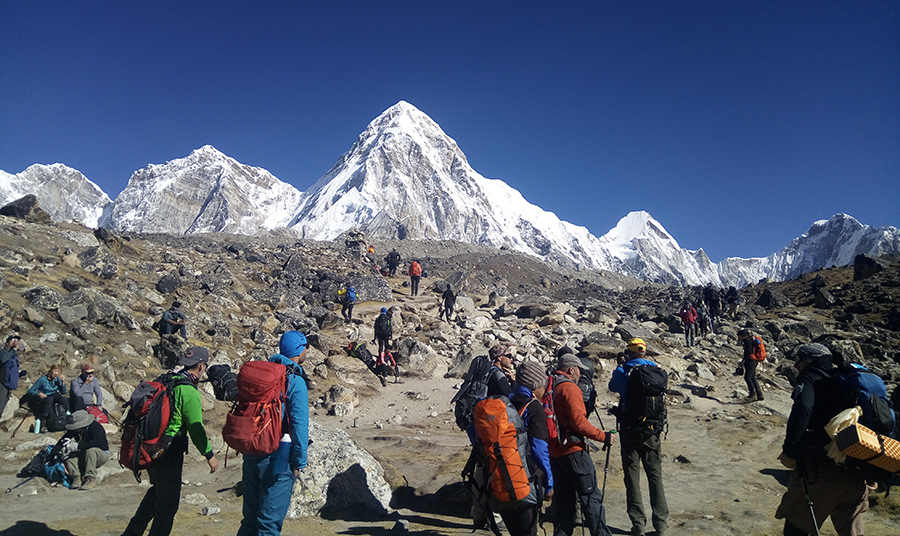
The best time to cross Nepal’s high mountain passes is during the spring (March to May) and autumn (September to November) seasons. These months offer stable weather, clear mountain views, and safer trail conditions. Temperatures are generally comfortable for trekking, while snow and rainfall are usually limited.
Spring brings blooming rhododendron forests, longer daylight hours, and pleasant temperatures at lower elevations. Although some high passes may still have patches of snow early in the season, conditions usually improve as spring progresses.
Autumn is considered the most reliable season for high-pass trekking. After the monsoon, the skies are often crystal clear, visibility is excellent, and trails are dry. This makes popular passes such as Thorong La, Cho La, Kongma La, and Renjo La safer and more enjoyable to cross.
Winter can bring heavy snowfall and icy conditions that may block high passes, while the summer monsoon often creates slippery trails, poor visibility, and increased travel disruptions. For the safest and most rewarding experience, spring and autumn remain the preferred seasons for crossing Nepal’s highest trekking passes.
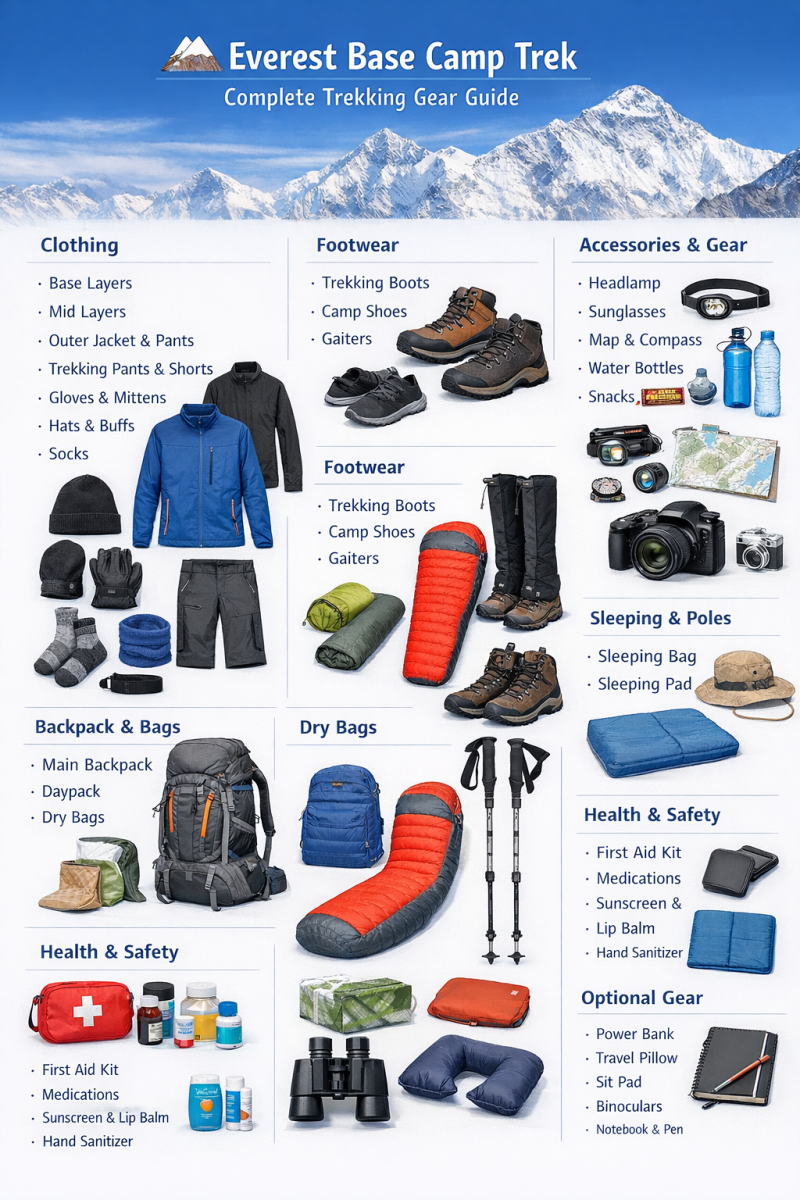
Weather conditions can change rapidly in the Himalayas.
Trekkers should carry:
Quality gear improves both comfort and safety.
Never underestimate cold temperatures above 5,000 meters.
A licensed trekking guide can significantly improve the experience.
Guides understand:
They also help with logistics and decision-making during difficult conditions.For remote passes and challenging routes, hiring a guide is highly recommended. Many trekkers find that a knowledgeable guide adds both safety and enjoyment to the journey.
Nepal’s highest trekking passes offer some of the finest mountain adventures in the world. From the rugged trails of Kongma La and Cho La to the remote challenges of Amphu Lapcha and Sherpani Col, each crossing delivers a unique experience.
These routes are not simply hikes. They are journeys through the heart of the Himalayas. For trekkers seeking adventure, solitude, and unforgettable mountain scenery, few experiences compare to crossing Nepal’s highest trekking passes.
The challenge is real. The effort is demanding. The reward is extraordinary. When you finally stand on a Himalayan pass above 5,000 meters, surrounded by snow-covered giants and fluttering prayer flags, you understand why Nepal remains one of the world’s greatest trekking destinations.

Manaslu Circuit Trek weather is more complicated than simply checking the forecast before leaving Ka
Continue Reading
The Gokyo Lakes Trek is one of the most beautiful trekking journeys in Nepal’s Everest region.
Continue Reading
A clear and honest update for travelers planning Everest, Annapurna, Manaslu, Mustang and other popu
Continue Reading
Manang is one of the most important stops on the Annapurna Circuit Trek. After several days of walki
Continue Reading
If you are wondering where to see red pandas in Nepal, the Langtang region is one of the most releva
Continue Reading
The Everest Base Camp Trek is one of the world’s most famous Himalayan adventures, but many fi
Continue Reading