
29 Jun 2026 10 min to read
The Everest Base Camp Trek is one of the most famous trekking adventures in the world. Every year, thousands of trekkers travel to Nepal with the dream of standing beneath the world’s highest mountain. Before starting the journey, however, many people wonder whether the trail is extremely difficult. The answer may surprise first-time visitors because the trek is not continuously challenging from beginning to end.
Many people imagine that the entire trek involves steep mountain climbing every day. In reality, most of the Everest Base Camp Trek follows gradual valleys, traditional Sherpa villages, suspension bridges, and well-established walking trails. The true challenge comes from a handful of specific sections where the combination of steep climbs and increasing altitude demands extra physical effort and careful pacing.
If you understand where these demanding sections are located, you can prepare both physically and mentally. Instead of worrying about the entire trek, you can focus on managing a few difficult days while enjoying the spectacular Himalayan scenery that surrounds you throughout the journey.
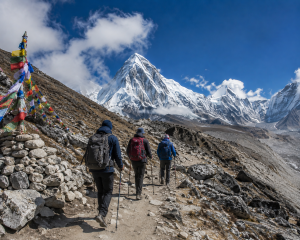
One of the biggest misconceptions about the Everest Base Camp Trek is that every day involves exhausting uphill climbing. Fortunately, this is far from reality. Around eighty percent of the route consists of moderate trekking on established trails that gradually gain elevation through forests, river valleys, and peaceful Sherpa settlements.
Most trekking days last between five and seven hours at a comfortable pace. Guides encourage slow walking, regular breaks, and proper hydration rather than speed. This gradual approach allows your body to adjust naturally to the increasing altitude while reducing fatigue.
The real challenge is not the trail itself but the decreasing oxygen levels as you climb higher into the Khumbu Region. Above 3,500 meters, even gentle slopes begin to feel more demanding. Above 5,000 meters, simple walking requires greater effort because every breath contains significantly less oxygen than at sea level.
Fortunately, only a few sections stand out as genuinely difficult. These are the parts every trekker should prepare for.
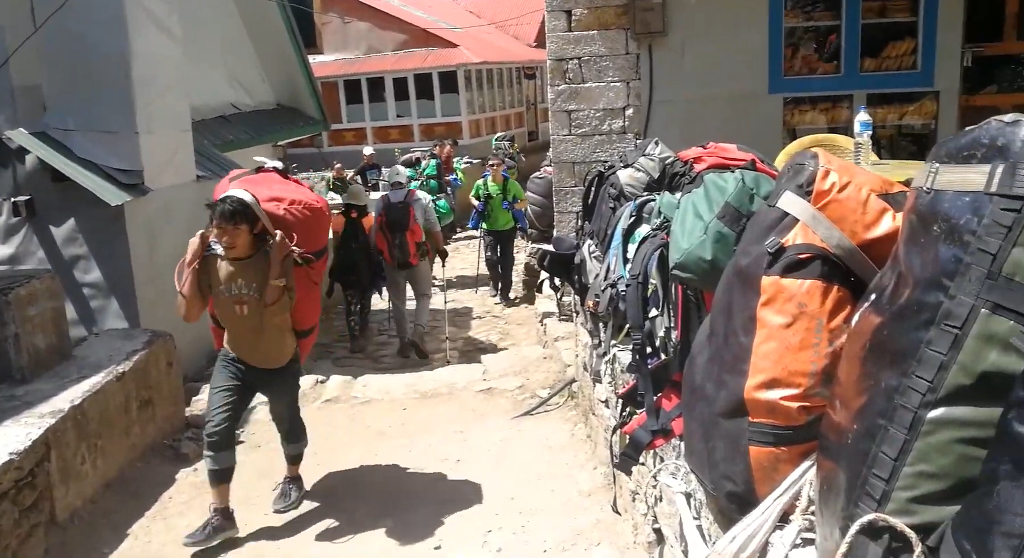
For many trekkers, the climb from Jorsalle to Namche Bazaar becomes the first major physical challenge of the entire journey. After leaving Jorsalle, the trail follows the Dudh Koshi River before crossing the famous Hillary Suspension Bridge. Shortly afterward, the path begins a continuous uphill climb that lasts almost three hours.
Unlike the gentle walking during the first day from Lukla to Phakding, this section gains elevation quickly. The stone staircases, winding switchbacks, and forest trail require steady effort without many flat sections to recover. Although the path is technically straightforward, the continuous ascent makes it surprisingly demanding for first-time trekkers.
This is also the point where many people begin noticing the effects of altitude. Breathing becomes slightly heavier, and maintaining a comfortable rhythm becomes more important than walking quickly. Trekkers who try to rush often become exhausted long before reaching Namche Bazaar.
The best strategy is to walk slowly, take short breaks whenever necessary, and enjoy the beautiful pine forests surrounding the trail. Once you arrive in Namche Bazaar, the spectacular mountain town and your first distant views of Everest make every step worthwhile.
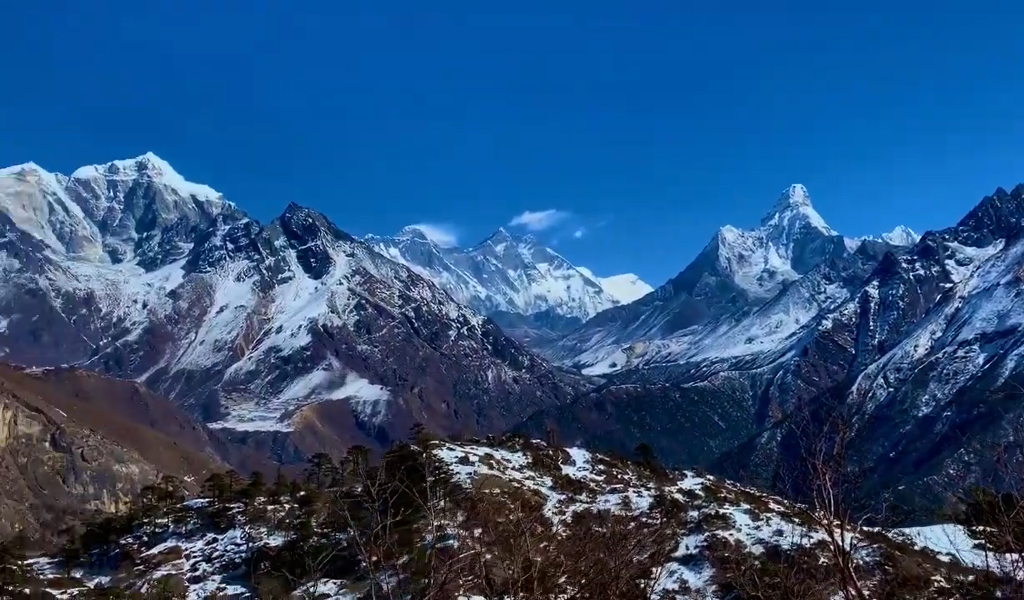
Although many people think the acclimatization day in Namche Bazaar is a rest day, it actually includes one of the steepest short hikes of the trek. The climb from Namche to Hotel Everest View takes approximately two hours and serves an important purpose beyond sightseeing.
The trail climbs steadily above Namche through stone staircases and open hillsides. Since your body is still adapting to the thinner air, this uphill walk often feels more difficult than expected despite its relatively short distance.
However, this hike plays a vital role in successful acclimatization. Trekking guides follow the principle of “climb high and sleep low,” allowing your body to adjust to higher elevations before returning to Namche for the night. This greatly reduces the risk of altitude sickness later in the trek.
The reward at the top is unforgettable. Hotel Everest View offers breathtaking panoramic views of Mount Everest, Ama Dablam, Lhotse, Thamserku, and many other Himalayan peaks. Most trekkers consider this one of the most memorable acclimatization hikes anywhere in Nepal.
If time allows, consider extending your day with a visit to Khumjung Village instead of returning directly to Namche.
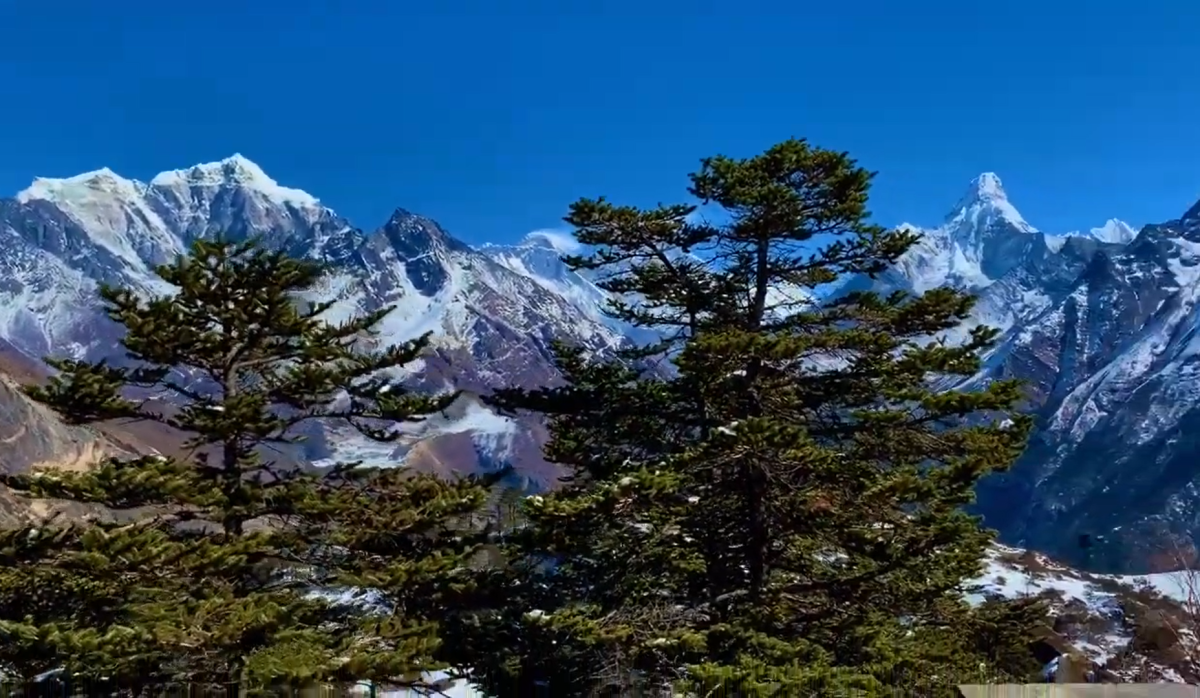
Many itineraries skip Khumjung Village, but spending one night here provides one of the richest cultural experiences of the entire Everest region.
Located above Namche Bazaar, Khumjung remains a traditional Sherpa settlement surrounded by stone houses, potato fields, and magnificent mountain scenery. Unlike the busier trekking villages, Khumjung offers a quieter atmosphere where visitors can observe daily Sherpa life more closely.
One of the village’s highlights is the historic Khumjung Monastery, famous for preserving what local people believe to be the scalp of the legendary Yeti. Whether visitors believe the legend or not, the monastery remains an important spiritual center with centuries of Himalayan Buddhist history.
Nearby, trekkers can also visit the Sir Edmund Hillary School, established to support education within the local community. Spending a night in Khumjung allows you to experience Sherpa hospitality while adding meaningful cultural depth to your Everest Base Camp adventure.
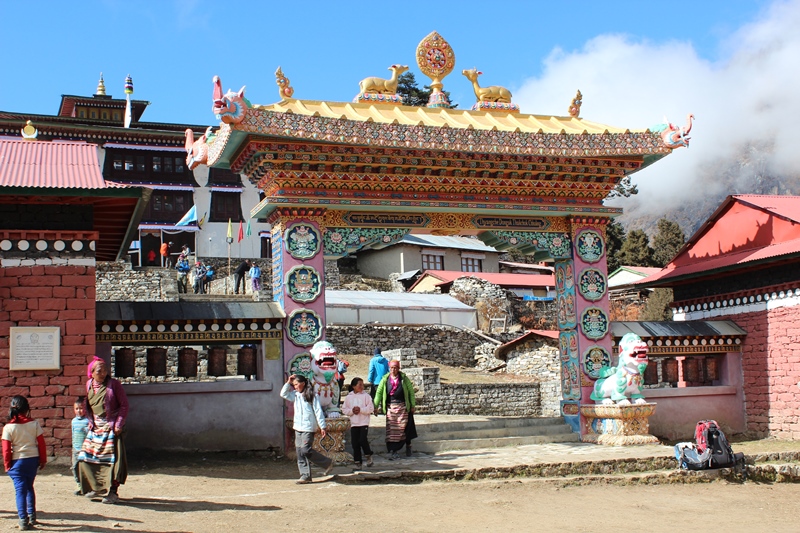
After leaving Namche Bazaar, the trail gradually reaches Phunki Tenga, a small riverside settlement at approximately 3,200 meters. From here begins another section that many experienced guides describe as one of the steepest sustained climbs on the entire Everest Base Camp Trek.
The ascent to Tengboche takes around two hours and climbs continuously through beautiful rhododendron forests and pine trees. Although the scenery is spectacular, the trail offers very few flat sections where trekkers can recover.
Because this climb occurs after several days of trekking, tired legs often make it feel even steeper than it actually is. Fortunately, the forest provides welcome shade during warmer months, making the ascent more comfortable than exposed mountain trails.
Reaching Tengboche Monastery is one of the highlights of the Everest region. Surrounded by towering Himalayan peaks, the monastery offers breathtaking views of Everest, Ama Dablam, Nuptse, and Lhotse while providing a peaceful spiritual atmosphere unlike anywhere else along the route.
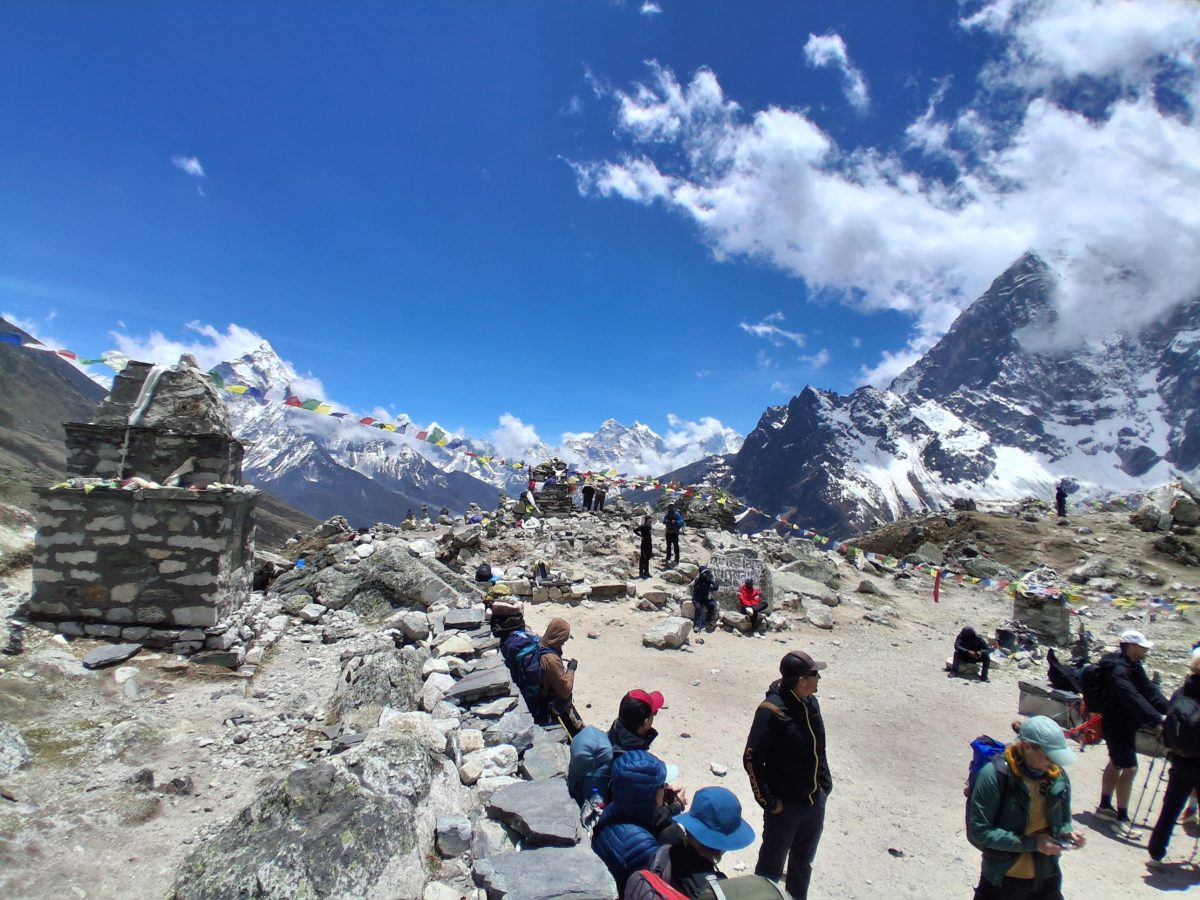
As trekkers continue beyond Dingboche and Lobuche, they eventually arrive at the small settlement of Dughla. From here begins another famous challenge known as Dughla Pass, often called Memorial Hill.
Although this section lasts only about one hour, many trekkers describe it as one of the toughest climbs of the journey. The trail rises steeply over loose rocks while the altitude exceeds 4,800 meters. At this elevation, every step requires noticeably greater effort than earlier sections of the trek.
The emotional significance of Memorial Hill makes this climb especially memorable. At the top stand numerous memorials dedicated to climbers and Sherpas who lost their lives on Mount Everest. These stone monuments remind visitors of both the beauty and the dangers of the world’s highest mountain.
After reaching the top, trekkers usually spend time quietly reflecting before continuing across the glacier valley toward Lobuche.
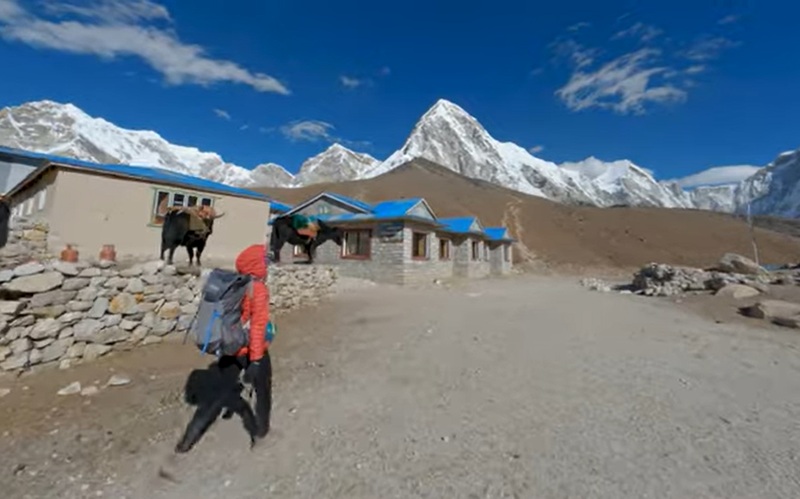
The hike from Gorakshep to Everest Base Camp is often anticipated as the highlight of the entire journey. However, it is also one of the most physically demanding sections because it takes place above 5,100 meters where oxygen levels are significantly lower.
The round-trip hike generally requires around four hours depending on weather conditions and individual walking speed. Unlike lower parts of the trail, the route follows rocky glacial moraine with constant ups and downs rather than a simple uphill climb.
Trekkers frequently underestimate this section because the distance appears relatively short. In reality, every step requires patience, slow breathing, and careful footing across uneven rocks beside the Khumbu Glacier.
Reaching Everest Base Camp is an unforgettable achievement. Standing among colorful expedition tents during the climbing season while surrounded by enormous Himalayan peaks creates memories that last a lifetime.

If experienced guides were asked to choose the single most difficult trail on the Everest Base Camp Trek, many would immediately answer Kala Patthar.
Starting early in the morning or late afternoon, trekkers climb steadily from Gorakshep toward the famous viewpoint at approximately 5,545 meters. The trail consists of steep rocky slopes with loose stones and extremely thin air.
This climb lasts about two hours, but the combination of altitude, cold temperatures, and accumulated fatigue makes it feel much longer. Many trekkers pause every few minutes simply to catch their breath.
Despite the challenge, Kala Patthar rewards every step with what many consider the finest panoramic view of Mount Everest. Unlike Everest Base Camp itself, Kala Patthar provides an unobstructed view of the summit, making it one of the most photographed viewpoints in the Himalayas.
For many visitors, reaching Kala Patthar becomes the true highlight of the entire expedition.
Many first-time trekkers assume steep trails create the greatest challenge. In reality, altitude is the biggest obstacle during the Everest Base Camp Trek.
Below Namche Bazaar, most healthy hikers can comfortably complete each day’s walk. Above 4,000 meters, however, oxygen levels decrease significantly. Muscles receive less oxygen, breathing becomes heavier, and even gentle slopes require greater effort.
This explains why the relatively short walk between Gorakshep and Everest Base Camp often feels harder than much longer hikes at lower elevations.
The solution is not physical strength alone. Walking slowly, drinking enough water, eating nutritious meals, and allowing proper acclimatization are far more important than speed.
Many trekkers finish Everest Base Camp wishing they had spent more time exploring the Khumbu region. Fortunately, there are excellent extension options for those with additional days available.
If you have approximately three extra days after completing Everest Base Camp, returning to Dingboche allows you to continue toward Chhukung and attempt Island Peak.
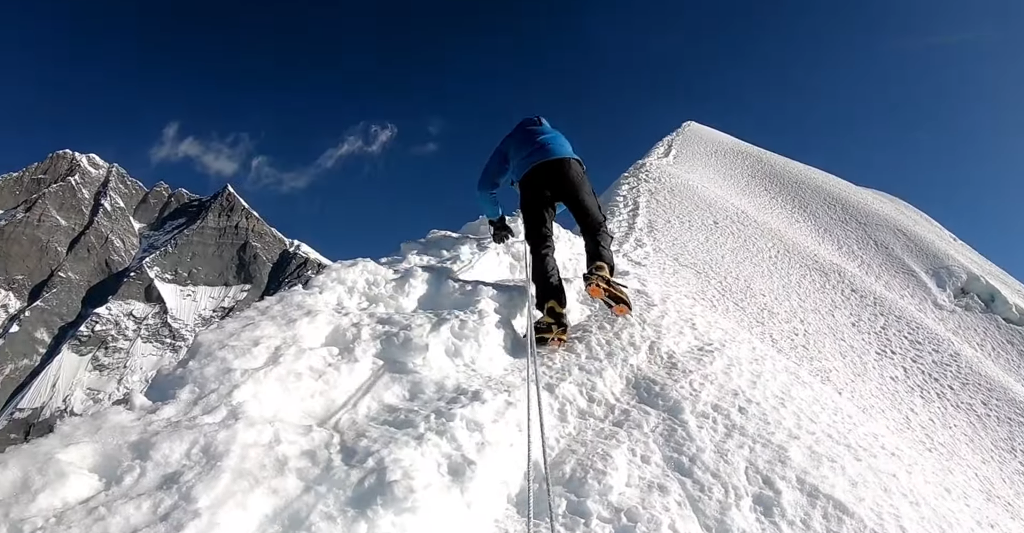
Island Peak is Nepal’s most popular trekking peak and provides an excellent introduction to Himalayan mountaineering. Climbers receive basic climbing instruction before ascending glaciers, fixed ropes, and snow slopes to reach the summit.
For adventurous trekkers, combining Everest Base Camp Trek with Island Peak Climbing creates one of Nepal’s most rewarding Himalayan experiences.
Another excellent option is Mera Peak, Nepal’s highest trekking peak.
Unlike Island Peak, Mera Peak usually requires returning to Lukla before beginning a separate itinerary toward the Hinku Valley. Although it demands additional trekking days, Mera Peak rewards climbers with extraordinary panoramic views of Everest, Lhotse, Makalu, Cho Oyu, and Kanchenjunga from its spectacular summit.
Trekkers looking for a greater mountaineering challenge often choose Mera Peak after successfully completing Everest Base Camp.

Preparing properly makes every difficult section significantly easier.
Train your legs through hiking, stair climbing, cycling, or jogging several weeks before arriving in Nepal. Good cardiovascular fitness allows your body to adapt more comfortably to long trekking days.
Always walk at your own pace instead of trying to match faster trekkers. The Everest Base Camp Trek rewards patience rather than speed.
Drink at least three to four liters of water daily, eat carbohydrate-rich meals, and never skip acclimatization hikes. Trekking poles also reduce pressure on your knees during steep descents while improving stability on rocky trails.
Finally, listen carefully to your guide regarding altitude symptoms. Descending early is always safer than ignoring signs of Acute Mountain Sickness.
There is a moment on every Everest trek when your legs have an opinion. For most people, it arrives
Continue Reading
If you are asking how difficult the Everest Three Passes Trek is, the honest answer is this: it is t
Continue Reading
My name is Peng Chang, and I travelled to Nepal from Malaysia with a small group of friends. Before
Continue Reading
In this story Why I Chose Everest Base Camp My name is Chyling, and I come from Malaysia, a country
Continue Reading
Ask anyone who has finished the Annapurna Circuit which day they remember most, and the answer is al
Continue Reading
Introduction Kathmandu doesn’t ease you in. You step out of the airport into a chorus of horns
Continue Reading