
25 Jun 2026 7 min to read
The Everest Base Camp Trek is much more than a journey to the foot of the world’s highest mountain. Along the trail, trekkers pass through a series of historic Sherpa villages, each with its own unique story, culture, and meaning. From the bustling mountain town of Lukla to the windswept settlement of Gorakshep, every village name reflects a connection to the landscape, local traditions, and centuries of Himalayan history.
Many visitors walk through these villages without realizing that their names often describe natural features such as meadows, forests, rivers, grazing lands, or sacred places. These names were not chosen randomly. They developed over generations as Sherpa communities named locations according to the environment that surrounded them and the way people lived in the mountains.
Understanding the meanings behind these village names adds a deeper cultural dimension to the Everest Base Camp trek. It allows trekkers to see the Khumbu region not only as a destination of spectacular peaks and glaciers but also as the homeland of the Sherpa people, whose language, traditions, and spiritual beliefs remain closely tied to the landscape. In this guide, we explore the origins, meanings, altitudes, and highlights of the most important villages along the Everest Base Camp route, from Lukla to Gorakshep.
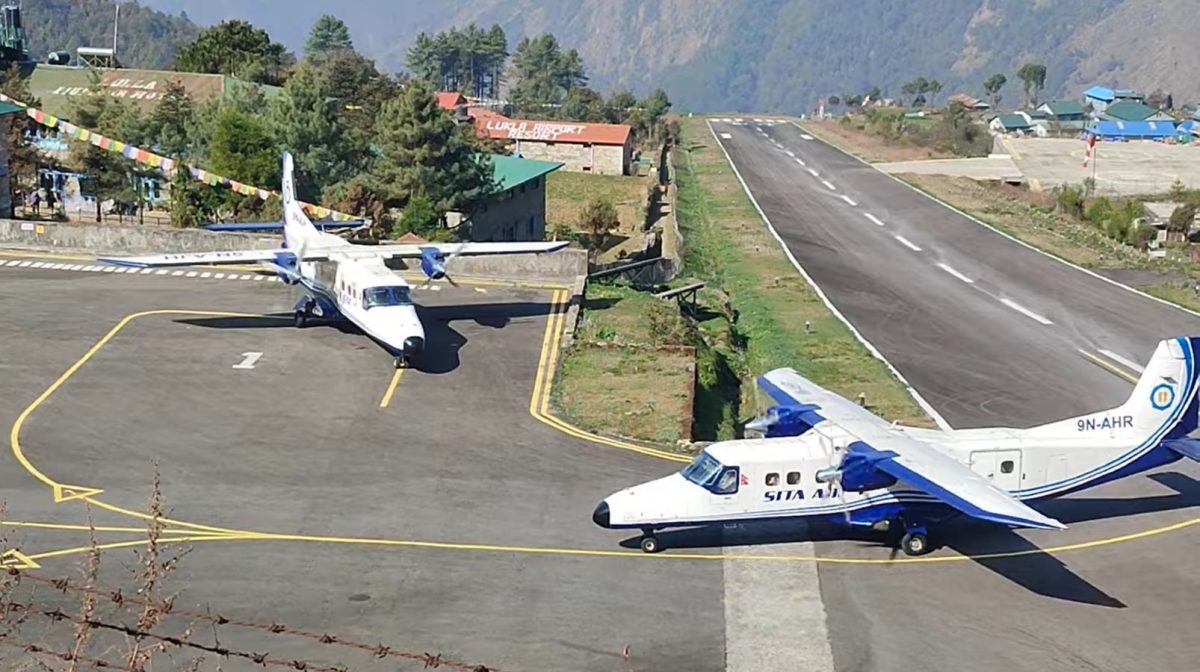
Lukla is believed to come from the Sherpa words Lu (sheep or goats) and La (high place or pass). Long before airplanes arrived, this area was used as grazing land for livestock. The name reflects the village’s pastoral history rather than its modern role as an aviation hub.
Today, Lukla is known as the gateway to Everest. Almost every trek to Everest Base Camp begins here. Despite its fame, the original meaning reminds visitors that Lukla was once simply a mountain grazing settlement.
Highlights

The exact origin is uncertain. Many local interpretations connect Phak with pig or wild boar and Ding with field or open ground. This would make the name mean something like “pig field” or “place where pigs grazed.”
Located beside the Dudh Koshi River, Phakding sits in a fertile valley. Historically it provided farmland, water, and resting places for traders moving through the Khumbu.
Highlights
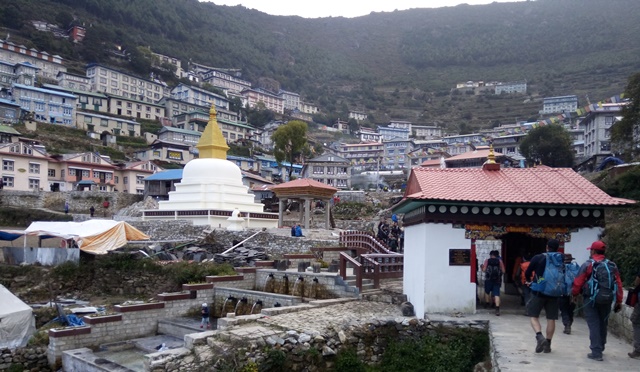
The exact meaning of Namche remains debated, but it is generally associated with a high-altitude settlement. The word “Bazaar” was added later because the village became the main trading center of the Khumbu.
For centuries, Tibetan and Nepali traders exchanged salt, wool, grain, livestock, and household goods here. Namche eventually grew into the economic heart of the Everest region.
The village’s natural bowl-shaped setting provides protection from strong winds and offers magnificent views of surrounding peaks.
Highlights
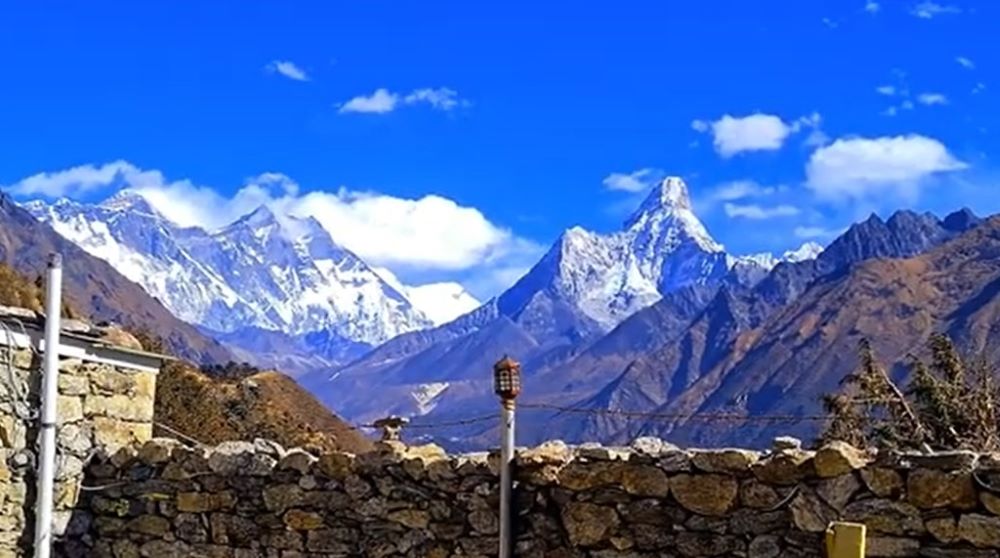
Khumjung lies beneath the sacred mountain Khumbila, the protector deity of the Sherpa people. The name is generally associated with a curved or enclosed valley surrounded by mountains.
The village sits on a broad green plateau unlike the steep terrain found elsewhere in the Khumbu. This natural setting likely influenced the village’s name.
Khumjung is considered one of the oldest and most culturally important Sherpa settlements in Nepal.
Highlights
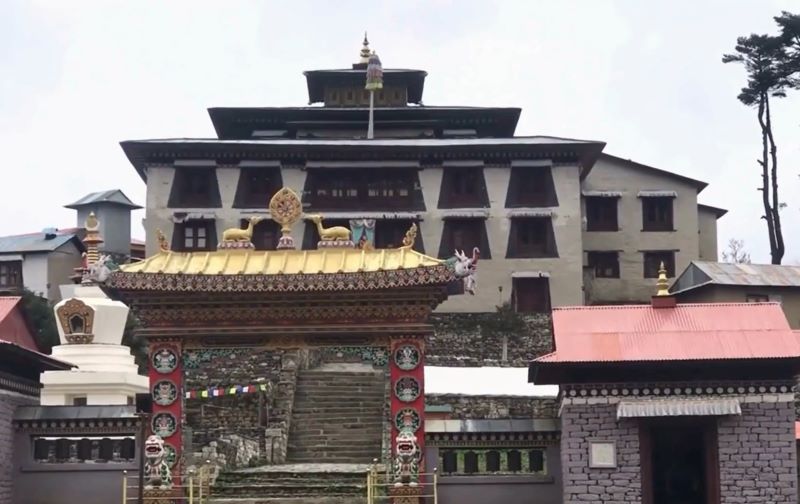
Tengboche is usually translated as “hill of juniper” or “place of juniper trees.” Before the monastery was established, the ridge was covered with sacred juniper vegetation.
In Tibetan Buddhism, juniper is burned during religious ceremonies as incense. The name therefore has both environmental and spiritual significance.
Today, Tengboche Monastery is the most important monastery in the Everest region and a major center of Sherpa Buddhism.
Highlights
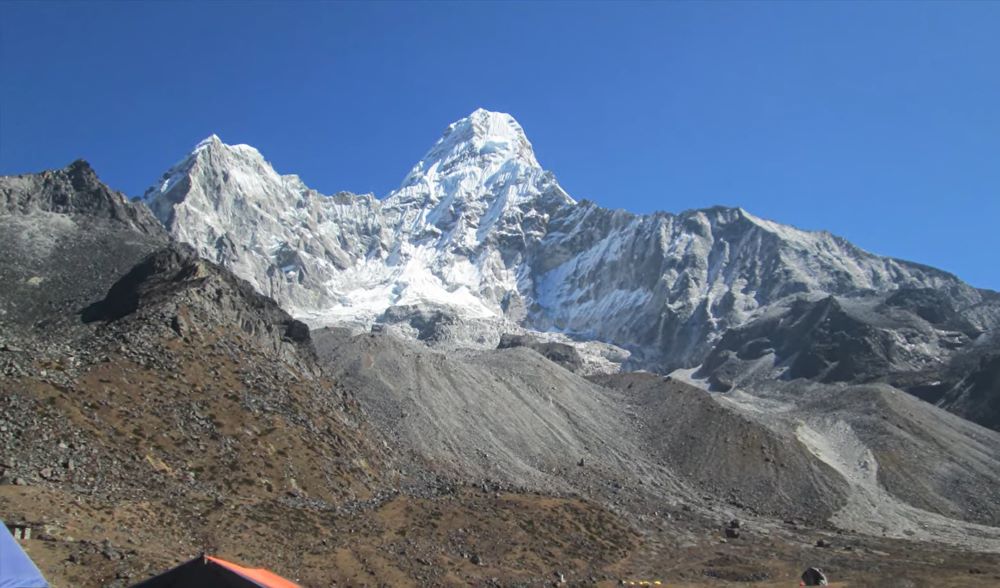
The name Deboche is commonly linked with a heavily forested landscape. The village sits among rhododendron, fir, and pine forests just below Tengboche.
Historically, travelers stopped here while moving between lower and upper Khumbu. The forests provided shelter from wind and weather.
Today, Deboche remains one of the quietest settlements on the Everest trail.
Highlights
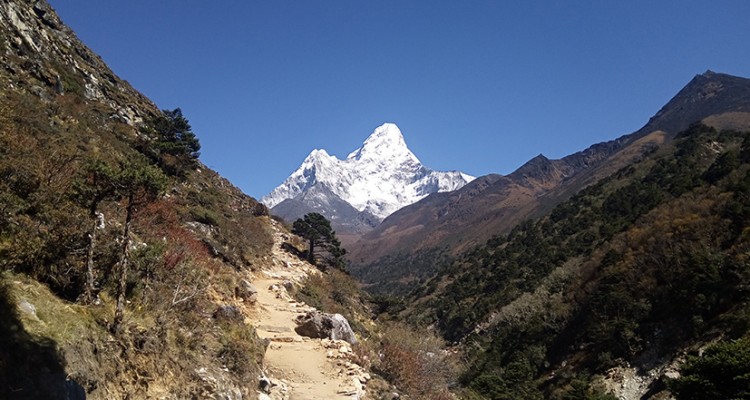
The first part of the name, Pang, means meadow, pasture, or grassy plain. Pangboche is therefore usually interpreted as “large meadow” or “big pasture.”
This meaning perfectly matches the landscape. The area contains wide grazing grounds where yaks have been raised for generations.
Pangboche is among the oldest Sherpa villages in the Khumbu and preserves many traditional customs.
Highlights
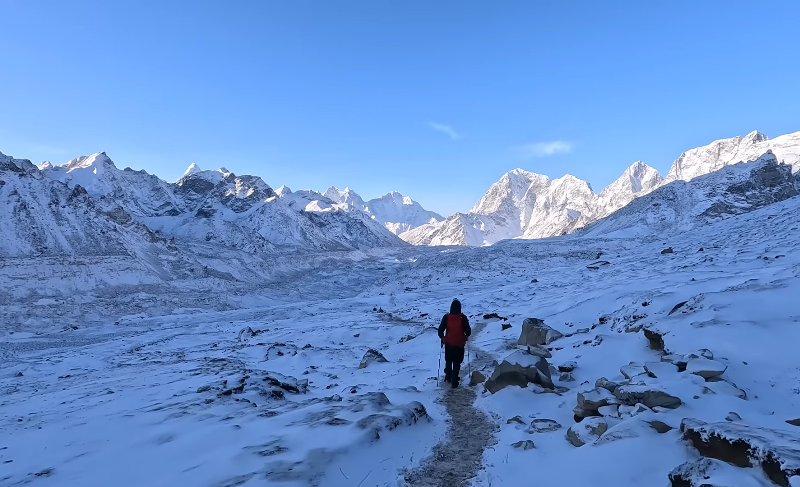
The exact meaning of Pheriche is uncertain, but many local explanations connect it to an open valley floor or wide plain.
Unlike villages surrounded by forests, Pheriche stands in a broad glacial valley. Strong winds and open terrain dominate the landscape.
The settlement developed as a seasonal grazing area before becoming an important acclimatization stop for trekkers and climbers.
Highlights
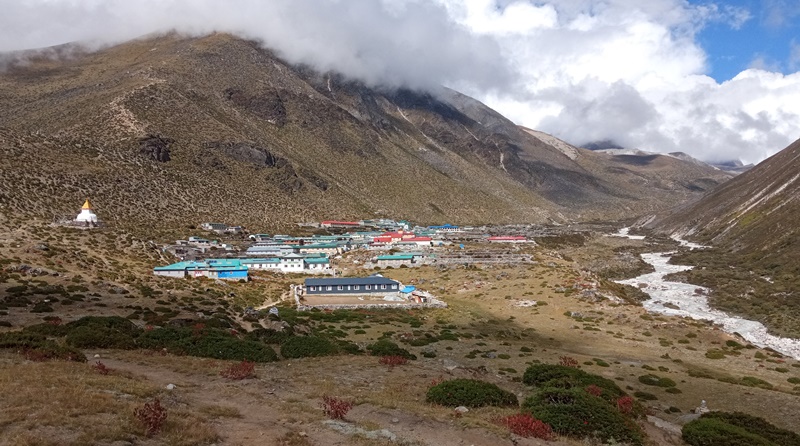
In Tibetan-related languages, Ding often refers to a high plain, elevated field, or alpine meadow. Dingboche occupies exactly such a landscape.
The village sits above the tree line and is surrounded by stone-walled fields. These walls protect crops from wind and livestock.
Dingboche represents one of the highest permanent agricultural settlements in the Everest region.
Highlights

The exact origin of Dughla remains unclear. Local interpretations often connect the name with a route junction or mountain crossing area.
Historically, yak caravans passed through this point while carrying supplies to higher settlements and grazing grounds.
Although small, Dughla occupies an important location on the trail to Everest Base Camp.
Highlights
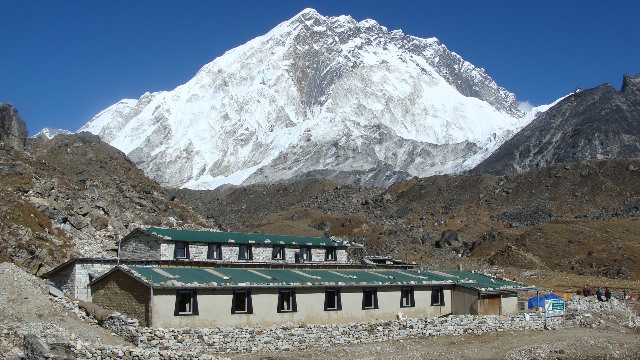
Lobuche is one of the most mysterious names in the Khumbu. Some researchers connect it with a local personal name, while others believe it refers to nearby landscape features.
Over centuries, the original meaning may have been lost as pronunciations and dialects changed. This is common among old Himalayan place names.
The village developed near the Khumbu Glacier and serves as a crucial stop before Gorakshep.
Highlights
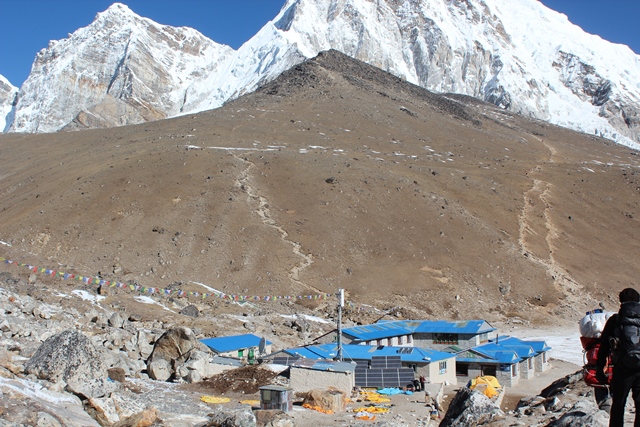
Gorakshep is generally translated as “dead ravens” or “place of dead crows.” In Tibetan, Gorak refers to a raven or crow, while Shep means dead.
The harsh environment may explain the name. The area is a barren glacial basin where food and shelter for wildlife are extremely limited.
Before the glacier shifted, Gorakshep was once used as the original Everest Base Camp by early expeditions.
Highlights
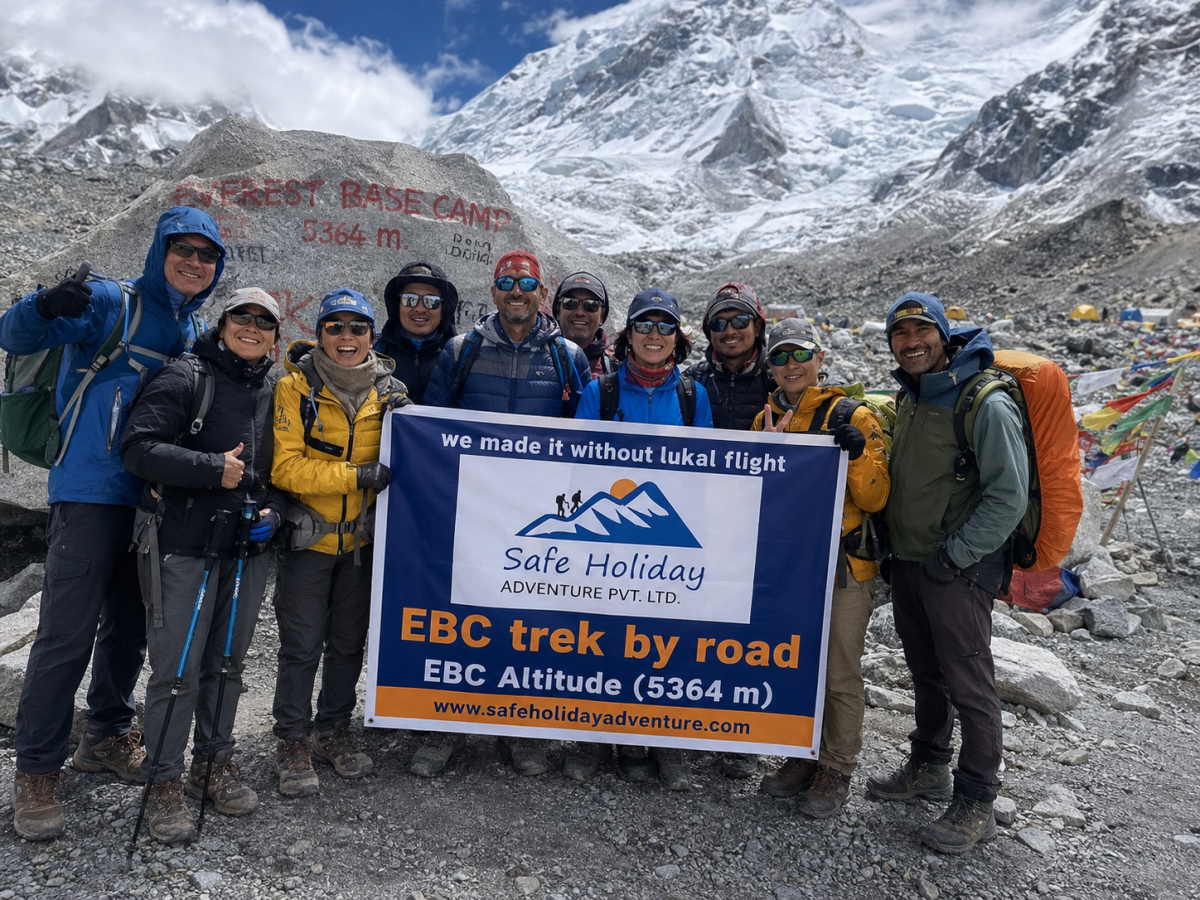
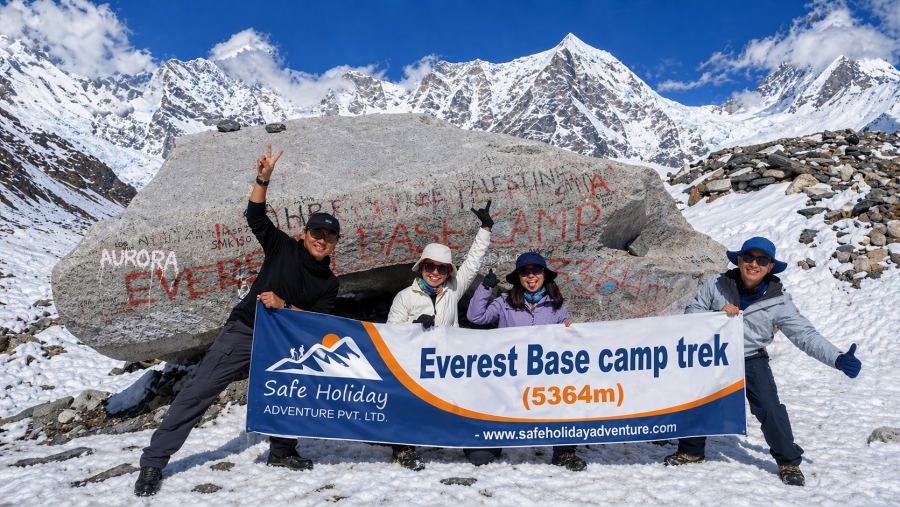
Everest Base Camp is not a permanent village and therefore does not have an ancient Sherpa settlement name. It is a seasonal campsite used by climbers and support teams.
The mountain itself is called Sagarmatha in Nepali and Chomolungma, meaning “Goddess Mother of the World,” in Tibetan. The route leading here passes through villages whose names preserve centuries of Sherpa culture and mountain history.
Highlights
If you are wondering where to see red pandas in Nepal, the Langtang region is one of the most releva
Continue Reading
The Everest Base Camp Trek is one of the world’s most famous Himalayan adventures, but many fi
Continue Reading
When trekkers arrive at Tenzing-Hillary Airport in Lukla, they are entering one of the world’s
Continue Reading
Langtang National Park is one of Nepal’s most accessible Himalayan protected areas, combining spec
Continue Reading
Island Peak Climbing for Beginners: Everything You Need to Know Before You Go Standing on a 6,189-me
Continue Reading
The global tourism industry recently turned its attention toward Nepal after Shinta Mani Mustang rec
Continue Reading