
24 Apr 2018 11 min to read
Nepal is one of the world’s most popular destinations for Himalayan trekking, offering routes for different levels of experience, fitness, budget, and travel time. From short village walks to challenging high-altitude adventures, there is a trekking route for almost every type of traveler.
If you are looking for easy treks in Nepal, you do not need to spend several weeks in the mountains. Several shorter routes allow you to enjoy spectacular Himalayan scenery, traditional villages, local culture, forests, and comfortable teahouse accommodation within a limited number of days.
Longer adventures such as the Everest Base Camp Trek, Gokyo Valley Trek, and Annapurna Circuit Trek require more time, preparation, and physical endurance. For first-time trekkers, families, students, or travelers with limited vacation time, a shorter Himalayan trek can be a more practical choice.
Among the popular short and relatively accessible trekking routes in Nepal are:
Each trek offers a different experience. Poon Hill is known for sunrise and Annapurna mountain views, Langtang combines Himalayan scenery with Tamang culture, while the Everest View Trek introduces travelers to the Khumbu region and Sherpa communities without requiring a long journey to Everest Base Camp.
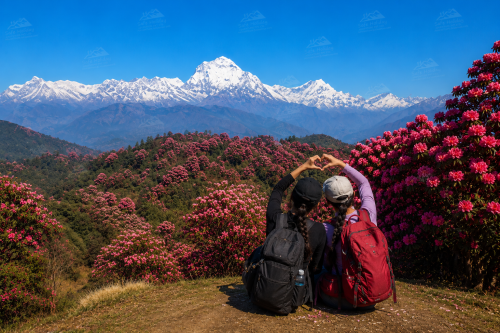
Poon Hill Trek is one of the most popular short treks in the Annapurna region of Nepal. It is especially well known for its spectacular sunrise views over the Annapurna and Dhaulagiri mountain ranges.
The trek usually begins near Pokhara and passes through traditional villages, terraced farmland, forests, and rhododendron-covered hills. Along the route, trekkers can experience the culture and hospitality of the Gurung and Magar communities.
The trail includes some steep stone steps, particularly around Ulleri, but the relatively short trekking days make the route manageable for many first-time trekkers with a reasonable level of fitness.
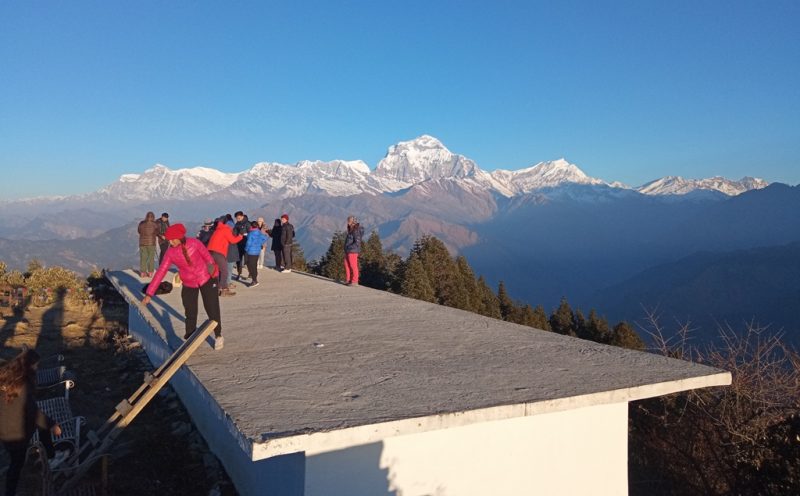
The highest point is Poon Hill at 3,210 meters (10,531 feet). Early in the morning, trekkers hike to the viewpoint to watch the sun rise over peaks such as Annapurna South, Dhaulagiri, and Machhapuchhre (Fishtail).
A standard Ghorepani Poon Hill itinerary can be completed in around 3 to 5 days, depending on the starting point, walking pace, and route chosen.
The best seasons for the Poon Hill Trek are generally spring and autumn.
March to May offers mild trekking conditions, colorful rhododendron forests, and good mountain visibility. September to November usually brings stable weather, clearer skies, and excellent Himalayan views.
The trek is possible outside these seasons, but conditions can be different. The winter months can bring cold temperatures and occasional snow at higher elevations, while the monsoon season from June to August can bring rain, muddy trails, clouds, and reduced mountain visibility.
Day 1: Drive from Pokhara to Nayapul and trek to Tikhedhunga or Ulleri
Day 2: Trek to Ghorepani
Day 3: Sunrise at Poon Hill and trek to Tadapani
Day 4: Trek to Ghandruk and drive to Pokhara
Note: The itinerary can be adjusted according to your walking pace, available time, road conditions, and preferred route.
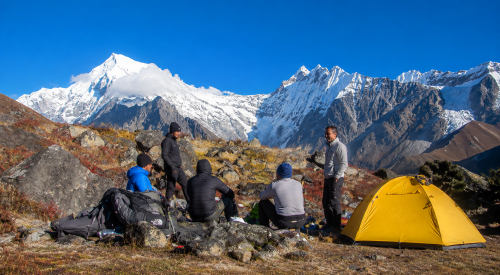
The Langtang Valley Trek is one of the most accessible Himalayan trekking routes from Kathmandu. The journey takes you north of the Kathmandu Valley into the beautiful Langtang region, where dramatic mountain scenery combines with traditional Tamang culture.
The trek begins at Syabrubesi and follows the Langtang River through forests of oak, rhododendron, bamboo, and pine. As the trail gains elevation, the landscape changes from green forests and villages to open valleys surrounded by snow-covered Himalayan peaks.
The region is home to the Tamang people, whose culture, Buddhist traditions, architecture, food, and hospitality are an important part of the trekking experience.
One of the major destinations is Kyanjin Gompa at about 3,870 meters, a scenic settlement surrounded by impressive mountain peaks. Trekkers can explore the monastery area, visit the local yak cheese production area, and take optional day hikes to higher viewpoints.
The Langtang Valley Trek generally takes around 7 to 10 days, depending on the itinerary and whether you include an additional viewpoint such as Tserko Ri.
Although shorter than many major Himalayan treks, Langtang is not a completely effortless trek. The route includes several days of uphill and downhill walking, so reasonable fitness and preparation are recommended.
The main trekking seasons for Langtang are spring and autumn.
March to May is popular for pleasant temperatures, flowering rhododendrons, and good mountain scenery.
September to November generally provides stable weather, clear mountain views, and comfortable trekking conditions.
The trek can also be undertaken during other months, but winter can bring cold temperatures and snow at higher elevations. During the monsoon season from June to August, rain, muddy trails, clouds, and landslides can affect travel conditions.
Day 1: Drive from Kathmandu to Syabrubesi
Day 2: Trek from Syabrubesi to Lama Hotel
Day 3: Trek from Lama Hotel to Langtang Village
Day 4: Trek from Langtang Village to Kyanjin Gompa
Day 5: Explore Kyanjin Gompa and optional hike to Tserko Ri
Day 6: Trek from Kyanjin Gompa to Lama Hotel
Day 7: Trek from Lama Hotel to Syabrubesi
Day 8: Drive from Syabrubesi to Kathmandu
Note: The itinerary can be shortened or extended depending on the traveler’s schedule, walking ability, weather, and preferred acclimatization plan.
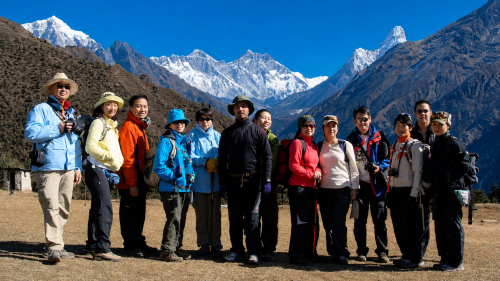
The Everest View Trek is a short trekking option in the Everest region for travelers who want to experience the Khumbu without committing to the longer Everest Base Camp Trek.
The journey normally begins with a flight to Lukla, followed by trekking through villages such as Phakding and Namche Bazaar. The route passes through Sagarmatha National Park, where trekkers can experience spectacular mountain scenery and the distinctive culture of the Sherpa people.
Namche Bazaar is one of the most important stops on the route. The lively mountain town is surrounded by Himalayan peaks and provides an excellent opportunity to experience Sherpa culture and mountain life.
One of the main attractions is the Everest View Hotel area, from where trekkers can see Mount Everest along with Ama Dablam, Thamserku, Lhotse, and other Himalayan peaks.
The Everest View Trek is short compared with the Everest Base Camp Trek, but it should not be considered completely easy. The route reaches elevations above 3,500 meters, so proper acclimatization and a gradual walking pace are important.
The most popular seasons for the Everest View Trek are spring and autumn.
March to May generally provides pleasant trekking conditions, flowering rhododendrons, and good mountain views.
September to November is another popular period because of generally stable weather and clear Himalayan scenery.
Winter is possible for experienced and well-prepared trekkers, but temperatures can be very cold and snow may affect higher sections of the route. During the monsoon, rain and cloud can affect both trekking conditions and mountain visibility.
Day 1: Fly from Kathmandu to Lukla and trek to Phakding
Day 2: Trek from Phakding to Namche Bazaar
Day 3: Acclimatization and Everest View Hike
Day 4: Trek from Namche Bazaar to Tengboche
Day 5: Trek from Tengboche to Namche Bazaar
Day 6: Trek from Namche Bazaar to Lukla
Day 7: Fly from Lukla to Kathmandu
The best trek depends on your available time, preferred scenery, fitness level, and interest in local culture.
Poon Hill Trek is a practical choice for travelers who want a short Himalayan experience from Pokhara, spectacular sunrise views, traditional villages, and relatively lower elevations.
Langtang Valley Trek is suitable for travelers who want a longer Himalayan experience close to Kathmandu, with Tamang culture, mountain scenery, forests, and the opportunity to explore Kyanjin Gompa.
Everest View Trek is a good option for travelers who want to experience the famous Everest region, Sherpa culture, Namche Bazaar, and views of Mount Everest without trekking all the way to Everest Base Camp.
All three routes offer a different way to experience Nepal’s mountains. Rather than choosing a trek simply because it is described as “easy,” consider the walking hours, maximum altitude, number of trekking days, accommodation, transportation, and your own fitness level before making a decision.
Nepal has trekking routes for both experienced adventurers and travelers who prefer shorter Himalayan journeys. You do not need to spend several weeks at high altitude to enjoy the country’s mountain scenery and local culture.
The Poon Hill Trek, Langtang Valley Trek, and Everest View Trek are three popular options for travelers looking for shorter Himalayan adventures. Each route offers mountain views, traditional villages, local food, teahouse stays, and an opportunity to experience life in the Nepalese Himalayas.
With suitable preparation, a realistic itinerary, and an experienced local guide, a short trek can become a memorable introduction to trekking in Nepal.
There is a moment on every Everest trek when your legs have an opinion. For most people, it arrives
Continue Reading
If you are asking how difficult the Everest Three Passes Trek is, the honest answer is this: it is t
Continue Reading
My name is Peng Chang, and I travelled to Nepal from Malaysia with a small group of friends. Before
Continue Reading
In this story Why I Chose Everest Base Camp My name is Chyling, and I come from Malaysia, a country
Continue Reading
Ask anyone who has finished the Annapurna Circuit which day they remember most, and the answer is al
Continue Reading
Introduction Kathmandu doesn’t ease you in. You step out of the airport into a chorus of horns
Continue Reading