

27 Jun 2026 12 min to read
Planning an Annapurna Base Camp Trek is one of the most exciting decisions for anyone dreaming of exploring the Himalayas. Every year, thousands of trekkers travel to Nepal to stand beneath the towering peaks of the Annapurna Massif, experience traditional mountain villages, and witness breathtaking Himalayan landscapes. However, one important question arises before booking the trip: What is the best month for the Annapurna Base Camp Trek?
The answer depends on your expectations. Some trekkers prioritize crystal-clear mountain views, while others prefer colorful rhododendron forests, peaceful trails, snowy scenery, or pleasant temperatures. Fortunately, the Annapurna Base Camp Trek is a year-round destination, and every season offers its own unique charm. Understanding the differences between the months helps you choose the ideal time that matches your travel style and ensures the most rewarding trekking experience.
In this comprehensive guide, you will discover the best time to trek to Annapurna Base Camp, seasonal weather patterns, monthly temperatures, trail conditions, village highlights, photography opportunities, and practical travel tips. Whether you are a beginner or an experienced hiker, this guide will help you confidently plan an unforgettable journey into the heart of Nepal’s most spectacular mountain sanctuary.
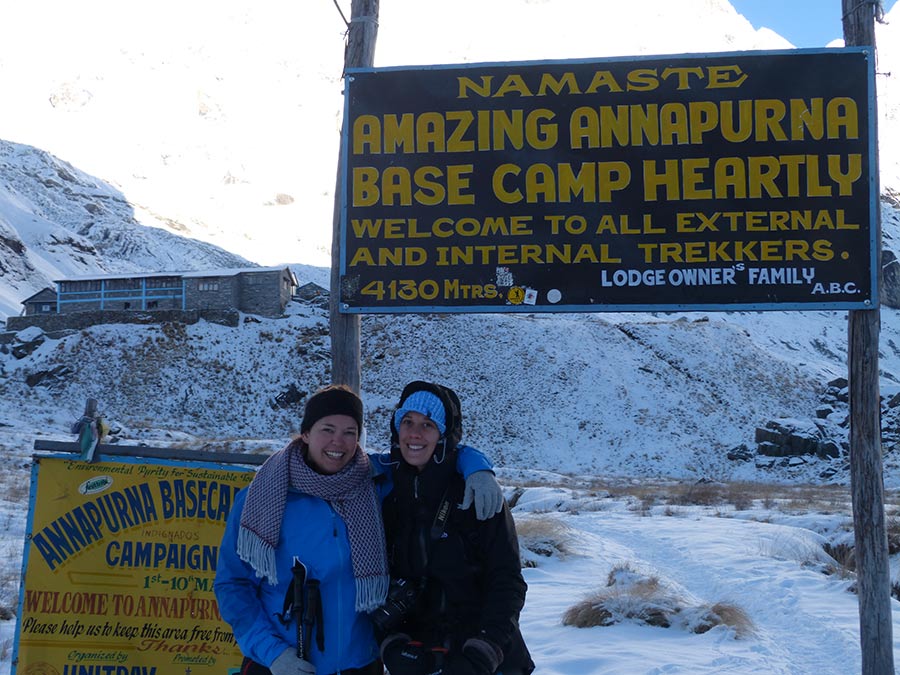
Choosing the right trekking month affects almost every aspect of your adventure. Weather conditions determine how clearly you can see the mountains, how comfortable you feel while hiking, the condition of the trails, and even the availability of tea houses. A well-timed trek means sunny mornings, spectacular Himalayan panoramas, safe walking conditions, and unforgettable sunrise views over snow-covered peaks.
Each season transforms the Annapurna region into a different world. During spring, forests burst into brilliant shades of red, pink, and white as rhododendrons bloom across the hillsides. Autumn rewards trekkers with the clearest skies of the year, while winter offers peaceful trails and sparkling snow-covered landscapes. Even the summer monsoon has its appeal, painting the valleys with lush greenery and filling the waterfalls with life.
Annapurna Base Camp (ABC) lies at an altitude of 4,130 meters (13,550 feet) within the breathtaking Annapurna Sanctuary, a glacial basin surrounded by some of the highest mountains on Earth. Unlike many mountain viewpoints where the peaks remain distant, ABC places trekkers directly beneath towering Himalayan giants, creating an unforgettable 360-degree panorama.
From the base camp, you can admire Annapurna I (8,091 m), the world’s tenth-highest mountain, together with Annapurna South (7,219 m), Hiunchuli (6,441 m), Machhapuchhre (Fishtail) (6,993 m), Gangapurna (7,455 m), Tent Peak (5,695 m), and several other magnificent summits. The sunrise from Annapurna Base Camp is widely regarded as one of the most spectacular mountain experiences in Nepal.

The Annapurna Base Camp Trek consistently ranks among the world’s finest trekking adventures because it combines extraordinary natural beauty with rich cultural experiences. Unlike longer Himalayan expeditions that require weeks of walking, the ABC Trek can usually be completed in 7–12 days, making it an excellent option for travelers with limited vacation time.
The trail passes through terraced farmland, dense bamboo forests, rhododendron woodlands, alpine meadows, glacier valleys, and high mountain landscapes. Along the way, trekkers stay in comfortable family-run tea houses, enjoy traditional Nepali hospitality, and experience the daily lives of Gurung and Magar communities. Every day introduces new scenery, making the journey feel fresh and exciting from start to finish.
The classic route begins with a scenic drive from Pokhara (822 m) to Nayapul (1,070 m) or Jhinu Danda (1,780 m), depending on the itinerary. From there, the trail gradually climbs through picturesque villages, lush forests, suspension bridges, and dramatic river valleys before reaching the magnificent Annapurna Sanctuary.
Typical trekking route with altitudes:
| Village | Altitude |
|---|---|
| Pokhara | 822 m |
| Nayapul | 1,070 m |
| Ghandruk | 1,940 m |
| Chhomrong | 2,170 m |
| Sinuwa | 2,340 m |
| Bamboo | 2,310 m |
| Dovan | 2,600 m |
| Himalaya | 2,920 m |
| Deurali | 3,230 m |
| Machhapuchhre Base Camp (MBC) | 3,700 m |
| Annapurna Base Camp (ABC) | 4,130 m |
Each village offers its own unique atmosphere. Ghandruk is famous for its stone houses and panoramic mountain views, while Chhomrong serves as the gateway to the Annapurna Sanctuary. Above Deurali, the landscape changes dramatically, with towering cliffs, glacial streams, and expansive alpine terrain leading to Machhapuchhre Base Camp and finally Annapurna Base Camp.
Many first-time trekkers assume that every month offers the same trekking conditions, but the Himalayas change dramatically throughout the year. Weather patterns influence visibility, temperatures, vegetation, wildlife activity, and even the atmosphere in the tea houses. A trek in April feels completely different from one in October, while a winter journey offers an experience unlike any other.
For example, spring is known for colorful forests and pleasant daytime temperatures, making it ideal for nature lovers and photographers. Autumn is famous for exceptionally clear skies and stable weather, attracting trekkers from around the world. Winter appeals to those seeking solitude and snow-covered scenery, whereas the summer monsoon transforms the landscape into a lush green paradise despite occasional rainfall.
Nepal has four primary trekking seasons, and each one offers a different experience on the Annapurna Base Camp Trek.
Spring (March–May): Warm temperatures, blooming rhododendrons, vibrant forests, and excellent mountain views make this one of the most popular trekking seasons.
Summer/Monsoon (June–August): Frequent rain creates lush green landscapes, powerful waterfalls, and fewer crowds, although cloudy afternoons and slippery trails are common.
Autumn (September–November): Considered the best trekking season thanks to stable weather, comfortable temperatures, and crystal-clear Himalayan panoramas.
Winter (December–February): Cold but peaceful, with snow-covered landscapes, quiet tea houses, and unforgettable mountain scenery for those prepared for freezing nights.
After guiding trekkers from around the world for many years, we believe that October offers the best overall conditions for the Annapurna Base Camp Trek. Stable weather, dry trails, comfortable temperatures, and spectacular mountain visibility combine to create an outstanding Himalayan experience.
However, there is no single “perfect” month for everyone. Travelers who love blooming flowers may prefer April, photographers often choose November, and experienced trekkers looking for peaceful trails frequently enjoy December or February. Ultimately, the best month depends on your interests, expectations, and travel style.
Now that you understand why choosing the right season is so important, let’s explore the Annapurna Base Camp Trek month by month. Every month offers a different trekking experience, from peaceful snow-covered trails to colorful rhododendron forests and crystal-clear Himalayan views. By understanding the advantages and challenges of each month, you can confidently select the best time that matches your travel goals, photography interests, and comfort level.
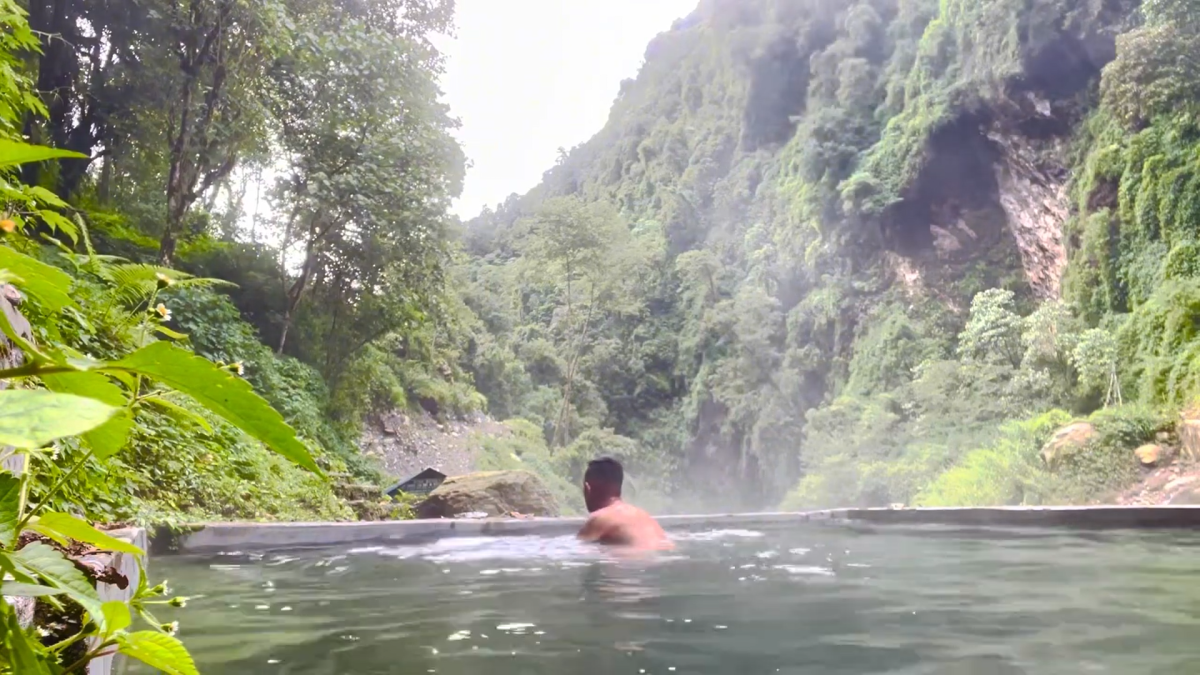
January is one of the coldest months of the year in the Annapurna region, but it also rewards trekkers with some of the clearest mountain views imaginable. After fresh winter snowfall, the entire Annapurna Sanctuary looks magical. The snow-covered peaks shine brilliantly beneath deep blue skies, creating breathtaking landscapes that photographers absolutely love.
During January, daytime temperatures below Chhomrong (2,170 m) remain comfortable for hiking, while nights above Deurali (3,230 m) and Machhapuchhre Base Camp (3,700 m) can fall well below freezing. At Annapurna Base Camp (4,130 m), early morning temperatures may reach -10°C to -15°C, so proper winter clothing becomes essential.
One of January’s greatest advantages is the peaceful atmosphere. Unlike the busy autumn season, the trails remain relatively quiet, allowing trekkers to enjoy nature without large crowds. Tea houses are generally available, although a few lodges at higher elevations may operate with reduced services depending on snowfall.
Winter trekking also provides excellent visibility because the air is exceptionally dry. On clear mornings, mountains including Annapurna I, Machhapuchhre, Annapurna South, Hiunchuli, and Gangapurna appear incredibly sharp against the blue Himalayan sky.
Best For: Experienced trekkers, photographers, winter lovers, and travelers seeking peaceful trails.
February remains a winter month, but conditions begin improving as the days gradually become longer and slightly warmer. Snow still decorates the upper sections of the trail, creating beautiful alpine scenery while making trekking more comfortable than during the coldest weeks of January.
Many experienced trekking guides consider February one of Nepal’s hidden gems. Mountain visibility remains outstanding, yet visitor numbers are still relatively low compared to spring and autumn. If you prefer quiet trails and authentic village experiences without heavy tourist traffic, February deserves serious consideration.
As you hike through Bamboo (2,310 m), Dovan (2,600 m), and Himalaya (2,920 m), you’ll notice forests becoming more active with birds and wildlife as winter slowly transitions toward spring. Sunny afternoons often provide pleasant hiking temperatures, although warm clothing is still necessary for evenings and mornings.
Accommodation is generally easier to secure than during peak trekking months, allowing greater itinerary flexibility. Tea house owners also have more time to interact with guests, creating a welcoming and relaxed atmosphere.
Best For: Quiet trekking, mountain photography, experienced hikers, and travelers avoiding peak-season crowds.
March marks the beginning of spring, one of the most popular trekking seasons in Nepal. Temperatures become noticeably warmer, snow begins melting at lower elevations, and forests awaken with fresh greenery. This month offers an ideal balance between comfortable weather and excellent mountain visibility.
One of the greatest highlights of March is the beginning of the famous rhododendron blooming season. The hills surrounding Ghandruk, Chhomrong, and Sinuwa slowly transform into colorful forests filled with red, pink, and white blossoms. Combined with snow-covered Himalayan peaks, the scenery becomes extraordinarily beautiful.
March also provides excellent trekking conditions because daytime temperatures are comfortable for walking while nighttime temperatures remain manageable with proper sleeping bags. Trail conditions are generally dry, making hiking safer and more enjoyable than during the rainy season.
Because spring officially begins in March, visitor numbers gradually increase. Booking guides, porters, and accommodation in advance is recommended, especially during the second half of the month.
Best For: Nature lovers, first-time trekkers, families, photographers, and anyone seeking comfortable trekking weather.
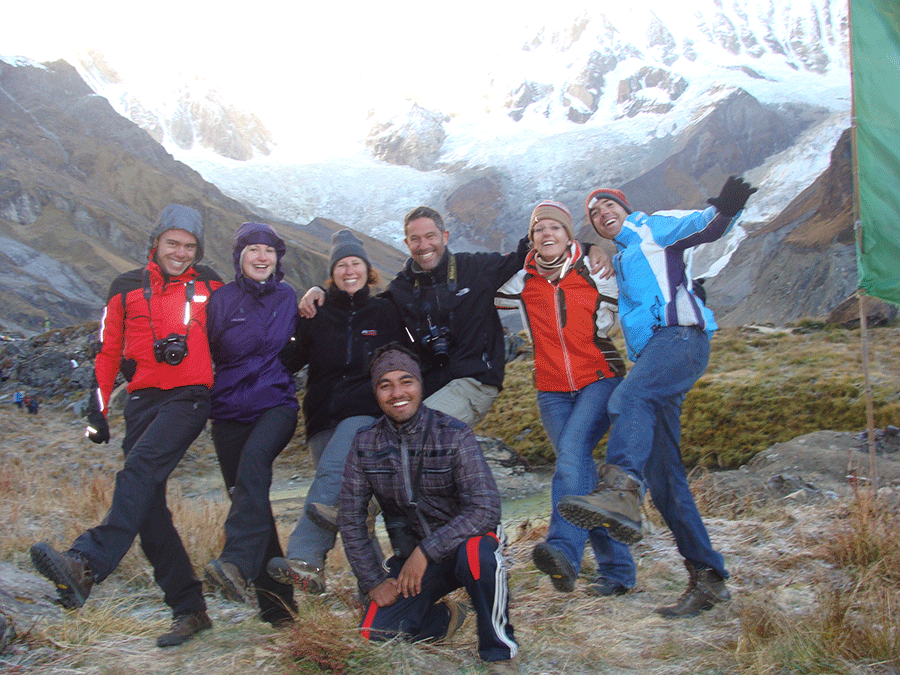
March combines many of the best qualities of Nepal’s trekking seasons. You can enjoy clear Himalayan panoramas, blooming forests, moderate temperatures, and excellent walking conditions without experiencing the highest number of visitors found later in spring.
Photographers especially appreciate the dramatic contrast between colorful rhododendrons, emerald forests, traditional stone villages, and brilliant white Himalayan peaks. Every corner of the trail offers postcard-worthy scenery, making March one of the most photogenic months for the Annapurna Base Camp Trek.
If someone asks experienced trekking guides to recommend just one spring month, many will immediately answer April. This is the month when the Annapurna region reaches its colorful peak. Rhododendron forests explode into vibrant blooms, temperatures become pleasantly warm, and mountain views remain excellent during most mornings.
Walking through the forests between Ghandruk, Chhomrong, and Bamboo in April feels like hiking through a natural botanical garden. Nepal’s national flower, the rhododendron, blankets entire hillsides with spectacular colors that create unforgettable trekking memories.
Daytime temperatures are ideal for hiking, while evenings remain comfortably cool rather than extremely cold. These pleasant conditions make April one of the best months for beginners, families, solo travelers, and senior trekkers.
Because April is among Nepal’s busiest trekking months, tea houses along the trail can fill quickly. Booking your Annapurna Base Camp Trek with a reliable local company several weeks in advance is strongly recommended.
Best For: First-time trekkers, families, photographers, flower lovers, and travelers seeking perfect trekking conditions.
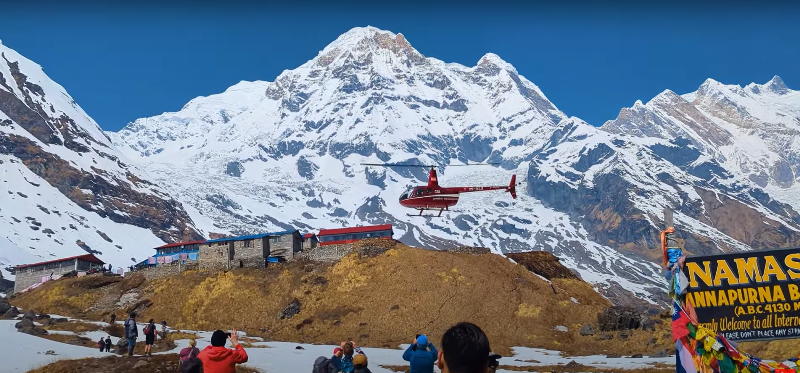
Few places in the Himalayas are as colorful as the Annapurna region during April. The combination of flowering forests, terraced villages, waterfalls, clear rivers, snow-covered peaks, and bright blue skies provides endless opportunities for stunning landscape photography.
Sunrise at Machhapuchhre Base Camp and Annapurna Base Camp becomes particularly spectacular during April. As the first golden sunlight touches the towering faces of Annapurna I, Hiunchuli, and Machhapuchhre, the mountains glow with vibrant orange and pink colors that leave trekkers speechless.
May is the final month before Nepal’s summer monsoon arrives. Early May continues to offer excellent trekking conditions with warm temperatures and colorful landscapes. However, as the month progresses, afternoon clouds become more common, and occasional pre-monsoon showers may occur.
The advantage of trekking in May is the comfortable warmth, especially for those who dislike cold mountain weather. Higher sections of the trail remain cool enough for enjoyable hiking, while lower elevations become noticeably warmer during the day.
Although morning mountain views remain excellent, trekkers should begin hiking early because clouds often develop during the afternoon. Early departures also allow you to reach tea houses before any brief rain showers appear.
Despite slightly increasing humidity, May remains one of the recommended months for completing the Annapurna Base Camp Trek, particularly during the first half of the month.
Best For: Trekkers seeking warmer weather and colorful spring landscapes.
June marks the beginning of Nepal’s summer monsoon season, although weather patterns vary from year to year. Early June may still provide several days of good trekking conditions, while heavier rainfall usually becomes more frequent later in the month.
The landscape transforms dramatically during June. Forests become incredibly green, waterfalls grow larger, rivers flow more powerfully, and terraced rice fields burst with life. Nature lovers often appreciate this lush scenery despite the increased rainfall.
Trekkers should prepare for muddy sections of trail, slippery stone staircases, occasional leeches in lower forests, and afternoon cloud cover. Fortunately, mornings often remain relatively clear, allowing excellent mountain views before clouds develop later in the day.
Because fewer people trek during June, tea houses are quiet and local hospitality feels even more personal. Travelers who enjoy peaceful trekking experiences and don’t mind occasional rain may find June surprisingly rewarding.
Best For: Experienced trekkers, nature enthusiasts, budget travelers, and those seeking quiet trails.
If we compare the first six months of the year, April stands out as the overall winner for most trekkers thanks to its exceptional weather, blooming forests, and comfortable temperatures. March follows closely with excellent mountain visibility and fewer crowds, while May remains a strong option for those who prefer warmer conditions. February is perfect for peaceful trekking, and January rewards adventurous hikers with magnificent snow-covered landscapes. June offers lush greenery but requires flexibility because of changing weather conditions.
The Annapurna Base Camp Trek is a spectacular Himalayan adventure that can be enjoyed throughout the year, but October is widely considered the best month thanks to its stable weather, crystal-clear mountain views, and comfortable trekking conditions. March, April, and November are also excellent choices, offering blooming rhododendron forests, pleasant temperatures, and unforgettable panoramas. Whether you seek vibrant spring landscapes, peaceful winter trails, or breathtaking autumn scenery, the ABC Trek promises an extraordinary experience. Plan your journey with Safe Holiday Adventure Pvt. Ltd. for expert local guides, personalized itineraries, and a safe, memorable trek to the heart of the Annapurna Sanctuary.

If you are wondering where to see red pandas in Nepal, the Langtang region is one of the most releva
Continue Reading
The Everest Base Camp Trek is one of the world’s most famous Himalayan adventures, but many fi
Continue Reading
When trekkers arrive at Tenzing-Hillary Airport in Lukla, they are entering one of the world’s
Continue Reading
Langtang National Park is one of Nepal’s most accessible Himalayan protected areas, combining spec
Continue Reading
Island Peak Climbing for Beginners: Everything You Need to Know Before You Go Standing on a 6,189-me
Continue Reading
The global tourism industry recently turned its attention toward Nepal after Shinta Mani Mustang rec
Continue Reading