
12 Jul 2026 33 min to read
Nepal is one of the world’s finest destinations for travelers seeking both adventure and inner peace. The country offers dramatic Himalayan landscapes, ancient spiritual traditions, and welcoming mountain communities that create an ideal setting for a yoga trek. A yoga trek combines daily hiking, yoga, meditation, and mindful breathing, allowing travelers to experience physical challenge while maintaining mental clarity and emotional balance. Instead of rushing from one viewpoint to another, a yoga trek encourages a slower and more meaningful connection with nature.
Many trekking routes in Nepal pass through quiet forests, traditional villages, alpine meadows, and sacred mountain landscapes. These environments naturally support meditation and yoga practice, making each morning and evening an opportunity for reflection. Whether you are a beginner or an experienced practitioner, yoga trekking in Nepal offers a unique way to explore the Himalayas while caring for both body and mind.
Nepal has a long spiritual heritage influenced by both Hindu and Buddhist traditions. Prayer flags flutter across mountain passes, monasteries sit on remote hillsides, and local communities maintain customs that have been preserved for generations. Practicing yoga in such surroundings feels deeply connected to the natural environment rather than separated from it. The combination of fresh mountain air, peaceful trails, and inspiring scenery helps many travelers feel refreshed and grounded.
Unlike a standard trekking holiday, a yoga trek creates space for recovery after long walking days. Gentle stretching improves flexibility, breathing exercises support acclimatization, and meditation encourages relaxation during the journey. Many trekkers find that yoga helps reduce fatigue and allows them to enjoy the experience more fully, especially on longer Himalayan routes.
Combining yoga and trekking creates a powerful balance between physical adventure and inner wellness, making every step through the Himalayas more rewarding. While trekking strengthens the legs, improves cardiovascular fitness, and builds lasting endurance, yoga enhances flexibility, balance, core strength, and body awareness. Together, they form a complete wellness experience that not only improves physical performance but also accelerates muscle recovery, reduces stiffness, and helps prevent common trekking injuries. Even a 20-minute yoga session each morning prepares the body for challenging mountain trails by warming the muscles, improving mobility, and promoting deeper, more efficient breathing throughout the day’s hike.
The benefits extend far beyond physical fitness. A yoga trek nurtures mental clarity, emotional balance, and a deeper connection with the surrounding Himalayan landscape. Practicing mindful breathing, meditation, and gentle stretching amidst towering peaks, ancient forests, and peaceful mountain villages creates moments of stillness that are difficult to find in everyday life. These daily practices help reduce stress, improve focus, and encourage travelers to remain fully present, allowing them to appreciate every moment of the journey rather than simply reaching the destination.
Many trekkers discover that combining yoga with trekking transforms their Himalayan adventure into a truly life-enriching experience. Better sleep quality, improved acclimatization, increased energy levels, and reduced fatigue are just some of the practical benefits experienced along the trail. More importantly, participants often return home with renewed confidence, a refreshed mind, a healthier body, and a lasting sense of inner peace. Rather than being just another mountain holiday, a Yoga Trek in Nepal becomes a meaningful journey of self-discovery, personal growth, and holistic well-being that continues to inspire long after the trek has ended.
The Mardi Himal Yoga Trek is a perfect blend of Himalayan adventure, daily yoga, and mindful living, offering an unforgettable journey through one of Nepal’s most scenic trekking routes. Nestled beneath the magnificent Machhapuchhre (Fishtail Mountain) and surrounded by the towering peaks of the Annapurna Range, this trek combines breathtaking mountain scenery with peaceful yoga sessions that refresh both body and mind. Designed for travelers seeking more than a traditional trek, it creates an opportunity to reconnect with nature while enjoying the physical and mental benefits of yoga in the heart of the Himalayas.
Each day begins or ends with guided yoga, meditation, and breathing exercises in tranquil mountain settings. These gentle practices help improve flexibility, reduce muscle fatigue, enhance acclimatization, and prepare the body for the day’s hike. As the trail winds through lush Rhododendron forests, traditional Gurung villages, and high alpine ridges, trekkers enjoy spectacular panoramic views of Annapurna South, Hiunchuli, Machhapuchhre, and Mardi Himal while experiencing moments of calm, mindfulness, and deep relaxation.
Unlike many popular trekking routes, the Mardi Himal Yoga Trek offers a quieter and more intimate Himalayan experience. The peaceful trails, fresh mountain air, and inspiring natural surroundings provide the perfect environment for self-reflection, wellness, and personal growth. Whether you are new to yoga or an experienced practitioner, this unique adventure allows you to strengthen your body, calm your mind, and create lasting memories while exploring one of Nepal’s most beautiful hidden trekking destinations.
Day 1: Drive Kathmandu to Pokhara (820m) – Scenic drive and overnight in Pokhara.
Day 2: Drive to Kande (1,770m) and trek to Forest Camp (2,520m) – 5–6 hours through rhododendron forests.
Day 3: Trek Forest Camp to Low Camp (2,970m) – 4–5 hours with beautiful forest and mountain views.
Day 4: Trek Low Camp to High Camp (3,580m) – 4–5 hours along the scenic Mardi Himal ridge.
Day 5: Hike to Mardi Himal Viewpoint (4,200m) and return to Badal Danda (3,210m) – 6–7 hours.
Day 6: Trek Badal Danda to Siding Village (1,750m) – 5–6 hours through forests and local settlements.
Day 7: Drive Siding to Pokhara – Relaxation and optional lakeside yoga session.
Day 8: Drive or fly back to Kathmandu – End of the journey.
The best time for the Mardi Himal Yoga Trek is during spring (March to May) and autumn (September to November). These seasons offer stable weather, clear Himalayan views, comfortable temperatures, and excellent conditions for trekking and outdoor yoga.
Spring brings colorful rhododendron blooms and fresh mountain air, while autumn provides crystal-clear skies and spectacular sunrise views over Machhapuchhre, Annapurna South, and Hiunchuli. Winter is suitable for experienced trekkers who enjoy snow, whereas the monsoon season is less ideal because of rain, muddy trails, and limited mountain visibility.
Unlike many popular trekking routes, Mardi Himal remains relatively quiet, allowing trekkers to practice yoga and meditation in a calm and natural environment.
The trail offers close-up views of Machhapuchhre (Fishtail), Annapurna South, Hiunchuli, and the Annapurna range, creating an inspiring backdrop for mindful trekking.
With its moderate altitude and gradual ascent, Mardi Himal provides a comfortable setting for daily yoga, breathing exercises, and meditation without extreme physical strain.
The trek passes through lush rhododendron, oak, and bamboo forests where fresh mountain air and birdsong create a relaxing atmosphere for mindfulness practice.
Early morning yoga at High Camp or the Mardi Himal Viewpoint offers unforgettable sunrise views over the Himalayas, making each session both peaceful and energizing.
The trail combines moderate hiking with wellness activities, making it suitable for travelers seeking both physical adventure and mental relaxation.
Trekkers pass through traditional Gurung villages, where warm hospitality and local culture enhance the overall experience and provide meaningful cultural connections.
The Mardi Himal Trek is achievable for hikers with a reasonable level of fitness, making it an excellent choice for those combining trekking with yoga and mindfulness.
From dense forests to dramatic ridgelines and panoramic Himalayan vistas, the trek offers endless opportunities for photography and nature appreciation.
Mardi Himal is more than a trekking destination—it is a peaceful retreat where nature, yoga, meditation, and mountain adventure come together to create a deeply refreshing Himalayan experience.
The Annapurna Circuit Yoga Trek is a transformative Himalayan journey that combines breathtaking mountain landscapes with daily yoga, meditation, and mindful walking. This classic trek takes you through diverse landscapes, from lush valleys and traditional villages to high alpine terrain and the famous Thorong La Pass.
Along the trail, trekkers experience the beauty of the Annapurna and Dhaulagiri mountain ranges while practicing yoga in peaceful Himalayan surroundings. Morning yoga sessions help prepare the body for trekking, while evening meditation and stretching create relaxation and inner balance.
This trek is ideal for those seeking adventure, spiritual connection, and a deeper experience of Nepal’s natural and cultural wonders. It offers the perfect blend of physical challenge, Himalayan exploration, and personal renewal.
Day 1: Arrival in Kathmandu (1,400m) – Trek preparation and yoga orientation.
Day 2: Drive Kathmandu to Dharapani (1,860m) – Scenic journey through hills and villages.
Day 3: Trek Dharapani to Chame (2,710m) – 5–6 hours trek through pine forests.
Day 4: Trek Chame to Pisang (3,200m) – 5–6 hours with views of Annapurna peaks.
Day 5: Trek Pisang to Manang (3,540m) – 5–6 hours; acclimatization with yoga practice.
Day 6: Acclimatization day in Manang (3,540m) – Short hike, meditation, and breathing exercises.
Day 7: Trek Manang to Yak Kharka (4,050m) – 4–5 hours through alpine landscapes.
Day 8: Trek Yak Kharka to Thorong High Camp (4,925m) – 4–5 hours preparing for the pass.
Day 9: Cross Thorong La Pass (5,416m) and trek to Muktinath (3,800m) – 7–9 hours.
Day 10: Trek Muktinath to Jomsom (2,720m) – 5–6 hours through Mustang landscapes.
Day 11: Drive Jomsom to Pokhara (820m) – Relaxation and lakeside yoga session.
Day 12: Drive Pokhara to Kathmandu – Farewell dinner and closing yoga session.
The best seasons for the Annapurna Circuit Yoga Trek are spring (March to May) and autumn (September to November). These months offer stable weather, clear mountain views, comfortable trekking temperatures, and ideal conditions for outdoor yoga practice.
Autumn (October–November) is considered the best time because of crystal-clear skies and excellent Himalayan visibility. Spring (March–April) is also beautiful, with blooming rhododendron forests and pleasant temperatures. Winter can be cold at high altitudes, while the monsoon season brings rain and slippery trails.
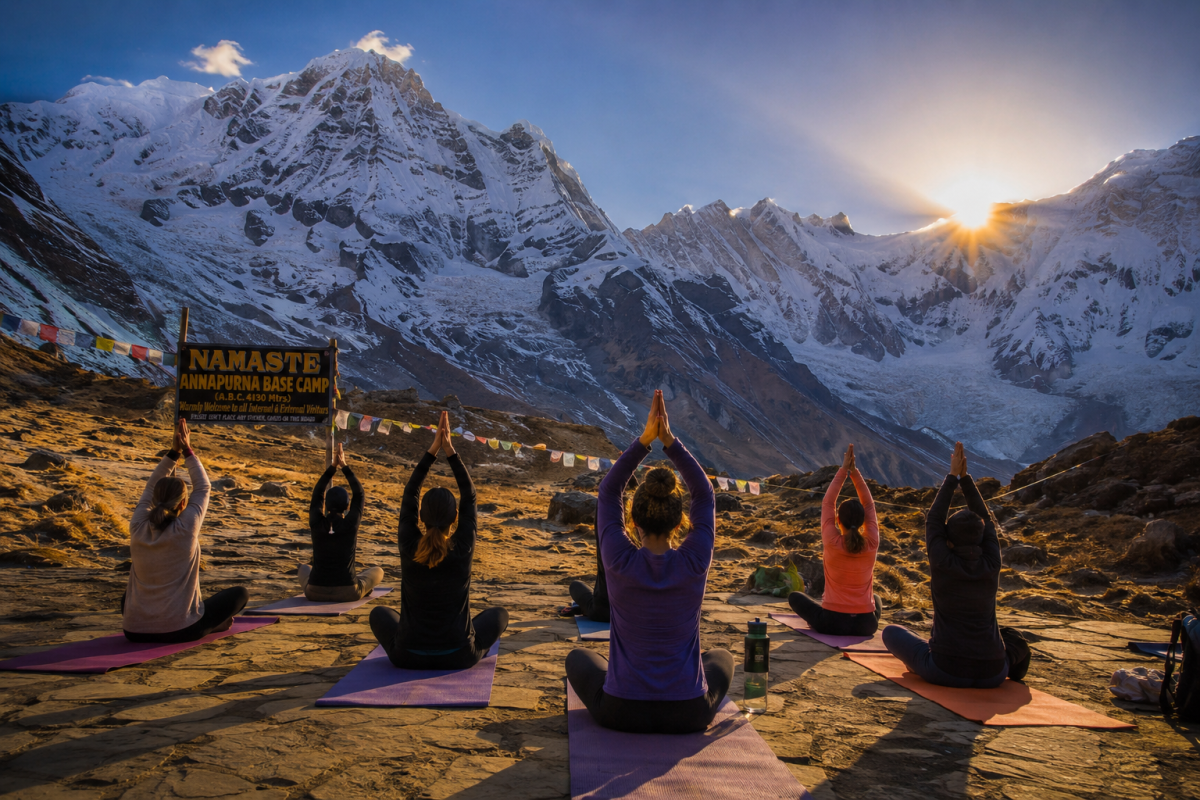
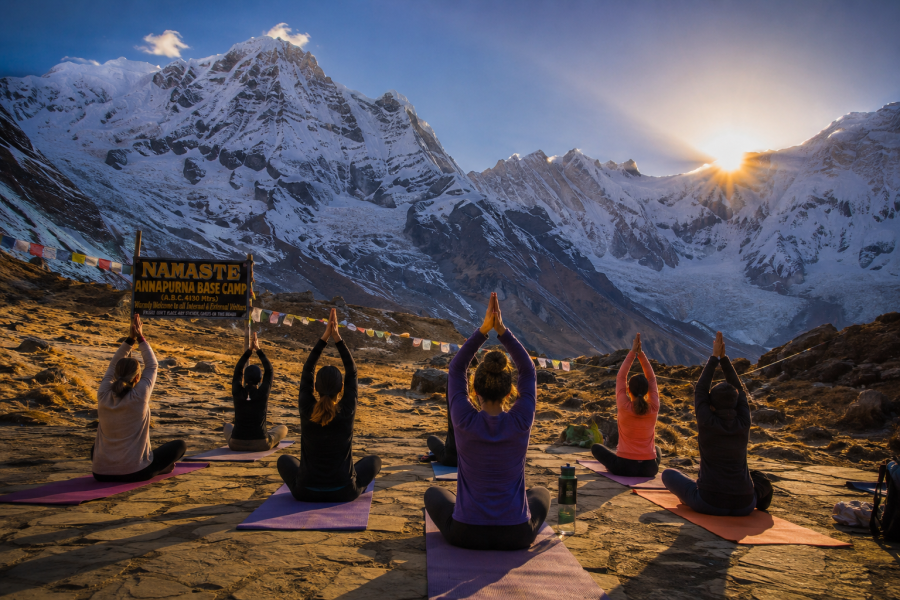
The Annapurna Base Camp Yoga Trek combines one of Nepal’s classic trekking routes with daily wellness practices. The journey passes through terraced farmland, bamboo forests, and traditional Gurung villages before reaching the spectacular Annapurna Base Camp, surrounded by a breathtaking amphitheater of Himalayan peaks. This route offers a perfect blend of rich cultural heritage, stunning mountain scenery, and an unforgettable Himalayan trekking experience.
Practicing yoga at Annapurna Base Camp is a truly memorable experience. Surrounded by majestic peaks such as Annapurna I and Hiunchuli, trekkers can enjoy gentle stretching, meditation, and mindful breathing while watching the ever-changing colors of the mountains at sunrise and sunset. The combination of physical adventure, inner mindfulness, and the peaceful atmosphere of the Himalayas makes this trek especially rewarding for those seeking renewal, wellness, self-discovery, and lasting inspiration.
Day 1: Drive from Pokhara (822 m) to Jhinu Danda (1,780 m), trek to Chhomrong (2,170 m) – 2–3 hours.
Day 2: Trek from Chhomrong (2,170 m) to Dovan (2,600 m) – 5–6 hours.
Day 3: Trek from Dovan (2,600 m) to Deurali (3,230 m) – 5–6 hours.
Day 4: Trek from Deurali (3,230 m) to Annapurna Base Camp (4,130 m) via Machhapuchhre Base Camp (3,700 m) – 5–6 hours.
Day 5: Trek from Annapurna Base Camp (4,130 m) to Bamboo (2,310 m) – 6–7 hours.
Day 6: Trek from Bamboo (2,310 m) to Jhinu Danda (1,780 m) – 5–6 hours.
Day 7: Trek from Jhinu Danda (1,780 m) to Siwai (1,220 m) – 2–3 hours, then drive to Pokhara (822 m) – 2.5–3 hours.
The best seasons for the Annapurna Base Camp (ABC) Trek are spring (March to May) and autumn (September to November). During spring, temperatures at lower elevations range from 10°C to 20°C, while ABC (4,130 m) can be around -5°C to 5°C. The weather is generally stable, rhododendron forests are in full bloom, and mountain views are spectacular.
Autumn is considered the best season with clear blue skies, excellent visibility, and comfortable trekking conditions. Temperatures at lower areas are around 10°C to 20°C, while nights at Annapurna Base Camp can drop to -5°C to -10°C. Winter (December–February) offers snowy landscapes but colder temperatures, especially at higher altitudes.
The monsoon season (June–August) is less recommended due to heavy rainfall, slippery trails, clouds, and limited mountain views. Temperatures remain warmer at lower elevations (15°C–25°C), but trekking conditions can be challenging. For the best overall experience, October–November and March–April are the most recommended months for ABC Trek.
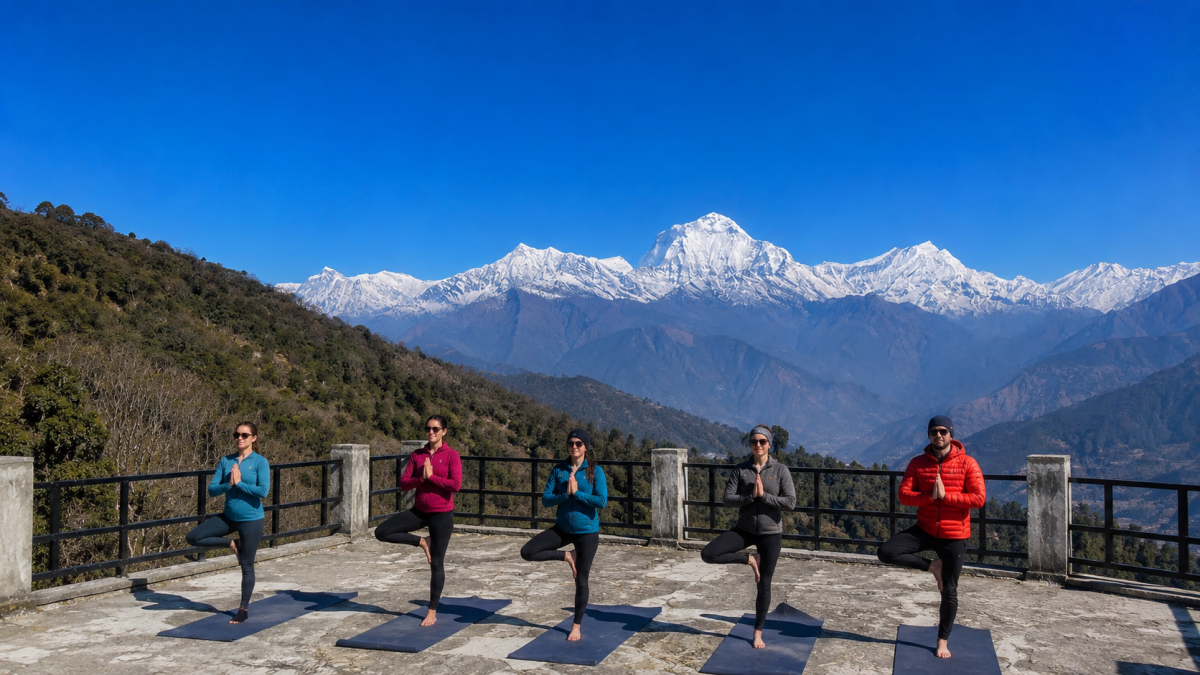
The Ghorepani Poon Hill Yoga Trek is one of the most popular yoga treks in Nepal, combining breathtaking Himalayan sunrise views, scenic mountain trails, and daily yoga and meditation sessions. Perfect for beginners and experienced trekkers alike, this short yet rewarding adventure passes through lush rhododendron forests, charming Gurung and Magar villages, and peaceful landscapes before reaching the famous Poon Hill Viewpoint, one of Nepal’s best locations for panoramic mountain vistas.
Daily yoga, mindful breathing, and gentle stretching help prepare the body for each day’s hike while reducing muscle fatigue and promoting relaxation after trekking. The peaceful surroundings, fresh mountain air, and spectacular views of Annapurna South, Dhaulagiri, Machhapuchhre (Fishtail), Nilgiri, and other Himalayan peaks create the perfect setting for wellness, mindfulness, and inner peace.
More than just a trekking holiday, the Ghorepani Poon Hill Yoga Trek offers a harmonious balance of adventure, nature, and self-discovery. Whether you are looking to improve your physical well-being, deepen your yoga practice, or simply experience the beauty of the Nepal Himalayas at a slower pace, this journey provides an unforgettable experience that refreshes the body, mind, and spirit.
The best time for the Poon Hill Trek is during spring (March to May) and autumn (September to November) when the weather is stable, skies are clear, and mountain views are at their best. Spring offers colorful rhododendron blooms and temperatures around 10°C to 20°C during the day. Autumn provides crisp views of Annapurna and Dhaulagiri ranges with comfortable trekking conditions, usually 5°C to 20°C. Winter (December to February) is colder but peaceful, while the monsoon season (June to August) brings rain, cloudy skies, and slippery trails. October–November and April are the most recommended months.
Day 1: Drive from Pokhara (822 m) to Nayapul (1,070 m), trek to Tikhedhunga (1,540 m) – 4–5 hours.
Day 2: Trek from Tikhedhunga (1,540 m) to Ghorepani (2,874 m) – 6–7 hours.
Day 3: Early morning hike to Poon Hill (3,210 m) for sunrise, trek to Tadapani (2,630 m) – 5–6 hours.
Day 4: Trek from Tadapani (2,630 m) to Ghandruk (1,940 m) – 3–4 hours.
Day 5: Trek from Ghandruk (1,940 m) to Nayapul (1,070 m), drive to Pokhara (822 m) – 4–5 hours trek + 2 hours drive.
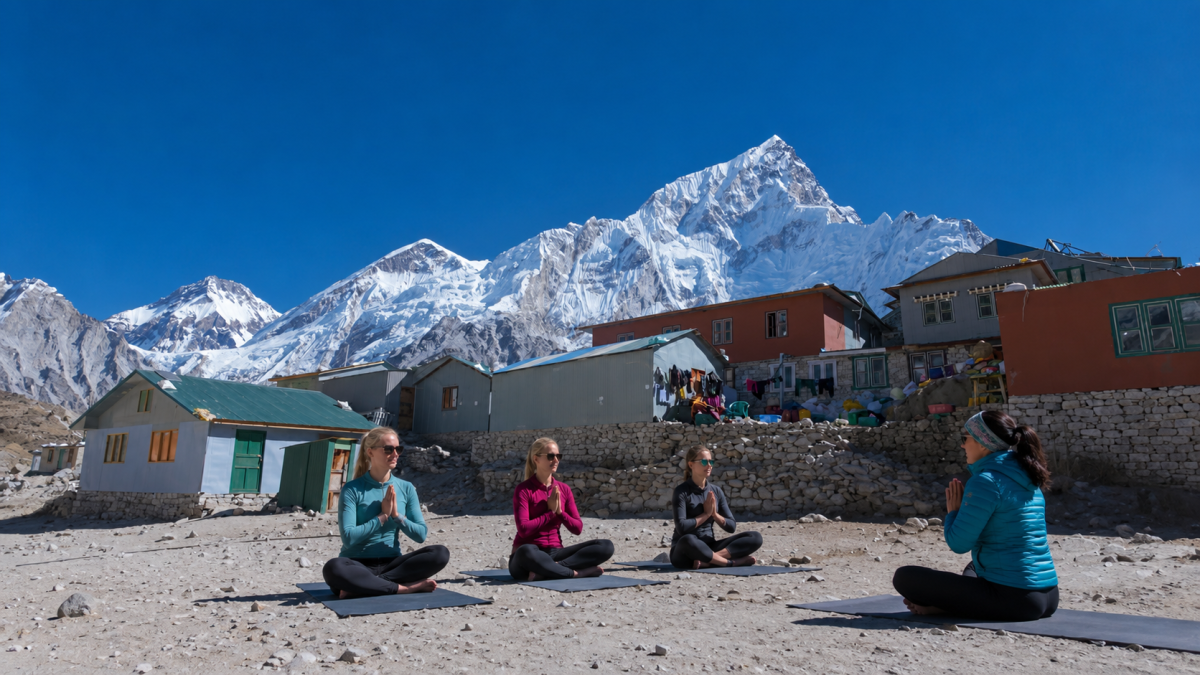
The Everest Base Camp Yoga Trek is one of the most inspiring yoga trekking experiences in Nepal, combining the thrill of reaching the legendary Everest Base Camp with daily yoga, meditation, and mindfulness in the heart of the Himalayas.
The journey follows the famous Everest trekking route, passing through Sherpa villages, ancient Buddhist monasteries, suspension bridges, and spectacular mountain landscapes. Every step offers incredible views of Mount Everest, Lhotse, Ama Dablam, and other iconic Himalayan peaks.
Daily yoga sessions, gentle stretching, and breathing exercises help improve flexibility, reduce muscle fatigue, and support acclimatization at higher elevations. These wellness practices allow trekkers to stay energized, relaxed, and fully present throughout the adventure.
Reaching Everest Base Camp after days of trekking is a truly unforgettable achievement. Surrounded by the world’s highest mountains, the Everest Base Camp Yoga Trek offers the perfect combination of adventure, wellness, and self-discovery, creating memories that last a lifetime.
Day 1: Fly from Kathmandu (1,400 m) to Lukla (2,840 m), trek to Phakding (2,610 m) – 3–4 hours.
Day 2: Trek from Phakding (2,610 m) to Namche Bazaar (3,440 m) – 6–7 hours.
Day 3: Acclimatization day at Namche Bazaar (3,440 m), hike to Everest View Hotel (3,880 m) with yoga session – 3–4 hours.
Day 4: Trek from Namche Bazaar (3,440 m) to Tengboche (3,860 m) – 5–6 hours.
Day 5: Trek from Tengboche (3,860 m) to Dingboche (4,410 m) – 5–6 hours.
Day 6: Acclimatization day at Dingboche (4,410 m), hike to Nagarjun Hill (5,100 m) and yoga practice – 4–5 hours.
Day 7: Trek from Dingboche (4,410 m) to Lobuche (4,910 m) – 5–6 hours.
Day 8: Trek from Lobuche (4,910 m) to Everest Base Camp (5,364 m) via Gorak Shep (5,164 m), return to Gorak Shep – 8–9 hours.
Day 9: Sunrise hike to Kala Patthar (5,545 m), trek from Gorak Shep (5,164 m) to Pheriche (4,240 m) – 7–8 hours.
Day 10: Trek from Pheriche (4,240 m) to Namche Bazaar (3,440 m) – 6–7 hours.
Day 11: Trek from Namche Bazaar (3,440 m) to Lukla (2,840 m) – 6–7 hours.
Day 12: Fly from Lukla (2,840 m) to Kathmandu (1,400 m) – 35 minutes flight.
The best seasons for the Everest Base Camp Yoga Trek are spring (March to May) and autumn (September to November). These months offer stable weather, clear Himalayan views, and comfortable trekking conditions. In spring, daytime temperatures at lower elevations range from 10°C to 20°C, while at Everest Base Camp temperatures can drop to around -10°C to 0°C. Autumn brings the clearest skies, with daytime temperatures around 5°C to 15°C and colder nights at higher altitudes.
Winter (December to February) offers peaceful trails and stunning snowy landscapes but requires warm clothing as temperatures at EBC can fall below -15°C. The monsoon season (June to August) is less recommended due to rain, clouds, and limited mountain visibility. October–November and April–May are the most ideal months for this trek.
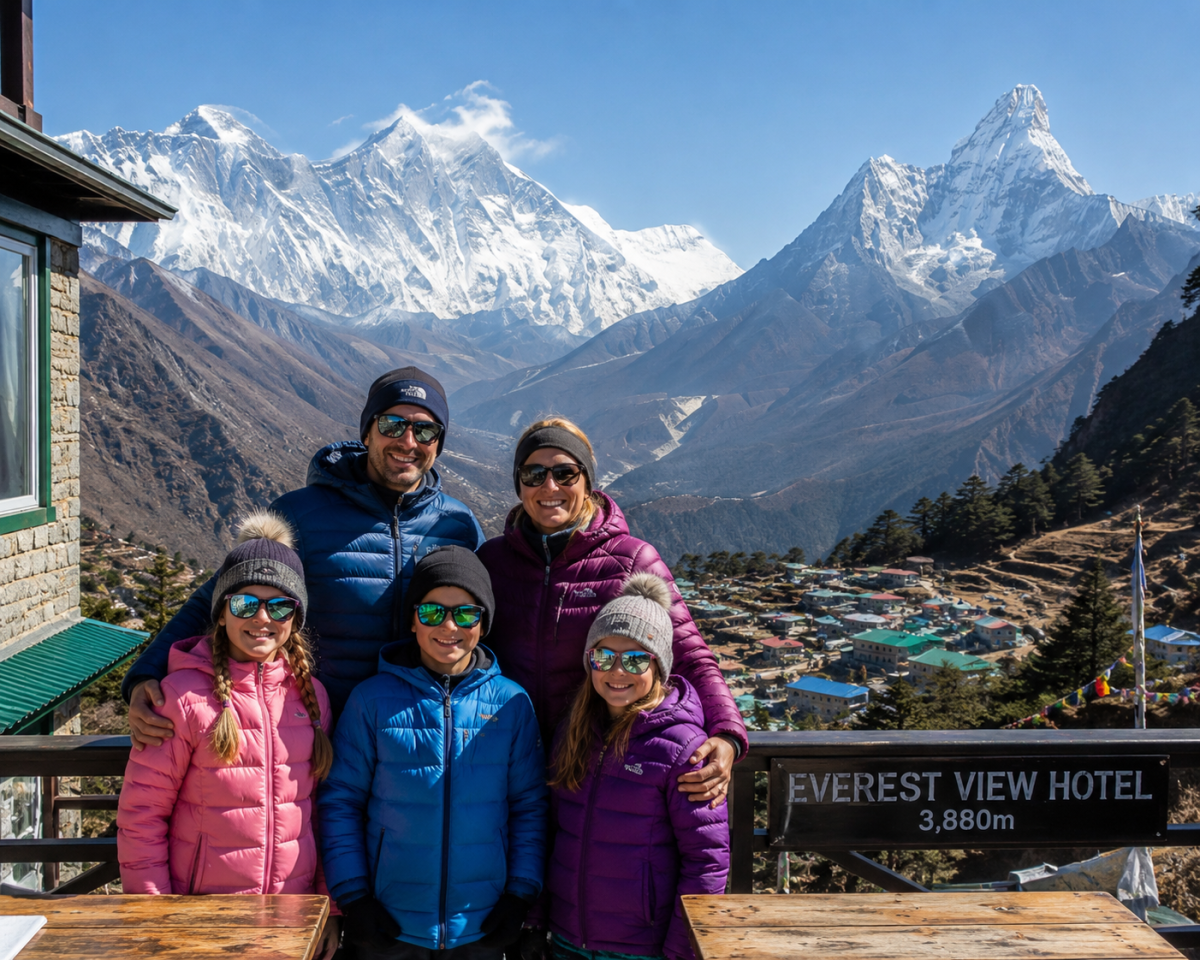
The Everest View Yoga Trek offers many of the highlights of the Everest region without the long journey to base camp. The route typically reaches the Everest View Hotel area above Namche Bazaar, where trekkers enjoy stunning views of Everest, Lhotse, and Ama Dablam.
This shorter itinerary is ideal for travelers who want a Himalayan yoga experience within a limited schedule. Daily yoga sessions can be held on scenic terraces overlooking the mountains, and the moderate trekking distances leave ample time for relaxation and meditation. The trek combines comfort, culture, and extraordinary scenery in a manageable timeframe.
Day 1: Fly from Kathmandu (1,400 m) to Lukla (2,840 m), trek to Phakding (2,610 m) – 3–4 hours.
Day 2: Trek from Phakding (2,610 m) to Namche Bazaar (3,440 m) – 6–7 hours.
Day 3: Acclimatization day at Namche Bazaar (3,440 m), hike to Everest View Hotel (3,880 m) for mountain views and yoga practice – 3–4 hours.
Day 4: Trek from Namche Bazaar (3,440 m) to Khumjung Village (3,790 m), explore Sherpa culture and monasteries – 4–5 hours.
Day 5: Trek from Khumjung (3,790 m) to Phakding (2,610 m) – 6–7 hours.
Day 6: Trek from Phakding (2,610 m) to Lukla (2,840 m) – 3–4 hours.
Day 7: Fly from Lukla (2,840 m) to Kathmandu (1,400 m) – 35 minutes flight.
The best time for the Everest View Trek is during spring (March to May) and autumn (September to November) when the weather is stable, skies are clear, and Himalayan views are spectacular. Spring brings blooming rhododendron forests with daytime temperatures around 10°C to 20°C at lower elevations and 0°C to 10°C around Namche Bazaar.
Autumn is considered the ideal season with crisp mountain views, dry trails, and comfortable trekking conditions. Daytime temperatures range from 5°C to 15°C in the Everest region, while nights can drop below 0°C at higher elevations. Winter offers peaceful trails but colder conditions, while the monsoon season brings rain and cloudy views. October–November and April are the most recommended months.
Day 1: Arrive in Kathmandu (1,400 m) – Trip briefing and welcome yoga session.
Day 2: Fly to Lukla (2,860 m) and trek to Phakding (2,610 m) – 3–4 hours.
Day 3: Trek from Phakding to Namche Bazaar (3,440 m) – 5–6 hours.
Day 4: Acclimatization day at Namche Bazaar (3,440 m) – Morning yoga, hike to Everest View Hotel (3,880 m), 3–4 hours.
Day 5: Trek from Namche Bazaar to Khumjung (3,790 m) – 2–3 hours, afternoon yoga and village exploration.
Day 6: Trek from Khumjung to Monjo (2,835 m) – 5–6 hours.
Day 7: Trek from Monjo to Lukla (2,860 m) – 5–6 hours, farewell yoga session.
Day 8: Fly from Lukla to Kathmandu (1,400 m) – Free afternoon for relaxation or sightseeing.
Day 9: Final departure from Kathmandu.
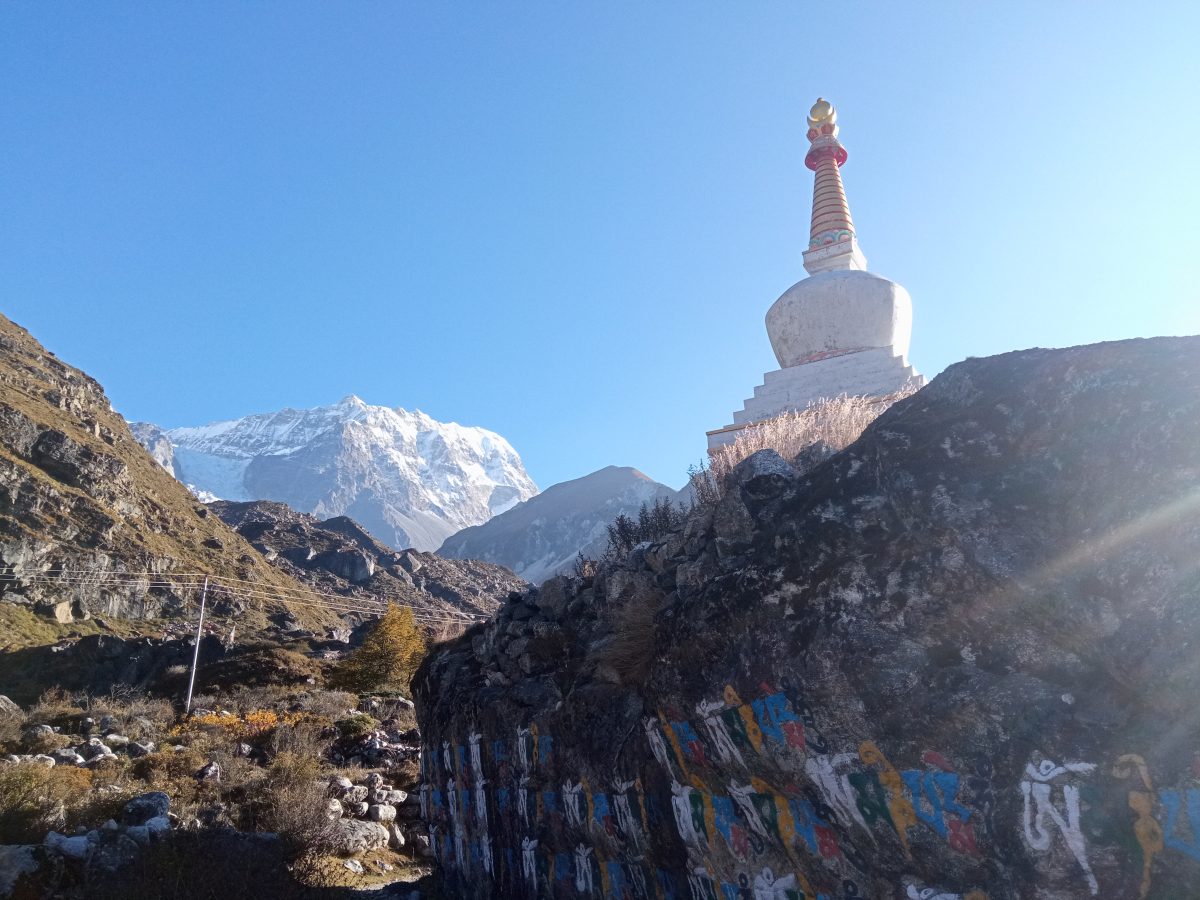
The Langtang Valley Yoga Trek is a peaceful journey that combines the beauty of the Langtang Himalayas with the benefits of yoga, meditation, and mindful trekking. Located close to Kathmandu, this scenic adventure passes through lush forests, traditional Tamang villages, alpine meadows, and breathtaking mountain landscapes, making it an ideal destination for travelers seeking both adventure and inner peace.
Each day includes guided yoga sessions, gentle stretching, and breathing exercises that help improve flexibility, support acclimatization, and ease muscle fatigue after trekking. Practicing yoga in the tranquil surroundings of the Langtang Valley allows trekkers to relax, recharge, and connect more deeply with the natural beauty of the Himalayas.
The Langtang Valley Yoga Trek offers more than spectacular views of Langtang Lirung and the surrounding peaks. It provides a meaningful experience that blends wellness, local culture, and Himalayan adventure, leaving travelers refreshed in body, mind, and spirit long after the journey ends.
The best time for the Langtang Valley Trek is during spring (March to May) and autumn (September to November) when the weather is stable, trails are comfortable, and mountain views are clear. Spring brings colorful rhododendron forests, with daytime temperatures around 10°C to 20°C at lower elevations and 0°C to 10°C in Kyanjin Gompa.
Autumn is the most popular season with dry weather, clear skies, and excellent views of Langtang Lirung and surrounding peaks. Temperatures range from 5°C to 18°C during the day, while nights at higher elevations can drop below 0°C. Winter offers peaceful trails and snowy scenery but requires warm clothing, while monsoon brings rain, clouds, and slippery trails. October–November and April are the ideal months for this trek.
Day 1: Drive from Kathmandu (1,400 m) to Syabrubesi (1,503 m) – 7–8 hours.
Day 2: Trek from Syabrubesi (1,503 m) to Lama Hotel (2,470 m) – 6–7 hours.
Day 3: Trek from Lama Hotel (2,470 m) to Langtang Village (3,430 m) – 6–7 hours.
Day 4: Trek from Langtang Village (3,430 m) to Kyanjin Gompa (3,870 m) – 4–5 hours.
Day 5: Acclimatization day at Kyanjin Gompa (3,870 m), hike to Tserko Ri (4,984 m) or Kyanjin Ri (4,773 m) – 4–6 hours.
Day 6: Trek from Kyanjin Gompa (3,870 m) to Lama Hotel (2,470 m) – 6–7 hours.
Day 7: Trek from Lama Hotel (2,470 m) to Syabrubesi (1,503 m) – 5–6 hours.
Day 8: Drive from Syabrubesi (1,503 m) to Kathmandu (1,400 m) – 7–8 hours.
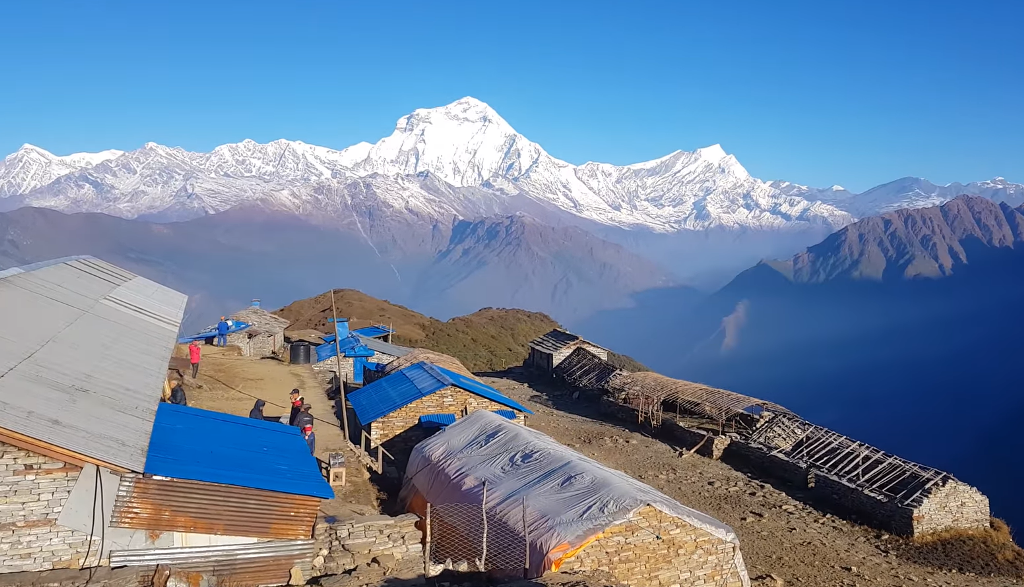
For travelers seeking solitude, the Khopra Ridge Yoga Trek is one of the finest less-crowded options in Nepal. The route leaves the busier Annapurna trails and climbs through traditional villages, forests, and high alpine pastures to the spectacular ridge of Khopra. Views of Dhaulagiri, Annapurna South, and Nilgiri are extraordinary.
The peaceful environment makes Khopra Trails particularly suitable for yoga retreats and meditation-focused journeys. Wide open viewpoints provide space for sunrise practice, and the slower pace encourages deeper connection with the mountains. Trekkers who value quiet trails and authentic local culture often consider Khopra one of Nepal’s hidden gems for wellness travel.
The Khopra Ridge Yoga Trek can be enjoyed throughout much of the year, but the best seasons are spring (March to May) and autumn (September to November). During these months, the weather is generally stable, the skies are clear, and the Himalayan views are at their finest, making them ideal for both trekking and outdoor yoga.
Spring (March to May) is one of the most beautiful times to visit. The hillsides come alive with blooming rhododendron forests, colorful wildflowers, and lush greenery. Daytime temperatures are pleasant, and the clear mountain views of Dhaulagiri, Annapurna South, Nilgiri, and Machhapuchhre create a spectacular backdrop for daily yoga and meditation.
Autumn (September to November) is considered the peak trekking season in Nepal. After the monsoon rains, the air is crisp, visibility is exceptional, and the trails are dry and comfortable. The stable weather makes this the perfect season for longer hikes, sunrise viewpoints, and practicing yoga in the peaceful Himalayan surroundings.
Winter (December to February) offers quiet trails and breathtaking snow-covered landscapes. While temperatures can drop below freezing at higher elevations, especially around Khopra Ridge, trekkers who are well prepared can enjoy a serene experience with fewer visitors and crystal-clear mountain views.
Monsoon (June to August) brings frequent rainfall, slippery trails, and occasional leeches at lower elevations. Mountain views can be limited by clouds, although the forests become incredibly lush and green. Unless you enjoy trekking in rainy conditions, this season is generally less suitable for the Khopra Ridge Trek.
For most travelers, October, November, April, and early May provide the best combination of comfortable temperatures, reliable weather, vibrant scenery, and spectacular Himalayan panoramas, making them the ideal months for a Khopra Ridge Yoga Trek.
Day 1: Drive from Pokhara to Nayapul and trek to Ghandruk (1,940 m) – 4–5 hours trekking
Day 2: Trek from Ghandruk to Tadapani (2,630 m) through rhododendron forests – 4–5 hours trekking
Day 3: Trek from Tadapani to Dobato (3,420 m) via peaceful alpine trails – 5–6 hours trekking
Day 4: Early hike to Muldai Viewpoint, then continue to Khopra Ridge (3,660 m) – 5–6 hours trekking
Day 5: Acclimatization day with an optional hike to Khayer Lake (4,660 m), returning to Khopra Ridge (3,660 m) – 7–9 hours trekking
Day 6: Descend from Khopra Ridge to Swanta Village (2,270 m) through yak pastures and forests – 5–6 hours trekking
Day 7: Trek from Swanta to Ghorepani (2,874 m) via traditional villages and terraced farmland – 5–6 hours trekking
Day 8: Sunrise hike to Poon Hill (3,210 m), then descend to Hile (1,430 m) – 6–7 hours trekking
Day 9: Trek from Hile to Nayapul, then drive back to Pokhara (822 m) – 3–4 hours trekking + 1.5-hour drive
Day 10: Departure from Pokhara or enjoy an optional morning yoga session and sightseeing – No trekking
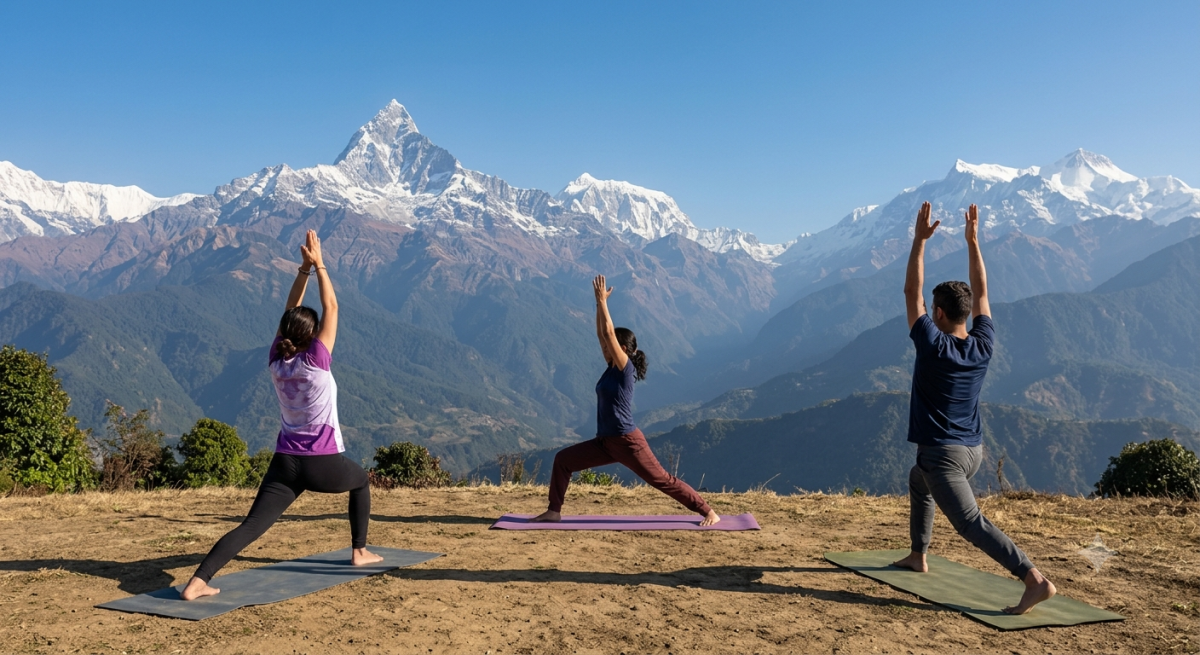
Mohare Danda is another excellent community-based trekking route that works beautifully for yoga groups. The trail passes through Magar villages and forested hills before reaching panoramic ridgelines with views of the Annapurna and Dhaulagiri ranges. Because tourism remains relatively low, the atmosphere feels peaceful and welcoming.
Yoga sessions on Mohare Danda are often accompanied by spectacular sunrise and sunset views. The route also supports local communities through community-managed lodges, making it a meaningful choice for travelers interested in responsible tourism. The combination of gentle trekking, cultural interaction, and mountain scenery creates a deeply rewarding experience.
The best seasons for the Mohare Danda Trek are spring (March to May) and autumn (September to November). These months offer clear mountain views, comfortable temperatures, blooming rhododendron forests in spring, and stable weather ideal for trekking and outdoor yoga.
Winter (December to February) is also suitable for those seeking peaceful trails and snowy landscapes, though mornings can be very cold. The monsoon season (June to August) brings frequent rain, slippery trails, and limited mountain views, making it the least recommended time to visit.
Day 1: Drive from Pokhara (822 m) to Galeshwor (1,170 m), trek to Banskharka (1,525 m) – 3–4 hours.
Day 2: Trek from Banskharka (1,525 m) to Nangi Village (2,320 m) – 5–6 hours.
Day 3: Trek from Nangi (2,320 m) to Mohare Danda (3,300 m) – 5–6 hours.
Day 4: Sunrise yoga at Mohare Danda (3,300 m), trek to Swanta Village (2,214 m) – 5–6 hours.
Day 5: Trek from Swanta (2,214 m) to Ghorepani (2,874 m) – 5–6 hours.
Day 6: Early morning hike to Poon Hill (3,210 m), trek to Ulleri (2,050 m) – 5–6 hours.
Day 7: Trek from Ulleri (2,050 m) to Nayapul (1,070 m), drive to Pokhara (822 m) – 3–4 hours trek + 1.5–2 hours drive.
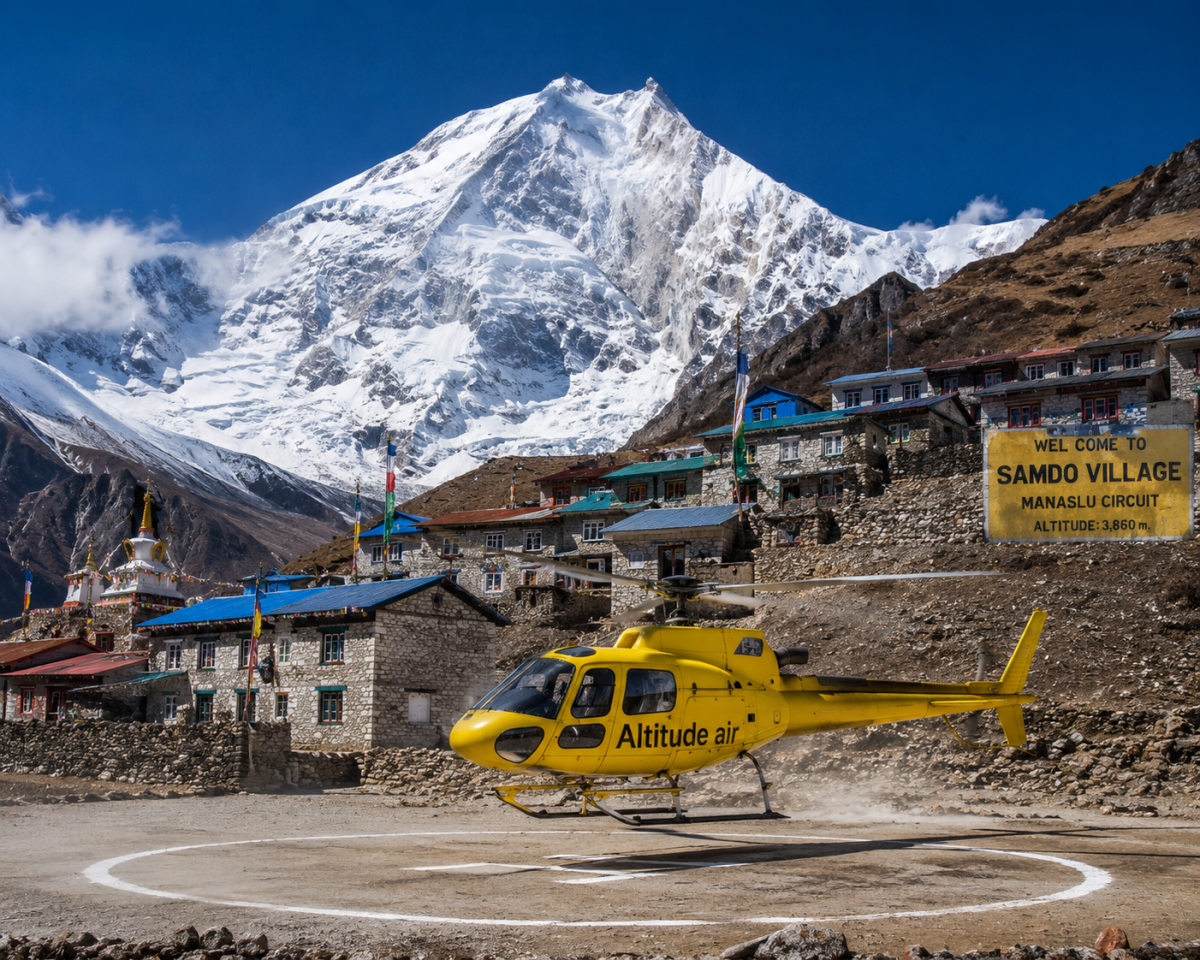
The Manaslu Circuit Yoga Trek is a unique journey that combines the adventure of Himalayan trekking with the peace of daily yoga and mindfulness. Following the remote trails around Mount Manaslu, the world’s eighth-highest mountain, this experience allows travelers to reconnect with nature while strengthening both body and mind in one of Nepal’s most breathtaking landscapes.
Each day begins or ends with guided yoga and breathing sessions in quiet mountain villages, surrounded by snow-capped peaks, forests, and flowing rivers. The gentle practice helps improve flexibility, ease tired muscles, and create a deeper sense of relaxation, making the trekking experience more enjoyable and balanced.
As the trail crosses traditional Gurung and Tibetan-influenced communities and reaches the spectacular Larkya La Pass, trekkers discover rich local culture alongside unforgettable mountain scenery. The Manaslu Circuit Yoga Trek is ideal for those seeking adventure, wellness, and meaningful travel, offering a rewarding Himalayan experience that nourishes both the body and the spirit.
The best time to trek the Manaslu Circuit is during spring (March to May) and autumn (September to November). These seasons offer clear skies, stable weather, excellent visibility of the Himalayan peaks, and comfortable temperatures for crossing the high Larkya La Pass (5,160 m).
Spring brings colorful rhododendron forests and mild temperatures, while autumn provides crisp mountain views after the monsoon. Winter (December to February) is possible for experienced trekkers but can bring heavy snowfall at the pass. The monsoon season (June to August) is generally not recommended due to frequent rain, muddy trails, landslides, and poor visibility.
Day 1: Drive from Kathmandu (1,400 m) to Machha Khola (930 m) – 8–9 hours.
Day 2: Trek from Machha Khola (930 m) to Jagat (1,340 m) – 6–7 hours.
Day 3: Trek from Jagat (1,340 m) to Deng (1,860 m) – 6–7 hours.
Day 4: Trek from Deng (1,860 m) to Namrung (2,630 m) – 6–7 hours.
Day 5: Trek from Namrung (2,630 m) to Samagaon (3,530 m) – 6–7 hours.
Day 6: Acclimatization day at Samagaon (3,530 m); hike to Manaslu Base Camp (4,800 m) or Birendra Lake (3,691 m) – 4–7 hours.
Day 7: Trek from Samagaon (3,530 m) to Samdo (3,875 m) – 3–4 hours.
Day 8: Trek from Samdo (3,875 m) to Dharamsala/Larkya Phedi (4,460 m) – 4–5 hours.
Day 9: Cross Larkya La Pass (5,160 m), descend to Bimthang (3,720 m) – 8–9 hours.
Day 10: Trek from Bimthang (3,720 m) to Dharapani (1,860 m) – 6–7 hours, then drive to Kathmandu or Pokhara.
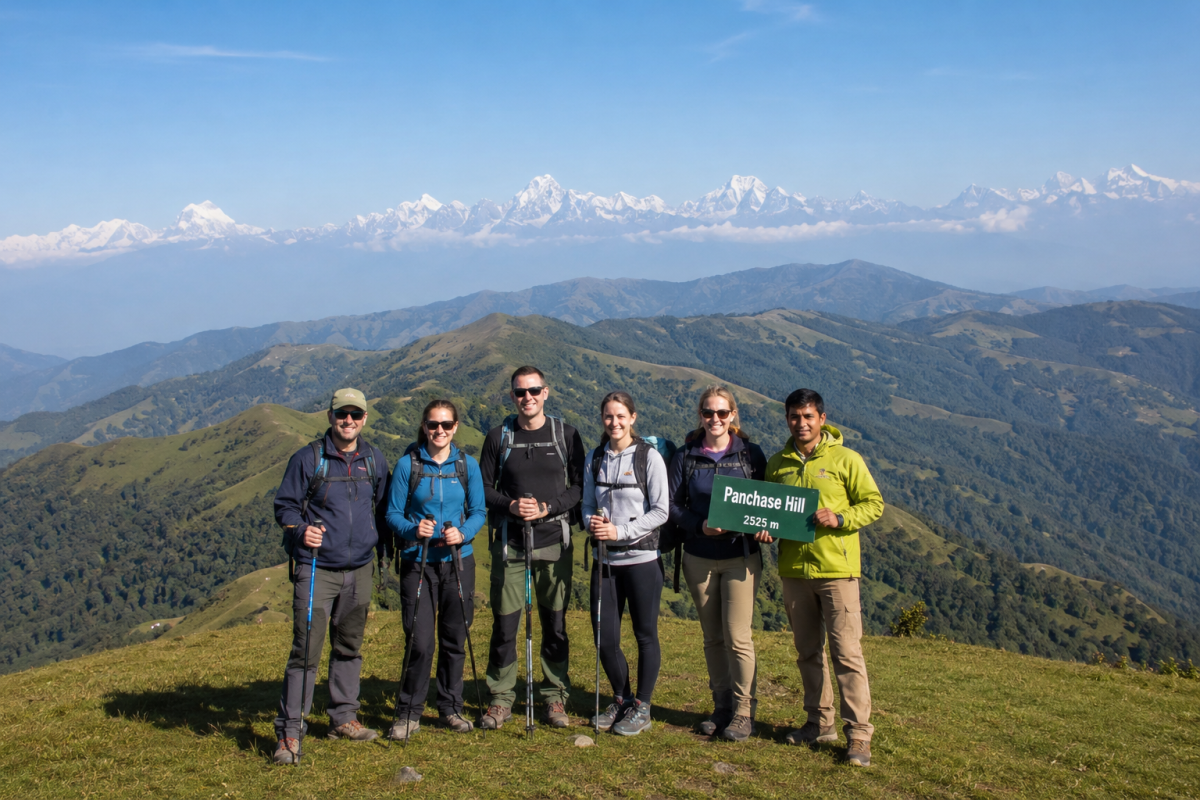
The Panchase Yoga Trek is a short and accessible journey near Pokhara. The trail climbs through forests and traditional villages to the sacred Panchase ridge, which offers wide views of the Annapurna range, Dhaulagiri, and the surrounding hills. The moderate altitude makes it comfortable for yoga practice throughout the year.
Because the trek is relatively easy, participants can spend more time focusing on meditation, breathing exercises, and relaxation. Panchase is especially suitable for beginners, wellness retreats, and travelers who want a shorter Himalayan experience without committing to a long expedition.
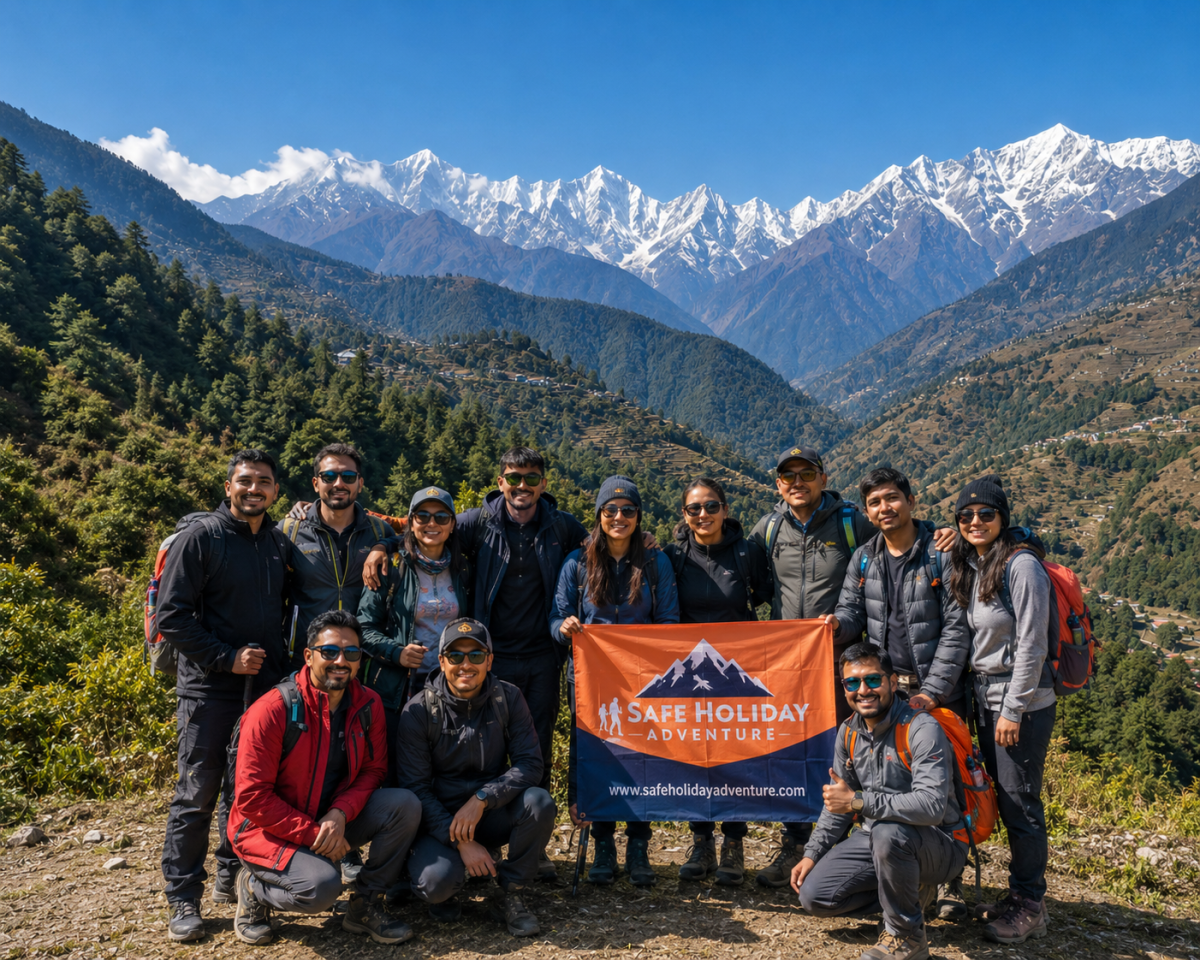
The Helambu Yoga Trek offers a peaceful journey through Buddhist villages, forests, and terraced hills north of Kathmandu. The region is known for its rich cultural heritage and relatively quiet trails, making it an excellent destination for mindful trekking. Yoga sessions can be held in village lodges surrounded by serene mountain scenery.
The Tamang Heritage Yoga Trek adds another cultural dimension by introducing travelers to traditional Tamang communities, ancient monasteries, and natural hot springs. The slower pace of this route allows ample time for meditation and reflection while supporting local villages through community-based tourism.
Day 1: Drive from Kathmandu (1,400 m) to Syabrubesi (1,503 m) – 7–8 hours.
Day 2: Trek from Syabrubesi (1,503 m) to Gatlang (2,238 m) – 5–6 hours.
Day 3: Trek from Gatlang (2,238 m) to Tatopani (2,607 m) – 5–6 hours.
Day 4: Trek from Tatopani (2,607 m) to Thuman (2,338 m) – 5–6 hours.
Day 5: Trek from Thuman (2,338 m) to Briddim (2,229 m) – 5–6 hours.
Day 6: Trek from Briddim (2,229 m) to Sherpagaon (2,563 m) – 5–6 hours.
Day 7: Trek from Sherpagaon (2,563 m) to Tharepati (3,690 m) – 6–7 hours.
Day 8: Trek from Tharepati (3,690 m) to Tarkeghyang (2,590 m) – 5–6 hours.
Day 9: Trek from Tarkeghyang (2,590 m) to Sermathang (2,610 m) – 4–5 hours.
Day 10: Trek from Sermathang (2,610 m) to Melamchi Bazaar (846 m) – 4–5 hours, then drive to Kathmandu – 4–5 hours.
Every day on a Yoga Trek in Nepal begins with a refreshing morning yoga session, allowing you to awaken your body, calm your mind, and prepare for the adventure ahead. Guided by experienced instructors, each session includes gentle stretching, Sun Salutations, breathing exercises (Pranayama), and mindfulness meditation, all carefully adapted to the mountain environment and altitude. Rather than focusing on intense workouts, these practices improve flexibility, enhance energy, promote mental clarity, and create the perfect foundation for a comfortable and enjoyable day of trekking.
After a rewarding day on the trail, the experience continues with a relaxing evening yoga session designed to restore both body and mind. Gentle yoga poses help release tension from the legs, hips, shoulders, and back, while deep breathing and guided meditation encourage relaxation and faster recovery. These restorative practices reduce muscle fatigue, improve sleep quality, and help trekkers adapt more comfortably to the demands of the Himalayas.
More than just a daily routine, yoga becomes an essential part of your Himalayan adventure. Surrounded by majestic mountains, peaceful forests, and fresh alpine air, every session deepens your connection with nature while promoting wellness, mindfulness, and inner balance. By combining trekking with daily yoga practice, you return home feeling stronger, healthier, and inspired—not only by the spectacular landscapes but also by the personal transformation experienced along the journey.
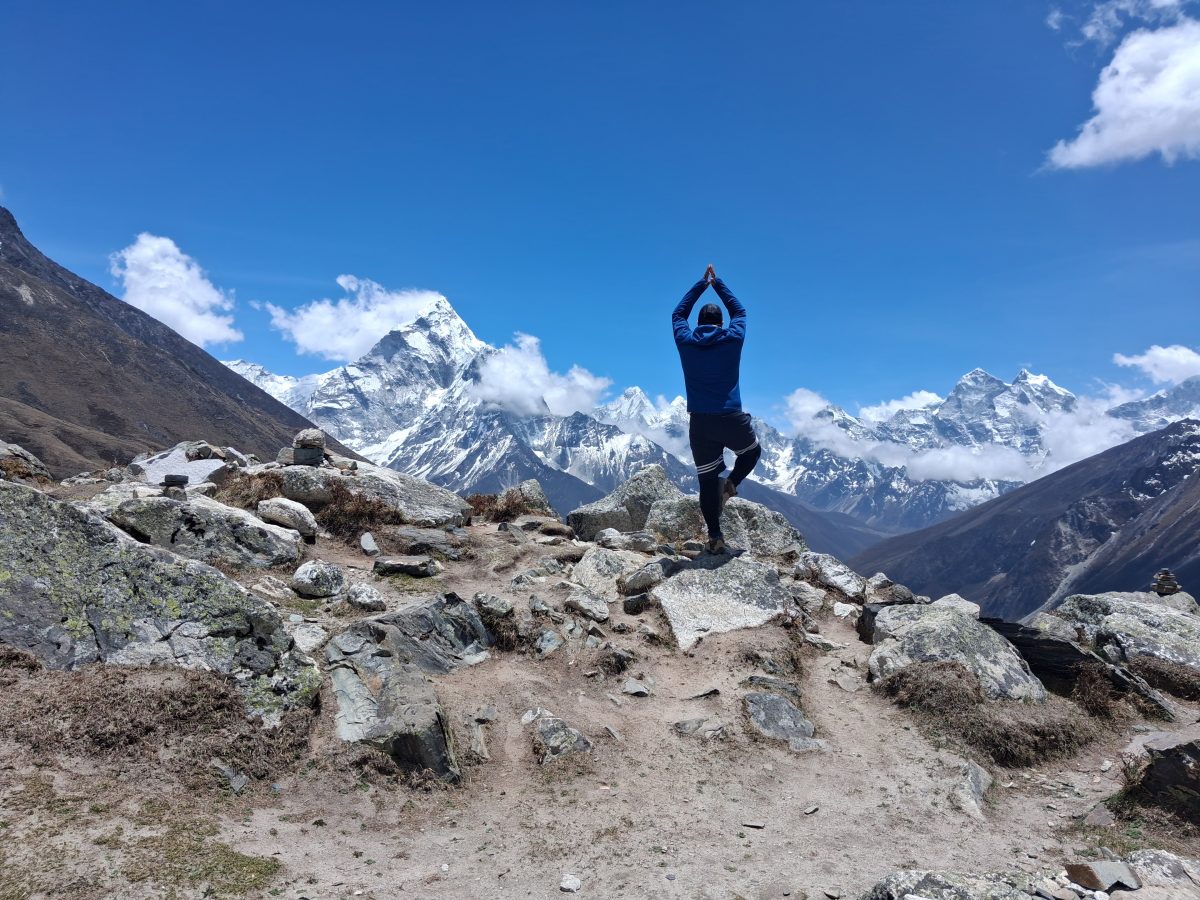
The best seasons for yoga trekking in Nepal are spring (March to May) and autumn (September to November). During these months the weather is generally stable, mountain views are clear, and temperatures are comfortable for both trekking and outdoor yoga practice. Spring brings blooming rhododendron forests, while autumn offers crisp air and excellent visibility.
Winter can also be suitable for lower-altitude yoga treks such as Panchase, Poon Hill, or Mohare Danda, although temperatures become colder at higher elevations. The monsoon season brings rain and clouds, but some regions remain pleasantly green and quiet for travelers who enjoy a more secluded atmosphere.
Most yoga treks in Nepal are suitable for people with average fitness levels. You do not need to be an advanced yogi or an experienced trekker to participate. Instructors and guides can adapt sessions for beginners, and many itineraries include gradual elevation gain to support acclimatization.
Beginners often enjoy routes such as Poon Hill, Panchase, or Everest View, while experienced trekkers may prefer Annapurna Base Camp, Langtang, Khopra Ridge, or Everest Base Camp. The key requirement is a willingness to walk regularly, practice mindfully, and embrace the mountain environment with patience and curiosity.
Choosing a local Nepalese trekking company helps ensure that more of your travel investment stays within mountain communities. Local guides bring valuable knowledge about culture, weather, trails, and safe acclimatization practices, while also creating opportunities for meaningful interaction with local people.
Safe Holiday Adventure Pvt. Ltd. offers yoga trekking experiences that combine professional trekking support with mindful travel in the Himalayas. Working with experienced local guides can make the journey smoother, safer, and more culturally rewarding while supporting sustainable tourism in Nepal.
A yoga trek in Nepal is far more than a holiday. It is an opportunity to walk through some of the world’s most spectacular mountain landscapes while cultivating mindfulness, strength, and inner balance. From the quiet ridges of Mardi Himal and Khopra to the legendary trails of Annapurna Base Camp, Langtang, and Everest, each route offers a unique combination of natural beauty and spiritual renewal.
Whether you choose a short wellness retreat near Pokhara or a life-changing journey toward Everest Base Camp, the Himalayas provide a setting where yoga, meditation, and trekking come together naturally. The mountains invite you not only to explore the world around you, but also to discover a deeper sense of peace within yourself.
Everest View, Annapurna Base Camp, Khopra Ridge, Mohare Danda, and Poon Hill are among the most popular yoga trekking experiences in Nepal.
Spring (March–May) and autumn (September–November) offer the best weather, clear mountain views, and comfortable temperatures.
No. Most yoga treks are designed for all levels, including complete beginners.
Yes. Beginners are welcome, and yoga sessions are adapted to individual abilities and fitness levels.
Most treks include gentle Hatha Yoga, stretching, breathing exercises (Pranayama), meditation, and relaxation.
Difficulty ranges from easy to challenging, depending on the trekking route. Most require a moderate level of fitness.
Most yoga treks last between 7 and 14 days, although shorter and longer itineraries are available.
Bring comfortable trekking clothes, warm layers, hiking boots, a reusable water bottle, sunscreen, and personal essentials.
Many operators provide yoga mats, but bringing a lightweight travel mat is recommended for added comfort.
Yes. Many solo travelers join yoga treks to enjoy nature, wellness, and connect with like-minded people.
Yes. Private departures can be arranged for individuals, couples, families, or groups.
Packages usually include accommodation, meals during the trek, permits, guide, porter, transportation, and daily yoga sessions.
Yes. Most trekking companies can tailor the itinerary to match your schedule, fitness level, and interests.
Accommodation is mainly in local teahouses or lodges with basic but comfortable facilities.
Yes. Vegetarian meals are widely available, and vegan or gluten-free options can usually be arranged with advance notice.
Yoga improves flexibility, breathing, circulation, balance, and recovery, helping trekkers feel more comfortable at altitude.
Yes. Comprehensive travel insurance that covers trekking, high altitude, and emergency evacuation is strongly recommended.
Many yoga trekking programs are led by certified yoga instructors, often accompanied by experienced trekking guides.
Permit requirements depend on the trekking region and may include national park, conservation area, or restricted area permits.
Prices typically range from USD 900 to USD 2,500, depending on the destination, duration, group size, and services included.
There is a moment on every Everest trek when your legs have an opinion. For most people, it arrives
Continue Reading
If you are asking how difficult the Everest Three Passes Trek is, the honest answer is this: it is t
Continue Reading
My name is Peng Chang, and I travelled to Nepal from Malaysia with a small group of friends. Before
Continue Reading
In this story Why I Chose Everest Base Camp My name is Chyling, and I come from Malaysia, a country
Continue Reading
Ask anyone who has finished the Annapurna Circuit which day they remember most, and the answer is al
Continue Reading
Introduction Kathmandu doesn’t ease you in. You step out of the airport into a chorus of horns
Continue Reading