
1 Jul 2026 5 min to read
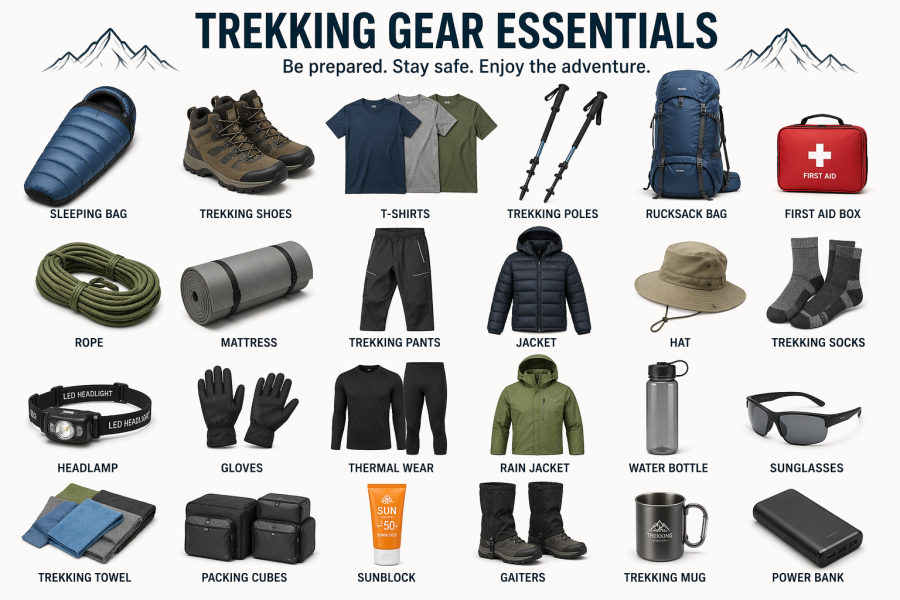
Planning your Langtang Valley Trek? Packing the right gear can make the difference between an enjoyable adventure and an uncomfortable journey. The Langtang Valley Trek takes you through lush forests, traditional Tamang villages, alpine meadows, and breathtaking mountain landscapes, with elevations reaching around 3,870 meters (12,697 feet) at Kyanjin Gompa and optional hikes above 4,700 meters.
Weather conditions can change quickly, so it’s important to pack smart—not heavy. This guide covers everything you need for a safe, comfortable, and memorable trek.

Unlike city travel, trekking in the Himalayas means you’ll encounter varying temperatures, changing weather, and limited access to supplies. A well-planned packing list helps you:
As a general rule, aim to keep your backpack between 8–12 kg (18–26 lbs) if you’re carrying it yourself.
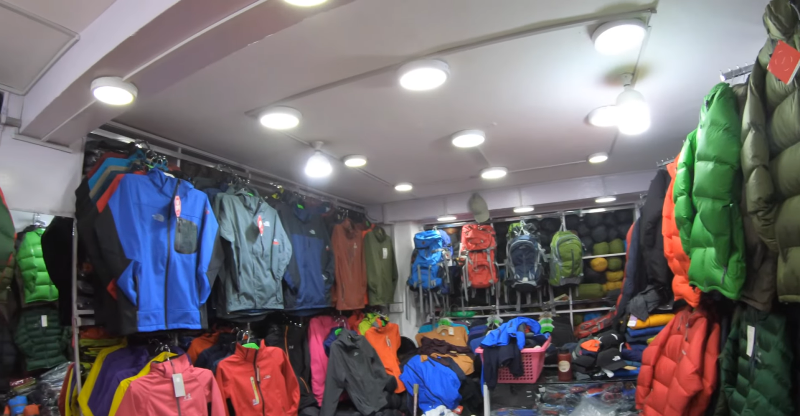
Layering is the key to staying comfortable throughout the trek.
Avoid cotton as it absorbs sweat and dries slowly.
Bring insulation for chilly mornings and evenings.
Recommended items:
The weather in Langtang can change unexpectedly.
Pack:
Choose breathable waterproof clothing for greater comfort.
Bring:
Convertible zip-off pants are an excellent option.
Night temperatures can fall below freezing, especially during autumn and spring.
Choose a jacket that:
Many trekking companies in Nepal also rent quality down jackets.
Your shoes are arguably the most important gear you’ll bring.
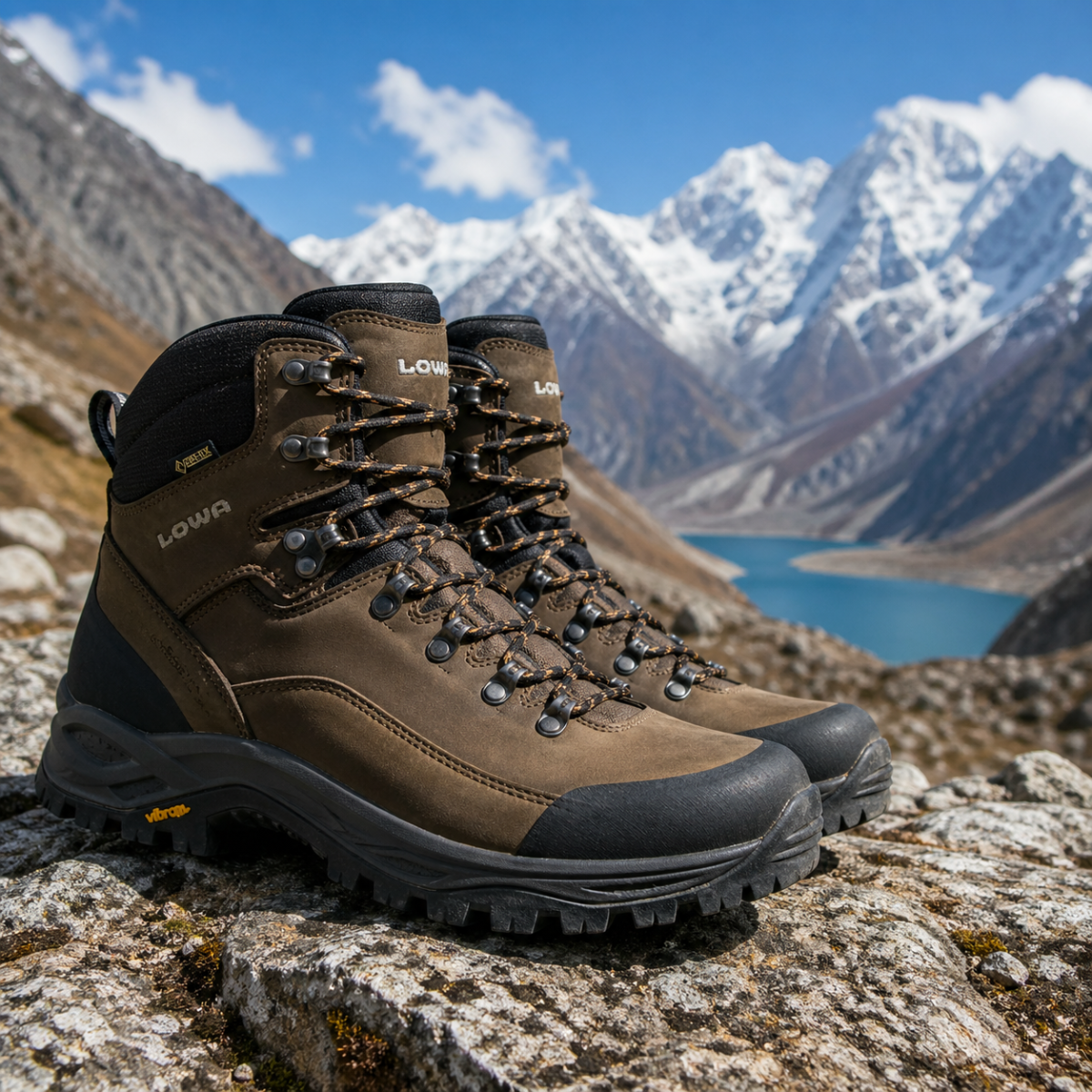
Look for boots that are:
Never wear brand-new boots on the trek.
After a long day of hiking, your feet will appreciate:
Pack:
Recommended size:
40–60 liters
If you’re hiring a porter, your daypack can be much smaller.
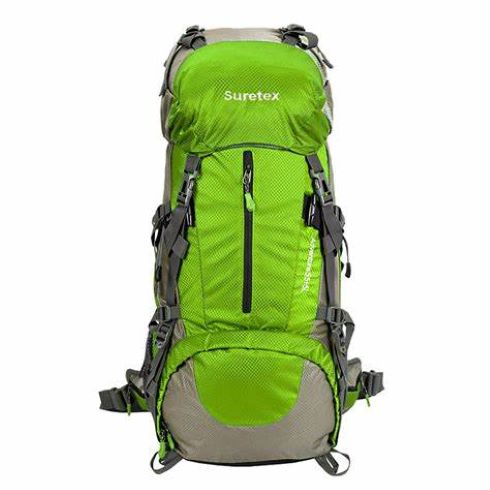
Carry:
A 20–30L daypack is ideal.
Most teahouses provide blankets, but they may not always be sufficient.
Bring:
Renting sleeping bags in Kathmandu is also common.
Don’t forget:
Pack travel-sized essentials:
Many teahouses charge extra for toilet paper.
Carry a small medical kit including:
Recommended items:
Charging in teahouses often requires a small fee.
Always carry:
ATMs are unavailable along most of the Langtang trekking route.
Energy snacks help during long hiking days.
Good choices include:
Depending on your preferences, consider bringing:
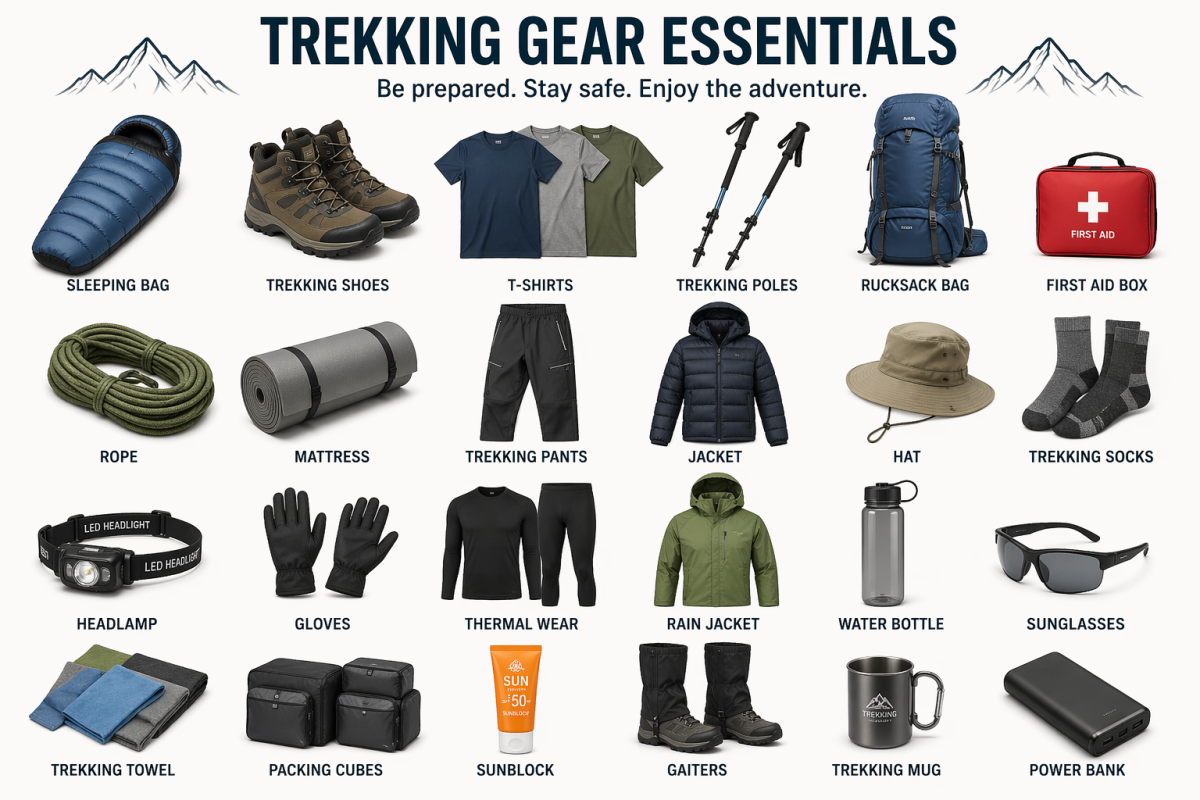
Pack:
Expect blooming rhododendron forests and moderate temperatures.
Ideal trekking season.
Bring:
Skies are generally clear, but nights are cold.
Temperatures can fall well below freezing.
You’ll need:
Snow is possible at higher elevations.
Prepare for:
Bring:
Avoid these common errors:
Packing wisely for the Langtang Valley Trek ensures you stay comfortable, safe, and ready to enjoy one of Nepal’s most rewarding trekking experiences. Focus on lightweight, layered clothing, dependable footwear, essential safety items, and only the gear you’ll truly use.
Remember, the goal isn’t to pack more—it’s to pack smarter. With the right equipment and preparation, you’ll be free to immerse yourself in the stunning Himalayan scenery, rich Tamang culture, and unforgettable adventure that Langtang has to offer.
Ready for your Langtang adventure? Use this checklist as your guide, double-check your gear before departure, and enjoy every step of the journey through one of Nepal’s most beautiful trekking destinations.
There is a moment on every Everest trek when your legs have an opinion. For most people, it arrives
Continue Reading
If you are asking how difficult the Everest Three Passes Trek is, the honest answer is this: it is t
Continue Reading
My name is Peng Chang, and I travelled to Nepal from Malaysia with a small group of friends. Before
Continue Reading
In this story Why I Chose Everest Base Camp My name is Chyling, and I come from Malaysia, a country
Continue Reading
Ask anyone who has finished the Annapurna Circuit which day they remember most, and the answer is al
Continue Reading
Introduction Kathmandu doesn’t ease you in. You step out of the airport into a chorus of horns
Continue Reading