

31 Mar 2019 12 min to read
Sarangkot is a hilltop on the northern edge of Pokhara, and it is the most popular tour near the city. It sits high above the valley, so from the top you are not looking up at distant peaks. You are standing among them. As the first light arrives, the entire Annapurna range appears in front of you, from Annapurna I to Machapuchare, and further west, Dhaulagiri, the 7th highest mountain in the world.
Some travel experiences ask a lot of you: weeks of preparation, days of walking, thin air and sore knees. The Sarangkot Sunrise Tour asks for one early alarm and gives back one of the most spectacular mountain views in Nepal.
What makes this tour special is who it welcomes. Grandparents, small children, school and university groups, honeymooners, solo travelers and large families all stand at the same viewpoint and see the same sky turn gold. You do not need trekking experience, and you do not need to be an athlete.
This guide covers everything you need to plan the trip: what you will see, how to get there, the best season, a morning timeline, what to pack, and tips for travelers of different ages.
The Sarangkot Sunrise Tour is a short morning excursion from Pokhara to the top of Sarangkot hill. Visitors leave the lakeside area in the dark, reach the viewpoint before dawn, watch the sun rise over the Himalayas, and are usually back at their hotel in time for breakfast.
The viewpoint sits at roughly 1,600 meters above sea level. Pokhara itself lies at about 820 meters, so the climb in altitude is modest, but the change in perspective is huge. From that height you can see the Himalayan wall to the north, the Pokhara valley and Phewa Lake to the south, and the green ridges that roll between them.
Most people do the tour as a half-day outing. Because it is short, it fits easily into any Nepal itinerary, whether you are starting a long trek or finishing one, or simply spending a few days in Pokhara.
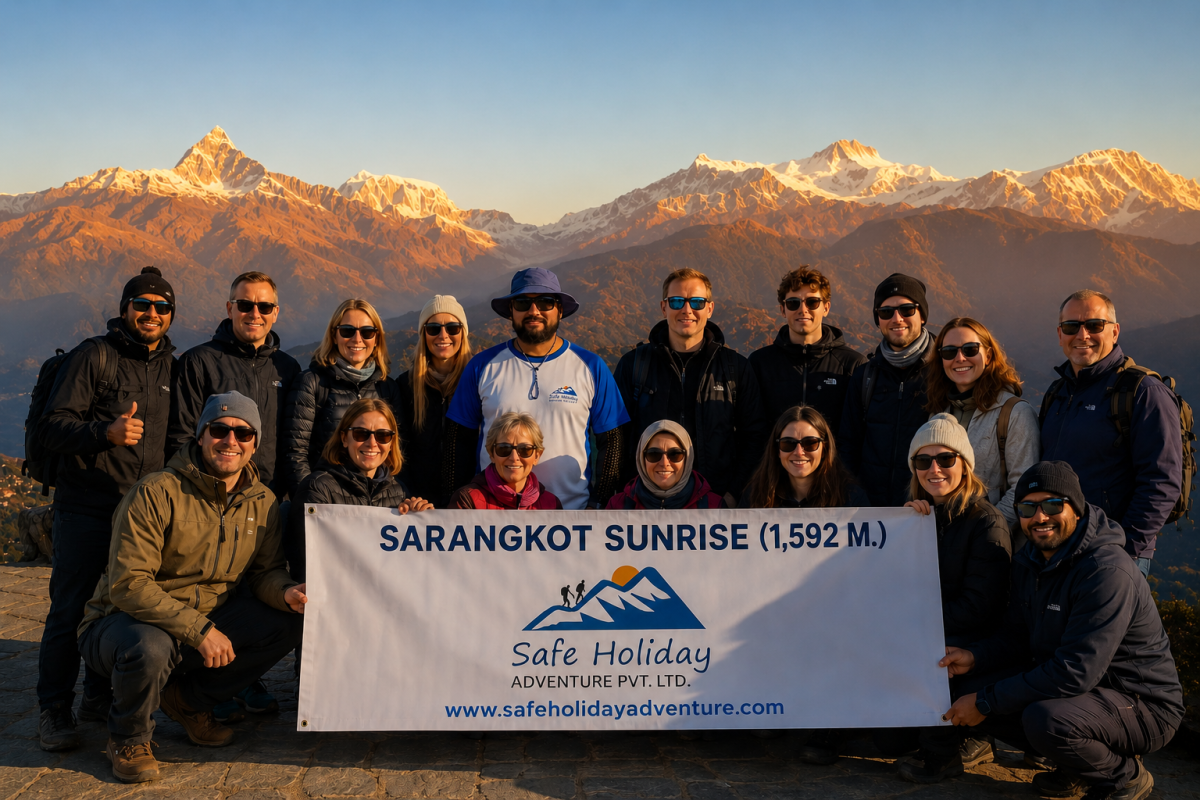
Pokhara has no shortage of attractions: lakes, caves, waterfalls, temples, paragliding, boating and more. Still, Sarangkot tops the list for travelers, and the reasons are easy to see.
1. The view is exceptional. Few places offer such a wide, close-up panorama of the Himalayas with so little effort.
2. It is accessible. You can reach the top by road, so the experience is open to nearly everyone.
3. It is affordable. Compared with flights, treks or adventure sports, a sunrise trip is one of the best-value experiences in Nepal.
4. It is flexible. You can go by private car, taxi or tour van, or hike up if you want exercise.
5. It works for every traveler. Few activities suit a seven-year-old and a seventy-year-old equally well. This one does.
This is the heart of the tour. On a clear morning, the whole skyline from east to west can be seen, with peaks standing shoulder to shoulder in the dawn light.
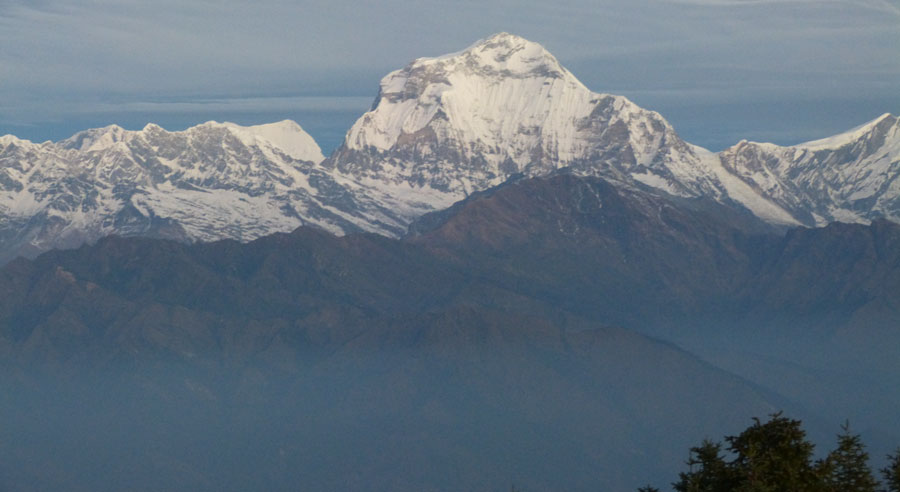
Dhaulagiri is the giant of the western end of the view. Standing at 8,167 meters, it ranks seventh among the highest mountains on Earth. Its name comes from Sanskrit and is often translated as “white mountain,” which suits the huge, gleaming mass of snow and ice you see from Sarangkot. Seeing a peak of this rank from a hilltop within an hour of a lakeside hotel is something many visitors never forget.
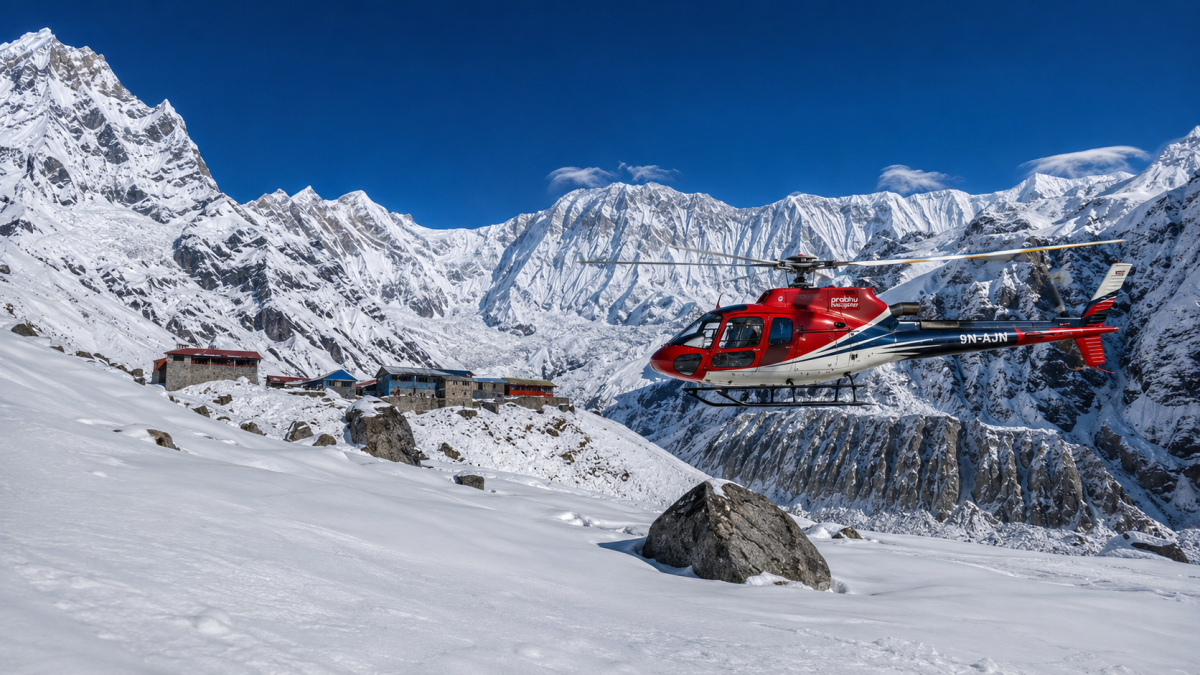
Annapurna I is the highest peak of the Annapurna massif and one of the fourteen mountains in the world above 8,000 meters. It appears as a broad, powerful white wall, and it is often the first summit to catch the sunrise.

Next to the main summit you can pick out Annapurna South and Hiunchuli, along with neighboring peaks of the same massif. Together they form the dramatic backdrop that makes the Pokhara skyline famous.
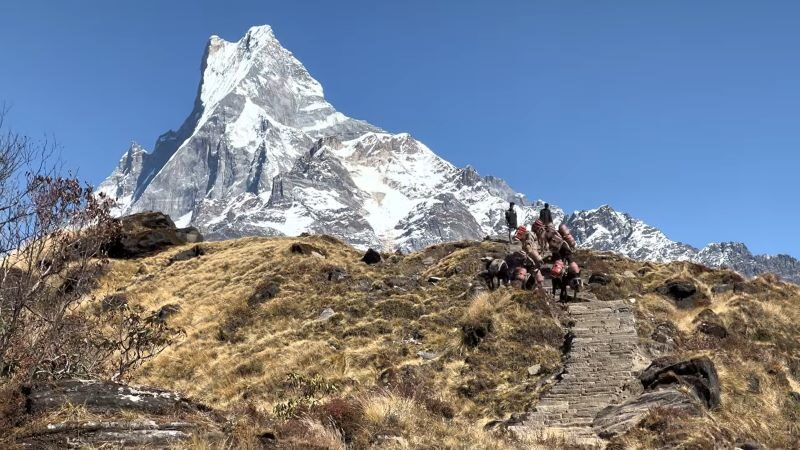
Machapuchare, meaning “fish tail” in Nepali, is the most recognizable peak of the whole view. Its twin summit looks like a fish’s tail, and from Sarangkot it appears almost close enough to touch. The mountain is considered sacred, and climbing it is not permitted, which helps keep its sharp, untouched profile intact.
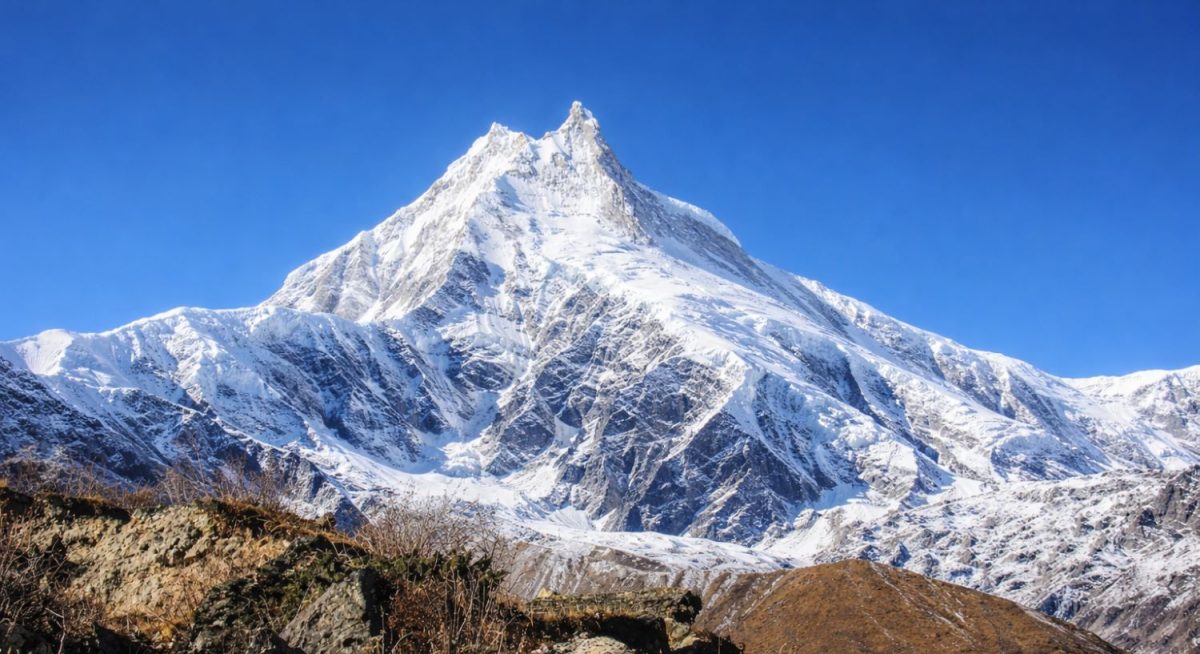
On very clear days, Manaslu (8,163 m) and Lamjung Himal can be seen to the east, extending the panorama even further. Having so many snow peaks visible in one sweep is what makes this viewpoint stand out.
Tip: A clear sky is never guaranteed, so allow for a second morning if your schedule permits. Even a partly cloudy sunrise is beautiful, but crisp, cloud-free mornings are the real prize.
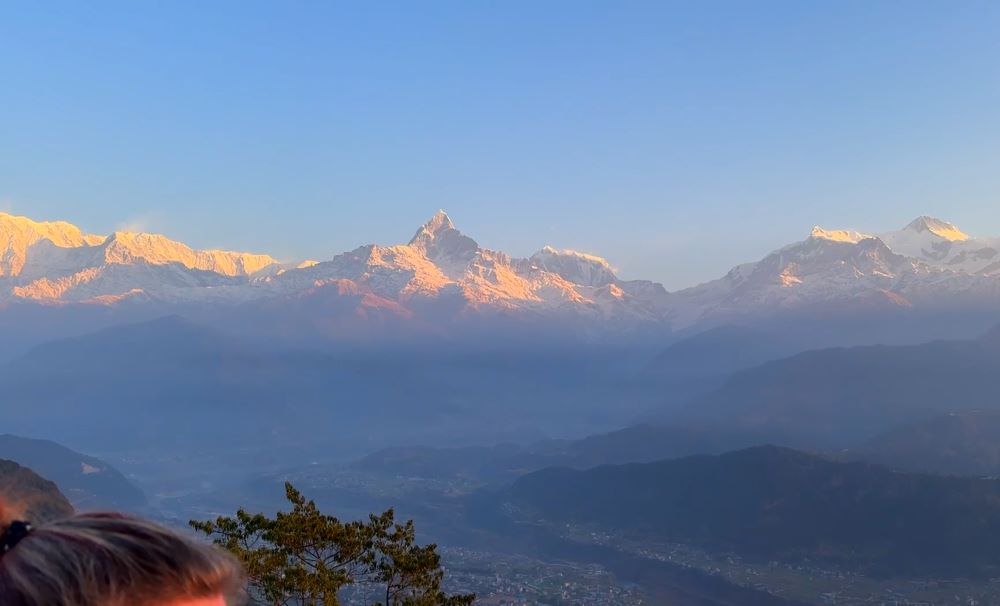
Here is what a typical morning looks like.
Around 4:30 to 5:00 AM: Pickup. Your driver collects you from your hotel in Lakeside or elsewhere in Pokhara. Pokhara is quiet and dark at this hour, and the cool air helps you wake up.
About 30 minutes later: Arrival. The drive up is short and winding, passing through sleepy neighborhoods and terraced slopes. Depending on the road conditions and your vehicle, you may walk the final stretch to the viewpoint.
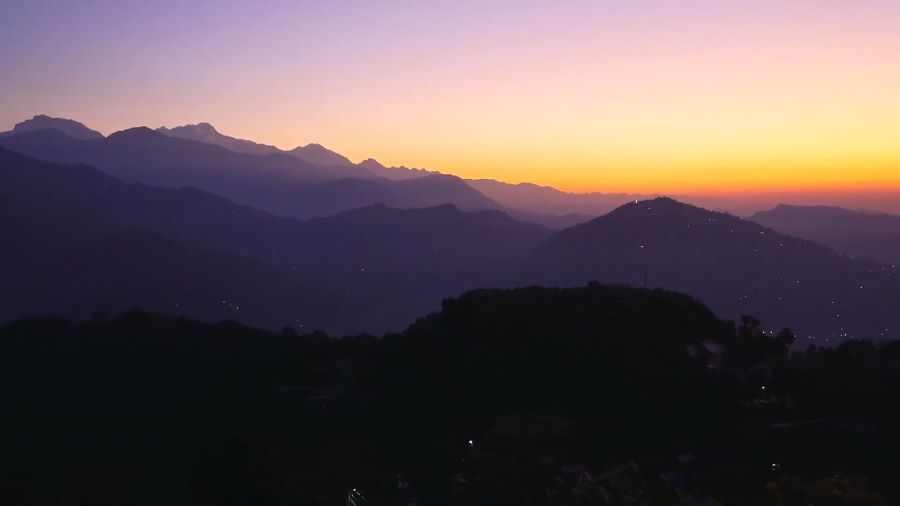
Before sunrise: Finding your spot. Visitors gather on the viewing platform and tower, wrapped in jackets, holding cups of hot tea or coffee from the small stalls nearby. The sky shifts slowly from deep blue to violet to pink.
Sunrise: The moment. The tips of the highest peaks catch the light first, turning from grey to orange to gold, while the valley below is still in shadow. Then the sun clears the horizon and the whole range glows. This is the moment everyone has come for, and it lasts longer than you might expect.
After sunrise: Tea, photos and a slow breakfast pace. There is no need to rush. Many travelers stay an hour or more, watching the mountains change colors as the light grows stronger and the mist lifts off the valley and Phewa Lake.
Late morning: Return. You head back to your hotel, usually before 9:00 AM, with the rest of the day free for lake boating, temples or paragliding.
One of the biggest strengths of this tour is how inclusive it is. Here is how different travelers can enjoy it.
Because there is a road to the top, older travelers can enjoy the same view as everyone else without strenuous walking. Hiring a private vehicle gives you the most comfort, and a short, gentle walk from the drop-off point to the platform is usually all that is required. Take your time, bring a warm layer, and carry any medication you need.
Children often love the early start because it feels like a small adventure. The drive is short, the views are exciting, and the hot drinks and snacks are a treat. Keep little ones warm, bring a snack, and remind them to stay with an adult near the edges of the viewpoint.
Sarangkot is a favorite for educational tours. It combines geography, culture and nature in a single trip: students can see the Himalayas, the layout of the Pokhara valley, and the terraced farmland that supports local life. It is also affordable for groups.
Few settings are more romantic than a Himalayan sunrise. Many couples make it the highlight of their Pokhara stay.
For solo travelers it is a safe, social and easy outing, and for photographers it is one of the most rewarding locations in the region. A tripod and a zoom lens will make a big difference.

There are a few ways to get to the top, depending on your energy and budget.
By private car or taxi. The easiest and most comfortable option. Arrange it the evening before and confirm the pickup time with your hotel or tour operator.
By tour vehicle or shared transport. A good option for groups and budget travelers. Guided tours often include pickup and drop-off.
By motorbike or scooter. Possible for experienced riders, but the road is steep and dark before dawn, so use caution.
On foot. Fit travelers can hike up from the Pokhara side, which typically takes a couple of hours. The hike is rewarding and lets you earn the view, but start early, carry a torch or headlamp, and wear proper shoes.
The distance from central Pokhara is only a short drive, so even a hurried traveler can fit it in.
Sarangkot is open all year, but conditions vary by season.
Autumn (October to November): The best time. Skies are clear, the air is dry, and the mountains stand out sharply. This is peak season, so expect more visitors.
Winter (December to February): Cold mornings but often excellent visibility. Dress warmly, because it can be chilly before sunrise.
Spring (March to May): Pleasant temperatures and blooming hillsides. Haze can build up later in the season, so earlier is better.
Monsoon (June to September): Clouds and rain often hide the mountains. However, the valley is lush and green, and some mornings still clear beautifully, especially just after rain.
Sunrise time changes through the year, generally falling somewhere between early and mid morning, so check the exact time the day before and plan your wake-up accordingly.
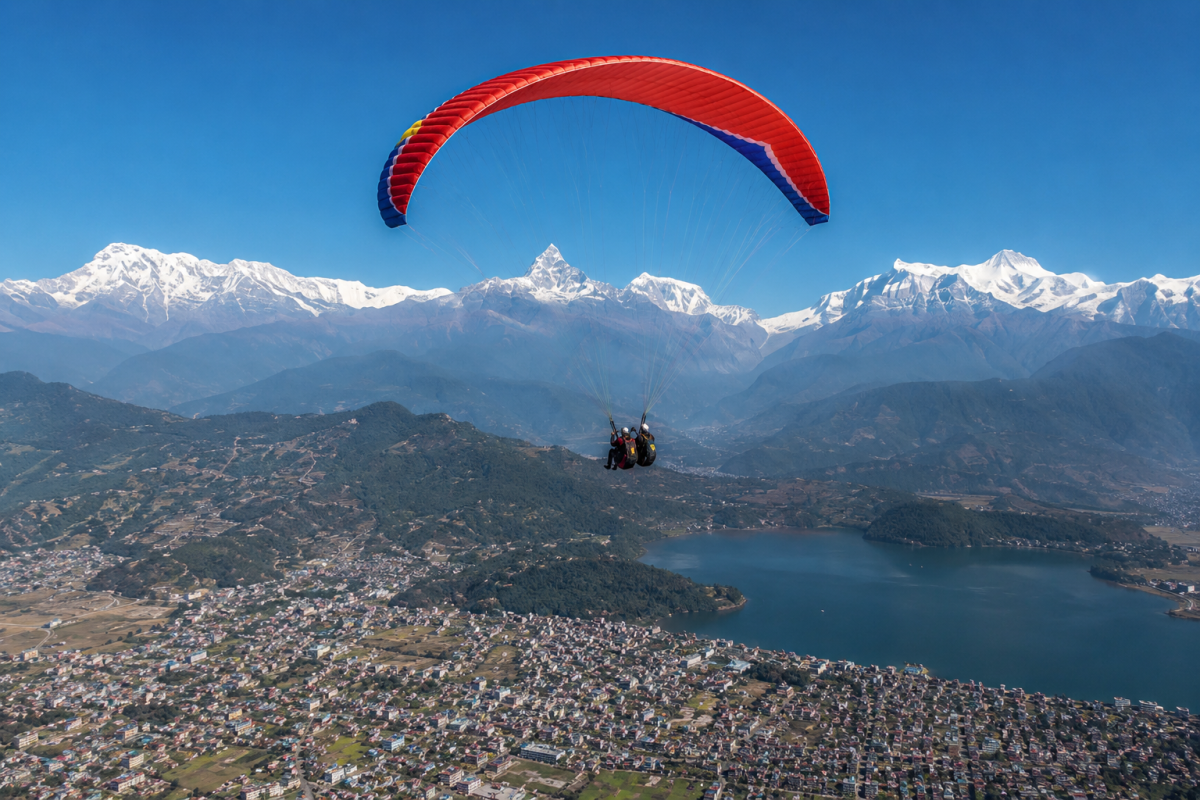
Because the tour finishes early, you have the whole day left. Popular add-ons include:
Is the Sarangkot Sunrise Tour suitable for older people?
Yes. With road access to near the top, it is one of the easiest mountain-view experiences in Nepal for seniors.
Is it safe for kids?
Yes, with normal care. Keep children close at the viewpoint, dress them warmly, and supervise them near edges.
How long does the tour take?
Usually three to four hours, including transport, sunrise viewing and time for tea and photos.
Can I see Dhaulagiri from Sarangkot?
Yes. On clear mornings Dhaulagiri, the 7th highest peak in the world, is visible along with the whole Annapurna range.
What is the best month to go?
October and November are best, followed by the clear mornings of winter and early spring.
Do I need a guide?
Not required, since the viewpoint is easy to reach. A guide or tour arrangement adds convenience and local knowledge, especially for first-time visitors and groups.
What if it is cloudy?
Clouds do sometimes hide the peaks. If your schedule is flexible, try again the next morning.
The Sarangkot Sunrise Tour proves that you do not need days of hard trekking to be moved by the Himalayas. A short drive, a cup of tea and a bit of patience are enough to watch the Annapurna range, Machapuchare and mighty Dhaulagiri light up with the first rays of the day.
It is easy, affordable and open to every kind of traveler, which is exactly why it remains the most popular tour near Pokhara. Whether you are traveling with grandparents, kids, classmates or a partner, this is a morning you will talk about long after you leave Nepal.
If Pokhara is on your itinerary, set the alarm, pack a warm jacket, and go. The mountains will be waiting.
There is a moment on every Everest trek when your legs have an opinion. For most people, it arrives
Continue Reading
If you are asking how difficult the Everest Three Passes Trek is, the honest answer is this: it is t
Continue Reading
My name is Peng Chang, and I travelled to Nepal from Malaysia with a small group of friends. Before
Continue Reading
In this story Why I Chose Everest Base Camp My name is Chyling, and I come from Malaysia, a country
Continue Reading
Ask anyone who has finished the Annapurna Circuit which day they remember most, and the answer is al
Continue Reading
Introduction Kathmandu doesn’t ease you in. You step out of the airport into a chorus of horns
Continue Reading