

5 Jun 2017 12 min to read
Nepal is one of the last places on Earth where you can watch the sun rise over 8,000-meter peaks in the morning and wander a UNESCO-listed medieval square by afternoon. Sandwiched between India and China (Tibet), this small Himalayan nation punches far above its size when it comes to landscapes, culture, and adventure — but it also runs on its own rhythm, paperwork, and logistics that catch first-timers off guard. This guide covers everything you need to plan a smooth, well-informed trip to Nepal in 2026.
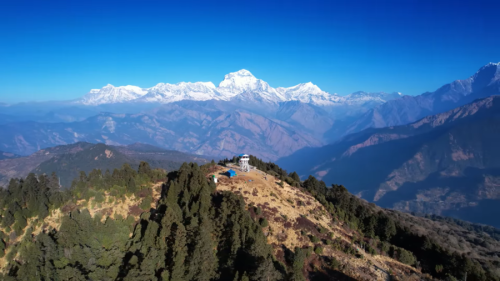
Nepal has four fairly distinct seasons, and timing your trip matters more here than in most destinations because it directly affects mountain visibility and trail conditions.
Bottom line: aim for October–November or March–April if trekking or mountain views are your priority.
Nepal makes entry relatively straightforward for most nationalities, offering visa-on-arrival at Tribhuvan International Airport and major land border crossings.
Tourist visa fees (2026):
Visa fees are paid in cash, and carrying crisp, newer USD notes is recommended for faster processing at the payment counters. Citizens of SAARC countries (except Afghanistan) can get a free visa for the first 30 days, and children under 10 are also eligible for a free visa. A handful of nationalities (including Nigeria, Ghana, Afghanistan, Zimbabwe, Somalia, Iraq, and a few others) are not eligible for visa-on-arrival and must arrange a visa in advance through a Nepalese embassy — always double-check your specific nationality before flying.
To speed things up at the airport, fill out the online tourist visa form on Nepal’s official immigration website within 15 days of arrival and bring the barcode receipt with you. You’ll also need:
Visas can be extended at the Department of Immigration offices in Kathmandu or Pokhara for a daily fee, so there’s no need to leave the country if you decide to stay longer.
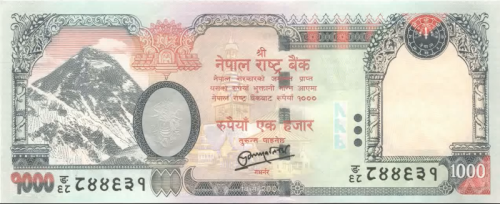
The Nepalese Rupee (NPR) is the official currency, though USD is widely accepted for visas, permits, and some higher-end hotels and trekking agencies.
Tipping is customary for Guides, Porters, and drivers, though not usually expected in casual restaurants.
By air: Tribhuvan International Airport (KTM) in Kathmandu is the main international gateway, with connections through hubs like Delhi, Bangkok, Singapore, Doha, and Kuala Lumpur. Pokhara’s international airport has also expanded regional connections in recent years.
By land: Overland entry from India is possible via several border crossings (Sunauli/Belahiya near Lumbini and Sonauli, Kakarbhitta in the east, and Birgunj/Raxaul), and from Tibet via the Kerung–Rasuwagadhi crossing, though the Tibet route depends on current Chinese permit and group-travel policies, which change frequently and are worth confirming close to your travel date.
Getting around inside Nepal:
Nepal’s trekking permit system can be confusing because requirements vary by region, and rules have tightened in recent years around mandatory guides on certain routes. Here’s the general structure for 2026:
| Permit | Typical Cost (Foreigners) | Needed For |
|---|---|---|
| Sagarmatha National Park Permit | NPR 3,000 | Everest Base Camp, Three Passes, Gokyo Lake Trek, Chola Pass Trek |
| Annapurna Conservation Area Permit (ACAP) | NPR 3,000 (US$25–30) | Annapurna Circuit, Annapurna Base Camp, Mardi Himal, Poon Hill, |
| Langtang National Park Permit | NPR 3,000 | Langtang Valley, Gosaikunda, Helambu Trek |
| TIMS Card | NPR 1,000–2,000, with different rates for agency-booked (green) vs. independent (blue) trekkers | Most standard trekking routes |
| Restricted Area Permits (e.g., Upper Mustang, Manaslu) | From roughly $100 per week up to $500 for 10 days, depending on region and season | Restricted/high-altitude regions, usually requiring a licensed guide and minimum group size |
A few important notes:
Local SIM cards (Ncell and Nepal Telecom/NTC) are inexpensive and easy to buy in Kathmandu with your passport and a photo. Coverage is solid in cities and along most major trekking routes, though it thins out at higher altitudes. Many teahouses on popular treks offer paid Wi-Fi, though speeds are inconsistent.
Trekkers heading to Everest Base Camp or the full Annapurna Circuit should plan for 12–18 days for the trek alone, plus buffer days in Kathmandu for permits, gear, and weather delays.
Do I need previous trekking experience to trek in Nepal?
No. Popular teahouse treks like Poon Hill, Annapurna Base Camp, and even Everest Base Camp are achievable for reasonably fit beginners with no technical climbing skills. Good cardiovascular fitness and mental preparation for long walking days matter more than prior trekking experience.
How fit do I need to be?
You should be comfortable walking 5–7 hours a day, often uphill, for multiple consecutive days. Start training 2–3 months out with hiking, stair climbing, or cardio if you’re not already active.
Do I need a guide or can I trek independently?
This depends on the region and has become stricter in recent years — some routes now require a licensed guide, while others still allow independent trekking. Always confirm current rules for your specific trek before booking, since regulations shift year to year.
How much does a trek actually cost all-in?
Beyond permits (covered in the main guide), budget for a guide/porter if hiring one, teahouse lodging and food (roughly $25–35/day on most routes), gear, and a buffer for weather delays.
Will I get altitude sickness?
Possibly — it can affect anyone regardless of fitness level, usually above 2,500–3,000m. The best prevention is ascending slowly and including acclimatization days in your itinerary.
What are the symptoms I should watch for?
Headache, nausea, dizziness, and fatigue that doesn’t improve with rest. If symptoms worsen, the only real fix is descending.
Do I need altitude sickness medication?
Some trekkers carry Diamox as a preventive measure — this is a personal medical decision, so it’s worth discussing with a doctor or travel clinic before your trip rather than deciding on the trail.
Is travel insurance really necessary?
Yes — specifically insurance that covers high-altitude trekking and helicopter evacuation. Standard travel insurance often excludes trekking above a certain altitude.
What if I get sick or injured on the trail?
Most popular routes have basic health posts, and helicopter evacuation is available (at a real cost) from most trekking regions if insurance-covered. Guides are usually trained in basic first response.
What should I pack for a Nepal trek?
Layered clothing for big temperature swings, a good sleeping bag rated for below-freezing temps (teahouses are unheated), sturdy broken-in hiking boots, a headlamp, water purification tablets or a filter, and sun protection — UV is intense at altitude.
Can I rent gear in Kathmandu instead of buying it?
Yes — Thamel (Kathmandu’s tourist hub) has dozens of gear rental shops with down jackets, sleeping bags, and trekking poles at low daily rates, which is popular with first-timers who don’t want to buy gear for one trip.
Will I have access to charging and Wi-Fi on the trail?
Most teahouses offer paid charging and Wi-Fi, though both get pricier and less reliable the higher you go. Bring a power bank as backup.
What’s teahouse accommodation actually like?
Simple, often shared-wall rooms with twin beds, usually no heating except a communal dining room stove in the evening, and shared bathrooms (squat or Western-style, depending on the teahouse).
Is the food safe and any good?
Yes to both, generally. Dal bhat (lentils, rice, vegetables) is the trekker staple — filling, safe, and often available as a free refill. Stick to freshly cooked, hot food and treated water.
Do I need to speak Nepali?
No — English is widely understood in trekking regions, especially by guides, lodge owners, and anyone working in tourism.
What’s the best month to trek for clear mountain views?
Late September through November is the top window (fewer clouds, mild temps), with March–April a close second (spring blooms, slightly hazier skies).
Can I trek solo as a woman?
Yes, many women trek solo in Nepal’s popular regions, and it’s generally considered safe — though joining a guided group or hiring a guide adds an extra layer of comfort and safety, especially on longer or remote routes.
Is there an age limit for trekking?
No official limit — fitness matters more than age. Both children (on easier routes) and older trekkers regularly complete popular treks with sensible pacing.
Nepal rewards travelers who do a bit of homework before arriving — permits, altitude, and seasonal timing all shape how smooth your trip will be. But with the basics sorted, it’s hard to beat what’s on offer: some of the world’s highest mountains, centuries-old temple squares, and a warmth from locals that keeps travelers coming back.
There is a moment on every Everest trek when your legs have an opinion. For most people, it arrives
Continue Reading
If you are asking how difficult the Everest Three Passes Trek is, the honest answer is this: it is t
Continue Reading
My name is Peng Chang, and I travelled to Nepal from Malaysia with a small group of friends. Before
Continue Reading
In this story Why I Chose Everest Base Camp My name is Chyling, and I come from Malaysia, a country
Continue Reading
Ask anyone who has finished the Annapurna Circuit which day they remember most, and the answer is al
Continue Reading
Introduction Kathmandu doesn’t ease you in. You step out of the airport into a chorus of horns
Continue Reading