
1 Jul 2020 13 min to read
The highlights of the Everest Base Camp Trek begin the moment you land at Lukla, one of the world’s most thrilling airstrips. From there, the trail leads you across high suspension bridges and into the lively market town of Namche Bazaar.
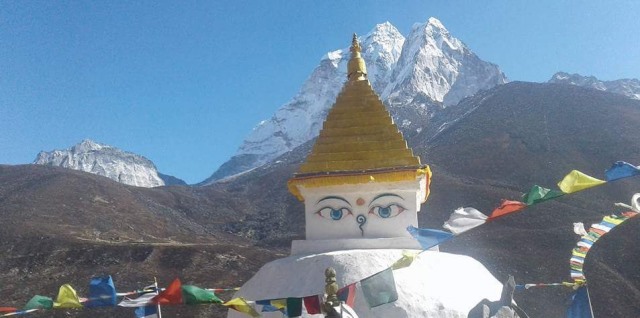
Next comes Tengboche Monastery, where prayer flags flutter beneath Ama Dablam. Along the way, Sherpa villages welcome you with warm tea and a close look at mountain life.
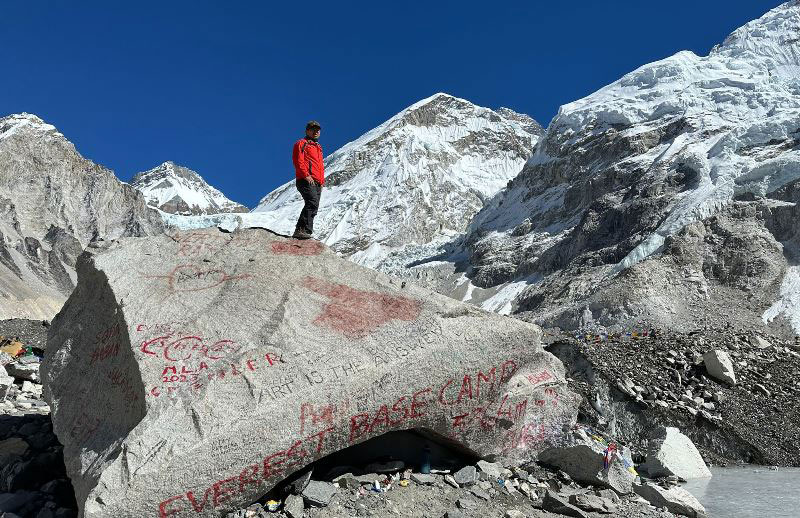
The trek reaches its peak at Everest Base Camp, standing in the shadow of the Khumbu Icefall. At Kala Patthar, you watch the sun rise over Everest itself.
Every step of the Everest Base Camp Trek offers breathtaking scenery, but some attractions are truly unforgettable. From the bustling streets of Namche Bazaar and the spiritual atmosphere of Tengboche Monastery to the magnificent sunrise from Kala Patthar and standing at the foot of Mount Everest, these are the experiences that make the trek a once-in-a-lifetime Himalayan adventure.
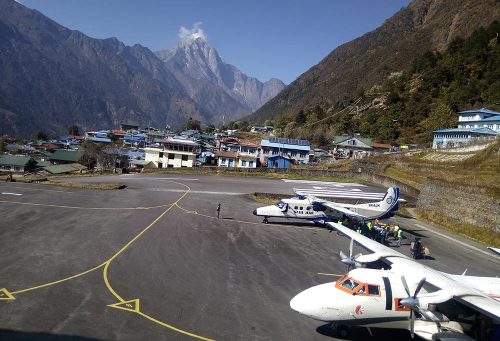
The Tenzing Hillary Airport in Lukla is a must-visit highlight of the Everest Base Camp Trek. Located in the Solukhumbu District of Nepal, Lukla is a popular Sherpa settlement in the northeast of Kathmandu. At an altitude of 2,860 meters (9,383 ft), it welcomes hundreds of trekkers flying in and out every day.
Lukla is primarily a Sherpa town with a population of around 1,200, although people from other communities also operate businesses here. It is famously known for Tenzing-Hillary Airport, the main gateway to the Everest region and the starting point for most Everest Base Camp treks.
Many trekkers from around the world consider the Lukla flight their first adventure on the journey to Everest. Although it was once listed among the world’s most dangerous airports, continuous improvements in aviation technology, airport infrastructure, and flight operations have made it significantly safer. The airport’s 575-meter runway is short and narrow, but experienced mountain pilots operate flights with exceptional skill and precision.
If you’ve forgotten to pack any trekking gear, outdoor equipment, or need to withdraw cash or purchase last-minute essentials, Lukla is the ideal place to do so before heading deeper into the mountains. There are numerous trekking shops selling jackets, trekking poles, gloves, hats, snacks, and other supplies. Since prices vary from shop to shop, it’s worth comparing prices before making a purchase. While bargaining is uncommon in the Everest region, checking multiple stores may help you find the best value.
One of the main reasons the Everest Base Camp Trek is such a popular adventure is the opportunity to experience the unique Sherpa culture and traditions that are deeply rooted in the Khumbu region. The Sherpa people have a rich history and have developed their own way of life, language, and customs, which have been passed down through generations.
One of the most important cultural events in the Sherpa community is the Mani Rimdu Festival, celebrated once each year at the famous Tengboche Monastery. This colorful and vibrant festival features traditional dances, music, masked performances, and Buddhist prayers, making it one of the most memorable cultural experiences along the Everest Base Camp Trek.
In addition to Mani Rimdu, the Sherpa people also celebrate other important festivals such as Losar (Tibetan New Year) and Dumje. These festivals provide a unique opportunity for visitors to experience authentic Sherpa culture, as they include traditional singing, dancing, religious ceremonies, and community feasts.
Another fascinating aspect of Sherpa culture is the community’s traditional professions and exceptional skills. The Sherpa people are world-renowned for their mountaineering expertise and have played a vital role in helping climbers reach the summit of Mount Everest, the world’s highest mountain. Besides mountaineering, many Sherpas continue to practice traditional occupations such as farming, yak herding, and trading, reflecting their deep connection to the Himalayan landscape.
Overall, the Sherpa people are known for their warm hospitality, kindness, and welcoming nature, making them one of the greatest highlights of the Everest Base Camp Trek. Visitors have the opportunity to immerse themselves in the local culture and gain a deeper understanding of the traditions, customs, and way of life of this remarkable Himalayan community while trekking through the Khumbu region.
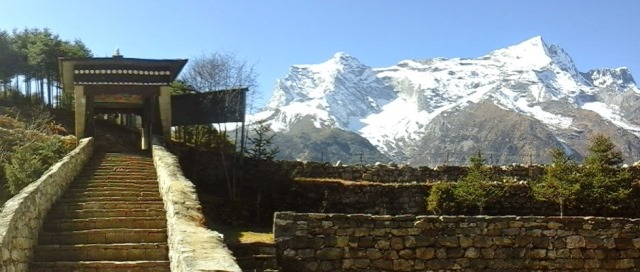
If you’re planning the Everest Base Camp Trek, a visit to the Hillary Museum in Namche Bazaar should be at the top of your itinerary. Perched above the vibrant Sherpa town, the museum and the nearby Sagarmatha Photo Gallery provide a fascinating introduction to the history, culture, and lifestyle of the Sherpa people. Whether you’re a trekker, climber, photographer, or cultural enthusiast, this remarkable destination offers an unforgettable educational experience.
Named in honor of Sir Edmund Hillary, the legendary mountaineer who first summited Mount Everest alongside Tenzing Norgay Sherpa in 1953, the Hillary Museum stands as one of the most important historical and cultural attractions in the Khumbu region. Open throughout the day, the museum welcomes all visitors and serves as an excellent place to deepen your understanding of the Himalayas before continuing your journey.
Inside the museum, you’ll discover an impressive collection of historic photographs, traditional Sherpa artifacts, and cultural exhibits that preserve the rich heritage of the Khumbu Valley. The displays highlight the Sherpa community’s architecture, daily lifestyle, farming practices, handcrafted tools and utensils, religious traditions, and the inspiring history of Himalayan mountaineering. Many of the rare photographs and exhibits reveal stories and traditions that have been carefully preserved for generations, making the museum an invaluable resource for both travelers and researchers.
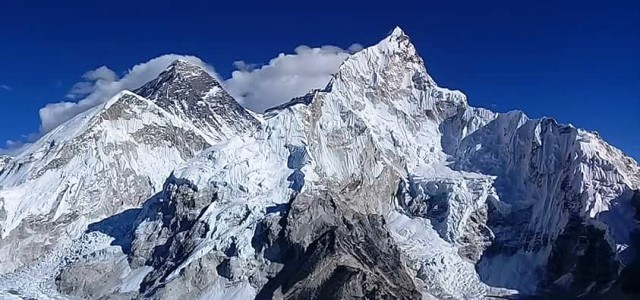
After exploring the Hillary Museum, take a short walk to the nearby Sagarmatha National Park Photo Gallery, where you can learn even more about the Khumbu region, Imja Valley, and the unique biodiversity of the Sagarmatha National Park. The gallery also serves as an excellent acclimatization stop, allowing trekkers to adjust to the altitude while enjoying breathtaking panoramic views of Mount Everest (8,848.86 m), Ama Dablam, Lhotse, Thamserku, Kangtega, and several other spectacular Himalayan peaks.
A visit to the Hillary Museum and Sagarmatha Photo Gallery is more than just a sightseeing stop—it’s an opportunity to connect with the rich history, extraordinary culture, and legendary mountaineering heritage that make the Everest region one of the world’s most iconic trekking destinations.
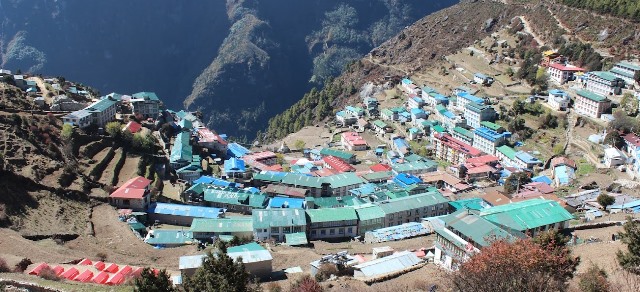
Namche Bazaar is the vibrant heart of the Khumbu region and the main gateway to the Everest Base Camp Trek, Gokyo Lakes Trek, and other Himalayan adventures. Surrounded by spectacular views of Kongde Ri, Thamserku, and Kusum Kanguru, this colorful Sherpa town perfectly blends traditional culture with modern comforts.
Today, Namche Bazaar offers more than 50 guesthouses, along with luxury hotels, restaurants, cafés, bakeries, ATMs, gear shops, bars, and a beautiful Buddhist monastery. Despite its popularity among trekkers, the town has preserved its authentic Sherpa heritage, warm hospitality, and unique mountain lifestyle.
Most trekkers spend two nights in Namche Bazaar for acclimatization before continuing toward Everest Base Camp, Gokyo Lakes, or nearby trekking routes. It is also the best place to buy or rent trekking equipment, withdraw cash, and prepare for higher elevations.
A major attraction is the famous Namche Saturday Market, a tradition that has continued for generations. Every Friday afternoon and Saturday, local traders gather to sell fresh produce, clothing, trekking gear, and traditional Sherpa handicrafts. The market offers visitors an excellent opportunity to experience the region’s local culture and interact with the friendly Sherpa community.
With its stunning mountain scenery, rich cultural heritage, and excellent facilities, Namche Bazaar is more than just a stop on the trail—it’s one of the most memorable destinations in the Everest region.
For More info: Fact about Namche Bazaar.
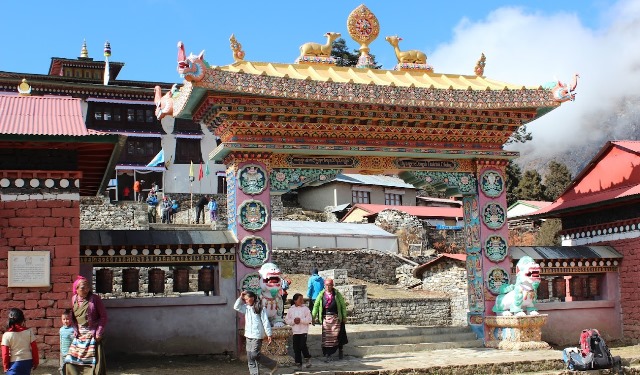
A visit to Tengboche Monastery is one of the highlights of the Everest Base Camp Trek. Located at an altitude of 3,867 meters (12,687 ft), the beautiful village of Tengboche sits on a scenic ridge surrounded by breathtaking Himalayan landscapes. It is reached on the fourth day of the classic Everest Base Camp itinerary and offers spectacular views of the Everest massif and the surrounding valleys.
The main attraction is the historic Tengboche Monastery, the largest and most important Buddhist monastery in the Khumbu region. Every morning and evening, monks perform traditional chanting and prayer ceremonies, creating a peaceful and spiritual atmosphere. Visitors are welcome to observe these ceremonies and experience the rich Sherpa Buddhist culture.
One of the best times to visit is during the famous Mani Rimdu Festival, usually held in October or November, according to the Tibetan Buddhist lunar calendar. The monastery comes alive with colorful masked dances, sacred rituals, and cultural celebrations, offering a unique glimpse into the traditions of the Sherpa community.
From Tengboche, trekkers can enjoy some of the finest mountain panoramas in Nepal, including Mount Everest, Ama Dablam, Lhotse, Thamserku, Kangtega, and many other Himalayan peaks. Whether you’re seeking spiritual tranquility, cultural experiences, or spectacular mountain views, Tengboche Monastery is an unforgettable destination on the Everest Base Camp Trek.
Sagarmatha National Park is one of Nepal’s most treasured protected areas and a highlight of the Everest Base Camp Trek. Established in 1976 and recognized as a UNESCO World Heritage Site in 1979, the park covers 1,148 square kilometers in the heart of the Khumbu region. Named after Sagarmatha, the Nepali name for Mount Everest, it protects some of the world’s most spectacular Himalayan landscapes.
The park features an incredible variety of ecosystems, including towering mountains, glaciers, alpine forests, deep valleys, and high-altitude grasslands. It is home to rare Himalayan wildlife such as the Snow Leopard, Himalayan Tahr, Musk Deer, Himalayan Black Bear, Red Panda (in lower forested areas), and over 200 species of birds, including the colorful Himalayan Monal, Nepal’s national bird.
All trekkers entering the Everest region must obtain a Sagarmatha National Park Entry Permit, which is checked at Monjo, the official entrance to the park. Visitors are required to register when entering and leaving the protected area to help preserve its unique natural environment.
A visit to Sagarmatha National Park is more than just a trekking experience. It offers breathtaking views of Mount Everest, Lhotse, Ama Dablam, and many other Himalayan peaks while providing an unforgettable opportunity to explore Nepal’s rich biodiversity, Sherpa culture, and pristine mountain wilderness.
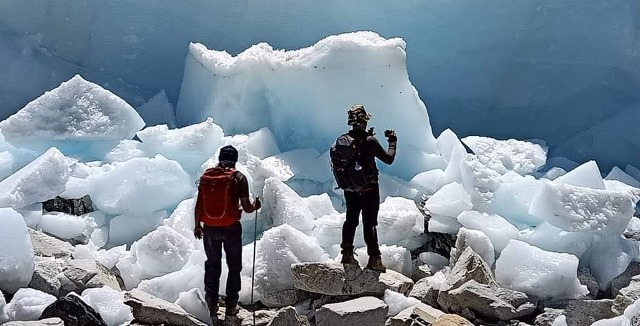
The Khumbu Glacier is one of the most spectacular natural attractions in the Everest region. Flowing from the western slopes of Mount Everest, between Lhotse and Nuptse, it is the highest glacier in the world and a major highlight of the Everest Base Camp Trek.
Stretching for approximately 17 kilometers, the Khumbu Glacier begins near the Khumbu Icefall above Everest Base Camp and gradually descends through the Khumbu Valley. Its rugged landscape is filled with towering ice formations, deep crevasses, glacial ponds, and massive boulders, creating one of the most dramatic alpine environments on Earth.
One of the best places to admire the glacier is from Kala Patthar (5,545 m), where trekkers are rewarded with breathtaking panoramic views of the Khumbu Glacier, Khumbu Icefall, Mount Everest, Nuptse, and the surrounding Himalayan peaks.
As the glacier flows downhill, it gradually melts near Lobuche, feeding the Lobuche Khola, which eventually joins the Dudh Koshi River. Like many Himalayan glaciers, the Khumbu Glacier is shrinking due to climate change, making it an important focus of scientific research and environmental conservation.
The Khumbu Glacier is not only a gateway for climbers attempting to summit Mount Everest but also an unforgettable destination for trekkers who want to witness the raw beauty and power of the Himalayan wilderness.
One of the pleasant surprises of the Everest Base Camp Trek is the wide variety of fresh and delicious food available along the trail. Most tea houses and lodges maintain clean kitchens, and experienced cooks prepare meals that are both nutritious and filling. Since proper nutrition is essential at high altitude, every lodge provides a menu with plenty of meal options.
Trekkers can enjoy a mix of Nepali, Sherpa, Tibetan, Indian, Chinese, and Italian cuisine. The most popular meal is the traditional Dal Bhat, which provides the energy needed for long days of trekking. Many tea houses also offer vegetarian, vegan, and gluten-free options.
Some of the most common foods available during the trek include:
Although beer, wine, and other alcoholic beverages are available in many tea houses, they are not recommended above 3,500 meters. Alcohol can increase the risk of dehydration and altitude sickness, making acclimatization more difficult.
The good news is that you don’t need to carry food during the Everest Base Camp Trek. There are plenty of tea houses and restaurants along the route, offering fresh meals throughout the journey, allowing you to travel lighter and enjoy local Himalayan hospitality.
There is a moment on every Everest trek when your legs have an opinion. For most people, it arrives
Continue Reading
If you are asking how difficult the Everest Three Passes Trek is, the honest answer is this: it is t
Continue Reading
My name is Peng Chang, and I travelled to Nepal from Malaysia with a small group of friends. Before
Continue Reading
In this story Why I Chose Everest Base Camp My name is Chyling, and I come from Malaysia, a country
Continue Reading
Ask anyone who has finished the Annapurna Circuit which day they remember most, and the answer is al
Continue Reading
Introduction Kathmandu doesn’t ease you in. You step out of the airport into a chorus of horns
Continue Reading