
3 Aug 2018 4 min to read

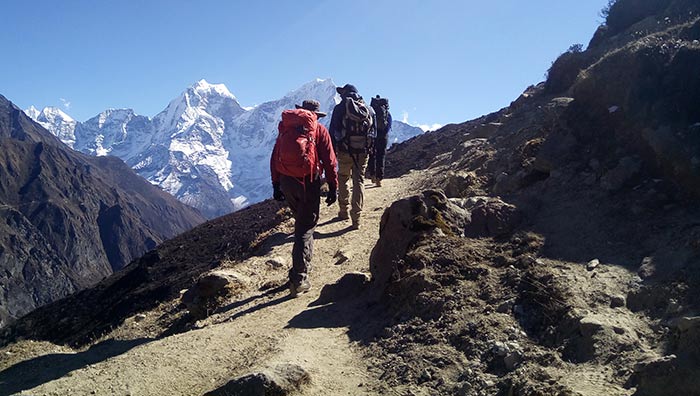
The Great Himalayan Trail is the highest and longest natural trekking route on Earth, stretching across the roof of the world from Nepal’s eastern border to its far west. Passing through the shadow of Mt. Everest and several other 8,000-meter peaks, the Great Himalayan Trail offers trekkers stunning views of towering mountains, green rolling hills, and remote valleys rarely seen by outsiders.
This legendary trail runs through Nepal, a small South Asian country home to Mt. Everest and some of the most extreme geography on the planet — from a lowest point just 60 meters above sea level to Everest’s summit at 8,848 meters, only 200 km apart in a straight line.
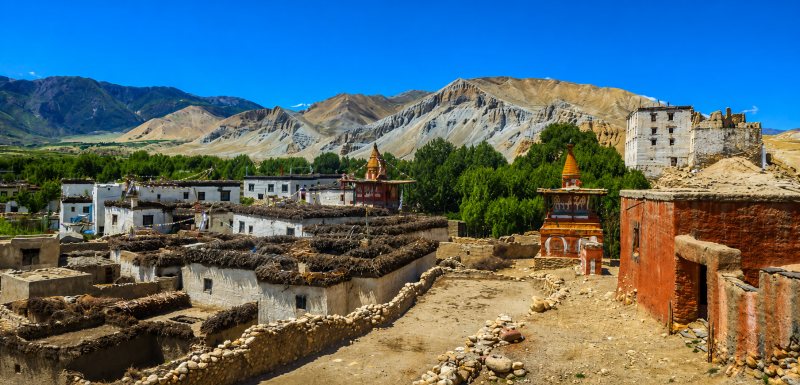
The Great Himalayan Trail was formally established in 2008–2009, after a team led by Robin Boustead completed a 157-day west-to-east crossing of Nepal. This expedition mapped and documented the route, transforming it from a series of disconnected regional trails into one continuous, recognized trekking corridor.
Before Sir Edmund Hillary and Tenzing Norgay’s historic 1950s ascent of Everest, Nepal’s trekking infrastructure barely existed. As mountaineers and trekkers gradually discovered the region afterward, the country built the lodges, trails, and permit systems that now support long-distance routes like the Great Himalayan Trail.
The Great Himalayan Trail stretches approximately 4,500 km, passing through Myanmar, Tibet, Bhutan, India, Pakistan, and Nepal. Around 1,700 km of the total trail lies within Nepal itself, crossing 19 high mountain passes along the way.
Trekkers can choose between two main route options:
The Great Himalayan Trail also connects several well-known trekking regions, including Kanchenjunga, Everest, Manaslu, and Annapurna, as well as more remote areas like Dolpo and far-western Nepal, most of which are reached only by domestic flights.
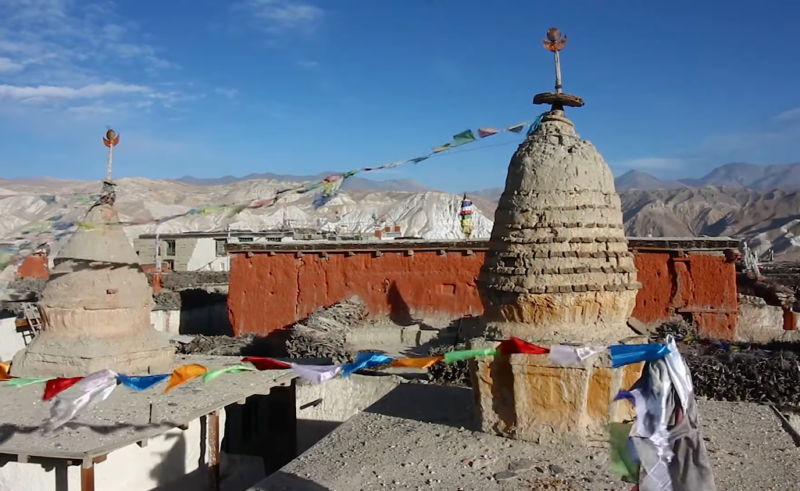
Autumn (September to November) is widely considered the best season to trek the Great Himalayan Trail, offering dry, clear skies and lush green landscapes following the monsoon. This period also coincides with several major Hindu festivals, adding cultural richness to the journey.
The monsoon season (June to August) brings heavy rainfall to southern Nepal, making trail conditions difficult and travel less enjoyable. Northern sections of the Great Himalayan Trail, by contrast, stay largely dry year-round due to high altitude, with landscapes and communities resembling nearby Tibet.
Trekking along the Great Himalayan Trail requires permits for the specific conservation areas and regions it passes through, obtainable at permit offices such as Damside in Pokhara or through a registered trekking agency. Checkpoints throughout the route require these permits for both safety and regulatory compliance.
Because much of the trail passes through remote villages where tourism is a primary income source, hiring a local guide or porter is highly recommended. Beyond added safety, local guides offer insight into hidden cultural sites, regional history, and trail conditions that independent trekkers might otherwise miss. Less-visited sections of the Great Himalayan Trail, particularly west of Annapurna, typically require camping support rather than teahouse lodging.
Supported financially by UKAID, the Great Himalayan Trail was developed to promote responsible tourism across Nepal and the wider Himalayan region. Beyond offering trekkers an extraordinary adventure, the trail creates local job opportunities, supports rural economies, and helps preserve Nepal’s natural and cultural heritage for future generations.
The Great Himalayan Trail stands as one of the most ambitious and rewarding trekking routes in the world, combining extreme natural beauty with deep cultural encounters across Nepal’s diverse regions. Whether tackling the high-altitude route or the gentler cultural path, trekkers who take on the Great Himalayan Trail come away with an unmatched Himalayan experience.
There is a moment on every Everest trek when your legs have an opinion. For most people, it arrives
Continue Reading
If you are asking how difficult the Everest Three Passes Trek is, the honest answer is this: it is t
Continue Reading
My name is Peng Chang, and I travelled to Nepal from Malaysia with a small group of friends. Before
Continue Reading
In this story Why I Chose Everest Base Camp My name is Chyling, and I come from Malaysia, a country
Continue Reading
Ask anyone who has finished the Annapurna Circuit which day they remember most, and the answer is al
Continue Reading
Introduction Kathmandu doesn’t ease you in. You step out of the airport into a chorus of horns
Continue Reading